Glazes decoded: mirror, neutral, fruit & hot glazes — choosing and applying the right finish
A decoration-led guide to choosing and applying the right finishing glaze. It starts with a finish decision matrix — which glaze suits a frozen mousse entremet, a fresh fruit tart, a baked fruit Danish, a hot cross bun or an eclair — then walks the application of each: the high-gloss mirror glaze (poured at 28-35°C onto a -18°C frozen surface in one centre-out pass), the everyday satin neutral / cold gel glaze (brushed or machine-sprayed cold), fruit and apricot nappage (brushed thin and warm), thermostable fruit-in-gel that survives the oven, the sticky hot / bun (dextrin) glaze, the no-temper compound chocolate glaze, and the matte velvet spray as the mirror's suede cousin. It is wired for inspiration (leopard, marble and drip effects) and for production (ready-to-use reheating ceilings, machine spraying), with a finish-quality fault-finder and ready-to-buy Domson catalogue products. First-party numbers come from supplier spec sheets (Zeelandia Paletta, CSM Merjel, Dawn Decorgel, Bakels Bun Glaze, Helios, Martin Braun bake-stable cherry gel, Vortumnus apricot, GIL fruit-in-jelly); the deeper gelling chemistry (gelatin/agar/pectin, Bloom grades, glucose) lives in the sister article A6-glazes-finishes.
Glazes decoded: choosing and applying the right finish
The glaze is the last thing you do and the first thing the customer sees. A flawless mirror glaze turns a mousse cake into a window display; a thin neutral nappage makes a fruit tart look like it was made five minutes ago; a brush of bun glaze gives a hot cross bun its bakery sheen. The skill that separates a professional finish from an amateur one is not making the glaze — most are bought ready to use — it is choosing the right finish for the product and applying it at the right temperature. This article is organised around that choice. For the underlying gelling chemistry (gelatin Bloom grades, agar vs pectin, glucose), read the sister article A6 — Glazes, mirror glazes & neutral nappages; here we focus on the decoration and the bench.
The figure below shows the one-page finish decision matrix that the rest of the article unpacks.
1. Start here: the finish decision matrix
Before you reach for a tub, decide what the product needs (full grid in the comparison table below):
- Frozen mousse entremet or dome → a high-gloss mirror glaze (or its matte cousin, velvet spray). These finishes need a frozen surface to set against.
- Fresh fruit tart or fruit slice → a satin neutral / cold gel glaze, or a thin apricot nappage. You want shine and a moisture seal without hiding the fruit.
- Sliced gateau / mousse cake → an everyday neutral cold gel glaze, brushed or piped.
- Fruit Danish or viennoiserie baked through → a thermostable fruit-in-gel deposited before baking, then a hot glaze brushed on after.
- Hot cross bun / fruited loaf → a hot / bun (dextrin) glaze, brushed on straight from the oven.
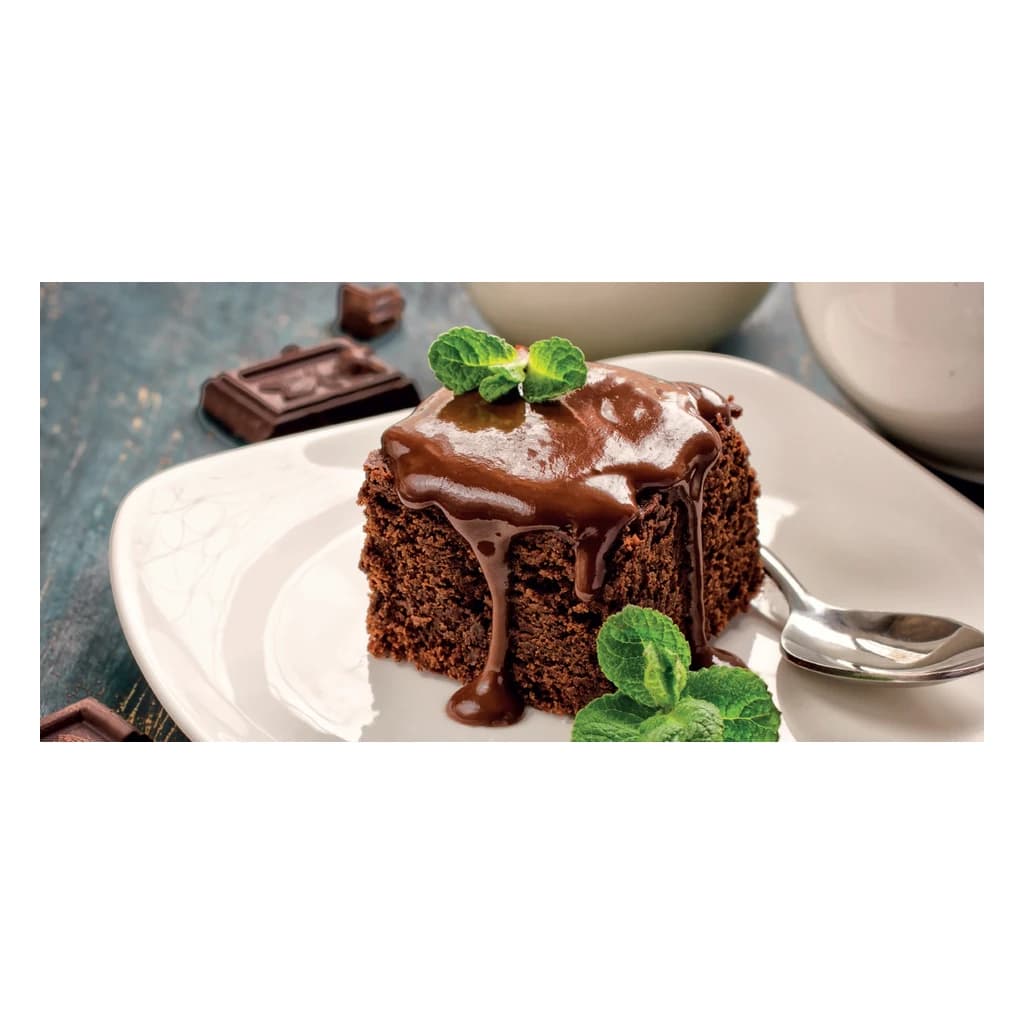
- Eclair / petit four / slice → a compound chocolate glaze (pâte à glacer) — a fast, glossy, no-temper chocolate coat.
- Set jelly layer or glazed fruit-jelly top → a neutral set jelly (gelatin or pectin).
The classic beginner error is applying one finish with the technique of another: a hot nappage will melt a frozen mousse, and a mirror glaze on a delicate fruit tart drowns the very thing you are showing off.
2. The finishes by visual character
Seven finishing options, sorted by what they actually look like on the plate (see the comparison table below):
| Finish | Looks like | Where it shines |
|---|---|---|
| Mirror glaze | Wet, reflective, mirror-bright | Frozen entremets, domes, showpieces |
| Neutral / cold gel | Clear satin; product shows through | Fruit tarts, slices, everyday gloss |
| Fruit / apricot nappage | Wet-fruit gloss, warm amber | Tart fruit, sponge sealing |
| Thermostable fruit-in-gel | Glossy fruit that holds shape after baking | Danish, fruited bakes |
| Hot / bun glaze | Sticky lacquered crust | Buns, fruited loaves |
| Compound chocolate glaze | Glossy chocolate coat | Eclairs, petits fours |
| Velvet / flocking spray | Soft suede / matte | Frozen entremets (matte alternative) |
3. Mirror glaze: the headline finish
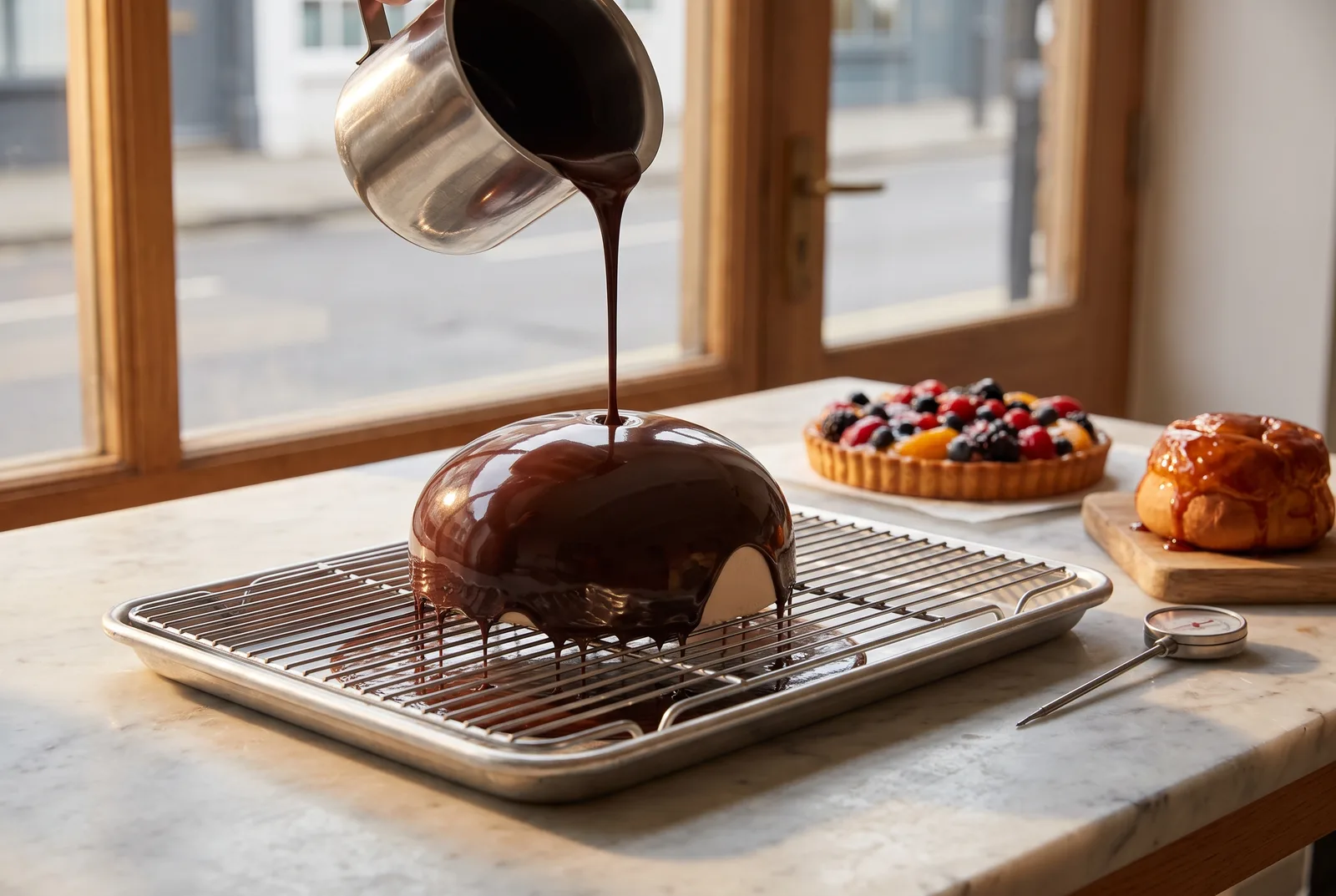
A mirror glaze is poured warm and fluid over a frozen dessert so it sets on contact into a thin, perfect, reflective film. Get the two temperatures right and it is almost foolproof; get either wrong and it slides off or sets dull (see and the formula card below).
The two temperatures that decide success:
- Apply at ~28-35°C (optimum 32-34°C). Too hot and it melts the surface and runs off too thin; too cold and it is too thick to flow into a mirror and leaves streaks.
- Pour onto a dessert frozen at -18°C for 4 hours or more, and wipe off condensation first — a film of moisture is the number-one reason a glaze slides or sets with dull patches .
Production reality — work from a ready-to-use glaze. Most kitchens do not cook a mirror glaze from scratch every service; they warm a ready-to-use cold/mirror glaze, which is consistent and re-meltable. The reheating discipline matters (see ): bring it back to fluid in the microwave to a maximum of ~40°C, or a bain-marie not exceeding ~37°C (these ceilings come from a single trade source; always follow the figure printed on the specific product), then re-blend with an immersion blender kept below the surface (so you do not whip in air), strain, rest, and pour at the working temperature . If you do want the from-scratch gelatin formula (cook the syrup to 103°C, pour over white chocolate + condensed milk + bloomed gelatin), it is in A6-glazes-finishes .
The pour. On a flat, even, frozen surface, pour in one confident pass from the centre outwards in a spiral until the sides are covered, and do not go back over it. A level base is essential — the gloss exaggerates every bump. Trim the drips and set the glazed cake at ~4°C for ≥2 h before service.
3.1 Decorative effects (the inspiration part)
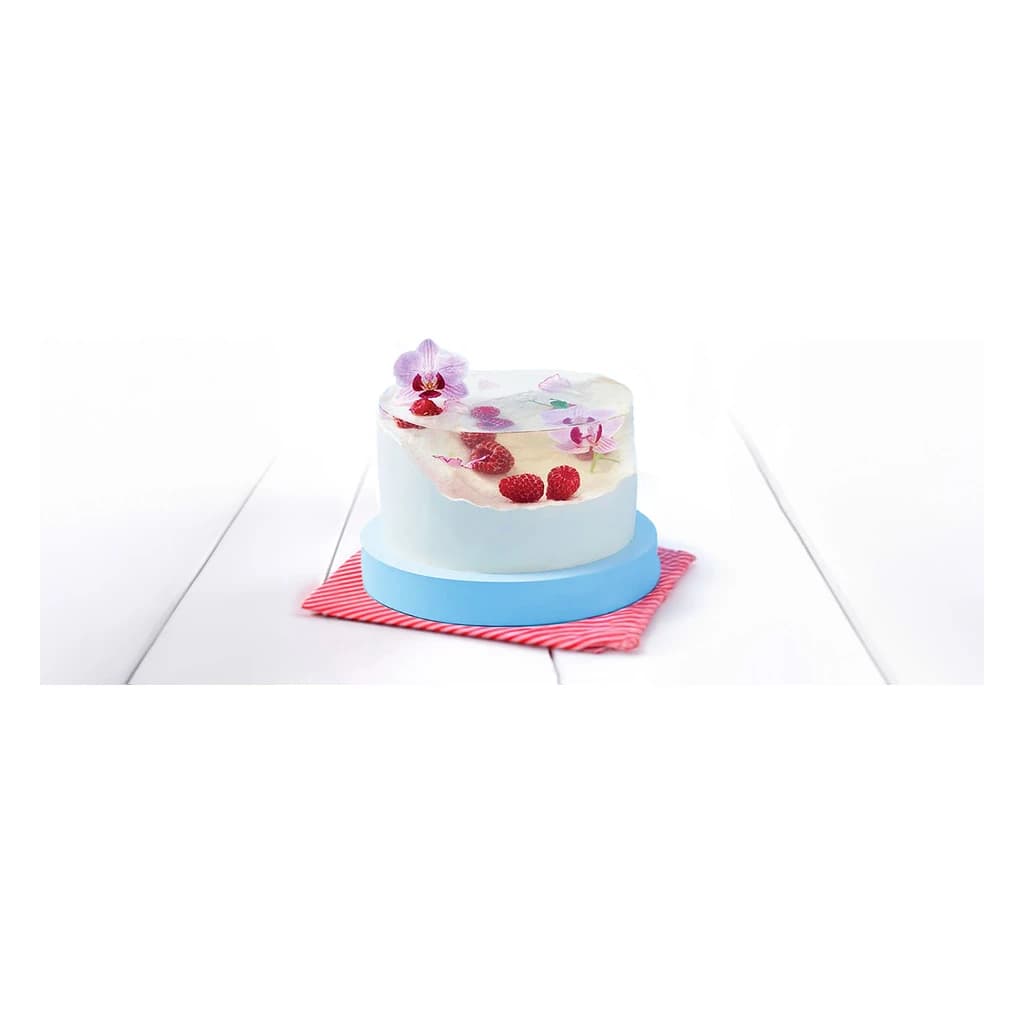
A mirror glaze is a canvas. Three effects earn their keep and need no extra equipment (see and ):
- Leopard print — pour the base tone, then drop a contrasting glaze in spots and give one quick spatula swipe across the top; the spots stretch into a leopard pattern.
- Marble / two-tone — drop two tones and give a single gentle swipe; stop before they blend, or it turns muddy.
- Drip / ombré — pour a coloured glaze just past the top edge so it runs in controlled drips.
Ready-to-use mirror & cold glazes in the catalogue: Zeelandia Paletta Choco Cold Mirror Glaze (dry matter min 60%, pH 5.0-5.3); Dawn Chocolate Mirror Glaze; Dawn Decorgel cold glazes, "used cold on frozen bavarois to give a shiny appearance"; Master Martini Mirall; Puratos Harmony Ice Glaze; and the Dekojel chocolate/vanilla cold glazes.
Allergen flag — Zeelandia Paletta Choco (SOYA). This glaze contains chocolate pieces with SOYA lecithin (E322) and its allergen table marks SOYA as a CONTAINS allergen (milk is a may-contain). Any finished product, menu or product page featuring it must declare SOYA in bold under EU Reg 1169/2011 and the UK equivalent.
4. Neutral & cold gel glazes: the everyday satin shine
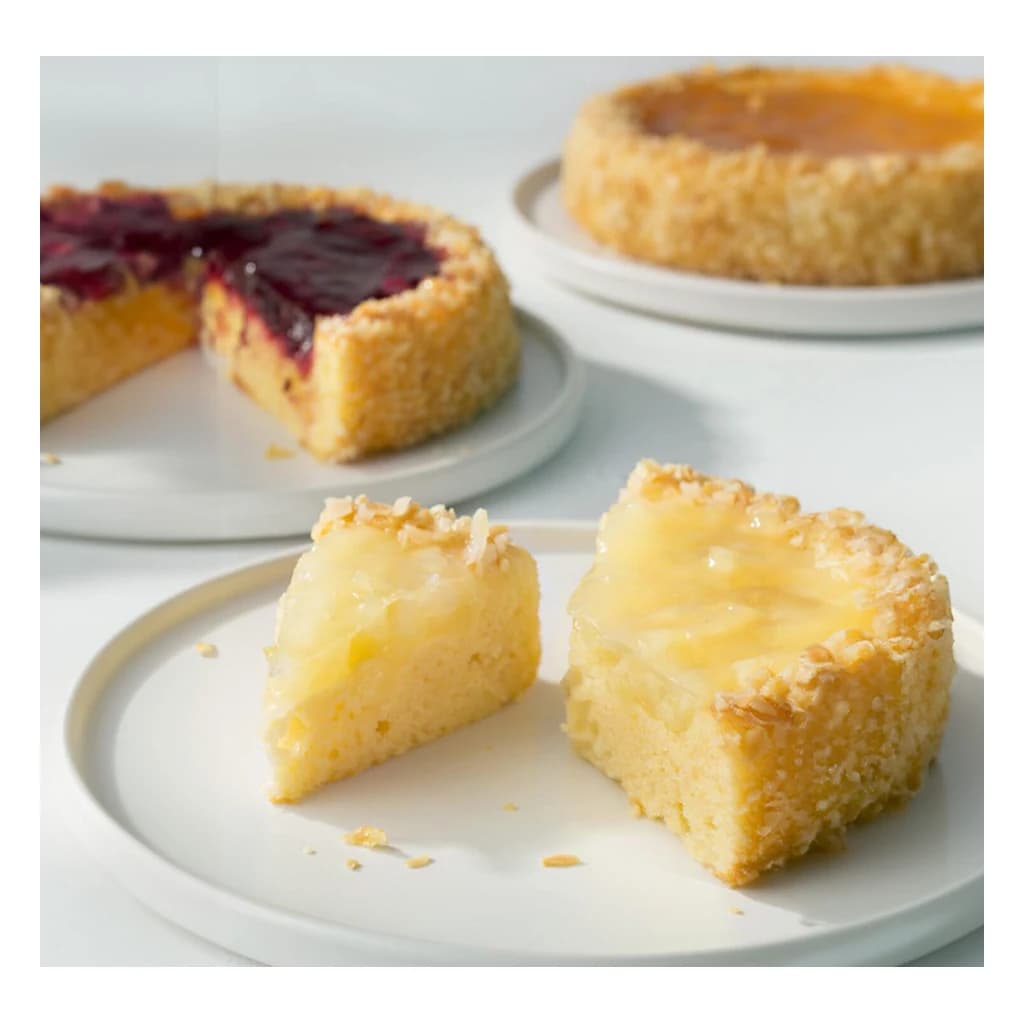
A neutral glaze is a clear, near-tasteless gel that adds shine and seals moisture without changing how the product looks — the workhorse finish for fruit tarts, sliced gateaux and individual mousse cakes . Commercial neutral glazes are agar- and/or pectin-based and come ready to use, applied cold to lukewarm with a brush, a piping bottle, or — at scale — a machine.
- Zeelandia Paletta Cold — agar-set; dry matter min 60%, pH 3.4-3.9, 256 kcal/100g; described on its own datasheet as a "gel with a high-gloss mirror".
- CSM Merjel CPJ Neutral — a "ready to use" cold-process clear jelly for covering fruit, layering and masking; loosen with up to 100 g cold water per kg for more flow.
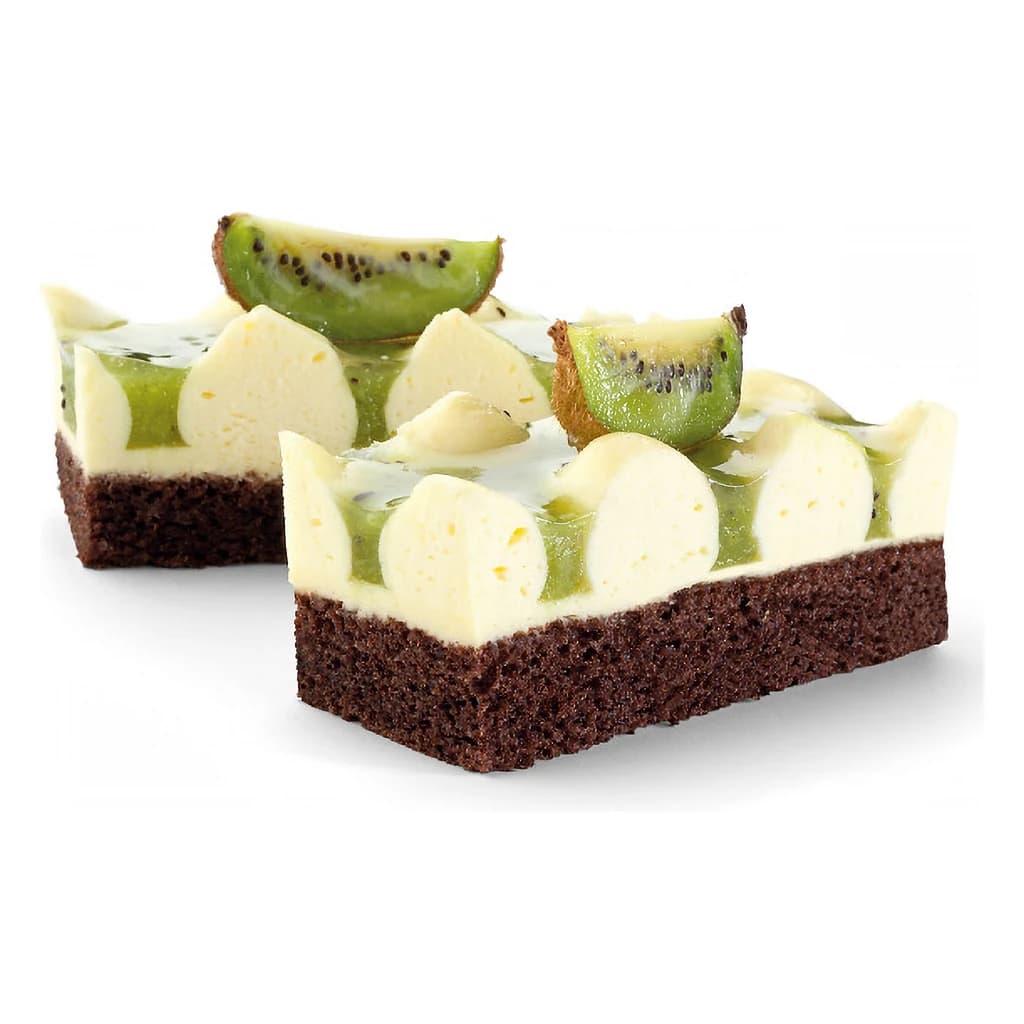
- Also Zeelandia Neutral Gel Glaze, Bakels Instant Superglaze Neutral, CSM Magic Glaze, Martin Braun Claro Gel, Komplet Kiddy Gel, Macphie GlenGlaze and the Golden Glaze Cold Glaze. A glossy fruit tart is shown in .
Allergen flag — sulphites (CSM Merjel). Merjel declares SO₂ at 41 PPM — above the 10 mg/kg mandatory-allergen threshold — so any finished product containing it must carry a sulphites declaration. The spec also lists egg, milk/lactose, soya and gluten as may-contain cross-contamination risks; verify the current allergen table with CSM Bakemark before use in allergen-controlled production.
Scaling up — machine spraying. Hand-brushing is fine for a tart, but at production volume the consistent route is an automatic glaze sprayer, which mists glaze or marmalade evenly over Danish, tarts, flans, buns and frozen pastry. The same product (e.g. a cold neutral glaze) can be brushed by hand or sprayed by machine — the choice is throughput, not chemistry.
For the vegan/halal/kosher route, agar is the plant-based gelling base behind several of these cold glazes; the catalogue stocks Hortimex Agar MN5, which gels at ~37 ± 5°C and must be boiled to hydrate.
5. Fruit & apricot nappage: glazing the fruit itself
The traditional nappage is the brush glaze that makes tart fruit shine and stops it drying and browning . The low-tech version is apricot glaze: heat an apricot product with a little water until fluid (heat, do not hard-boil), strain, and brush a thin warm coat over the fruit or over sponge before icing — apply it thin and by dabbing, or it looks jelly-like when set (see the formula card below).
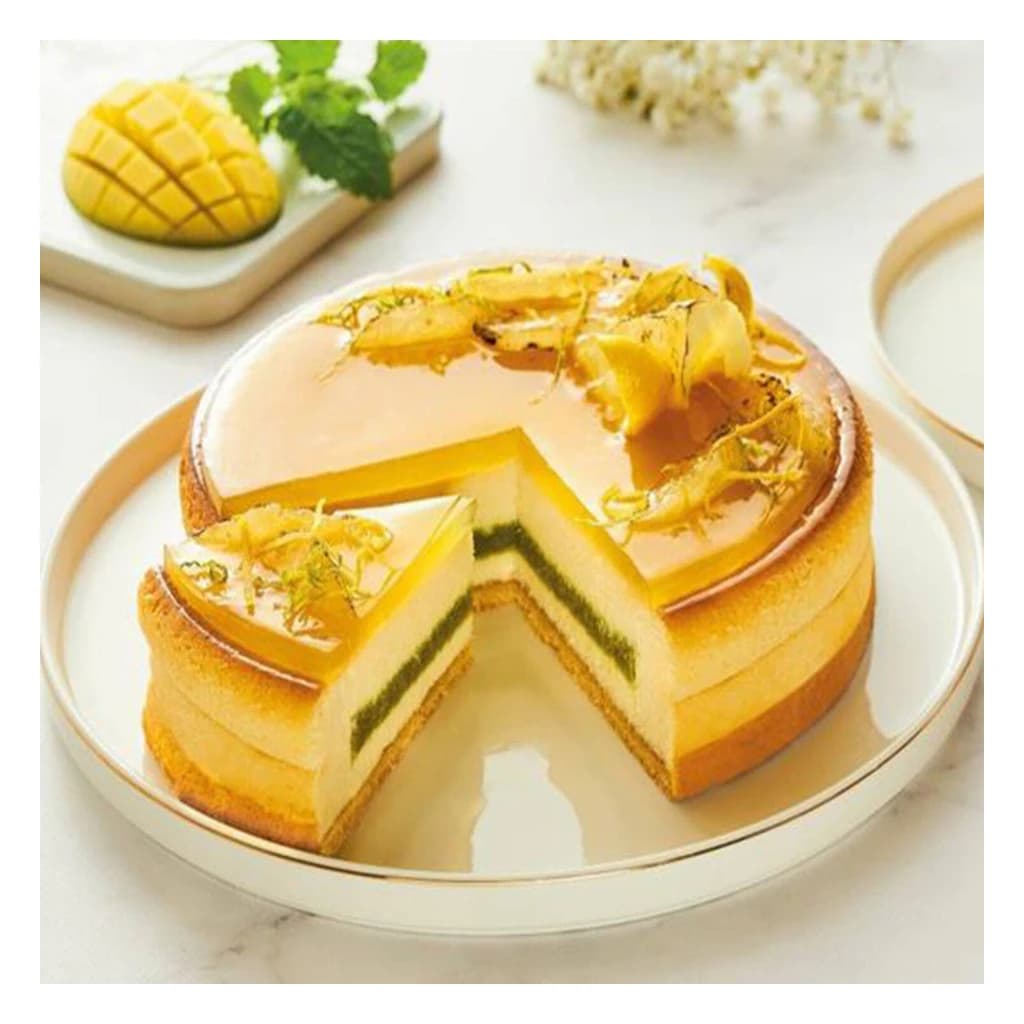
The catalogue carries dedicated commercial apricot glazes — Zeelandia Paletta Apricot, Dawn Belnap Apricot and a hot neutral type, Zeelandia Neutral Paste/Glaze (Hot) — plus two apricot bases that double as a nappage: Vortumnus Apricot Jam High Fruit (total extract ≥60%) and Vortumnus Apricot Preserve (total extract ≥58%).
Label flags — Vortumnus apricot bases (colours + sulphites). Both Vortumnus apricot products are apple-purée-based and coloured with tartrazine (E102) and Allura Red (E129) — two of the six "Southampton" colours that under EU Regulation 1333/2008, Annex V must carry the statement "may have an adverse effect on activity and attention in children" — this colour warning travels to any finished product containing either base. Sulphites: the jam (Vortumnus Apricot Jam High Fruit) declares SO₂ up to 100 mg/kg — clearly above the EU/UK 10 mg/kg mandatory-declaration threshold, so finished products must carry a sulphites allergen declaration. The preserve (Vortumnus Apricot Preserve) declares SO₂ ≤10 mg/kg — at or below that threshold; its spec carries only a voluntary precautionary statement ("the product may contain sulphur dioxide"). Confirm the actual batch SO₂ level with Vortumnus to determine whether a mandatory sulphites declaration applies to the preserve. Verify all allergen tables against the current supplier datasheet before production .
5.1 Thermostable fruit-in-gel: fruit that survives the oven
For glossy fruit on a product that gets baked (a fruit Danish, a fruited slice), a brushed nappage applied after baking is one option — but a thermostable (bake-stable) fruit-in-gel is the professional move: deposit it before baking and it holds its shape and shine through the oven instead of bleeding or collapsing. The catalogue's Martin Braun Sour Cherry in Bake-Stable Gel is exactly this — 50% fruit, 130 kcal/100g, Brix min 30, pH min 3.3, "ready to use, before and after baking," with its bake-stability built on a gellan gum + calcium lactate system rather than gelatin (see ). The same family includes Jabex Raspberry in Thermostable Gel 50% and Blueberry 65%. For an unbaked glossy fruit-gel top or inclusion, GIL Strawberry Fruit-in-Jelly (60% fruit, pH 3.0-3.5) does the job .
6. Hot / bun glaze: bakery sheen with no gelling agent
Not every shine needs a gel. A bun glaze is a starch-derived (dextrin) wash brushed onto a hot baked product to give the sticky, lacquered sheen of a hot cross bun or a fruited loaf (see ). The catalogue's Bakels Bun Glaze RTU is simply water 80-85% + potato dextrin 15-20% with a trace of preservative and guar; it contains 0 g sugar, is vegan-suitable, and must be applied immediately after baking while the product is hot . Brush it on a cooled bun and it neither sticks nor shines.
7. Compound chocolate glaze (pâte à glacer): the fast gloss
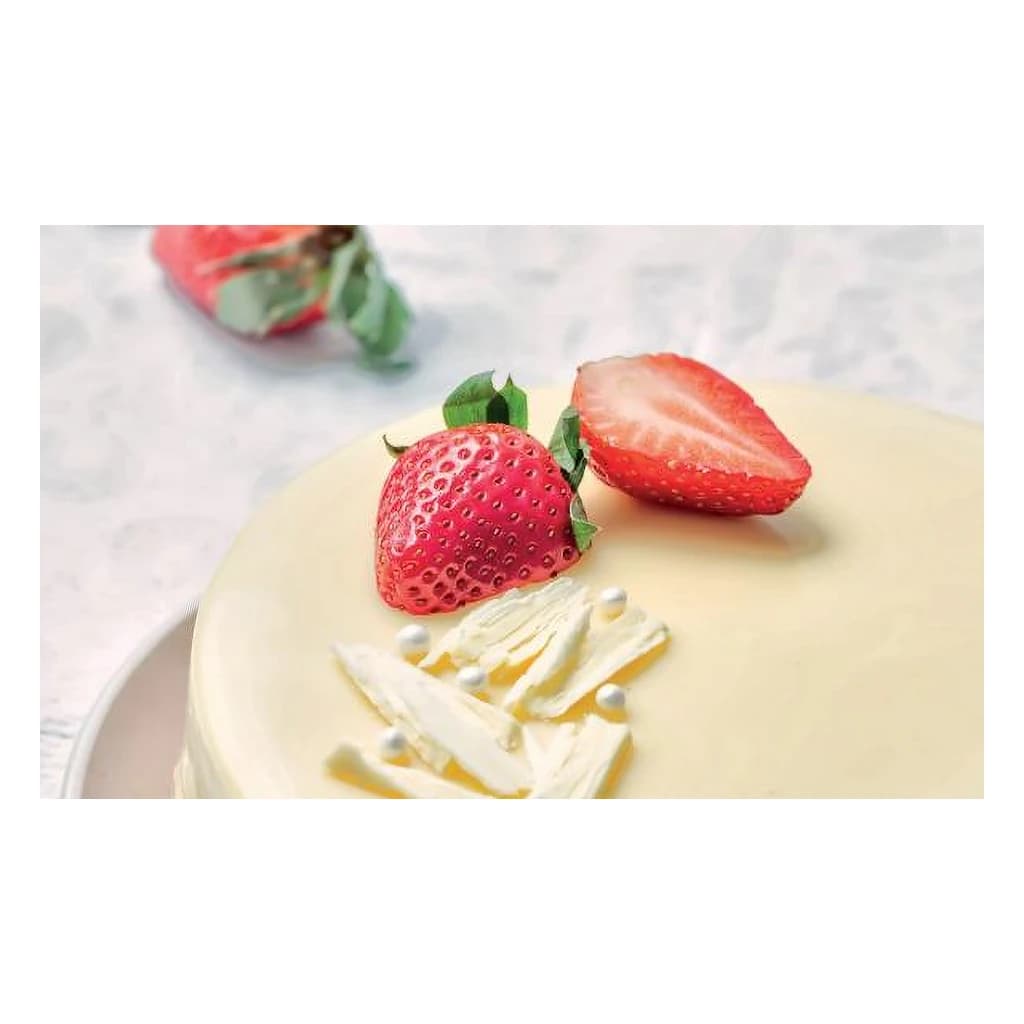
A compound chocolate glaze puts a glossy chocolate coat on eclairs, slices and petits fours without tempering, because it contains no cocoa butter — it is built on vegetable fats, so there is no polymorphic crystallisation to manage. You simply melt it (~40-45°C) and use it at ~35-40°C. Treat it like couverture (over-cool or "temper" it) and you get the streaky, dull, greyed result compound coatings exist to avoid. The catalogue's Helios Premium Dark Chocolate Glaze is non-hydrogenated palm fat + 12.5% fat-reduced cocoa, 38 g fat (36 g saturated), 566 kcal/100g, 12-month shelf life; the Helios White Glaze is the white equivalent at 573 kcal/100g. (For real-couverture glazing where tempering and Form V crystallisation matter, see A7 — Chocolate tempering & decor.)
Allergen flag. Both Helios compound glazes may contain milk, nuts and peanuts, and the white glaze contains milk; carry these declarations to the finished-product label .
8. Velvet spray: the matte cousin of mirror glaze
When you want a soft suede / flocked matte finish instead of a wet mirror, the technique is to spray a mix of cocoa butter and chocolate onto a frozen entremet so it crystallises on contact (thermal shock) (see, and the formula card below). The working mix is 1:1 cocoa butter and white chocolate by weight (a widely used equal-parts approach; some professional guides specify 60% chocolate to 40% cocoa butter — follow your specific chocolate's fluidity guidance), used warm at ~40-45°C and sprayed ~30 cm from a dessert taken straight from the freezer (frozen overnight, ~-18°C or below); a fine nozzle gives a smooth coat, a wider one a grainier suede. It is covered briefly here as a finishing choice against mirror glaze; the full velvet/airbrush/cocoa-butter workflow lives in A7 — Chocolate tempering & decor.
9. Finish-quality troubleshooting
The failures below are the ones that make a piece look amateurish; almost all trace back to temperature or moisture (full matrix in the fault table below; see ):
- Glaze slides off → substrate not fully frozen, condensation, or glaze too warm. Glaze from the freezer (-18°C, ≥4 h), wipe condensation, apply at ~28-35°C.
- Dull / cloudy → moisture on the surface or air in the glaze. Control humidity, rest the glaze, set at ~4°C.
- Streaky / drag marks → glaze too cold/thick. Warm to the window and re-blend; pour in one pass .
- Bumpy mirror → the base cake was not smoothed and frozen flat (gloss exaggerates every bump). Level and freeze first.
- Muddy marble/leopard → over-mixed. One quick gentle swipe, then stop.
- Nappage looks jelly-like → applied too thick. Strain and dab a thin warm coat.
- Fruit decoration bled / collapsed in the oven → a non-bake-stable gel was used pre-bake. Use a thermostable fruit-in-gel rated for use before baking.
- Compound glaze streaky/grey → it was treated like couverture. Melt to ~40-45°C, use at ~35-40°C, no tempering.
- Bun glaze dull / won't stick → applied to a cooled product. Brush it on hot, straight from the oven .
Faith / diet flag. Most confectionery gelatin (including Zeelandia Jelly Neutral) is porcine — not halal, not kosher and not vegetarian. For the platform's Muslim and observant customers, the plant-based gelling route is agar or pectin. The same gelatin glazes also will not set with fresh pineapple, kiwi or papaya (protease enzymes) — the Zeelandia Jelly Neutral datasheet states this explicitly; use heat-treated/canned fruit or a pectin/agar glaze instead.
10. What to buy from the Domson catalogue
- Ready-to-use mirror / cold mirror glazes: Zeelandia Paletta Choco Cold Mirror; Dawn Chocolate Mirror Glaze; Master Martini Mirall; Puratos Harmony Ice; Dawn Decorgel Plus White; Dekojel Chocolate / Vanilla cold glazes; Golden Glaze.
- Neutral / cold gel glazes: Zeelandia Paletta Cold; CSM Merjel; CSM Magic Glaze; Zeelandia Neutral Gel; Bakels Instant Superglaze; Martin Braun Claro Gel; Komplet Kiddy Gel; Macphie GlenGlaze.
- Apricot / hot nappage: Zeelandia Paletta Apricot; Dawn Belnap Apricot; Zeelandia Neutral Paste (Hot); Vortumnus Apricot Jam and Preserve — note the colour + sulphite label flags.
- Thermostable / glossy fruit-in-gel: Martin Braun Cherry in Thermostable Gel; Jabex Raspberry and Blueberry; GIL Fruit-in-Jelly.
- Hot / bun glaze: Bakels Bun Glaze RTU.
- Compound chocolate glaze: Helios Premium Dark; Helios White.
- Set jelly & vegan gelling agent: Zeelandia Jelly Neutral (porcine); Hortimex Agar MN5 (the vegan/halal/kosher route).
Supplier and inspiration photography to assemble for this article is catalogued in images.json
( to ); the operator holds supplier-photo permission and will make final
selections.
Figures
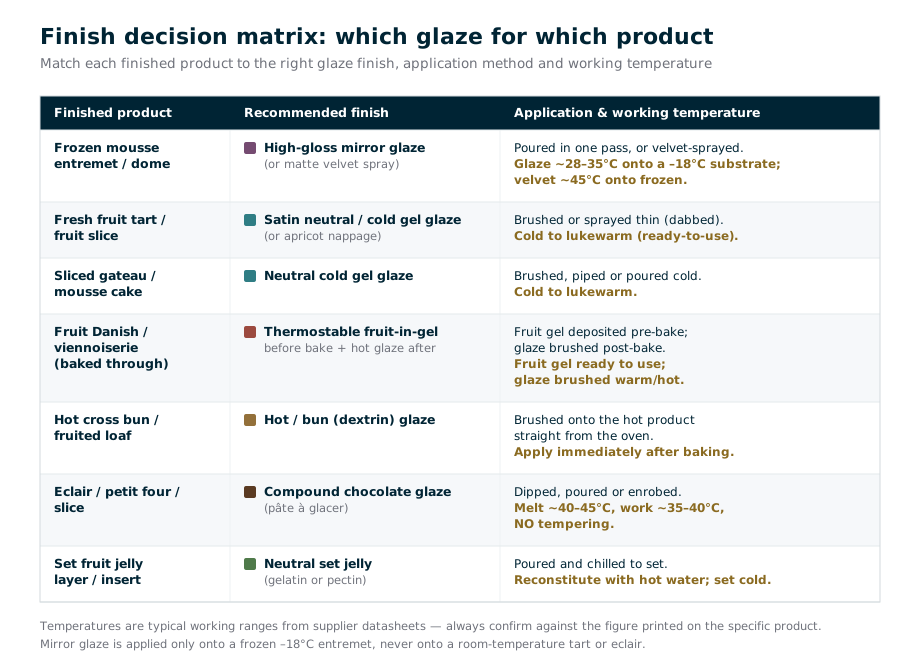 Decision matrix mapping patisserie products to the right glaze finish, showing mirror, neutral, fruit nappage, thermostable fruit gel, bun glaze, compound chocolate and velvet spray with their application methods and temperatures
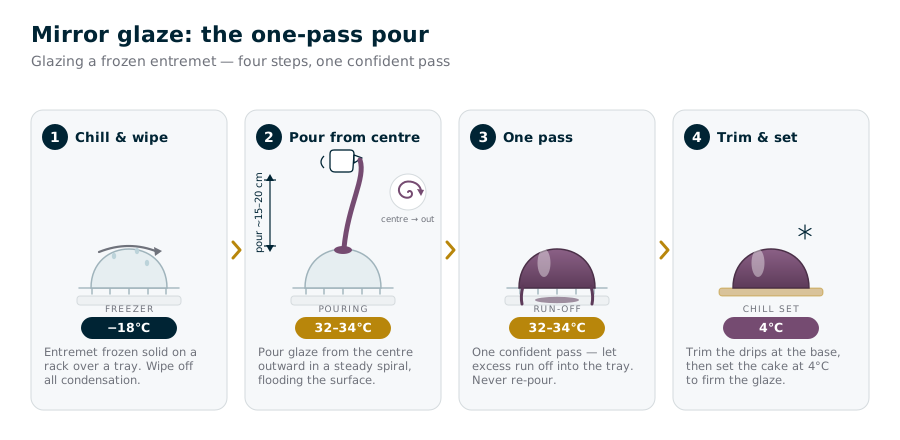 Four-step mirror glaze pour: wipe the frozen entremet, pour glaze at 32-34 degrees from the centre outward in one pass, trim drips, then set at 4 degrees
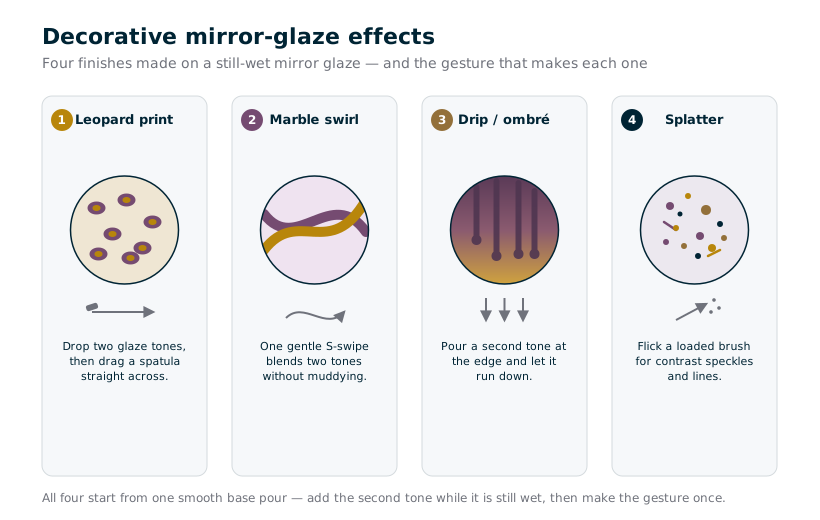 Four decorative mirror glaze effects illustrated: leopard print, marble swirl, drip ombre and splatter, each with the spatula gesture that makes it
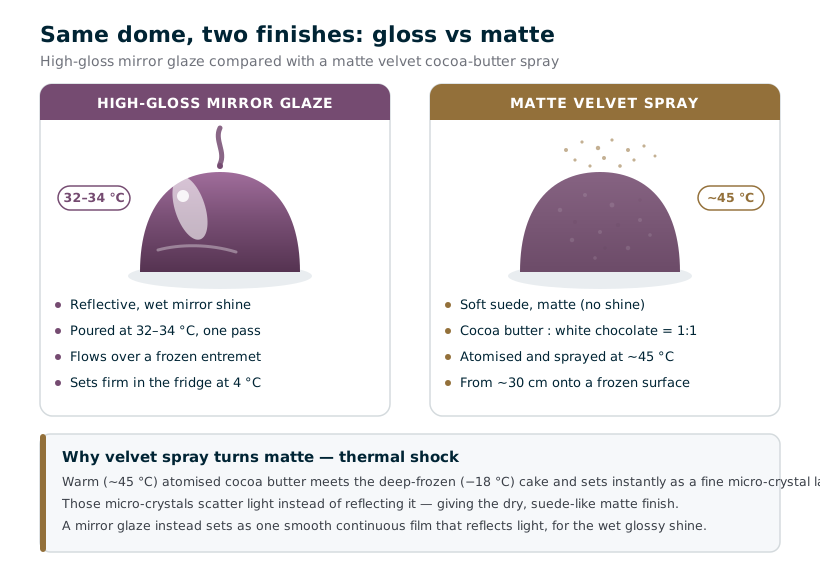 Two identical dome cakes compared: a high-gloss mirror glaze finish versus a matte velvet cocoa-butter spray finish
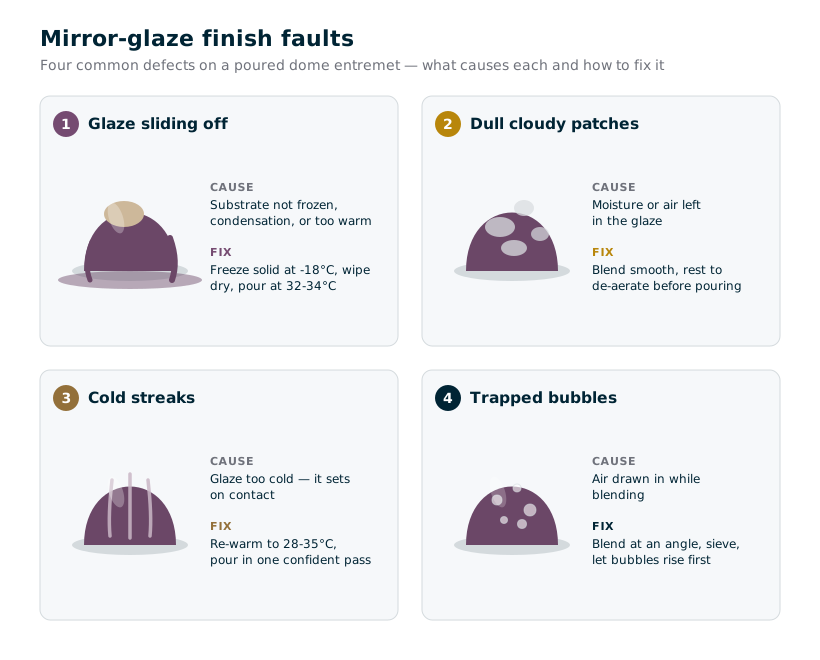 Four mirror glaze faults illustrated with fixes: glaze sliding off, dull cloudy patches, cold streaks, and trapped air bubbles
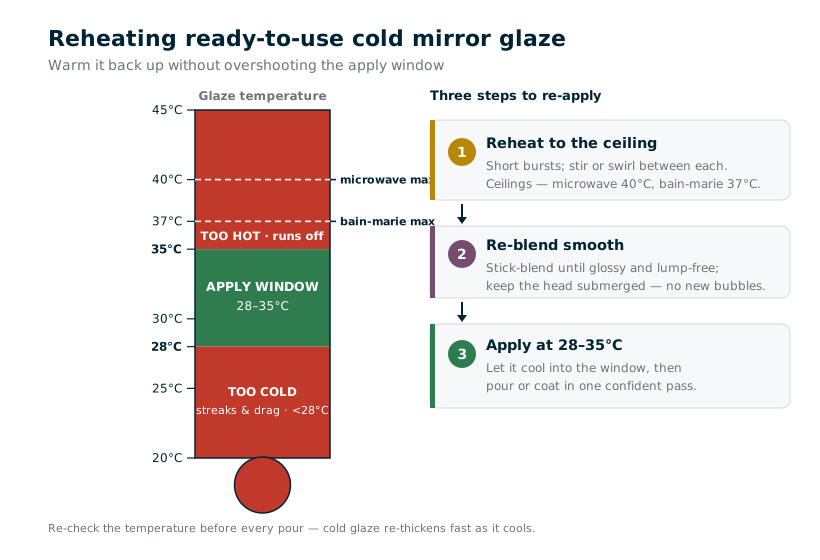 Reheating chart for ready-to-use cold mirror glaze: microwave under 40 degrees or bain-marie under 37 degrees, then apply between 28 and 35 degrees
Applying a ready-to-use cold mirror glaze (the reliable production route)
Most professional kitchens glaze from a ready-to-use cold/mirror glaze rather than cooking one from scratch — it is consistent and re-meltable. This card is the APPLICATION protocol; for the from-scratch gelatin formula and the gelling chemistry see A6-glazes-finishes.
| Ingredient | Baker's % | Weight |
|---|---|---|
| Ready-to-use cold / mirror glaze — e.g. Zeelandia Paletta Choco, Dawn Chocolate Mirror, Master Martini Mirall, Puratos Harmony Ice | as needed | |
| Frozen entremet — Frozen hard at -18°C for ≥4 h, flat/even surface | 1 per glaze | |
| Gel/fat-soluble colour (optional) — Add before the final blend | as needed |
- Warm the glaze gently to fluid: microwave to a MAX of ~40°C, or bain-marie not exceeding ~37°C.
- Re-blend with an immersion blender kept BELOW the surface (no whipped-in air); strain; let it rest so bubbles rise.
- Bring to the working temperature: ~28-35°C (optimum 32-34°C).
- Take the entremet straight from the freezer (-18°C) and wipe off any condensation.
- Pour in ONE confident pass from the centre outwards in a spiral until the sides are covered; do not go back over it.
- Trim the drips, transfer to the board, and set the glazed cake at ~4°C for ≥2 h before service.
Apricot nappage (jam-based brush glaze)
The traditional wet-fruit gloss for fruit tarts and for sealing sponge before icing. Functional and low-tech — the apricot product already carries the pectin and sugar. Use the catalogue's apricot jam/glaze, or a dedicated commercial apricot nappage.
| Ingredient | Baker's % | Weight |
|---|---|---|
| Apricot jam / apricot nappage — e.g. Vortumnus apricot jam, Zeelandia Paletta Apricot, Dawn Belnap Apricot | 200 g | |
| Water — To loosen to a brushable consistency (commercial nappages may need none) | 30-50 g |
- Heat the apricot product (with a little water if needed) until melted and fluid — heat, do not hard-boil.
- Strain through a fine sieve to remove fruit pieces (for a glass-smooth finish).
- Brush a THIN warm coat, dabbing rather than dragging, so it does not look jelly-like when set.
- It seals fruit against drying and oxidation and stops the crust going soggy.
- LABEL CHECK: apricot 'jam/preserve' bases coloured with tartrazine/Allura Red and carrying sulphites must be declared on the finished product (see safety notes).
Velvet (flocking) spray — the matte alternative to mirror glaze
When you want a soft suede finish instead of a wet mirror, spray cocoa butter + chocolate onto a frozen entremet so it crystallises on contact (thermal shock). Briefly covered here as a finishing CHOICE; the full chocolate/velvet workflow lives in A7-chocolate-tempering-and-decor.
| Ingredient | Baker's % | Weight |
|---|---|---|
| White (or dark) chocolate — 1:1 with cocoa butter by weight — a widely used equal-parts approach; professional guides (e.g. Callebaut) often specify 60:40 chocolate:cocoa butter. Follow your specific chocolate's fluidity guidance. | 200 g | |
| Cocoa butter — Equal part (for 1:1 approach); reduce to 40 g per 60 g chocolate if using the 60:40 professional ratio. | 200 g | |
| Fat-soluble colour (optional) — For coloured velvet | as needed |
- Melt chocolate and cocoa butter together and pass through a fine sieve into the spray-gun reservoir.
- Use the mixture warm at ~40-45°C (instant cans: warm in 45-50°C water ~30 min).
- Take the dessert straight from the freezer (frozen overnight, ~-18°C or below).
- Spray in even passes from ~30 cm away; a fine nozzle gives a smooth coat, a wider nozzle a grainier suede.
- The cold surface crystallises the cocoa butter instantly into a velvety matte finish — ~200 g + 200 g coats roughly six 18 cm cakes.
The single most useful table in this article — match the finished product to the right finish. The wrong finish (e.g. a hot nappage on a frozen mousse, or a mirror glaze on a delicate fruit tart) wastes product and looks amateurish. Temperatures are typical working ranges from supplier datasheets and pastry references; always confirm against the figure printed on the specific product.
| Finished product | Recommended finish | Why | Application | Working temperature | Catalogue example |
|---|---|---|---|---|---|
| Frozen mousse entremet / dome | High-gloss mirror glaze (or matte velvet spray) | Reflective showpiece finish; the frozen surface sets the glaze on contact | Poured in one pass; or velvet-sprayed | Glaze ~28-35°C onto -18°C substrate; velvet ~45°C onto frozen | Zeelandia Paletta Choco; Dawn Chocolate Mirror Glaze; Master Martini Mirall; Puratos Harmony Ice |
| Fresh fruit tart / fruit slice | Satin neutral / cold gel glaze (or apricot nappage) | Adds shine, locks in moisture, slows browning without hiding the fruit | Brushed or sprayed thin (dabbed) | Cold to lukewarm (ready-to-use) | Zeelandia Paletta Cold; CSM Merjel; Komplet Kiddy Gel; Macphie GlenGlaze |
| Sliced gateau / mousse cake | Neutral cold gel glaze | Quick everyday gloss and a moisture seal on cut surfaces | Brushed, piped or poured cold | Cold to lukewarm | Zeelandia Neutral Gel; Bakels Instant Superglaze; CSM Magic Glaze; Martin Braun Claro Gel |
| Fruit Danish / viennoiserie (baked through) | Thermostable fruit-in-gel before bake + hot glaze after | Bake-stable gel holds shape in the oven; a glaze adds the finishing sheen | Fruit gel deposited pre-bake; glaze brushed post-bake | Fruit gel ready to use; glaze brushed warm/hot | Martin Braun Cherry in Thermostable Gel; Jabex Raspberry/Blueberry Gel; Bakels Bun Glaze |
| Hot cross bun / fruited loaf | Hot / bun (dextrin) glaze | Sticky lacquered bakery sheen with no gelling agent | Brushed onto the hot product straight from the oven | Apply immediately after baking | Bakels Bun Glaze RTU |
| Eclair / petit four / slice | Compound chocolate glaze (pâte à glacer) | Fast glossy chocolate coat with no tempering | Dipped, poured or enrobed | Melt ~40-45°C, work ~35-40°C, NO tempering | Helios Premium Dark Chocolate Glaze; Helios White Glaze |
| Set fruit jelly layer / insert | Neutral set jelly (gelatin or pectin) | Firm, sliceable clear jelly for inserts and glazed fruit-jelly tops | Poured and chilled to set | Reconstitute with hot water; set cold | Zeelandia Jelly Neutral; GIL Fruit-in-Jelly |
A decoration-led comparison: what each finish actually looks like on the plate and how it is applied. For the underlying gelling chemistry (gelatin/agar/pectin/glucose, Bloom grades, set-vs-melt) see the sister article A6-glazes-finishes.
| Finish | Visual character | Structuring system | How applied | Working temperature | Sources |
|---|---|---|---|---|---|
| Mirror glaze (glaçage miroir) | Wet, reflective, mirror-bright | Gelatin (+ glucose, condensed milk, chocolate) or pectin | Poured in one pass over a frozen surface | ~28-35°C (optimum 32-34°C) onto -18°C | Trade reference |
| Neutral / cold gel glaze | Clear satin shine; lets the product show through | Agar and/or pectin in a glucose-sugar-water base | Brushed, piped, poured or machine-sprayed cold | Cold to lukewarm (ready-to-use) | Zeelandia spec sheet, CSM spec sheet, Trade reference |
| Fruit / apricot nappage | Wet-fruit gloss; warm amber on apricot | Pectin (fruit-derived; NH for re-meltable) | Brushed/dabbed thin over fruit or sponge | Warm (re-meltable types reheat freely) | Trade reference |
| Thermostable fruit-in-gel | Glossy fruit that keeps its shape after baking | Gellan gum / modified starch + calcium | Deposited before baking; survives the oven | Ready to use; bake-stable | Martin Braun spec sheet, Trade reference |
| Hot / bun (dextrin) glaze | Sticky lacquered sheen on a baked crust | Dextrin or egg/egg-substitute (no gelling agent) | Brushed onto the hot product after baking | Applied to baked goods immediately after baking | Bakels spec sheet |
| Compound chocolate glaze (pâte à glacer) | Glossy chocolate coat | Vegetable fat (palm/palm-kernel/coconut) — no cocoa butter | Dipped / poured / enrobed, no tempering | Melt ~40-45°C, work ~35-40°C | Helios spec sheet |
| Velvet / flocking spray (matte cousin) | Soft suede / flocked matte texture | Cocoa butter + chocolate (sprayed) | Sprayed onto a frozen surface (thermal shock) | Spray ~45°C onto -18°C; ~30 cm away | Trade reference |
Authoritative figures read directly from supplier spec sheets in the Domson catalogue. Each is a single first-party source; cross-product comparison only. Apricot 'jam/preserve' products are colour-and-pectin-set apple-purée bases used as a nappage, NOT high-fruit conserves — note the colour and sulphite flags.
| Product | Role | Key composition | Extract / pH | Energy /100g | Shelf life | Spec source |
|---|---|---|---|---|---|---|
| Zeelandia Paletta Cold | Neutral cold glaze (satin shine) | Agar (E406) <1% in glucose-fructose 55% / water 23% / sugar 20% | DM min 60% / pH 3.4-3.9 | 256 kcal | 360 days | Zeelandia spec sheet |
| Zeelandia Paletta Choco | Chocolate cold mirror glaze | Glucose-fructose 55% + cocoa 6% (contains SOYA) | DM min 60% / pH 5.0-5.3 | 264 kcal | 360 days | Zeelandia spec sheet |
| CSM Merjel CPJ Neutral | Cold-process clear jelly (fruit cover) | Agar + pectin (sulphites 41 PPM) | n/s / sweet, neutral | 262 kcal | 28 days opened | CSM spec sheet |
| Vortumnus Apricot Jam (high fruit) | Apricot nappage base | Apple purée + sugar + pectin + tartrazine/Allura Red | extract ≥60% / acidity ≥0.6% | n/s | 9 months | Vortumnus spec sheet |
| Vortumnus Apricot Preserve | Apricot spread / bake-fill base | Apple purée + sugar + modified starch + pectin + colours | extract ≥58% / acidity ≥0.5% | n/s | 8 months | Vortumnus spec sheet |
| Martin Braun Sour Cherry in Bake-Stable Gel | Thermostable fruit decoration/filling | Cherry 50%, gellan gum + calcium lactate | Brix min 30 / pH min 3.3 | 130 kcal | 210 days | Martin Braun spec sheet |
| GIL Strawberry Fruit-in-Jelly | Glossy fruit-gel top/inclusion | Strawberry 60%, modified starch + guar + calcium lactate | extract min 30% / pH 3.0-3.5 | n/s | n/s | GIL spec sheet |
| Bakels Bun Glaze RTU | Hot bun/dextrin glaze | Water 80-85% + potato dextrin 15-20% (0 g sugar) | n/s | 58 kcal | 180 days | Bakels spec sheet |
| Helios Premium Dark Chocolate Glaze | Compound chocolate glaze (no temper) | Palm fat + 12.5% cocoa, no cocoa butter | fat 38 g/100g | 566 kcal | 12 months | Helios spec sheet |
Symptom-led diagnostic focused on the VISUAL result of the finish — the failures that make a piece look amateurish. Almost all trace back to temperature or moisture. For deeper gelling-system faults (weak set, rubbery layer, enzyme failure) see A6-glazes-finishes.
| Symptom | Likely cause | Fix | Sources |
|---|---|---|---|
| Glaze slides off the cake | Substrate not fully frozen, condensation on the surface, or glaze too warm (melts the surface) | Glaze straight from the freezer (-18°C, ≥4 h); wipe off condensation; bring glaze to ~28-35°C | Trade reference |
| Dull / cloudy finish, not mirror-bright | Moisture/condensation on the surface, or air still in the glaze | Control surface humidity; rest glaze after blending; set the glazed cake at ~4°C | Trade reference |
| Streaky finish, drag marks | Glaze applied too cold / too thick to flow into a mirror | Warm gently to the working window (~30-35°C) and re-blend; pour in one pass | Trade reference |
| Trapped air bubbles in the surface | Air drawn in during emulsification | Keep the immersion blender below the surface; rest; strain; pour from a low height | Trade reference |
| Bumpy / wavy mirror surface | Uneven, un-frozen or un-smoothed base cake (gloss exaggerates every bump) | Smooth and freeze the base flat before glazing; a level surface is essential under a mirror finish | Trade reference |
| Marble/leopard turns into a muddy mess | Tones over-mixed when swiping | Drop the second tone and give ONE quick gentle swipe; stop before it blends fully | Trade reference |
| Nappage looks thick and jelly-like on fruit | Applied too thick or dragged on | Apply a thin warm coat by dabbing; strain the apricot product first | Trade reference |
| Fruit decoration bleeds / collapses in the oven | Used a non-bake-stable fruit gel before baking | Use a thermostable (gellan/starch-set) fruit-in-gel rated for use before baking | Martin Braun spec sheet, Trade reference |
| Compound chocolate glaze streaky / grey | Treated like couverture (over-cooled / 'tempered') | Do not temper pâte à glacer; melt to ~40-45°C and use at ~35-40°C | Helios spec sheet |
| Bun glaze not glossy / not sticking | Applied to a cooled product | Brush bun/dextrin glaze onto the product immediately after baking, while hot | Bakels spec sheet |
Buy the ingredients
Catalogue products and brands referenced in this article.
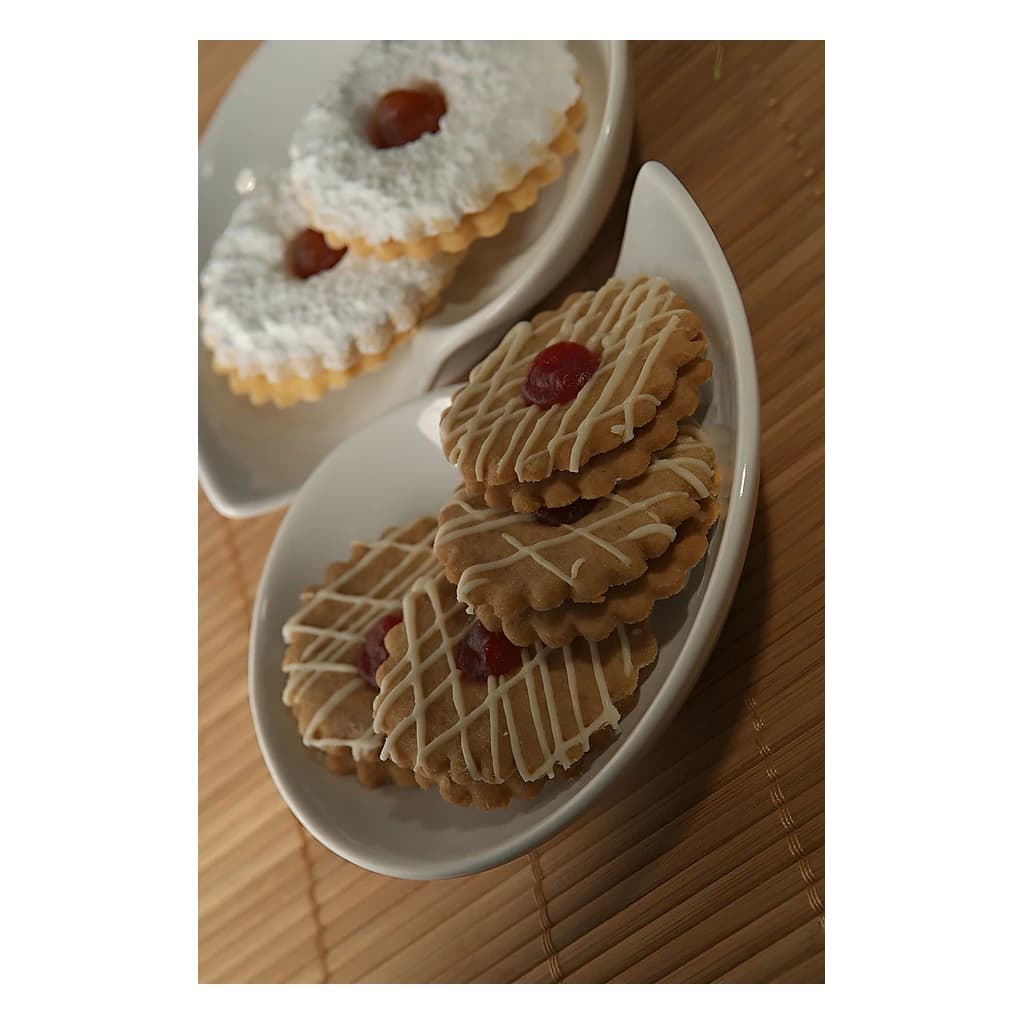
Jelly Neutral 5 kg
Apricot Jam High Fruit 6 kg (Vortumnus)

Apricot-Flavoured Confectionery Marmalade 13 kg (Vortumnus)
Komplet Kiddy Gel Neutral Glaze – 14 kg
Agar MN5 Gelling Agent 25 kg
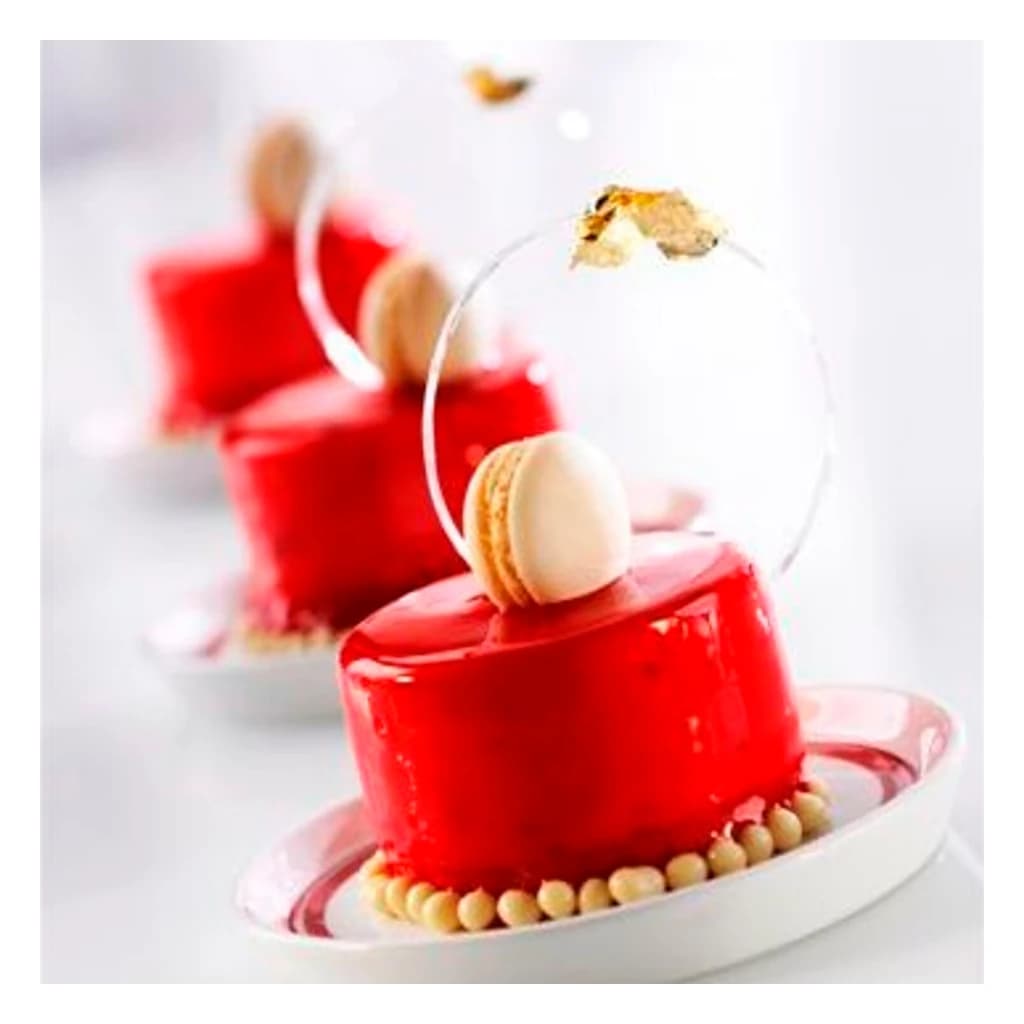
Paletta Cold Glaze Neutral Gel 6 kg
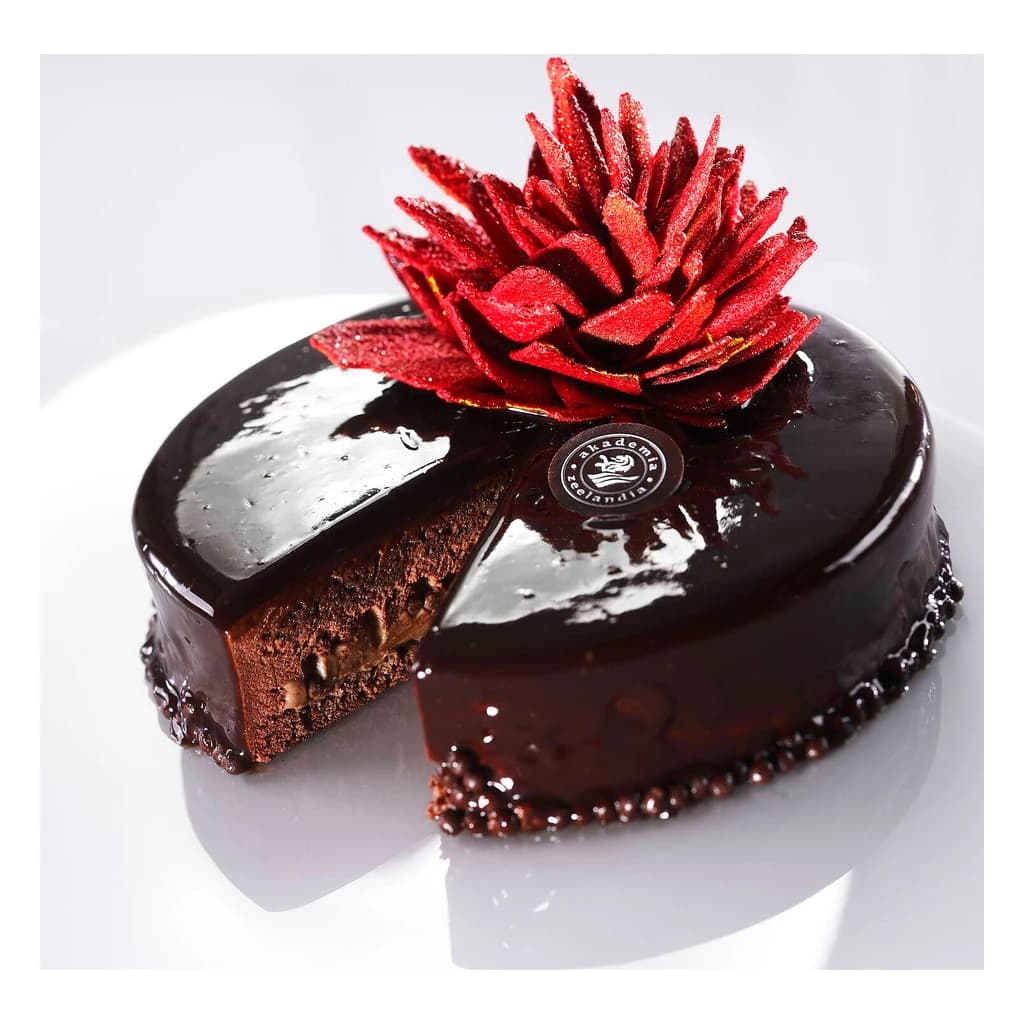
Paletta Choco Cold Mirror Glaze 6 kg – Zeelandia
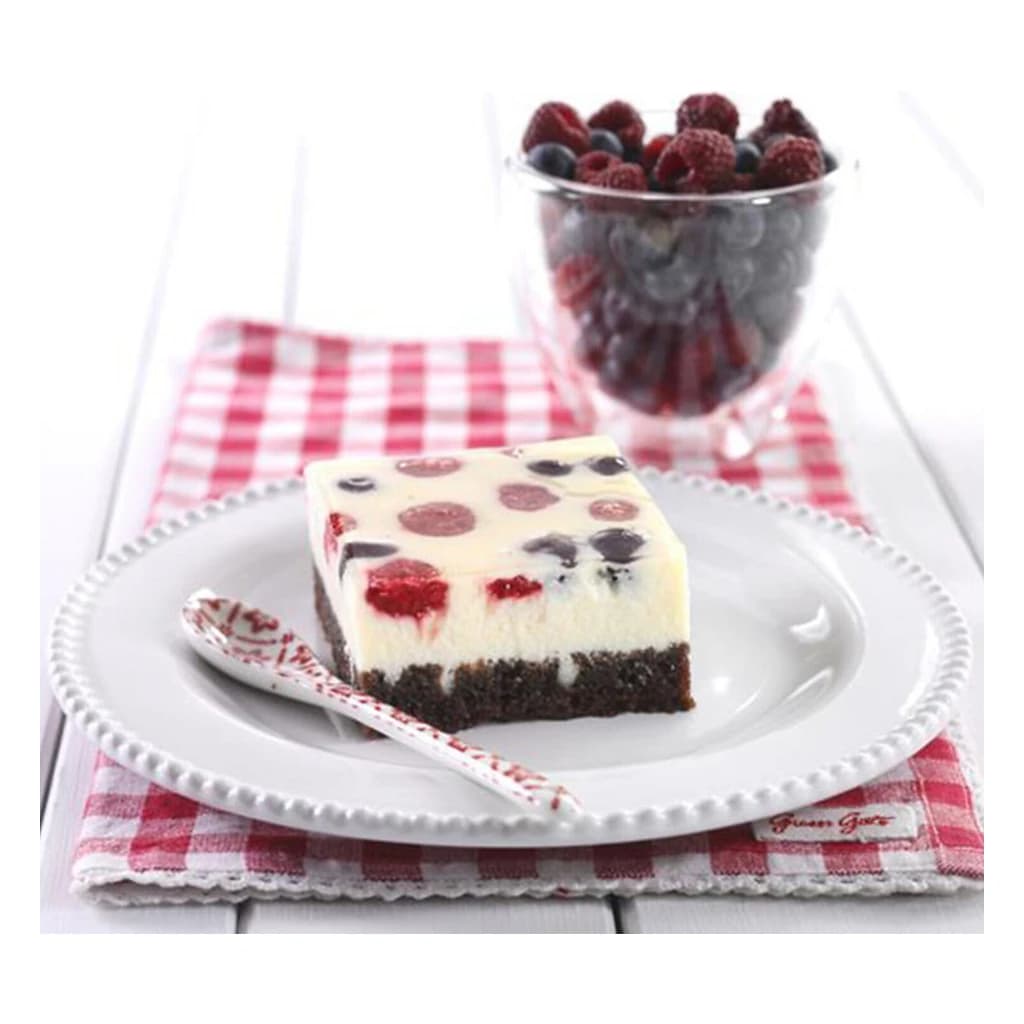
Neutral Paste/Glaze 12.5 kg (Hot)
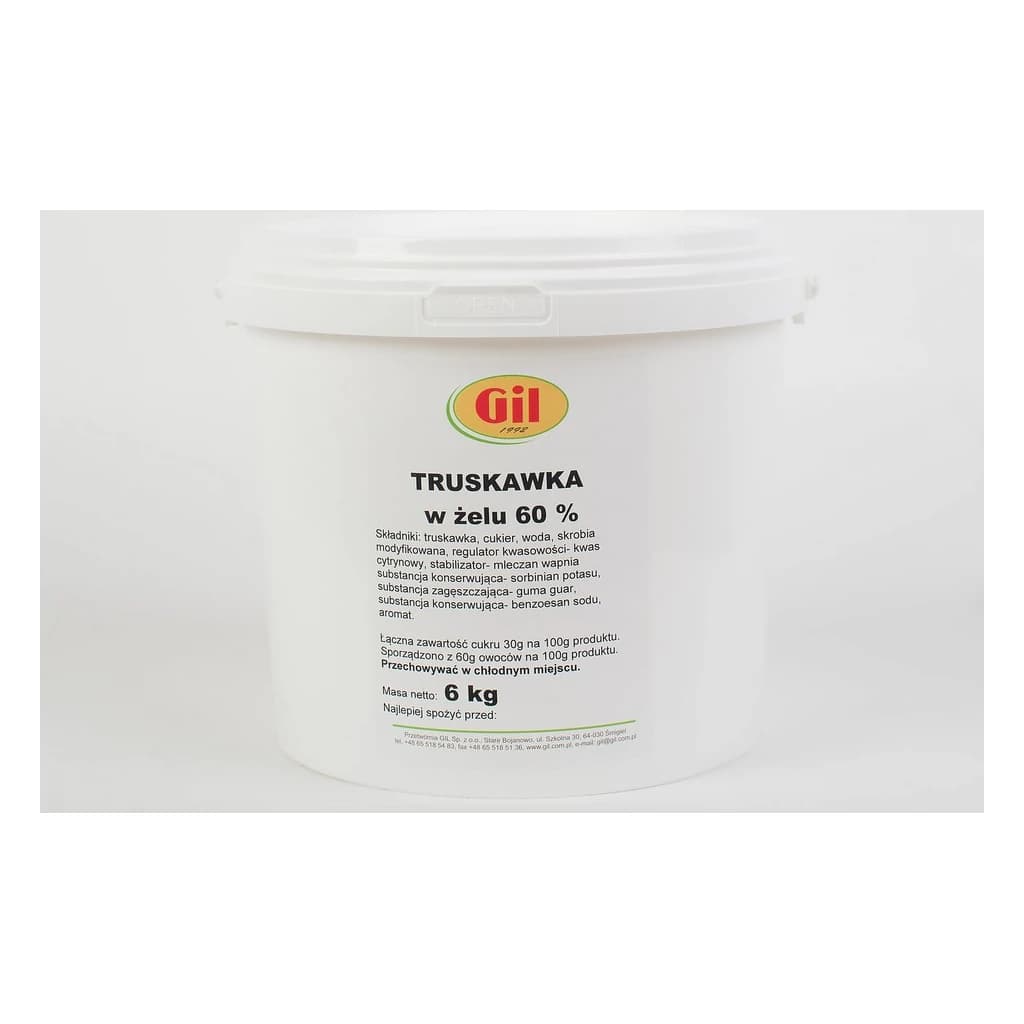
GIL Fruit-in-Jelly Patisserie Filling

Belnap Apricot Fruit Glaze 14 kg
Helios Premium Dark Chocolate Glaze 10 kg
Helios White Glaze 10 kg
Paletta Apricot Glaze 13 kg
Neutral Gel Glaze 13 kg (Zeelandia)
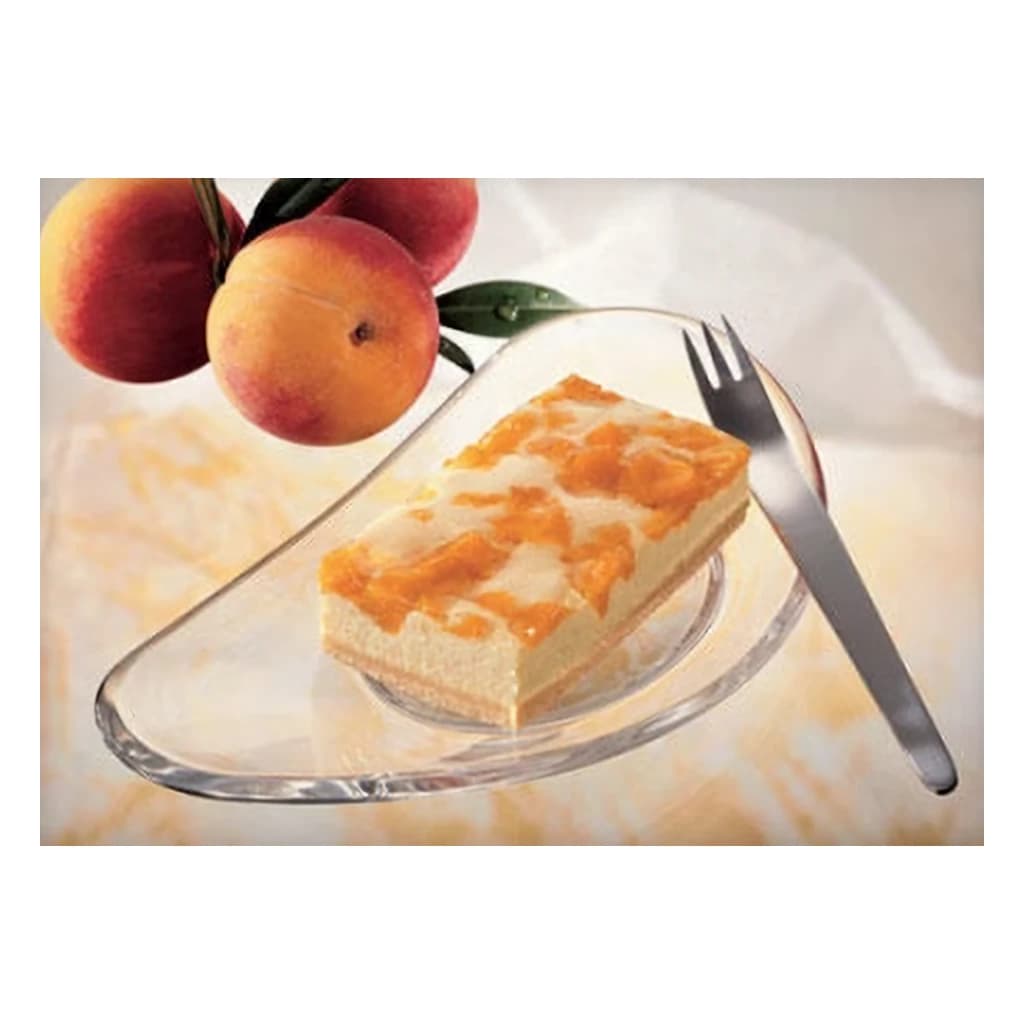
Claro Gel 10 kg
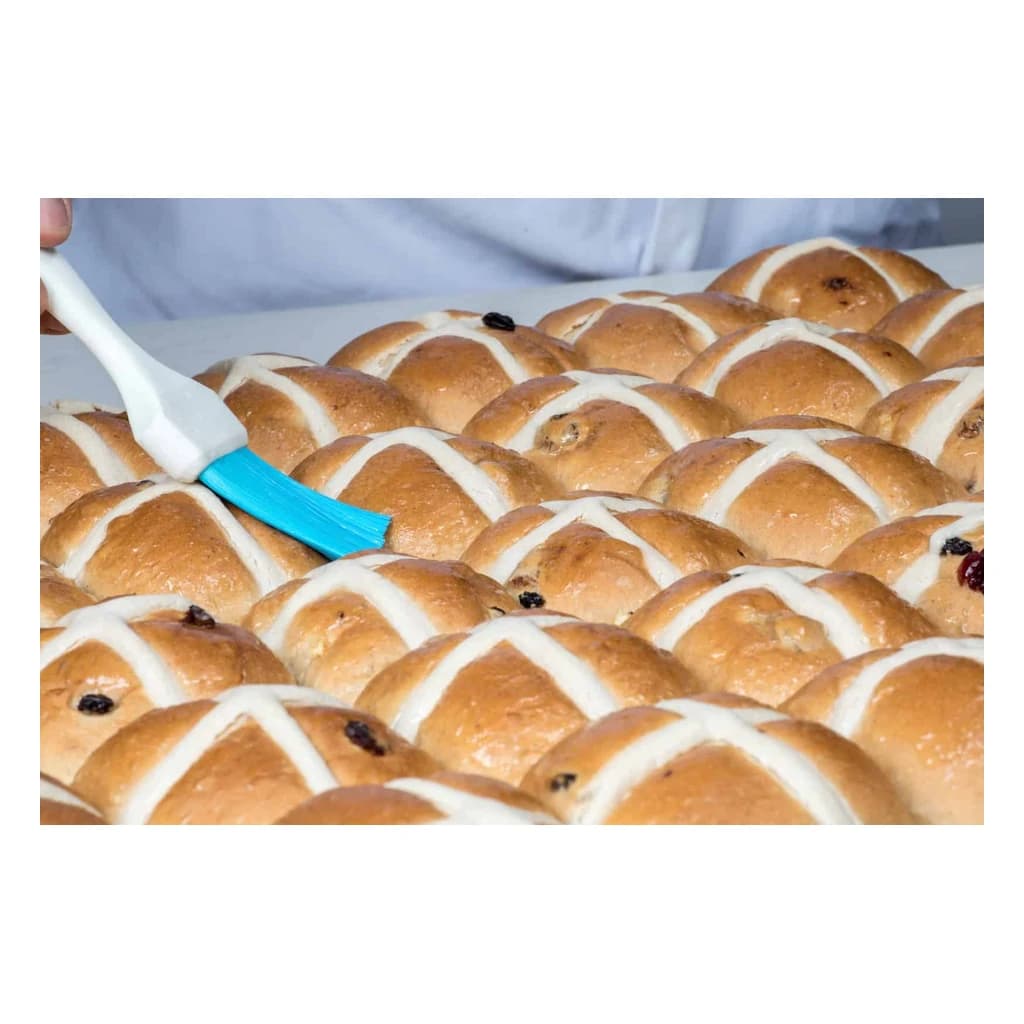
Bun Glaze RTU 12 kg
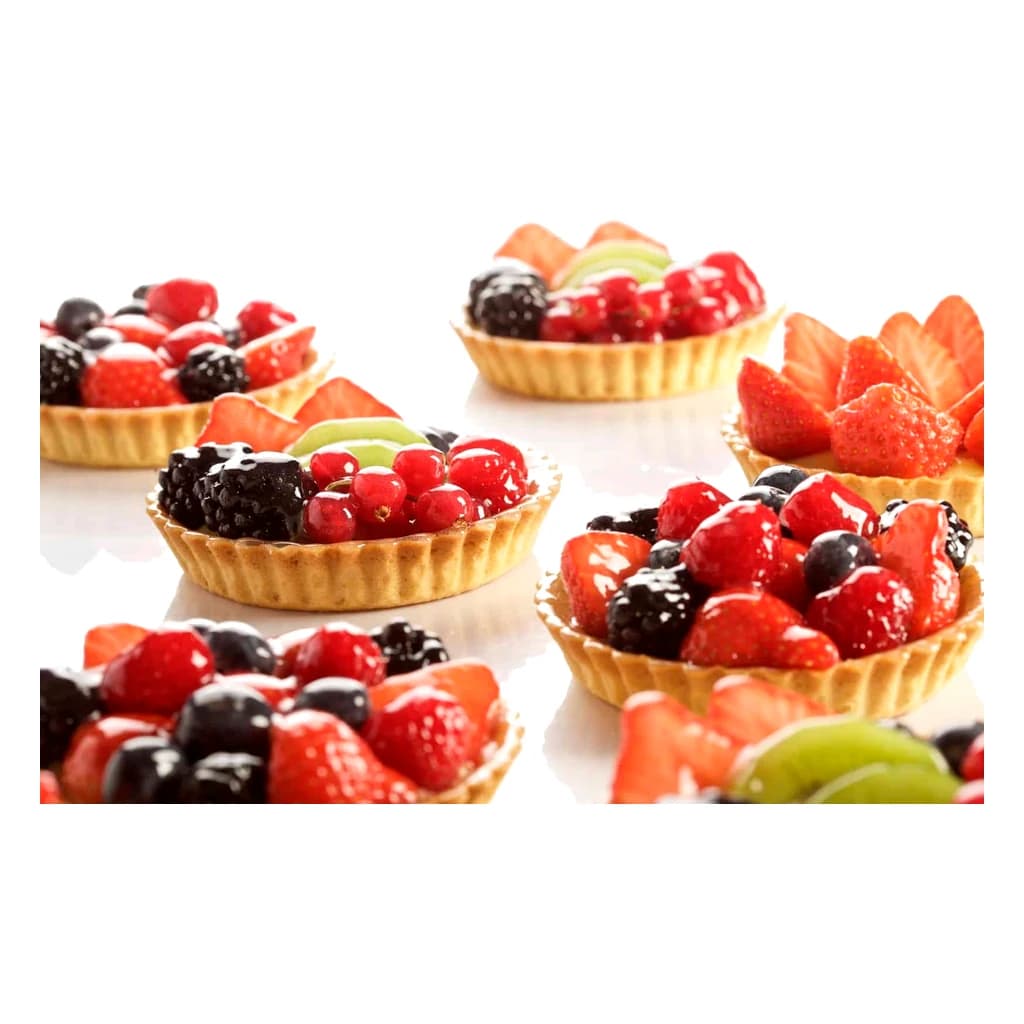
Instant Superglaze Neutral 15 kg

Magic Glaze 12 kg

Dawn Decorgel Plus White Glaze 3 kg
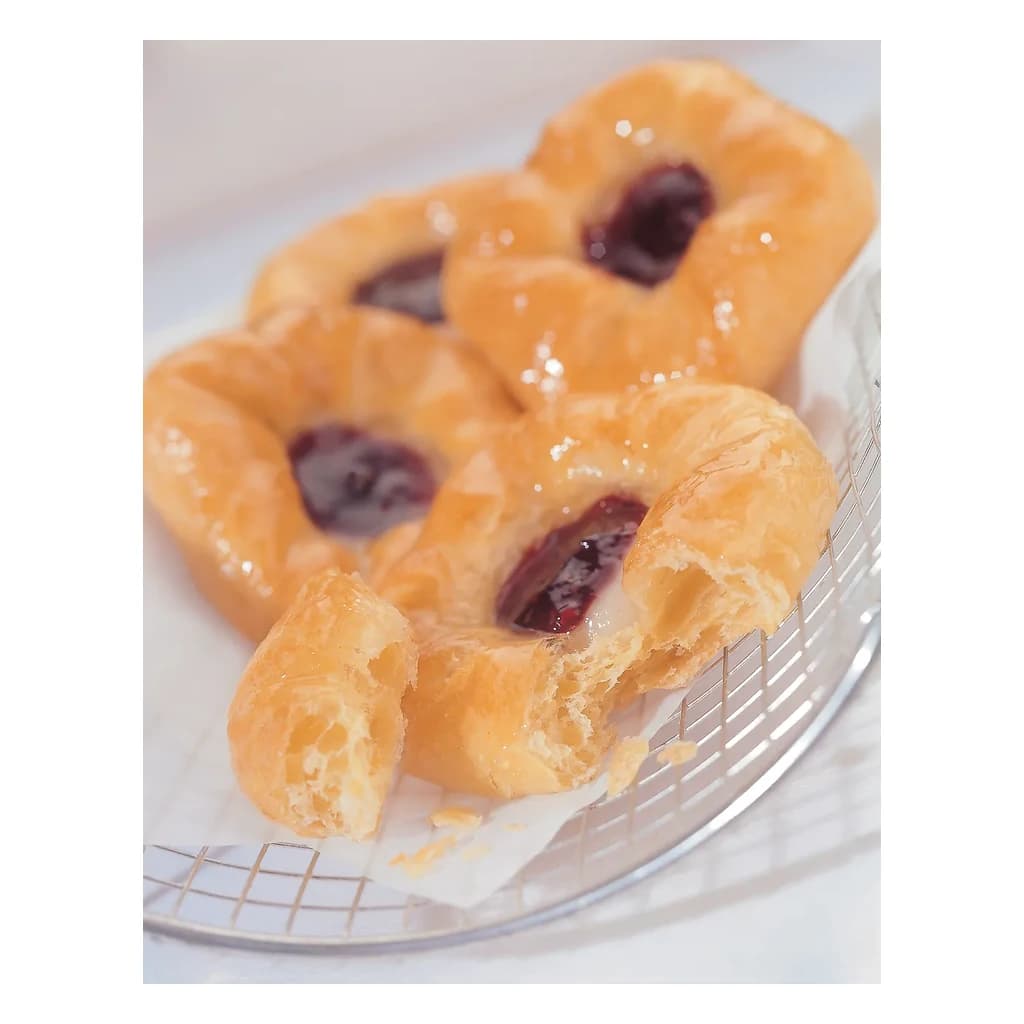
Harmony Ice Glaze 13 kg
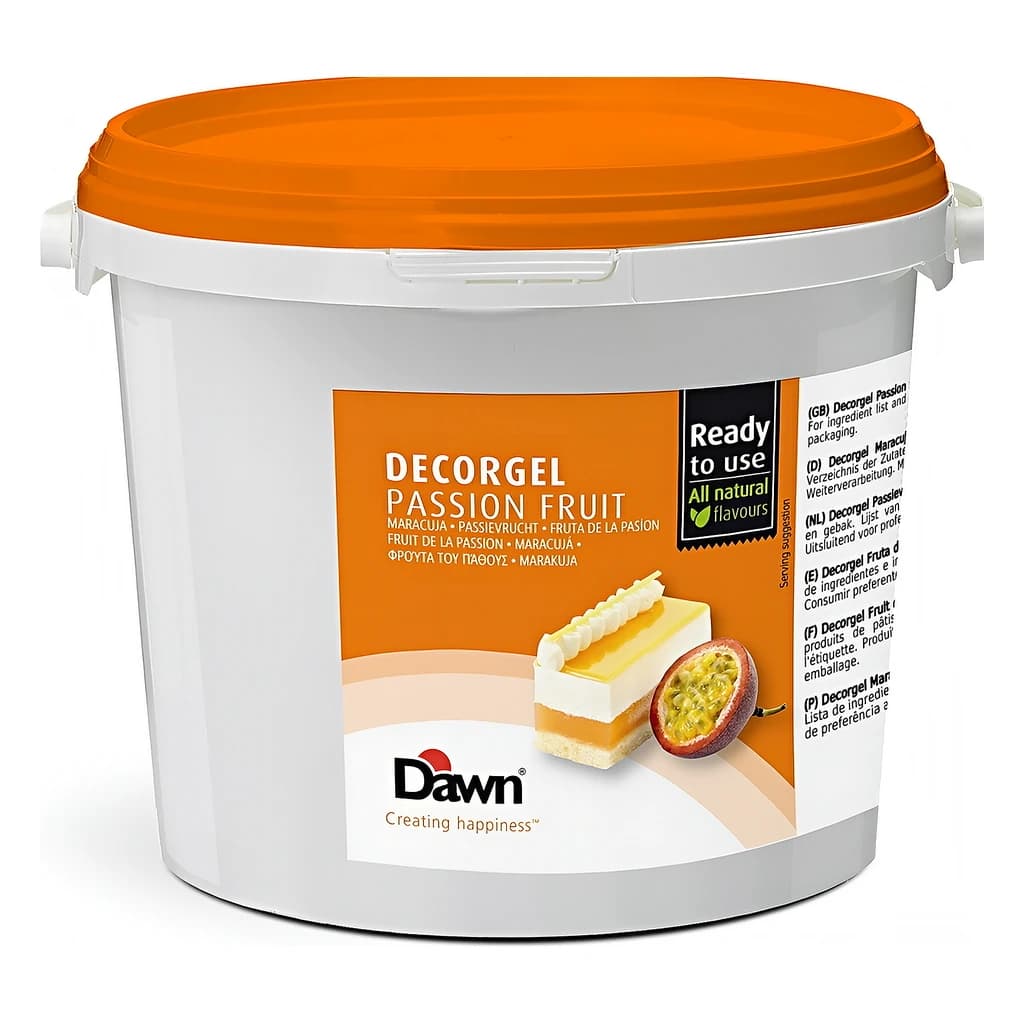
Dawn Decorgel Mirror Glaze

Macphie GlenGlaze Liquid Glaze 12 × 1 L

Merjel Cold Glaze 8 kg (Craigmillar)
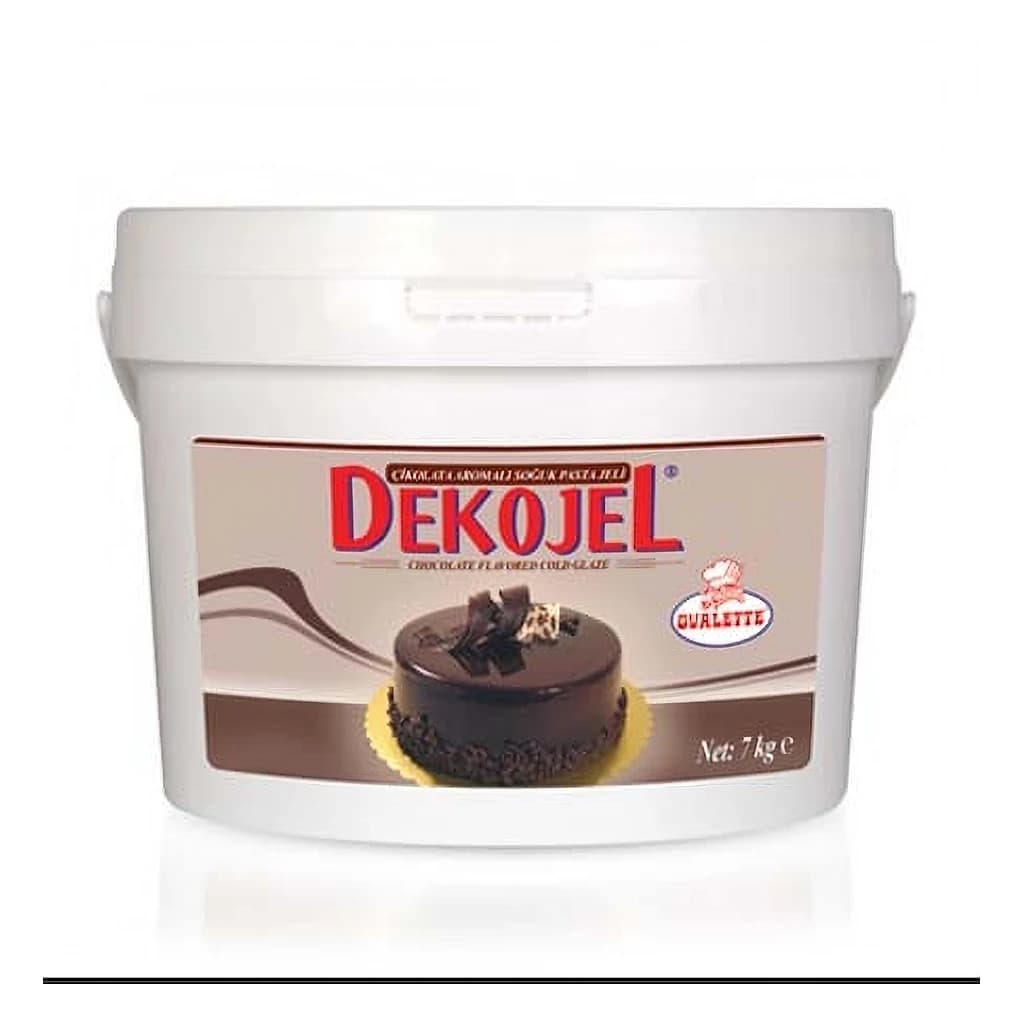
Dekojel Chocolate Flavoured Cold Glaze 7 kg
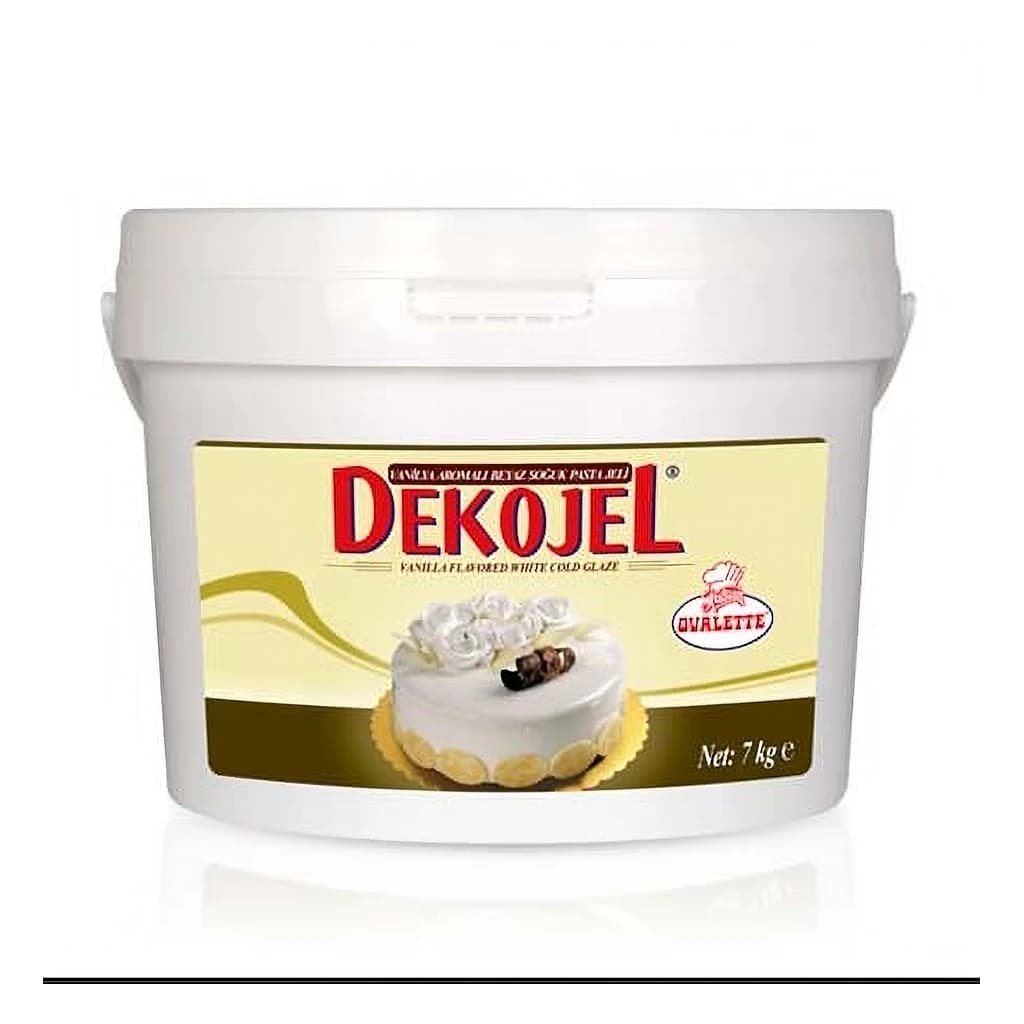
Dekojel Vanilla Flavoured White Cold Glaze 7 kg

Golden Glaze Cold Glaze 7 kg
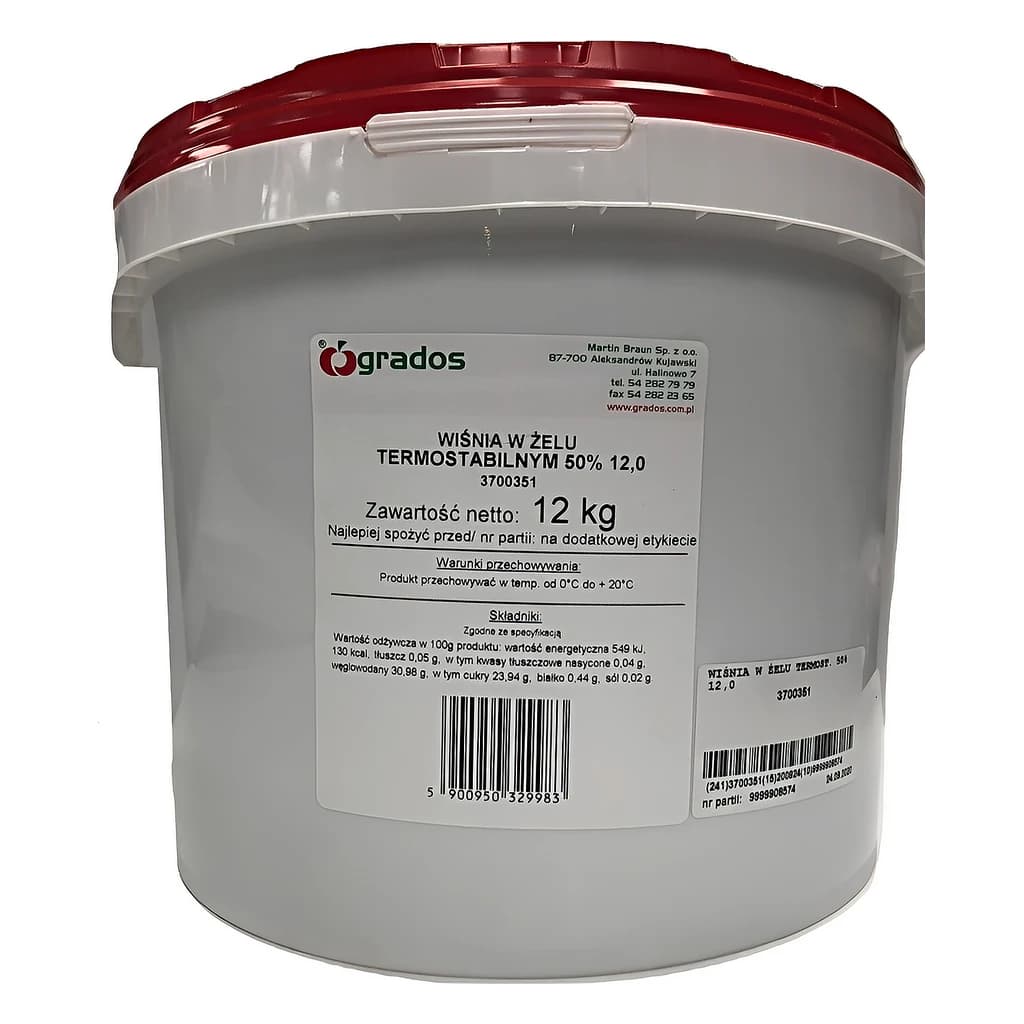
Cherry in Thermostable Gel 12 kg
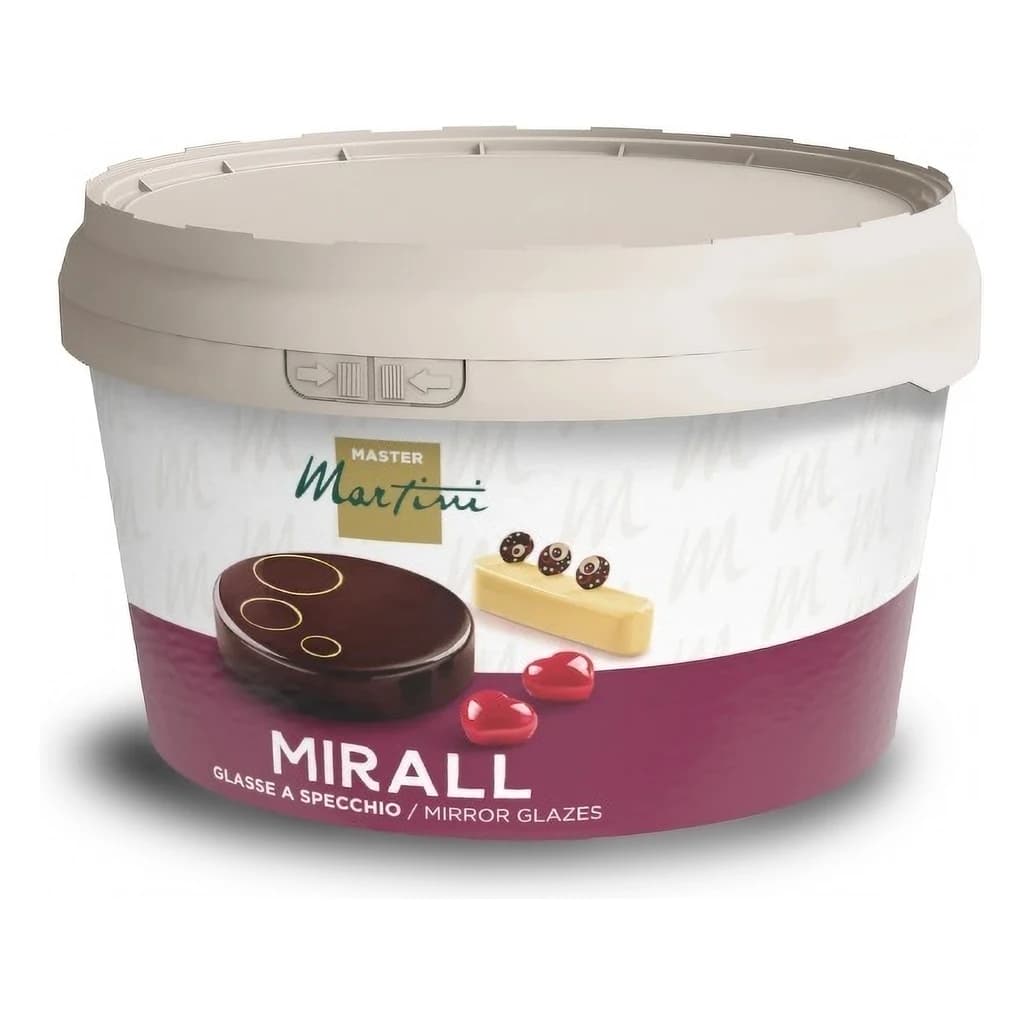
Mirall Mirror Glaze (Master Martini)
Raspberry in Thermostable Gel 50% 12 kg

Blueberry in Thermostable Gel 65% 12 kg