Glazes, mirror glazes & neutral nappages: gelatin, pectin, glucose and application temperature control
A practical, bench-level guide to the finishing glazes a professional pastry kitchen relies on: the high-gloss mirror glaze (glaçage miroir), neutral and cold gel glazes, hot apricot/neutral nappages, bun and protein glazes, and compound chocolate (pâte à glacer) coatings. It explains the three gelling systems that sit underneath all of them — gelatin, agar and pectin (HM/LM/NH) — plus the role of glucose syrup, and treats application temperature as the master variable: cook to 103°C, pour mirror glaze at 28-35°C onto an entremet frozen at -18°C, work pâte à glacer at 35-40°C with no tempering. Includes gelatin grade/Bloom data, food-safety notes (porcine vs halal/kosher/vegan gelling, the raw pineapple/kiwi/papaya enzyme trap), a fault-finder, and ready-to-buy Domson catalogue products. Numbers are drawn first from first-party supplier spec sheets (Zeelandia Paletta, Dawn Decorgel, CSM Merjel, Bakels, Bowika, Kluman, Hortimex, Helios) and cross-checked against pastry references.
Glazes, mirror glazes & neutral nappages
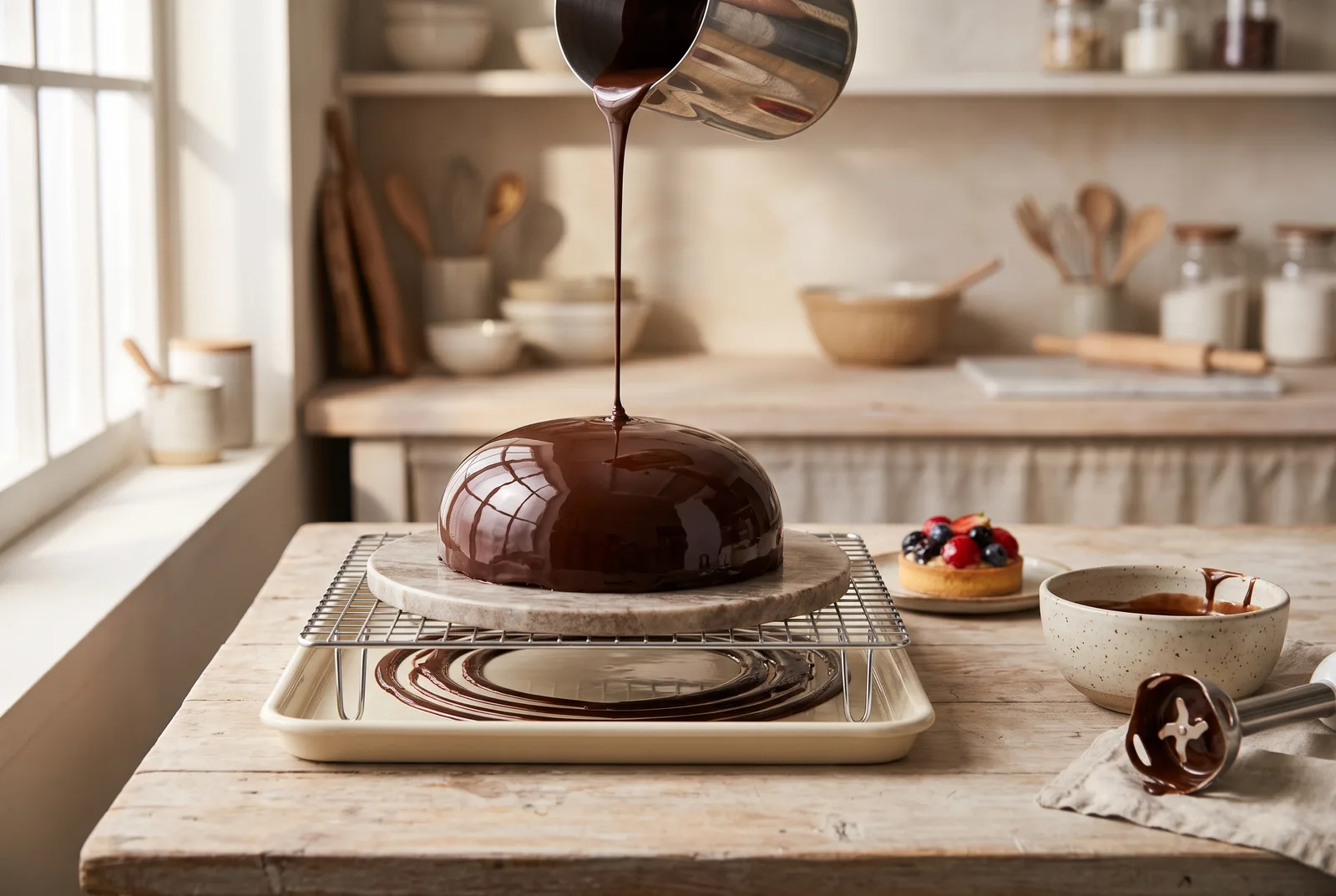
A glaze is the last thing the customer sees and the first thing that sells the cake. A flawless mirror glaze turns an ordinary mousse cake into a display piece; a thin coat of neutral nappage keeps a fruit tart glossy and stops the strawberries drying out; a brush of bun glaze gives hot cross buns their bakery sheen. All of these are simple in principle — sugar, water, a gelling agent and gloss — and all of them fail for the same boring reason: temperature. This article treats application temperature as the master variable, then works back to the chemistry (gelatin, agar, pectin and glucose) that lets you control it.
The figure below maps the six glaze families and where each one is used.
1. The six glaze families
There is no single "glaze." A working pastry kitchen uses six distinct systems, and the most common beginner mistake is to apply one with the technique of another (see the table below):
- Mirror glaze (glaçage miroir) — a gelatin-and-glucose (or pectin) coating poured at 28-35°C over a frozen entremet for a wet, reflective shine.
- Neutral / cold gel glaze — an agar- and/or pectin-based ready-to-use gel, brushed or piped cold to add shine and seal moisture on fruit tarts, slices and mousse cakes.
- Hot apricot / neutral nappage — a pectin glaze (apricot-jam-based or commercial NH-pectin), brushed warm and thin over fruit, or used to seal sponge before icing.
- Bun / protein glaze — a dextrin or egg(-substitute) wash with no gelling agent, brushed onto a hot product straight from the oven for a sticky sheen.
- Compound chocolate glaze (pâte à glacer) — a vegetable-fat coating with no cocoa butter, melted and used at 35-40°C with no tempering.
- Sugar / isomalt glaze and decor — cooked sugar or isomalt for caramel tops and reduced-sweetness showpiece work.
The rest of the article goes through the gelling systems first (because they explain everything else), then each family's technique, then troubleshooting and what to buy.
2. The three gelling systems: gelatin, agar, pectin
Almost every glaze that sets is built on one of three structuring systems. They behave completely differently — most importantly in how their setting and melting temperatures relate (see and the table below).
2.1 Gelatin
Gelatin is purified animal collagen. It is the workhorse of mirror glazes and set creams because it gives a clear, elastic, "melt-in-the-mouth" gel: it sets below about 15°C and melts near body temperature (~35°C), which is exactly why a gelatin mirror glaze feels clean on the palate. The Bowika pork gelatine datasheet states it dissolves at below 40°C and forms a transparent gel on cooling to 20-37°C.
Bloom strength is the measure of gelling power. Higher Bloom = a firmer, faster set. Leaf gelatin is sold in colour-coded grades (see and the table below):
- The catalogue's Kluman Bronze leaf gelatine is 140 Bloom (range 125-155), 13% moisture, pH 5.2, with 86 g protein and 344 kcal per 100 g and a 5-year shelf life.
Allergen note — sulphites. The Kluman Bronze spec declares SO2 ≤ 50 mg/kg in the gelatine itself. Above 10 mg/kg, sulphites (sulphur dioxide, E220-E228) are a mandatory declared allergen under EU/UK food-information regulations. At typical glaze dosages the finished-product carry-over is usually negligible, but formulations using large quantities of gelatine must have their sulphite content assessed at finished-product level before labelling can exclude a sulphite declaration.
- The catalogue's Bowika pork gelatine powder is 180 Bloom (170-190), viscosity 1.8-3.1 mPa·s, pH 4.5-6.0.
- Across the trade the grades run roughly titanium ~100-125, bronze ~125-155, silver ~160, gold ~200, platinum ~235-250 (ranges are indicative — Bloom values vary by manufacturer; always confirm against the specific supplier datasheet before formulating by grams).
The single most useful fact about leaf gelatin: sheets are interchangeable by COUNT, not weight. A recipe saying "4 leaves" works with any grade, because the per-sheet weight falls as the Bloom rises (roughly titanium 5.0 g → platinum 1.7 g) so the total gelling power per sheet stays similar . But a recipe in grams must state the grade, or the set will be wrong. For mirror glaze and clean-cut entremets, gold (~200 Bloom) is the usual choice; for soft creams, bronze.
Handling rules (see ):
- Bloom (hydrate) in COLD water. Sheets soak 5-10 minutes until floppy; powder is hydrated into a "mass" at a gelatin:water ratio of roughly 1:4 to 1:6 by weight (a common professional ratio is 1:5; some recipes use as little as 1:4, so treat 1:4 to 1:6 as the practical range).
- Dissolve in WARM liquid, never boil. Gelatin loses setting power as it approaches 100°C . Add it to a base that is warm, not boiling.
- A rough general dosage is 0.6-1% gelatin by weight of total liquid, adjusted to the firmness you want (single-source guideline — treat as a starting point).
Food-safety / faith flag — gelatin source. Most confectionery gelatin is porcine (pork skin and bone). Pork gelatin is not halal, not kosher and not vegetarian — a critical point for this platform's Muslim and observant customers. Bovine gelatin from halal-slaughtered cattle and fish gelatin can be halal/kosher; the only fully plant-based route is agar or pectin. The catalogue's Zeelandia Jelly Neutral and Bowika gelatine are pork-based.
Food-safety flag — the raw-fruit enzyme trap. Fresh pineapple (bromelain), kiwi (actinidin) and papaya (papain) are well-documented protease sources that digest gelatin's collagen so the gel will not set. The Zeelandia Jelly Neutral datasheet confirms this explicitly: "Do not use with fresh pineapple, kiwi or papaya". Fresh fig, mango and ginger also contain proteolytic enzymes but their activity is significantly weaker and less consistently documented in professional pastry sources; treat them as a risk to investigate rather than a blanket prohibition. The fix for all: use cooked or canned (heat-treated) fruit, or switch to a pectin/agar glaze, which these enzymes do not affect.
2.2 Agar
Agar (agar-agar, E406) is a polysaccharide extracted from red algae. It is the vegetarian, vegan, halal and kosher alternative to gelatin, and it is what gives several catalogue cold glazes their set — the Zeelandia Paletta Cold neutral glaze lists gelling agent E406 (agar) and CSM Merjel uses agar + pectin.
Agar behaves very differently from gelatin and you cannot swap one for the other 1:1:
- It is insoluble in cold water and must be brought to the boil to hydrate.
- It has a large hysteresis: the catalogue's Hortimex agar gels at ~37 ± 5°C but the gel only melts again above ~80°C. That gap is why an agar glaze stays firm in a warm display case where a gelatin gel would slump — but it also means agar gives a firmer, more brittle, less "melting" mouthfeel.
- It is extremely efficient: the threshold gel concentration is ≤0.25% and gel strength is ≥850 g/cm².
2.3 Pectin — HM, LM and NH
Pectin is a plant polysaccharide (from fruit) and the active gelling agent in traditional nappage . There are three types a pastry chef needs to tell apart (see the table below):
- HM (high-methoxyl) pectin needs high sugar (roughly >55-65% soluble solids) AND acid (about pH 3.0-3.5) to gel, and it is not thermoreversible — once set, it stays set. This is the classic jam and fruit-glaze system.
- LM (low-methoxyl) pectin gels with calcium, needs little sugar, and forms thermostable gels (conventional LM pectin does not re-melt once set; thermoreversibility is a property of the amidated NH form only, not plain LM).
- NH pectin is a modified LM pectin: thermoreversible (you can melt it and re-set it again and again) with a low calcium requirement. It is the standard gelling agent for neutral nappage and re-meltable glazes. Always dry-mix pectin with sugar before adding it to liquid, or it clumps.
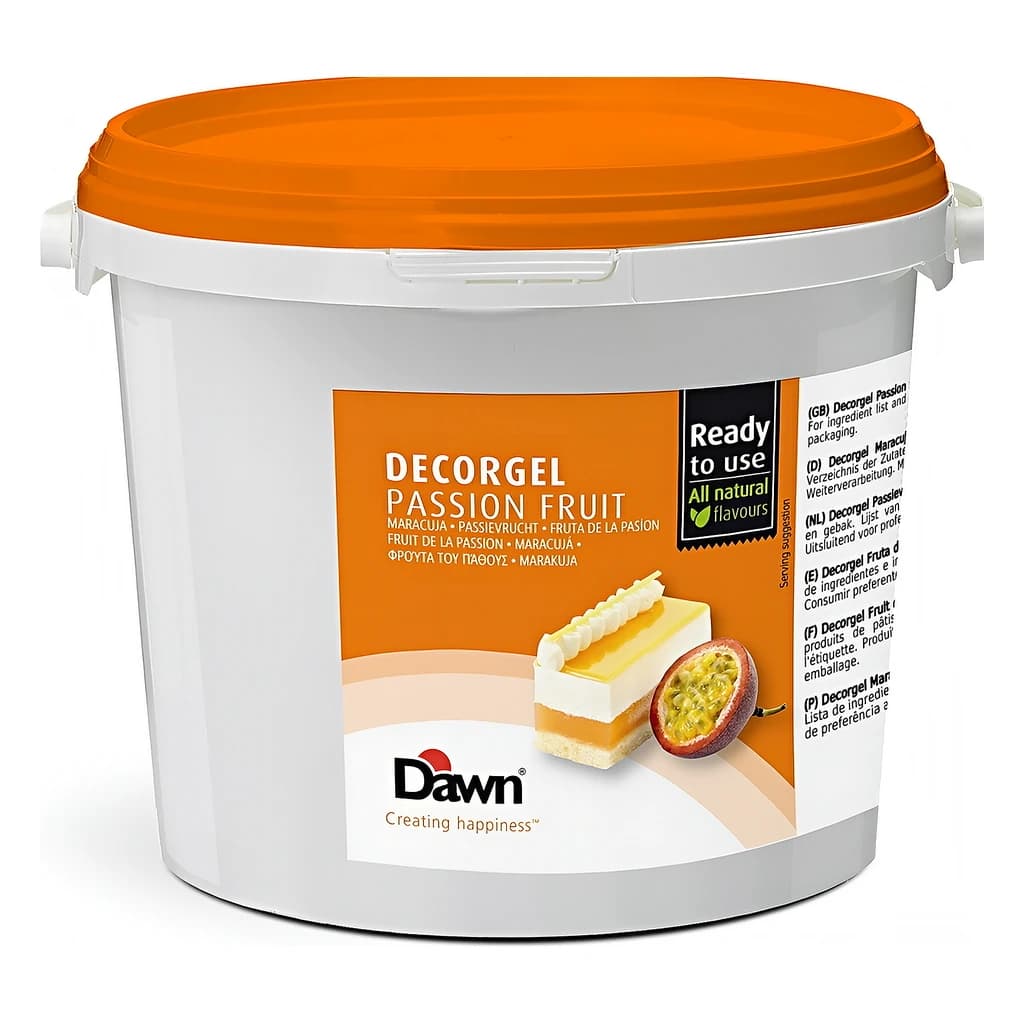
You can see all three pectin behaviours in catalogue glazes: the Dawn Decorgel cold mirror glazes are gelled with amidated pectin E440(ii) alongside sodium alginate, carrageenan and xanthan, while apricot nappages rely on the HM pectin naturally present in the fruit.
3. Glucose syrup: the gloss-and-flow ingredient
Almost every pourable glaze contains glucose syrup, and it is not there for sweetness. Glucose syrup is partially hydrolysed starch, graded by Dextrose Equivalent (DE) — higher DE means more reducing sugars and more sweetness. Its jobs in a glaze are:
- Anti-crystallisation — it interrupts sucrose crystal growth, keeping the glaze smooth and glossy instead of grainy.
- Flow and finished thickness — adding glucose gives a mirror glaze a better pour and a more even set .
- In compound coatings, ~5-10% of a 42-50 DE syrup improves viscosity control and reduces fat bloom .
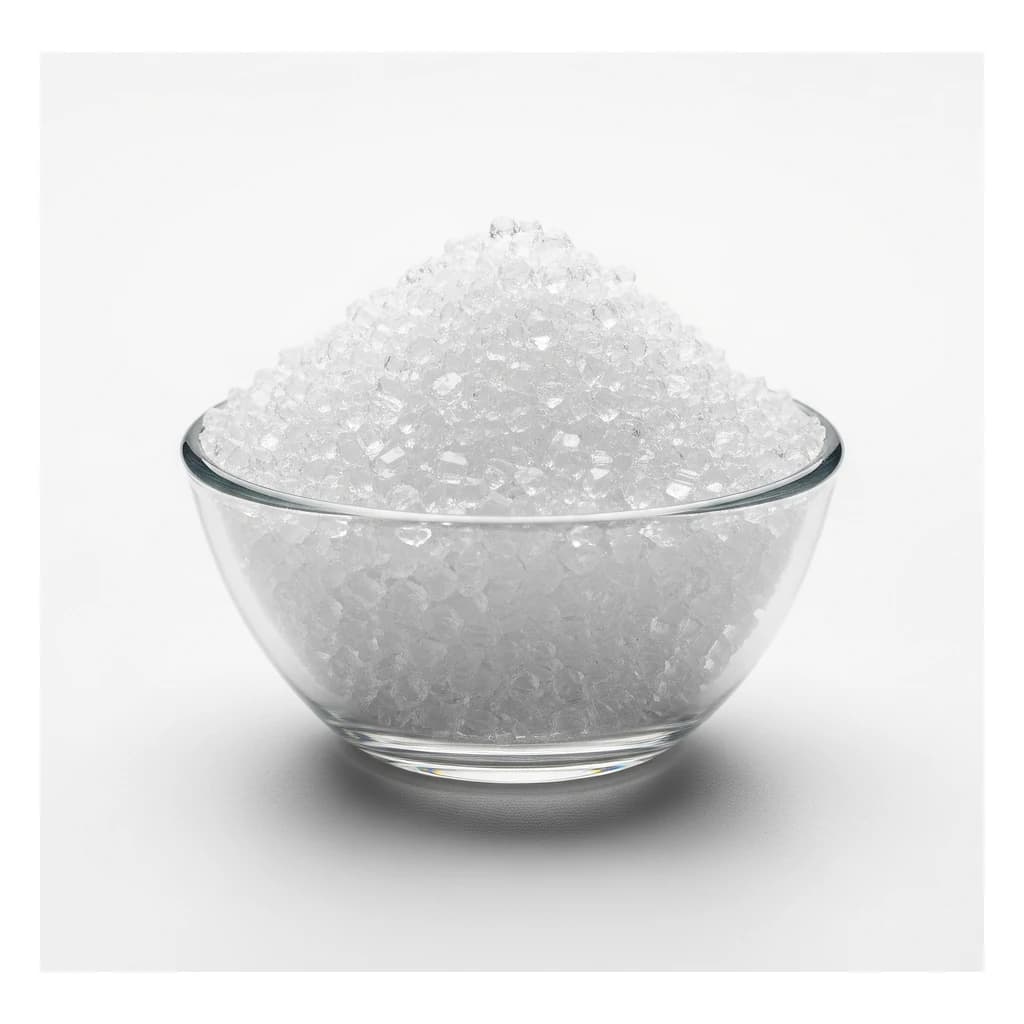
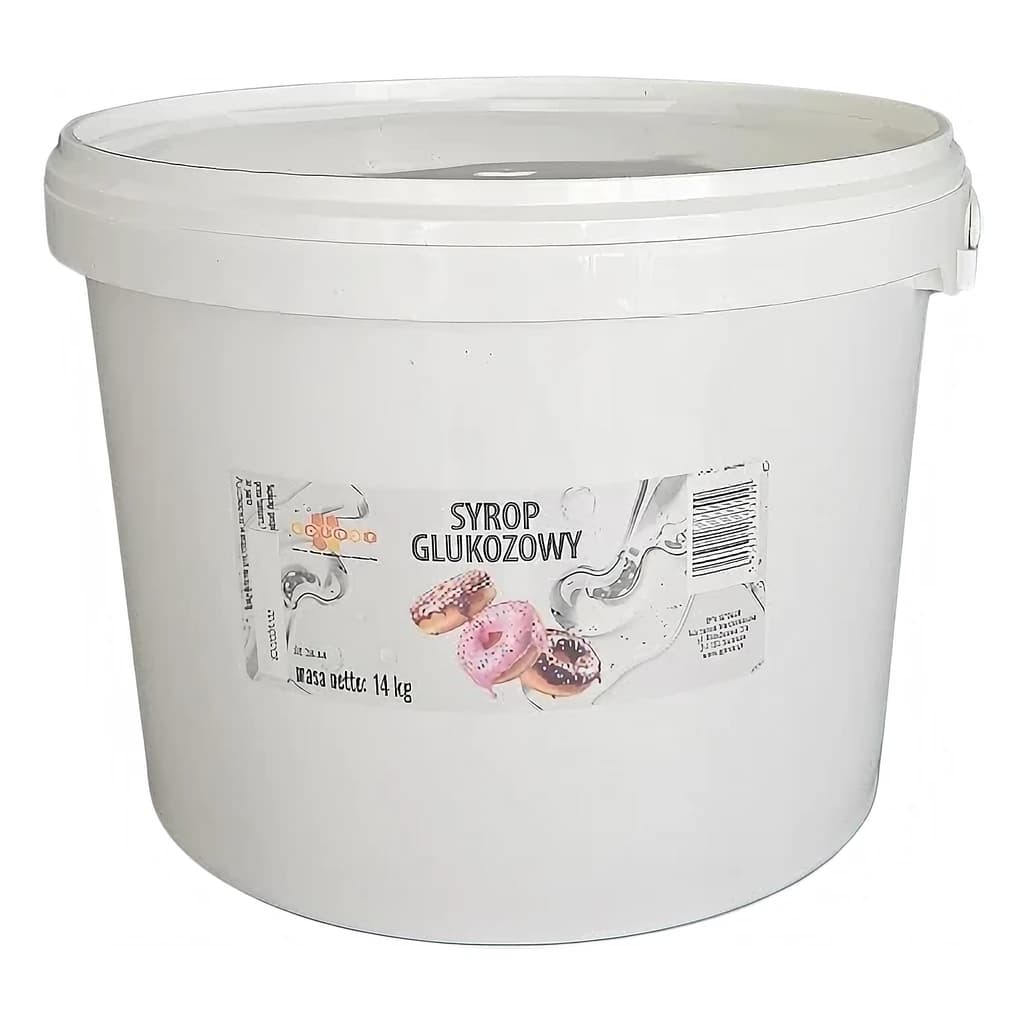
The catalogue's neutral and chocolate glazes are built on a glucose base: Zeelandia Paletta Cold is glucose-fructose syrup 55% / water 23% / sugar 20% / agar <1%, and the chocolate version is glucose-fructose 55% / sugar 20% / water 17% / cocoa 6%. For from-scratch work, stock Ratos Glucose Syrup. Where you want the gloss and anti-crystallisation of a sugar without the sweetness — for sugar showpieces and low-sweetness decor — isomalt is the tool: it is a hydrogenated sugar (GPM+GPS ≥98%) with very low hygroscopicity (covered in depth in A6 sugar work).
Regulatory flag — isomalt and laxative labelling. Isomalt is approximately 97% polyols (sugar alcohols). EU Regulation 1169/2011, Annex V, point 7, requires the statement "excessive consumption may produce laxative effects" on any food containing more than 10 g of polyols per 100 g. Because isomalt IS the polyol, this threshold is reached at any use level above roughly 10 g of isomalt per 100 g of finished product. Finished products that use isomalt as a glaze or decor element must carry this mandatory labelling notice and should be communicated to consumers with IBS who may be sensitive to polyols at lower doses.
4. Mirror glaze (glaçage miroir): a temperature discipline
The mirror glaze is the headline technique and the one most sensitive to temperature. The defining method is that a warm, fluid glaze is poured over a frozen dessert so it sets on contact into a thin, perfect, reflective film. Get the two temperatures right and it is almost foolproof; get either wrong and it slides off or sets dull. The figure below shows the temperature timeline; the formula card is below that.
The classic gelatin formula. Cook sugar + glucose + water to about 103°C, pour over white chocolate, sweetened condensed milk and bloomed gelatin, add colour and emulsify with an immersion blender, then strain. The condensed milk and white chocolate give body and opacity; the gelatin sets it; the glucose gives gloss and flow.
The two temperatures that decide success:
- Apply at ~28-35°C (optimum 32-34°C, some recipes start from 28°C). Too hot and it melts the surface of the dessert and runs off too thin; too cold and it is too thick to flow into a mirror.
- Pour onto a dessert frozen at -18°C, frozen for 4 hours or more so the surface is hard and smooth. Wipe off any condensation first — a film of moisture is the number-one reason a glaze slides off or sets with dull patches.
Technique notes: keep the blender head below the surface while emulsifying so you do not whip in air, and let the glaze rest before pouring so bubbles rise out (the Puratos guide is explicit about both). Pour in one confident pass; do not go back over it. After glazing, move the cake to ~4°C for at least 2 hours to finish setting cleanly without sweating.
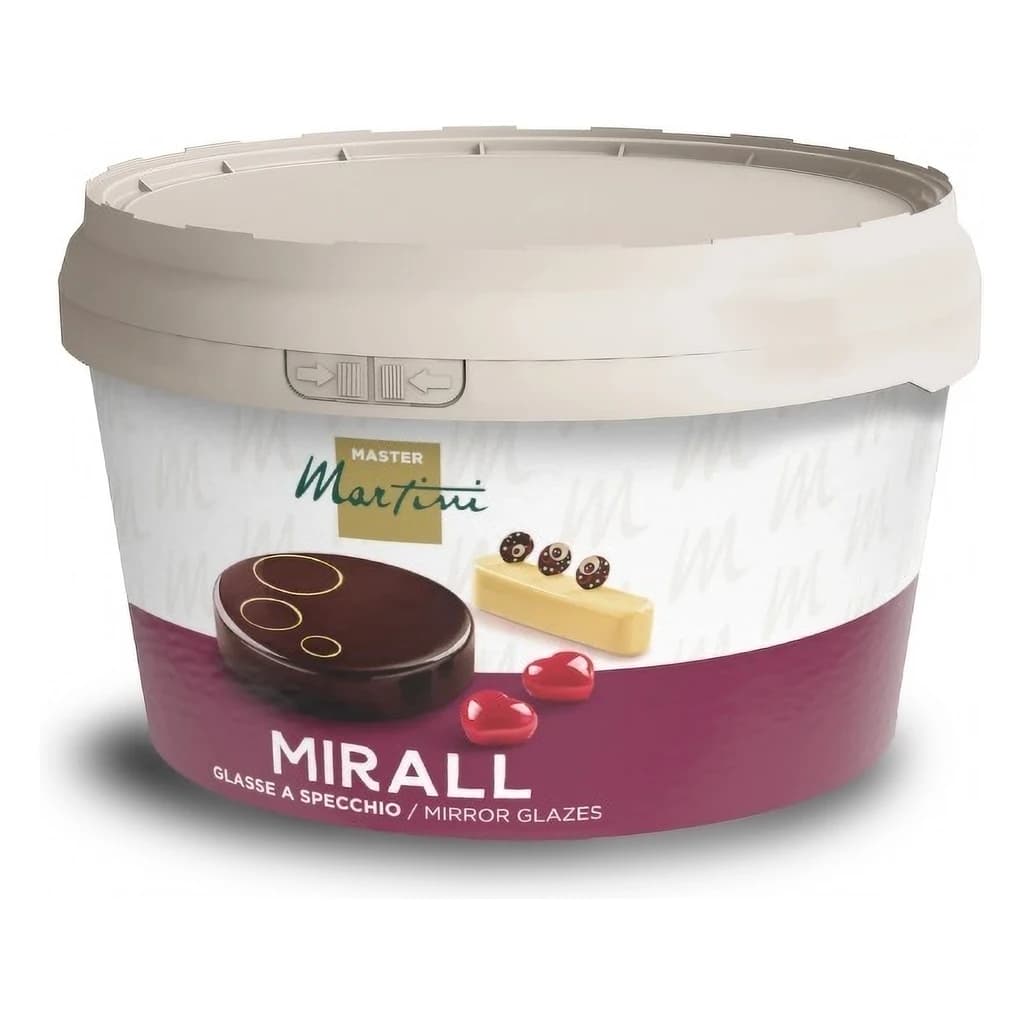
Ready-to-use options. If you do not want to cook a glaze, the catalogue carries cold mirror glazes you warm to the working temperature on the pack: Zeelandia Paletta Choco Cold Mirror Glaze (dry matter min 60%, pH 5.0-5.3), Dawn Chocolate Mirror Glaze, Dawn Decorgel cold glazes (designed to be "used cold on frozen bavarois to give a shiny appearance"), and Master Martini Mirall.
Allergen flag — Zeelandia Paletta Choco (SOYA). The full ingredient declaration for Zeelandia Paletta Cold Jel Choco includes chocolate pieces (1%) that contain SOYA lecithin (E322). The product's allergen table marks SOYA as a CONTAINS allergen. This is not reflected in the simplified ingredient description in the summary frontmatter. Any finished product, menu description or product page featuring this glaze must declare SOYA in bold per EU Regulation 1169/2011 and UK equivalent legislation. The spec also notes milk as a may-contain cross-contamination risk.
5. Neutral and cold gel glazes
A neutral glaze is a colourless, near-tasteless gel that adds shine and seals moisture — the everyday finish for fruit tarts, sliced gateaux and individual mousse cakes. Commercial neutral glazes are agar- and/or pectin-based and come ready to use:
- Zeelandia Paletta Cold — agar-set, dry matter min 60%, pH 3.4-3.9, described on its own datasheet as a "gel with a high-gloss mirror".
- CSM Merjel CPJ Neutral — a cold-process clear jelly, "ready to use," for covering fruit in tarts, layering and masking; loosen with up to 100 g cold water per kg if you need more flow.
Allergen flag — sulphites (CSM Merjel). The CSM Merjel spec declares SO2 at 41 PPM in the finished glaze — well above the 10 mg/kg EU/UK mandatory-allergen threshold. Any finished product containing Merjel must carry a sulphites allergen declaration. The spec also flags potential cross-contamination with eggs, milk/lactose and soya on the production line.
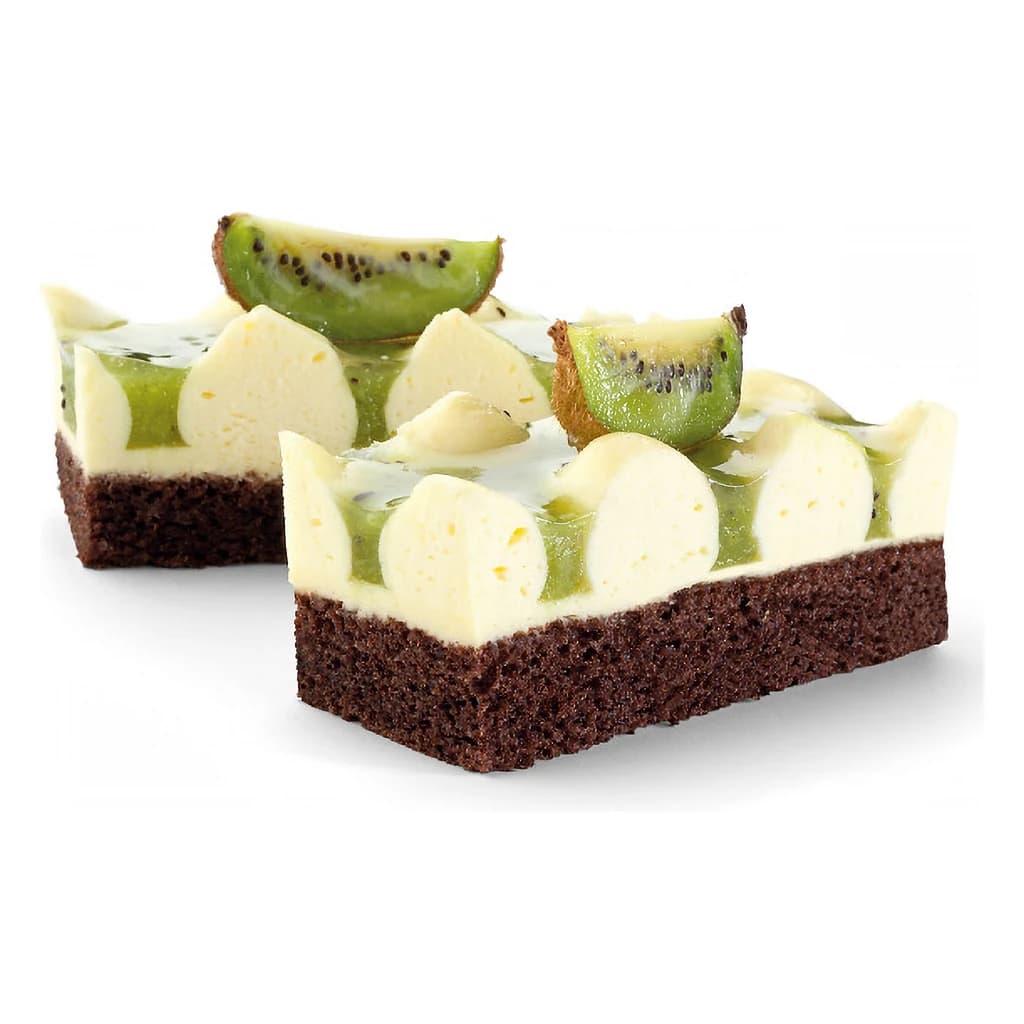
- Also Zeelandia Neutral Gel Glaze, Martin Braun Claro Gel, Komplet Kiddy Gel and Bakels Instant Superglaze Neutral.
To make a neutral glaze in-house, the modern method uses NH pectin (thermoreversible, so you re-melt and reuse it) — see the formula card below: dry-blend the pectin with sugar, heat with water and glucose, boil ~2 minutes, then brush warm.
6. Hot apricot and neutral nappage
The traditional nappage is the brush glaze that makes fruit tarts shine and keeps cut fruit from drying and browning. The low-tech version is apricot glaze: heat apricot jam with a little water until fluid (heat, do not hard-boil), strain, and brush a thin warm coat over the fruit or over sponge before icing (see the formula card below). Apply it thin and by dabbing — too thick and it looks jelly-like when set.
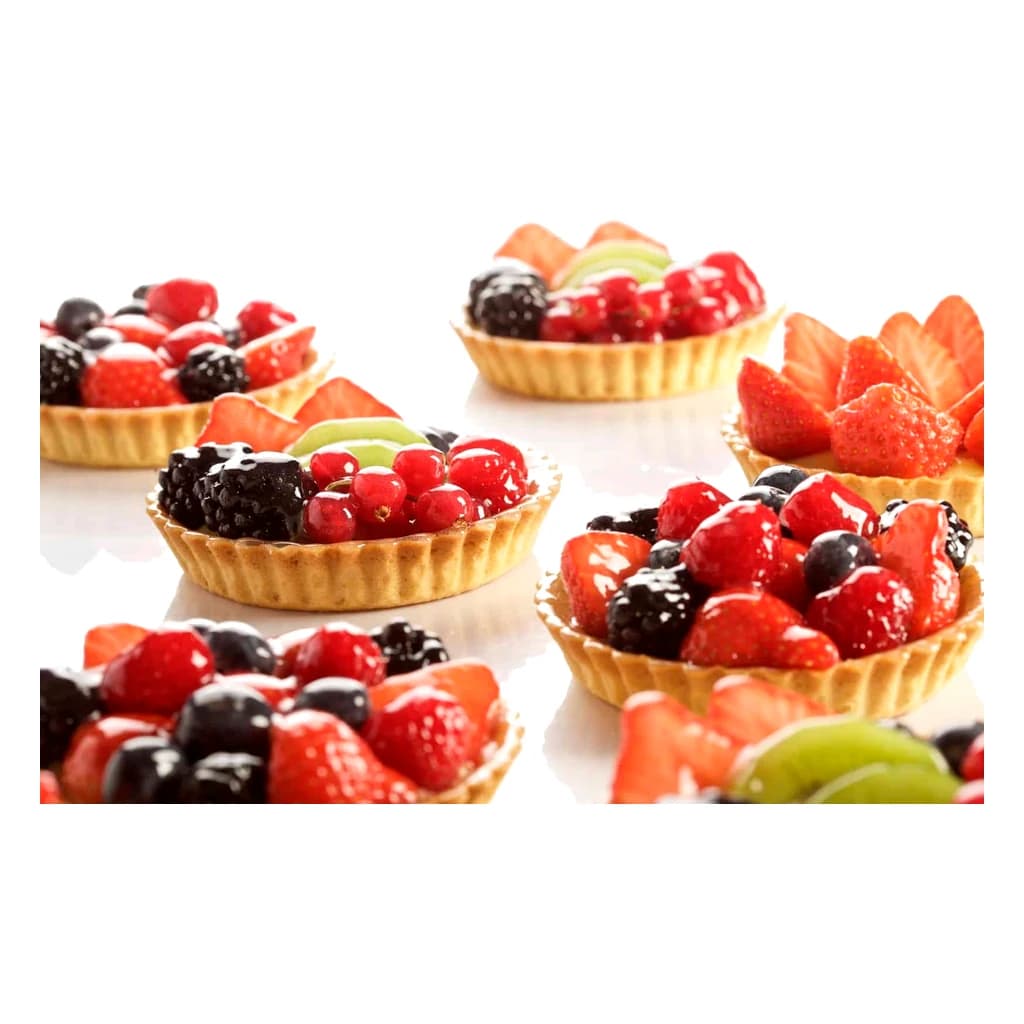
Commercial nappages do the same job more consistently and often use NH pectin for re-meltability . The catalogue carries Zeelandia Paletta Apricot Glaze, Dawn Belnap Apricot Fruit Glaze and a hot neutral type, Zeelandia Neutral Paste/Glaze (Hot). A glazed fruit tart is shown in.
7. Bun and protein glazes
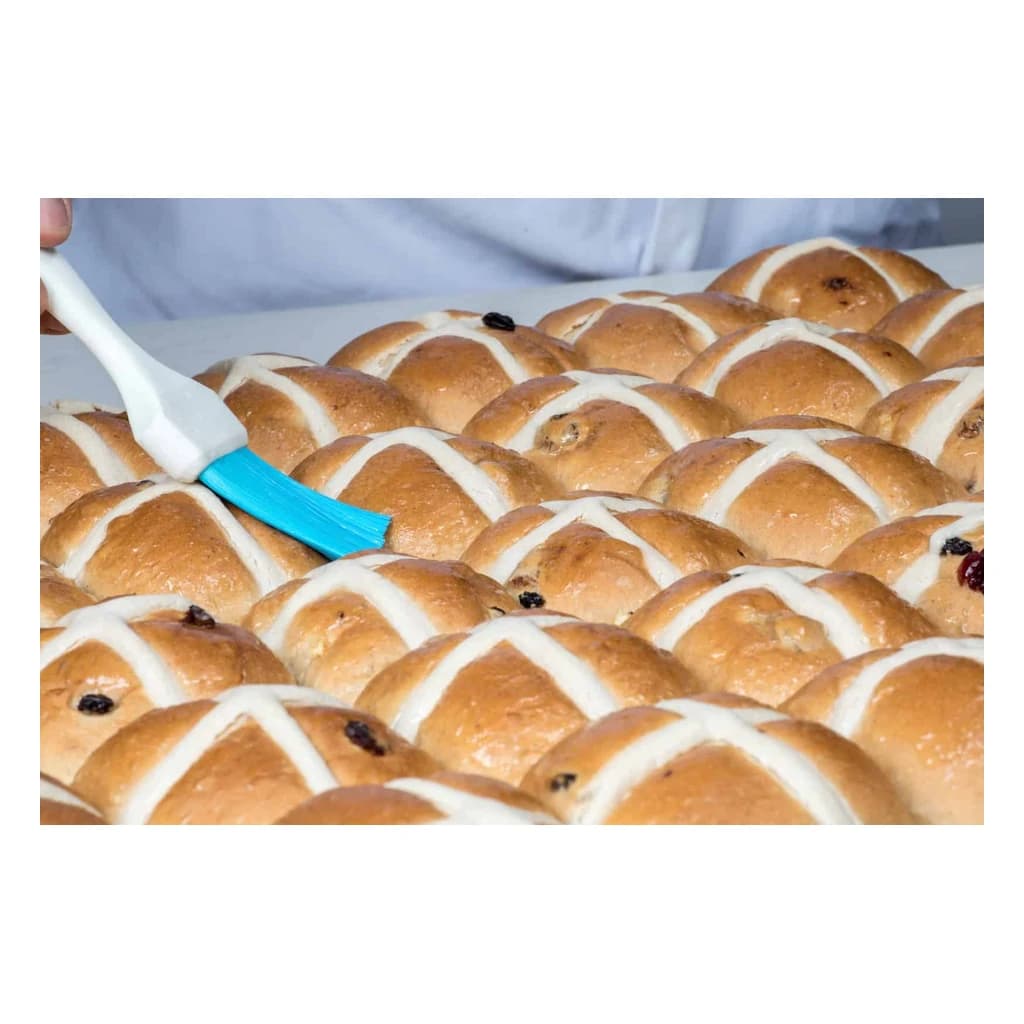
Not every shine needs a gelling agent. A bun glaze is a starch-derived (dextrin) or egg-based wash brushed onto a hot baked product to give the sticky, lacquered sheen of a hot cross bun or a fruited loaf. The catalogue's Bakels Bun Glaze RTU is simply water 80-85% + potato dextrin 15-20% with a little preservative and guar gum, contains 0 g sugar, is vegan-suitable, and must be applied to baked goods immediately after baking (see ). For an egg-wash sheen without the egg (and its allergen and shelf-life issues), the catalogue also lists Polmarkus BackGlanz egg-wash substitute.
8. Compound chocolate glaze (pâte à glacer)
A compound chocolate glaze (pâte à glacer) is a fast way to put a glossy chocolate coat on eclairs, slices and petits fours without tempering. The trick is that it contains no cocoa butter — it is built on vegetable fats (palm, palm-kernel or coconut) — so there is no polymorphic crystallisation to manage. You simply melt it (~40-45°C) and use it at ~35-40°C. Treat it like couverture (over-cool or "temper" it) and you get the streaky, dull result that compound coatings are meant to avoid (see the fault table).
The catalogue's Helios Premium Dark Chocolate Glaze is exactly this: non-hydrogenated palm fat + 12.5% fat-reduced cocoa, with emulsifiers E322 (lecithin) and E492 (sorbitan tristearate); 38 g fat (of which 36 g saturated) and 566 kcal per 100 g; supplied in solid strips; 12-month shelf life. The Helios White Glaze is the white equivalent (palm fat + whey/lactose) at 573 kcal/100 g .
Allergen flag. Both Helios compound glazes may contain milk, nuts and peanuts, and the white glaze contains milk. Carry these declarations to the finished-product label. (For real-couverture glazing, where tempering and Form V crystallisation matter, see A6 chocolate tempering and A6 couverture vs compound chocolate.)
9. Troubleshooting
The failures below are the ones that actually happen on the bench; almost all of them trace back to temperature or moisture (full matrix in the fault table below; see ).
- Glaze slides off → substrate not fully frozen, condensation on the surface, or glaze too warm. Glaze straight from the freezer (-18°C, ≥4 h), wipe off condensation, and bring the glaze to ~28-35°C .
- Dull / cloudy finish → moisture on the surface or air still in the glaze. Control surface humidity, rest the glaze after blending, set the glazed cake at ~4°C.
- Air bubbles → blender drew in air. Keep the head below the surface, rest, strain, pour low .
- Too thick to flow → working temperature too low, or dilution too low. Warm gently; for cold gels add water (up to 100 g per kg for Merjel).
- Rubbery layer → too much gelatin, or the coat dried out in the fridge. Reduce gelatin; protect from moisture loss.
- Gelatin jelly never sets → raw pineapple/kiwi/papaya/fig/mango/ginger enzymes. Use cooked/canned fruit, or switch to agar/pectin.
- Compound glaze streaky/grey → it was treated like couverture. Do not temper pâte à glacer; melt to ~40-45°C, use at ~35-40°C.
10. What to buy from the Domson catalogue
- Gelling agents: Kluman Bronze Leaf Gelatine and Edible Gelatine Powder; Bowika Pork Gelatine 180 Bloom; Hortimex Agar MN5 for the vegan/halal/kosher route.
- Glucose & sugars: Ratos Glucose Syrup; Hortimex Isomalt ST-PF for low-sweetness/showpiece work.
- Ready-to-use mirror glazes: Zeelandia Paletta Choco Cold Mirror; Dawn Chocolate Mirror Glaze; Master Martini Mirall; Dawn Decorgel Plus White Glaze.
- Neutral / cold glazes: Zeelandia Paletta Cold; CSM Merjel; Zeelandia Neutral Gel Glaze; Martin Braun Claro Gel; Komplet Kiddy Gel; Bakels Instant Superglaze.
- Apricot / hot nappage: Zeelandia Paletta Apricot; Dawn Belnap Apricot; Zeelandia Neutral Paste (Hot).
- Bun glaze: Bakels Bun Glaze RTU.
- Compound chocolate glaze: Helios Premium Dark Chocolate Glaze; Helios White Glaze.
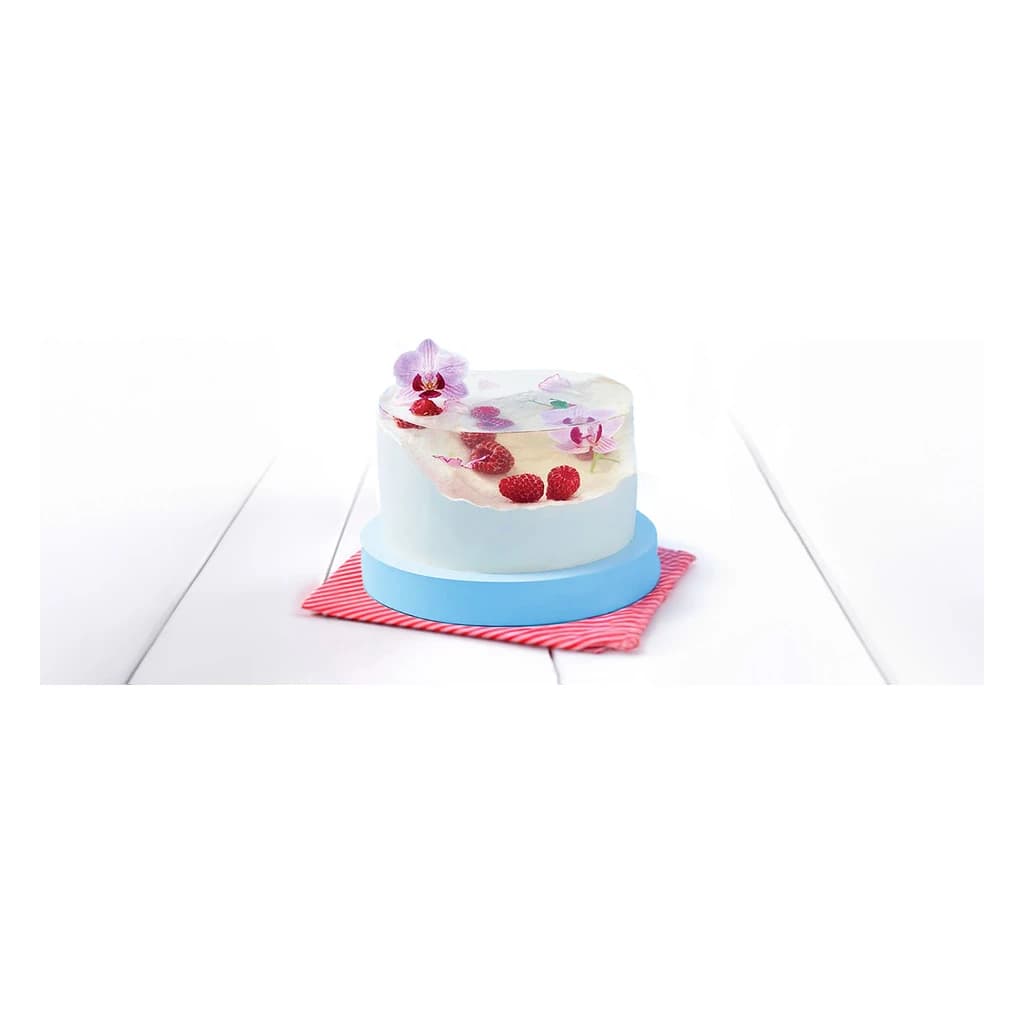
- Set jelly mix: Zeelandia Jelly Neutral — note: pork-gelatin based, and not for use with fresh pineapple/kiwi/papaya.
Supplier product photography to assemble for this article is catalogued in images.json; the operator holds supplier-photo permission and will make final selections.
Figures
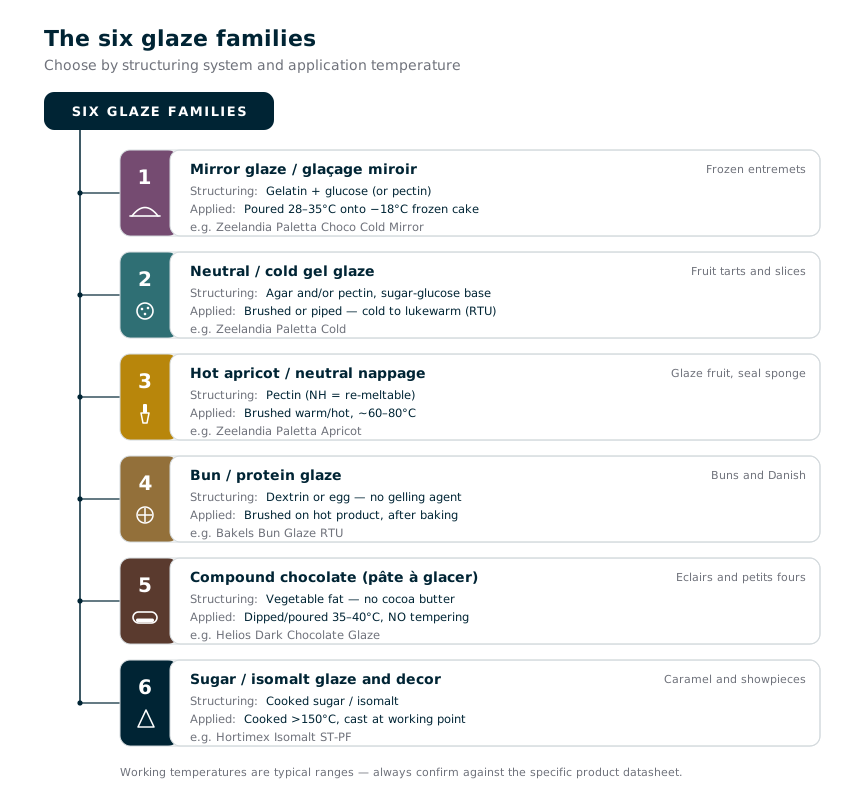 Decision map of six pastry glaze families showing gelling system and application temperature for mirror glaze, neutral cold glaze, hot nappage, bun glaze, compound chocolate glaze and sugar glaze
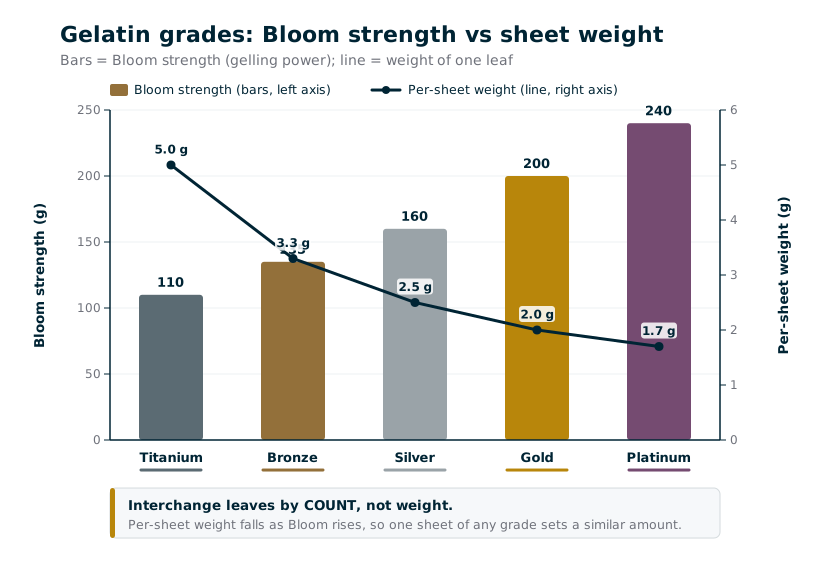 Chart of gelatin grades showing Bloom strength rising and per-sheet weight falling from titanium through bronze, silver, gold to platinum
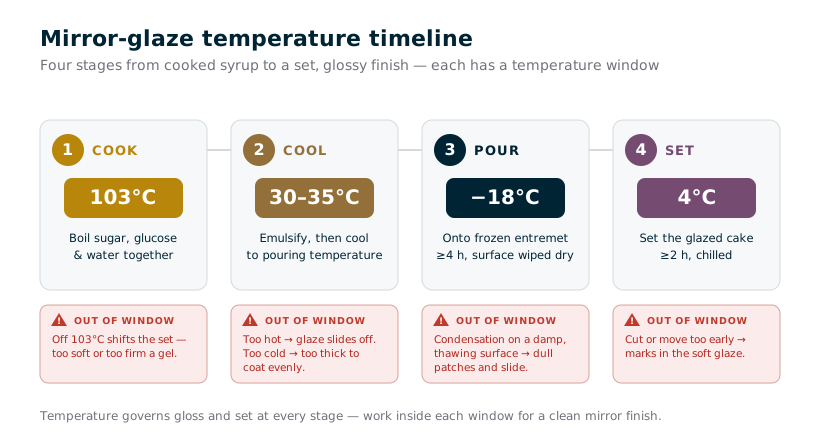 Temperature timeline for mirror glaze: cook to 103 degrees, cool to 30-35 for pouring, apply onto a minus 18 degree frozen entremet, then set at 4 degrees
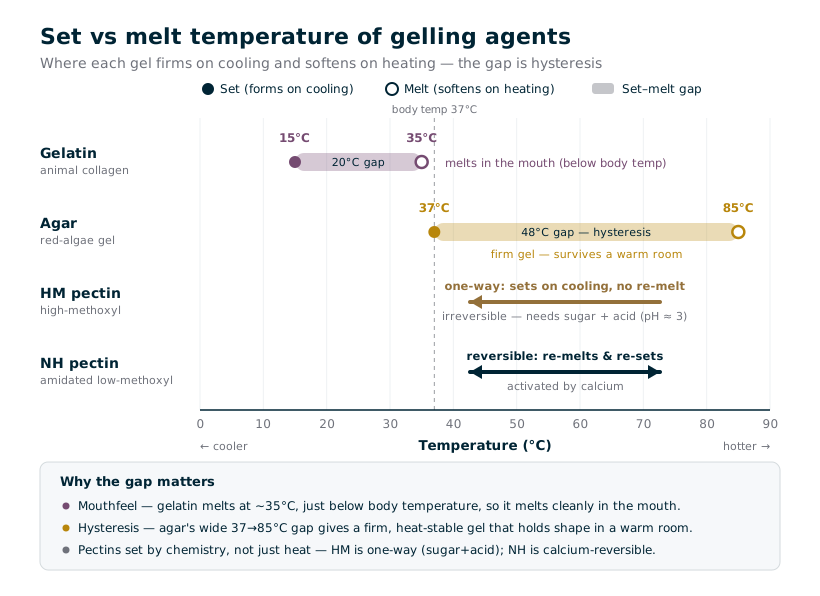 Comparison of set and melt temperatures for gelatin, agar and pectin showing agar's wide gap between setting and melting versus gelatin melting near body temperature
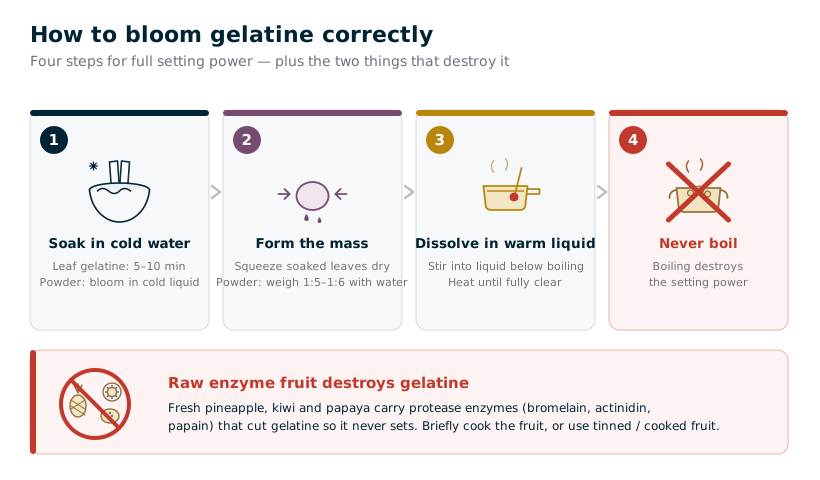 Four-step guide to blooming gelatin: soak in cold water, form the mass, dissolve in warm liquid, never boil, and avoid raw pineapple kiwi and papaya
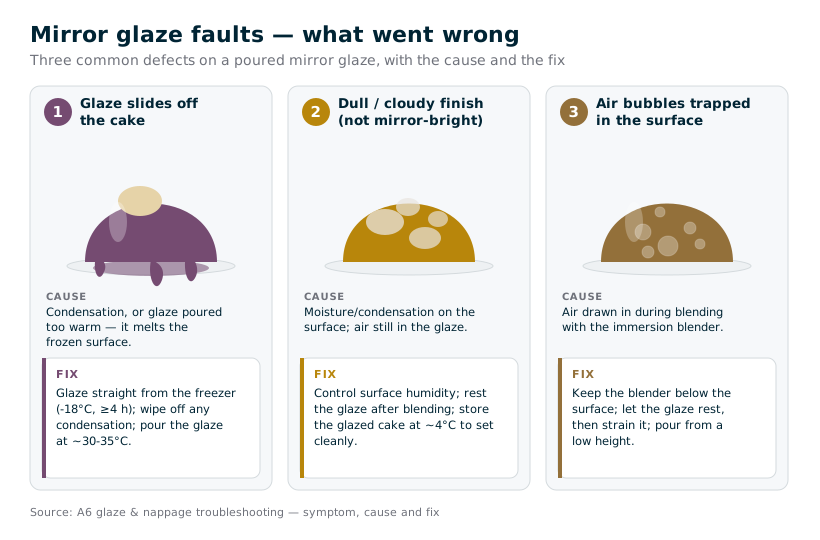 Three mirror glaze faults illustrated: glaze sliding off, dull cloudy patches, and trapped air bubbles, each with its fix
Classic white-chocolate mirror glaze (glaçage miroir)
The standard gelatin-and-glucose mirror glaze used on frozen entremets. Quantities are an indicative consensus formula from professional recipe sources, NOT a single supplier formula — validate and adjust to your gelatin grade and colour load. Food-safety/allergen review required (gelatin source, milk, white chocolate).
| Ingredient | Baker's % | Weight |
|---|---|---|
| Caster sugar — Cooked with glucose and water | 300 g | |
| Glucose syrup (~42-50 DE) — Anti-crystallisation, flow and gloss | 300 g | |
| Water — For the sugar syrup | 150 g | |
| Sweetened condensed milk — Body, opacity, mouthfeel | 200 g | |
| White chocolate (couverture) — Sets the emulsion; adds gloss | 300 g | |
| Gelatin (gold, ~200 Bloom) — Pre-bloomed; controls final firmness | 20 g | |
| Cold water to bloom gelatin — Gelatin mass ~1:5-1:6 | 100-120 g | |
| Fat-soluble / gel colour — Add before final emulsification | as needed |
- Bloom the gelatin in the cold water and reserve as a mass.
- Cook sugar + glucose + water to ~103°C.
- Pour the hot syrup over the white chocolate, condensed milk and bloomed gelatin; add colour.
- Emulsify with an immersion blender kept BELOW the surface to avoid drawing in air; strain.
- Cool to a working temperature of ~30-35°C.
- Pour in one pass over an entremet frozen at -18°C (≥4 h) with its surface wiped dry.
- Let drips set briefly, transfer to board, then store at ~4°C for ≥2 h before service.
Neutral NH-pectin nappage (re-meltable)
A from-scratch thermoreversible neutral glaze for fruit tarts and as a base for fruit nappage — the made-in-house equivalent of a ready-to-use cold glaze. Indicative formula synthesised from recipe sources; scale and verify.
| Ingredient | Baker's % | Weight |
|---|---|---|
| Water — Base | 350 g | |
| Sugar (A) — Bulk sugar; part reserved to carry the pectin | 450-500 g | |
| Sugar (B) for pectin — Dry-mix with the pectin to prevent clumping | 50 g | |
| Pectin NH — Thermoreversible gelling agent | 5 g | |
| Glucose syrup — Gloss, flow, anti-crystallisation | 300 g | |
| Citric acid (optional) — Adjusts set and brightens shine | pinch |
- Dry-blend pectin NH with sugar (B).
- Heat the water; whisk in the pectin-sugar (B) blend.
- Add sugar (A) and glucose; bring to the boil and boil ~2 minutes.
- Use warm to brush over fruit, or cool and reheat as needed (it re-melts and re-sets repeatedly).
- Apply in a thin, even coat by dabbing with a pastry brush so it does not look jelly-like when set.
Quick apricot nappage (jam-based)
The traditional brush glaze for fruit tarts and for sealing sponge before icing — made from apricot jam. Functional, low-tech, no special gelling agent needed (the jam already contains pectin and sugar).
| Ingredient | Baker's % | Weight |
|---|---|---|
| Apricot jam / preserve — Smooth or to-be-strained | 200 g | |
| Water — To loosen to a brushable consistency | 30-50 g |
- Heat jam and water until melted and fluid (heat, do not hard-boil).
- Strain through a fine sieve to remove fruit pieces.
- Apply warm in a thin coat with a pastry brush.
- It seals fruit against drying/oxidation and protects the crust from going soggy.
Practical map of the finishing glazes a professional pastry kitchen uses, by gelling/structuring system and how they are applied. Temperatures are typical working ranges from supplier datasheets and pastry references; always confirm against the figure printed on the specific product.
| Glaze family | Structuring system | Applied | Working temperature | Typical use | Catalogue example | Sources |
|---|---|---|---|---|---|---|
| Mirror glaze / glaçage miroir | Gelatin (+ glucose, condensed milk, white chocolate) or pectin | Poured | ~28-35°C (optimum 32-34°C) onto a frozen (-18°C) entremet | High-gloss coating on frozen mousse cakes & entremets | Zeelandia Paletta Choco Cold Mirror; Dawn Chocolate Mirror Glaze; Master Martini Mirall | Zeelandia spec sheet, Trade reference |
| Neutral / cold gel glaze | Agar and/or pectin in a glucose-sugar-water base | Brushed, piped or poured | Cold to lukewarm (ready-to-use) | Shine & moisture seal on fruit tarts, slices, mousse cakes | Zeelandia Paletta Cold; CSM Merjel; Komplet Kiddy Gel | Zeelandia spec sheet, CSM spec sheet, Trade reference |
| Hot apricot / neutral nappage | Pectin (NH for re-meltable types) | Brushed (dabbed) thin | Warm/hot (~60-80°C, re-meltable) | Glazing fruit on tarts; sealing sponge before icing | Zeelandia Paletta Apricot; Dawn Belnap Apricot; Zeelandia Neutral Paste (Hot) | Trade reference |
| Bun / protein (dextrin or egg) glaze | Dextrin or egg/egg-substitute (no gelling agent) | Brushed | Applied immediately after baking (hot product) | Sticky shine on hot cross buns, fruited loaves, Danish | Bakels Bun Glaze RTU; Polmarkus BackGlanz egg-wash substitute | Bakels spec sheet |
| Compound chocolate glaze (pâte à glacer) | Vegetable fat (palm / palm-kernel / coconut) — no cocoa butter | Dipped / poured / enrobed | Melt ~40-45°C, work ~35-40°C, NO tempering | Quick gloss coat on eclairs, slices, petits fours | Helios Premium Dark Chocolate Glaze; Helios White Glaze | Helios spec sheet, Trade reference |
| Sugar / isomalt glaze & decor | Cooked sugar / isomalt | Cast, dipped, poured | Cooked >150°C; cooled to working point | Caramel tops, mirror-bright sugar pieces, low-sweetness decor | Hortimex Isomalt ST-PF; Ratos Glucose Syrup; Bakels Stock Syrup | Hortimex spec sheet, Trade reference |
The four structuring systems behind glazes, with the variables that matter at the bench. Gelatin Bloom values and agar figures are from first-party datasheets; behavioural ranges are cross-checked against pastry references. Single-datasheet numbers are flagged in the article.
| Agent | Source / E-number | Sets / melts | Thermoreversible? | Diet / faith status | Key practical note | Sources |
|---|---|---|---|---|---|---|
| Gelatin (leaf or powder) | Animal collagen (usually porcine; also bovine/fish) | Sets <~15°C; melts ~35°C (near body temp) | Yes (re-melts) | Pork = not halal/not kosher/not vegetarian; bovine/fish can be halal/kosher | Bloom in COLD water; dissolve in WARM liquid; never boil. Destroyed by fresh pineapple/kiwi/papaya enzymes. | Bowika spec sheet, Kluman & Balter spec sheet, Trade reference |
| Agar (agar-agar) | Red-algae polysaccharide / E406 | Sets ~37±5°C; melts ~85°C+ | Yes, but melts much hotter than it sets (large hysteresis) | Vegetarian / vegan / halal / kosher | Insoluble in cold water; must be brought to the boil to hydrate. Threshold gel concentration ≤0.25%; very firm, brittle gel. | Hortimex spec sheet, Trade reference |
| HM (high-methoxyl) pectin | Fruit polysaccharide / E440(i) | Sets on cooling once cooked | No (sets once) | Vegetarian / vegan / halal / kosher | Needs high sugar (>~55-65% solids) AND acid (pH ~3.0-3.5) to gel — the classic jam/fruit-glaze system. | Trade reference |
| LM / NH (low-methoxyl) pectin | Modified fruit polysaccharide / E440(ii) | Sets with calcium | Conventional LM: NO (thermostable once set); NH (amidated LM) only: YES | Vegetarian / vegan / halal / kosher | NH pectin (amidated LM) is the standard for neutral nappage and re-meltable glazes; conventional LM pectin is not thermoreversible. Dry-mix with sugar to avoid clumping. | Trade reference |
| Starch / alginate / xanthan blends | Modified starch E1442, alginate E401, carrageenan E407, xanthan E415 | Set on cooling / cold-process | Varies (often cold-stable) | Vegetarian / vegan (check carrageenan policy) | Used in ready-to-use cold mirror glazes (e.g. Dawn Decorgel) for cold-applied, freezer-stable shine. | Dawn spec sheet |
Leaf gelatin is sold in colour-coded grades. Leaves are interchangeable by COUNT (one bronze = one gold), because the sheet weight falls as the Bloom rises — so a recipe in grams must specify the grade. Bloom figures vary slightly between suppliers; treat as indicative ranges (the catalogue's Kluman bronze leaf is 140 Bloom, BOWIKA pork powder is 180 Bloom).
| Grade | Approx. Bloom | Approx. weight per leaf | Set character | Typical use | Sources |
|---|---|---|---|---|---|
| Titanium | ~100-125 | ~5.0 g | Softest | Very soft creams | Trade reference |
| Bronze | ~125-155 | ~3.3 g | Soft | Panna cotta, soft mousses, creams | Kluman & Balter spec sheet, Trade reference |
| Silver | ~160 | ~2.5 g | Medium | General patisserie, bavarois | Trade reference |
| Gold | ~200 | ~2.0 g | Firm, clean cut | Mirror glaze, fruit gels, layered entremets | Trade reference |
| Platinum | ~235-250 | ~1.7 g | Very firm | Sharp-cut showpieces | Trade reference |
Authoritative figures read directly from supplier spec sheets in the Domson catalogue. Each is a single first-party source; cross-product comparison only.
| Product | Type | Gelling/structuring | Dry matter / pH | Energy /100g | Shelf life | Spec source |
|---|---|---|---|---|---|---|
| Zeelandia Paletta Cold | Neutral cold glaze | Agar (E406) <1%, in glucose-fructose/sugar base | DM min 60% / pH 3.4-3.9 | 256 kcal | 360 days | Zeelandia spec sheet |
| Zeelandia Paletta Cold Jel Choco | Chocolate cold mirror glaze | Glucose-fructose 55% + cocoa 6% | DM min 60% / pH 5.0-5.3 | 264 kcal | 360 days | Zeelandia spec sheet |
| CSM Merjel CPJ Neutral | Cold-process clear jelly | Agar + pectin | n/s / sweet, neutral | 262 kcal | n/s | CSM spec sheet |
| Dawn Decorgel (cold glaze) | Cold mirror glaze (for frozen bavarois) | Amidated pectin E440(ii) + alginate + carrageenan + xanthan | n/s | 256 kcal (caramel) | n/s | Dawn spec sheet |
| Bakels Bun Glaze RTU | Hot bun/dextrin glaze | Potato dextrin 15-20% (no gelling agent) | n/s | 58 kcal | 180 days | Bakels spec sheet |
| Helios Premium Dark Chocolate Glaze | Compound (pâte à glacer) | Palm fat + 12.5% cocoa (no cocoa butter) | fat 38g/100g | 566 kcal | 12 months | Helios spec sheet |
| Helios White Glaze | Compound (pâte à glacer) | Palm fat + whey/lactose | fat 37g/100g | 573 kcal | 12 months | Helios spec sheet |
Symptom-led diagnostic for the most common finishing-glaze failures, focused on mirror glaze and neutral/nappage glazes. Causes and fixes are cross-checked across supplier guides and pastry references.
| Symptom | Likely cause | Fix | Sources |
|---|---|---|---|
| Glaze slides off the cake | Substrate not fully frozen, or condensation on the surface, or glaze applied too warm (melts the surface) | Glaze straight from the freezer (-18°C, ≥4 h); wipe off condensation; bring glaze down to ~30-35°C before pouring | Trade reference |
| Dull / cloudy finish (not mirror-bright) | Moisture/condensation on the surface; glaze applied to a too-dry or too-wet surface; air still in the glaze | Control surface humidity; rest glaze after blending; store glazed cake at ~4°C to set cleanly | Trade reference |
| Air bubbles trapped in the surface | Air drawn in during emulsification | Keep the immersion blender below the surface; let the glaze rest; strain; pour from a low height | Trade reference |
| Glaze too thick / will not flow | Working temperature too low; agar/pectin set too firm; dilution too low | Warm gently to the stated working temperature; for cold gels add water (e.g. up to 100 g cold water per kg Merjel) | CSM spec sheet, Trade reference |
| Rubbery, thick eating layer | Too much gelatin, or the coat dried out in storage | Reduce gelatin; protect the finished cake from moisture loss in the fridge | Trade reference |
| Gelatin glaze / jelly never sets | Mixed with fresh pineapple, kiwi, papaya, fig, mango or ginger (protease enzymes digest the gelatin) | Use cooked/canned (heat-treated) fruit, or switch to agar/pectin; never combine raw enzyme fruit with gelatin | Zeelandia spec sheet, Trade reference |
| Gelatin set is weak / liquid | Gelatin boiled (heat-degraded) or under-dosed; wrong grade by weight | Dissolve below boiling; dose by grade (count for sheets, Bloom-correct for grams) | Trade reference, Bowika spec sheet |
| Compound chocolate glaze streaky / grey | Treated like couverture (over-cooled / 'tempered') | Do not temper pâte à glacer; melt to ~40-45°C and use at ~35-40°C | Trade reference |
Buy the ingredients
Catalogue products and brands referenced in this article.
Isomalt ST-PF 20 kg
Glucose Syrup 14 kg
Jelly Neutral 5 kg

BOWIKA Pork Gelatine 180 Bloom 5 kg
Komplet Kiddy Gel Neutral Glaze – 14 kg
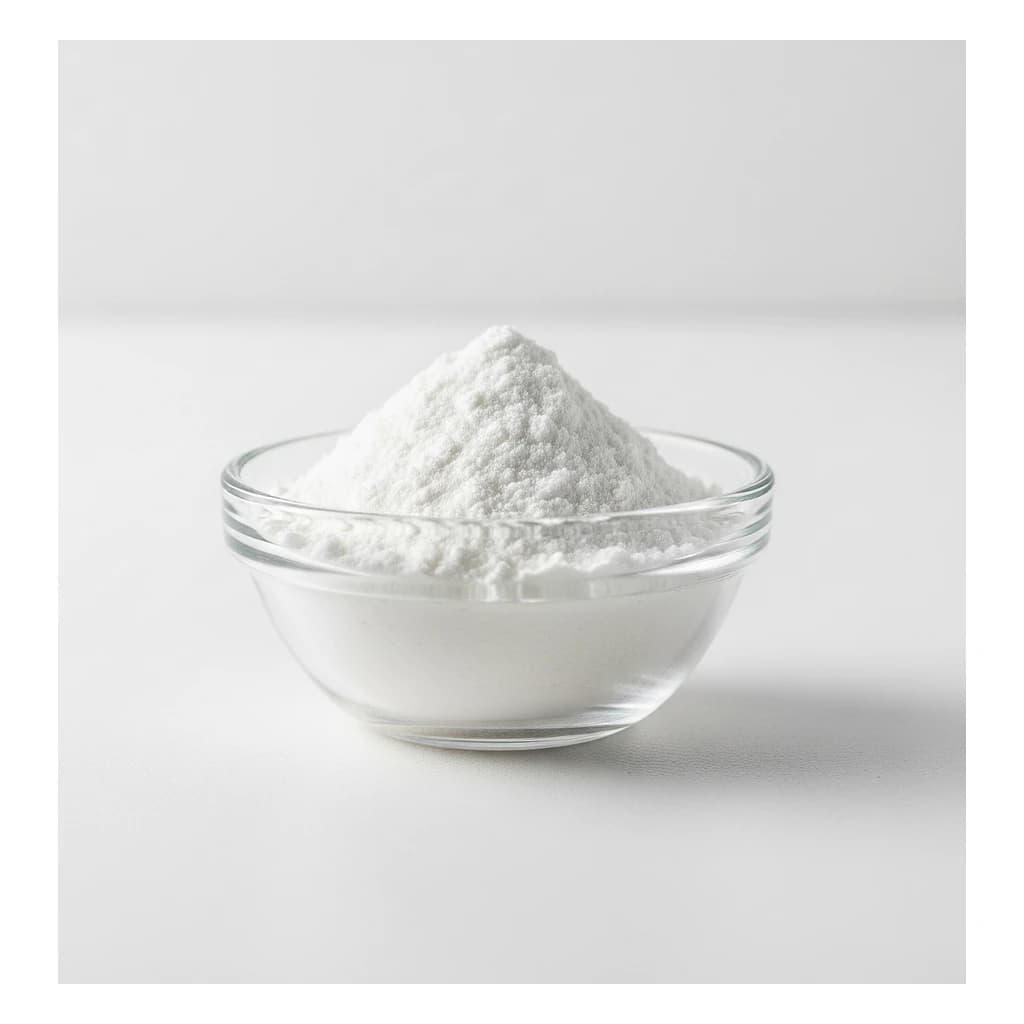
Agar MN5 Gelling Agent 25 kg
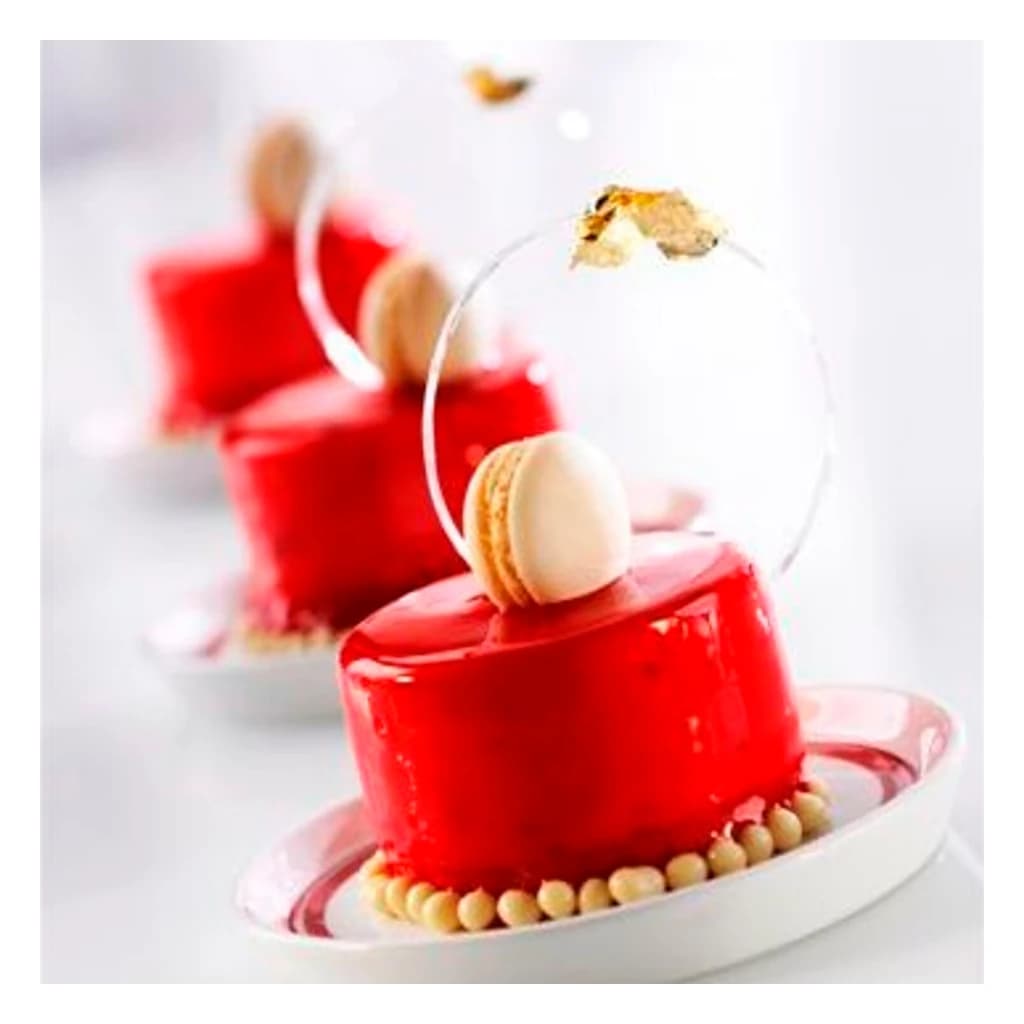
Paletta Cold Glaze Neutral Gel 6 kg
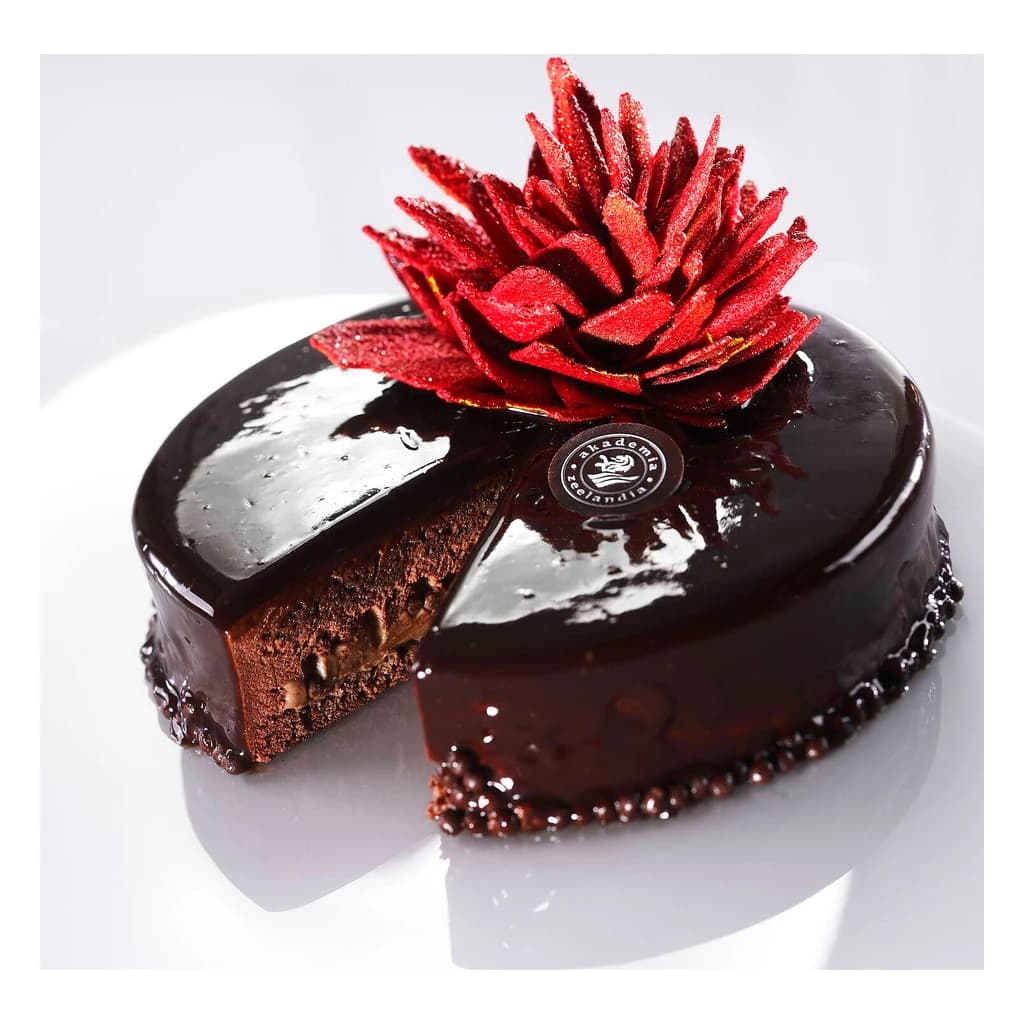
Paletta Choco Cold Mirror Glaze 6 kg – Zeelandia
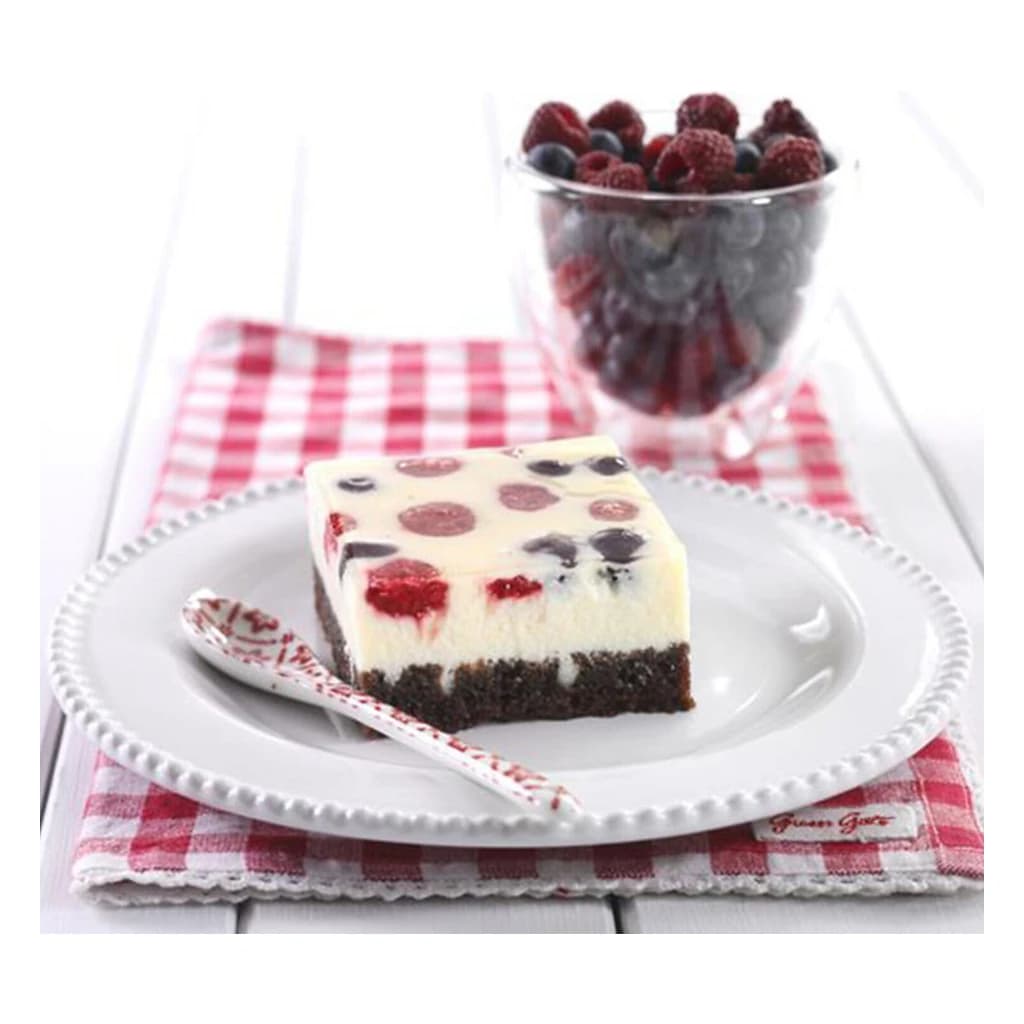
Neutral Paste/Glaze 12.5 kg (Hot)

Belnap Apricot Fruit Glaze 14 kg
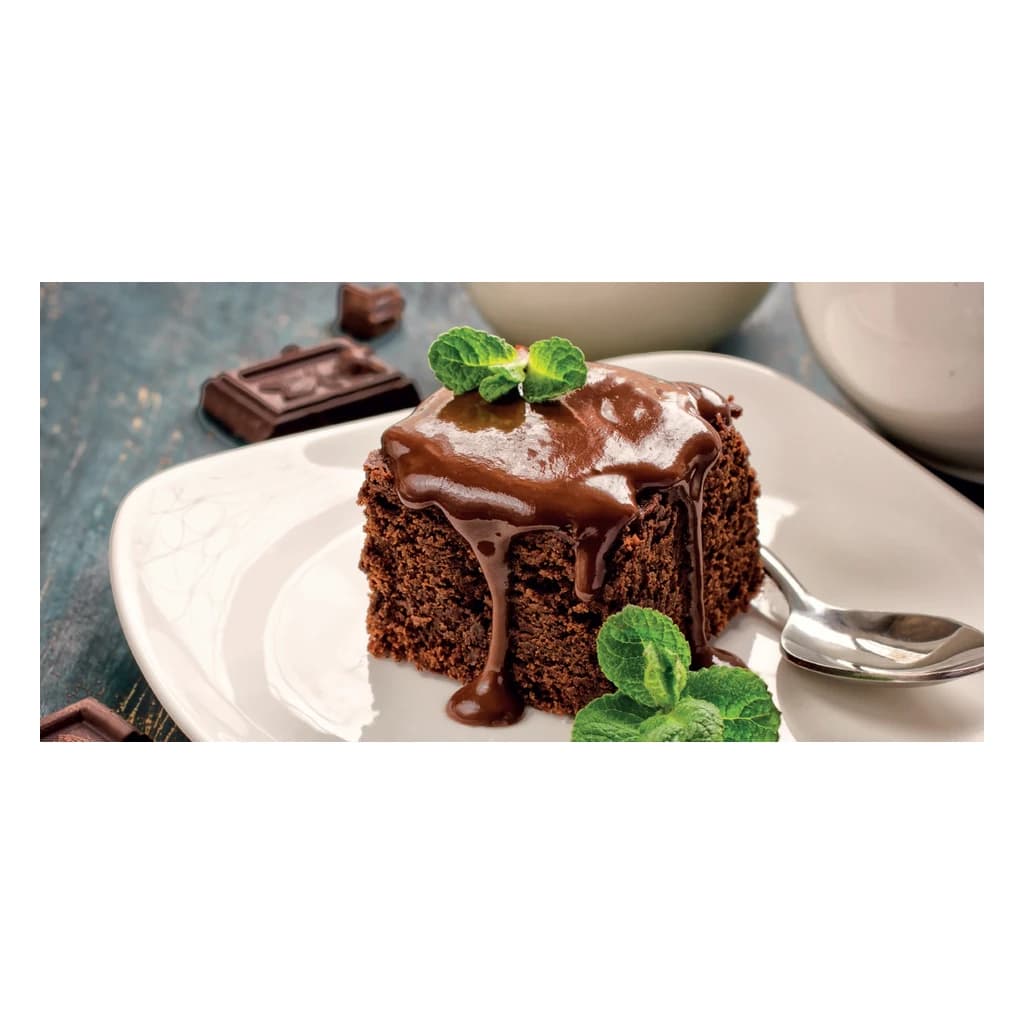
Helios Premium Dark Chocolate Glaze 10 kg
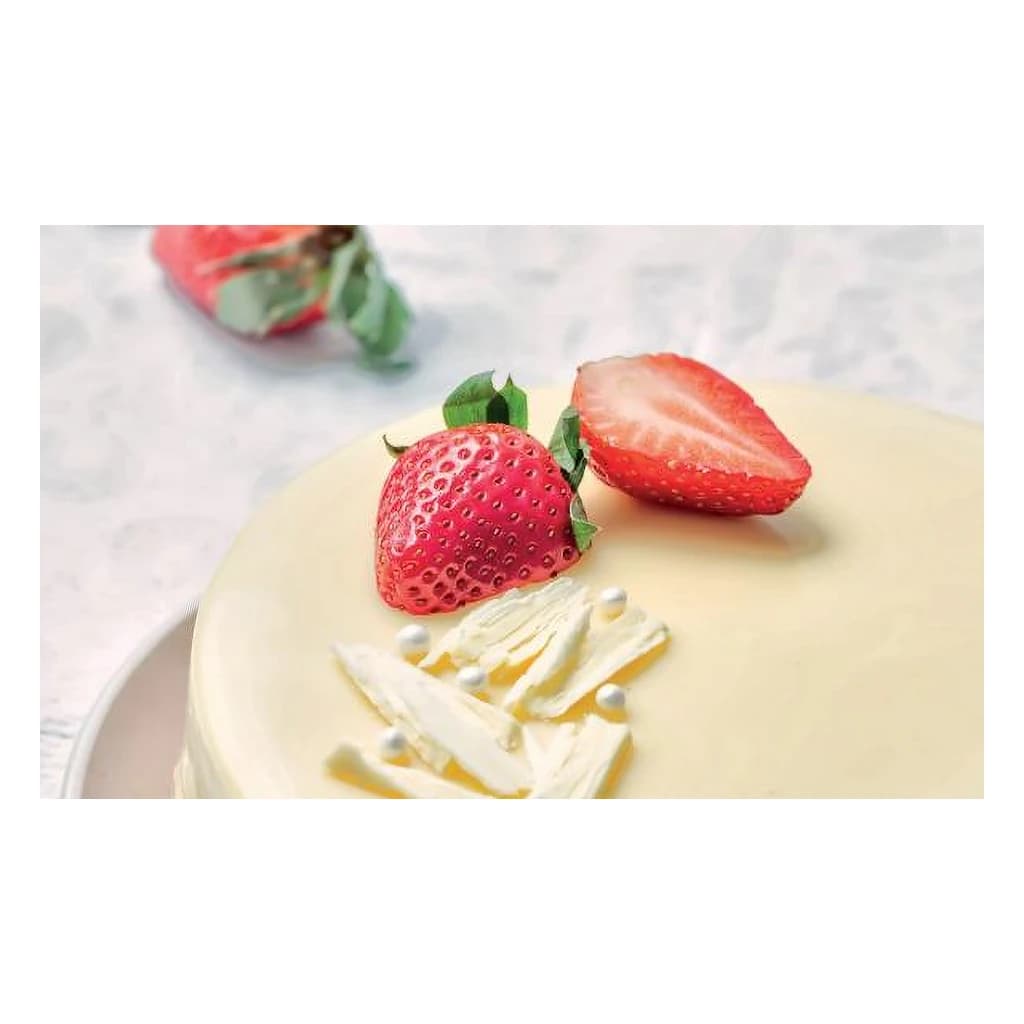
Helios White Glaze 10 kg
Paletta Apricot Glaze 13 kg
Neutral Gel Glaze 13 kg (Zeelandia)
Claro Gel 10 kg
Bun Glaze RTU 12 kg
Instant Superglaze Neutral 15 kg

Dawn Decorgel Plus White Glaze 3 kg
Edible Gelatine Powder 15 kg
Dawn Decorgel Mirror Glaze

Merjel Cold Glaze 8 kg (Craigmillar)
Mirall Mirror Glaze (Master Martini)