
Baking Academy
Practical, cited knowledge for professional bakers and confectioners — ingredients, technology, decoration, recipes, and the baking traditions of our customers.
- 150
- articles
- 15
- topics
- 897
- diagrams & charts
Craft & Ingredients
Flours
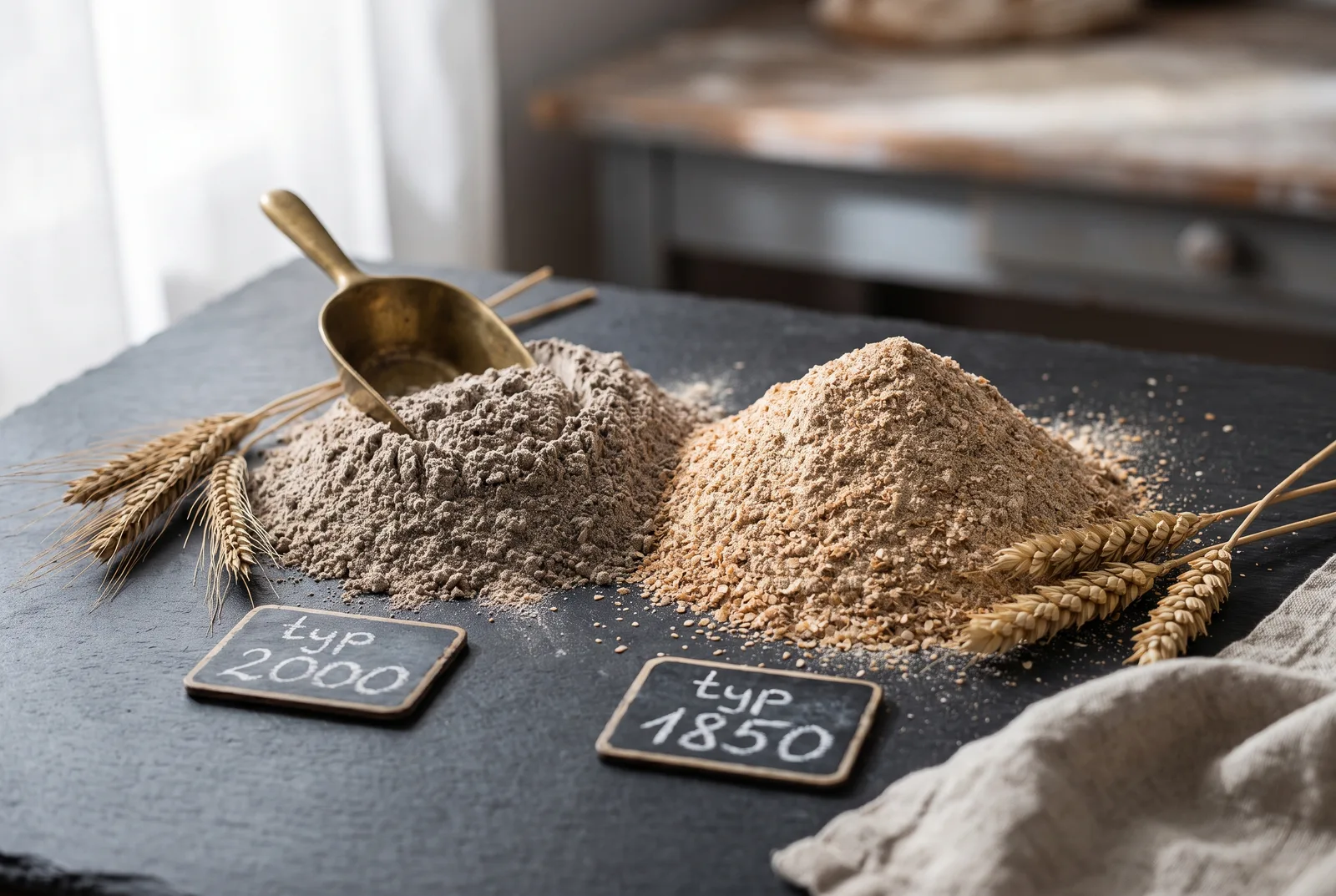
Types, specs, milling and storage
9 articles
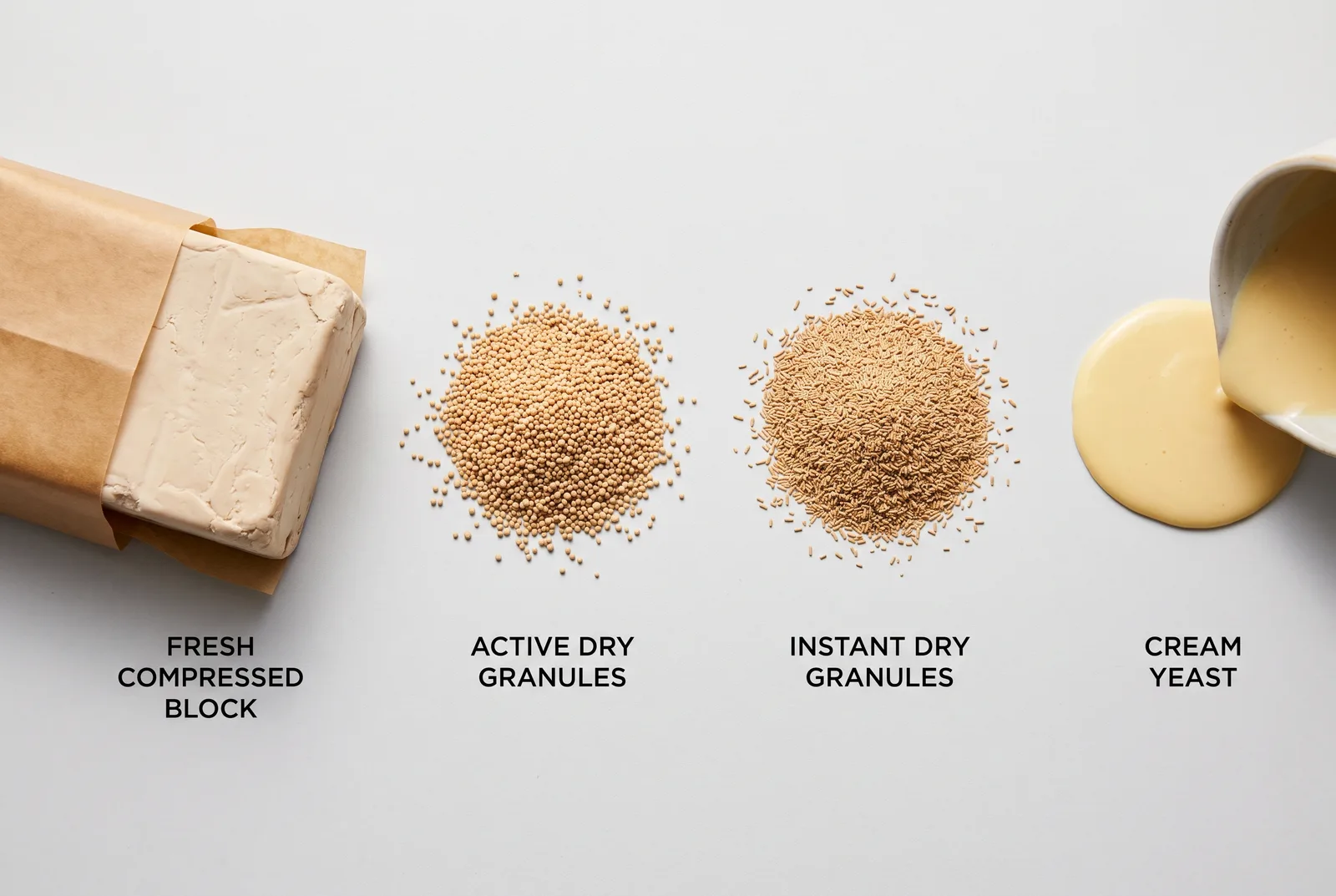
Yeast & Leavening
Fermentation science and control
8 articles
Improvers & Additives
Oxidants, enzymes, emulsifiers
9 articles
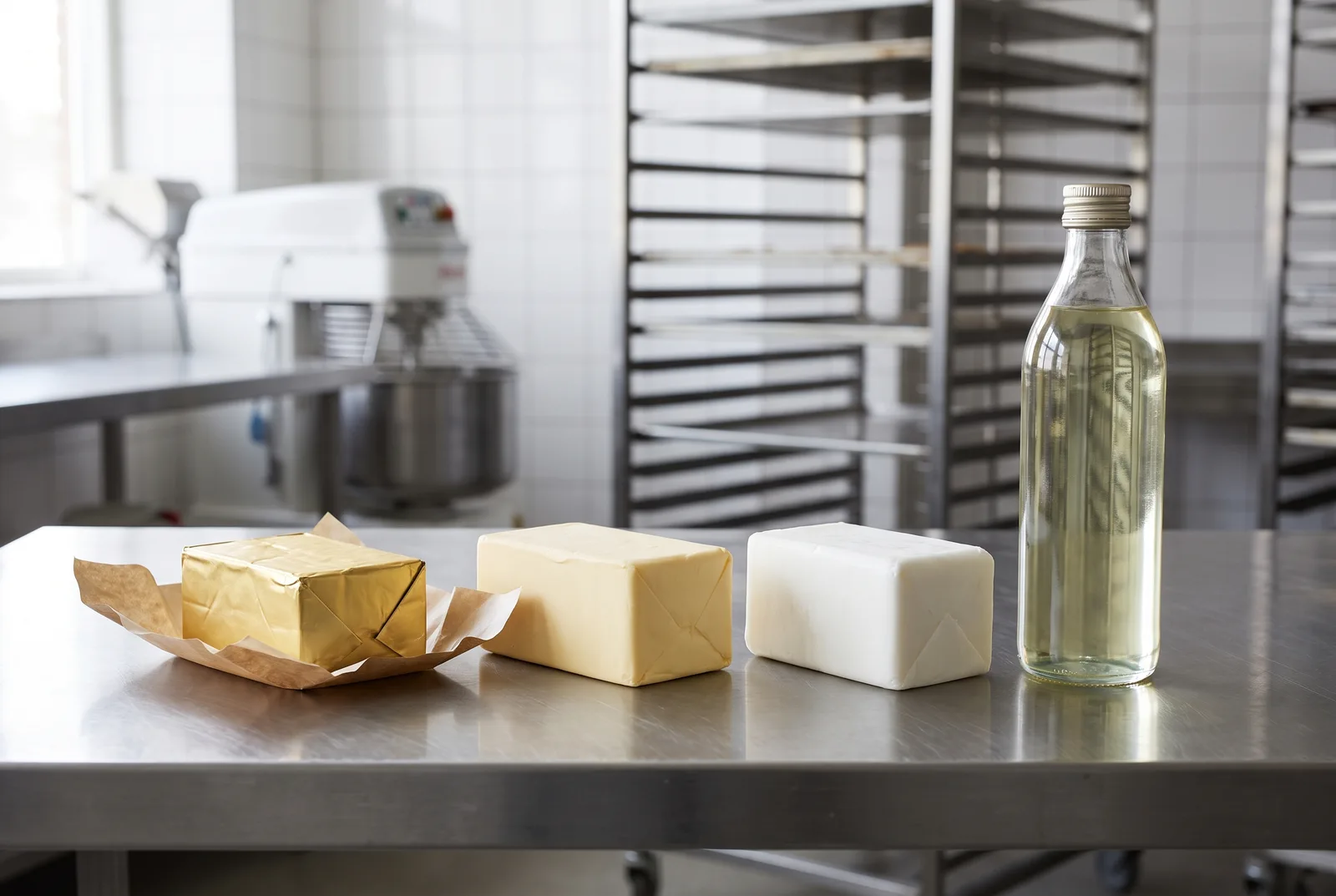
Baking Fats
Butter, margarine and speciality fats
7 articles
Bread Technology
Mixing, proofing, baking, faults
10 articles
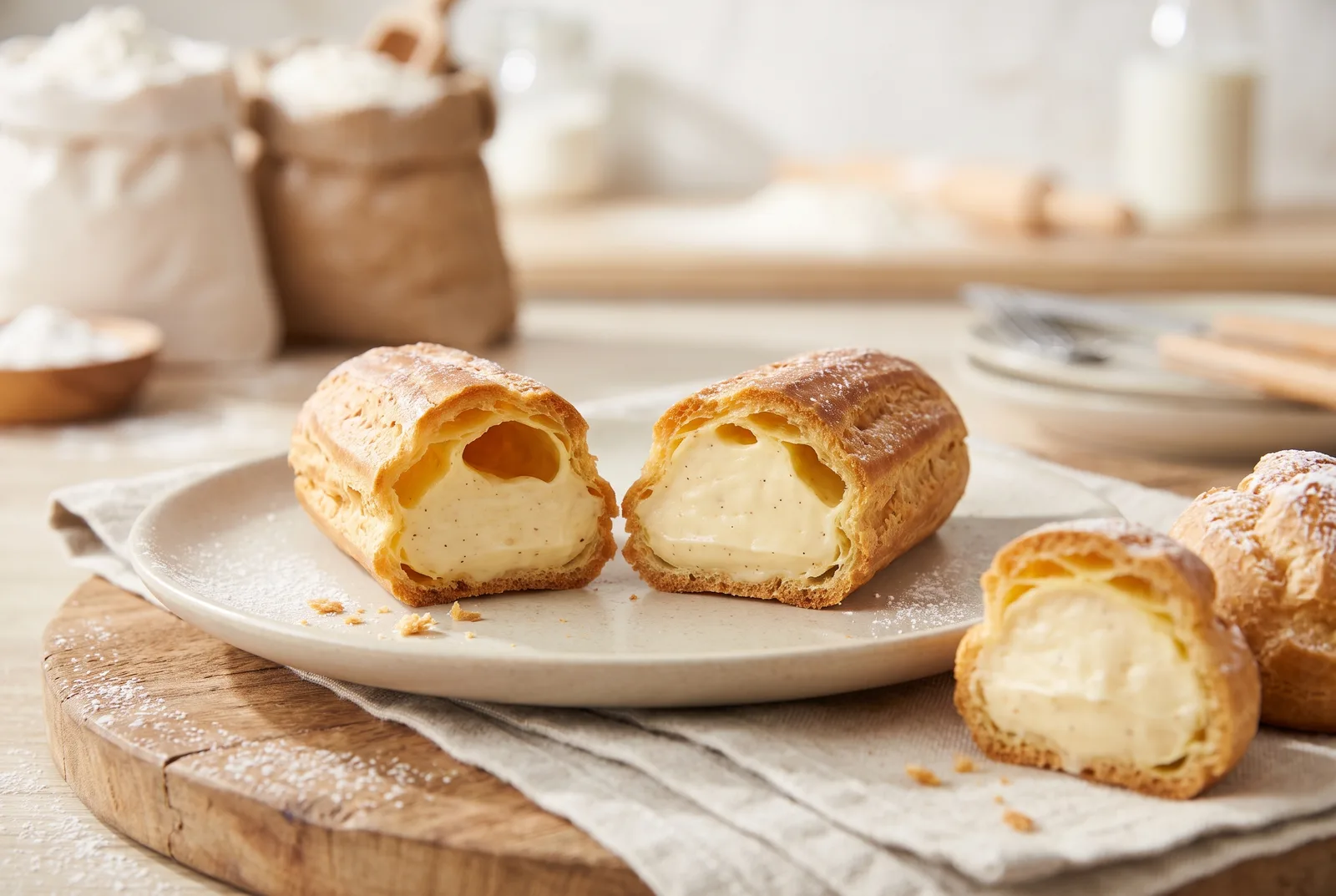
Pastry & Confectionery
Choux, laminated, creams, fillings
10 articles

Decoration & Finishing
Chocolate, glazes and sugar work
8 articles
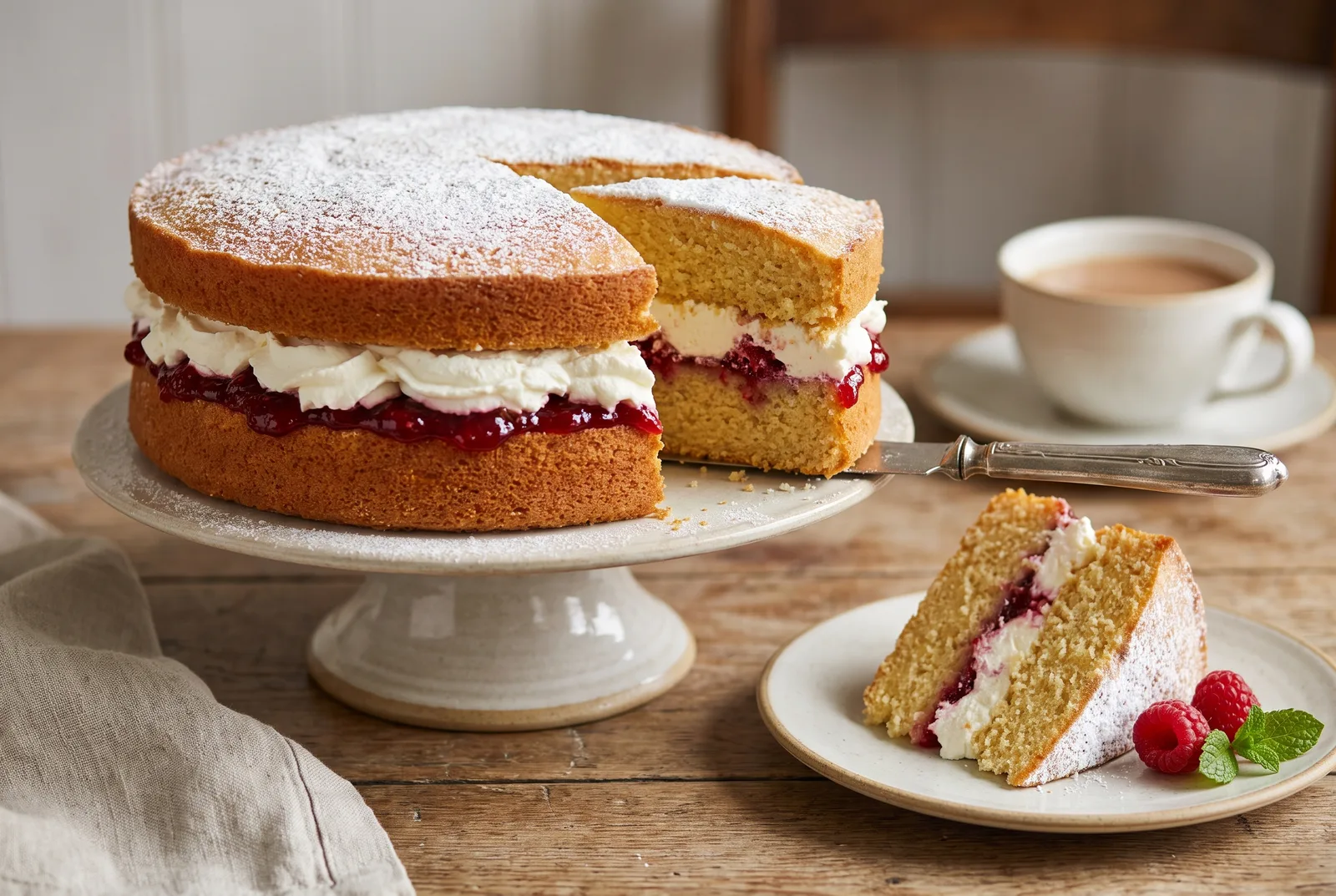
Recipes & Formulas
Tested formulas with baker's percentages
10 articles
Baking Traditions



Start here
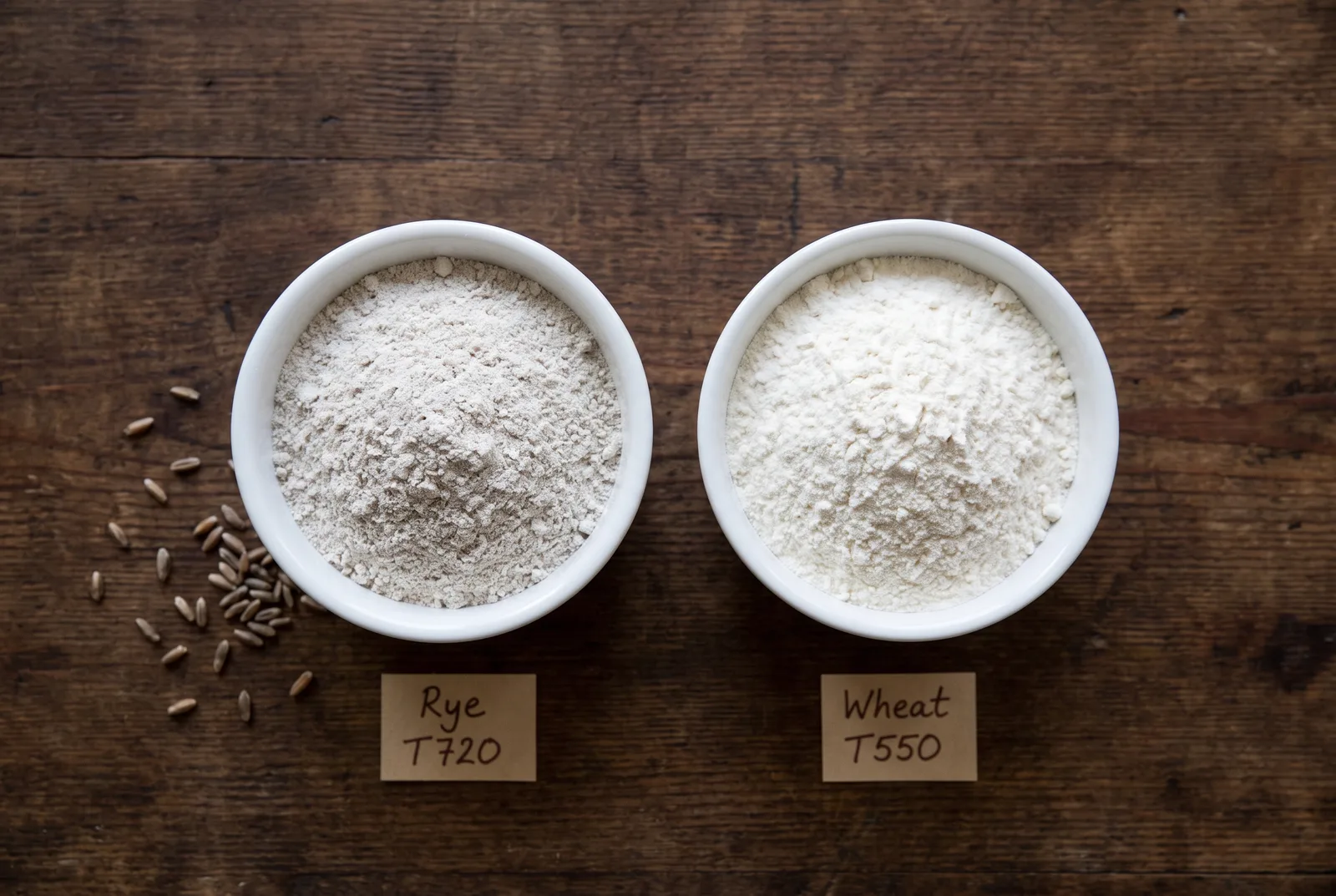
Rye, spelt, emmer and heritage wheats: baking behaviour and blending rules
Rye, spelt, emmer, einkorn and barley behave nothing like modern common wheat in the bakery. Rye has no gluten — only a pentosan gel that demands sourdough acidification. Spelt gluten shatters under overmixing. Emmer and einkorn need a strong-wheat scaffold to hold their gas. This article explains the science behind each grain's behaviour, gives spec-sheet data from the Domson catalogue for every relevant product, and provides practical blending ratios, fermentation targets and fault-diagnosis tables you can use immediately in production.
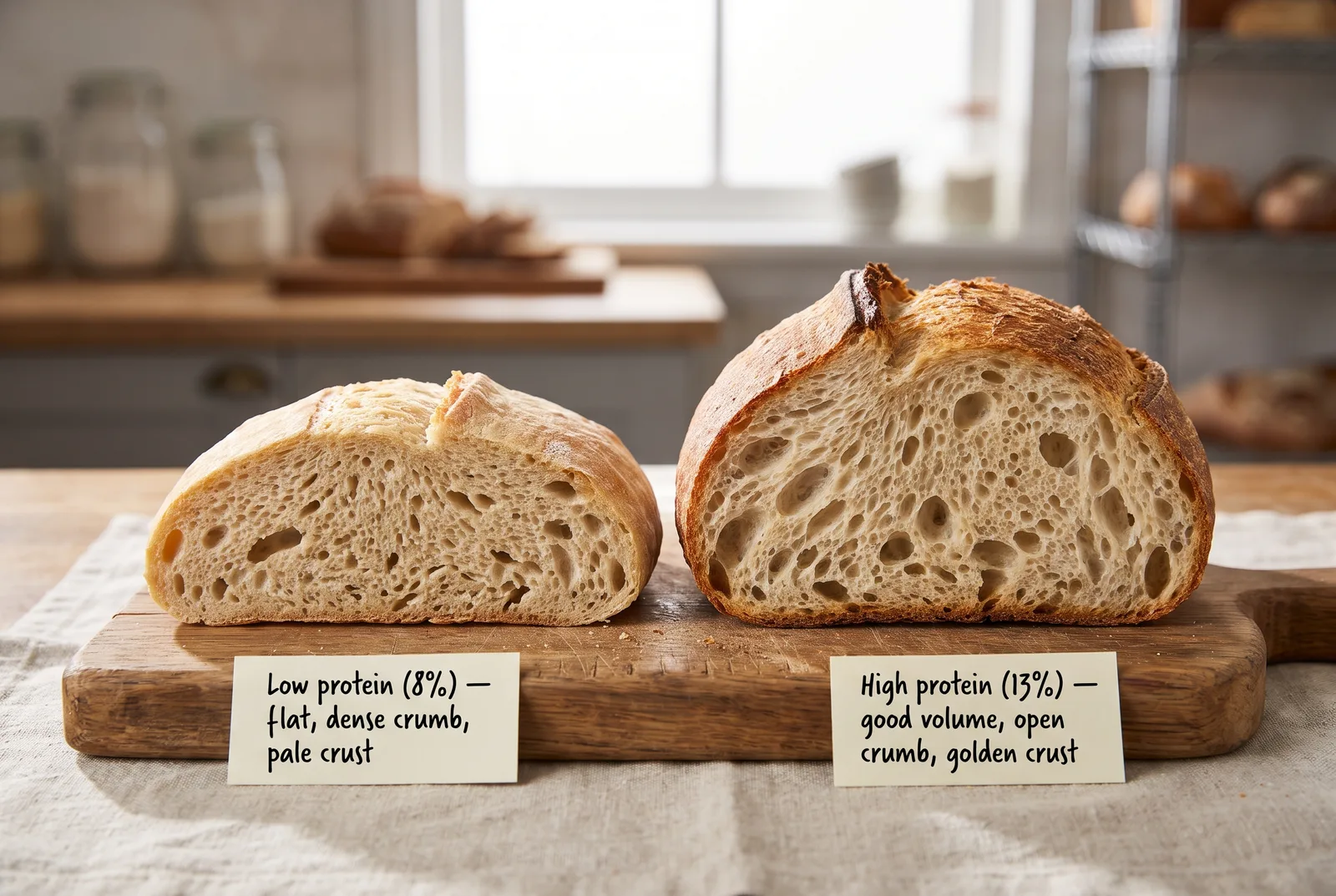
Protein content, gluten quality and flour strength: what the numbers mean for your dough
Protein percentage is the number on every flour label, but it tells only half the story. This article explains how protein quantity, gluten quality (wet gluten, gluten index, gliadin/glutenin balance), and flour strength indicators (water absorption, alveograph W, farinograph stability) interact to determine what a flour will actually do in your bakery — and how to read those numbers across the Domson catalogue, from a pastry flour at 8% protein to a strong white bread flour at 13% and a vital wheat gluten concentrate at 75%.
Fresh, Active Dry & Instant Yeast: Formats, Performance & When to Use Each
A practical field guide for professional bakers covering every commercial baker's yeast format — fresh compressed, instant dry, active dry, cream yeast — plus chemical leaveners (baking powder, bicarbonate of soda) and ready-to-use sourdough concentrates. Built on first-party spec sheets from nine products in the Domson catalogue (Lesaffre, Lallemand, Bowika, CSM Ingredients, AB Mauri/Aromaferm, Puratos, Zeelandia, ULDO) and cross-checked against Bakerpedia, King Arthur Baking, Kansas State University, IREKS Compendium, and peer-reviewed sourdough microbiology. Includes full comparison tables, substitution ratios, fault diagnosis, and allergen flags for every product.