
Icings & buttercreams: American, Swiss, Italian meringue, royal icing, and flat donut icing
A practical, bench-level guide to the icings and buttercreams a finishing bakery lives on, and to picking the right one instead of swapping them blindly. It covers the three buttercreams every decorator should know — American (butter + icing sugar, ≈1:2, very sweet, crusts and pipes crisp), Swiss meringue (whites + sugar warmed to 60-71°C, silky, no crust) and Italian meringue (whites whipped with a 118-121°C sugar syrup, the most heat-stable) — plus royal icing (albumen + icing sugar, piped stiff or flooded at a ~15-20 second run-out consistency, dried hard) and flat/poured fondant ("donut icing") warmed to ~37°C for a glossy skin. Temperature is treated as the master variable: it decides whether a meringue buttercream goes silky or splits, whether royal icing floods smooth, and whether poured fondant sets glossy or dull. Includes a buttercreams comparison (incl. French, German, ermine), formula cards, a fault-finder, food-safety notes (raw-egg Salmonella risk, pasteurised albumen, dairy perishability), allergen and sulphite flags, and ready-to-buy Domson catalogue products. Numbers are drawn first from first-party supplier spec sheets (Kent Foods icing & caster sugar, Ovopol albumen, Polmlek butter, Zeelandia/Arctos/Vortumnus fondants, CSM and Dawn frostings/fudge icings) and cross-checked against baking references.
Icings & buttercreams
Icing is where a baked sponge becomes a product people pay for. The same vanilla cake can be a sweet, crisp-piped American-buttercream cupcake, a satin-smooth Swiss-meringue wedding tier, a flooded royal-iced biscuit or a glossy fondant-dipped fancy — and each of those finishes comes from a different icing with a different structure, sweetness and stability. The single most expensive mistake in a finishing bakery is to swap one for another out of habit: piping detail with a meringue buttercream that will not crust, flooding cookies with a buttercream that never sets, or trying to cover a cake in poured fondant. This article maps the five families you actually use, treats temperature as the master variable, and points at the catalogue products to buy for each.
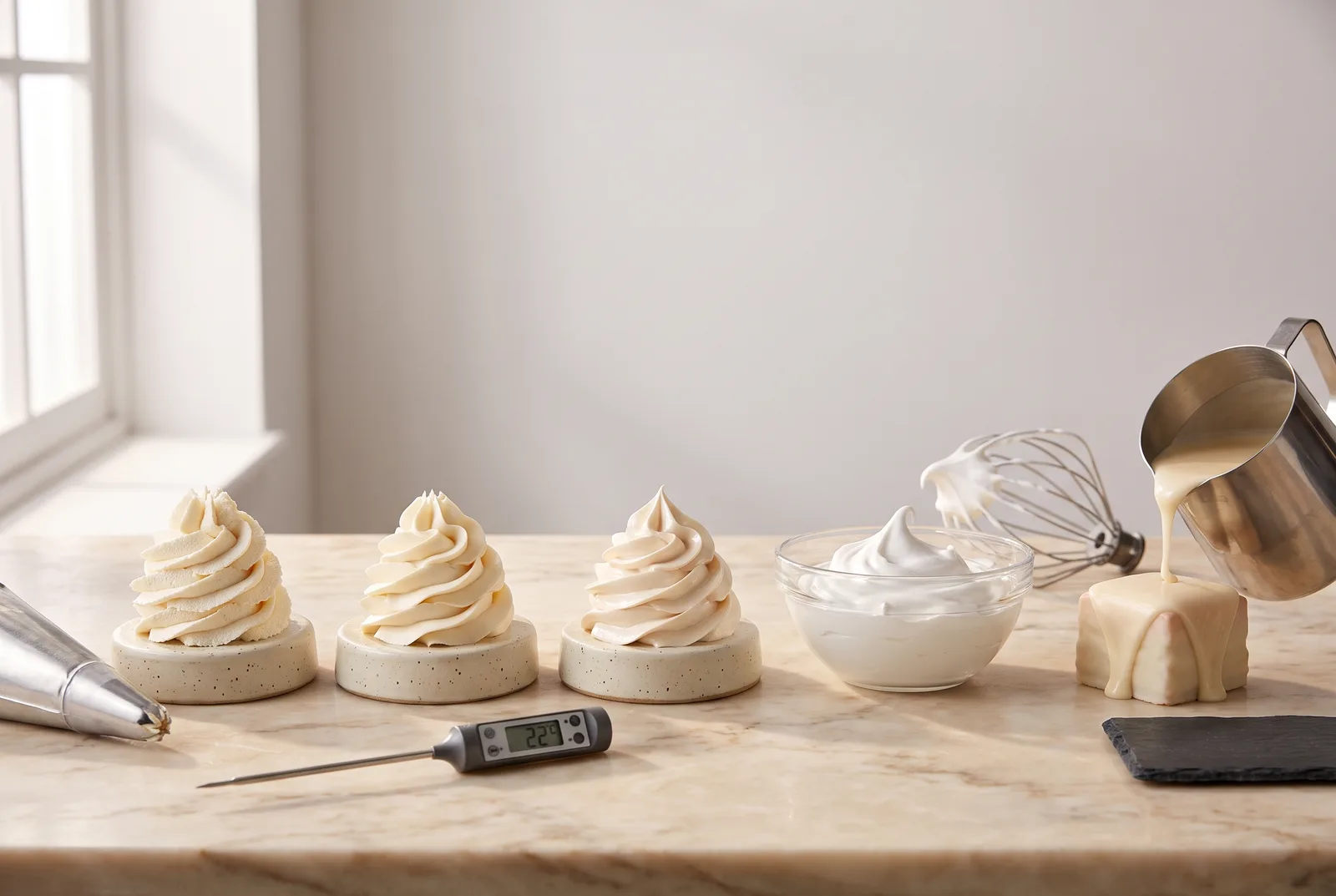
A one-page map of the five icing families and what each does is in the photos below.
1. The five families (and why they are not interchangeable)
A working decorating bench uses five distinct systems (full grid below):
- American buttercream — soft butter beaten with icing sugar (≈1:2 by weight). The sweetest and simplest; it crusts (a thin sugar skin forms in air), which is exactly why it holds crisp piped detail.
- Swiss meringue buttercream — egg whites + sugar warmed to 60-71°C, whipped to a meringue, then butter beaten in. Silky, less sweet, does not crust.
- Italian meringue buttercream — egg whites whipped with a 118-121°C sugar syrup, then butter. The most heat-stable of the meringue types.
- Royal icing — egg white/albumen + icing sugar. Piped stiff or flooded at a run-out consistency, and it dries hard and matt.
- Flat / poured ("donut") icing — fondant: super-saturated sugar + glucose, warmed to ~37°C and poured/dipped for a thin glossy skin.
There is also a sixth, commercial-volume family — ready-to-use frostings and fudge icings — that let a bakery skip the make-from-scratch step (section 7).
2. Buttercreams: the three you must know (plus three you should)
All buttercreams are an emulsion of fat (butter), air and sugar; what differs is how the sugar is incorporated and whether eggs are used (see the comparison table below).
2.1 American buttercream — sweet, crusting, fast
Beat soft butter, add icing sugar at roughly 1:2 by weight, a pinch of salt and a little liquid and flavour. That is the whole method (see the formula card below). The ratio is the lever: 1:1 gives a softer, less sweet cream; the standard 1:2 is sweet and pipes well; pushing toward 1:4 gives a stiff, heavy-crusting icing for intricate work. The crust comes from undissolved sugar drying at the surface, which is why American buttercream is the decorator's default for piped rosettes, borders and flowers and for stacking. Its weaknesses: it is very sweet, and it softens in heat. Always add a little salt to balance the sweetness, and work with butter that is soft but not greasy. Piped-cupcake inspiration and a nozzle-to-shape chart are in the photos below.
The fat you cream sets the result. The catalogue's Polmlek Unsalted Butter is 82% fat / 16% water (744 kcal/100 g, 55 g saturated) — the standard sweet-cream tourage/cream butter; for cost or heat tolerance, an 80% cake/cream margarine (Kruszwica, Bielmar Koneser) or the ready-made Zeelandia Buttercream Mix are the alternatives.
2.2 Swiss meringue buttercream (SMBC) — silky and stable
Warm egg whites and sugar over a bain-marie, stirring, to 60-71°C until the sugar fully dissolves (rub a little between your fingers — no grit), whip to a stiff glossy meringue that has cooled to ~20°C, then beat in soft butter (see the formula card below). Heating to 71°C (160°F) gives the stiffest, most stable meringue and the most thorough pasteurisation; stopping near 60°C gives a looser one. The result is silky, much less sweet than American, and does not crust — the go-to for smooth covering, sharp edges and fine piping.
2.3 Italian meringue buttercream (IMBC) — the heat-stable one
Cook a sugar syrup to 118-121°C (firm-ball to hard-ball — see the candy stages in the table below), start whipping the whites as the syrup nears 115°C, then pour the hot syrup in a thin stream down the side of the bowl onto the whipping whites. Whip the Italian meringue until the bowl is cool, then add butter (see the formula card below). The hot syrup cooks and stabilises the whites, which is why IMBC is the most heat-tolerant meringue buttercream — worth the extra step in a warm kitchen or for summer work.
2.4 The other three: French, German, ermine
For completeness (and flavour variety), three more sit in the catalogue's range of techniques: French buttercream uses the IMBC syrup method but with egg yolks — rich and glossy, but less stable; German buttercream beats butter into cooled crème pâtissière — low-sweet, custardy; and ermine (flour/boiled-milk) buttercream whips butter into a cooked flour-milk paste — egg-free, low-sweet and notably heat- and pressure-stable. Full comparison in the table below.
The one rule that fixes most buttercream: it is a temperature game. Worked at ~20-24°C a meringue buttercream goes silky; if it looks curdled / cottage-cheese the butter is too cold (warm the bowl briefly and keep whipping); if it goes soupy it is too warm (chill 10-15 min, then re-whip) (see the photos below).
Food-safety flag — meringue buttercreams contain egg, but are pasteurised. The heating steps — whites + sugar to 60-71°C (Swiss), or 118-121°C syrup into the whites (Italian) — pasteurise the egg whites, so meringue buttercreams are safer than any uncooked raw-white preparation. For Swiss meringue, 71°C (160°F) is the reliably safe target: at 71°C pasteurisation is instantaneous; at 60°C (140°F), a minimum of approximately 3 minutes of sustained heat exposure is required, which a bain-marie approach without a thermometer may not guarantee. The Italian syrup (118-121°C) achieves full pasteurisation on contact. They still CONTAIN EGG (and MILK from the butter) and must be declared . For a fully pasteurised white from the start, reconstitute the catalogue's Ovopol albumen powder (1:9 with water; 1 kg ≈ 316 fresh whites).
3. Royal icing: piped stiff, flooded soft, dried hard
Royal icing is the oldest decorating icing and the most versatile per gram: egg white (or albumen) beaten with icing sugar to a bright-white paste that dries hard and matt. The craft is that one base is used at two consistencies (see the formula card below):
- Stiff / peak consistency — for piped lines, lettering, lattice and flowers; the peak should stand up.
- Flooding / run-out consistency — thinned with a few drops of water at a time until a ribbon trail re-absorbs into the surface in about 15-20 seconds. The standard technique is outline first with stiff icing, then flood the centre with run-out (decorated-cookie inspiration in the photos below).
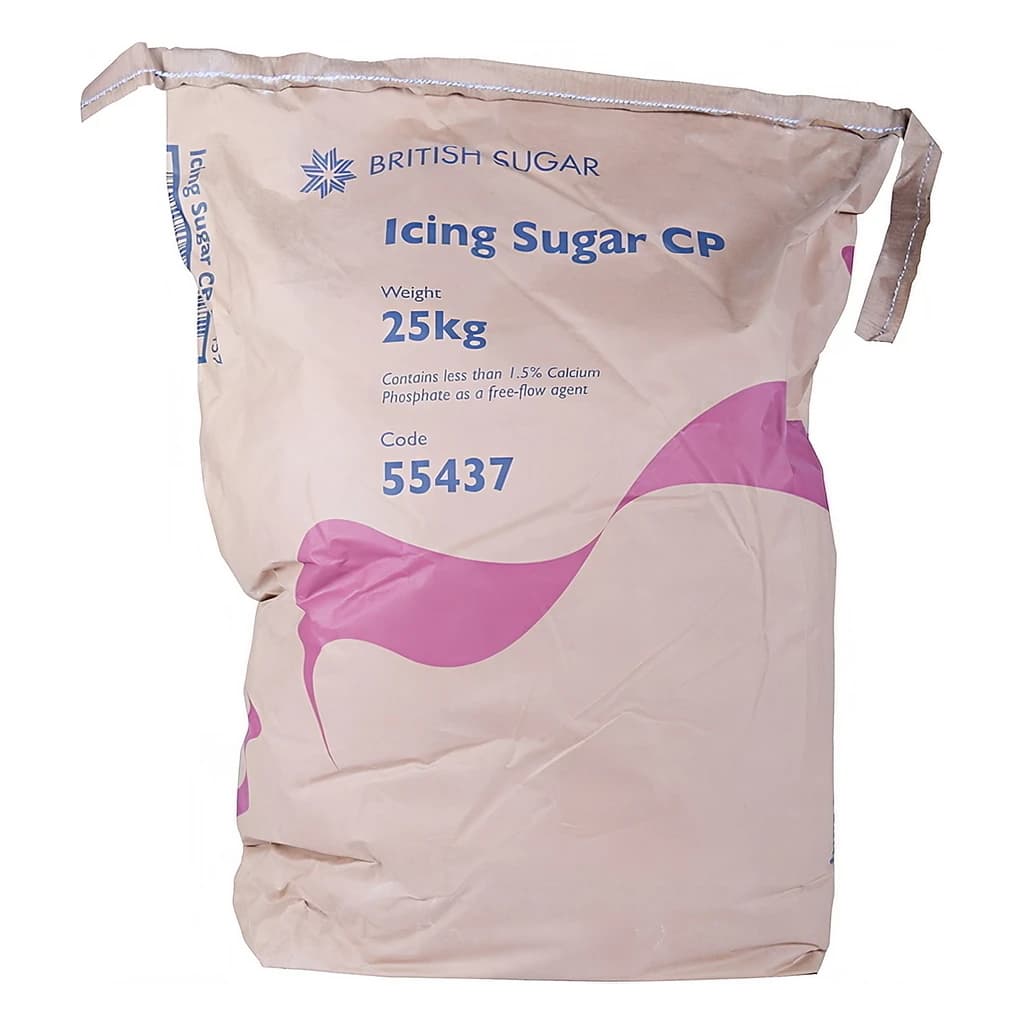
Two finishing levers: a little glycerine (or glucose/corn syrup) softens the dried set so it is not rock-hard, and lemon juice or cream of tartar adds acidity to stabilise the foam and cut the sweetness . Use a very fine icing sugar — the catalogue's Kent Icing Sugar CP runs a mean particle of 19-26 µm with a tricalcium-phosphate (E341(iii)) free-flow agent — so it does not plug fine piping tips.
Food-safety flag — the raw-egg trap. Classic royal icing uses raw egg white, which carries a Salmonella risk in an icing that is eaten without further cooking. The safe routes are pasteurised liquid egg white, dried pasteurised albumen, or meringue powder. The catalogue's Ovopol Egg White Powder (High Foaming) is pasteurised and specified Salmonella absent in 25 g, and the Meri-White Meringue & Royal Icing Mix is purpose-made for this job. Royal icing always CONTAINS EGG as a declared allergen.
4. Flat / poured fondant — the "donut icing"
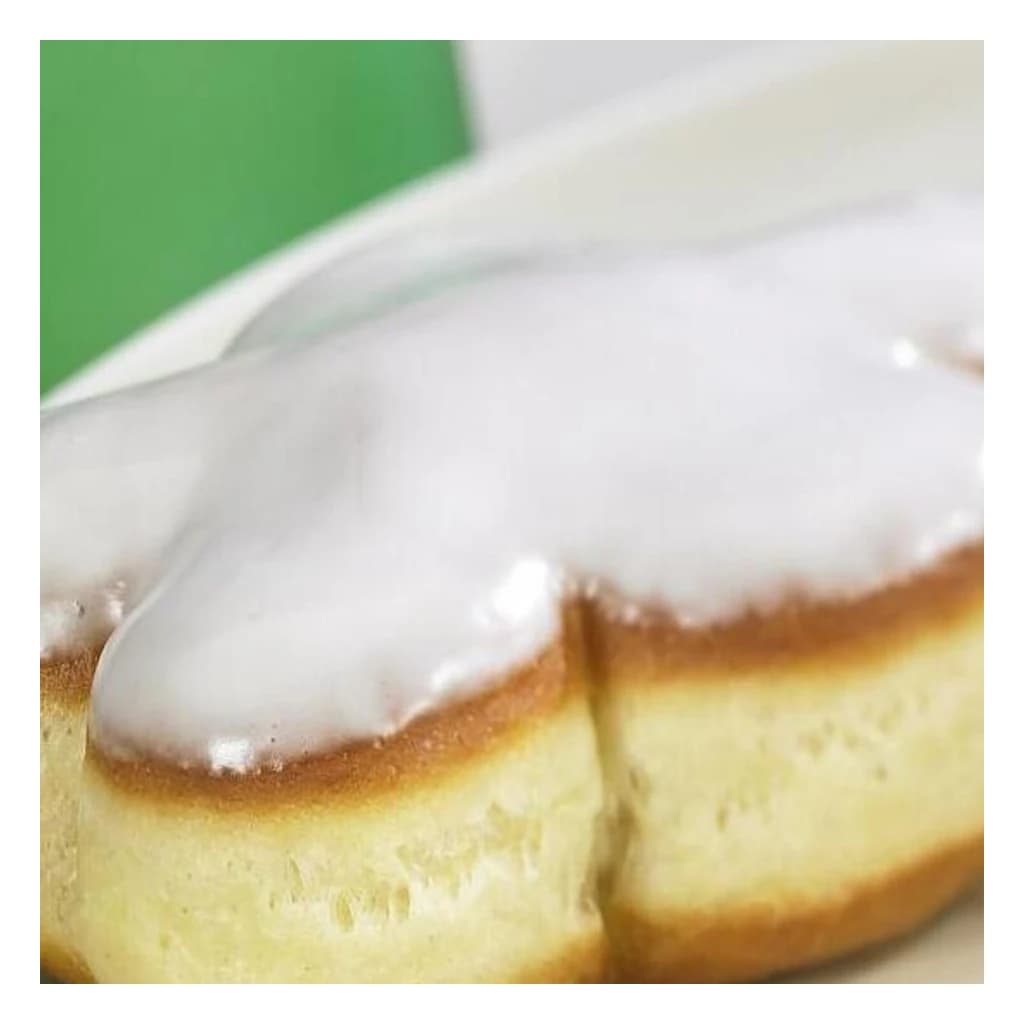
The glossy flat coat on a ring doughnut, an eclair or a fondant fancy is poured fondant (sugar pomade): a super-saturated mass of sugar and glucose syrup that is warmed to a pouring consistency, poured or dipped, and sets to a thin, shiny skin. The whole technique is temperature discipline (see the formula card below):
- Warm to about 37°C (100°F) for the classic pour; a tighter 30-34°C window is recommended where maximum mirror gloss matters. Supplier bakery pomades are warmed a little higher — the catalogue's Zeelandia fondant is heated to 40-48°C over low heat with continuous stirring.
- Never overheat above the manufacturer's maximum. The Arctos Ultra White Fondant datasheet states plainly "do not overheat above 50°C, do not add >10% water"; above the pack temperature the sugar-crystal structure changes and the finish goes dull. Note that commercial pomades are formulated to be used at their stated working temperatures (Zeelandia 40-48°C; Vortumnus ≤60°C) — the artisan rule of maximum ~37°C for peak gloss applies to scratch fondant, not to purpose-made pomades.
- Thin carefully — follow the manufacturer's guidance. For artisan or scratch fondant, thin with stock syrup rather than plain water, as excess water dilutes dissolved sugar and reduces gloss. For commercial fondants, follow the pack water allowance: Vortumnus permits 50-100 ml water per 1 kg (≤60°C) and Arctos allows up to 10% water addition; stock syrup remains the safer option where either is permitted.
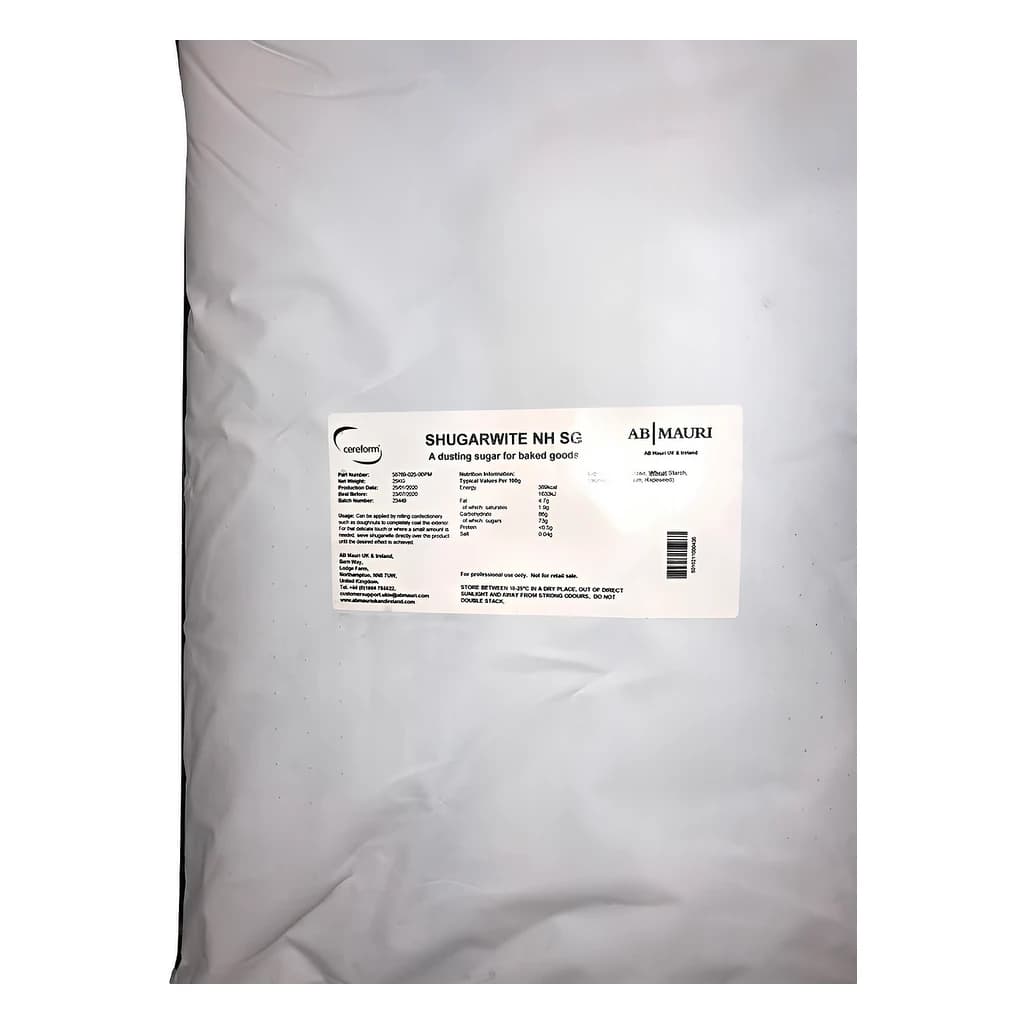
Apply decorations or sprinkles while the fondant is still wet so they stick. Glossy doughnut inspiration is in the photos below. The catalogue covers this whole job: Zeelandia Fondant Premium, Arctos Ultra White Fondant and Arctos Fondant 30, Vortumnus Sugar Fondant (Soft), Helios Water Fondant and Cereform Shugarwite NH. All three fondants with a spec sheet are allergen-free and suitable for vegetarians and vegans.
Colourant flag — Vortumnus Sugar Fondant (Soft): This product contains E132 (indigotine / indigo carmine), a synthetic blue colourant permitted under EU Regulation 1333/2008 and retained UK law. E132 is not one of the six "Southampton" colours that require a children's-attention advisory, but it must be declared in the ingredient list of any finished product made with this fondant. Verify the current batch spec before production.
Glaze, not fondant? A poured fondant is opaque and sugar-set; a clear, gelling mirror / neutral glaze is a different product covered in A6 glazes & finishes and A7 glazes (mirror & fruit). Do not confuse the two — they behave nothing alike.
5. Choosing between them
A quick decision guide (and the table below):
- Crisp piped rosettes, borders, flowers, stacked tiers → American buttercream (it crusts).
- Smooth satin covering, sharp edges, fine piping, wedding work → Swiss meringue buttercream.
- Same look but in a warm kitchen / summer → Italian meringue buttercream (most heat-stable).
- Flooded biscuits, line/lace piping, run-outs, gingerbread, sugar flowers → royal icing.
- Glossy doughnuts, eclairs, fondant fancies, petits fours → poured fondant.
- High volume, consistency, no make-from-scratch → ready-to-use frosting / fudge icing (section 7).
6. Sugar, eggs and fat: the raw materials
Every icing above is built from three catalogue staples:
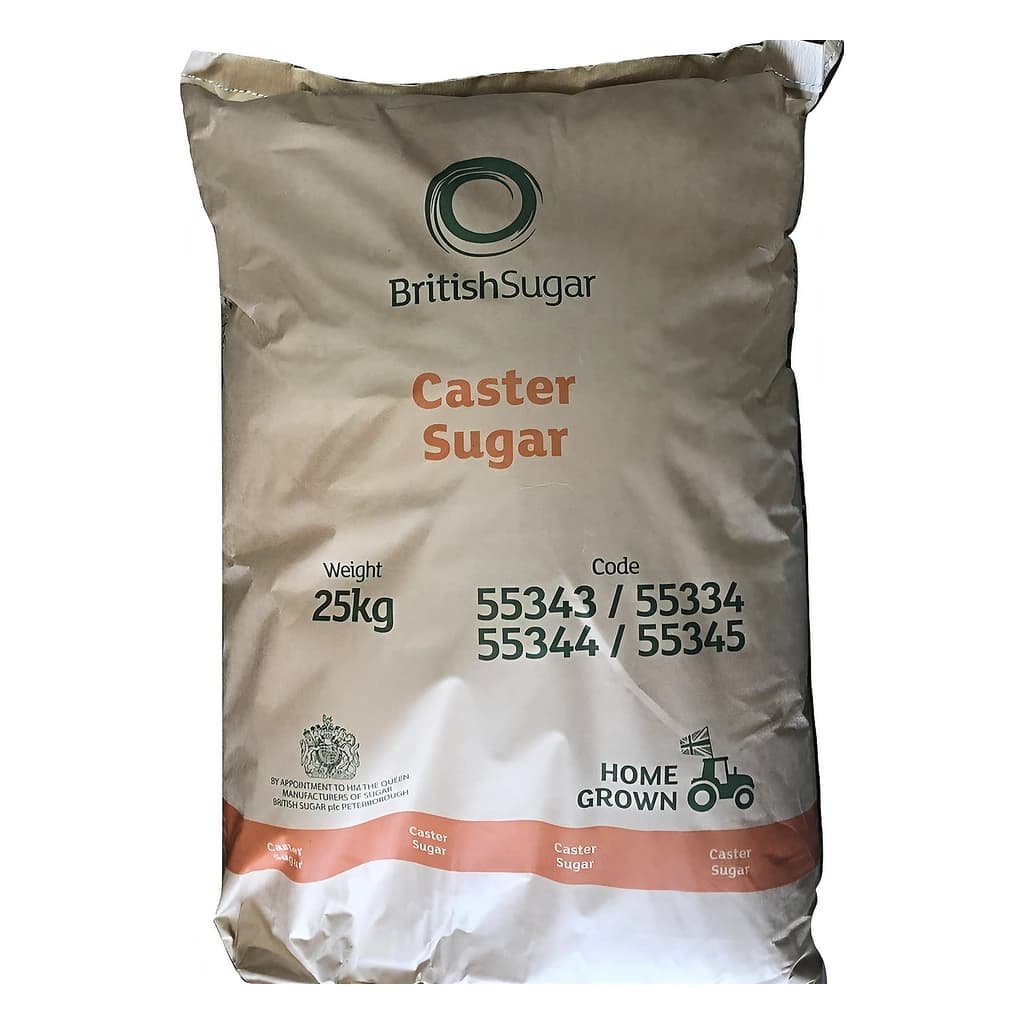
- Sugars.Icing sugar (fine, with anti-caking agent) for American buttercream and royal icing — Kent Icing Sugar CP (392 kcal/100 g; E341(iii); allergen-free; Halal & Kosher) or the plain Icing Sugar 10 kg. Caster / granulated sugar for the meringue syrups — Kent Caster Sugar (400 kcal/100 g; allergen-free). Emix Vanillin Sugar for sweet-flavour.
- Eggs.Pasteurised albumen for meringue buttercreams and royal icing — Ovopol Egg White Powder (High Foaming) (protein min 80%; reconstitute 1:9; pasteurised), or the Meri-White Meringue & Royal Icing Mix.
- Fat.Unsalted butter for buttercream — Polmlek 82% butter; or cake/cream margarine (Kruszwica, Bielmar) for cost and heat tolerance.
- Finishing extras.Ratos Glucose Syrup and Bakels Stock Syrup (to thin fondant and stabilise syrups), gel/airbrush food colours, butter/flavour essences, and non-melt dusting sugars (Macphie Sweet Snow, Zeelandia Mont Blanc) for the final dusting (covered in A7 food colour & metallic effects).
7. Ready-to-use frostings & fudge icings
For volume and consistency, the catalogue carries finished frostings you beat or melt straight from the tub (see the photos below):
- CSM Vanilla Light 'N' Fluffy — a vegan, dairy-free aerated vanilla frosting (sugar + palm/rapeseed fat), 484 kcal/100 g; sulphites 5 PPM (below the declaration threshold); may contain egg/milk/soya/gluten.
Allergen labelling flag: This product carries may contain egg, milk/lactose, soya and gluten cross-contamination advisories. A bakery cannot label a finished product as dairy-free or egg-free unless cross-contamination with these allergens is controlled within the HACCP plan. The may contain advisory should be treated as a genuine risk for allergen-sensitive customers.
- Dawn Cream Cheese Frosting — 8% cream cheese powder, 479 kcal/100 g; CONTAINS MILK; Halal & Kosher per the datasheet; not vegan.
- CSM Crembel fudge icing — a dual-use fudge icing: beat in air and pipe/spread, OR melt to 40-50°C and dip/enrobe; 449 kcal/100 g; CONTAINS MILK (whey); sulphites 18 PPM — above the 10 mg/kg threshold, so it must be declared; flavouring contains ethanol.
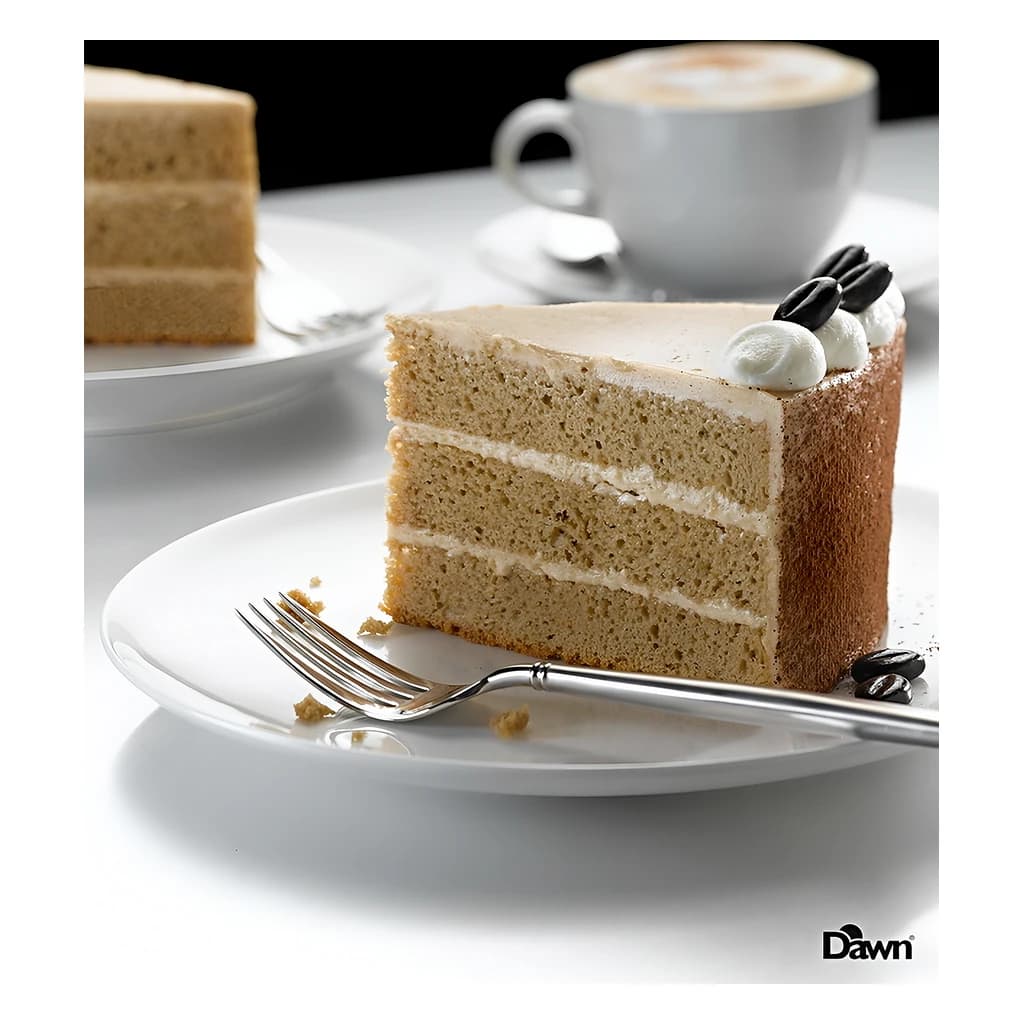
- Plus Dawn Chocolate Frosting (vegan), Dawn Coffee Frosting, Macphie 5th Avenue / CSM Double Fudge chocolate fudge icings, Zeelandia Chocolate Fudge Icing, and CSM Carrot Cake Topping / White Wrap Ice.
Allergen & labelling flags (carry to the finished-product label).Sulphites must be declared above 10 mg/kg (EU 1169/2011 and UK equivalent) — CSM Crembel at 18 PPM crosses this; CSM Vanilla Light 'N' Fluffy at 5 PPM does not. Milk is a CONTAINS allergen in every real-butter buttercream, the cream cheese frosting and Crembel. Egg is a CONTAINS allergen in royal icing and meringue buttercreams. Palm-fat frostings use RSPO certified palm (CSM Vanilla = mass balance; Crembel = segregated).
Food-safety flag — storage requirements. Storage needs differ by product type. Real butter (Polmlek) requires cold storage at 0-10°C (genuine refrigeration). Ready-to-use cream cheese and fudge frostings (Dawn, CSM) require cool ambient storage below 20°C — this does not require a refrigerator but means a cool store away from direct heat; opened packs should be used within 28 days . Once applied to moist cake, the assembled product may require refrigeration below 5°C under local food hygiene regulations (EU Reg 852/2004; UK Food Hygiene Regulations) — check your HACCP plan and local enforcement guidance.
8. Troubleshooting
The failures below are the ones that happen on the bench; most buttercream faults are temperature, most royal-icing faults are consistency, and most fondant faults are overheating (full matrix below).
- Meringue buttercream curdled (cottage-cheese) → butter/meringue too cold. Warm the bowl over steam or with a hairdryer until the edges melt, keep whipping; aim ~20-24°C.
- Meringue buttercream soupy → too warm. Chill 10-15 min, re-whip.
- American buttercream grainy → coarse or unsifted icing sugar; under-beaten. Use fine icing sugar (mean ~19-26 µm), sift, beat longer.
- Royal icing won't hold lines → too thin. Beat in more sifted icing sugar to stiff/peak.
- Royal icing flood pits / won't smooth → wrong consistency or trapped air. Set to ~15-20 s flood; outline then flood; tap to release bubbles.
- Royal icing dries rock-hard → no softener. Add a little glycerine or glucose.
- Poured fondant dull, not glossy → overheated or over-diluted with water. Work at the pack's specified temperature (scratch fondant ~37°C; commercial pomades per manufacturer); for thinning prefer stock syrup; for commercial fondants use the manufacturer's stated water allowance and do not exceed their maximum temperature.
- Poured fondant too thick → below working temperature. Warm gently to the pack temperature (40-48°C for Zeelandia) and add stock syrup; do not exceed 50°C.
- Royal icing / meringue with raw egg — safety → switch to pasteurised whites, dried pasteurised albumen, or meringue powder.
9. What to buy from the Domson catalogue
- Icing & caster sugar: Kent Icing Sugar CP, Icing Sugar 10 kg, Kent Caster Sugar, Granulated Sugar, Emix Vanillin Sugar.
- Egg white / albumen: Ovopol Egg White Powder High Foaming and 5 kg; Meri-White Meringue & Royal Icing Mix.
- Butter / margarine for buttercream: Polmlek Unsalted Butter 82%, Unsalted Butter 82% 25 kg, Kruszwica/Bielmar cake margarine; ready Zeelandia Buttercream Mix.
- Poured / flat fondant (donut icing): Zeelandia Fondant Premium, Arctos Ultra White Fondant and Arctos Fondant 30, Vortumnus Sugar Fondant Soft, Helios Water Fondant, Cereform Shugarwite NH.
- Ready-to-use frostings & fudge icings: CSM Vanilla Light 'N' Fluffy, Dawn Cream Cheese Frosting, Dawn Chocolate Frosting, Dawn Coffee Frosting, CSM Crembel Fudge Icing, CSM Double Fudge, Macphie 5th Avenue Fudge Icing, Zeelandia Chocolate Fudge Icing.
- Finishing extras: Ratos Glucose Syrup, Bakels Stock Syrup, Food Colour Gel Set, PGD Butter Essence, non-melt dusting sugars (Macphie Sweet Snow Zeelandia Mont Blanc g25404).
Supplier product photography to assemble for this article is catalogued in images.json; the operator
holds supplier-photo permission and will make final selections.
Figures
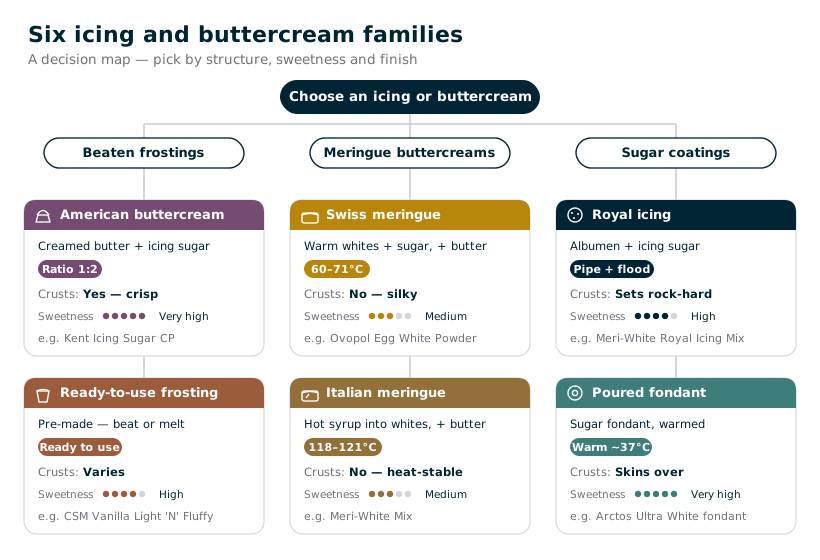 Decision map of six icing and buttercream families showing structure, sweetness and use for American, Swiss meringue, Italian meringue, royal icing, poured fondant and ready-to-use frosting
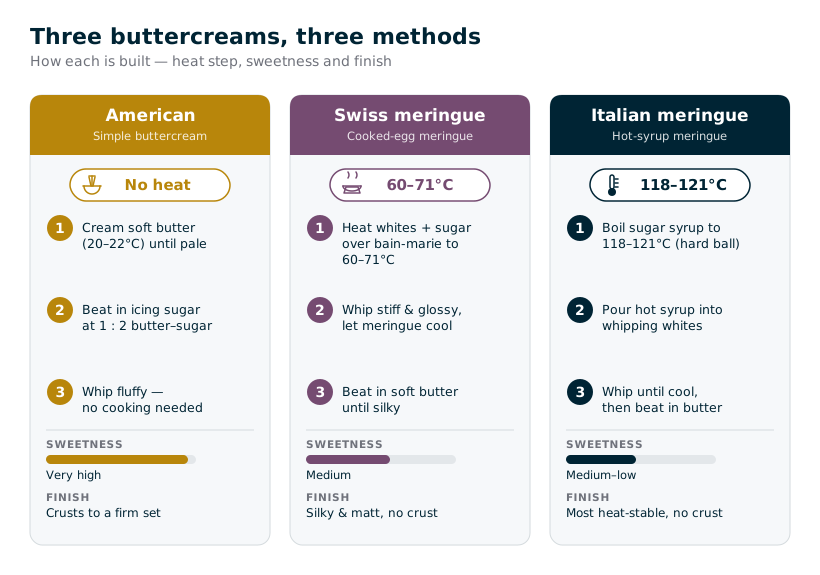 Side-by-side method comparison of American, Swiss meringue and Italian meringue buttercream showing the heating temperatures and steps for each
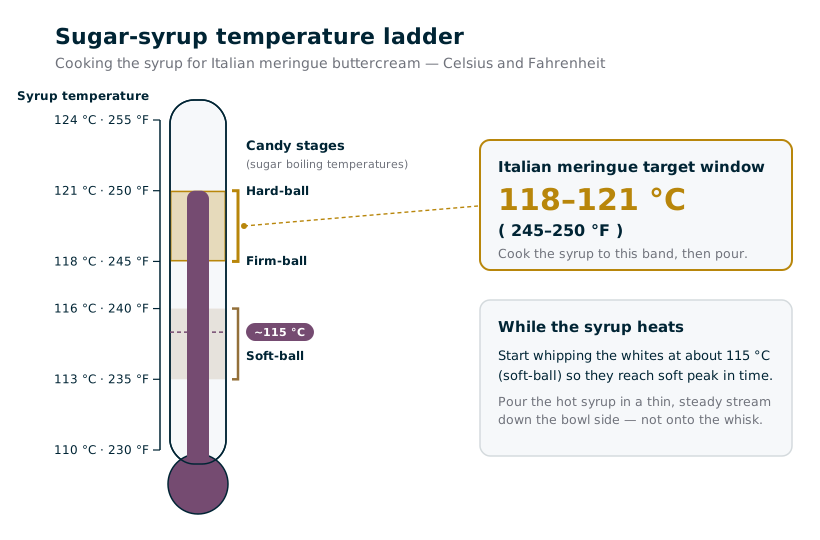 Sugar syrup temperature chart showing soft-ball, firm-ball and hard-ball stages with the 118 to 121 degree Italian meringue target band highlighted
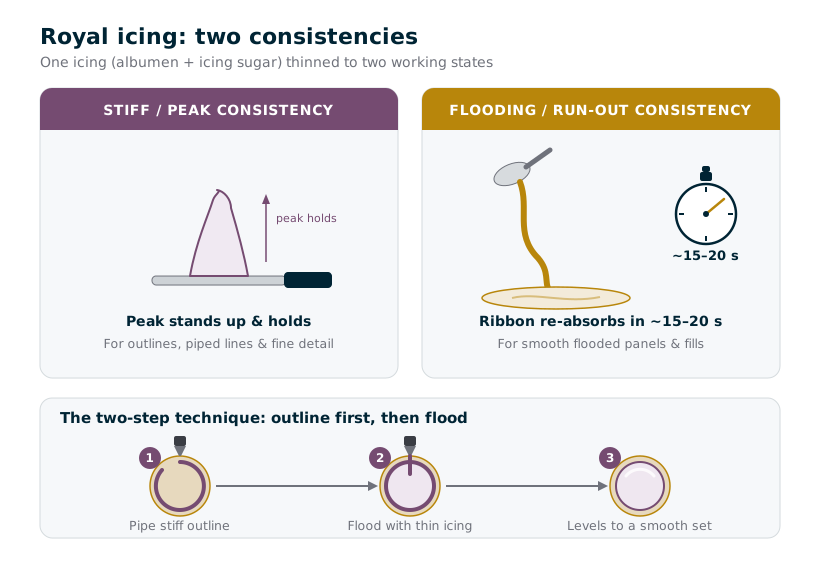 Royal icing consistency chart comparing stiff peak consistency for piping with flooding consistency that re-absorbs in fifteen to twenty seconds, plus the outline-then-flood technique
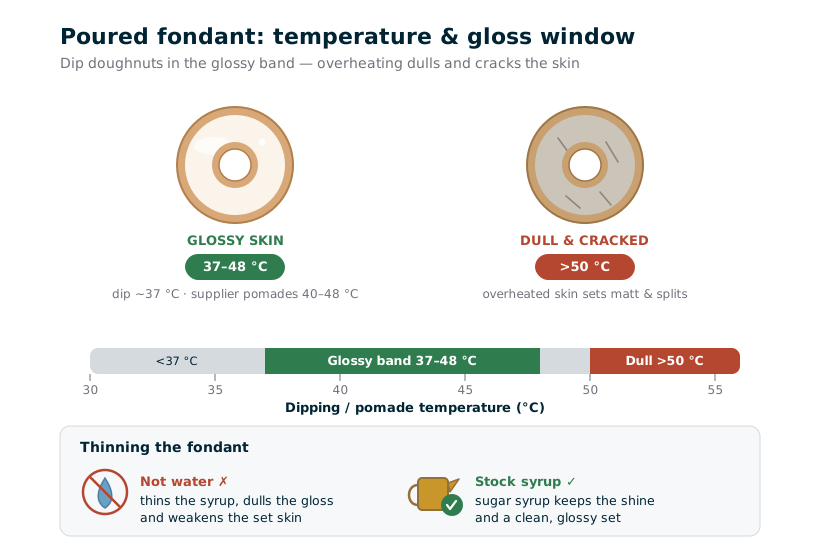 Diagram of poured fondant working temperature showing a glossy doughnut at around 37 to 48 degrees versus a dull finish when overheated above 50 degrees, with a note to thin with stock syrup not water
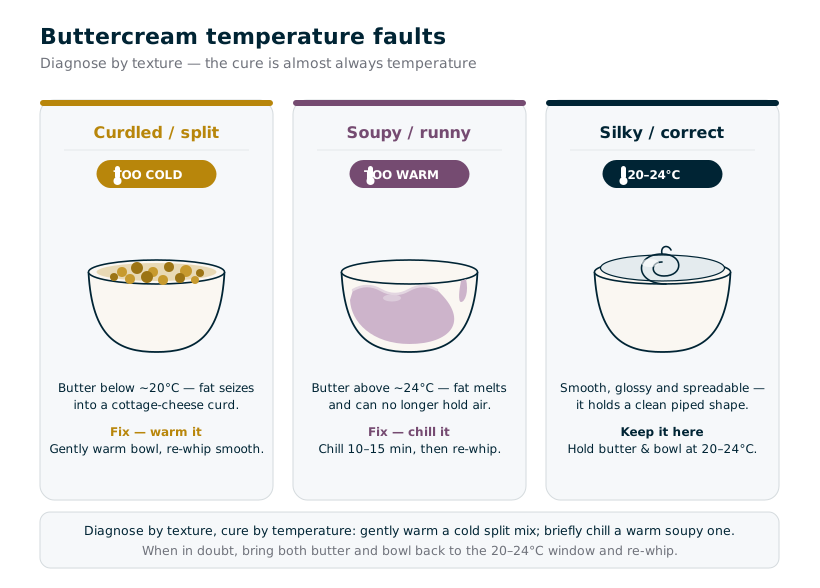 Three buttercream states illustrated: curdled because too cold, soupy because too warm, and silky at the correct twenty to twenty-four degrees, each with its fix
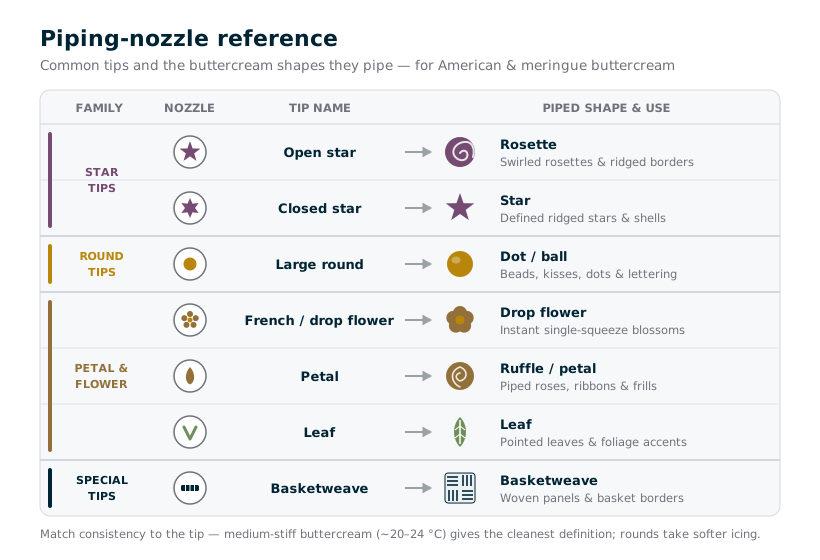 Piping nozzle chart pairing common tips such as star, round, petal and leaf with the buttercream shapes they produce
American (crusting) buttercream
The fastest, sweetest, most stable piping icing. Quantities are an indicative consensus ratio, NOT a single supplier formula — adjust the sugar up for stiffer/crustier piping and add liquid to soften. Food-safety/allergen review required (contains milk).
| Ingredient | Baker's % | Weight |
|---|---|---|
| Unsalted butter, soft (~20°C) — Polmlek 82% butter; must be soft, not greasy | 250 g | |
| Icing sugar, sifted — Kent Icing Sugar CP (1:2 by weight; up to 1:4 for heavy crust) | 500 g | |
| Salt — Balances sweetness | pinch | |
| Vanilla / flavour — Vanillin sugar, vanilla, or flavour paste | to taste | |
| Milk or water — To loosen to a pipeable, spreadable consistency | 1-3 tbsp |
- Beat the soft butter until pale and creamy.
- Add the sifted icing sugar in stages on low speed (cover the bowl — sugar dust), then beat up to fluffy.
- Add salt, flavour and just enough liquid to reach piping/covering consistency.
- It will form a light crust on standing — ideal for stacking and detailed piping; keep covered until use.
Swiss meringue buttercream (SMBC)
Silky, less-sweet, non-crusting covering and piping buttercream. The heating step gently pasteurises the whites. Indicative consensus formula; scale and adjust. Food-safety/allergen review required (egg, milk).
| Ingredient | Baker's % | Weight |
|---|---|---|
| Egg whites (or reconstituted pasteurised albumen) — Ovopol albumen reconstituted 1:9 is a food-safe substitute | 150 g | |
| Caster sugar — Kent Caster Sugar; dissolves into the whites | 300 g | |
| Unsalted butter, soft (~20°C) — Cubed; same temperature as the meringue | 350 g | |
| Vanilla / flavour — Add at the end | to taste |
- Whisk whites + sugar in a bowl over a bain-marie, stirring, to 60-71°C until the sugar is fully dissolved (rub-test smooth).
- Transfer to a stand mixer and whip to a stiff, glossy meringue that has cooled to ~20°C (bowl no longer warm).
- With the mixer running, add the soft butter a piece at a time; it may look curdled or soupy mid-way — keep whipping.
- If curdled it is too cold (warm the bowl briefly); if soupy it is too warm (chill 10 min); whip until silky.
- Beat in flavour. Use at ~20-24°C for smooth covering and piping.
Italian meringue buttercream (IMBC)
The most heat-stable meringue buttercream — hot syrup cooks the whites. Indicative consensus formula; needs a sugar thermometer. Food-safety/allergen review required (egg, milk).
| Ingredient | Baker's % | Weight |
|---|---|---|
| Egg whites (or reconstituted pasteurised albumen) — Start whipping as syrup nears temp | 150 g | |
| Granulated/caster sugar (for syrup) — Cooked with water to soft/firm-ball | 300 g | |
| Water — For the syrup | 75 g | |
| Glucose syrup (optional) — Helps prevent crystallisation in the syrup | 30 g | |
| Unsalted butter, soft (~20°C) — Added once the meringue is cool | 400 g |
- Cook sugar + water (+ glucose) to 118-121°C (firm-ball/hard-ball); start whipping the whites when the syrup reaches ~115°C.
- With the mixer running, pour the hot syrup down the side of the bowl in a thin steady stream onto the whipping whites.
- Whip the Italian meringue until the bowl has cooled to ~20°C.
- Add the soft butter a piece at a time and whip to a smooth, stable buttercream; correct curdled/soupy by temperature.
- Use at ~20-24°C — holds up best of the meringue buttercreams in warm conditions.
Royal icing (piping & flooding)
Sets hard and matt; the same base is thinned to two working consistencies. Use a pasteurised egg-white source for food safety. Indicative consensus formula; calibrate consistency by eye. Food-safety/allergen review required (egg).
| Ingredient | Baker's % | Weight |
|---|---|---|
| Pasteurised egg white (or reconstituted albumen / meringue powder) — Albumen: ~3-4 g powder + ~27 g warm water; meringue powder ~2 tsp + 2 tbsp warm water | 1 white (≈30 g) | |
| Icing sugar, very fine, sifted — Kent Icing Sugar CP; fine grade avoids plugging fine tips | 200-250 g | |
| Lemon juice or cream of tartar — Stabilises and cuts sweetness (optional) | few drops / pinch | |
| Glycerine — Optional — softens the dried set so it is not rock-hard | 1/4 tsp |
- Beat the egg-white source with sifted icing sugar to a smooth, bright-white paste.
- For PIPING: keep it at stiff/peak consistency (peaks stand up) for lines, lettering and detail.
- For FLOODING (run-out): thin with a few drops of water at a time until a ribbon trail re-absorbs in ~15-20 seconds.
- Outline first with stiff icing, then flood the centre with run-out consistency; let dry hard before stacking/handling.
- Keep the bowl covered with a damp cloth — royal icing skins and crusts fast in air.
Flat / poured (donut) fondant icing
Ready-to-use fondant warmed to a glossy pouring consistency — the classic shine on ring doughnuts, eclairs and fondant fancies. Numbers are first-party from supplier datasheets; never overheat. Allergen review (the fondants themselves are allergen-free; check inclusions/colours).
| Ingredient | Baker's % | Weight |
|---|---|---|
| Fondant (ready) — Zeelandia, Arctos Ultra White, Vortumnus, or Helios Water Fondant | 1 kg | |
| Stock syrup (to thin) — Use stock syrup, NOT water, to keep the gloss | as needed | |
| Colour / flavour / fruit / alcohol — Arctos may be coloured/aromatised; warm to no more than the spec temperature | to taste |
- Warm the fondant gently over a bain-marie to the working temperature on the pack: ~37°C for max gloss; Zeelandia 40-48°C; never above ~50°C.
- Stir to a smooth, pourable consistency; loosen with stock syrup where possible (water can dull the shine on scratch fondant); for commercial pomades, follow the manufacturer's water allowance exactly (e.g. Vortumnus up to 100 ml/kg; Arctos up to 10%).
- Dip the doughnut top (or pour over eclairs/fancies) in one motion; let excess drip; the surface sets to a thin glossy skin.
- Do NOT overheat to thin it — overheating changes the sugar structure and the finish goes dull.
- Apply decorations/sprinkles while the fondant is still wet so they adhere.
Practical map of the icing and buttercream families a finishing bakery uses, by what holds them together, how sweet/stable they are and what they do best. Behavioural characteristics are cross-checked across baking references; supplier numbers come from first-party datasheets.
| Family | Core structure | Relative sweetness | Stability / crusts? | Best for | Catalogue example | Sources |
|---|---|---|---|---|---|---|
| American buttercream | Soft butter + icing sugar (≈1:2 by weight) | Very sweet | Stable at room temp; forms a sugar crust | Cupcakes, piped borders/flowers, rosettes, sturdy covering | Icing Sugar CP + Unsalted Butter 82% + Vanillin Sugar | supplier spec & trade reference |
| Swiss meringue buttercream | Egg whites + sugar heated to 60-71°C, whipped, + butter | Mild / balanced | Very stable, silky; does NOT crust | Smooth covering, fine piping, wedding cakes | Caster Sugar + Egg White Powder + Unsalted Butter 82% | trade reference |
| Italian meringue buttercream | Egg whites whipped with 118-121°C sugar syrup, + butter | Mild / balanced | Most heat-stable meringue type; does NOT crust | Warm-climate work, macarons fillings, mousseline base | Granulated Sugar + Glucose Syrup + Egg White Powder + butter | trade reference |
| Royal icing | Egg white / albumen + icing sugar (+ optional acid, glycerine) | Very sweet | Dries hard and matt; pipes crisp lines | Run-out flooding, line/lace piping, gingerbread, sugar flowers | Egg White Powder / Meri-White mix + Icing Sugar CP | supplier spec & trade reference |
| Flat / poured (donut) icing | Fondant: super-saturated sugar + glucose syrup + water | Very sweet | Sets to a thin glossy skin; ambient-stable | Doughnuts, eclairs, petits fours, fondant fancies | Zeelandia / Arctos / Vortumnus fondant; Helios Water Fondant | supplier spec & trade reference |
| Ready-to-use frosting / fudge icing | Sugar + vegetable fat (± dairy) emulsion, beat or melt | Sweet | Stable; some vegan, some contain dairy | Volume production, cream-cheese style, fudge-iced slabs | CSM Vanilla Light 'N' Fluffy; Dawn Cream Cheese Frosting; CSM Crembel | supplier spec & trade reference |
How the main buttercreams differ in method and behaviour, so a baker can pick the right one for a job and climate. Sweetness/stability are consensus characteristics from multiple baking references; meringue heating temperatures and butter-handling are cross-checked.
| Buttercream | Method in one line | Sweetness | Heat stability | Crusts? | Skill / kit |
|---|---|---|---|---|---|
| American (simple) | Beat soft butter with icing sugar + a little salt/liquid | Highest | Good at room temp, poor in heat | Yes | Easiest; no thermometer |
| Swiss meringue | Warm whites+sugar to 60-71°C, whip to meringue, beat in butter | Low-medium | Good | No | Stand mixer; thermometer |
| Italian meringue | Pour 118-121°C syrup into whipping whites, whip cool, add butter | Low-medium | Best of the meringue types | No | Stand mixer + sugar thermometer |
| French | Whip 118-121°C syrup into egg YOLKS, then butter | Medium | Lower (yolk-rich) | No | Rich, glossy; advanced |
| German (custard) | Beat butter into cooled crème pâtissière | Low | Good | No | Custard skill |
| Ermine (flour/boiled-milk) | Cook flour+sugar+milk paste, cool, whip into butter | Low | Notably heat/pressure stable | No | No thermometer; no eggs |
Source: trade reference.
Authoritative figures read directly from supplier spec sheets in the Domson catalogue. Each is a single first-party source; cross-product comparison only. Allergen and sulphite figures are flagged for finished-product labelling.
| Product | Type | Key application number | Energy /100g | Fat /100g | Allergen flag | Spec source |
|---|---|---|---|---|---|---|
| Kent Icing Sugar CP | Icing sugar (E341iii anti-caking) | Mean particle 19-26 µm | 392 kcal | 0 g | None (Halal/Kosher) | supplier spec |
| Kent Caster Sugar | Caster sugar | >425 µm max 10% | 400 kcal | 0 g | None (Halal/Kosher) | supplier spec |
| Ovopol Egg White Powder (High Foaming) | Pasteurised albumen | Reconstitute 1:9; 1 kg ≈ 316 whites | 335 kcal | 0.2 g | EGG; Salmonella absent/25g | supplier spec |
| Polmlek Unsalted Butter 82% | Sweet-cream butter | 82% fat / 16% water | 744 kcal | 82 g (sat 55) | MILK | supplier spec |
| Zeelandia Fondant (Ready) | Flat / poured fondant | Heat 40-48°C; DM 85% | 346 kcal | 0.1 g | None | supplier spec |
| Arctos Ultra White Fondant | Flat / poured fondant | Max 50°C; max 10% water | 350 kcal | 0 g | None; SO2 <10 mg/kg | supplier spec |
| Vortumnus Sugar Fondant (Soft) | Flat / poured fondant | 50-100 ml water/kg; ≤60°C | 348 kcal | 0 g | None (vegan) | supplier spec |
| CSM Vanilla Light 'N' Fluffy | RTU vegan frosting | Ready to use (beat) | 484 kcal | 24.6 g (sat 8.5) | Sulphites 5 PPM (below); may contain egg/milk/soya/gluten | supplier spec |
| Dawn Cream Cheese Frosting | Cream cheese frosting | Ready to use | 479 kcal | 24 g (sat 11) | CONTAINS MILK (8% cheese pwd) | supplier spec |
| Dawn Chocolate Frosting | RTU vegan frosting | Ready to use | 479 kcal | 27 g (sat 12) | May contain gluten/egg/milk; vegan | supplier spec |
| CSM Crembel (lemon) fudge icing | Fudge icing (beat or melt) | Melt 40-50°C, or beat & pipe | 449 kcal | 19 g (sat 6.8) | CONTAINS MILK; sulphites 18 PPM (DECLARE) | supplier spec |
Symptom-led diagnostics for the most common finishing failures. Causes and fixes are cross-checked across baking references and supplier datasheets; almost all buttercream faults trace back to temperature.
| Symptom | Likely cause | Fix | Sources |
|---|---|---|---|
| Meringue buttercream looks curdled / cottage-cheese | Butter (or meringue) too cold — fat won't emulsify | Gently warm the bowl over steam / with a hairdryer until edges melt, keep whipping; aim ~20-24°C | trade reference |
| Meringue buttercream is soupy / runny | Mixture too warm — butter melting | Chill 10-15 min, then re-whip until silky | trade reference |
| American buttercream grainy / gritty | Icing sugar too coarse or not sifted; under-beaten | Use fine icing sugar (mean ~19-26 µm), sift, beat longer | supplier spec & trade reference |
| American buttercream too sweet / too soft | Sugar ratio too high / butter too warm | Reduce sugar toward 1:1, add salt; keep butter ~20°C | trade reference |
| Royal icing won't hold piped lines | Consistency too thin | Beat in more sifted icing sugar to stiff/peak consistency | trade reference |
| Royal icing flood pits / craters / won't smooth | Too stiff, over-thinned, or too many air bubbles | Adjust to ~15-20 s flood consistency; tap to release bubbles; outline then flood | trade reference |
| Royal icing dries rock-hard / chips teeth | No softener | Add a little glycerine or glucose/corn syrup | trade reference |
| Royal icing gritty in fine tips | Coarse icing sugar / undissolved albumen | Use very fine (10X) sugar; hydrate albumen/meringue powder in warm water fully | trade reference |
| Poured fondant icing dull / not glossy | Overheated (structure changed) or over-diluted with water | Work at the pack's specified temperature (~37°C for scratch fondant; commercial pomades per manufacturer); thin with stock syrup where possible; for commercial fondants follow the manufacturer's stated water allowance | trade reference |
| Poured fondant too thick to flow | Below working temperature / under-diluted | Warm gently to the pack temperature (40-48°C Zeelandia) and add stock syrup; do not exceed 50°C | supplier spec & trade reference |
| Cream cheese / dairy frosting smells off / spoils | Left at ambient — perishable | Keep refrigerated; observe opened shelf life (~28 days RTU) | supplier spec & trade reference |
| Royal icing / meringue made with raw egg — safety concern | Raw egg-white Salmonella risk | Switch to pasteurised egg whites, dried pasteurised albumen, or meringue powder | supplier spec & trade reference |
- Soft ball:
- 113-116
- Firm ball:
- 118
- Hard ball:
- 121
Buy the ingredients
Catalogue products and brands referenced in this article.
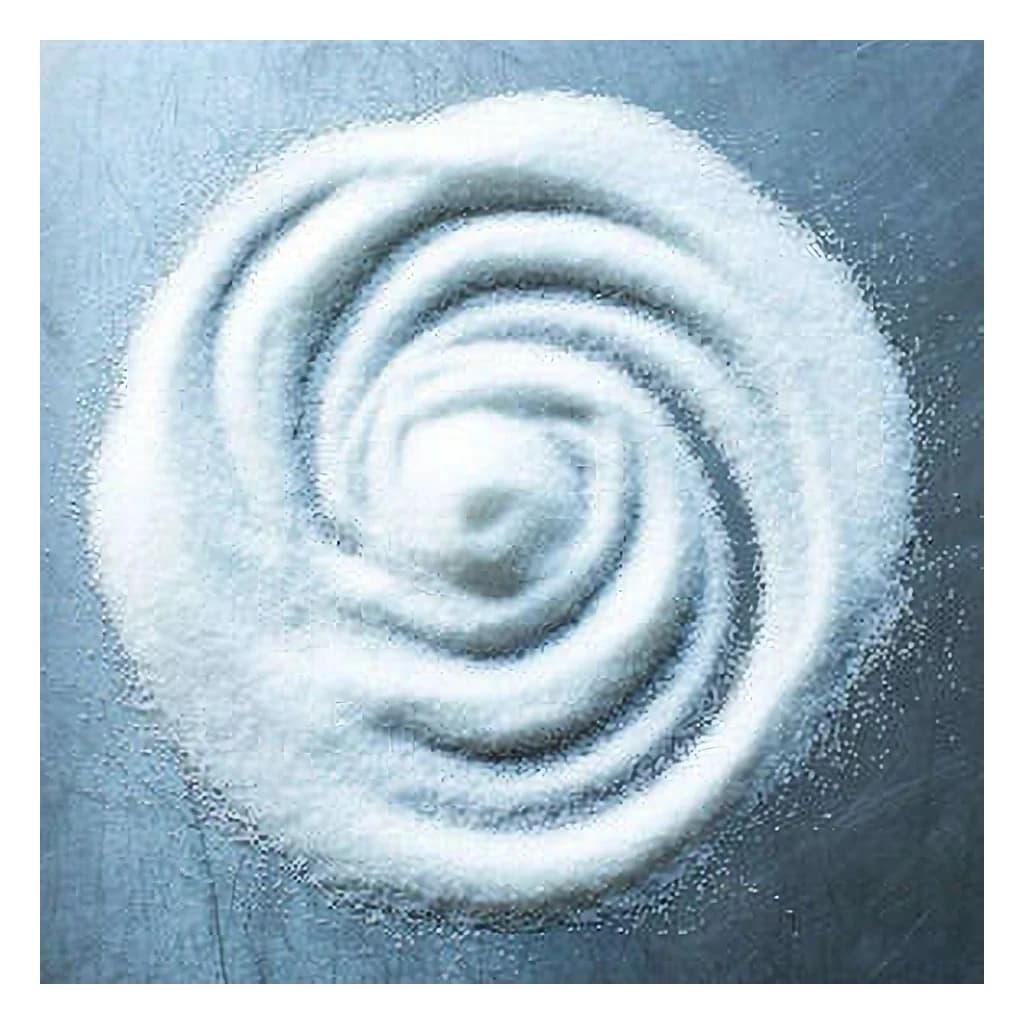
Granulated Sugar 25 kg
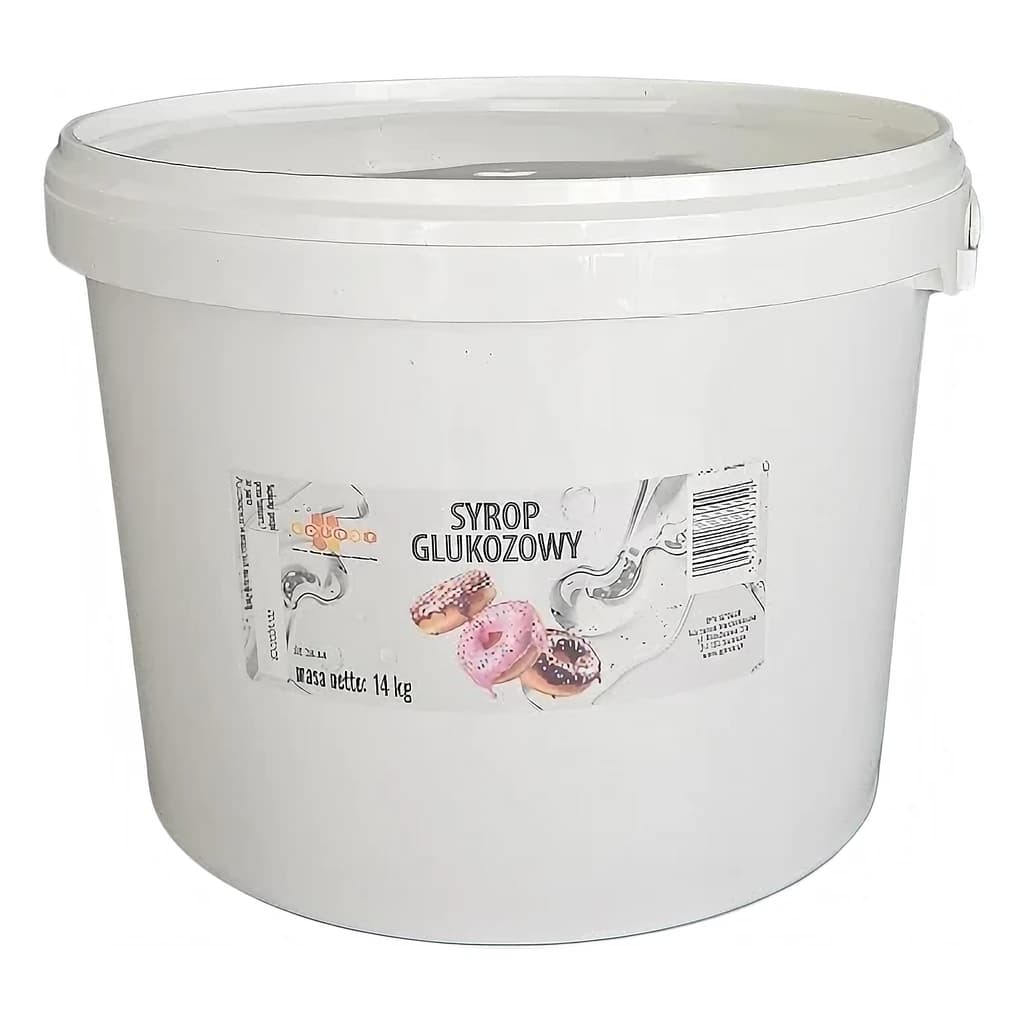
Glucose Syrup 14 kg

Sugar Fondant (Soft) 15 kg

Unsalted Butter 82% 25 kg
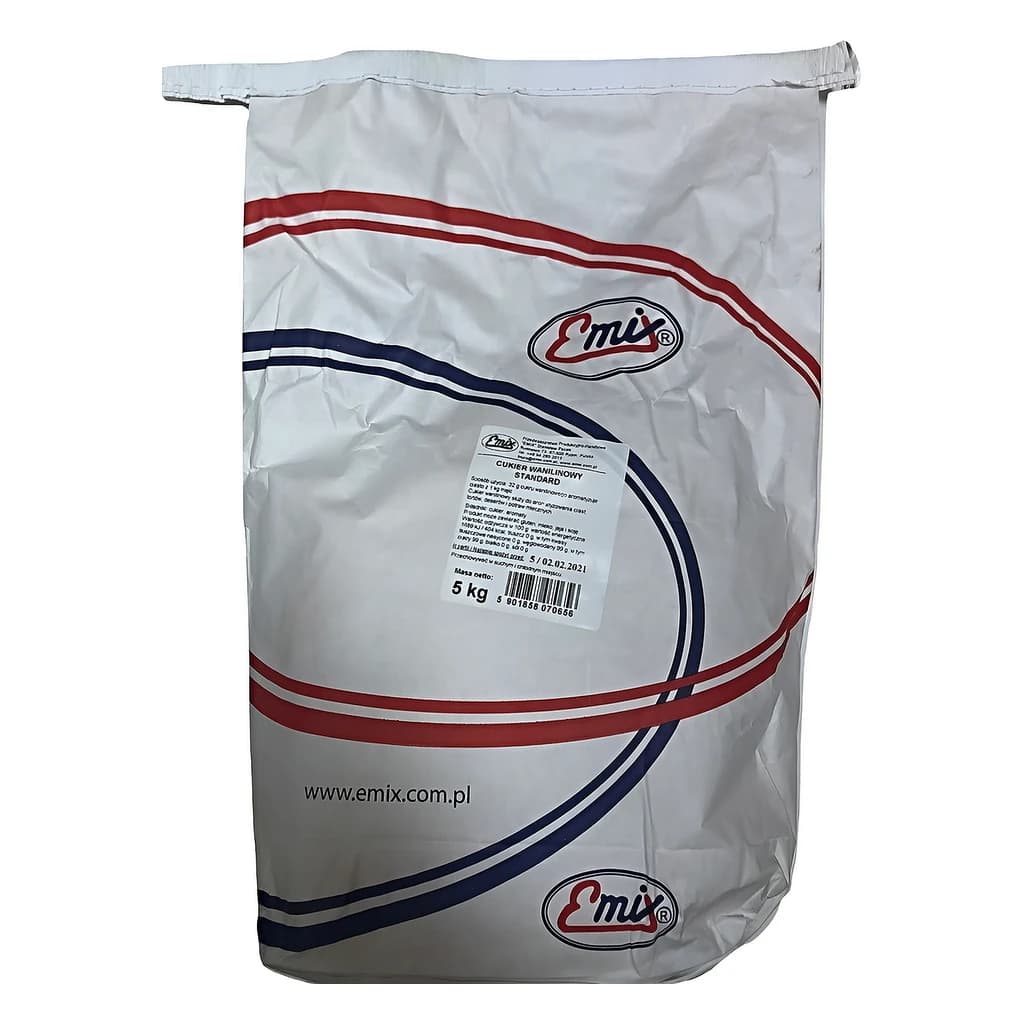
Vanillin Sugar 5 kg
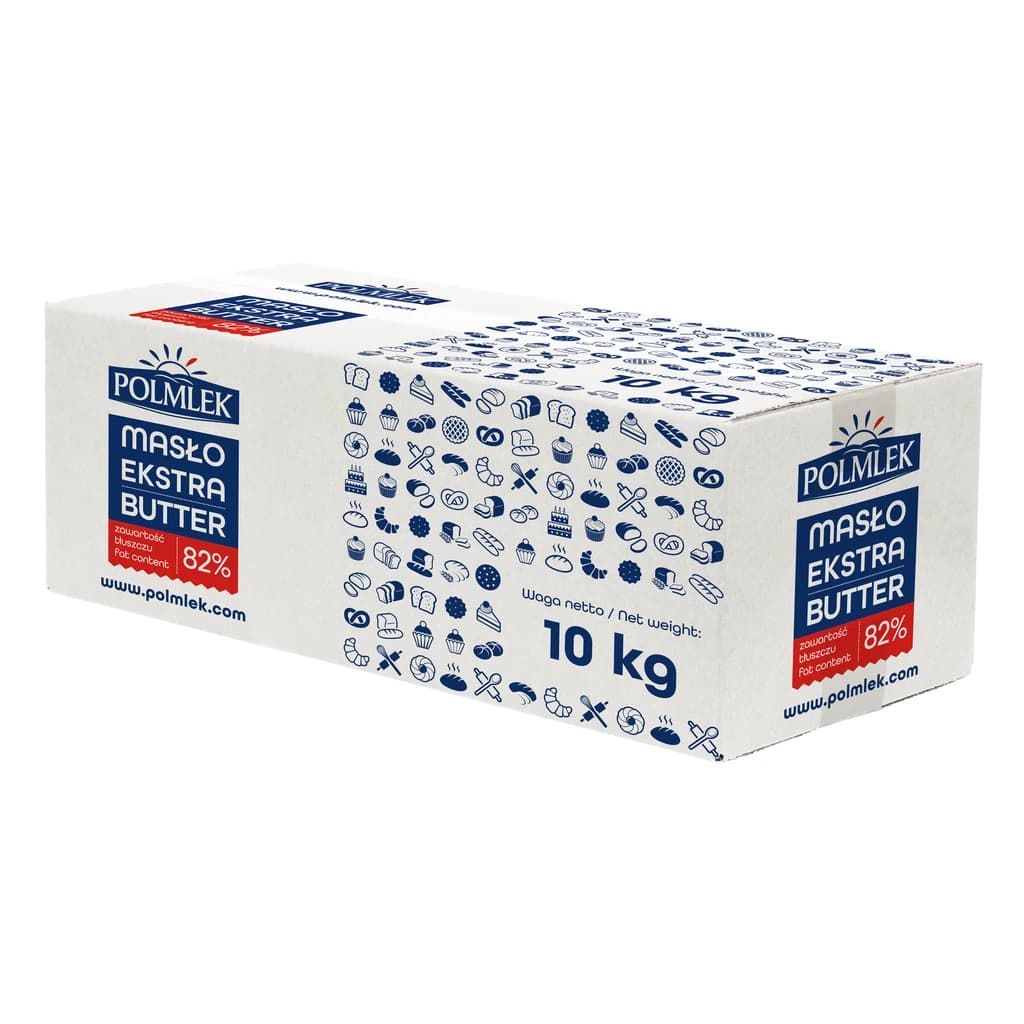
Unsalted Butter 82% 10 kg

Butter Essence 2 kg
Zeelandia Fondant Premium (14 kg)
Koneser Cake Margarine 80% 10 kg
Egg White Powder 5 kg
Zeelandia KremLine Chocolate Icing 12 kg
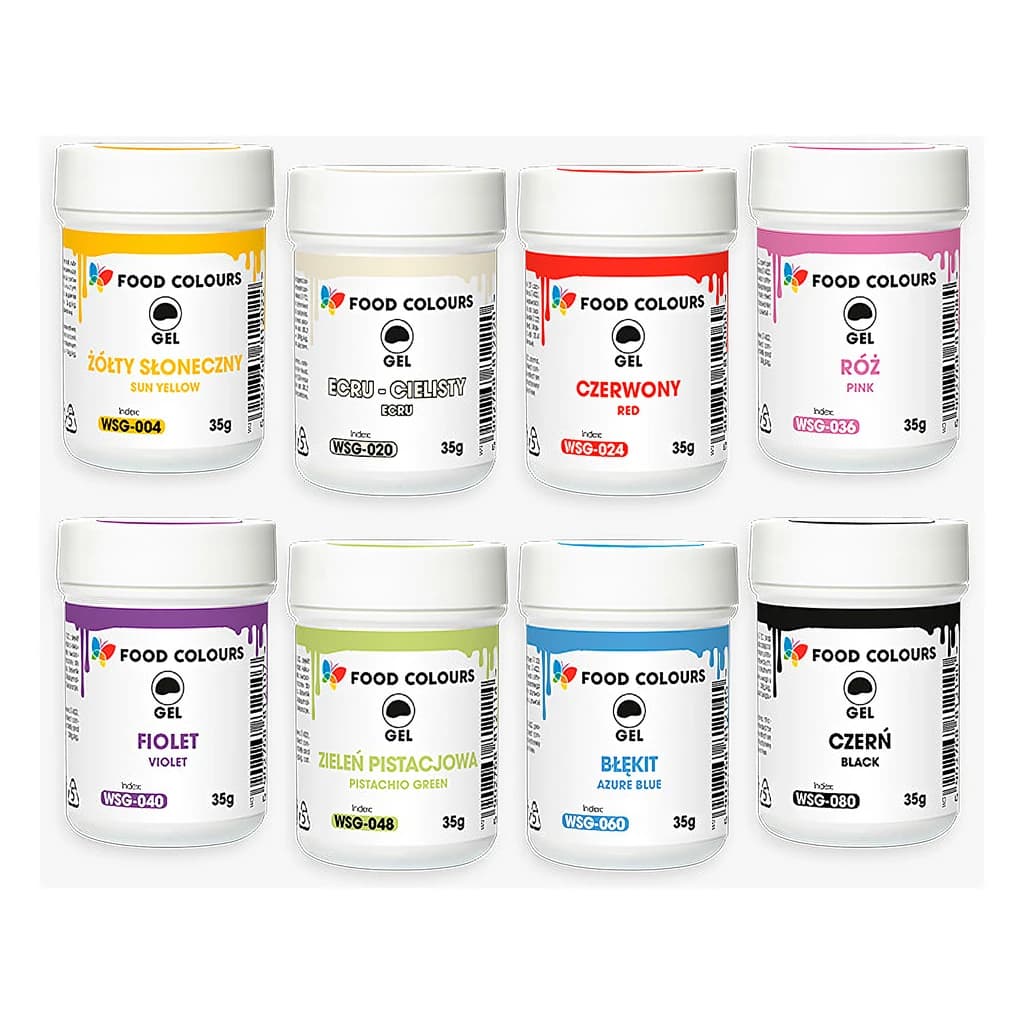
Food Colour — Gel Set, 8 × 35 g
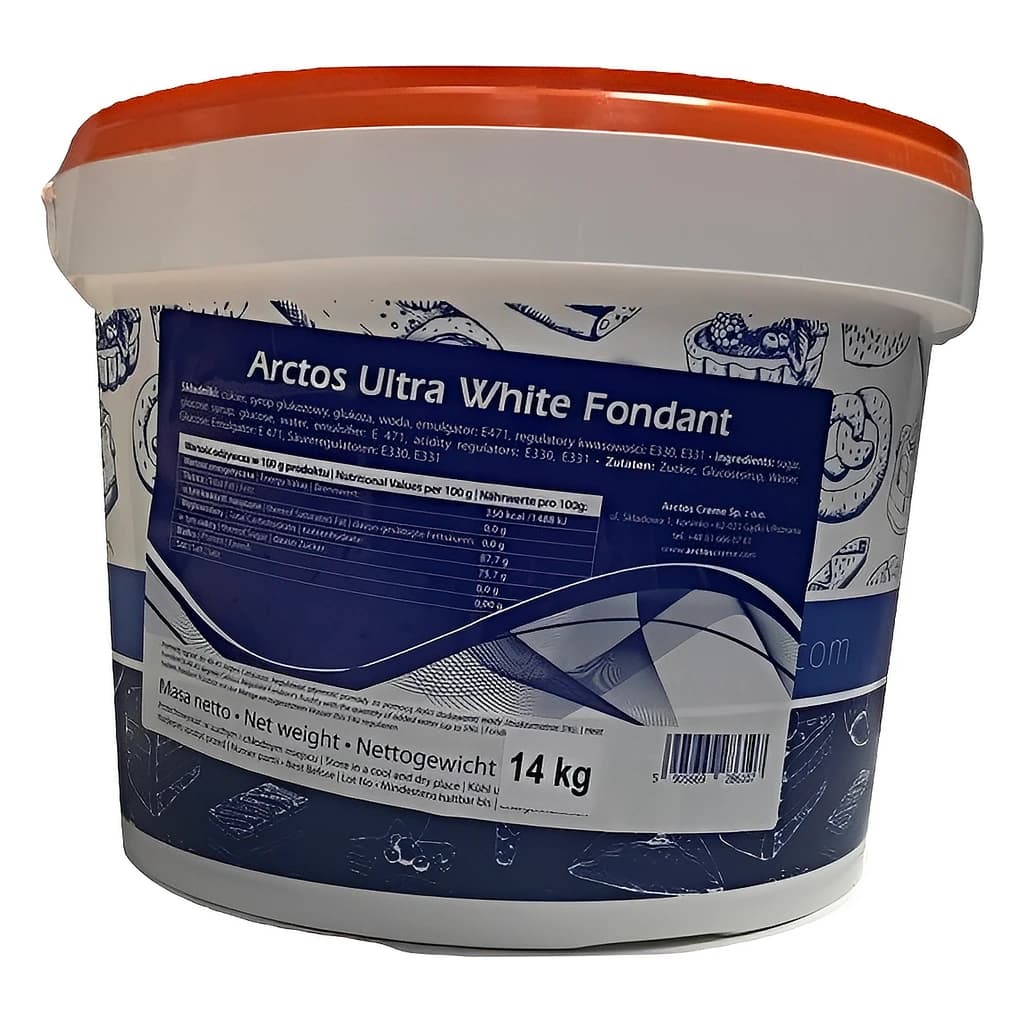
Arctos Ultra White Fondant 14 kg
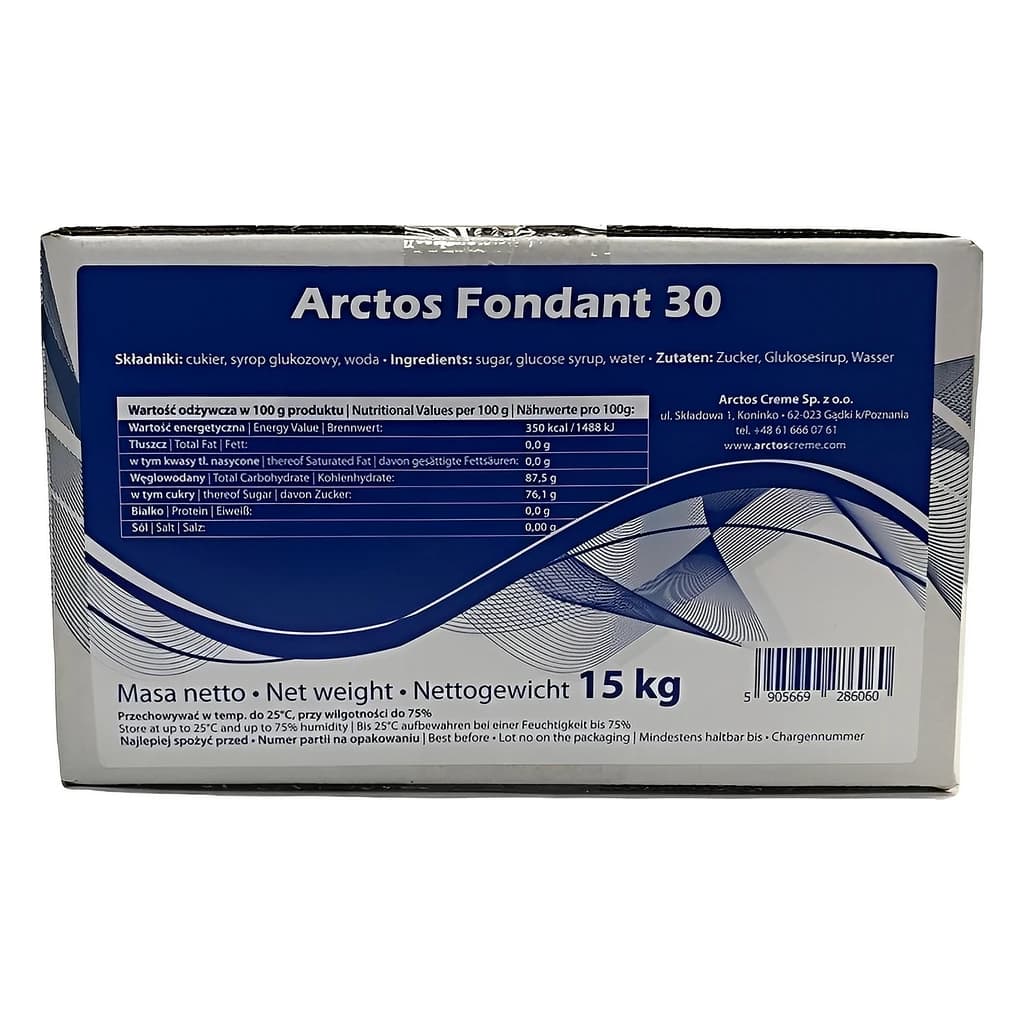
Arctos Fondant 30 – 15 kg
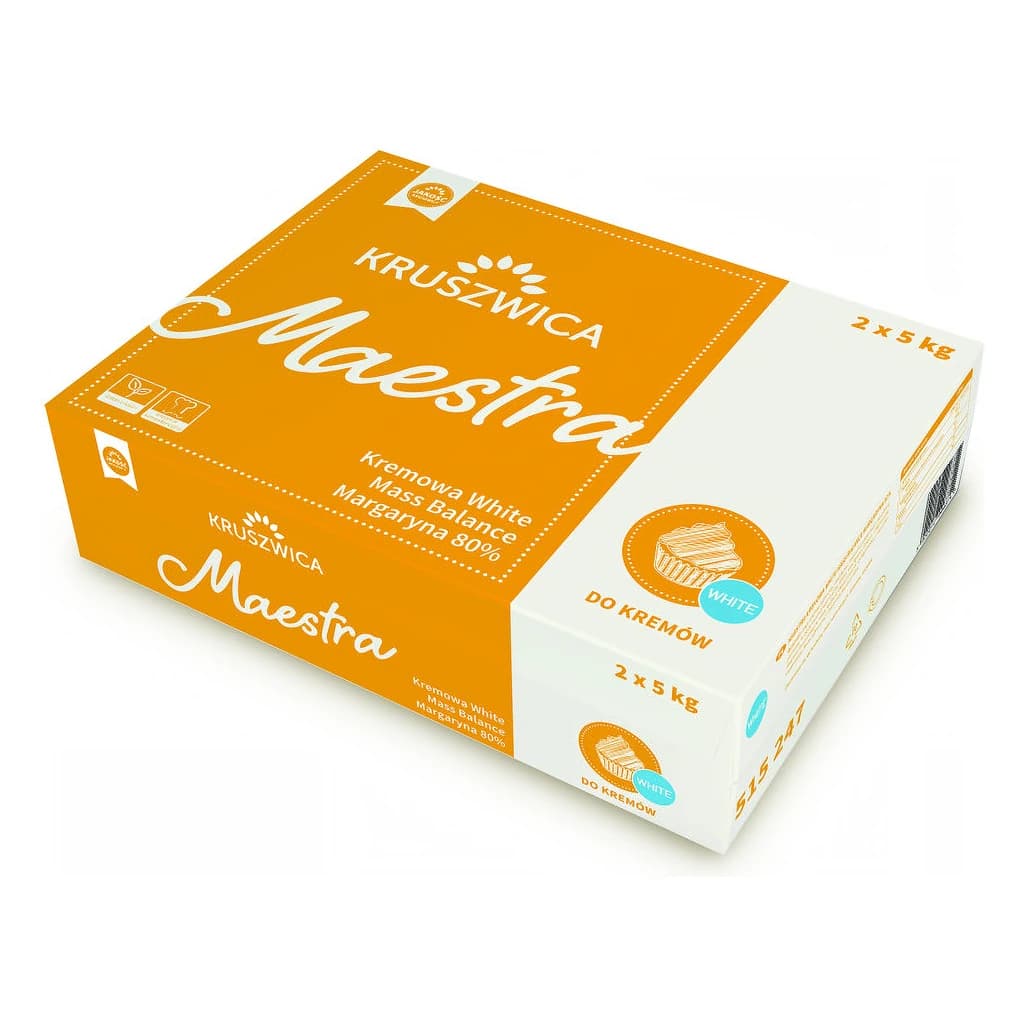
Maestra White Cream Margarine 80% 10 kg
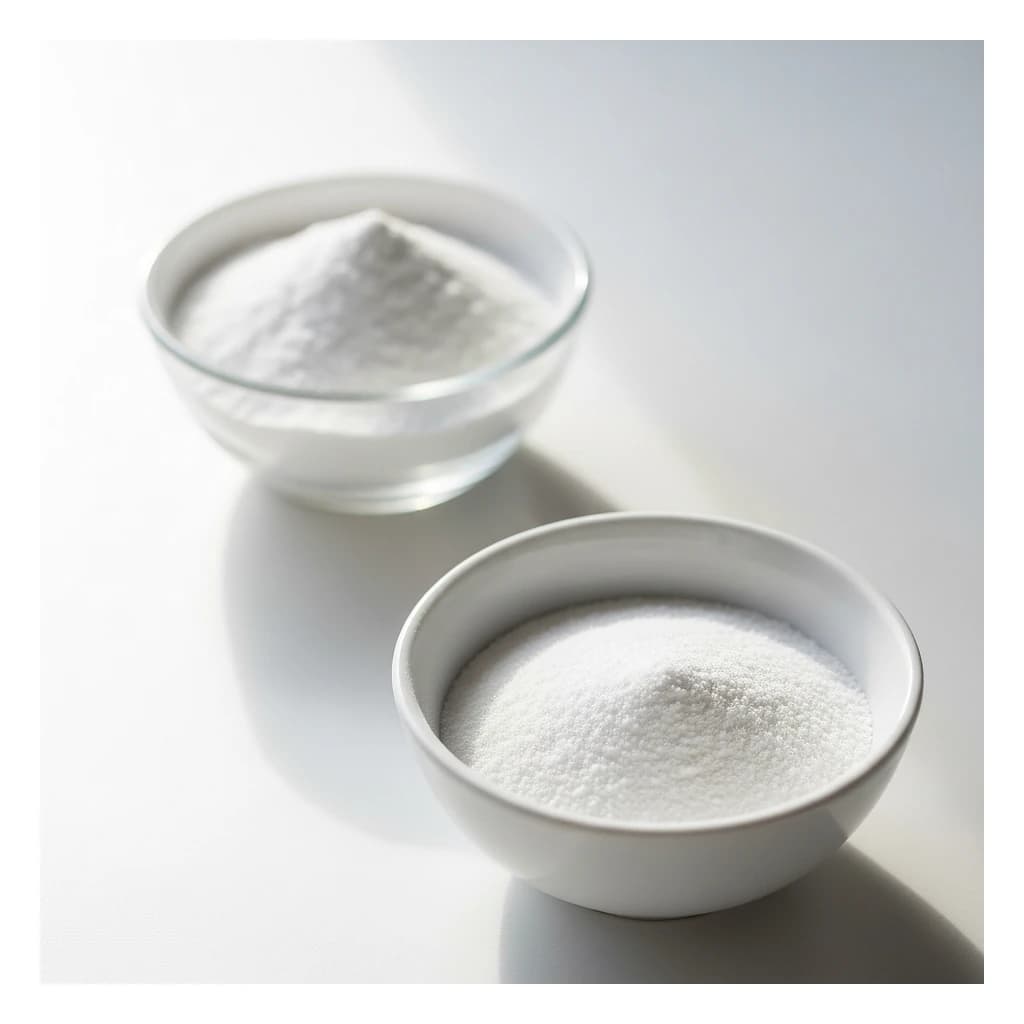
Icing Sugar 10 kg
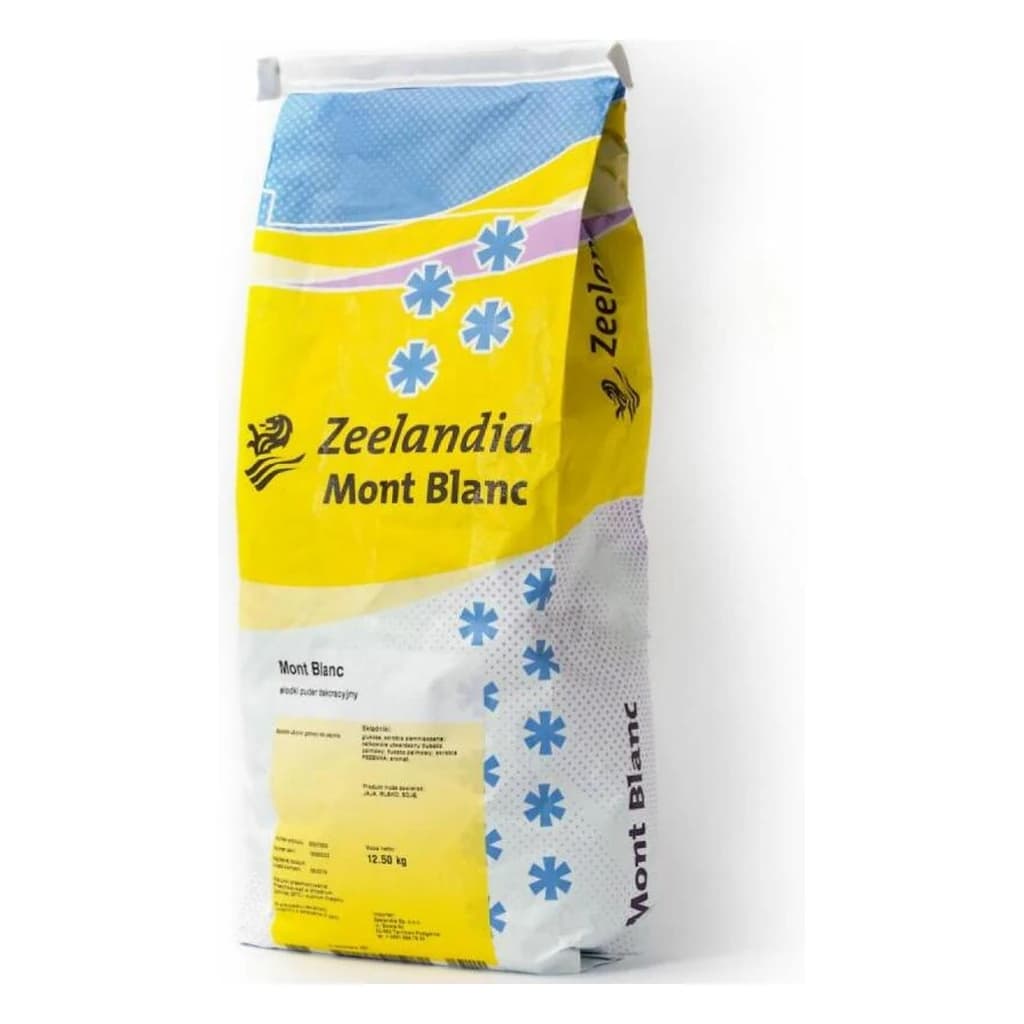
Mont Blanc Decorative Dusting Sugar RSPO 12.5 kg
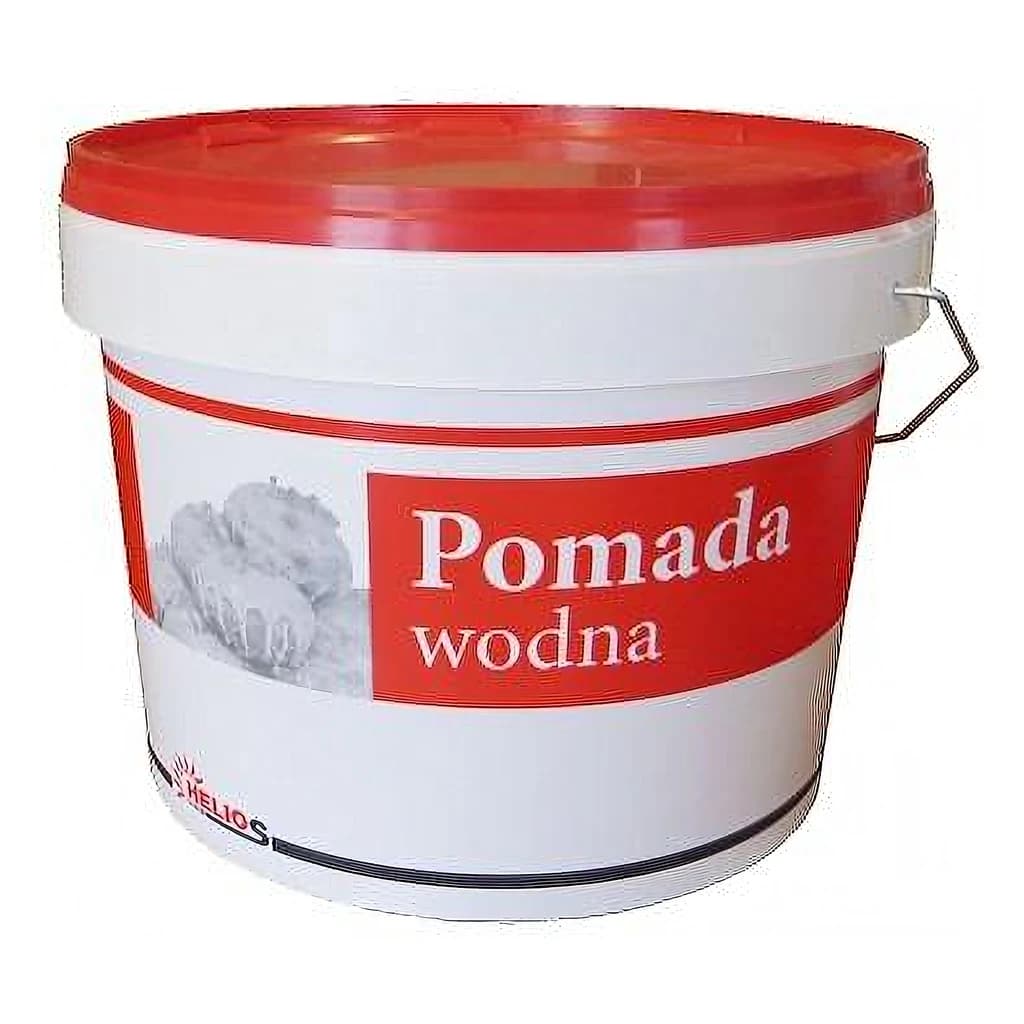
Helios Water Fondant 15 kg
Zeelandia Milk & Butter Bread Mix 25 kg
Caster Sugar 25 kg
Icing Sugar CP 25 kg
Shugarwite NH SG 25 kg
Dawn Coffee Frosting 6 kg
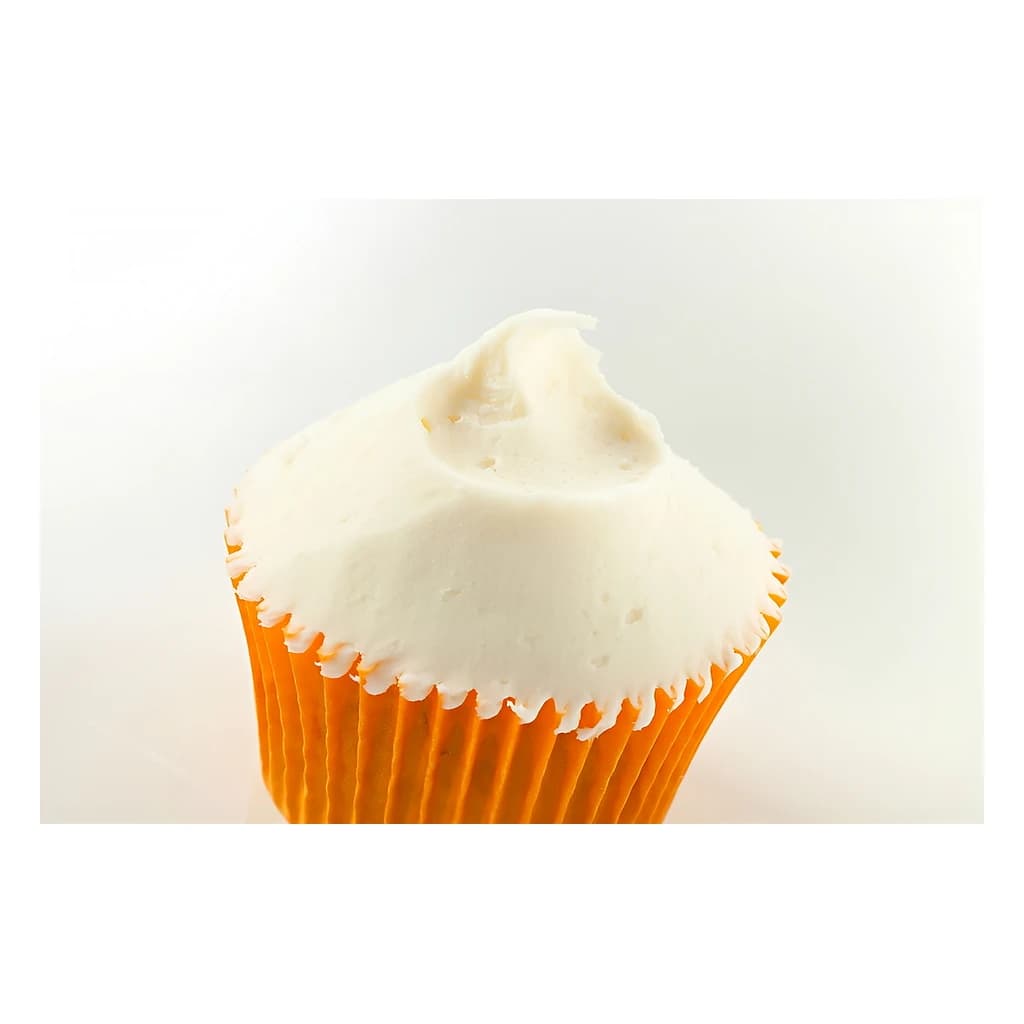
Cream Cheese Frosting
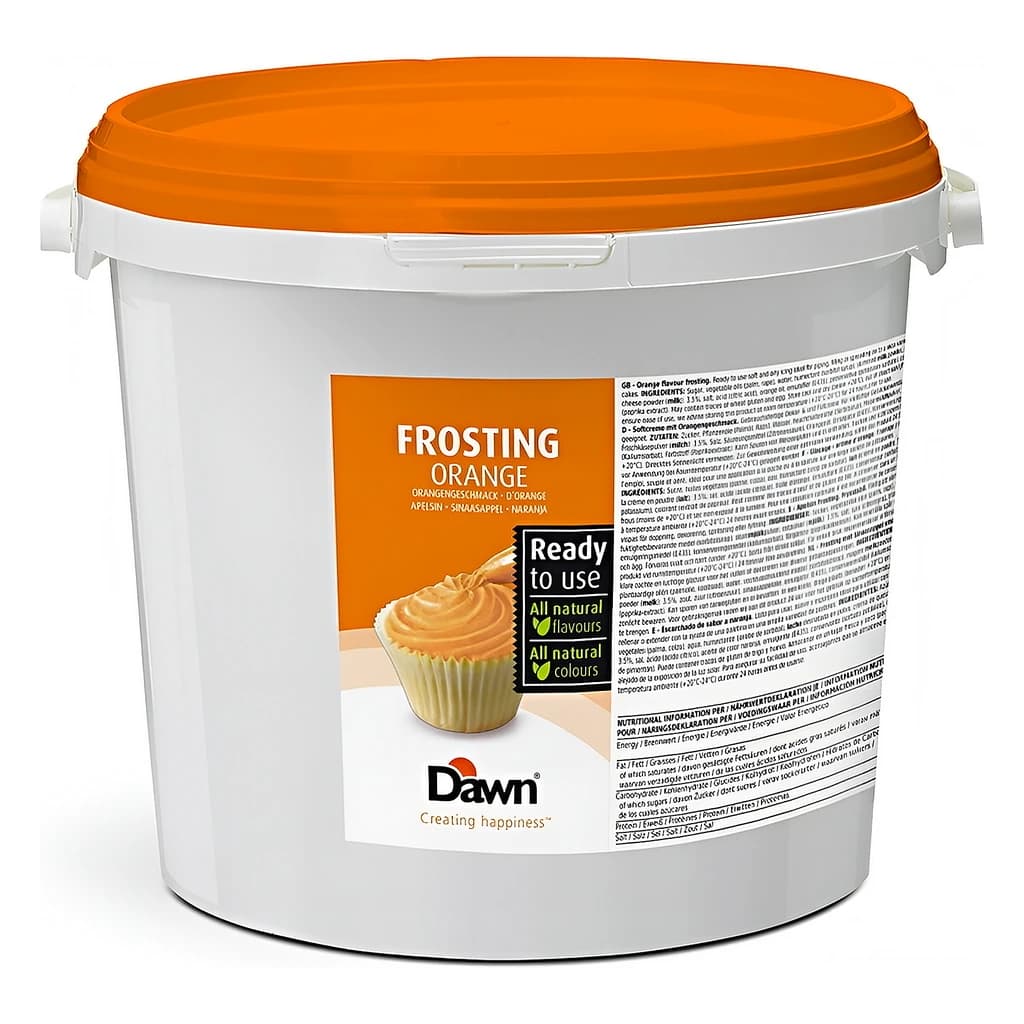
Ready-to-Use Frosting
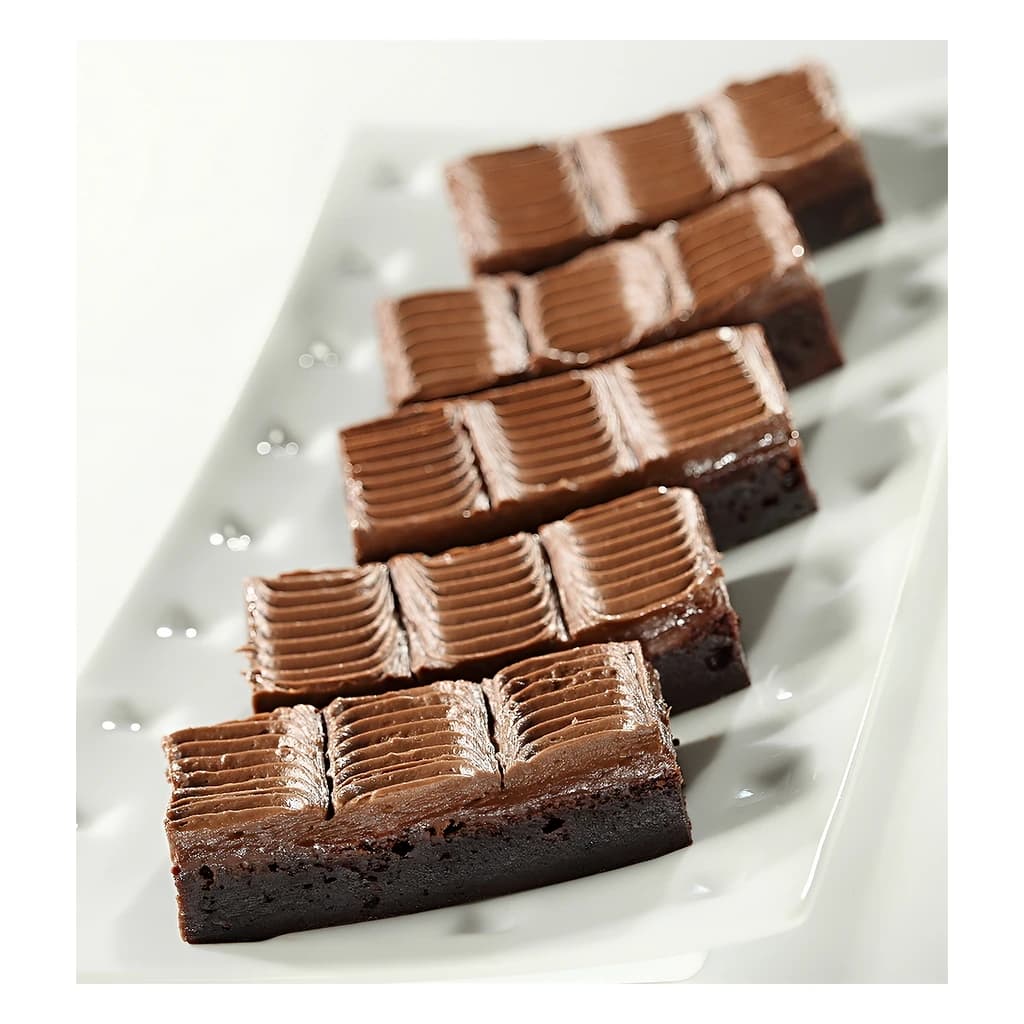
Macphie 5th Avenue Fudge Icing 12.5 kg
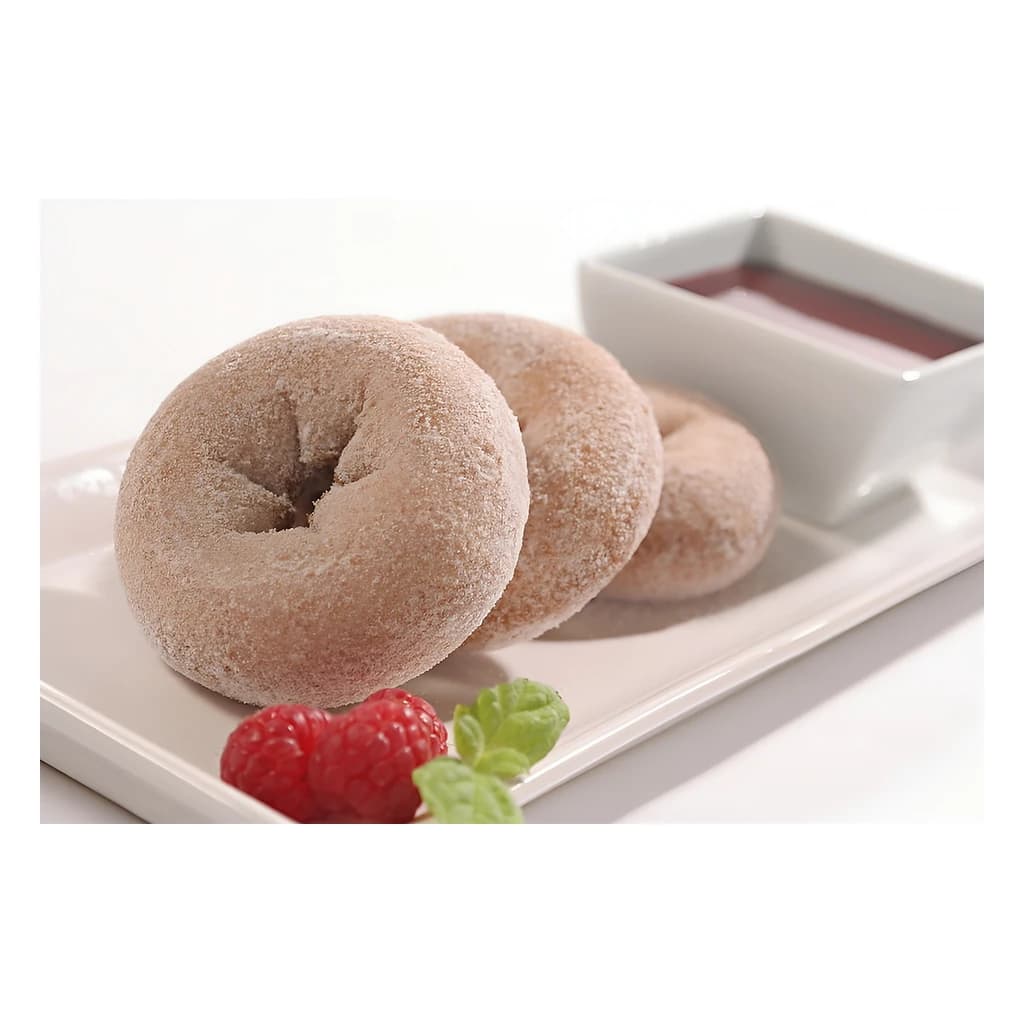
Macphie Sweet Snow Dusting Powder 12.5 kg
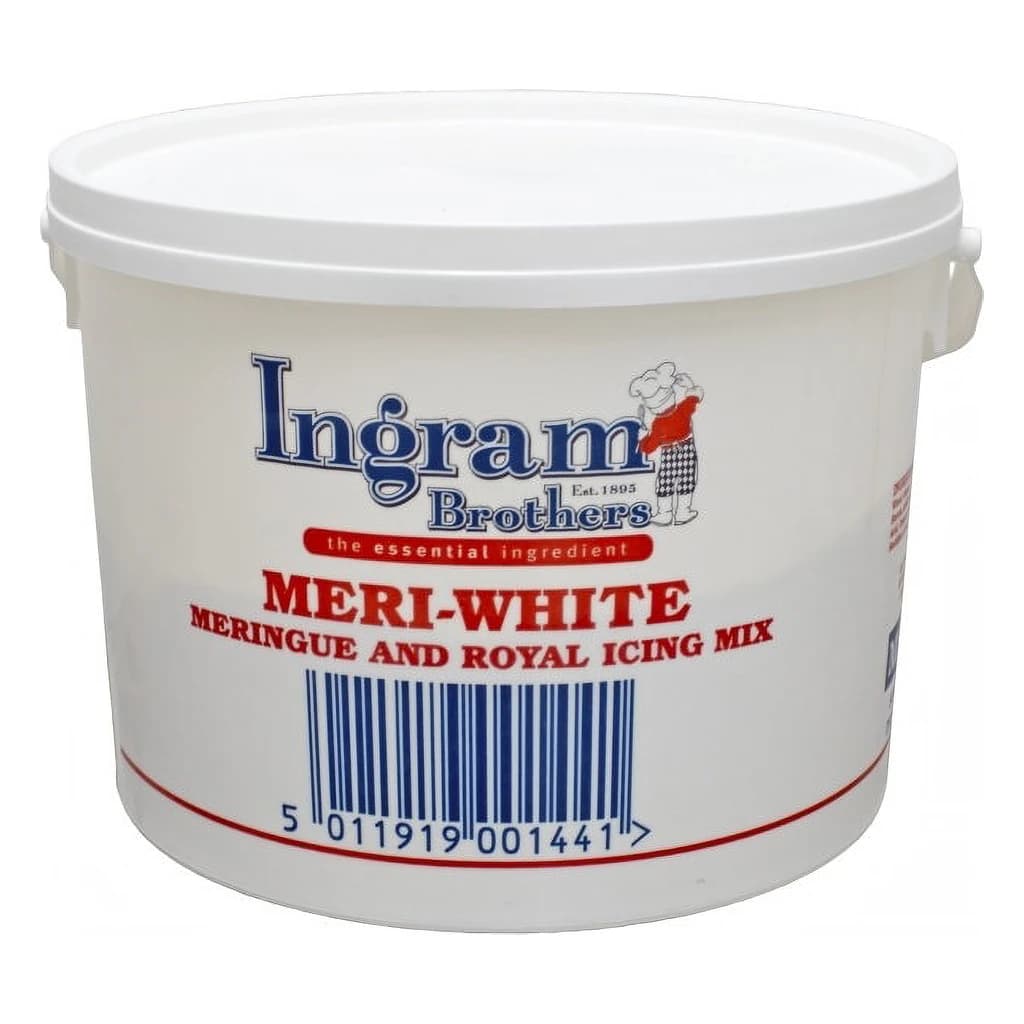
Meri-White Meringue & Royal Icing Mix 1.5 kg

Vanilla Light 'N' Fluffy Icing 8 kg
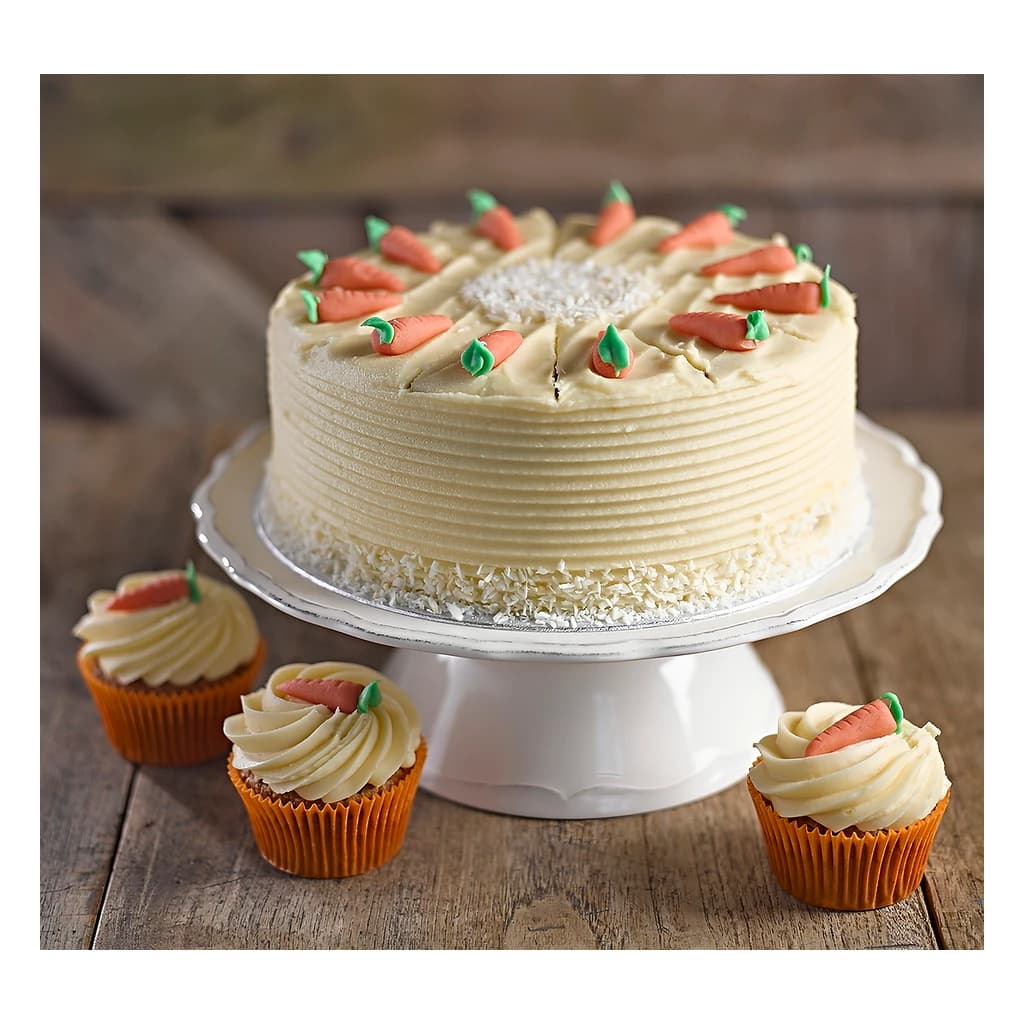
Craigmillar Carrot Cake Topping 10 kg
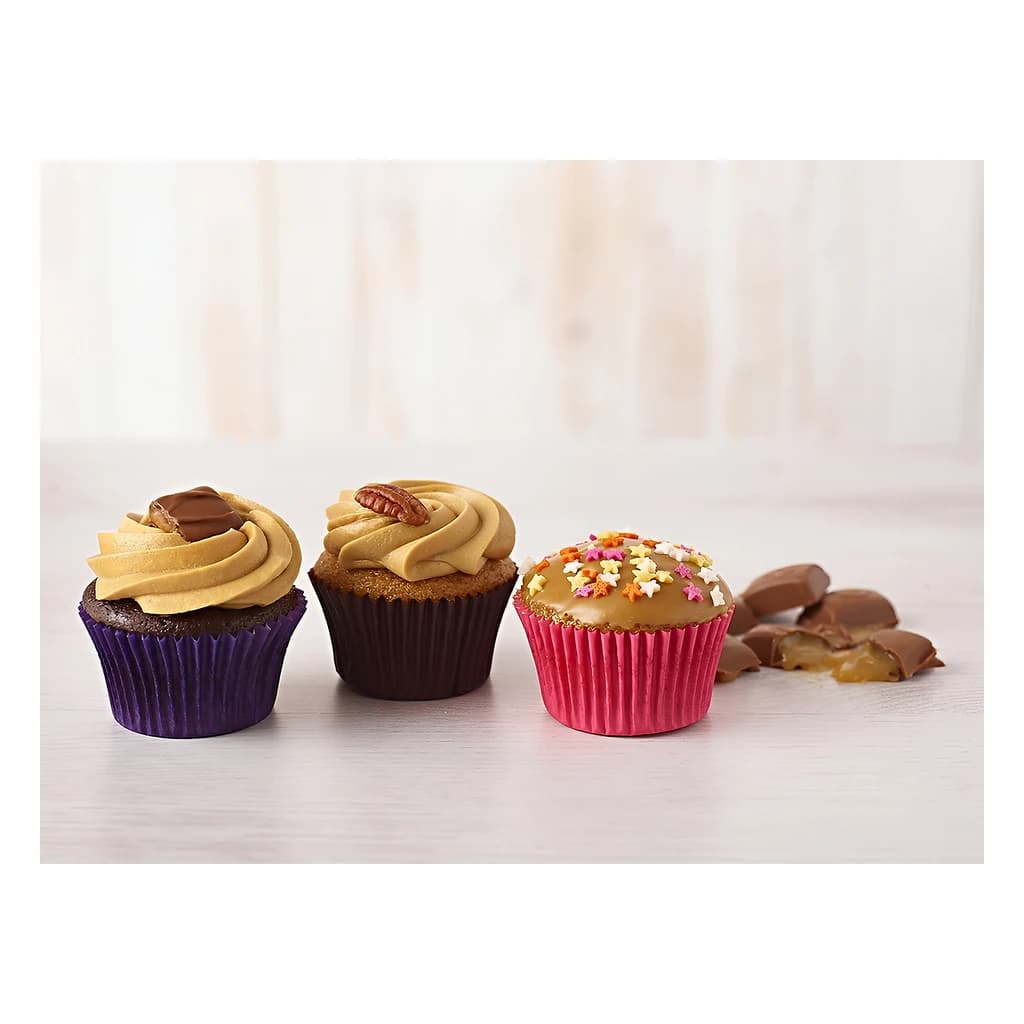
Craigmillar Crembel Fudge Icing 12.5 kg

Double Fudge Chocolate Icing 12.5 kg

White Wrap Ice 12.5 kg
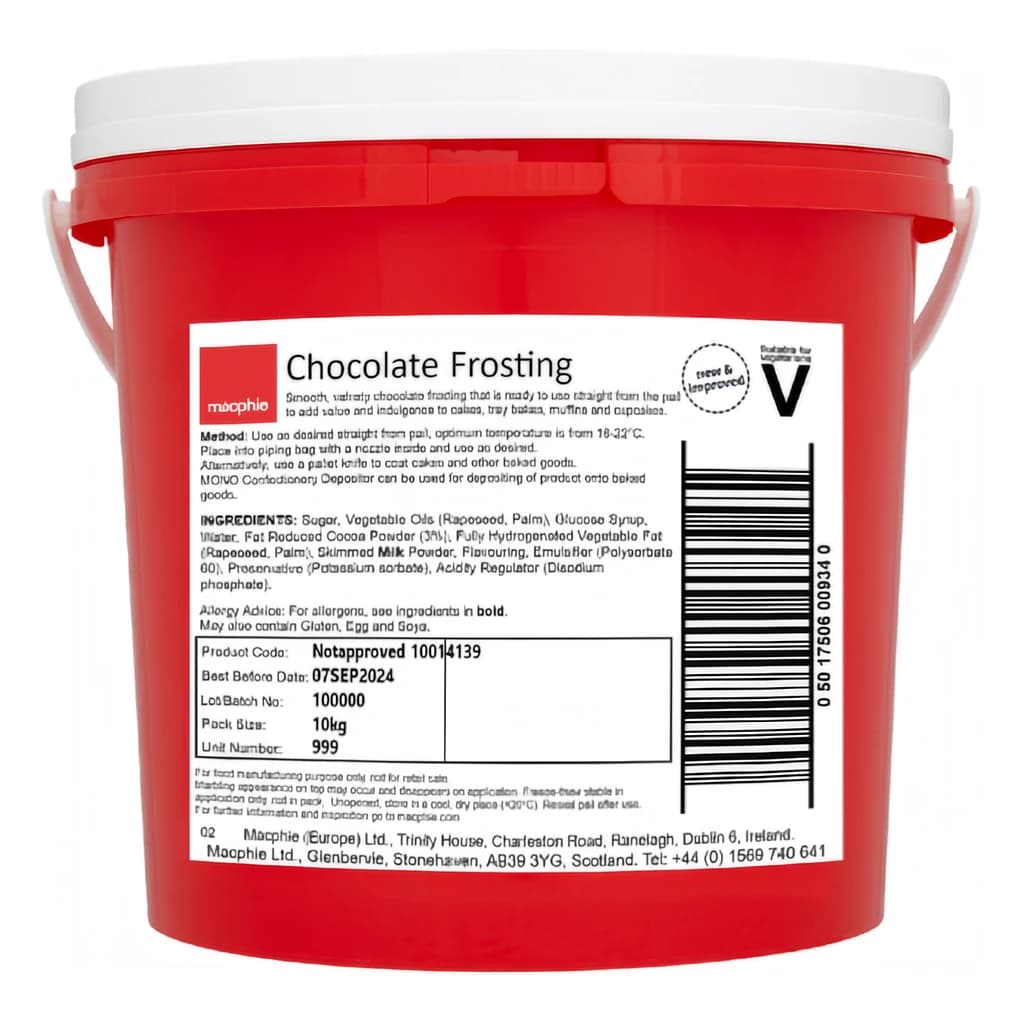
Chocolate Frosting (Macphie)