Raugas: building, feeding and baking with the Lithuanian sourdough starter
A practical, native-sourced guide to raugas, the wild rye leaven at the heart of Lithuanian baking. It explains what a raugas actually is (a symbiosis of wild yeast and lactic-acid bacteria), why rye bread cannot be made well without one, and how to build a starter from scratch two authentic ways - a fast 72-hour spontaneous rye ferment and a gentler five-day rye/wheat build. It covers feeding ratios (1:1:1 for rye), storage and revival, the farmhouse tradition of perpetuating the culture in an oak duonkubilis (bread trough) and keeping back a piece of ripe dough (uzraugas / senas raugas) for the next bake, and how the raugas is put to work in the scalded (plikyta) multi-stage rye method with caraway and dark rye malt. It closes with readiness signs and faults, the nutrition rationale (with a Lithuanian food-scientist's explanation), and a buyer's guide to the rye flours, live and dead sourdough products, and Lithuanian rye malt in the Domson catalogue - including first-party supplier spec data. English-only output; Lithuanian sources were mined for authenticity.
Raugas: building, feeding and baking with the Lithuanian sourdough starter
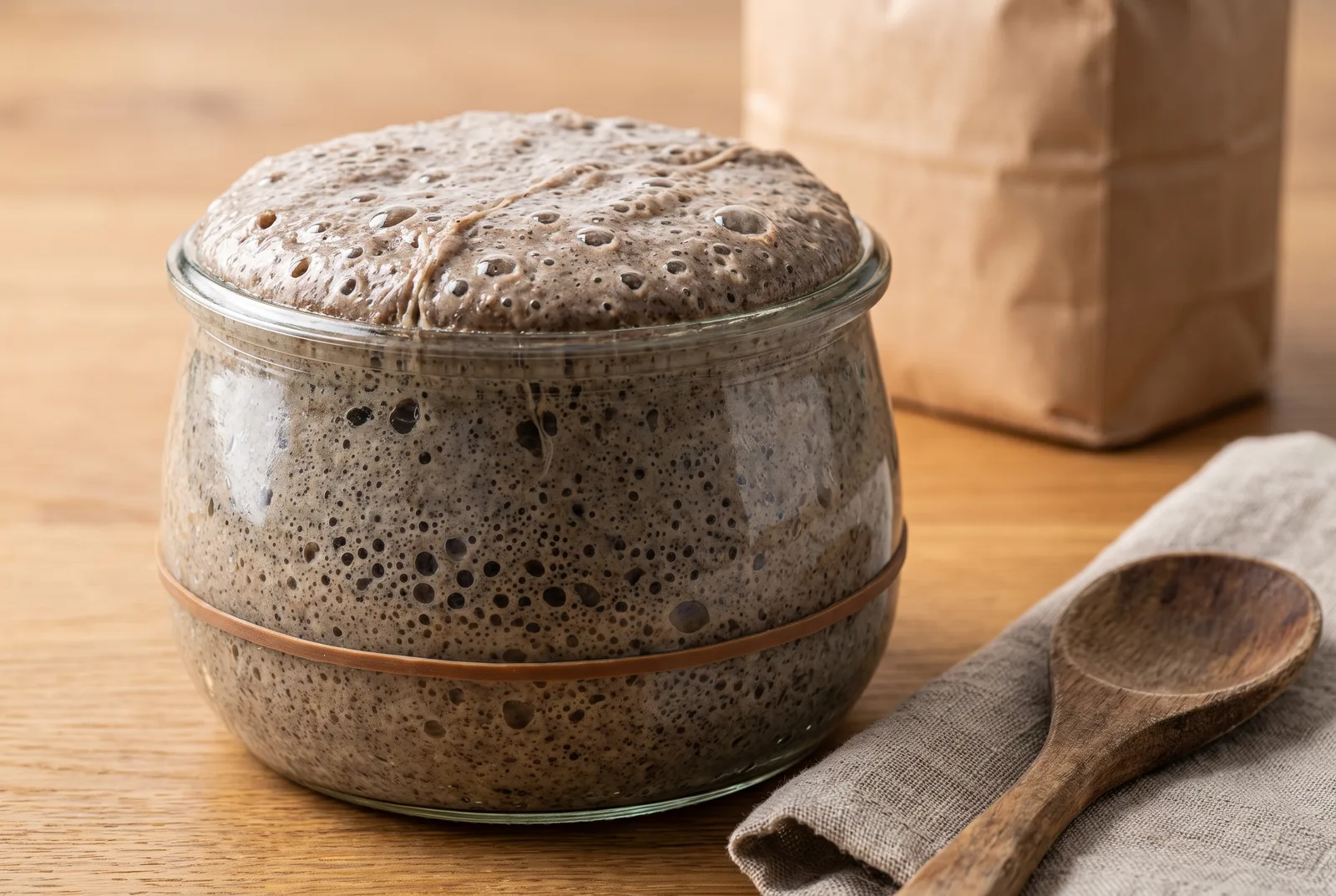
For a Lithuanian baker, raugas is not a trend or an "artisan" flourish — it is the living foundation of the country's daily bread. The dense, dark, moist, long-keeping ruginė duona (rye bread) that defines the Lithuanian table cannot be made properly with baker's yeast alone. It needs the acid, the flavour and the slow, wild fermentation that only a raugas provides. This dossier is a working guide to that starter: what it is, how to build and feed one, how it was — and still is — kept alive from generation to generation, and how to put it to work.
Because raugas is a rye leaven, almost everything here is the practical, farmhouse-and-bakery application of the universal sourdough science covered in the Pillar A craft articles. Read this alongside Sourdough Starter Cultures: Microbiology, Maintenance, Types & What Goes Wrong (the microbiology and maintenance of any starter), Sourdough technology: starter maintenance, LAB–yeast synergy, acidification curves and rye vs. wheat sourdoughs (LAB–yeast synergy and acidification curves, rye vs. wheat) and Rye Sourdough Fermentation: One-Stage, Two-Stage & Three-Stage Methods Explained (why rye is fermented in one, two or three stages). For the flour itself, see Rye, spelt, emmer and heritage wheats: baking behaviour and blending rules and Wholemeal and high-extraction flours: nutrition, flavour and the bran interference problem. This article is a sibling to Lithuanian rye bread (ruginė duona): 3,500 years of baking culture and why rye dominates (the culture and history), Juoda ruginė duona: plain-fermented black rye bread from formula to oven (the plain-fermented black loaf) and Plikyta (scalded) rye bread: the scald technique explained step by step (the scalded loaf) — it supplies the starter those articles assume.
1. What a raugas actually is
Raugas (the word means leaven / ferment) is a spontaneous culture of flour and water in which two families of micro-organism live in symbiosis: wild yeasts — typically of the Candida and Saccharomyces genera — and lactic-acid bacteria (LAB), chiefly Lactobacillus. The wild yeasts, carried in on the grain and flour, break starch down through sugars and ferment them to CO₂ and ethanol; that CO₂ is what "kildina tešlą, kuri tampa puri ir akyta tarsi kempinė" — raises the dough so it becomes airy and porous like a sponge. The bacteria produce lactic and acetic acid, which give the sour flavour, help preserve the bread and hold unwanted spoilage microbes at bay. This is the same wild-yeast-plus-LAB engine described in Sourdough Starter Cultures: Microbiology, Maintenance, Types & What Goes Wrong; the Lithuanian tradition simply runs it on rye.
The two organisms want slightly different things — LAB thrive warmer, yeast a touch cooler — so managing a raugas is really about balancing their ratio and the amount of acid they build, exactly as Sourdough technology: starter maintenance, LAB–yeast synergy, acidification curves and rye vs. wheat sourdoughs explains. In a rye bakery this is watched deliberately: the sour is "continuously renewed by adding rye flour and water to the fermented sourdough and fermenting again until the required amount of acids accumulates and the microflora composition is restored," ensuring the proper LAB-to-yeast balance at each stage.
2. Why rye needs a raugas
This is the single most important thing to understand, and it is why a raugas matters far more in Lithuania than a wheat levain does in France. Rye behaves nothing like wheat (the full comparison is in Rye, spelt, emmer and heritage wheats: baking behaviour and blending rules):
- Rye proteins do not form a gas-holding gluten network, so structure has to come from starch and from rye's abundant pentosans (arabinoxylans), which swell and gel.
- Rye flour is naturally rich in active amylase (α-amylase) and, in a neutral dough, those enzymes attack the starch so aggressively that the crumb turns wet, gummy and collapses.
The answer is acid. A low pH from the raugas reins in the amylases, lets the pentosans set a stable gel, and produces the moist-but-sliceable crumb, the deep flavour and the long shelf life that rye is prized for. Lithuanian practice is explicit: "for quality rye bread, more acidic dough is needed. If there is too little acid, the bread crumb will be porous with cracked sides." Without a raugas the loaf is, in the words of a Lithuanian food scientist, "collapsed, lacking porousness" and hard to digest. The multi-stage way this acidity is built up — and why you might use one, two or three stages — is the subject of Rye Sourdough Fermentation: One-Stage, Two-Stage & Three-Stage Methods Explained.
3. Building a raugas from scratch
There is no single "correct" recipe — every farmhouse had its own — but two authentic routes recur in the Lithuanian sources. Both use only flour, water and time. Use good wholegrain rye (it carries the most wild microflora and the most enzyme activity), non-chlorinated water, and a clean glass or ceramic jar covered loosely (never sealed).
Route A — the fast spontaneous rye build (~72 hours)
The quickest traditional method, used as the first step of many home rye recipes: mix 75 g wholegrain rye flour + 125 ml room-temperature water to a "grietinės tirštumo" (sour-cream) consistency, cover with a cloth and hold at about 25 °C. Stir gently once a day. After roughly 72 hours (3 days) it will have loosened/liquefied and be visibly bubbling — that is your working raugas.
Route B — the gentler five-day rye/wheat build
A more controlled build (from the artisan mill Pranciškaus malūnas) that blends in a little white wheat to steady it:
| Day | Keep | Add |
|---|---|---|
| 1 | — | 50 g wholegrain rye + 75 g water |
| 2 | 30–40 g of the mix | 25 g rye + 25 g white wheat + 60 g water |
| 3 | 30–40 g | 25 g rye + 25 g white wheat + 60 g water |
| 4 | 20–30 g | 25 g rye + 25 g white wheat + 50 g water |
| 5 | 20–30 g | 25 g rye + 25 g white wheat + 50 g water |
Continue past day 5 until the raugas rises reliably after every feed and is full of bubbles — that is the signal it is mature enough to leaven bread. The general principle behind both routes — daily discard-and-refresh until wild activity stabilises — is the same one in Sourdough Starter Cultures: Microbiology, Maintenance, Types & What Goes Wrong.
Shortcut for a bakery in a hurry: you can inoculate a fresh flour-and-water mix with a purpose-made starter culture (see §9) to skip the unpredictable first days, then feed it as your own raugas thereafter. This is common in professional settings and does not make the resulting sour any less "real" once it is established.
4. Feeding, storing and reviving
The standard rye refresh is 1:1:1 by weight: 100 g raugas + 100 g wholemeal rye flour + 100 g water. (A wheat raugas is fed differently — 1 part starter: 1 part water: 2 parts wheat flour — because wheat flour absorbs less and you want a stiffer, slower culture.)
Some bakers keep a wetter, more active starter and refresh at a higher ratio: weigh the existing raugas, add double its weight in water, then double its weight in flour (half rye, half white wheat) — e.g. 50 g raugas + 100 g water + 100 g flour. Both styles are legitimate; the wetter one peaks faster and tastes milder, the 1:1:1 rye one is more sour and closer to the traditional stiff rye sour.
Reading the peak. After feeding, an active raugas roughly doubles and peaks in about 8–12 hours at 20–25 °C, with plentiful bubbles and a clean, pleasantly sour aroma. Use it at or just before peak.
Storage and revival. Between bakes, keep the raugas refrigerated and refresh it about once a week to keep it alive. Before you bake, take it out, feed it and hold it at 20–25 °C for roughly 10–12 hours to bring it back to full activity. A raugas can also be dried down to a hard flake or crust and rehydrated later — the traditional long-term insurance policy, and the logic behind the duonkubilis method below.
5. The duonkubilis and the perpetual raugas
The most distinctively Lithuanian part of the raugas story is how it was kept alive without a jar at all. Traditional farmhouse bread was mixed and fermented in a duonkubilis — a wooden bread trough, ideally built with oak planks (sometimes ash or maple). The wood itself became the starter's home: a live culture lived in the unwashed trough walls. So after each bake the duonkubilis was never washed — only scraped clean, dusted with flour and dried, leaving enough raugas embedded in the wood to sour the next batch. Some households ran the same culture in the same trough for decades.
Hygiene note: this unwashed-wood practice is a historical farmhouse tradition, kept safe only by the culture's constant acidity. It is not a hygiene model for a modern commercial bakery, where food-contact surfaces must be cleanable and kept clean under food-hygiene law (in GB/EU, Reg (EC) 852/2004). Treat the duonkubilis as heritage, not as a production method to copy.
Around this vessel grew a widely recorded Lithuanian folk belief: that a duonkubilis should never be lent out. The fear was that the "duonos rūgštis" — the bread's very sourness, its starter — would leave the house, so that the family's dough would no longer ferment. This is a genuine and well-attested piece of Lithuanian bread folklore, but it survives as oral tradition rather than a fact pinned to a single primary text — so it belongs here as authentic folklore, not as documented history.
Even without a trough, the same idea survives in every rye bakery as the keep-back: a piece of ripe, sour dough is reserved from each batch to inoculate the next. Lithuanian bakers call this the užraugas or senas raugas ("old leaven"); at farmhouse scale about 0.5–1 kg is kept back per bake. This is exactly the pâte fermentée / old-dough principle in Preferments in Practice: Poolish, Biga, Sponge & Pâte Fermentée — When and How to Use Them, and it is the same living-heirloom culture that Polish bakers call zakwas (see Zakwas: managing a Polish rye sourdough starter from first ferment to daily production) and Romanians call maia (see Maia: Romania's sourdough culture — starter management, fermentation biology and wood-fired oven protocols) — a shared Central/Eastern European rye-sourdough family.
6. Putting the raugas to work: the scald (plikymas) and multi-stage rye
A mature raugas is the engine, but the signature Lithuanian black loaf is built around a second technique: the plikymas, or scald. This is the defining step of plikyta ruginė duona, and it has its own dossier — Plikyta (scalded) rye bread: the scald technique explained step by step — but it belongs here because the raugas and the scald work together. (For the plain, un-scalded fermented loaf see Juoda ruginė duona: plain-fermented black rye bread from formula to oven.)
Plikymas (the scald). Part of the rye flour is scalded with boiling (~100 °C) water and held warm. Home scale: 300 g rye flour + 750 ml boiling water + 1 tablespoon caraway (kmynai), poured on while stirring hard, then rested 2–3 hours at ~25 °C. During that rest the flour's own amylases convert starch to sugars — the saccharification that gives the loaf its characteristic saldžiarūgštė (sweet-sour) flavour and dark colour. Because the scald deliberately uses the enzymes the acid later restrains, it is the natural first stage of a multi-stage rye process.
The multi-stage assembly. Once the scald has cooled to blood heat, the raugas is stirred in and fermented — home scale about 12 hours of bulk at ~25 °C; at farmhouse scale 18–20 hours in a warm place. Only then is the final dough mixed, adding salt, caraway and the remaining flour (salt is held back until now so it doesn't slow the ferment). The shaped loaves get a final proof of about 3 hours at ~25 °C. This staged sequence — scald → sour → dough — is the Lithuanian expression of the one/two/three-stage rye logic in Rye Sourdough Fermentation: One-Stage, Two-Stage & Three-Stage Methods Explained.
Baking. Home ovens: ~250 °C for the first ~15 minutes to set the crust, then down to ~200 °C for ~30 minutes. Traditional masonry ovens bake big loaves lower and slower — around ~200–250 °C for 4–6 kg loaves baked 2–2.5 (up to 3) hours (the cited brick-oven source gives ~200 °C for about 2.5–3 hours). Loaves are traditionally set on cabbage (kopūstų) or maple (klevo) leaves rather than a tin, and the crust is brushed or sprayed with water for gloss and a lacquered finish. The crust chemistry — oven spring, gelatinisation, the Maillard browning that makes rye crust so aromatic — is covered in The baking stage: oven spring, steam injection, starch gelatinisation, Maillard reaction and crust formation.
A representative farmhouse formula to show the proportions: ~10 kg rye flour, 5 L water (~50% of flour), 100 g salt (~1% of flour), caraway to taste, and 0.5–1 kg raugas kept back from the previous bake. Formulas in true baker's percentage — for a UK bakery scaling this up — are collected in Rye and wholegrain bread formulas: sourdough percentages, hydration and crumb density; the formula cards below give both the home and farmhouse versions.
7. Reading readiness and diagnosing faults
Learn to read the raugas by eye, nose and clock rather than by recipe. A ready raugas has roughly doubled, is domed and bubbly, and smells cleanly sour — think yoghurt and apple, not acetone or glue. If it has risen and begun to fall back, it is just past peak (still usable, a little more sour).
Common problems (the full diagnostic method is in Bread faults, causes and remedies: a systematic diagnostic guide for volume, crust, crumb and flavour defects; the fault-finder below gives the Lithuanian-specific version):
- Won't rise after feeding → too young, too cold, or a weak/neglected culture; warm it to 24–25 °C and refresh daily until it is lively. An under-fermented raugas is unsuitable for baking.
- Very thin/watery and sharply sour → over-fermented. "Kuo labiau raugas rūgsta, tuo labiau jis skystėja" — the more it sours, the thinner it gets; the dough then rises slowly and bakes heavy and over-acidic. Refresh more often, use cooler water, or reduce the maintenance interval.
- Loaf collapses / crumb is wet, dense, cracked at the sides → not enough acid or a weak raugas (see §2). Build more acid: a longer or extra sour stage.
- Pink/orange or fuzzy mould, or a putrid rather than sour smell → contaminated. Discard it and start again — do not try to bake through it. A healthy, acidic raugas normally protects itself, so contamination signals it has been too warm, too neglected, or the wrong microbes took hold.
8. Why natural raugas bread is valued (nutrition)
Lithuanians treat dark rye sourdough as a health food, and there is a technical basis for it. Prof. Elena Bartkienė of the Department of Food Safety and Quality at the Lithuanian University of Health Sciences (LSMU) explains that a natural raugas contains living micro-organisms (mainly LAB) in symbiosis with wild yeast, and that their fermentation:
- activates rye's amylolytic enzymes, so the bread is porous and digestible rather than "collapsed, lacking porousness";
- "predigests" large molecules into smaller ones, improving the absorption of nutrients and minerals from the bread; and
- makes dark rye sourdough an excellent dietary-fibre source.
She is careful on one point: while LAB have proteolytic activity that "somewhat breaks down" gluten, this does not make the bread gluten-free and it must not be described that way.
FOOD-SAFETY / ALLERGEN NOTE: rye and every wheat/barley/oat-adjacent ingredient in this dossier contains gluten; neither a wild raugas nor any linked flour, sour, malt or mix is coeliac-safe. Rye is also susceptible to ergot (Claviceps purpurea). The EU legal maximum for ergot alkaloids in rye milling products is 500 µg/kg (Reg (EU) 2023/915, originally Reg (EU) 2021/1399; the scheduled tightening to 250 µg/kg was deferred to 1 July 2028). GoodMills Type 720 is specified to that 500 µg/kg limit — i.e. it sits at the legal ceiling, not comfortably below it — so use sound, spec-verified flour, mind the coming tighter limit, and never uncontrolled grain. Nutrition/health statements in §8 are attributed to Prof. Bartkienė; used consumer-facing they are health claims under GB/EU Reg (EC) 1924/2006 and would need authorised wording — keep them attributed and do not restate them as fact. Review all of the above before any consumer-facing use.
9. Buying it in: rye flour, cultures vs. acidifiers, and Lithuanian malt
A raugas needs three things from the catalogue: the right rye flour to build and feed it, optionally a starter culture or ready sour to speed things along, and the dark rye malt that gives the finished loaf its colour and flavour. The exact products are listed at the end of this article; the comparison tables and key specs below hold the numbers.
9a. Rye flour — match the grade to the job
Lithuanian rye grades run from light to wholegrain by ash content (the type-number system is the same idea as Flour type numbers decoded: Polish T-codes, French T45–T150, German 550, Italian 00). The Baltic miller Malsena grades them as light rye 700/815 (ash 0.67–0.80%), medium rye 1370 (1.37–1.52%), dark rye 1740/1800 (1.50–1.80%) and wholegrain (1.50–1.80%), and recommends wholegrain rye for yeast-free natural-leaven bread — which is exactly the raugas application. In the Domson catalogue the closest grades are GoodMills Wholemeal Rye Type 2000 (best for building/feeding a raugas and for dark loaves), then Type 1400 / 1150 / 997 for medium and mixed-rye work, and Type 720 as a light rye. First-party spec for Rye Flour Type 720: protein 6.5 g/100 g, ash <0.78%, moisture <15%, Hagberg falling number >90 s, ergot alkaloids ≤500 µg/kg (the current EU legal maximum, not a voluntary margin); allergen cereals containing gluten (rye), not for gluten-sensitive consumers, 4-month shelf life. For organic/stoneground options a UK bakery can also reach for Doves Farm Organic Wholemeal Rye and Matthews Stoneground Rye; Agrol Cracked Rye and Rye Flakes are useful for the scald and for topping.
9b. Live culture vs. dead acidifier — know the difference
This is the most important buying decision, and the labels are misleading. "Sourdough" on a datasheet does not mean it will leaven your bread. Broadly there are three kinds of product:
- Live / active starter cultures — for inoculating your own raugas (or replacing it). Böcker Reinzucht-Sauerteig (a pure defined starter culture, 1 kg), Böcker Bio Le Chef Organic Liquid Sourdough, and Lesaffre Saf-Levain / Livendo starter cultures fall here.
- Fermented but stabilised sours — real rye sourdough, fermented then stabilised into a shelf-stable concentrate, added mainly for flavour and acidity on top of your own leavening. (A stabilised concentrate like this is used to standardise flavour/acidity, not relied on as the sole leavening.) IREKS Natural Liquid Rye Sour is a good example: a concentrated liquid rye sourdough (rye flour, water, starter culture), dosed 1–7%, pH 2.8–3.4, brown viscous, 6-month shelf life at 15–20 °C; allergen rye with wheat/spelt/barley/oats traces. Backaldrin BAS Dark Liquid Rye, Zeelandia Bioferm Dark Liquid and Zeelandia Sourdough Dry sit here too.
- Acidified pastes (dead) — flavour-and-acidity concentrates with added acids, no live culture. Uldo W/43 Dark Sauer is exactly this: a dark paste of rye bran/water/rye flour plus citric acid and lactic + acetic acids and barley malt, dosed 2–8%, pH 2.5–4.5, total acidity 140–150°; allergen gluten with possible traces of milk/sesame/soya/lupin/egg. It will sour and darken a dough instantly but contributes no leavening.
The rule of thumb: if a bakery wants the authentic raugas character and keeping quality, keep and feed a live raugas (§§3–5) and use category 2/3 products only to standardise acidity or add a flavour boost — never as a substitute for the living culture. The industrial forms (devitalised, liquid, powdered) are compared in depth in Ready-to-Use Sourdough Preparations: Devitalized, Liquid & Powdered Forms for Industrial Bakeries.
9c. Dark rye malt — colour, aroma and the sweet-sour note
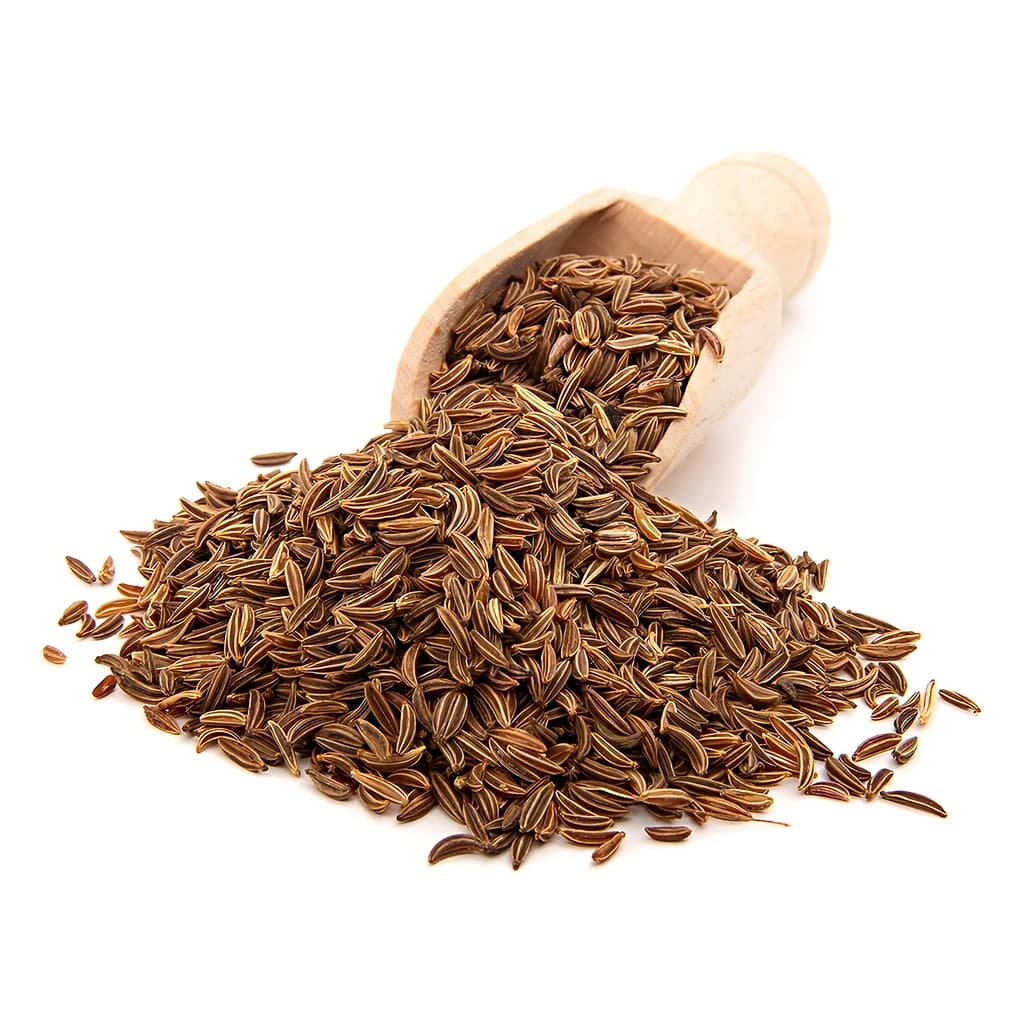
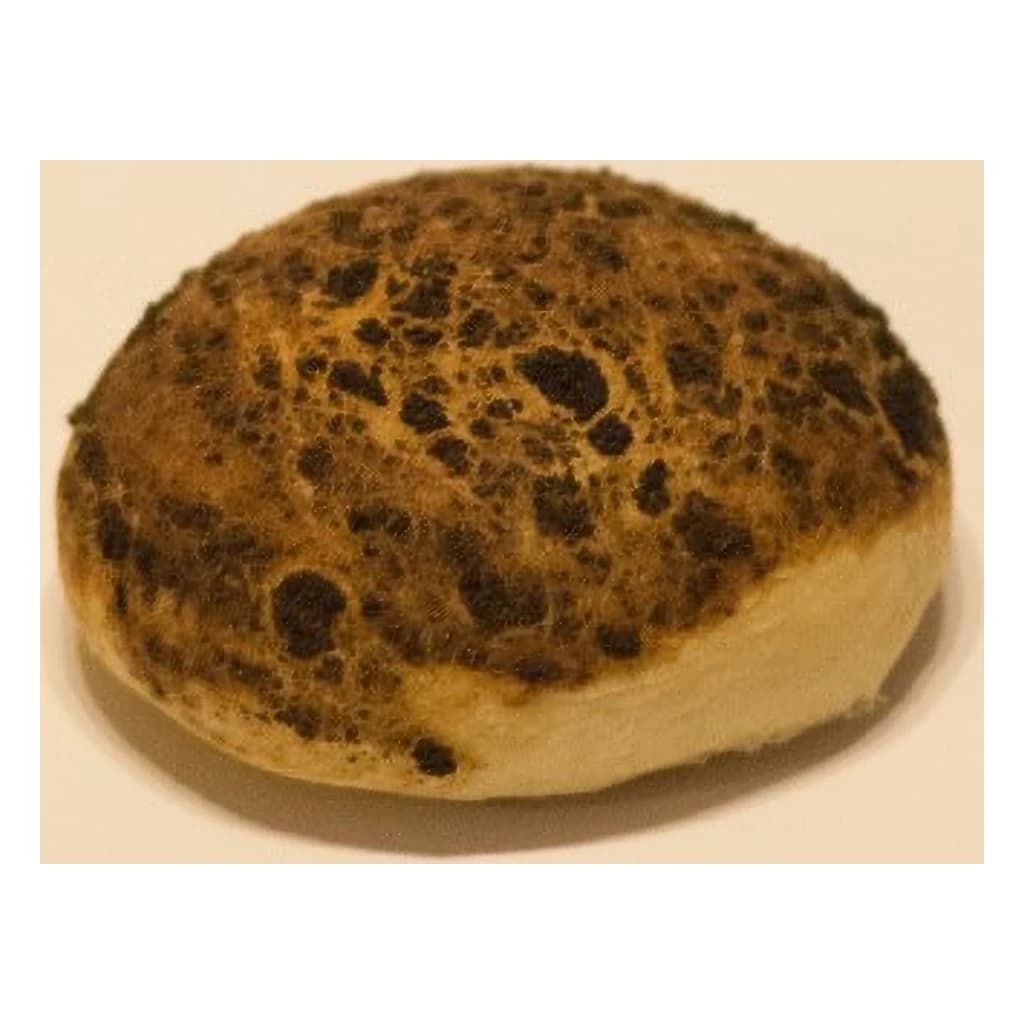
The near-black colour and malty aroma of Lithuanian rye owe as much to rye malt as to long fermentation. The catalogue carries an authentically Lithuanian option: Forbake "Lithuanian Dark Rye Malt" (Słód litewski oryginal żytni ciemny), a roasted, fermented rye-malt flour made by Lietuviškas Salyklas JSC in Lithuania. It is non-diastatic (diastatic power 0 WK — so it colours and flavours without adding enzyme activity), colour 250 ± 40 EBC, dosed at 2–6% of flour for dark bread's brown colour, aroma and sweet-sour note; allergen gluten. Alternatives: Malmon Dark Fermented Rye Malt and Uldo Rye Malt Extract. And for the signature aromatic, caraway (kmynai) — Domson lists it as bulk Caraway Seeds — belongs in almost every traditional rye. A turnkey option for a bakery that wants consistency fast is IREKS 100% Rye Bread Mix, though it trades the individuality of a house raugas for repeatability.
10. See also
- Lithuanian rye bread (ruginė duona): 3,500 years of baking culture and why rye dominates — the culture and history this starter belongs to.
- Plikyta (scalded) rye bread: the scald technique explained step by step and Juoda ruginė duona: plain-fermented black rye bread from formula to oven — the loaves the raugas leavens.
- Sourdough Starter Cultures: Microbiology, Maintenance, Types & What Goes Wrong, Sourdough technology: starter maintenance, LAB–yeast synergy, acidification curves and rye vs. wheat sourdoughs, Rye Sourdough Fermentation: One-Stage, Two-Stage & Three-Stage Methods Explained — the universal science.
- Zakwas: managing a Polish rye sourdough starter from first ferment to daily production and Maia: Romania's sourdough culture — starter management, fermentation biology and wood-fired oven protocols — the Polish and Romanian cousins of raugas in the same rye-sourdough family.
Figures
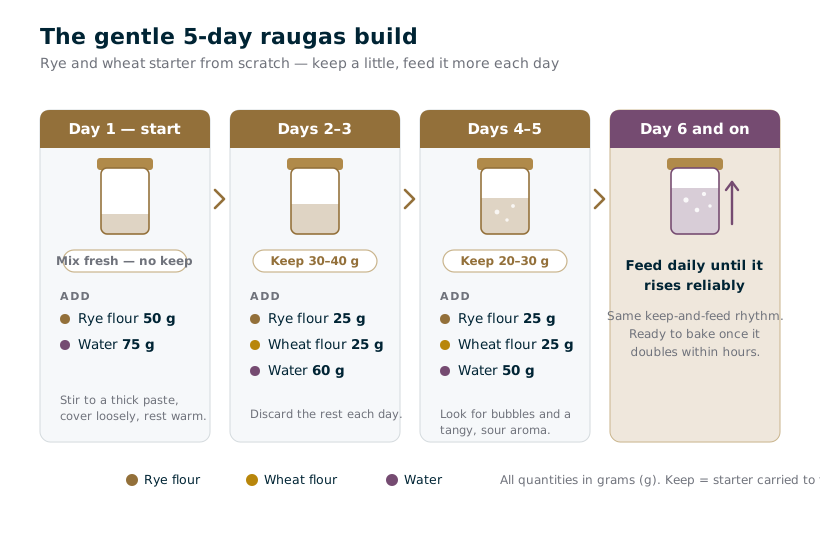 Five-day schedule for building a Lithuanian rye sourdough starter from scratch
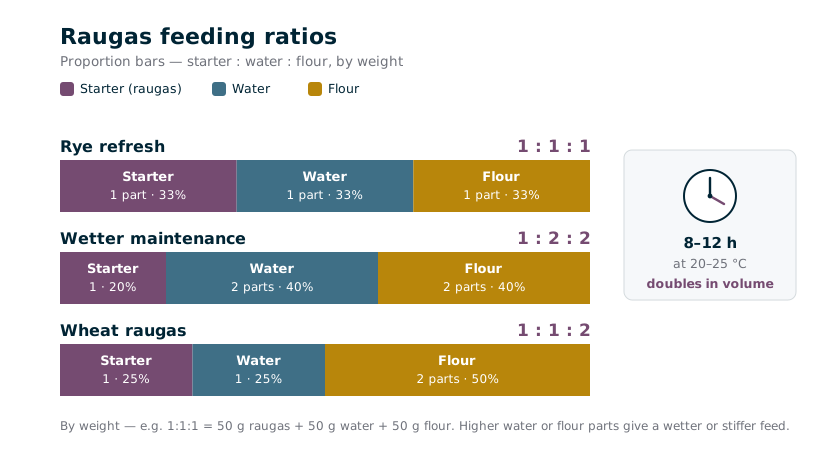 Raugas feeding ratios shown as proportion bars: rye 1:1:1, wetter 1:2:2, wheat 1:1:2
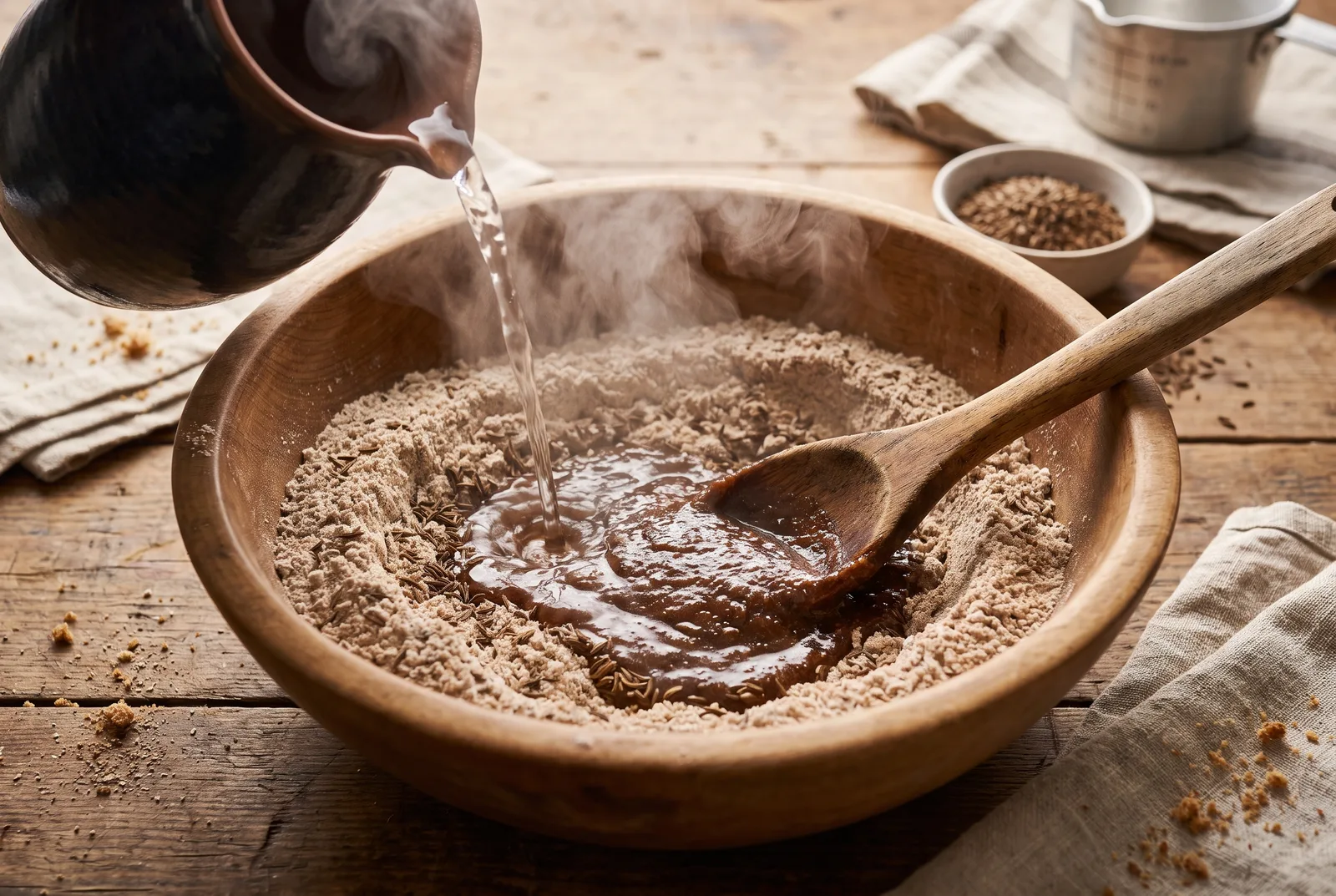 Scalding rye flour with boiling water (plikymas) for Lithuanian scalded rye bread
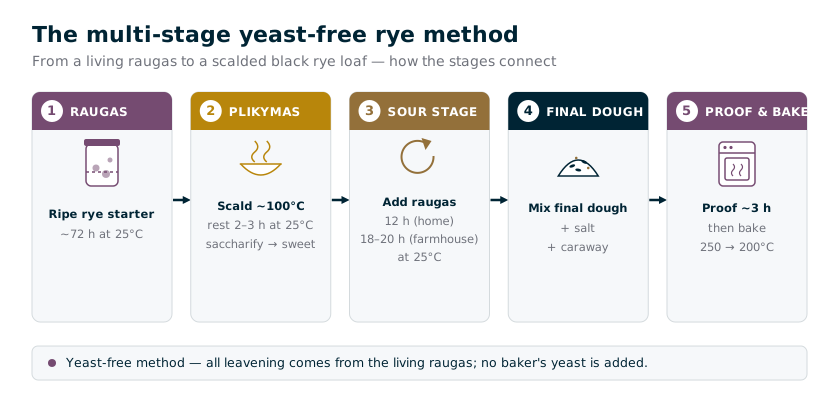 Flow diagram of the multi-stage Lithuanian scalded rye bread process from raugas to bake
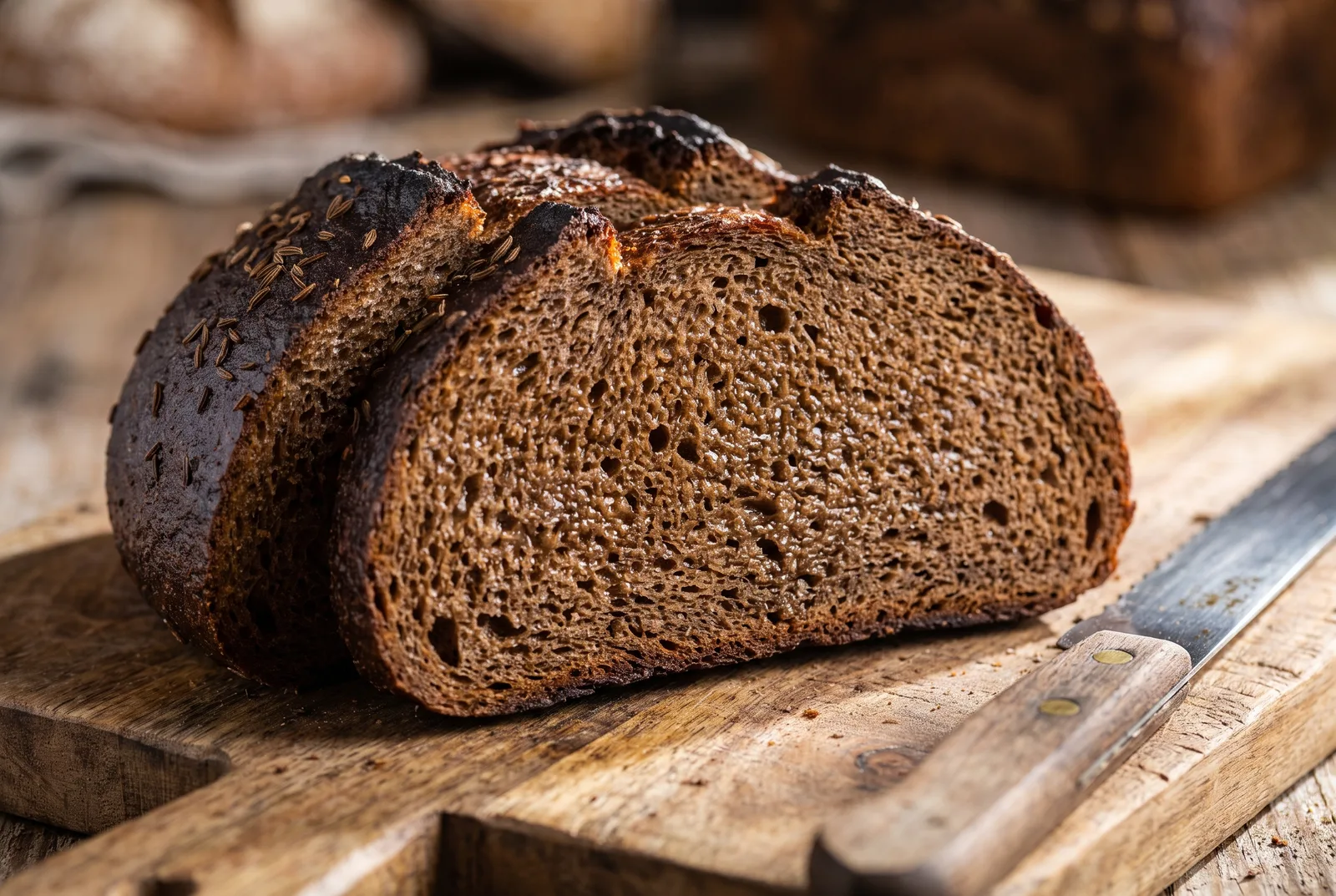 Sliced dark rye sourdough showing dense moist close crumb and dark crust
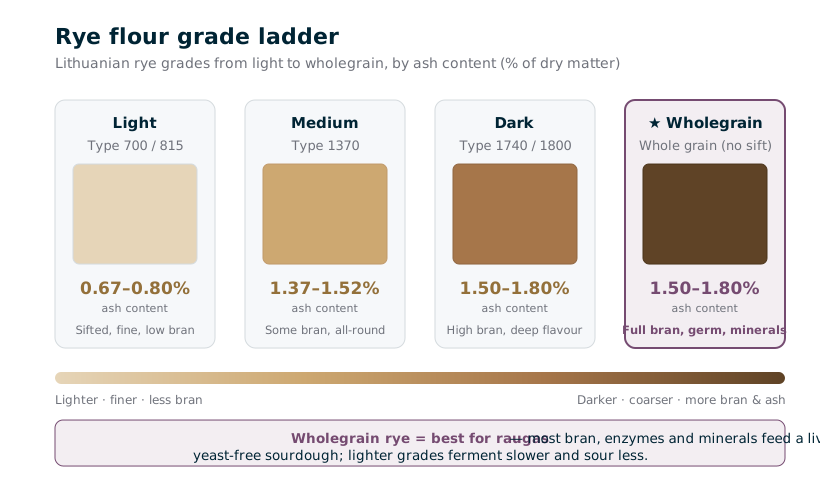 Ladder of Lithuanian rye flour grades from light to wholegrain with ash percentages
Building a raugas from scratch - gentle 5-day rye/wheat build
The controlled build from artisan mill Pranciškaus malūnas. Uses wholegrain rye plus a little white wheat to steady the young culture. Cover loosely (never sealed); hold at ~24-25 C. Continue past day 5 until it rises reliably after every feed.
| Ingredient | Baker's % | Weight |
|---|---|---|
| Day 1: wholegrain rye flour | 50 g | |
| Day 1: water (room temp) | 75 g | |
| Days 2-3: keep of previous mix | 35 g | |
| Days 2-3: wholegrain rye flour | 25 g | |
| Days 2-3: white wheat flour | 25 g | |
| Days 2-3: water | 60 g | |
| Days 4-5: keep of previous mix | 25 g | |
| Days 4-5: wholegrain rye flour | 25 g | |
| Days 4-5: white wheat flour | 25 g | |
| Days 4-5: water | 50 g |
- Day 1: mix 50 g wholegrain rye + 75 g room-temperature water in a glass jar; cover loosely (never sealed); hold ~24-25 C. Days 2 and 3: keep 30-40 g of the mix, add 25 g rye + 25 g white wheat + 60 g water. Days 4 and 5: keep 20-30 g, add 25 g rye + 25 g white wheat + 50 g water. Days 6+: keep feeding daily until the raugas rises reliably after each feed and is full of bubbles - then it is ready to leaven bread. Fallback fast route: 75 g wholegrain rye + 125 ml water to a sour-cream consistency, ~25 C, stirred daily, ready in ~72 h.
Yield: ~100-150 g active raugas (mother)
Refreshing / feeding a mature raugas (1:1:1 rye)
The everyday maintenance feed for a rye raugas. Peaks in ~8-12 h at 20-25 C. Store refrigerated between bakes and refresh ~weekly; feed and warm 10-12 h before baking.
| Ingredient | Baker's % | Weight |
|---|---|---|
| Mature raugas | 100 | 100 g |
| Wholemeal rye flour | 100 | 100 g |
| Water (20-30 C) | 100 | 100 g |
- Combine 100 g raugas + 100 g wholemeal rye + 100 g water; mix to a thick paste; cover loosely; hold 20-25 C. Ready when roughly doubled, domed and bubbly, cleanly sour - about 8-12 h. Keep back a portion (the uzraugas / senas raugas) for the next feed or bake; refrigerate the rest and refresh about once a week.
Yield: ~300 g active raugas
Scalded black rye bread (plikyta ruginė duona) - home scale
A complete home loaf showing how the raugas, the scald (plikymas) and caraway come together. Yeast-free; leavened entirely by the raugas. Times/temperatures are the cited home recipe; scale to a bakery via baker's percentage in A8-rye-and-wholegrain-formulas.
| Ingredient | Baker's % | Weight |
|---|---|---|
| Stage 1 raugas - wholegrain rye flour | 75 g | |
| Stage 1 raugas - water (room temp) | 125 ml | |
| Stage 2 scald - rye flour | 300 g | |
| Stage 2 scald - boiling water (~100 C) | 750 ml | |
| Stage 2 scald - caraway (kmynai) | 1 tbsp | |
| Stage 3 dough - ripe raugas (from stage 1) | 250 ml | |
| Stage 3 dough - white wheat flour (T550) | 150 g | |
| Stage 3 dough - sugar | 3 tbsp | |
| Stage 3 dough - honey | 1 tbsp | |
| Stage 3 dough - salt | 2 tsp |
- Stage 1 (raugas, ~72 h): mix 75 g rye + 125 ml room-temp water to a sour-cream consistency; hold ~25 C, stir daily until liquefied and bubbling. Stage 2 (plikymas/scald, 2-3 h): pour 750 ml boiling water onto 300 g rye flour + 1 tbsp caraway while stirring hard; cover and rest 2-3 h at ~25 C to saccharify (it will taste sweet). Stage 3 (dough): once the scald has cooled to blood heat, stir in 250 ml ripe raugas; bulk-ferment ~12 h at ~25 C; then mix in 150 g wheat flour, sugar, honey and salt to a soft dough; shape; final proof ~3 h at ~25 C. Bake 250 C for ~15 min, then 200 C for ~30 min. Spray/brush with water on leaving the oven and cover with a cloth to cool.
Yield: 1 loaf
Farmhouse black rye bread - proportions at scale
The traditional farmhouse method and proportions (tv3 recipe), for a masonry oven. Shows the low ~50% baseline water and ~1% salt on flour, and the keep-back of 0.5-1 kg raugas. Note the very low salt vs. modern rye (typically 1.5-2%) - increase to taste/spec.
| Ingredient | Baker's % | Weight |
|---|---|---|
| Rye flour | 100 | 10 kg |
| Water (baseline) | 50 | 5 L |
| Salt | 1 | 100 g |
| Raugas kept back from previous bake | 7.5 | 0.75 kg |
| Caraway (kmynai) | 0 to taste |
- Scald about half the flour with boiling water; cover warmly and rest 3-4 h. When cooled, add the raugas dissolved in warm water; beat well; dust the surface with flour, cover warmly and ferment 18-20 h in a warm place. Beat down, add caraway, salt and the remaining flour; knead thoroughly; let rise until well proofed. Shape 4-6 kg loaves; set on cabbage or maple leaves; bake ~200-250 C for 2-2.5 h (brick-oven source ~200 C, up to ~3 h). After ~1 h remove briefly, brush the crust with cold water and rotate for even bake.
Yield: several 4-6 kg loaves
The word 'sourdough' on a datasheet is ambiguous. This table separates a live house raugas from the commercial products a UK bakery can buy, and — crucially — says which ones actually leaven. Only a live culture leavens; fermented-but-stabilised sours and acidified pastes add flavour/acidity on top of your own leavening.
| Type | What it is | Leavens? | Main role | Typical dosage | Catalogue examples | Source |
|---|---|---|---|---|---|---|
| Live house raugas | Your own wild rye culture (flour + water), fed and kept alive | Yes | Authentic leavening + acid + flavour + keeping quality | As the formula (often 20-40% of flour as sour) | Built from GoodMills Wholemeal Rye Type 2000 (feed) + water | Trade references |
| Live / active starter culture | Defined pure culture to inoculate or restart a raugas | Yes (once built up) | Skip the unpredictable first days; standardise the strain | Per supplier build instructions | Böcker Reinzucht-Sauerteig 1 kg; Lesaffre Saf-Levain / Livendo | c19 |
| Fermented, stabilised rye sour | Real rye sourdough, fermented then stabilised into a shelf-stable concentrate | No (used for flavour/acidity, not relied on to leaven) | Flavour + acidity on top of yeast/raugas leavening | 1-7% on flour (IREKS Natural) | IREKS Natural Liquid Rye Sour; Backaldrin BAS Dark Liquid Rye; Zeelandia Bioferm / Sourdough Dry | Supplier spec sheet |
| Acidified paste (dead) | Rye base with ADDED citric/lactic/acetic acid; no live culture | No | Instant sour flavour + dark colour; standardise acidity | 2-8% on flour (Uldo Dark Sauer) | Uldo W/43 Dark Sauer (Sauer Dark Rye Sourdough Concentrate) | Supplier spec sheet |
Rye grades run light-to-dark by ash content (the type number roughly tracks ash x 1000). Malsena, the largest Baltic miller, grades them as below and recommends wholegrain rye specifically for yeast-free natural-leaven (raugas) bread. The right-hand column maps to the closest grades in the Domson catalogue.
| Grade (Malsena) | Type no. | Ash % | Best for | Closest catalogue product | Source |
|---|---|---|---|---|---|
| Light rye | 700 / 815 | 0.67-0.80 | Light rye bread, rye/wheat blends | GoodMills Rye Flour Type 720 (protein 6.5%, ash <0.78%) | Trade reference + spec sheet |
| Medium rye | 1370 | 1.37-1.52 | Dark rye and rye/wheat blend breads | GoodMills Rye Flour Type 1150 / 1400 | Trade reference |
| Dark rye | 1740 / 1800 | 1.50-1.80 | Coarse dark rye loaves | GoodMills Rye Flour Type 1400; Matthews Stoneground Rye | Trade reference |
| Wholegrain rye | (whole grain) | 1.50-1.80 | Yeast-free natural-leaven bread; building/feeding raugas | GoodMills Wholemeal Rye Type 2000; Doves Farm Organic Wholemeal Rye | Trade reference |
Two feeding schemes recur in the Lithuanian sources. The 1:1:1 rye refresh gives a stiffer, more sour, traditional rye sour; the 1:2:2 wetter maintenance peaks faster and tastes milder. A wheat raugas is fed stiffer still (1:1:2). All ratios are starter: water: flour by weight.
| Style | Ratio (starter:water:flour) | Flour | Character | Example |
|---|---|---|---|---|
| Standard rye refresh | 1: 1: 1 | 100% wholemeal rye | Stiffer, more sour, traditional rye sour | 100 g raugas + 100 g water + 100 g rye |
| Wetter maintenance | 1: 2: 2 | 50% rye / 50% white wheat | Faster peak, milder | 50 g raugas + 100 g water + 100 g flour |
| Wheat raugas | 1: 1: 2 | 100% wheat | Stiff, slow, mild | 50 g raugas + 50 g water + 100 g wheat |
Source: Trade reference.
| Symptom | Likely cause | Remedy | Source |
|---|---|---|---|
| No rise / no bubbles after feeding | Too young; too cold (<20 C); weak or neglected culture | Warm to 24-25 C; refresh daily with wholemeal rye until lively; allow the full build time. An under-fermented raugas must not be used to bake. | c2, Trade reference |
| Very thin/watery, sharply/harshly sour | Over-fermented ('kuo labiau raugas rugsta, tuo labiau jis skysteja') | Refresh more often, use cooler water, shorten the maintenance interval; feed and use nearer peak. | c2, Trade reference |
| Loaf collapses; crumb wet, dense, cracked at the sides | Too little acid / weak raugas; amylases over-degrading starch | Build more acid: longer or an extra sour stage; use a livelier raugas; ensure enough sour in the formula. | c2 |
| Slow, heavy rise; sour but sluggish dough | LAB:yeast balance skewed to acid; sour too old | Rebalance by feeding fresh flour/water; warm the final dough; check dough temperature. | Trade references |
| Pink/orange or fuzzy mould; putrid (not sour) smell | Contamination - too warm, neglected, or wrong microbes | DISCARD and start again; do not bake with it. Keep the culture acidic and fed to protect it. | c26 |
| Bread pale, flat-flavoured, not dark enough | Insufficient malt/colour; short fermentation | Add dark rye malt at 2-6% of flour (colour + flavour); extend the sour stage. | Supplier spec sheet |
Buy the ingredients
Catalogue products and brands referenced in this article.

Rye Flour Type 720 20 kg
Superkwas Dry Sourdough 25 kg
Caraway Seeds 25 kg
Lithuanian Dark Rye Malt 25 kg
Sauer Dark Rye Sourdough Concentrate 25 kg
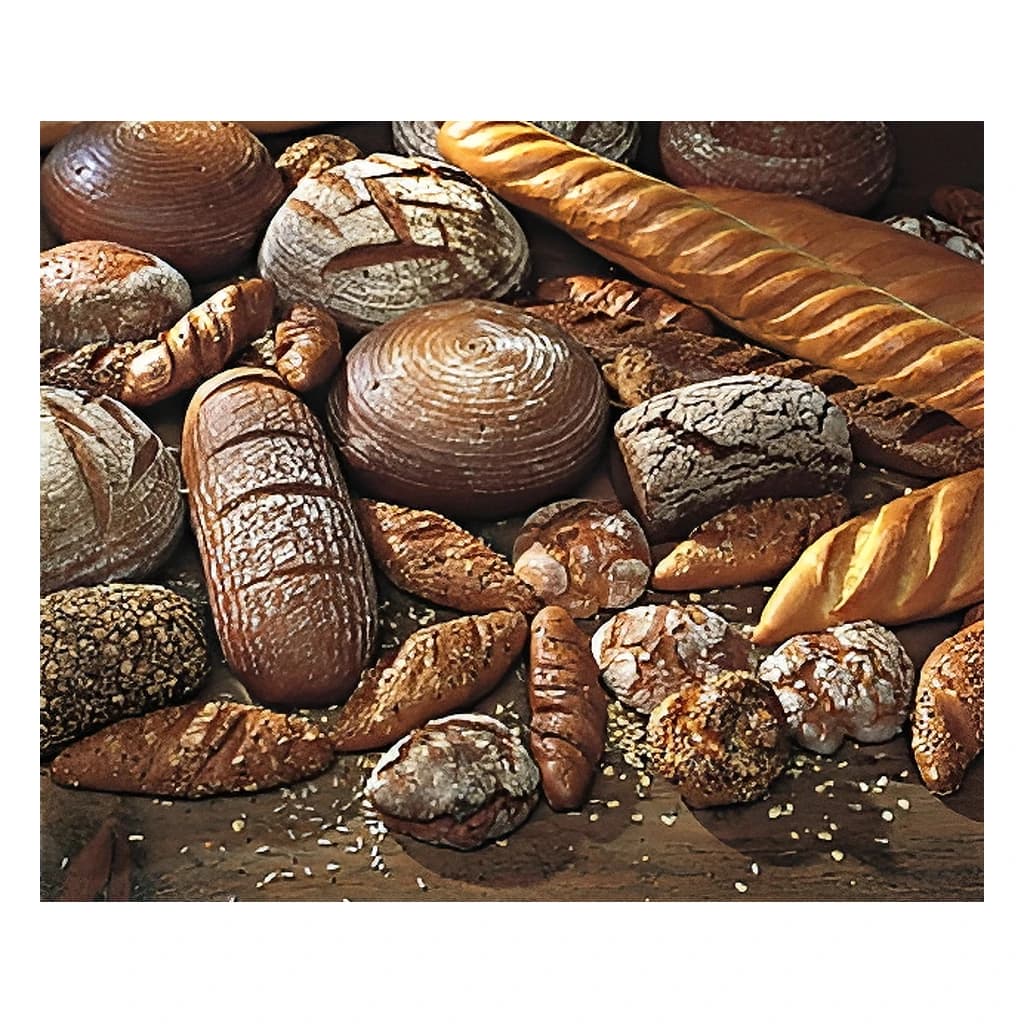
Uldo Dark Barley Malt Extract 14 kg
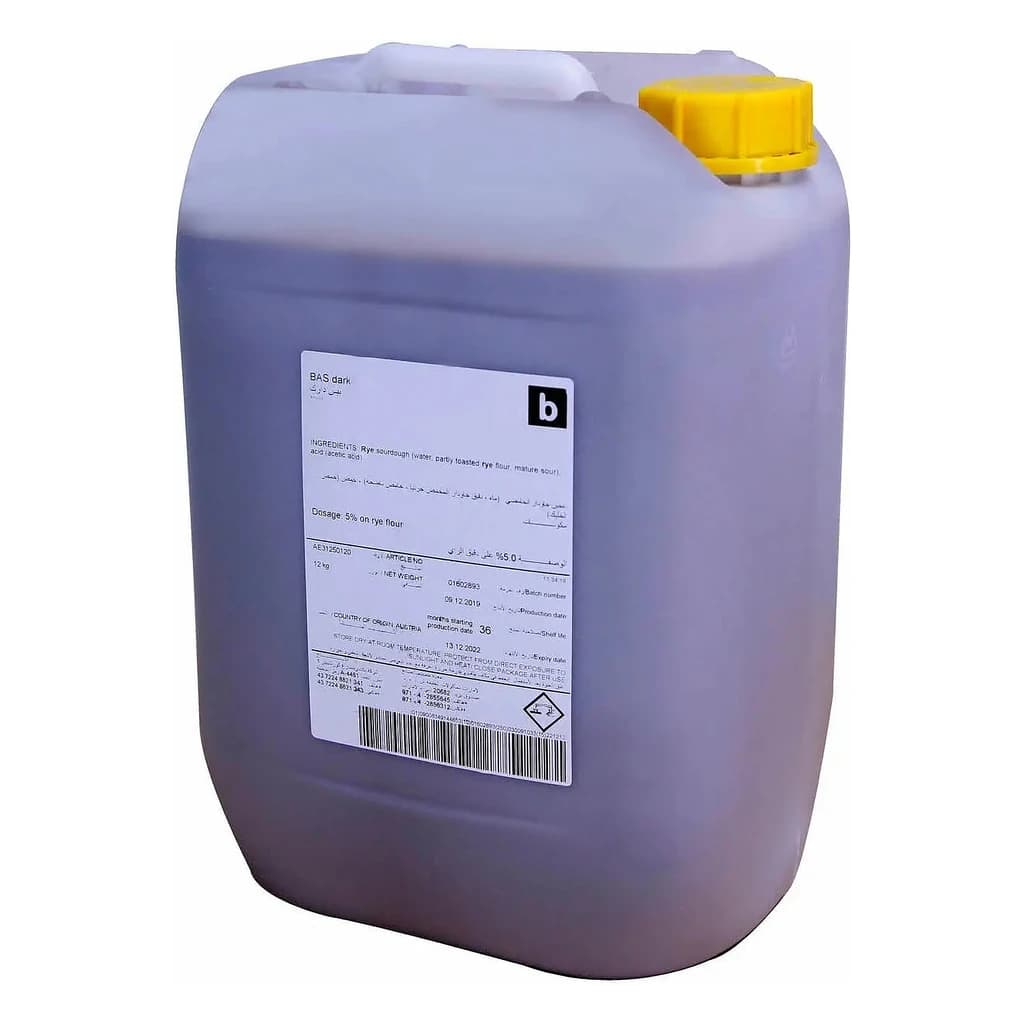
Backaldrin BAS Dark Liquid Rye Sourdough 12 kg
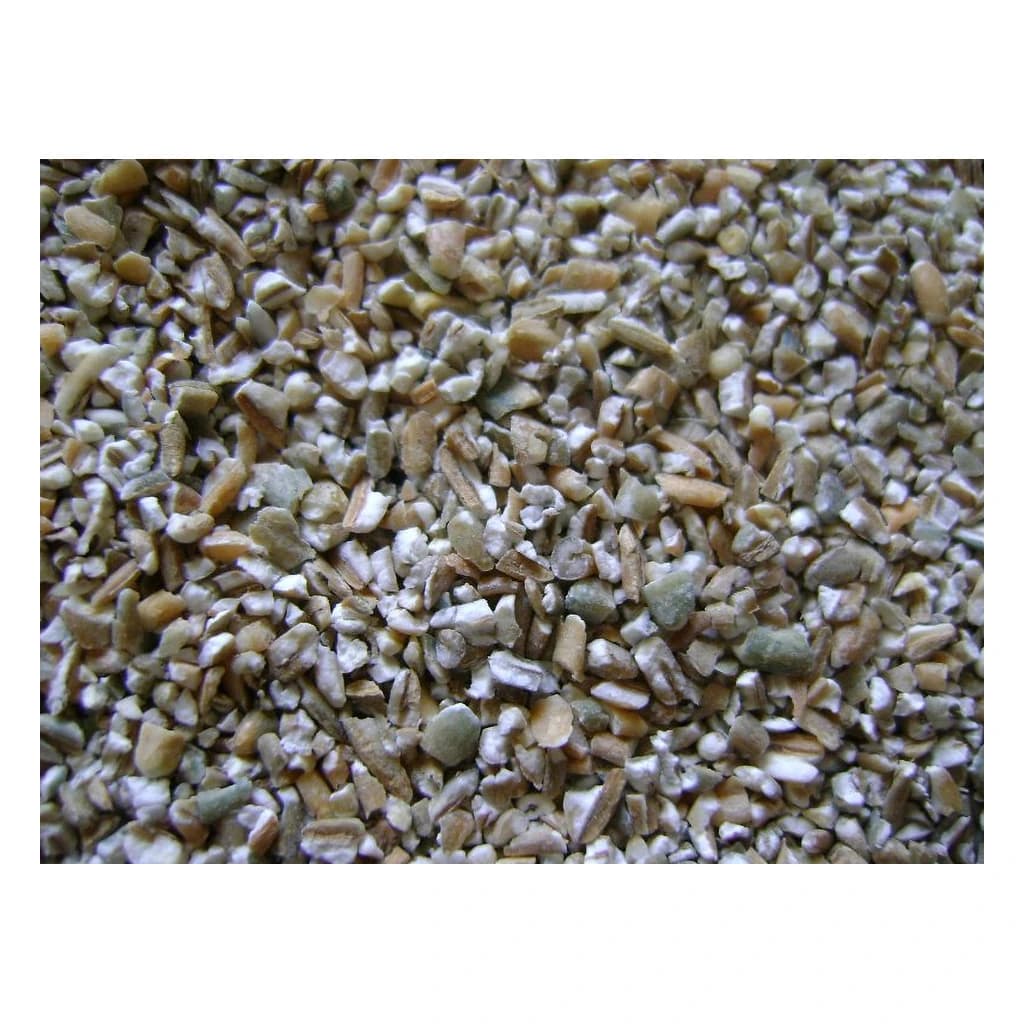
Cracked Rye 25 kg
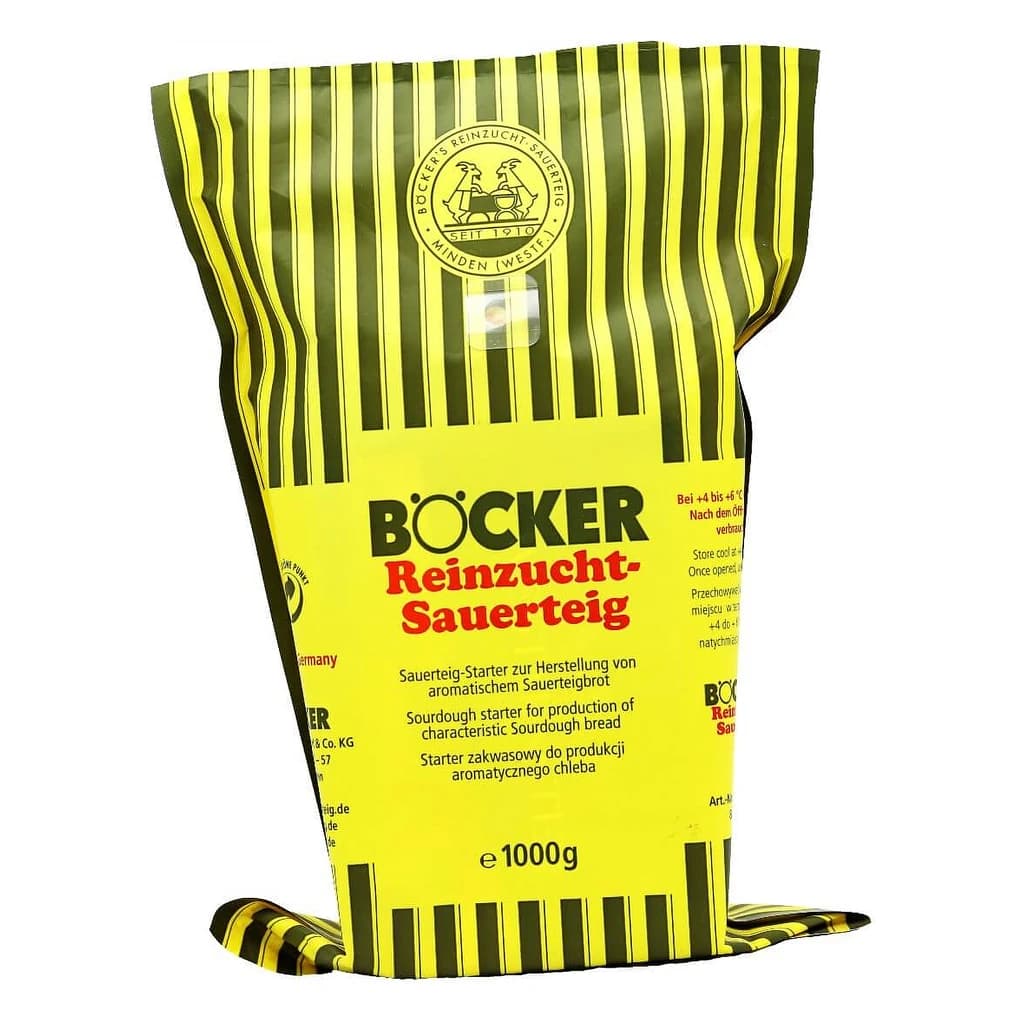
Böcker Reinzucht-Sauerteig Pure Sourdough Starter 1 kg
Böcker Bio Le Chef Organic Liquid Sourdough 2 kg
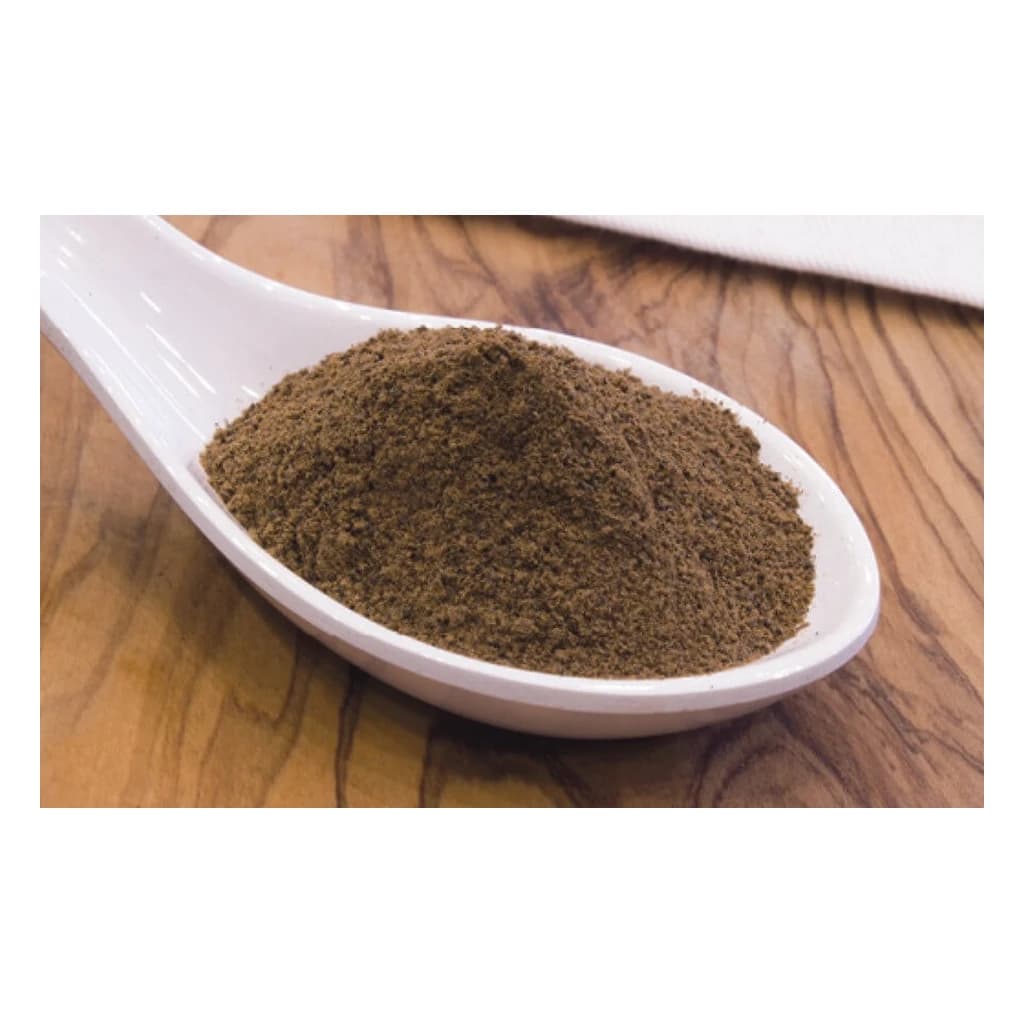
Dark Fermented Rye Malt 25 kg

Lesaffre Rye Sourdough AS ECOL 11 kg
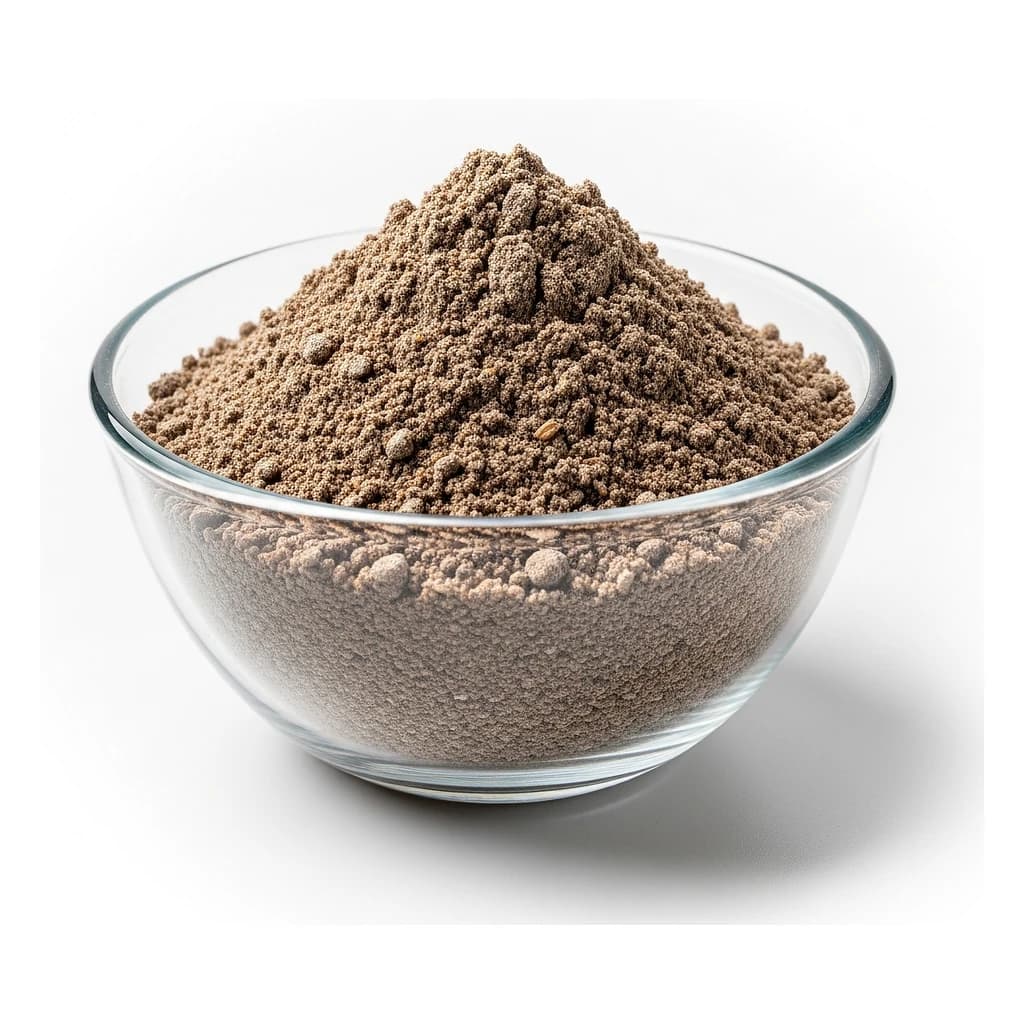
Wholemeal Rye Flour Type 2000 40 kg
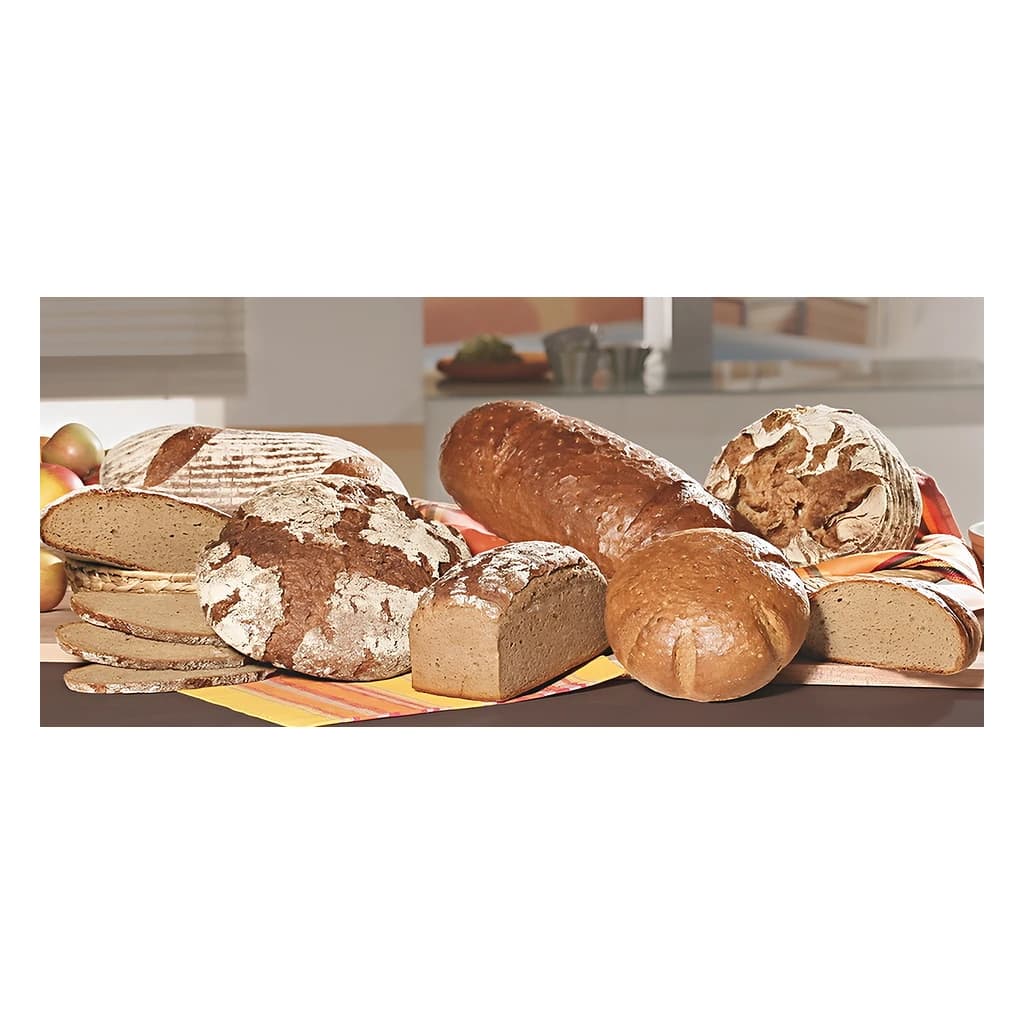
IREKS Natural Liquid Rye Sour 12.5 kg
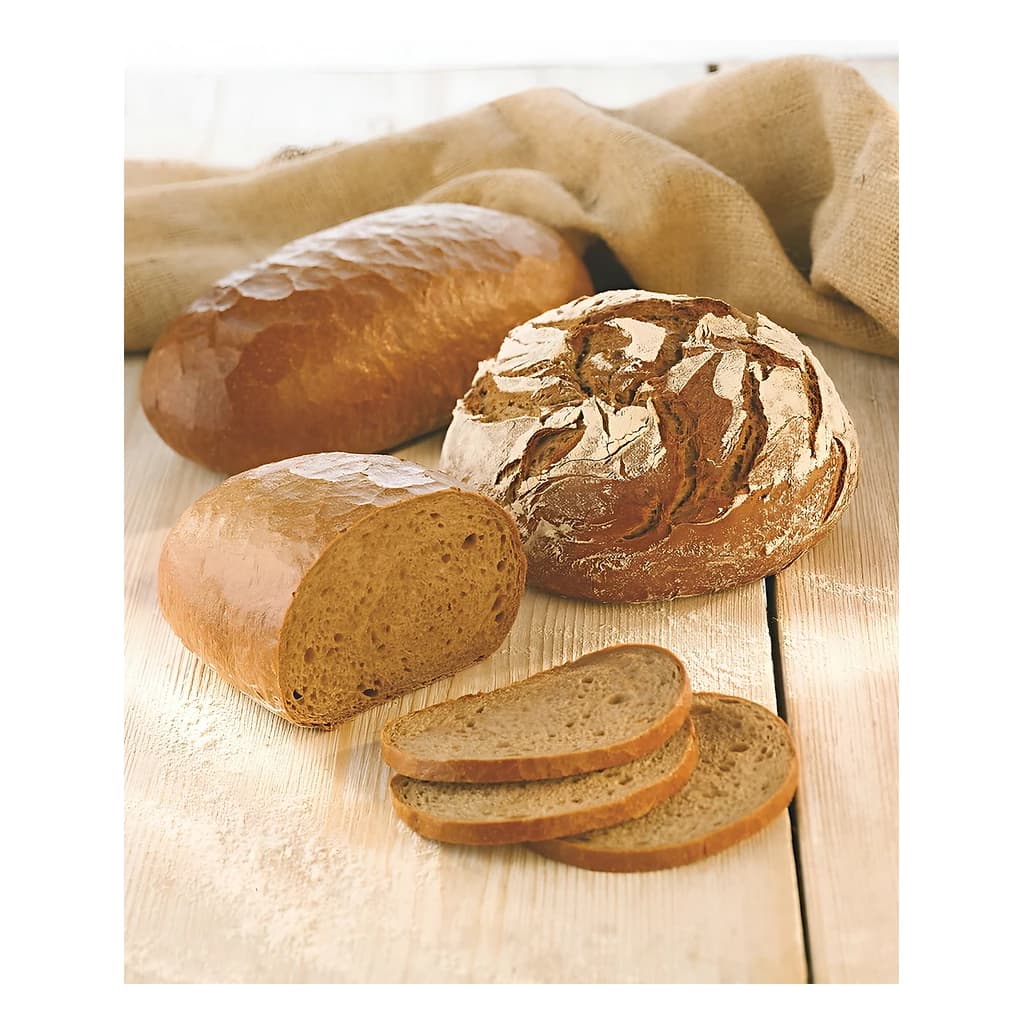
Ireks 100% Rye Bread Mix 25 kg
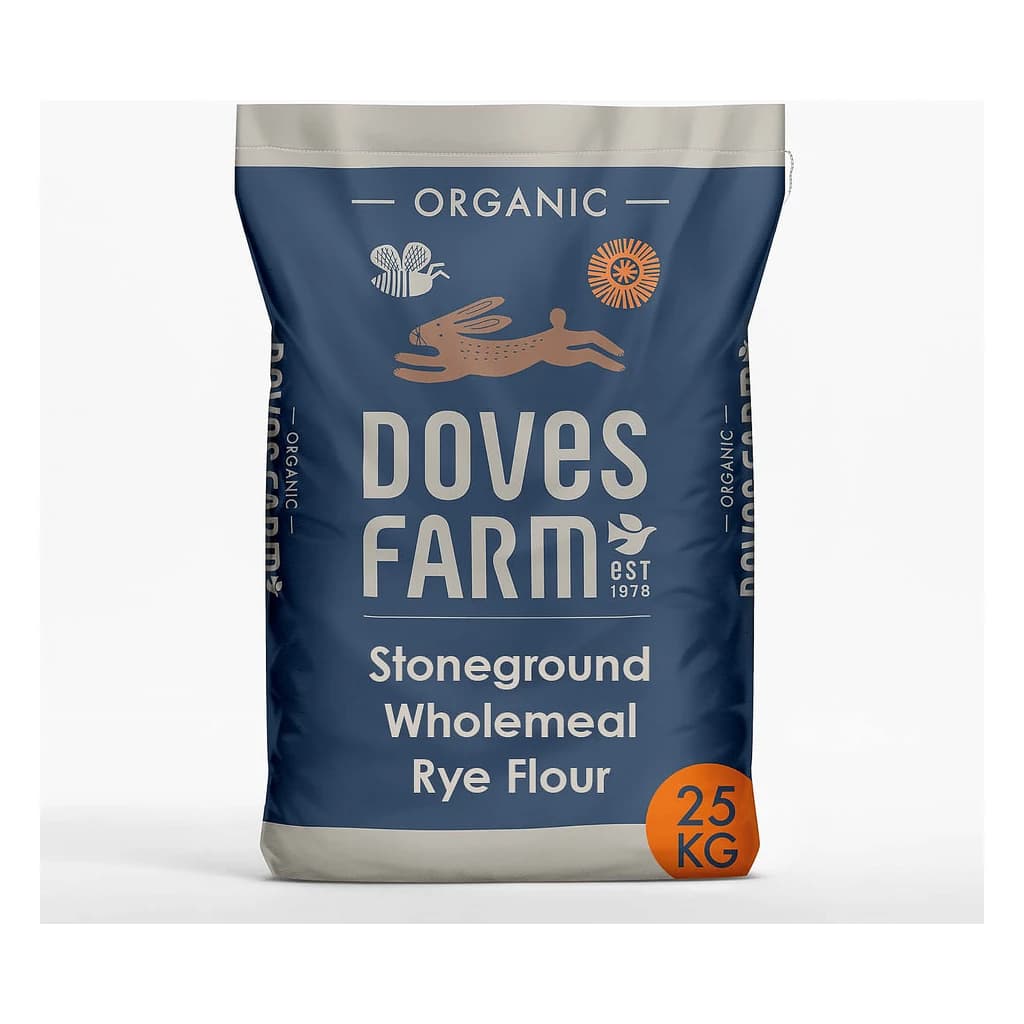
Organic Stoneground Wholemeal Rye Flour 25 kg
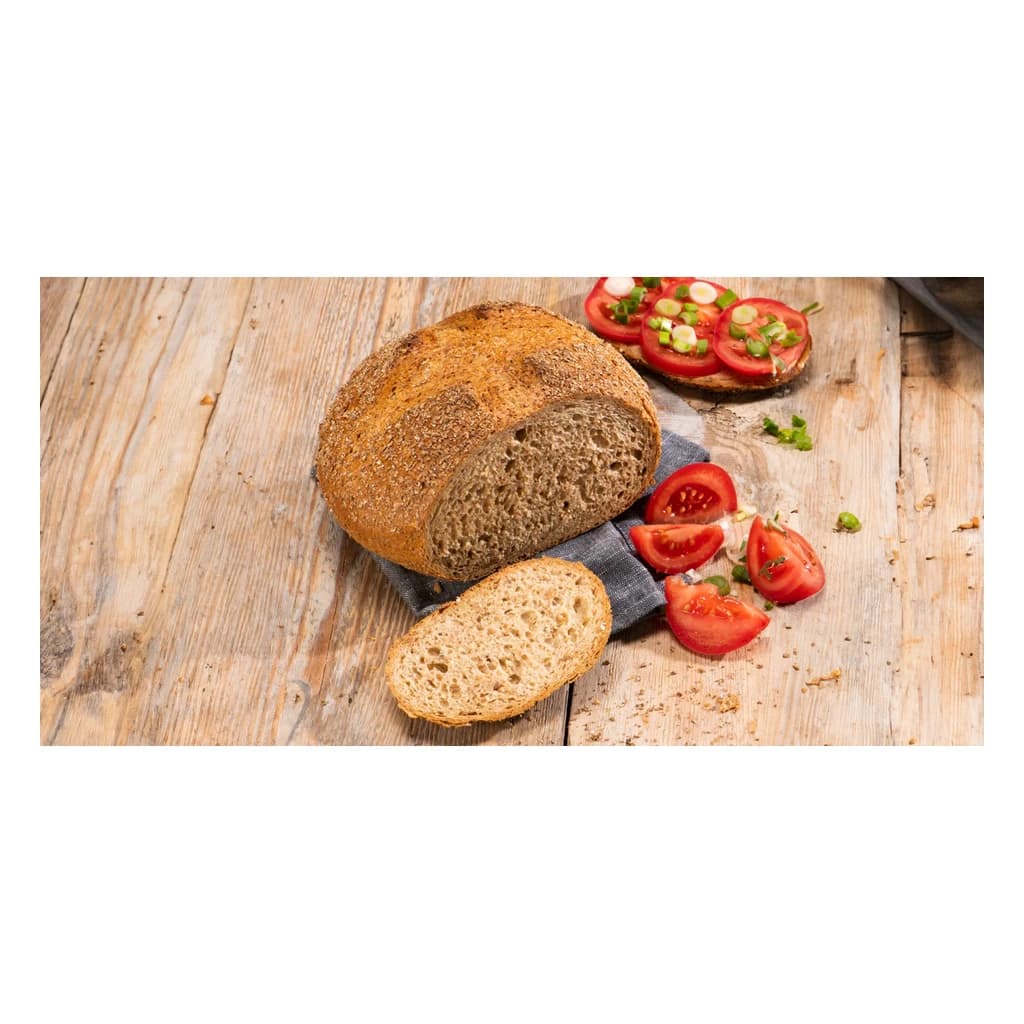
Zeelandia Bioferm Dark Liquid Sourdough 19 kg
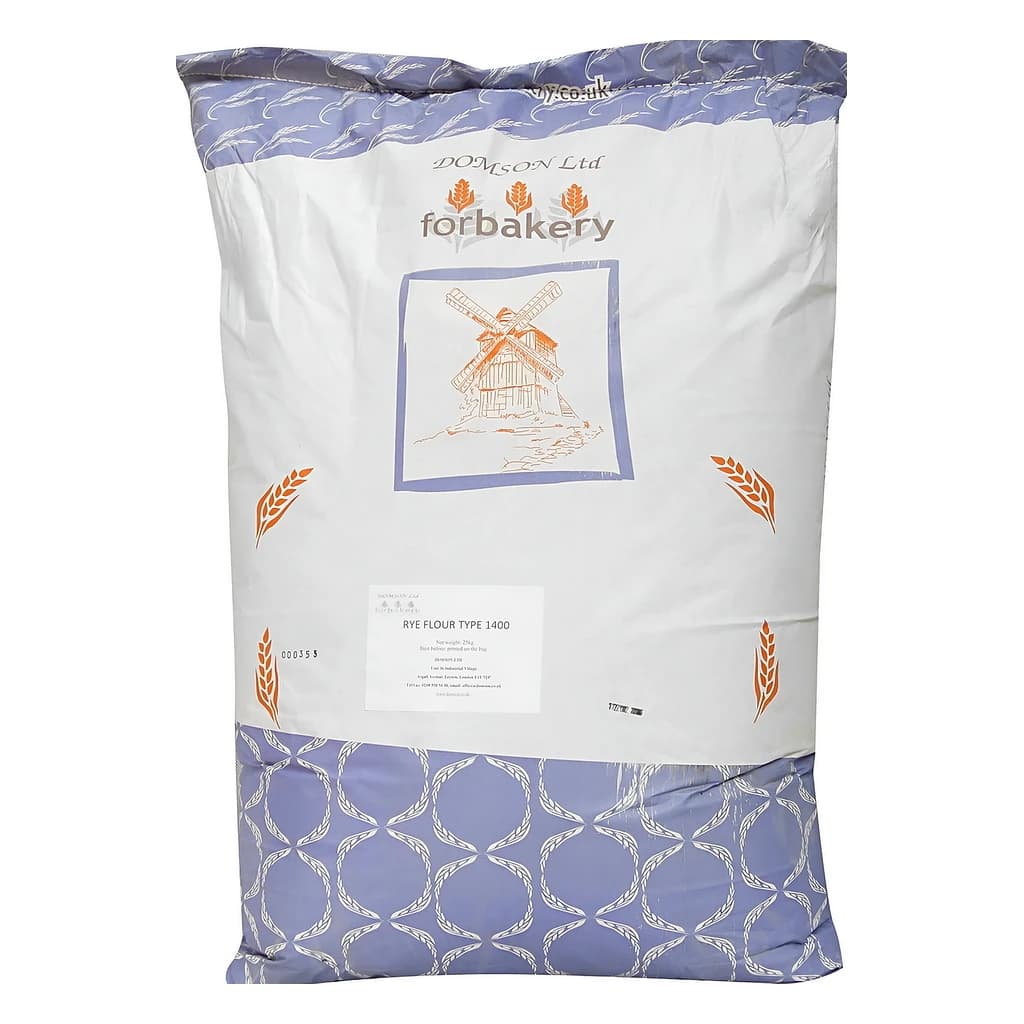
Rye Flour Type 1400 25 kg
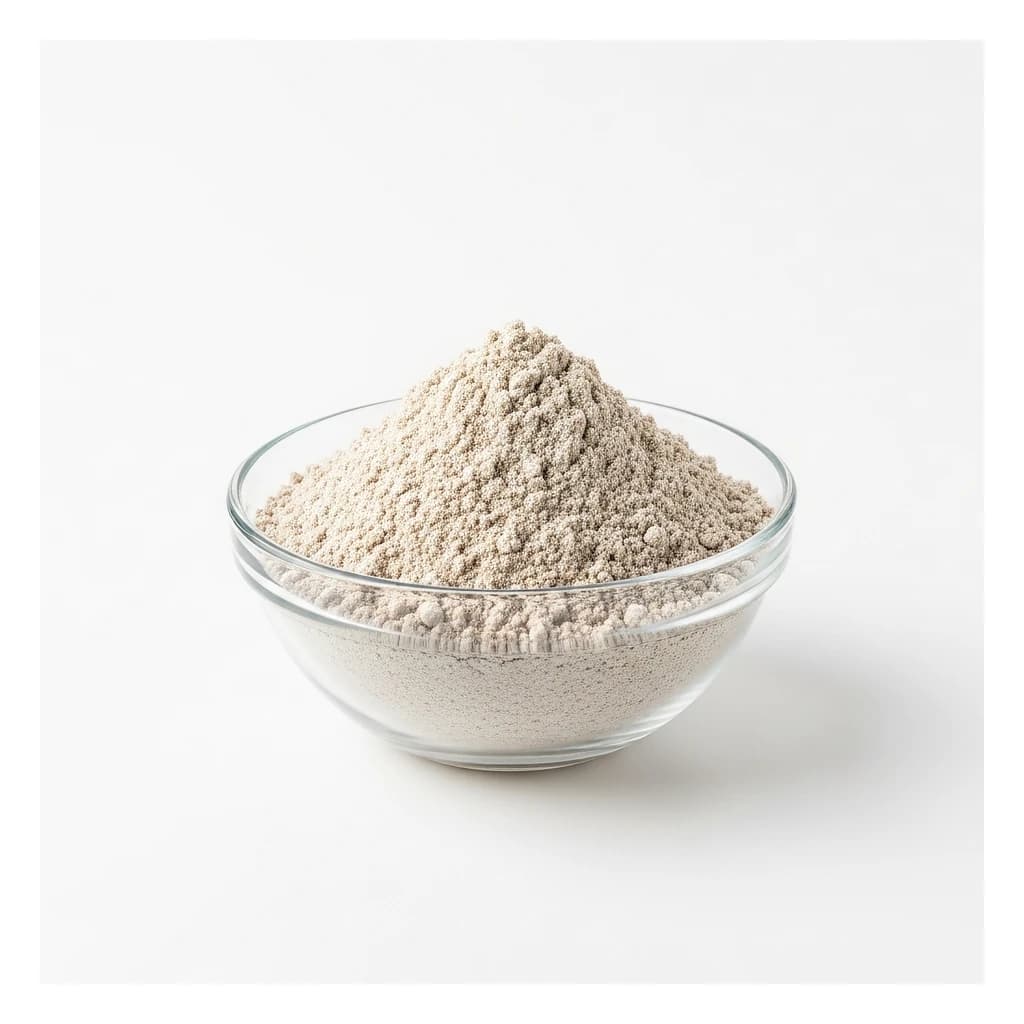
Rye Flour Type 997 25 kg