
Rye and wholegrain bread formulas: sourdough percentages, hydration and crumb density
Working rye and wholegrain formulas written in baker's percentage with flour = 100%. Eight tested formulas span the whole rye ladder - a light deli sponge rye, a Roggenmischbrot, a two-thirds rye levain with an old-bread soaker, dark pumpernickel, a 90% rye sourdough, a 100% wholegrain Vollkornbrot with a rye-chop soaker, a soft 100% wholemeal wheat pan loaf, and a catalogue shortcut using ready rye sourdough concentrates and complete mixes. Each formula gives ingredient rows in baker's %, a worked example at a real batch size, pre-fermented-flour and hydration figures, and a full process with temperatures and times. Headline percentages are drawn from King Arthur professional formulas, BAKERpedia, The Perfect Loaf, My German Recipes and Hamelman, with rye science from the IREKS Compendium. Ingredient choices are wired to real Domson catalogue products, with first-party spec data for rye and wholemeal flours, cracked rye, rye sourdough concentrates, a complete rye mix, vital wheat gluten, salt, yeast, malt and seeds.
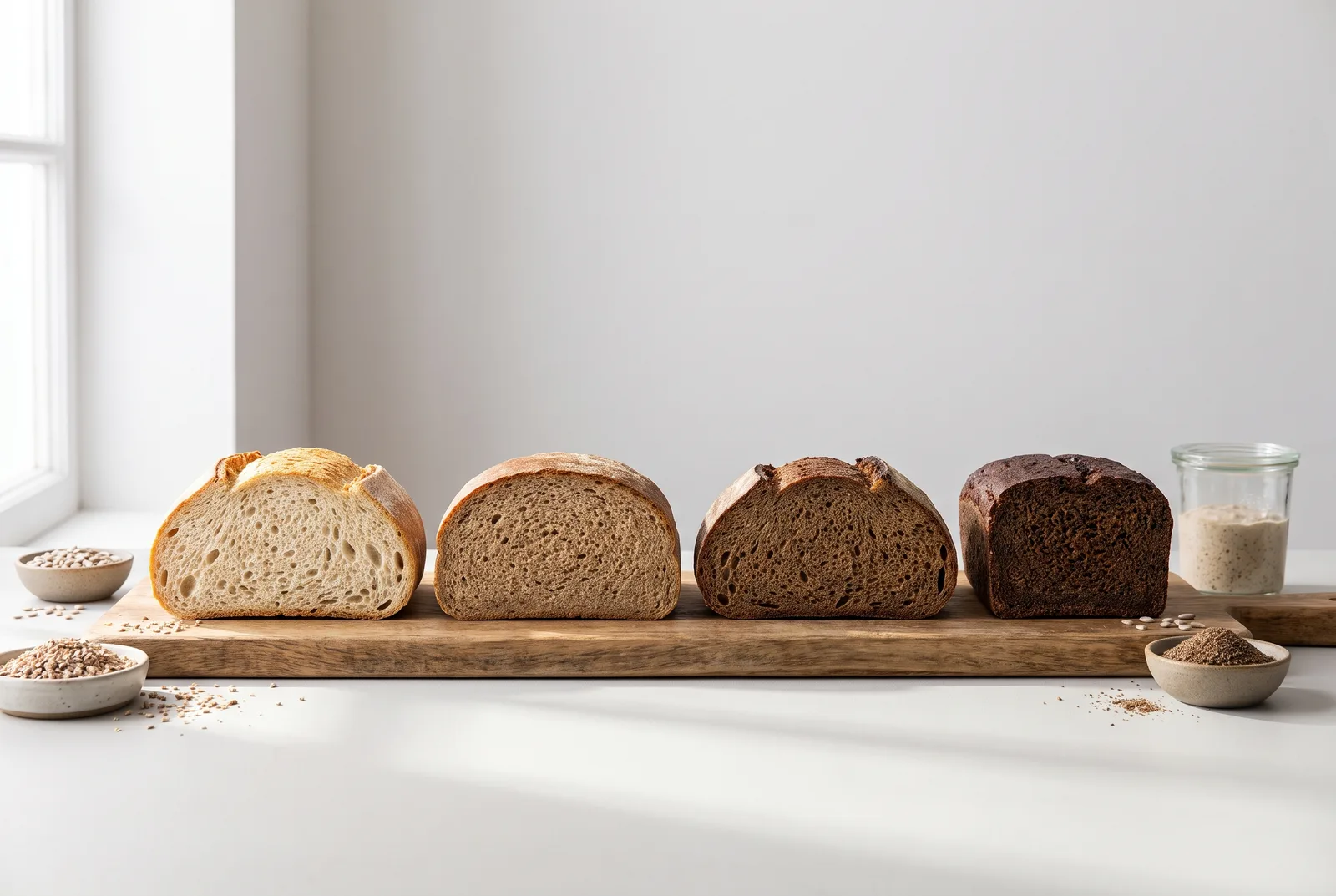
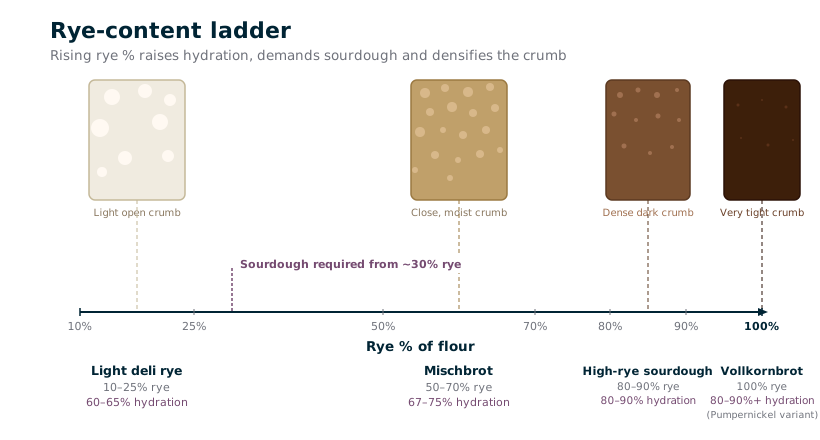 Diagram of five rye breads from low to high rye content with their crumb cross-sections and hydration.
1. The rye-content ladder
Everything about a rye or wholegrain loaf is governed by one number: what percentage of the flour is rye. As rye rises, hydration rises, sourdough goes from optional to non-negotiable, and the crumb gets denser, moister and longer-keeping. The full picture is in the table "Rye-content ladder" below, and the hero diagram above shows it at a glance.
Like every formula in this Academy, the recipes here are written in baker's percentage: each ingredient is a percentage of the total flour weight, which is always 100%. The master lever remains hydration:
Hydration (%) = (water weight / flour weight) x 100
The calculation does not change with flour type, but the right number does. Wholemeal wheat and rye drink far more water than white flour because the bran, germ and (in rye) the pentosans are "thirsty". A typical wholemeal wheat sits around 72%, while high-rye doughs run 80-90%+.
2. Why rye is not wheat
This is the single idea that makes rye baking make sense. Rye contains secalins, not the gliadin/glutenin gluten of wheat, so it cannot build a strong, gas-trapping gluten network. Instead rye crumb is held together by starch gelatinisation and pentosans. That has two consequences:
- Rye is mixed, not kneaded. A high-rye dough is a sticky paste; long mixing achieves nothing.
- Rye must be acidified. Rye flour is rich in alpha-amylase that stays active into the starch gelatinisation range during baking - left unchecked it degrades the starch and gives a wet, gummy crumb. Sourdough lowers the pH and suppresses the enzyme (its optimum is pH 5.0-5.5; it is suppressed at lower pH), and pH around 4.2 or below is the industry target for a finished rye sour.
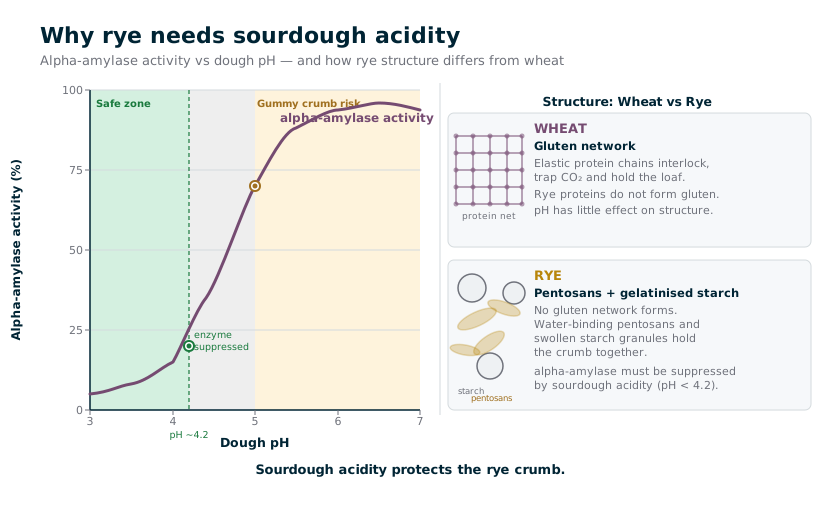 Diagram showing rye alpha-amylase activity falling as dough pH drops below about 4.2.
So sourdough is required above roughly 30% rye; below ~25% rye, a wheat-led sponge is enough. The contrast between white and wholegrain behaviour is tabulated in "Wholegrain vs white: why the rules change" below.
3. Three rye pre-builds: sour, soaker, shortcut
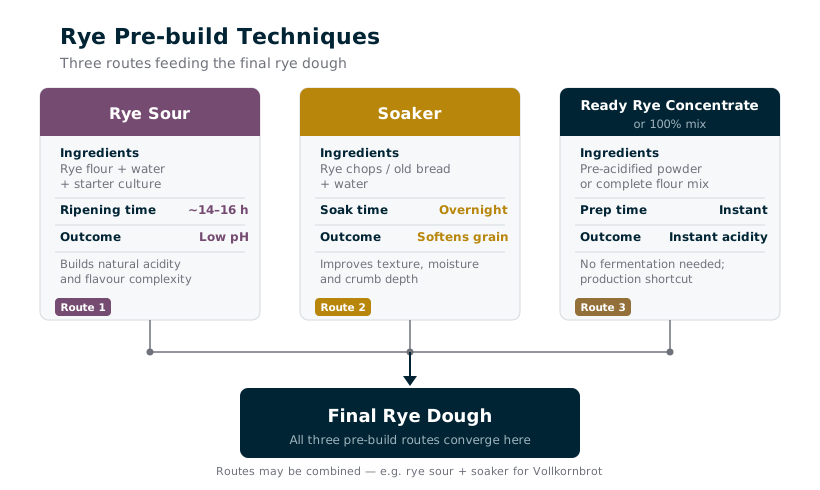 Flow diagram of rye sour, soaker and ready concentrate feeding into a final rye dough.
Rye formulas are built from components prepared ahead of the final mix:
- Rye sour (levain): part of the rye flour fermented with a culture to drop the pH. The bigger the rye fraction, the bigger the sour - pre-fermented flour climbs from ~20% in a deli rye to ~45% in a 90% rye (see the diagram below).
- Soaker: coarse grains, cracked rye / rye chops, or even toasted old bread, pre-hydrated so they soften and do not steal water from the dough - improving crumb softness, sweetness and keeping quality.
- Shortcut: a ready rye sourdough concentrate or a complete mix that delivers the acidity instantly and consistently (Section 9).
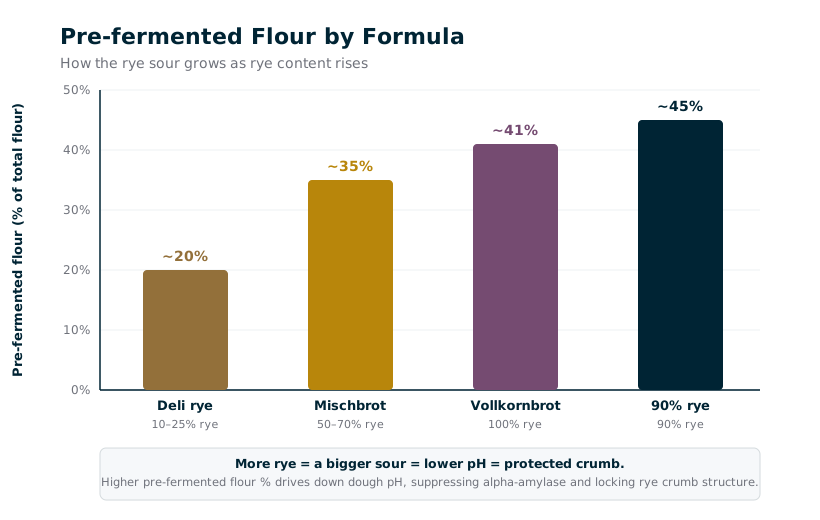 Bar chart of pre-fermented flour percentage rising with rye content across four formulas.
4. Handling and choosing the flour
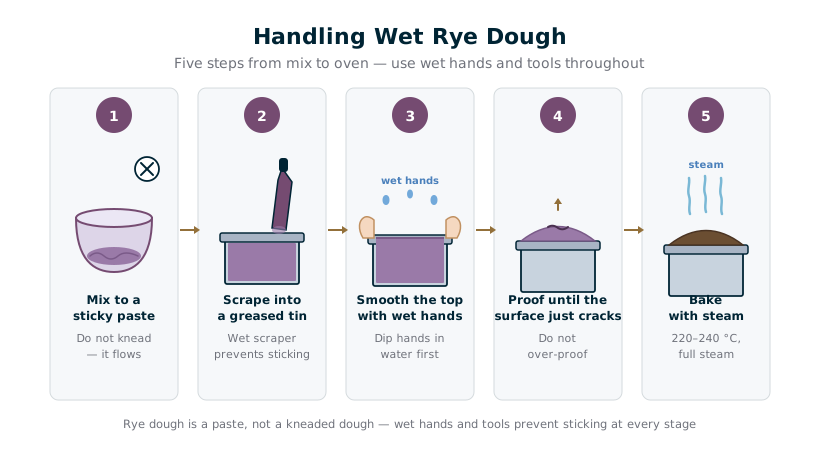 Five-step diagram for handling sticky rye dough into a tin with wet hands.
Handle rye with wet hands and tools, mix only to a homogeneous paste, bake dense ryes in tins, and rest dense loaves up to 24 hours before slicing to avoid a gummy cut.
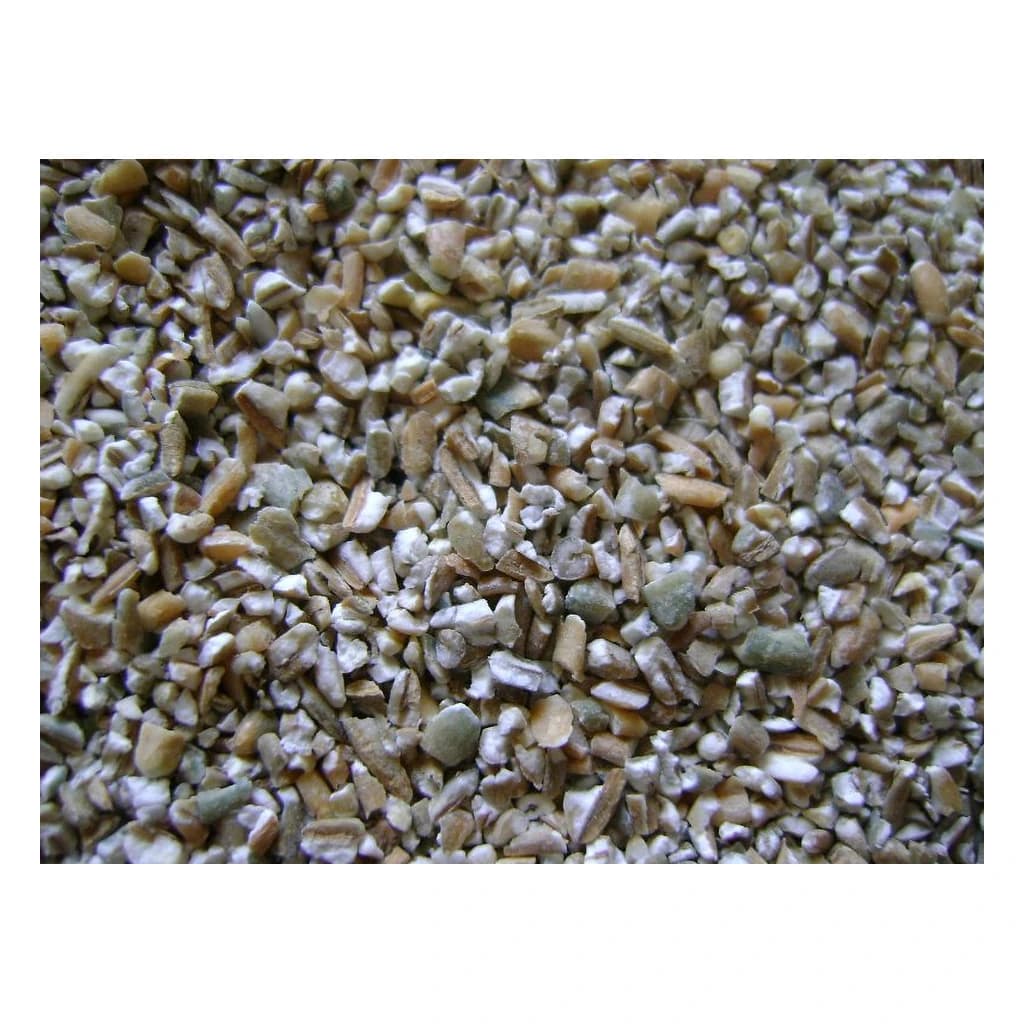
For the flour itself, match the grade to the style (full detail in "Rye and wholemeal flour grades" below). Rye is graded by extraction just like wheat: white rye (Type ~720, ash <0.78%), medium rye, dark/wholemeal rye (Type 2000, ash <2.0%), and pumpernickel flour = whole rye meal. Rye chops are coarsely cracked whole kernels for soakers. On the wheat side, graham / wholemeal wheat (Type 1850, ash <2.0%, protein ~12.3%) carries the structure in mixed ryes and wholemeal loaves. All of these contain gluten and must be declared.
From the catalogue: GoodMills Rye Type 720 and Komplexmłyn Rye Type 720 (light rye), GoodMills Wholemeal Rye Type 2000 and Doves Organic Wholemeal Rye (dark rye), Agrol Cracked Rye (chops), and for the wheat side GoodMills Graham Type 1850, Komplexmłyn Wholemeal Wheat Type 1850, Doves / Grampian / Chiltern / Carr's wholemeal wheat and Windrush Strong White. Where a high-bran or high-rye blend needs shoring up, add 1-3% vital wheat gluten (Beneo VWG, protein ~82%).
5. Roggenmischbrot: the everyday mixed rye
The Central-European daily bread is a rye-dominant mix - more than half rye, raised on a rye sour plus a little yeast. By German convention, Roggenmischbrot means over 50% rye. The formula card below computes the My German Recipes loaf as ~68.6% rye / 31.4% wheat, ~67% hydration (510 g water / 765 g flour), 1.3% salt, 0.9% yeast, with the rye sour pre-fermenting ~34.6% of the flour. Build the sour 24 hours ahead, mix to a sticky dough, proof 60+ minutes, then bake ~10 min at 240C then ~40 min at 200C with steam, and cool fully before slicing.
For a pure-levain version that also recycles waste, the formula card below (King Arthur professional) runs two-thirds rye (33% whole + 33% medium) and 34% white, 75% hydration, 2% salt, plus a 10% toasted old-bread soaker, total yield 187%. Its sour is whole rye at 83% hydration with 5% culture, built 16 h, the soaker is made at 200% hydration, dough temperature is 80-82F (27-28C), and it bakes at 450F (230C) ~50 min for a 1 kg loaf.
6. Light deli rye and dark pumpernickel: the two extremes
A light deli rye is wheat-led: the formula card below (BAKERpedia) is ~25% rye (20% in a sponge, 5% in the dough) and 75% wheat, 64% hydration, 2% salt, with optional caraway. The wheat carries the structure, so it mixes and proofs more like a wheat bread: sponge 3-4 h, short mixing, final proof 92-95F (33-35C) at 85% RH for 30-40 min, baked to an internal 204F (95C).
At the other extreme, pumpernickel is built on whole rye meal. The formula card below (BAKERpedia) is 70% rye meal + 30% clear wheat, a rye starter at 40.5% (20% rye + 20% water + 0.5% yeast), 55% water, 1% yeast, 2% salt, 3% honey/molasses, 0.2% caramel colour, 0.5% caraway - overall hydration ~62% counting the starter. The dark colour and sweet-malty flavour come from molasses + caramel via Maillard browning and caramelisation; use Molasses Sugar and rye malt from the catalogue for the colour role.
7. High-rye sourdough and 100% wholegrain Vollkornbrot
Push the rye higher and the sour gets bigger. The formula card below (The Perfect Loaf) is 90% whole dark rye + 10% white, 90% hydration, 1.8% salt, with a 100%-rye levain that pre-ferments 45% of the flour. That large sour drives the pH low from the start, exactly as Section 2 demands. Dough temperature is 82F (28C), bulk is a very short ~20 min, final proof ~1 h, and it bakes 450F 30 min with steam then 400F 30-35 min to an internal 200-204F; rest a day before slicing.
The wholegrain pinnacle is Vollkornbrot - 100% rye as a blend of meal and cracked grain. The formula card below (after Hamelman) is 68.4% rye meal + 31.6% rye chops, 82.1% hydration, ~2% salt, with 60% of the rye meal pre-fermented (~41% of total flour) and the chops held in a 100%-hydration soaker. Add 5-10% sunflower or flax seeds if you like. Mix to a wet paste, pack into a tin, proof until the surface cracks, bake low and long, and rest 24 h. Use Agrol Cracked Rye for the chops and Bioveri Sunflower Seeds for the inclusion.
8. Wholemeal wheat: a soft sandwich loaf
Not every wholegrain loaf is dense. The formula card below (King Arthur's Classic 100% Whole Wheat) is a soft, enriched 100% wholemeal pan loaf: flour 100%, water 75%, honey 21.25%, oil 12.5%, dried milk 7.5%, ~1.75% salt, ~2% yeast, baked at 350F (175C) for 40-50 min to an internal 190F (88C). The honey, oil and milk keep the crumb soft and extend shelf life; declare MILK as well as wheat gluten. For a leaner, much higher-hydration wholemeal sourdough sandwich (~90% hydration, ~2.1% salt with a cold retard) see the cited The Perfect Loaf reference. Good catalogue flours here are GoodMills Graham 1850, Doves Strong Wholemeal, Grampian, Chiltern and Carr's Bakers Wholemeal. If your wholemeal is low in protein, add 1-3% vital wheat gluten.
9. Catalogue shortcuts: ready rye sours and complete mixes
If you do not keep a rye sour, the catalogue carries acidified concentrates and complete mixes that deliver consistent acidity straight from the spec sheet (full dosages in "Ready-to-use rye sourdough products" below). The formula card below shows a 50/50 rye-wheat dough acidified with 4% Uldo Sauer Dark Rye concentrate (within its 2-8% range), 68% water, 2% salt, 1.5% yeast - no overnight build. Equivalent doses within spec: IREKS Natural Liquid Rye Sour 1-7% (pH 2.8-3.4), Zeelandia Bioferm Dark 2.5-4%, Superkwas (dry) ~1.3%.
The ultimate shortcut is a complete mix: IREKS 100% Rye Bread Mix is added at 100% (it already contains rye flour, salt, rye malt flour and dried rye sourdough) - just add water and yeast per the leaflet. The catalogue also stocks Komplet Żytniak CL and Zeelandia Hearty Rye mixes, and Backaldrin BAS and Lesaffre AS ECOL rye sours. Dose strictly to the spec - over-dosing makes the loaf sharp and can over-soften the dough.
10. Faults, fixes and food-safety
The faults specific to rye and wholegrain - gummy crumb, sticky unmanageable dough, dense low loaves, flying crust, over-sour, dry wholemeal, pale crust - and their remedies are in "Rye and wholegrain fault diagnosis and remedies" below. The recurring theme: most rye problems trace back to too little acidity, treating rye like wheat, or under-baking and slicing too soon.
Food-safety / allergen flag: All rye and wheat flours, rye meal and rye chops contain gluten and must be declared under EU Regulation 1169/2011 Annex II / UK FIR 2014. Note: Section 2 describes rye proteins as "secalins" to explain the absence of a wheat-type gluten network; rye is nonetheless a gluten-containing cereal under food law and allergen declaration for rye products is mandatory.
Allergen discrepancy — Uldo Sauer (verify before use): The Uldo Sauer spec sheet declares gluten as barley (barley malt ingredient), yet rye bran and rye flour are primary ingredients. A product containing rye should declare rye gluten; the barley-only listing may be incomplete. Verify the current product label — if both barley and rye gluten apply, both must be declared. The five listed cross-contamination allergens (milk, sesame, soy, lupin, egg) are all EU/UK Annex II allergens and each must appear on the label of any product using this concentrate.
Zeelandia Bioferm Dark contains MILK — any rye bread using this concentrate must declare milk even though it resembles a pure rye ingredient. Zeelandia figures are carried from the A2 dossier first-party reads; re-verify against current Zeelandia labels before use. The IREKS rye sour and 100% rye mix are rye-gluten.
The soft wholemeal pan loaf contains MILK (nonfat dried milk powder) and wheat gluten; honey is present. Pan-loaf salt and yeast weights were converted from teaspoons and are approximate — verify against the current King Arthur recipe before production.
Sunflower and flax seeds carry no mandatory EU/UK Annex II allergen declaration, but cross-contamination with gluten is a facility-specific risk; whether a "may contain" statement is legally required depends on your own allergen risk assessment, not on a blanket rule.
Mycotoxin risk: Rye and wholegrain rye products are susceptible to deoxynivalenol (DON), zearalenone (ZEA) and ergot alkaloids regulated under EU Regulation 1881/2006. Source from audited suppliers with certificates of analysis; keep cracked rye and rye meal below 14% moisture during storage to prevent mould formation.
Missing internal temperatures (Mischbrot and pumpernickel): The Roggenmischbrot and pumpernickel formula processes do not state a target internal temperature. Production SOPs must include probe thermometer verification; a minimum internal temperature of 95°C / 200°F is recommended for all dense tin-baked rye loaves. Dense rye loaves rested before slicing should be kept covered in a cool area (≤18°C / 65°F) during the rest period to prevent surface contamination.
German bread naming: The label "Roggenmischbrot" is a regulated designation under the German Leitsätze für Brot und Kleingebäck (51-89% rye flour); the My German Recipes blog source used for this dossier is not authoritative for this classification — verify against current German food-law guidance if using this name on a product label.
Re-verify every allergen, dosage and regulatory claim against current supplier specifications and applicable EU/UK legislation before any customer-facing labelling or production use.
11. Quick buying guide
| Need | Catalogue product |
|---|---|
| Light rye (Type 720) | GoodMills Rye Type 720; Komplexmłyn Rye Type 720 |
| Dark / wholemeal rye | GoodMills Wholemeal Rye Type 2000; Doves Organic Wholemeal Rye |
| Rye chops for soakers | Agrol Cracked Rye |
| Wholemeal wheat (graham) | GoodMills Graham 1850; Komplexmłyn Wholemeal 1850; Doves / Grampian / Chiltern / Carr's |
| Strong white (wheat side) | Windrush Strong White Bread Flour |
| Ready rye sour concentrate | Uldo Sauer Dark Rye; IREKS Natural Liquid Rye Sour; Zeelandia Bioferm Dark; Backaldrin BAS; Lesaffre AS ECOL |
| Complete rye mix | IREKS 100% Rye Bread Mix; Komplet Żytniak CL; Zeelandia Hearty Rye |
| Dough strengthener | Beneo VWG Vital Wheat Gluten |
| Crust colour / malt | IREKS Somex Malt Extract; Uldo Rye Malt Extract; Lithuanian Dark Rye Malt; Molasses Sugar |
| Seeds / spice | Bioveri Sunflower Seeds; Ros-Sweet Caraway Seeds |
| Yeast | Fermipan Red (instant); Benevia (fresh) |
| Salt | Sea Salt Extra Fine |
All eight formulas, the four comparison tables, the fault table and the key specs are
below; image briefs are in images.json.
Roggenmischbrot (mixed rye-wheat sourdough, ~69% rye)
The everyday Central-European mixed rye - more than half rye, raised on a rye sour plus a little yeast. Computed in baker's percentage from the My German Recipes Mischbrot. Flour (rye + wheat) = 100%.
| Ingredient | Baker's % | Weight |
|---|---|---|
| Rye flour (Type 720/2000; total across sour + dough) | 68.6 | 525 g |
| Strong wheat flour | 31.4 | 240 g |
| Water (total) | 66.7 | 510 g |
| Salt | 1.3 | 10 g |
| Instant dry yeast | 0.9 | 7 g |
| Total | 168.9 |
- 1) RYE SOUR: mix 265 g rye flour + 280 g water + 70 g mature rye starter; ferment ~24 h at a warm spot until bubbly and sour. 2) FINAL DOUGH: add the remaining 260 g rye, 240 g wheat, 230 g water, 10 g salt, 7 g yeast (and optional bread spice - caraway/coriander/fennel) to the sour; mix to a sticky, paste-like dough (do not knead like wheat). 3) Proof in a tin or floured banneton 60+ minutes until well risen and the surface just begins to crack. 4) Bake with steam: 10 min at ~240C (465F), then ~40 min at ~200C (390F), ~50 min total, to a deep crust. 5) Cool completely (ideally rest a day) before slicing.
Worked example
Total flour 765 g (525 g rye + 240 g wheat). Hydration = 510/765 = 66.7%. Dough = 525 + 240 + 510 + 10 + 7 = 1292 g (plus a 70 g mature rye-starter seed used to build the sour) - about one 1.2 kg loaf. Pre-fermented flour = 265/765 = 34.6%; the 70 g starter seed is 9.2% of flour. Scale x13 for a ~10 kg flour batch.
Yield: ~1.3 kg dough -> one large tin loaf per the home scale; scale all rows linearly for production (x13 ~ 10 kg flour).
Allergens: Gluten (rye, wheat). Add caraway/spice and declare accordingly.
Rye over 50% makes this a true Roggenmischbrot. Lengthen or warm the sour for more tang. A ready rye concentrate (see the concentrate shortcut formula card below) can replace the 24 h sour.
Two-thirds rye levain with old-bread soaker (Altbrot)
A pure-levain mixed rye (66% rye / 34% wheat) that recycles toasted old bread as a soaker for flavour, moisture and crust colour. From the King Arthur professional 'Old Bread Rye' formula. Flour = 100%.
| Ingredient | Baker's % | Weight |
|---|---|---|
| Whole rye flour (rye meal) | 33 | 3.3 kg |
| Medium rye flour | 33 | 3.3 kg |
| Strong white bread flour | 34 | 3.4 kg |
| Water | 75 | 7.5 kg |
| Salt | 2 | 0.2 kg |
| Old bread, darkly toasted (rehydrated in a 200% soaker) | 10 | 1 kg |
| Total | 187 |
- 1) 16 h ahead, build the rye sour (whole rye flour + 83% water + 5% mature culture). 2) Make the soaker from darkly toasted, ground old bread + twice its weight in water. 3) Mix the ripe sour, soaker, flours, water and salt on a spiral mixer ~3 min first speed + ~1 min second to a sticky rye dough; desired dough temperature 80-82F (27-28C). 4) Bulk 45 min. 5) Shape (tin or moulded). 6) Final proof ~75 min at 85F (29C). 7) Bake at 450F (230C) with steam, ~50 min for a 1 kg loaf, to a deep crust; cool fully.
Worked example
At 10 kg flour the total formula (187%) gives ~18.7 kg dough. SOURDOUGH PREFERMENT (build 16 h ahead): whole rye 100% + water 83% + culture 5%. SOAKER: 1 kg toasted old bread + ~2 kg water (200% hydration) - the soaker water is counted within the 75% total. Hydration = 75%.
Yield: ~18.7 kg dough per 10 kg flour; divide to taste. Old-bread soaker is a waste-saving Altbrot technique.
Allergens: Gluten (rye, wheat). The old bread carries the allergens of whatever loaf it came from.
The 200% soaker rehydrates the toasted bread fully so it does not steal water from the dough. King Arthur states total yield 187% and 75% hydration.
Light deli rye (sponge-dough, ~25% rye)
A light, soft, wheat-led rye - the New York/Central-European deli style. A rye-and-wheat sponge gives flavour while the wheat carries the structure. Based on the BAKERpedia rye-bread process. Flour = 100%.
| Ingredient | Baker's % | Weight |
|---|---|---|
| Strong / clear wheat flour | 75 | 7.5 kg |
| Rye flour (Type 720; 20% in sponge + 5% in dough) | 25 | 2.5 kg |
| Water (total) | 64 | 6.4 kg |
| Salt | 2 | 0.2 kg |
| Instant dry yeast (typical sponge-dough level) | 1 | 0.1 kg |
| Caraway seeds (optional) | 0.5 | 0.05 kg |
| Total | 167.5 |
- 1) SPONGE: combine ~2 kg rye flour (20% of total) with part of the water and yeast; ferment 3-4 h at room temperature. 2) FINAL MIX: add the wheat flour, remaining rye and water, salt and caraway; mix short - 1st speed ~1 min, then 2nd speed only to development (rye does not want long mixing). Dough temperature ~26C. 3) Shape and pan. 4) Final proof at 92-95F (33-35C), 85% RH, 30-40 min. 5) Bake at 425-450F (218-232C) with steam to an internal temperature of 204F (95C).
Worked example
At 10 kg flour -> ~16.75 kg dough (167.5% × 10 kg). Pre-fermented flour = the 20% rye sponge. Overall hydration 64% (BAKERpedia: sponge ~67%, dough portion ~24%).
Yield: ~16.25 kg dough per 10 kg flour. Caraway and a little rye malt are traditional for deli rye.
Allergens: Gluten (wheat, rye). Caraway added by choice.
Yeast level (~1%) and caraway (~0.5%) are typical/optional; flour split, hydration, salt and process are from BAKERpedia. Brush with starch glaze for the classic deli sheen.
Pumpernickel (70% whole rye meal, dark)
A dark, dense, coarse rye built on whole rye meal plus a rye starter, coloured by molasses and caramel. From the BAKERpedia pumpernickel process. Dough flour (rye meal + clear wheat) = 100%; the rye starter is shown as an addition.
| Ingredient | Baker's % | Weight |
|---|---|---|
| Whole rye meal (pumpernickel flour) | 70 | 7 kg |
| Clear wheat flour | 30 | 3 kg |
| Rye sourdough starter (20% rye flour + 20% water + 0.5% IDY) | 40.5 | 4.05 kg |
| Water | 55 | 5.5 kg |
| Instant dry yeast | 1 | 0.1 kg |
| Salt | 2 | 0.2 kg |
| Honey or molasses | 3 | 0.3 kg |
| Caramel colour | 0.2 | 0.02 kg |
| Ground caraway | 0.5 | 0.05 kg |
| Total | 202.2 |
- 1) RYE STARTER: 2 kg rye flour + 2 kg water + 50 g instant yeast; ferment to ripe. 2) MIX: combine all dough ingredients with the starter; mix low ~1 min then to development on the wheat side (short overall). Dough temperature ~26C (79F). 3) Pan. 4) Proof at 95F (35C), 80% RH, ~40 min. 5) Bake at 450F (230C) for 30-40 min. The molasses + caramel drive Maillard browning and the characteristic dark colour and sweet-malty flavour.
Worked example
At 10 kg dough flour -> ~20.2 kg dough. Counting the starter's 2 kg rye flour, total flour ~12 kg and total water ~7.5 kg, so overall hydration ~62%. BAKERpedia lists the total formula at ~201.45% (the small difference is rounding of the listed rows).
Yield: ~20.2 kg dough per 10 kg dough flour. A long, low bake (true German pumpernickel steams for many hours) gives an even darker, sweeter crumb.
Allergens: Gluten (rye, wheat). Honey present (declare if vegan claims are made).
American-style pumpernickel uses more wheat and added colour for volume; the original Westphalian style is near-100% coarse rye baked very long. Molasses Sugar from the catalogue suits the colour role.
90% rye sourdough (high-rye, large sour)
A near-100% rye loaf that shows the high-rye rule: a very large levain (45% of the flour pre-fermented) and high hydration. From The Perfect Loaf 'Sourdough 90% Rye'. Flour = 100%.
| Ingredient | Baker's % | Weight |
|---|---|---|
| Whole dark rye flour (Type 2000 / pumpernickel) | 90 | 900 g |
| Strong white bread flour | 10 | 100 g |
| Water | 90 | 900 g |
| Salt | 1.8 | 18 g |
| Total | 191.8 |
- 1) LEVAIN: build a 100%-rye levain (e.g. 450 g rye + 450 g water + active rye starter) and ripen ~12 h at 74-76F (23-24C). 2) MIX: combine the ripe levain with the remaining flour, water and salt to a thick, sticky paste; desired dough temperature 82F (28C). 3) Very short bulk ~20 min. 4) Scrape into greased tins with wet hands; smooth the top with wet hands. 5) Final proof ~1 h until the surface shows fine cracks. 6) Bake at 450F (230C) 30 min with steam, then 400F (205C) 30-35 min to an internal 200-204F (93-96C). 7) Rest at least a day before slicing.
Worked example
Total flour 1000 g. Hydration = 900/1000 = 90%. Salt = 18/1000 = 1.8%. LEVAIN (100% rye, 100% hydration) pre-ferments 45% of total flour = 450 g rye flour + 450 g water + a small mature-starter seed. Dough ~1918 g + seed = about two 900 g tin loaves.
Yield: ~1.9 kg dough per 1 kg flour -> two tin loaves. Keep all percentages fixed when scaling to production.
Allergens: Gluten (rye, wheat).
The 45% pre-fermented flour drives acidity high (low pH) from the start, controlling rye alpha-amylase. Wet hands and tools are the key handling trick - this dough is a paste, not a kneadable dough.
Vollkornbrot (100% wholegrain rye with rye-chop soaker)
The dense German wholegrain rye - 100% rye as a blend of whole rye meal and cracked rye chops, with a large sour and a soaker. After Jeffrey Hamelman's Vollkornbrot. Flour (meal + chops) = 100%.
| Ingredient | Baker's % | Weight |
|---|---|---|
| Whole rye meal (pumpernickel flour) | 68.4 | 684 g |
| Cracked rye / rye chops (used in the soaker) | 31.6 | 316 g |
| Water (total: sour + soaker + final dough) | 82.1 | 821 g |
| Salt | 2 | 20 g |
| Total | 184.1 |
- 1) RYE SOUR: build a sour with ~410 g of the rye meal, water and mature rye culture; ripen ~14-16 h. 2) SOAKER: cover 316 g rye chops with 316 g hot water; hold overnight to soften (so the chops do not rob the dough of water). 3) MIX: combine sour, soaker, the remaining rye meal, the rest of the water and the salt (and seeds) to a wet paste - no kneading. 4) Pack into a greased tin; smooth with wet hands; proof until the surface cracks. 5) Bake low and long (~250C dropping to ~190C, 60+ min) to a high internal temperature. 6) Rest 24 h before slicing - essential for this dense crumb.
Worked example
Total flour 1000 g (684 g rye meal + 316 g rye chops). Hydration = 821/1000 = 82.1%. RYE SOUR pre-ferments 60% of the rye meal = 0.60 x 684 = ~410 g of the meal (~41% of total flour). SOAKER = 316 g rye chops + 316 g water (100% hydration). Optional: 5-10% sunflower or flax seeds as an inclusion.
Yield: ~1.8 kg dense dough per 1 kg flour -> one large tin loaf. Keeps a week or more thanks to the high acidity and moisture.
Allergens: Gluten (rye). If sunflower/flax seeds are added: no gluten in the seeds, but possible cross-contamination - declare.
Hamelman figures (68.4% meal / 31.6% chops, 82.1% hydration, 60% of the meal pre-fermented) are via community documentation - confidence medium; salt ~2% is the working norm. The soaker softens the chops and improves keeping quality.
Soft 100% wholemeal wheat pan loaf (enriched, yeasted)
A practical, soft 100% wholemeal wheat sandwich loaf for everyday production - hydrated at 75% with honey, oil and milk powder for softness and shelf life. From King Arthur's Classic 100% Whole Wheat Bread (weights). Flour = 100%.
| Ingredient | Baker's % | Weight |
|---|---|---|
| Wholemeal wheat flour (Type 1850/2000 graham or stoneground) | 100 | 400 g |
| Water | 75 | 300 g |
| Honey (or molasses / maple syrup) | 21.25 | 85 g |
| Vegetable oil | 12.5 | 50 g |
| Nonfat dried milk powder | 7.5 | 30 g |
| Salt (1 1/4 tsp) | 1.75 | 7 g |
| Instant yeast (2 1/2 tsp) | 2 | 8 g |
| Total | 220 |
- 1) Mix and knead all ingredients 6-8 min (machine) to a soft, slightly tacky dough. 2) Rise ~1 h until puffy. 3) Shape and pan in a greased loaf tin. 4) Proof until the dough crowns the rim by ~1 inch (2.5 cm). 5) Bake at 350F (175C) for 40-50 min to an internal 190F (88C). 6) Cool ~2 h before slicing.
Worked example
One loaf: 400 g wholemeal flour + 300 g water + 85 g honey + 50 g oil + 30 g milk powder + ~7 g salt + ~8 g yeast = ~880 g dough -> 16 slices. Hydration from water alone = 300/400 = 75% (the honey adds further moisture). Scale x25 for a ~10 kg flour batch.
Yield: One sandwich loaf (16 slices). Honey/oil/milk keep the crumb soft and extend shelf life vs a lean wholemeal.
Allergens: Gluten (wheat). MILK (nonfat dried milk powder). Honey present.
Salt and yeast were converted from teaspoons (approximate). For a leaner wholemeal sourdough sandwich at much higher hydration see The Perfect Loaf whole-wheat sandwich (cited). Add 1-3% vital wheat gluten if your wholemeal is low in protein.
Mixed rye-wheat using a ready rye sourdough concentrate (catalogue shortcut)
A 50/50 rye-wheat dough acidified with a ready-to-use rye sour concentrate instead of an overnight build - the same crumb and tang with batch-to-batch consistency. Dosage straight from the supplier spec sheets. Flour = 100%.
| Ingredient | Baker's % | Weight |
|---|---|---|
| Rye flour (Type 720/2000) | 50 | 5 kg |
| Strong wheat flour | 50 | 5 kg |
| Rye sourdough concentrate (e.g. Uldo Sauer Dark Rye; dose 2-8%) | 4 | 0.4 kg |
| Water | 68 | 6.8 kg |
| Salt | 2 | 0.2 kg |
| Instant dry yeast | 1.5 | 0.15 kg |
| Total | 175.5 |
- 1) Mix flours, concentrate, water, salt and yeast to a sticky rye-wheat dough; mix short. 2) Brief bulk rest. 3) Shape/pan; proof ~45-60 min. 4) Bake with steam at ~230C (450F) to a deep crust and high internal temperature. ALL-IN-ONE OPTION: IREKS 100% Rye Bread Mix is a complete mix at 100% addition (already contains rye flour, salt, rye malt flour and dried rye sourdough) - just add water and yeast per the manufacturer leaflet.
Worked example
At 10 kg flour -> ~17.55 kg dough. The 4% concentrate (within the 2-8% spec range) replaces an overnight rye sour and sets the acidity directly. Equivalent doses within spec: IREKS Natural Liquid Rye Sour 1-7%, Zeelandia Bioferm Dark 2.5-4%, Superkwas (dry) ~1.3%.
Yield: ~17.55 kg dough per 10 kg flour. Adjust the concentrate dose within the spec range to dial tang up or down.
Allergens: Gluten (rye, wheat). Uldo Sauer concentrate contains barley; Zeelandia Bioferm contains milk; IREKS rye sour/mix are rye-gluten. Always check the current label.
Concentrates remove the need to maintain a sour and guarantee the low pH that protects the rye crumb. Dose strictly to the spec - over-dosing makes the loaf sharp and can over-soften the dough.
The single most important decision in rye and wholegrain baking is what proportion of the flour is rye. As rye rises, hydration rises, sourdough becomes non-negotiable, and the crumb gets denser, moister and longer-keeping. Rye-mixed bread (Roggenmischbrot) by German convention contains more than 50% rye.
| Bread style | Rye % of total flour | Typical hydration (water on flour) | Sourdough needed? | Crumb character |
|---|---|---|---|---|
| Light deli / sponge rye | 10-25% | 60-65% | Optional (sponge or a little sour for flavour) | Light, open, soft - structure is carried by the wheat |
| Graubrot / lower-rye Mischbrot | 30-50% | 65-70% | Recommended | Even, moderately close, mild tang |
| Roggenmischbrot (rye-dominant) | 50-70% | 67-75% | Required | Close, moist, pronounced sour flavour |
| High-rye sourdough | 80-90% | 80-90% | Required (large sour, ~40-45% pre-fermented flour) | Dense, moist, dark, tangy |
| 100% rye / Vollkornbrot / Pumpernickel | 100% | 80-90%+ | Required (low pH is essential) | Very dense, moist, tight; keeps for days/weeks |
Hydration bands cross-checked against BAKERpedia, The Perfect Loaf, King Arthur and the My German Recipes Mischbrot worked example. Above ~30% rye, sourdough acidification protects the crumb from rye's own alpha-amylase (see article). Rye is mixed, not kneaded.
Rye and wheat are both graded by how much of the bran and germ is retained - shown in Europe as a Type number (higher Type = more bran = higher ash). Coarse rye meal and rye chops add texture and need a soaker.
| Flour / grade | What it is | Ash / extraction (spec where known) | Best for |
|---|---|---|---|
| White rye (Type ~720) | Lighter rye, most bran removed | Ash <0.78% (GoodMills Type 720) | Light deli rye, the rye fraction of Mischbrot |
| Medium rye | More bran than white rye, mid colour | Mid extraction | Mischbrot, balanced rye flavour |
| Dark / wholemeal rye (Type 2000) | Near-whole or whole rye | Ash <2.0% (GoodMills Type 2000) | Dark Roggenbrot, high-rye sourdough |
| Pumpernickel flour / rye meal | Whole rye kernel, coarse grind | Whole grain | Pumpernickel, Vollkornbrot |
| Rye chops / cracked rye | Coarsely broken whole rye kernels | Whole grain (moisture <14%) | Soakers for texture in Vollkornbrot |
| Graham / wholemeal wheat (Type 1850) | High-extraction or whole wheat | Ash <2.0% (GoodMills Type 1850) | Wholemeal wheat loaves and blends |
Grade names per King Arthur 'Types of Rye Flour'; ash and falling-number figures are first-party from GoodMills Polska Type 720/2000/1850 and Agrol cracked-rye spec sheets. 'Pumpernickel flour' = whole rye meal = the coarsest whole-rye grind.
If you do not maintain a rye sour, the catalogue stocks acidified concentrates and complete mixes that deliver consistent acidity. Dose strictly to the spec sheet - these are the first-party figures.
| Product | Form | Dosage on flour | pH / acidity | Allergens |
|---|---|---|---|---|
| Uldo Sauer Dark Rye Sourdough Concentrate | Paste | 2-8% | pH 2.5-4.5; total acidity 140-150 | Gluten (barley); traces milk/sesame/soy/lupin/egg |
| IREKS Natural Liquid Rye Sour | Liquid | 1-7% | pH 2.8-3.4; acidity 190-210 | Gluten (rye) |
| Zeelandia Bioferm Dark Liquid Sourdough | Liquid | 2.5% (50/50 rye-wheat) to 4% (100% rye) | pH 2.4-2.8; SH 250-260 | Gluten (rye/wheat/barley); milk |
| Zeelandia Superkwas (dry) | Powder | ~1.3% (1.3 kg per 100 kg flour) | Acidulant blend | Wheat, rye; barley/oat/spelt cross-contamination |
| IREKS 100% Rye Bread Mix | Complete mix | 100% (just add water + yeast) | Mix pH 4.1-5.0 | Gluten (rye) |
All values first-party from supplier spec sheets. Bioferm Dark and Superkwas figures are carried from the A2 rye-sourdough dossier's first-party reads. Re-verify allergens and dosage against the current label before production.
Wholemeal wheat and (especially) rye behave nothing like white bread flour. Knowing why prevents most rye/wholegrain faults.
| Property | White wheat flour | Wholemeal wheat / rye |
|---|---|---|
| Water uptake | Lower | Higher - bran and (in rye) pentosans are 'thirsty' |
| Typical hydration | ~60-70% | ~72% wholemeal wheat; ~80-90%+ high rye |
| Protein network | Strong, elastic gluten | Wheat: gluten cut by bran. Rye: secalins, no real gluten |
| Structure relies on | Gluten gas-trapping | Wheat: weakened gluten. Rye: starch gelatinisation + pentosans |
| Mixing | Develop fully | Mix less; rye is mixed to a paste, not kneaded |
| Acidification | Not required | Rye needs sourdough/low pH to control alpha-amylase |
Rye/wheat structural difference and the alpha-amylase point from BAKERpedia and the IREKS Compendium; hydration guidance from King Arthur and The Perfect Loaf. A little vital wheat gluten (1-3%) can shore up a high-bran wheat or high-rye blend.
The faults that are specific to rye and wholegrain doughs and their fixes. Most rye problems trace back to insufficient acidity, treating rye like wheat, or under-baking. Verify against your own process before changing a production formula.
| Fault | Likely cause | Remedy |
|---|---|---|
| Gummy, dense, 'unbaked' rye crumb | High pH (too little acidity) lets rye alpha-amylase break down starch; under-baked; sliced too soon | Use a proper rye sour or concentrate to reach low pH; bake longer/lower to a high internal temperature; rest 24 h before slicing |
| Dough impossibly sticky / unmanageable | Rye has no gluten; over-hydrated for the flour; handled like wheat | Wet hands and tools; mix to a paste, don't knead; bake in tins; reduce water slightly if needed |
| Loaf too dense / poor rise | Rye cannot trap gas like wheat; sour under-active; dough too cold | Accept a denser crumb; ensure an active sour; warmer dough (28-30C); add a little vital wheat gluten in mixed ryes |
| Flat top / 'flying crust' (crust lifts off crumb) / large cracks | Over-proofed; too little acidity; crust set before the crumb finished expanding | Proof only until the surface just cracks; raise acidity; dock the surface and manage steam |
| Crumb too sour / sharp | Sour over-ripe, too warm, or concentrate over-dosed | Use a younger sour, ferment cooler, dose concentrate to the lower end of the spec range |
| Wholemeal wheat loaf dry / crumbly | Under-hydrated (bran is thirsty); bran cutting the gluten; over-baked | Raise hydration 3-5%; add 1-3% vital wheat gluten; use a soaker; do not over-bake |
| Pale, dull rye crust | Low residual sugar; oven too cool | Add rye malt / malt extract; raise oven temperature; use molasses/caramel for pumpernickel colour |
Buy the ingredients
Catalogue products and brands referenced in this article.

Rye Flour Type 720 20 kg
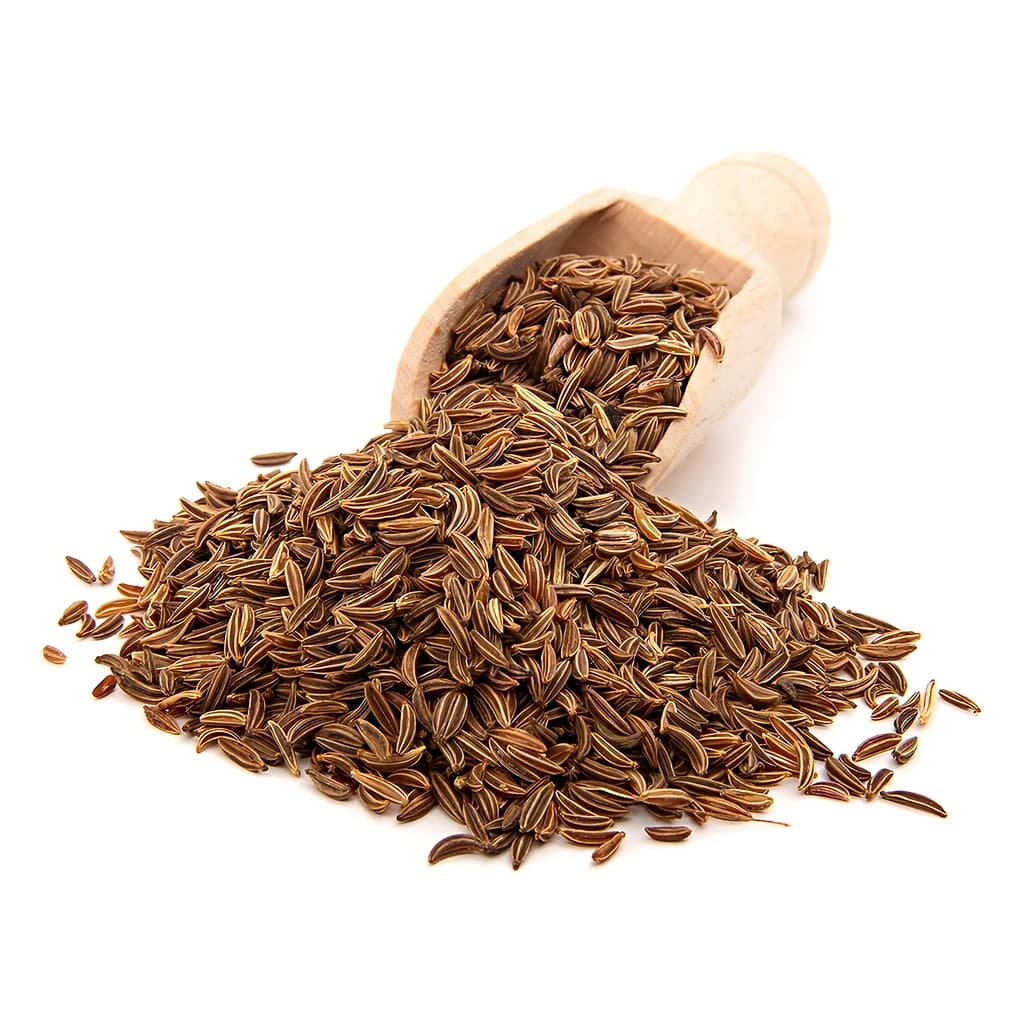
Caraway Seeds 25 kg
Lithuanian Dark Rye Malt 25 kg
Sauer Dark Rye Sourdough Concentrate 25 kg
Uldo Dark Barley Malt Extract 14 kg
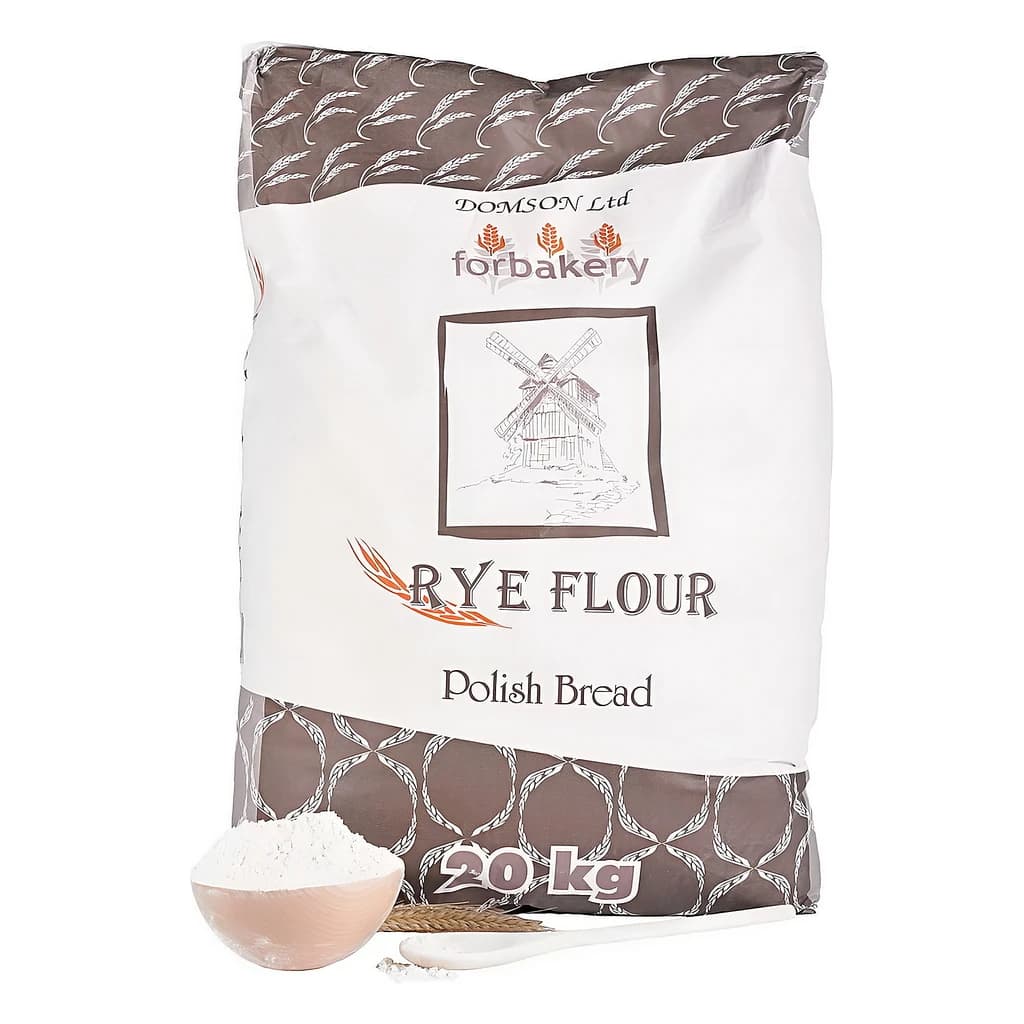
Rye Flour Type 720 25 kg
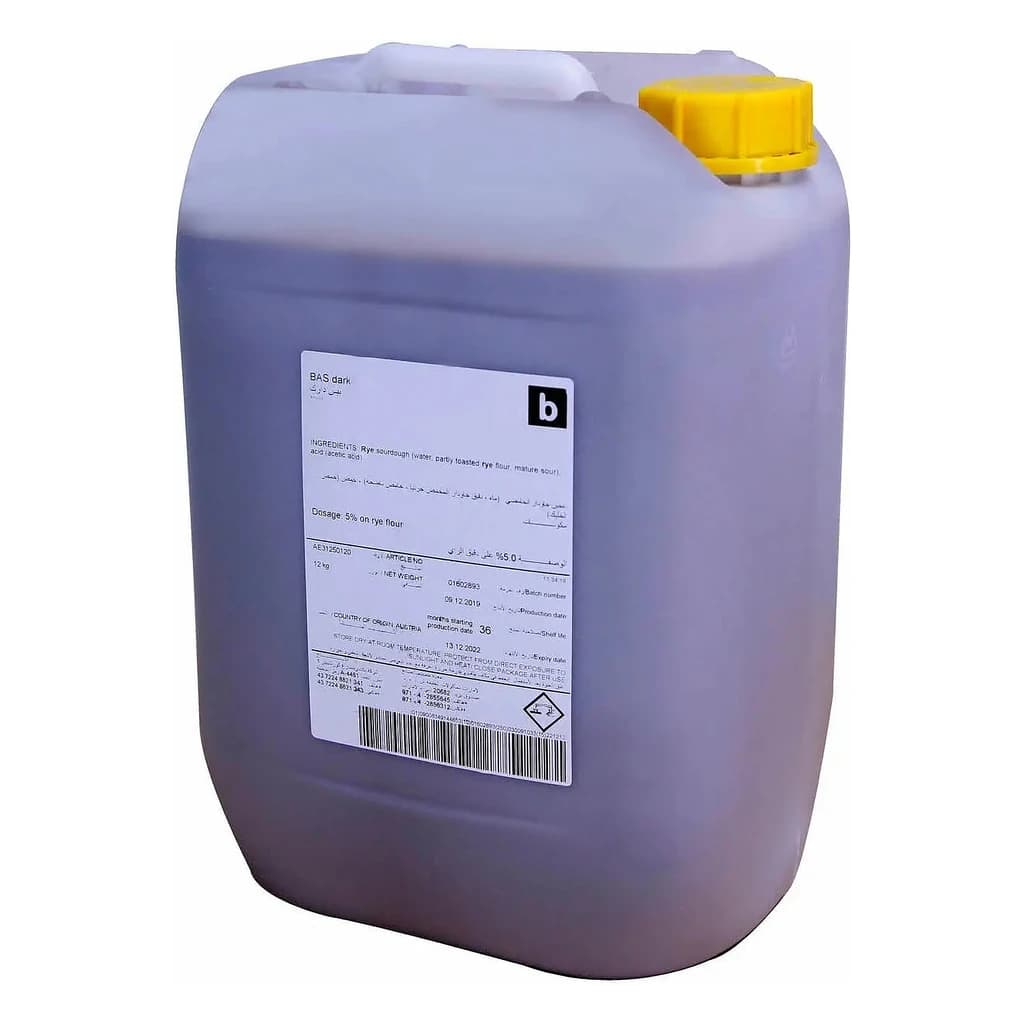
Backaldrin BAS Dark Liquid Rye Sourdough 12 kg
Cracked Rye 25 kg
Beneo BeneoPro VWG 75 Vital Wheat Gluten 25 kg
IREKS Somex Liquid Malt Extract 15 kg
Zeelandia Hearty Rye Bread Mix 25 kg
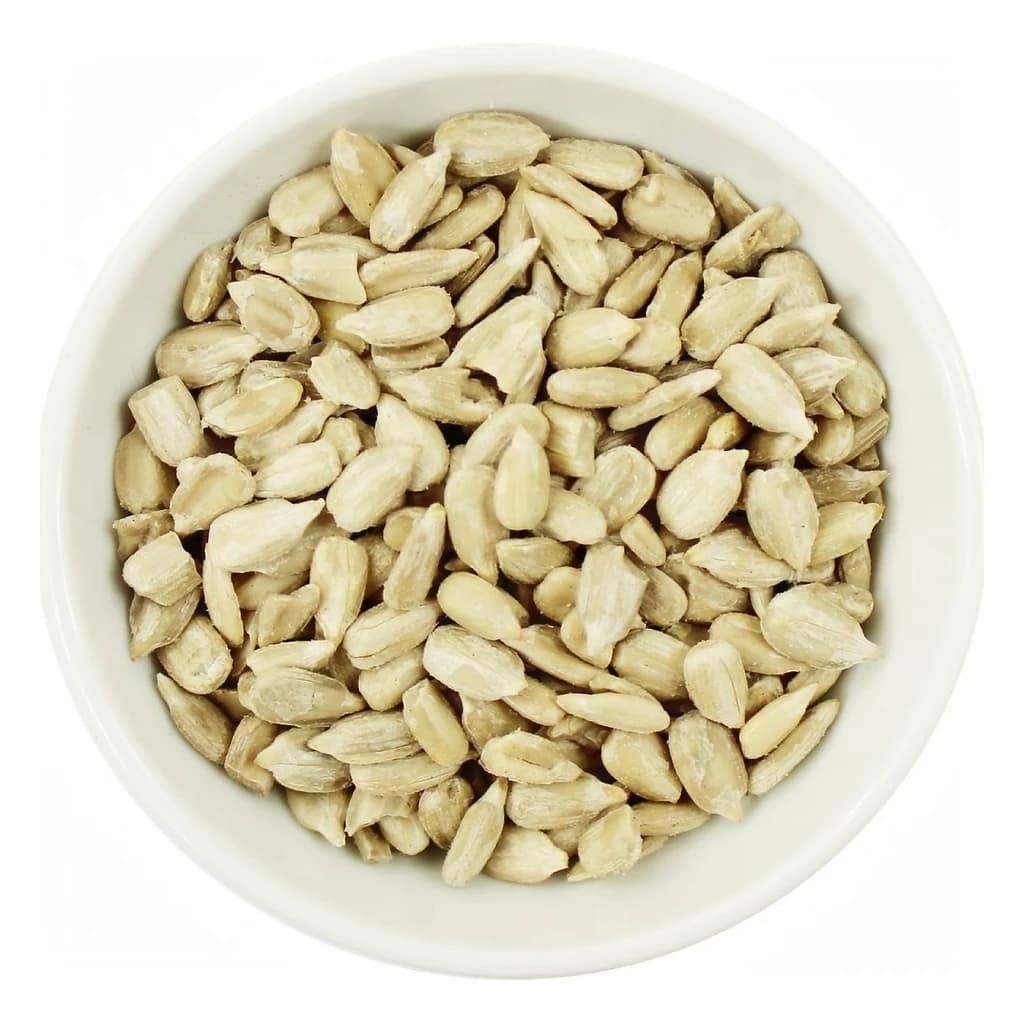
Sunflower Seeds 25 kg

Fresh Yeast Benevia 10 kg

Lesaffre Rye Sourdough AS ECOL 11 kg
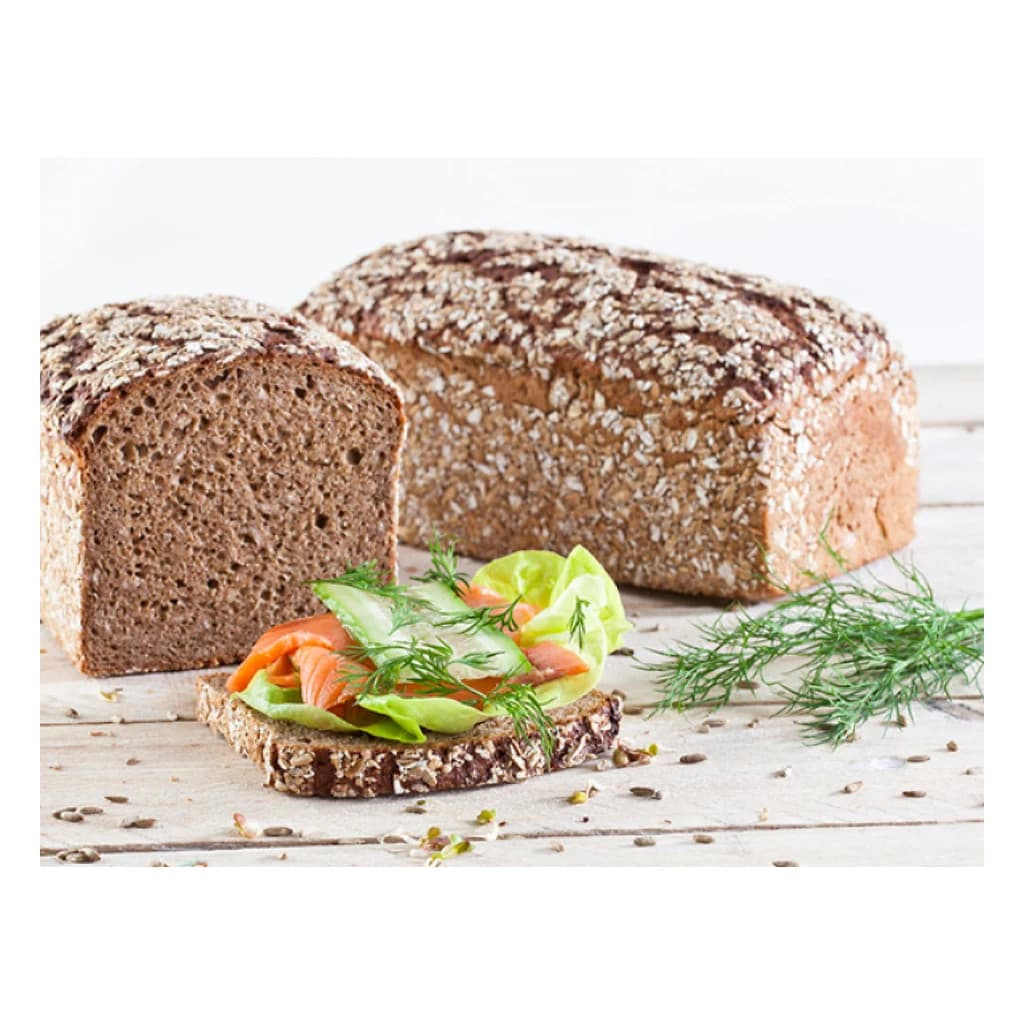
Komplet Żytniak CL Rye Bread Mix 10 kg
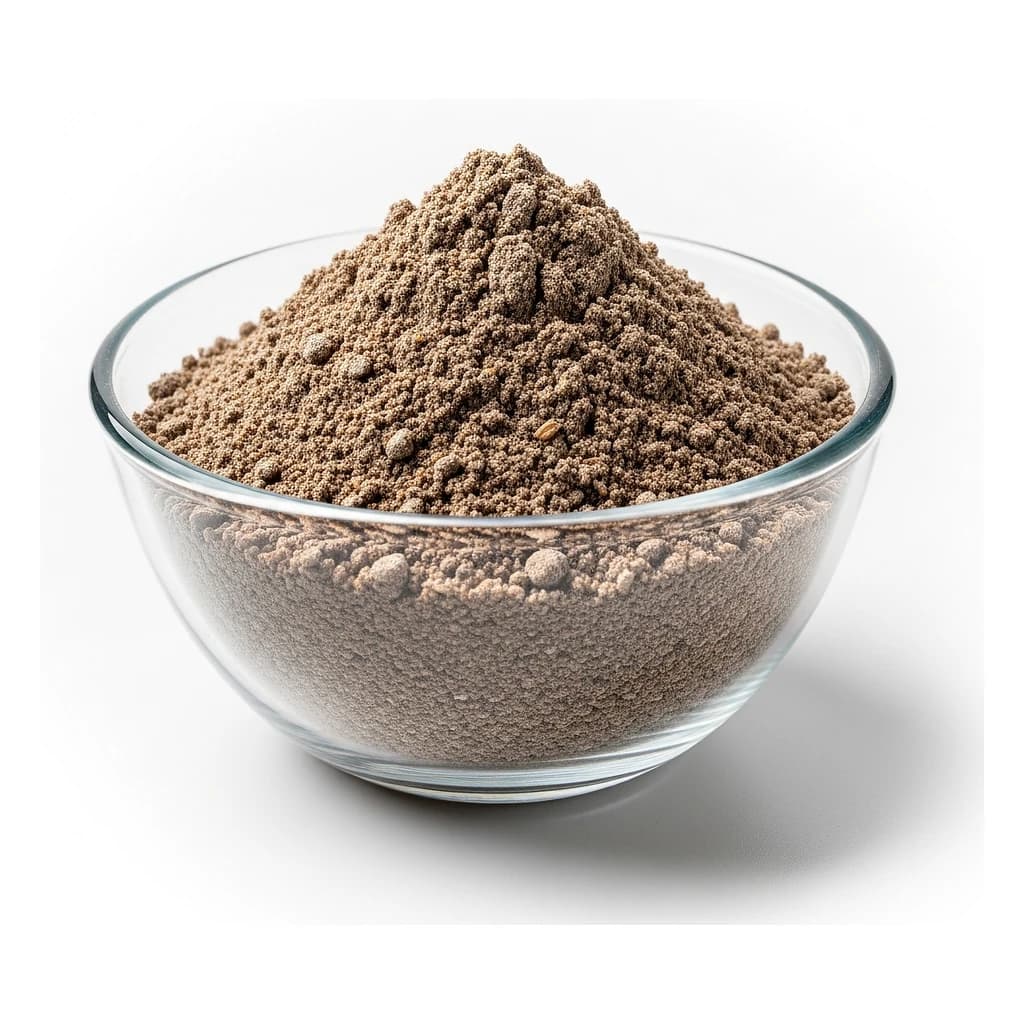
Wholemeal Rye Flour Type 2000 40 kg
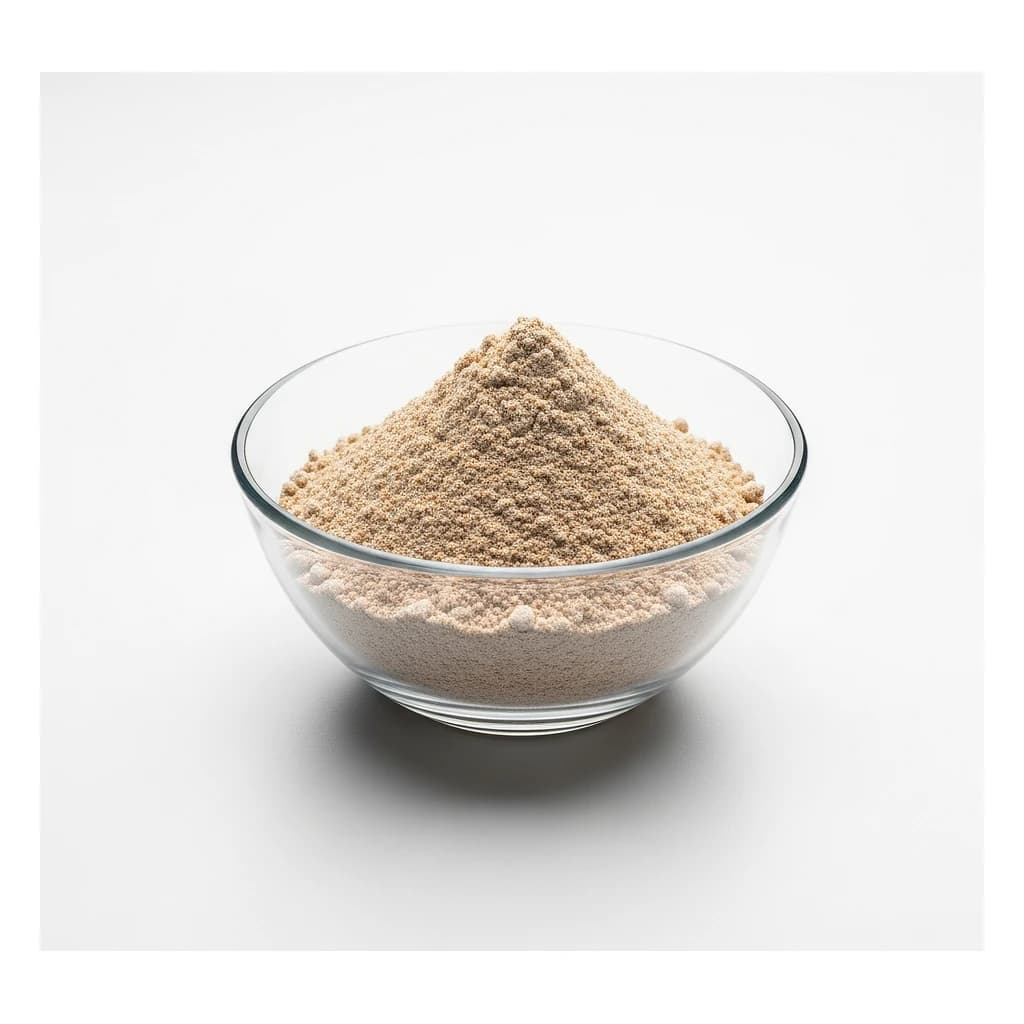
Graham Wheat Flour Type 1850 40 kg
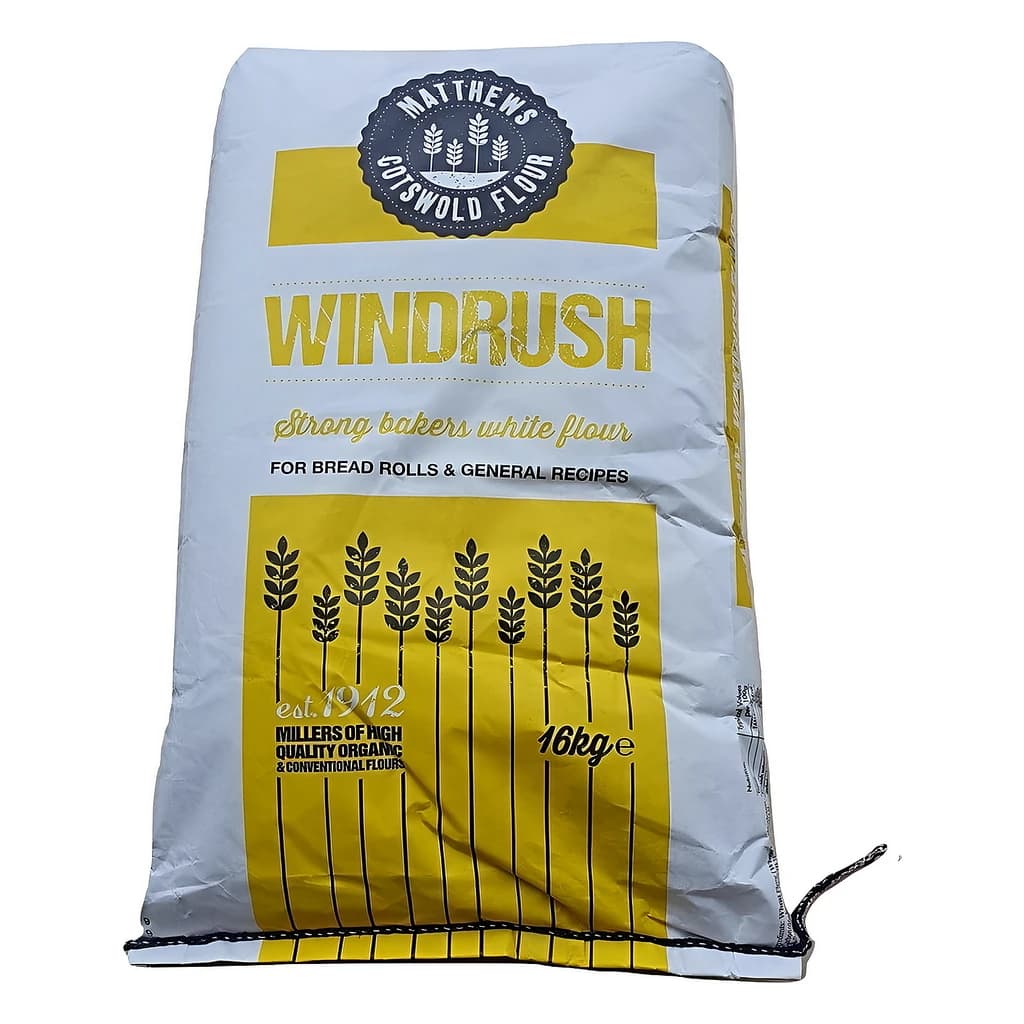
Windrush Strong White Bread Flour 16 kg
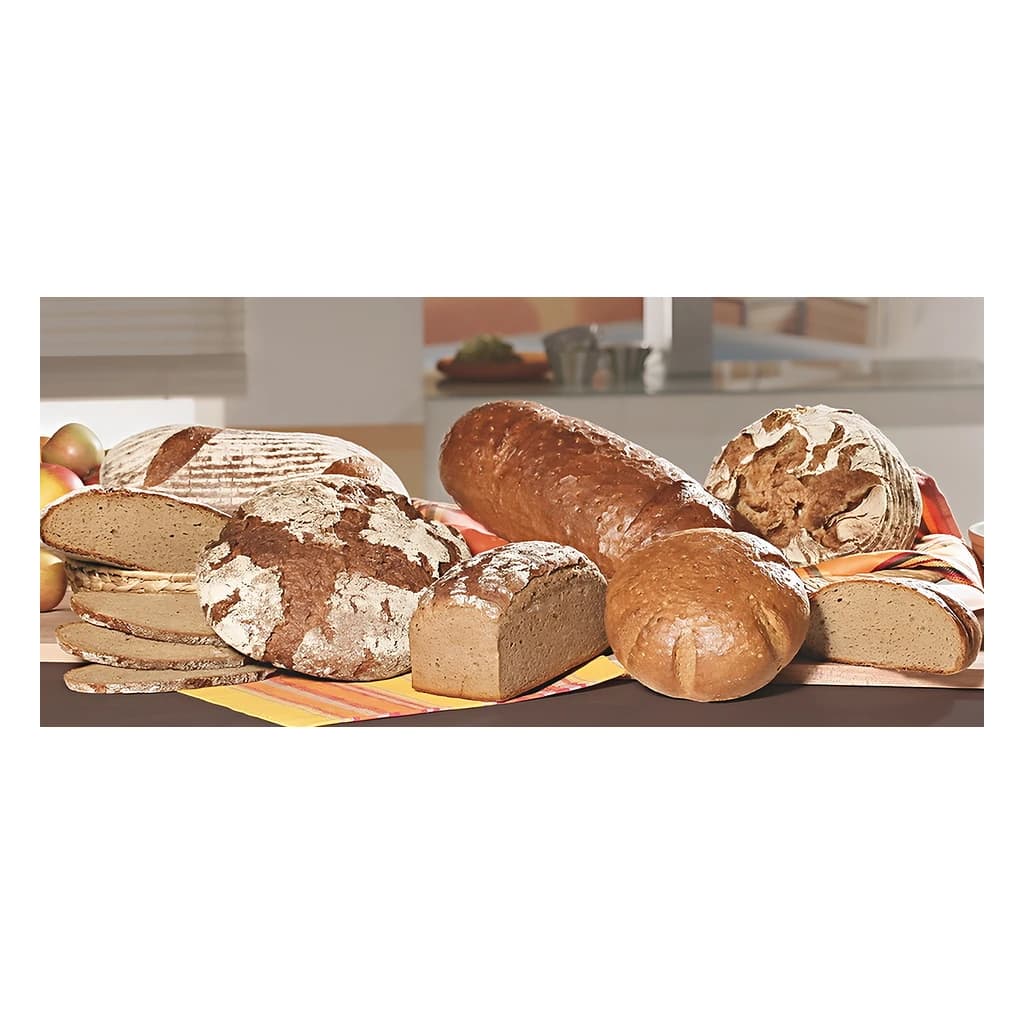
IREKS Natural Liquid Rye Sour 12.5 kg
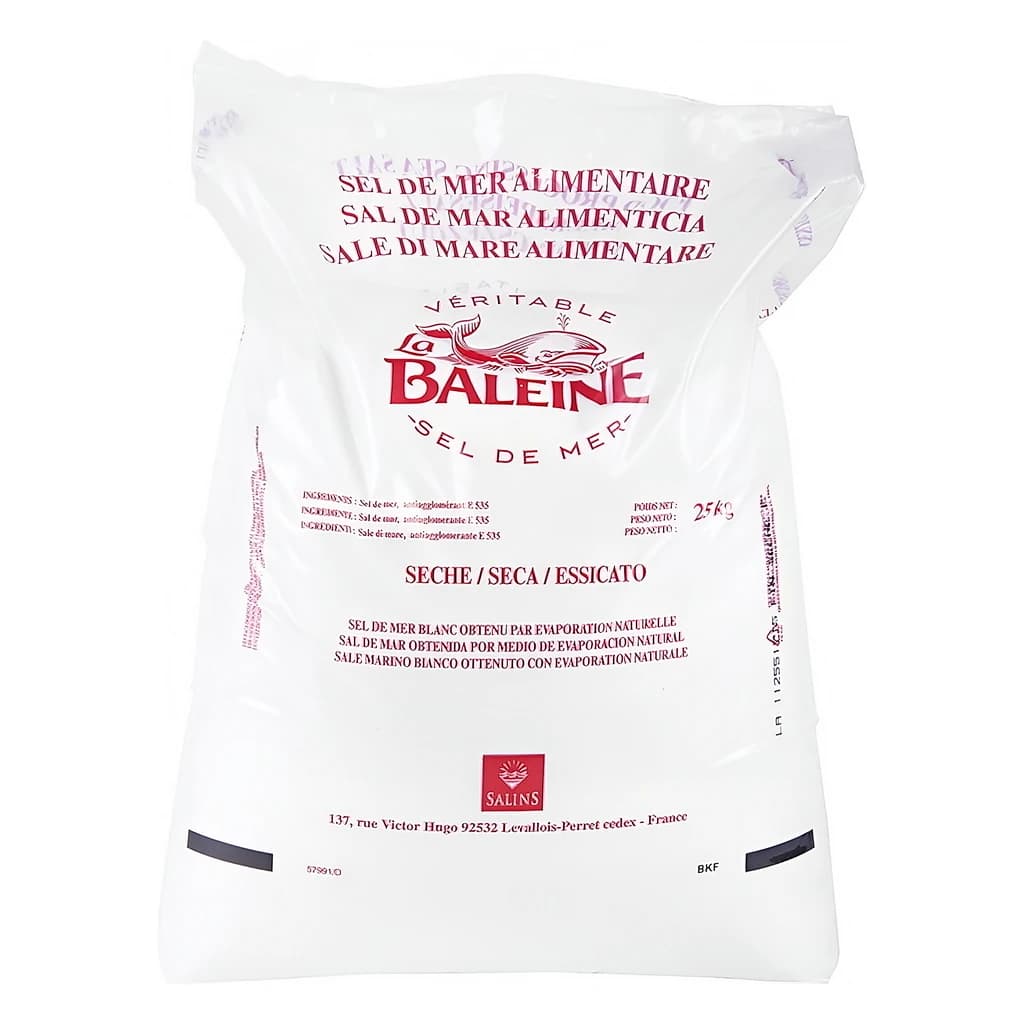
La Baleine Fine Sea Salt 25 kg
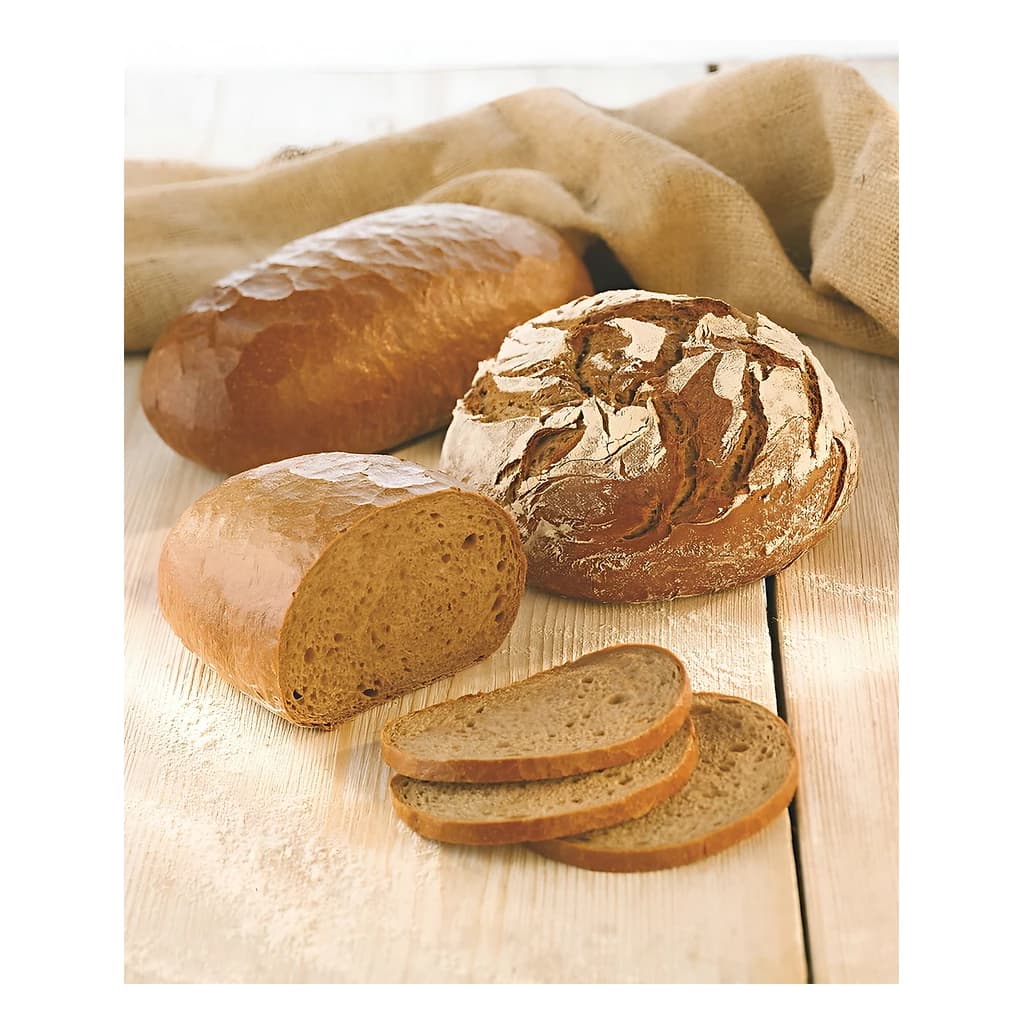
Ireks 100% Rye Bread Mix 25 kg
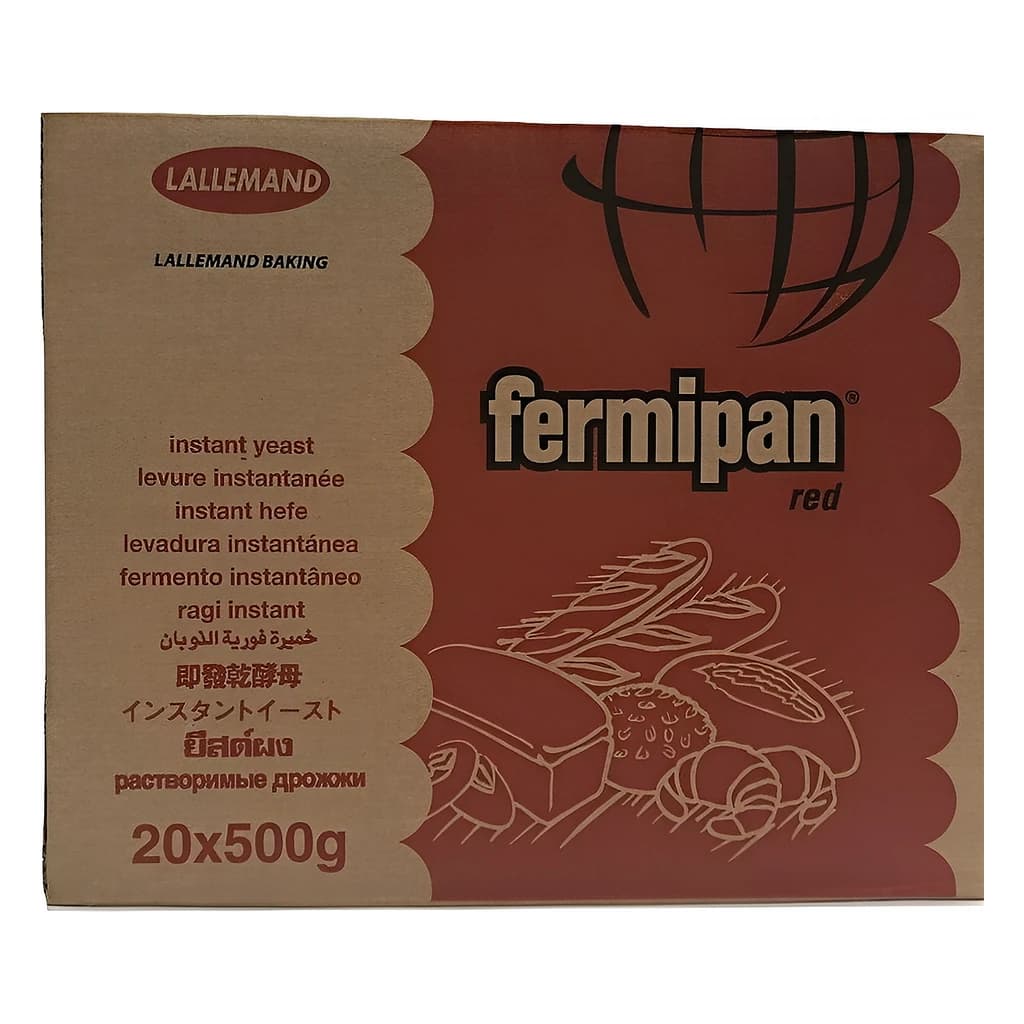
Dried Yeast Fermipan Red 10 kg
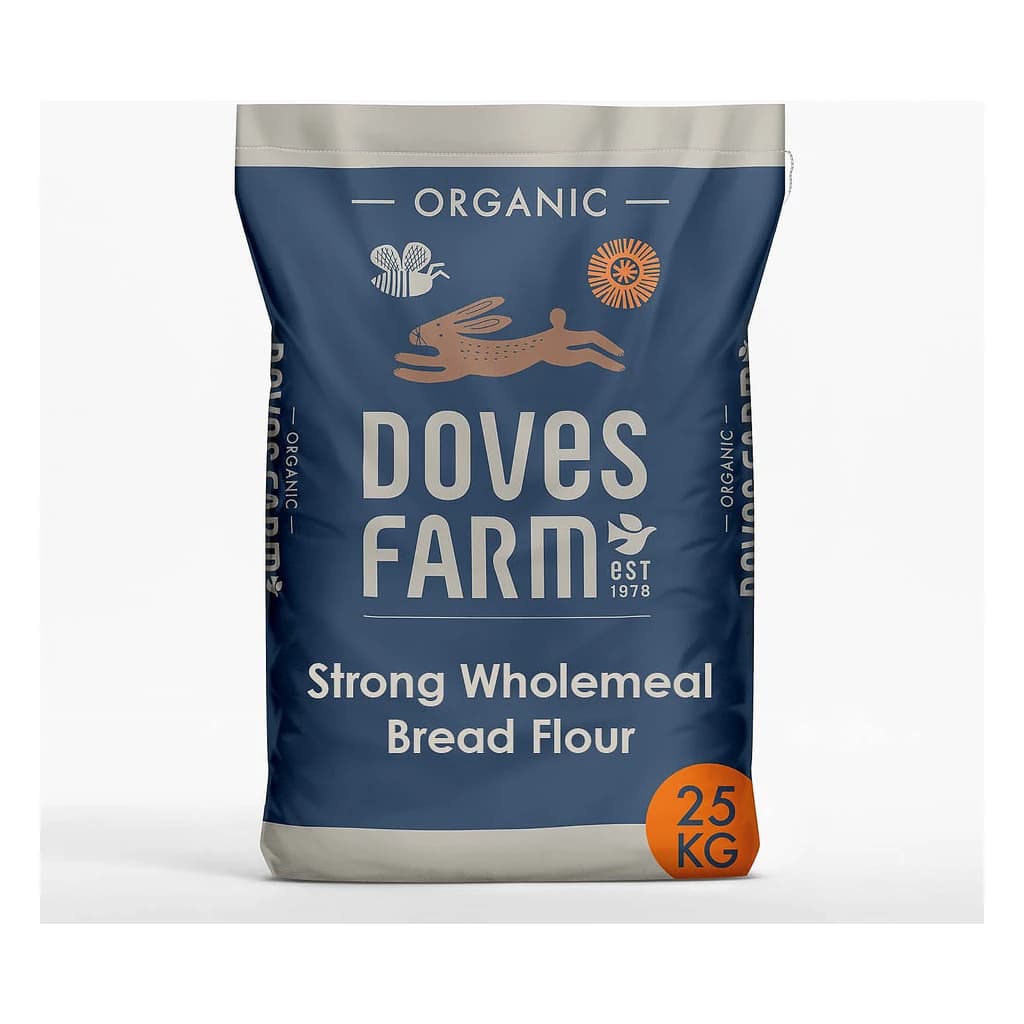
Organic Strong Wholemeal Bread Flour 25 kg
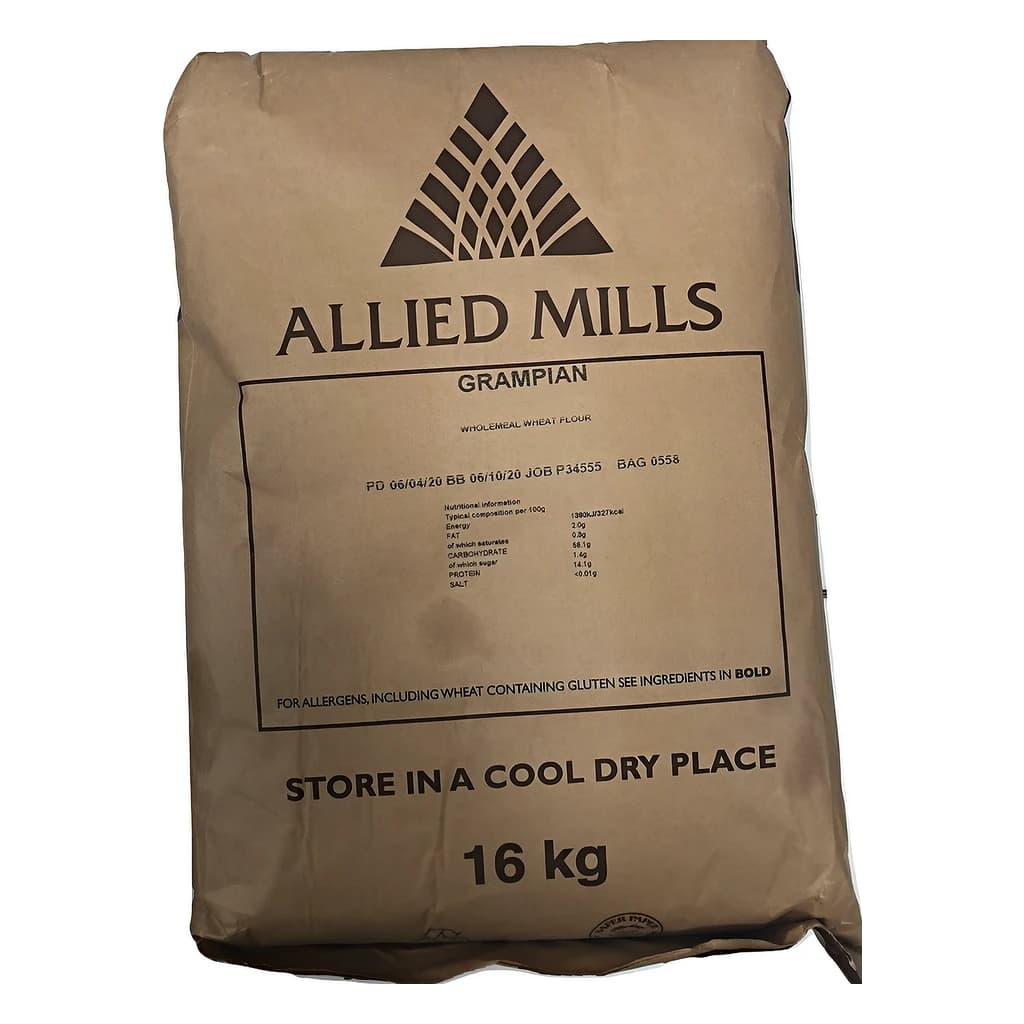
Grampian Wholemeal Flour 16 kg
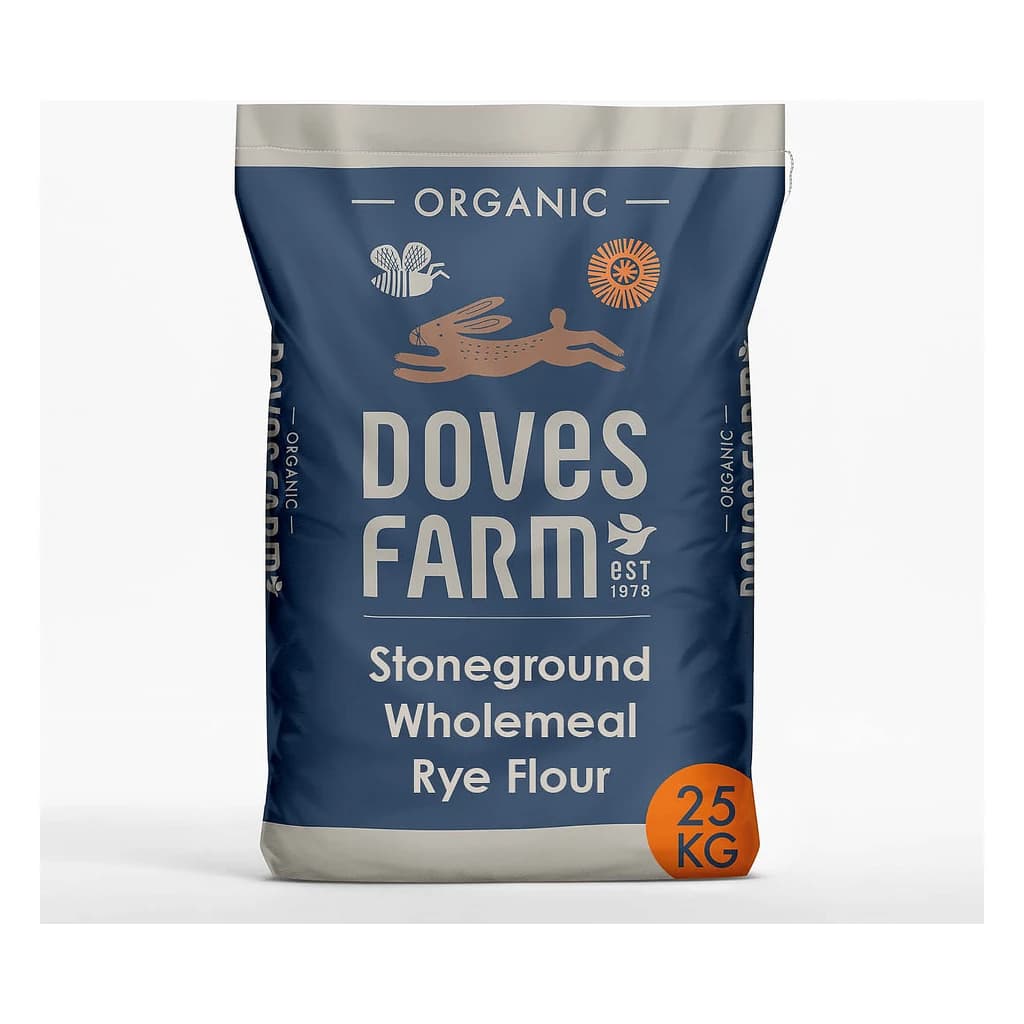
Organic Stoneground Wholemeal Rye Flour 25 kg
Molasses Sugar 25 kg
Bakers Wholemeal Flour 16 kg
Chiltern Wholemeal Flour 16 kg
Zeelandia Bioferm Dark Liquid Sourdough 19 kg