
Lean bread formulas: baguette, ciabatta and sourdough by baker's percentage
Working formulas for the three pillars of lean baking - baguette, ciabatta and sourdough - written in baker's percentage with flour = 100%. Each formula gives ingredient rows in baker's %, a worked example at a real batch size, and a full process with dough temperatures, times and baking parameters. The dossier covers the direct method, poolish and biga preferments, wheat pain au levain, a higher-hydration country sourdough and a catalogue shortcut using Puratos O-tentic Durum. Headline percentages are drawn from King Arthur's professional formulas, The Perfect Loaf, ChainBaker and BAKERpedia, and the ingredient choices are wired to real Domson catalogue products with first-party spec data for flour, yeast, salt, semolina, malt and the O-tentic sourdough component.
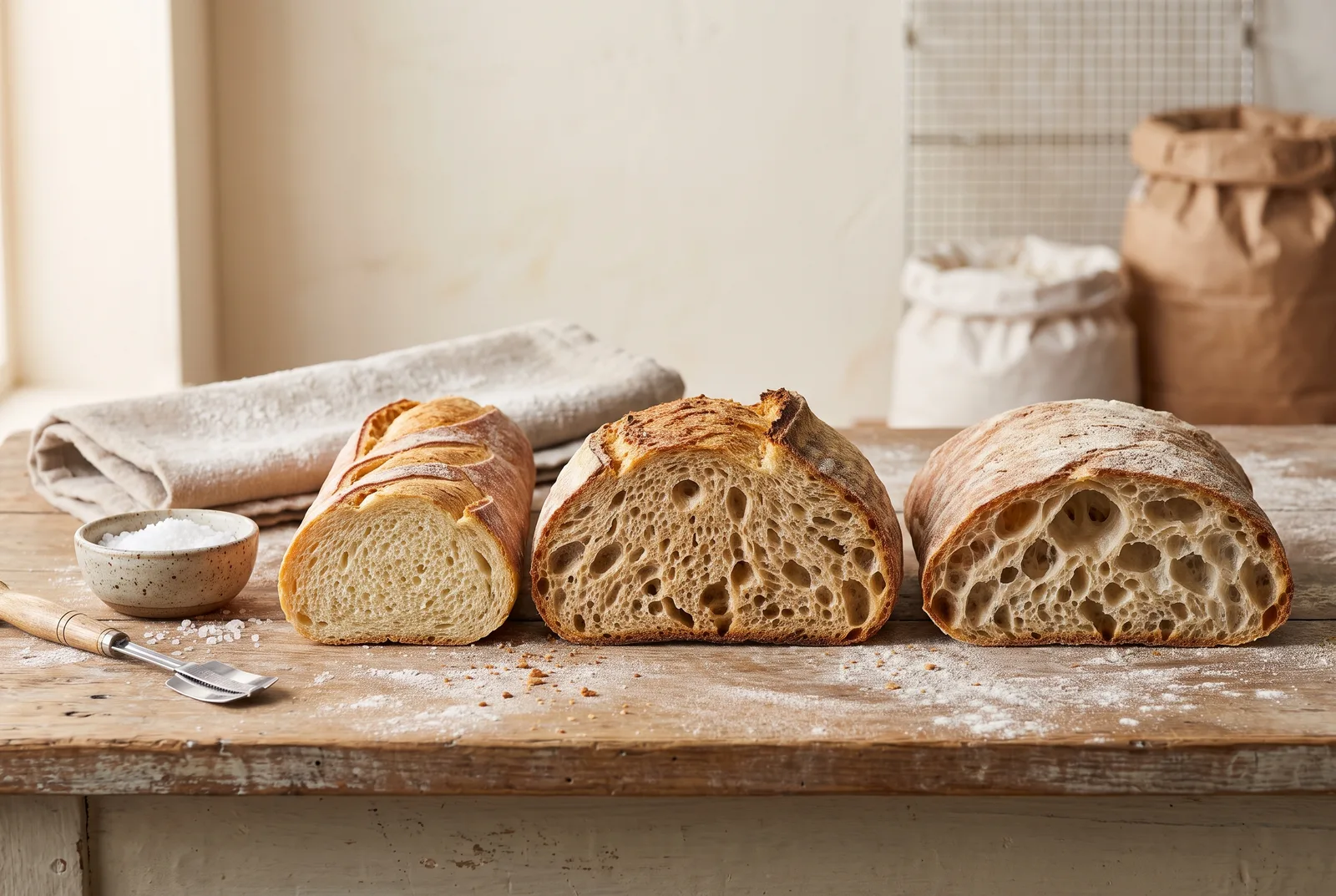
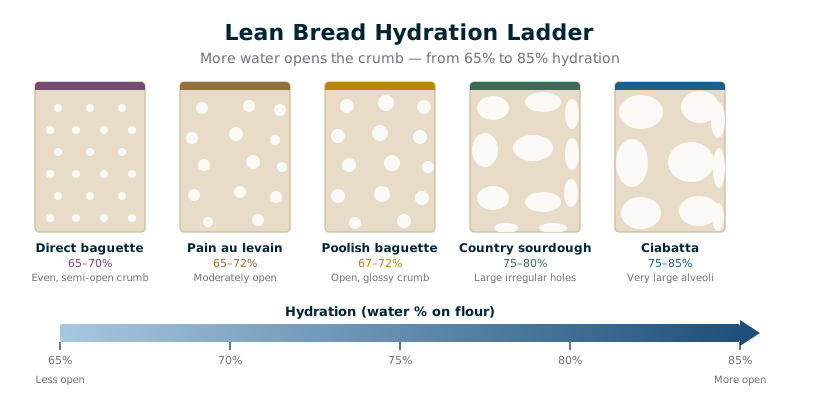 Diagram comparing bread crumb openness against hydration percentage from 65 to 85 percent.
1. Why lean breads are the best place to learn formulas
A lean bread is made from only four ingredients: flour, water, salt and a leaven (commercial yeast or sourdough). No fat, no sugar, no eggs, no dairy. That austerity is exactly why lean doughs are the clearest teaching ground for formula thinking - with so few variables, every change you make to a percentage shows up directly in the crumb.
Everything in this dossier is written in baker's percentage: each ingredient is expressed as a percentage of the total flour weight, which is always 100%. Because every other ingredient references flour alone, the percentages add up to more than 100%.
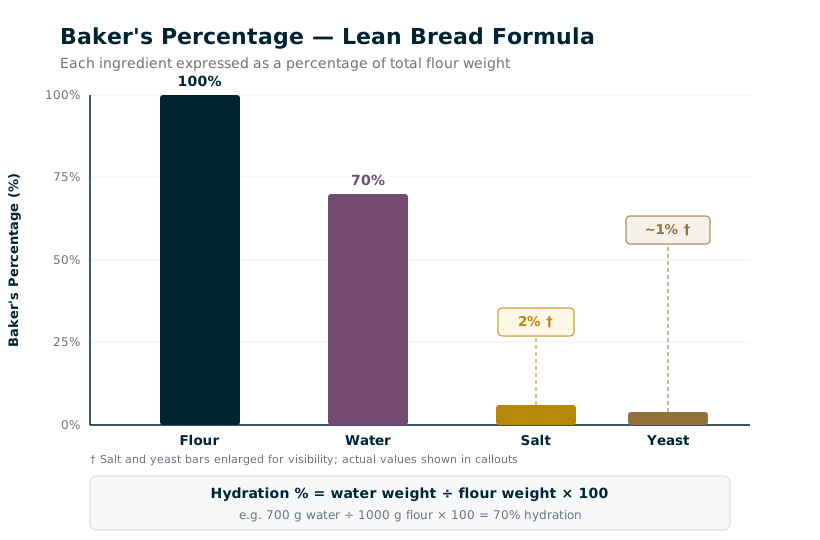 Bar chart showing flour at 100 percent and water, salt and yeast as percentages of flour.
The single most important number is hydration:
Hydration (%) = (water weight / flour weight) x 100
For example, 765.5 g water against 1007.3 g total flour is 76% hydration. As the hydration ladder above shows, the same four ingredients give a tight, even baguette crumb at 65-70% and a wild, open ciabatta at 75-85% (see the table "Hydration ladder for lean breads" below).
The other two levers are small but non-negotiable:
- Salt sits at 1.8-2.3% of flour in almost every lean formula (2% is the working default). It controls fermentation rate, tightens gluten and carries flavour - see "Salt percentage and what it does" below.
- Yeast is typically 0.8-1.0% instant (or roughly three times that as fresh) in a direct dough; far less when a preferment carries part of the load.
2. Choosing the flour
Baguette and ciabatta want a strong white wheat flour - enough protein to hold gas at high hydration, but extensible enough to shape. A representative strong bread flour spec shows protein 12.0-12.5% (target 12.2%), water absorption 55-61% and a Hagberg falling number of 250-400. A clean Type 550 sits a little lower: wet gluten 28-32%, ash 0.51-0.58% and a falling number of at least 220 s.
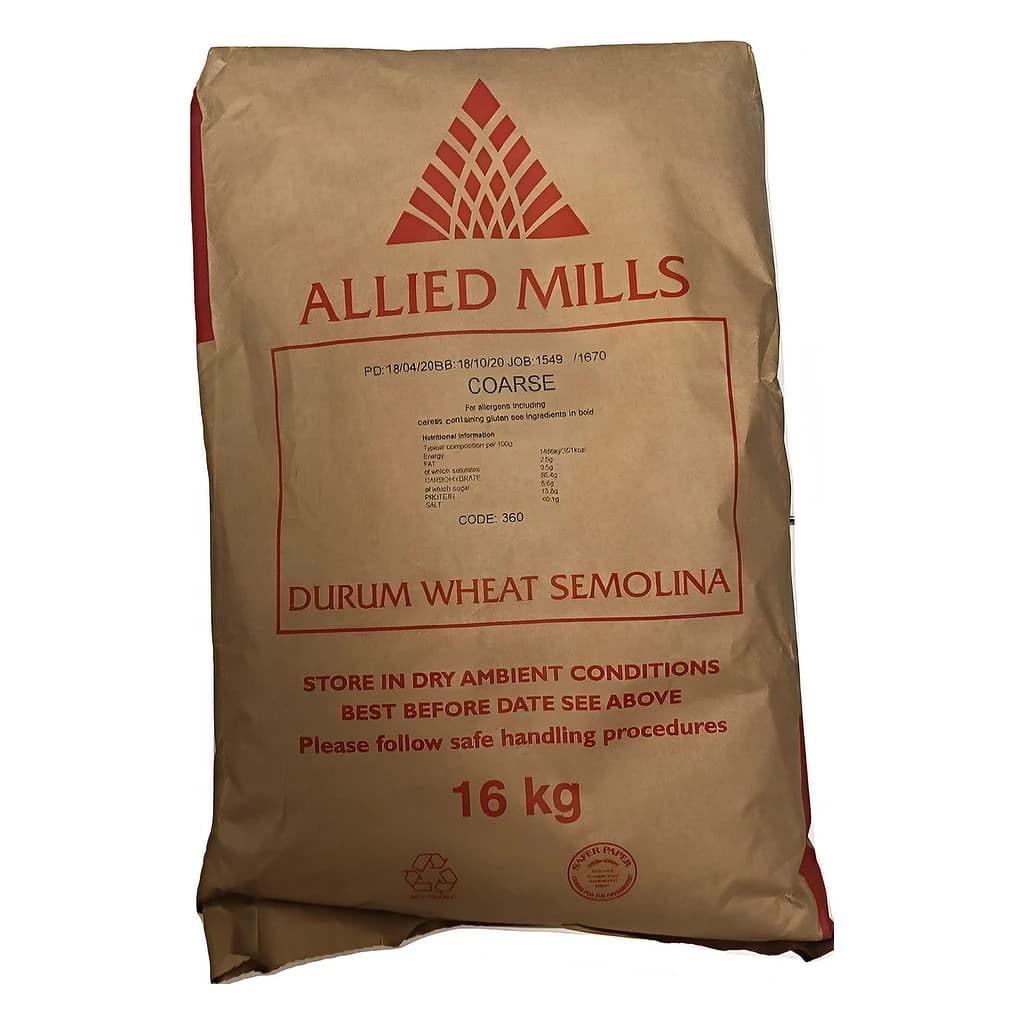
From the catalogue, good choices are Domson White Strong Wheat Flour, Windrush Strong White Bread Flour, Komplexmłyn / Domson Wheat Flour Type 550, Belle Or T65 French Flour (classic for baguettes) and, where you want maximum strength for very wet doughs, Centurion Canadian Very Strong Flour. For the durum dusting and Mediterranean styles use Durum Wheat Semolina (protein min 11% d.m., ash max 0.8% d.m.). All wheat and rye flours and durum semolina contain gluten and must be declared.
3. Choosing and converting the yeast
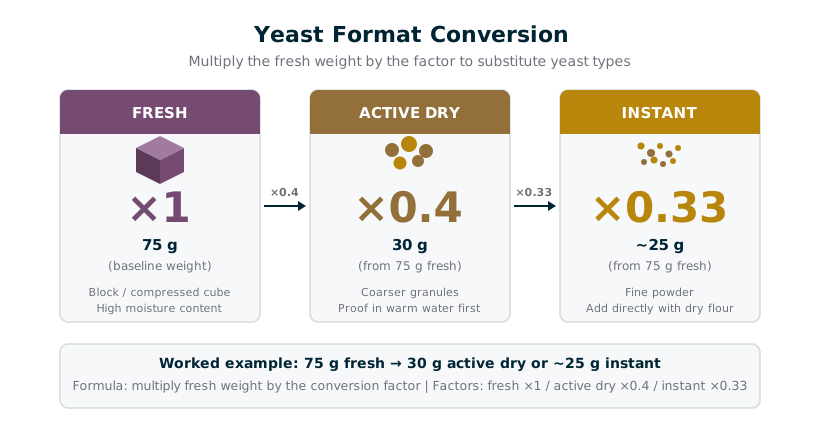 Infographic showing fresh, active dry and instant yeast conversion factors.
Three formats, one organism. They differ mainly in water content: fresh compressed yeast is about 70% water (around 30% dry matter), while instant dried yeast is 93-98% dry matter - which is why you use far less of it by weight.
To convert, multiply the fresh weight by 0.4 for active dry, or by 0.33 for instant (fresh: active-dry: instant is roughly 1: 0.4: 0.33). (Note: the 0.4 active-dry factor is per King Arthur; some other professional references and manufacturer guidelines use 0.5 — check your supplier's recommendation for the specific active-dry product in use.) So the 0.75% fresh yeast in the direct baguette becomes about 0.25% instant. The full table is "Yeast format conversion" below.
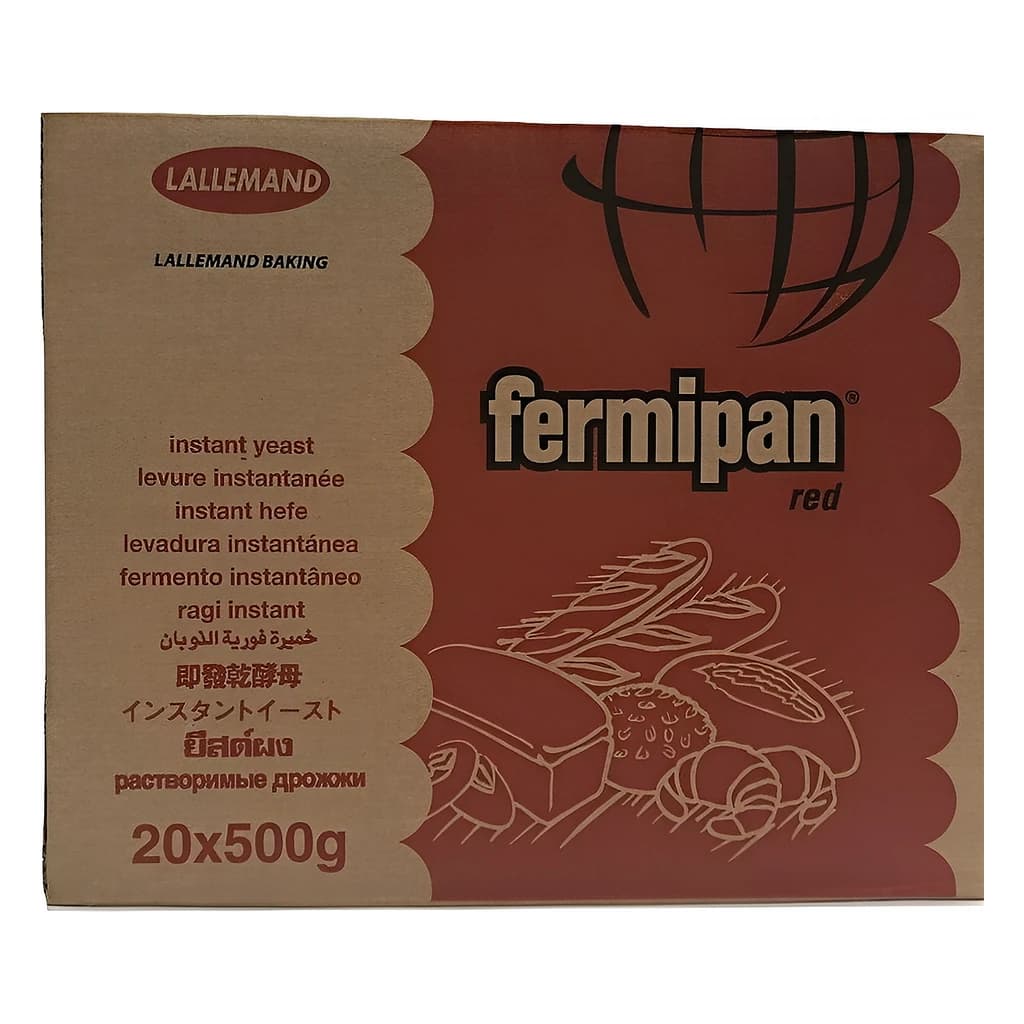
For lean doughs specifically, the catalogue's Fermipan Red is purpose-built: its spec describes it as an instant dried yeast for lean-dough bread with limited sugar (0-10%) requiring high fermentation power, with ~1% emulsifier (E491), dry matter 93-98% and up to two years' shelf life unopened. If you prefer fresh, Benevia (dry matter >29%, stored at 1-10C, 35-day life) is the reference. Baker's yeast carries no declarable allergens, though sulphites can be present in the molasses used to grow it.
4. Preferments: the same flour, more flavour
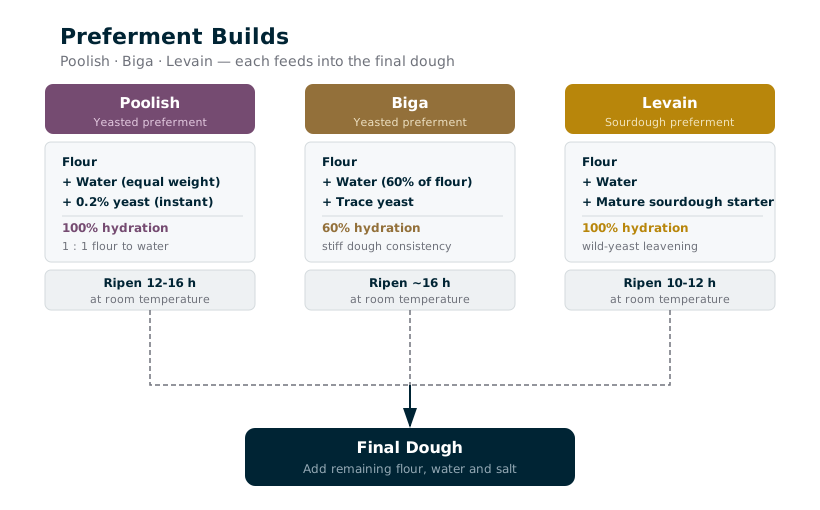 Flowchart comparing poolish, biga and levain preferment builds feeding into a final dough.
A preferment is a portion of the formula's flour and water fermented ahead of the final mix. It adds flavour, strength and keeping quality, and lets you cut the dough yeast. The key metric is pre-fermented flour % = flour in the preferment / total formula flour x 100.
-
Poolish - equal weights of flour and water (100% hydration) plus a tiny amount of yeast (about 0.2% of the poolish flour), fermented until domed and bubbly.
-
Biga - a stiff Italian preferment at about 60% hydration with only a trace of yeast.
-
Levain - a sourdough culture; a commonly used working range is 10-25% of total flour, higher for a faster build, though the proportion can range widely by formula and schedule (from under 5% for cold overnight levain schedules to over 30% for same-day baking).
(Preferment ratios are covered in depth in A8 preferment formulas and A2 preferments.)
5. Baguette formulas
A baguette is the lean bread in its purest form. BAKERpedia gives the working bands: hydration 65-75%, salt 2%, instant yeast 0.8-1.0%, mixed 8-12 minutes to a dough temperature around 25C, and baked with steam for the first few minutes.
5.1 Direct (straight-dough) baguette
The cleanest baseline - everything mixed in one go (formula card below):
- Flour 100%, Water 70%, Salt 2%, Fresh yeast 0.75% (= ~0.25% instant). Total 172.75%.
- At 10 kg flour that is 7 kg water, 200 g salt and 75 g fresh yeast = 17.275 kg dough, about 43 baguettes at 400 g.
- Process: dough temperature 22-24C, bulk 1 hour with three folds, divide at 400 g, proof 1.5-2 hours, bake at 238-240C with steam.
5.2 Baguette with poolish
A poolish gives a thinner, crisper crust and a sweeter, more open crumb (formula card below). As a total formula: Flour 100%, Water 67%, Salt 2%, Yeast ~1.1%, with 33% of the flour pre-fermented in a 100%-hydration poolish. Build the poolish (3.3 kg flour + 3.3 kg water + 7 g yeast) 12-16 hours ahead, then mix in the remaining 6.7 kg flour, 3.4 kg water, 200 g salt and 103 g yeast.
Crust colour tip: if your flour has a high falling number (low enzyme activity), a little diastatic malt (~0.2-0.5%) or 1-3% liquid malt extract deepens colour and feeds the yeast. The catalogue carries IREKS Somex liquid malt extract, dosed at 1-3% for wheat goods (contains barley gluten). (These are two different products: dry diastatic malt powder at 0.2-0.5% supplies enzyme activity; Somex is a liquid malt extract used at 1-3% for flavour and colour.)
6. Ciabatta: high-hydration showpiece
Ciabatta ("slipper") is an Italian lean bread carried at 75-85% hydration, which produces the signature large, irregular holes. The catalogue formula card below follows King Arthur at 76% overall hydration:
- Total formula: Flour 100%, Water 76%, Salt 2%, Yeast ~1.2%, with 30% pre-fermented flour via a 60%-hydration biga ripened ~16 hours.
- At 10 kg flour: 17.92 kg dough, about 31 pieces at 570 g.
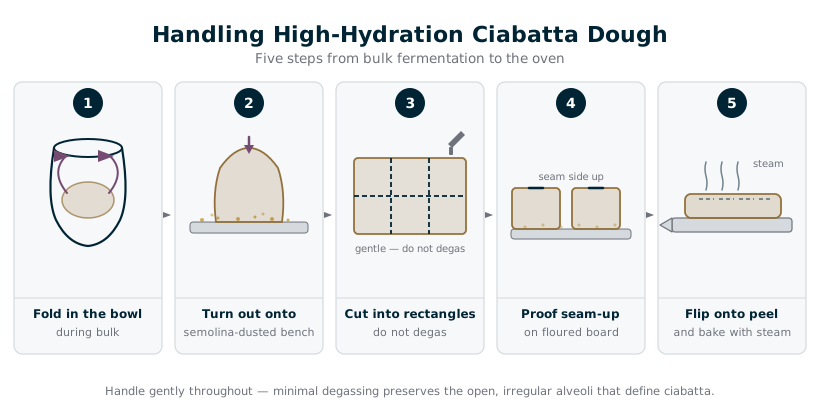 Five-step diagram showing how to fold, cut and pan high-hydration ciabatta dough.
The craft is in the handling, not the mixing. Build strength with folds, then handle as little as possible: turn the bulk dough onto a semolina-dusted bench, cut into rectangles without degassing, proof seam-up and flip onto the peel. For a Mediterranean version, BAKERpedia adds ~4% olive oil and 3% salt with a poolish.
Food-safety / regulatory flag: BAKERpedia's poolish ciabatta formula uses 3% baker's salt as its primary specification (not a minor variant). At 3% salt and ~80% hydration, the estimated salt content of the finished bread is approximately 1.9 g/100 g — significantly above the UK FSA 2017 voluntary target of 1.2 g/100 g for baguettes and French-style breads. Review nutritional labelling and consider reformulation for UK market supply. Salt at 2% (as in the King Arthur formula card) is the more compliant baseline.
7. Sourdough: pain au levain and country loaf
7.1 Wheat pain au levain (no commercial yeast)
The formula card below (after ChainBaker) raises the loaf entirely on an active levain, with a little rye to speed fermentation: white 91% + rye 9% (flour = 100%), Water 65%, Salt 2%, active levain 32% of the dough flour (about 17% pre-fermented flour, total hydration ~65%). Process: autolyse 30-60 min, add levain and salt, dough temperature 25-26C, bulk ~3 hours with folds, final proof ~3 hours (or a cold retard), bake 230C covered 25 min then uncovered 15 min. Establish or refresh the culture with a stocked starter such as Lesaffre Saf-Levain LV1.
7.2 Higher-hydration country sourdough
To see hydration at work, compare the pain au levain with the country loaf (formula card below, after The Perfect Loaf): 80% bread flour + 20% wholewheat, 76% water, 1.9% salt. Same family, but the extra ~11% water turns a moderately open crumb into a wide-open, moist one - and demands fold-based strength and a cold retard rather than intensive mixing. (In this "total formula" view the levain's own flour and water are already inside the totals; the 0.8% figure is only the mature-starter seed.)
7.3 Catalogue shortcut: O-tentic Durum
For sourdough character without maintaining a culture, the formula card below uses Puratos O-tentic Durum, an active dried durum-wheat sourdough that also carries the yeast. The spec sets the dosage at 4% on flour weight with the addition of water and salt (total acidity 45-65 ml/10 g), so the formula is simply Flour 100% + O-tentic 4% + Water ~68% + Salt 2%, with no separate yeast. Note its allergen profile: gluten (wheat), possible mustard cross-contamination, made on equipment that processes tartrazine, and not suitable for coeliacs.
Regulatory flags for O-tentic Durum: (1) Tartrazine (E102) — mandatory label warning: the shared-equipment tartrazine note means that if E102 is present at any detectable level in the finished product, EU/UK law (Regulation (EC) 1333/2008, Annex V) legally requires the consumer label to carry the warning "may have an adverse effect on activity and attention in children." Whether this warning applies to O-tentic Durum must be confirmed with Puratos before any downstream consumer labelling. (2) E300 (ascorbic acid) — MPL: O-tentic contains ascorbic acid at an undisclosed concentration; the EU maximum permitted level in bread (Category 07.1) is 300 mg/kg of flour. Compliance depends on the E300 content within O-tentic and cannot be verified from the available spec sheet. Confirm with Puratos.
8. Salt, water and food-safety notes
Use a high-purity salt - the catalogue sea salt is ~99.8% NaCl with trace anti-caking agents (E535/E551) and no allergens. Salt is hygroscopic and absorbs moisture above 75% relative humidity, so store it dry; and while it is essential in the formula at 2%, salt is harmful in excess (oral LD50 in rat ~3000 mg/kg). Keep salt and yeast from direct contact until mixing.
Food-safety / allergen flag: (a) All flours, semolina and malt extract here contain gluten; O-tentic Durum adds mustard cross-contamination and a tartrazine-handling note (see Section 7.3 for the mandatory E102 Annex V label concern and E300 MPL check). (b) Yeast carries no declarable allergen but molasses-derived sulphites may be present. (c) Cross-contamination allergens from flour spec sheets are not captured in the formula-card allergen fields: Windrush flour carries a soya contamination risk; Type 550 flour carries possible traces of soy, lupine and mustard — all are mandatory declarable allergens under EU Regulation 1169/2011 Annex II and UK FIR 2014. These must be assessed and declared in any downstream consumer product labelling. (d) The pain au levain formula contains rye flour, which must be declared as a separate gluten source (wheat and rye). Re-verify every allergen and dosage against the current supplier spec sheets before any customer-facing labelling.
9. Faults and fixes
The most common lean-bread faults - flat baguettes, a tight ciabatta crumb, pale crust, poor oven spring, gummy or over-sour crumb - and their remedies are tabulated below in "Lean-bread fault diagnosis and remedies". Two recurring themes: most "spread" faults come from too much water for the flour's strength or under-developed gluten, and most "tight crumb" faults in ciabatta come from too little water or too much handling after bulk.
10. Quick buying guide
| Need | Catalogue product |
|---|---|
| Strong white bread flour (baguette/ciabatta) | Domson White Strong Wheat Flour; Windrush Strong White Bread Flour |
| French-style baguette flour | Belle Or T65 French Flour |
| Type 550 all-round wheat flour | Komplexmłyn / Domson Wheat Flour Type 550 |
| Maximum strength for very wet dough | Centurion Canadian Very Strong Flour |
| Durum dusting / Mediterranean breads | Durum Wheat Semolina; Wheat Semolina (Manna) |
| Lean-dough instant yeast | Dried Yeast Fermipan Red |
| Fresh yeast | Fresh Yeast Benevia; Fresh Yeast Traditional |
| Salt | Sea Salt Extra Fine; Polish Fine Iodized Salt |
| Crust colour / malt | IREKS Somex Liquid Malt Extract |
| Sourdough shortcut | Puratos O-tentic Durum |
| Sourdough starter culture | Lesaffre Saf-Levain LV1 |
All six formulas, the four comparison tables, the fault table and the key specs are set out
below; image briefs are in images.json; every numeric claim is traced in _claims.json.
Direct (straight-dough) baguette
The simplest lean bread: flour, water, salt and yeast mixed in one go. Based on the King Arthur professional Slow Rise Baguettes formula. A clean teaching baseline at 70% hydration and 2% salt.
| Ingredient | Baker's % | Weight |
|---|---|---|
| Strong white wheat flour (T55/T65 or strong bread flour, ~11.5-12.5% protein) | 100 | 10 kg |
| Water | 70 | 7 kg |
| Salt | 2 | 0.2 kg |
| Fresh yeast (or 0.25% instant dried = 0.025 kg) | 0.75 | 0.075 kg |
| Total | 172.75 |
- 1) Mix all ingredients to moderate gluten development (about 8-12 min, or 700-800 revolutions on first speed). Target dough temperature 22-24C (72-75F). 2) Bulk ferment about 1 hour, giving three gentle folds at 20-minute intervals. 3) Optional: refrigerate the bulk dough at about 10C (50F) for up to 18 hours for extra flavour. 4) Divide at 400 g, pre-shape lightly into logs, rest 15-20 min. 5) Shape into baguettes and proof seam-up on a floured couche 1.5-2 hours at 24C (75F). 6) Flip onto a peel, score 3-5 times at a shallow angle, load with steam. Bake at 238-240C (460F) with steam for the first few minutes, total about 22-26 min, until a deep, even crust colour.
Worked example
At 10 kg flour: 10 kg flour + 7 kg water + 0.2 kg (200 g) salt + 0.075 kg (75 g) fresh yeast = 17.275 kg dough. Divided at 0.4 kg this gives about 43 baguettes.
Yield: ~43 x 400 g baguettes from a 10 kg flour batch. Scale linearly: at 1 kg flour use 700 g water, 20 g salt, 7.5 g fresh yeast.
Allergens: Gluten (wheat).
For a faster shop schedule increase yeast to ~1% fresh; for more flavour use the poolish version below. A pinch of diastatic malt (0.2-0.5%) deepens crust colour if the flour's falling number is high.
Baguette with poolish
A poolish (equal-weight flour-and-water preferment) gives a thinner, crisper crust, a more open crumb and a sweeter, nuttier flavour than a straight dough. Based on the King Arthur professional French Bread with Poolish formula. Shown as the total formula (flour=100%) plus the poolish build.
| Ingredient | Baker's % | Weight |
|---|---|---|
| Wheat flour (total, strong/French style) | 100 | 10 kg |
| Water (total) | 67 | 6.7 kg |
| Salt | 2 | 0.2 kg |
| Yeast (total: poolish + final dough) | 1.1 | 0.11 kg |
| Total | 170.1 |
- 1) POOLISH: mix 3.3 kg flour + 3.3 kg water + 0.007 kg yeast (100% hydration). Cover and ferment 12-16 hours at room temperature until domed, bubbly and just starting to recede. 2) FINAL MIX: add the remaining 6.7 kg flour, 3.4 kg water, 0.2 kg salt and 0.103 kg yeast to the ripe poolish; mix 3 min slow + 3 min fast. Target dough temperature 24C (75F). 3) Bulk ferment 2 hours with one fold at 1 hour. 4) Divide ~350-400 g, pre-shape, rest, shape into baguettes on a couche. 5) Proof about 1 hour. 6) Score and bake at 240C (460F) with steam, ~22-25 min.
Worked example
Total at 10 kg flour = 17.01 kg dough. POOLISH: 3.3 kg flour + 3.3 kg water + 0.007 kg yeast. FINAL DOUGH: add 6.7 kg flour + 3.4 kg water + 0.2 kg salt + 0.103 kg yeast to all the poolish. Pre-fermented flour = 3.3/10 = 33%.
Yield: ~42-48 baguettes at 350-400 g from a 10 kg flour batch.
Allergens: Gluten (wheat).
A poolish ripens fastest in summer; reduce poolish yeast to ~0.1% or use cooler water to hit a 12-16 hour window overnight. The poolish water and flour are already inside the 67% and 100% totals.
Ciabatta with biga (high hydration)
Ciabatta ('slipper') is the showpiece of high-hydration lean baking: a stiff Italian biga preferment plus a very wet final dough produces the signature large, irregular holes. Based on the King Arthur professional Ciabatta formula at 76% overall hydration.
| Ingredient | Baker's % | Weight |
|---|---|---|
| Wheat flour (total) | 100 | 10 kg |
| Water (total) | 76 | 7.6 kg |
| Salt | 2 | 0.2 kg |
| Yeast (total: biga + final dough) | 1.2 | 0.12 kg |
| Total | 179.2 |
- 1) BIGA: mix 3 kg flour + 1.8 kg water + 0.003 kg yeast to a shaggy, stiff mass; cover and ripen ~16 hours at room temperature. 2) FINAL MIX: combine ripe biga with 7 kg flour, 5.8 kg water, 0.2 kg salt and 0.117 kg yeast. Mix low ~3 min, then develop on higher speed to a slack, elastic dough; target dough temperature 24-25C (75-77F). Add the last of the water as bassinage if the flour allows. 3) Bulk ferment 2-3 hours with one or two folds in the first hour. 4) Turn onto a heavily floured/semolina-dusted bench; divide into ~0.57 kg rectangles with minimal degassing. 5) Proof seam-up on floured boards ~1 hour. 6) Flip and bake at 240C (460F) with steam, ~30-36 min.
Worked example
Total at 10 kg flour = 17.92 kg dough. BIGA (60% hydration): 3 kg flour + 1.8 kg water + 0.003 kg yeast. FINAL DOUGH: add 7 kg flour + 5.8 kg water + 0.2 kg salt + 0.117 kg yeast to all the biga. Pre-fermented flour = 3/10 = 30%.
Yield: ~31 ciabattas at 570 g from a 10 kg flour batch.
Allergens: Gluten (wheat).
Dust the bench and loaves with durum semolina for the classic ciabatta look and a pleasant crunch. For a Mediterranean version add ~4% olive oil and raise salt to ~3% (BAKERpedia); note that BAKERpedia's poolish ciabatta formula treats 3% as the primary specification, and 3% baker's salt at ~80% hydration yields an estimated ~1.9 g salt/100 g finished bread, which exceeds the UK FSA 2017 voluntary target of 1.2 g/100 g — review nutritional labelling before customer-facing use. Handle as little as possible after bulk to keep the open crumb.
Pain au levain (wheat sourdough)
A naturally leavened wheat loaf raised entirely on an active levain (no commercial yeast). A small fraction of rye in the flour speeds and deepens fermentation. Based on the ChainBaker pain au levain formula; flour in the final dough = 100%, levain shown as an addition.
| Ingredient | Baker's % | Weight |
|---|---|---|
| Strong white bread flour | 91 | 910 g |
| Rye flour | 9 | 90 g |
| Water | 65 | 650 g |
| Salt | 2 | 20 g |
| Active levain (~65% hydration) | 32 | 320 g |
| Total | 199 |
- 1) LEVAIN: ~12 hours before mixing, build a levain (e.g. 60 g flour + 40 g water + 10 g mature starter scaled up to need 320 g); ferment 10-12 hours until doubled and stretchy. 2) AUTOLYSE: mix the white and rye flours with the water; rest 30-60 min. 3) MIX: add the ripe levain and salt; knead 5-6 min. Target dough temperature 25-26C (77-79F). 4) Bulk ferment ~3 hours with a fold at the 1.5-hour mark. 5) Pre-shape, rest, shape and place seam-up in a floured banneton. 6) Final proof ~3 hours at room temperature, OR cold-retard overnight at 3-5C for more flavour and easier scoring. 7) Score; bake at 230C (450F) covered 25 min, then uncovered 15 min.
Worked example
At 1 kg dough flour: 910 g white + 90 g rye + 650 g water + 20 g salt + 320 g active levain = ~1990 g dough (about two 900 g loaves). The levain is ~65% hydration, so it contains approximately 194 g flour + 126 g water. Counting the levain's own flour and water: total flour ≈ 1194 g, total water ≈ 776 g, true hydration ≈ 776/1194 = 65%. Pre-fermented flour ≈ 194/1194 ≈ 16%.
Yield: About two 900 g loaves per 1 kg dough flour. Scale the levain build proportionally.
Allergens: Gluten (wheat and rye).
Levain is typically 10-25% of total flour; 32% of dough flour here drives a brisk same-day schedule. Use a stocked sourdough starter such as Lesaffre Saf-Levain LV1 to establish or refresh the culture. Lengthen or chill the bulk for a more sour profile.
Country sourdough (higher-hydration boule)
A higher-hydration sourdough that shows how moving from ~65% to ~76% water transforms a tight crumb into an open, moist one. Total-formula figures from The Perfect Loaf weekday sourdough; the levain's flour and water are already counted in the totals.
| Ingredient | Baker's % | Weight |
|---|---|---|
| High-protein bread flour | 80 | 805.8 g |
| Wholewheat flour | 20 | 201.5 g |
| Water | 76 | 765.5 g |
| Salt | 1.9 | 19.1 g |
| Mature sourdough starter (seed for the levain) | 0.8 | 8.1 g |
| Total | 178.7 |
- 1) Build a levain from the 8.1 g seed plus a portion of the total flour and water; ripen until active. 2) Mix the remaining flour and water; autolyse. 3) Add levain and salt; develop with stretch-and-folds rather than intensive mixing (76% hydration is slack). Target dough temperature ~24-25C. 4) Bulk ferment with 3-4 coil/stretch folds over the first 2-3 hours. 5) Pre-shape, bench rest, final shape into a boule or batard; proof in a banneton. 6) Cold-retard overnight at 3-5C is recommended at this hydration. 7) Bake in a covered Dutch oven or with strong steam at ~245C, lid/steam on ~20 min then off ~20-25 min.
Worked example
Total flour 1007.3 g (805.8 g bread + 201.5 g wholewheat). Hydration = 765.5/1007.3 = 76%. Salt = 19.1/1007.3 = 1.9%. This 'total formula' already includes the levain's flour and water; the 0.8% (8.1 g) is only the mature-starter seed used to build the levain.
Yield: About 1.8 kg dough (~2 loaves). Scale the flour to e.g. 10 kg for production while keeping all percentages fixed.
Allergens: Gluten (wheat).
Compare directly with the 65% pain au levain above: same family, but the extra 11% water opens the crumb and demands fold-based strength building and (ideally) a cold retard.
Quick Mediterranean lean bread with Puratos O-tentic Durum
A catalogue shortcut for sourdough-character lean bread without maintaining a starter. Puratos O-tentic Durum is an active dried durum-wheat sourdough that also carries the yeast, so the formula is flour + O-tentic + water + salt. Dosage is straight from the supplier spec sheet.
| Ingredient | Baker's % | Weight |
|---|---|---|
| Strong wheat flour | 100 | 10 kg |
| Puratos O-tentic Durum (active sourdough component) | 4 | 0.4 kg |
| Water | 68 | 6.8 kg |
| Salt | 2 | 0.2 kg |
| Total | 174 |
- 1) Mix flour, O-tentic Durum, water and salt to a developed dough (the component supplies both sourdough acidity and the yeast, so no separate yeast is added). 2) Bulk rest, then divide and shape as a ciabatta or baguette. 3) Proof and bake as for the matching lean bread above (e.g. 240C/460F with steam). The supplier specifies only the 4% dosage 'with addition of water and salt'; fermentation times follow your standard ciabatta/baguette schedule.
Worked example
At 10 kg flour: 10 kg flour + 0.4 kg (400 g) O-tentic Durum + 6.8 kg water + 0.2 kg salt = 17.4 kg dough. The 4% O-tentic dosage is the spec-sheet figure; water/salt are standard lean-bread values.
Yield: ~17.4 kg dough per 10 kg flour. Increase water toward 72-75% for a more open, ciabatta-style crumb.
Allergens: Gluten (wheat). Possible cross-contamination with mustard; produced on equipment that processes tartrazine. Not suitable for coeliacs.
Total acidity of O-tentic Durum is 45-65 ml/10 g; it delivers a Mediterranean sourdough taste with consistent, batch-to-batch results. Verify allergen and labelling details against the current spec sheet before sale.
How rising hydration (water as a baker's percentage of flour) changes crumb structure and dough handling across the lean-bread family. Hydration is the single biggest lever between a tight sandwich crumb and a wild, open ciabatta.
| Bread | Typical hydration (water % on flour) | Crumb structure | Handling / shaping |
|---|---|---|---|
| Direct baguette | 65-70% | Even, semi-open, regular alveoli | Firm enough to hand-shape on a couche |
| Poolish baguette | 67-72% | Open, glossy, irregular holes; thin crisp crust | Slightly slacker; gentle pre-shape and shape |
| Pain au levain (wheat sourdough) | 65-72% | Moderately open, custard-like, chewy | Workable; folds during bulk build strength |
| Country sourdough (boule/batard) | 75-80% | Open and irregular with a moist, translucent crumb | Slack; coil/stretch-and-fold, banneton proof |
| Ciabatta | 75-85% | Very open, large irregular holes (alveoli) | Very slack/almost pourable; no shaping, cut and stretch |
Ranges are working bands cross-checked against King Arthur professional formulas, The Perfect Loaf and BAKERpedia. Above ~75% hydration, dough strength must come from folds and time rather than intensive mixing.
The five reference formulas in this dossier reduced to their headline baker's percentages. Flour (all flours combined) = 100% in every column.
| Formula | Total water % | Salt % | Leaven | Leaven % | Pre-fermented flour % |
|---|---|---|---|---|---|
| Direct baguette | 70 | 2.0 | Fresh yeast (or instant) | 0.75 fresh / ~0.25 instant | 0 |
| Poolish baguette | 67 | 2.0 | Yeast via poolish + dough | ~1.1 total | 33 |
| Biga ciabatta | 76 | 2.0 | Yeast via biga + dough | ~1.2 total | 30 |
| Pain au levain | 65 | 2.0 | Active levain (sourdough) | ~32 of dough flour | ~17 |
| Country sourdough | 76 | 1.9 | Sourdough levain | 10-25 (of flour) | ~10-15 |
Yeast figures are on total flour. Pre-fermented flour % = flour held in the preferment divided by total formula flour.
Convert between the three yeast formats stocked by the bakery. Multiply the FRESH weight by the factor shown. Instant dry yeast (e.g. Fermipan Red) is the most concentrated, so you use roughly one third of the fresh weight.
| Target format | Multiply fresh weight by | Approx. dry matter | Example: 75 g fresh becomes | Catalogue product |
|---|---|---|---|---|
| Fresh / compressed | 1.0 | ~30% | 75 g | Fresh Yeast Benevia (Lesaffre) |
| Active dry | 0.4 | ~92% | 30 g | Fresh Yeast Traditional / dried yeast |
| Instant dry | 0.33 | ~95-97% | ~25 g | Dried Yeast Fermipan Red (Lallemand) |
Conversion factors per King Arthur professional reference, cross-checked against general baking references. Dry matter values from the Benevia (>29%) and Fermipan Red (93-98%) spec sheets and general yeast data. Add instant yeast straight to the flour; bloom active dry in part of the formula water first.
Salt is 1.8-2.3% of flour in almost every lean-bread formula. It is never optional: it controls fermentation rate, gluten and flavour.
| Salt % on flour | Effect |
|---|---|
| 0% (no salt) | Fast, uncontrolled fermentation; slack, sticky dough; flat, bland flavour; pale crust |
| 1.8-2.0% | Standard band: balanced fermentation, tightened gluten, full flavour, good crust colour |
| 2.2-2.3% | Upper band: slightly slows yeast, firmer dough, more pronounced seasoning |
| >2.5% | Noticeably retards yeast and can taste salty; avoid in lean breads unless intentional |
Salt range from The Perfect Loaf and BAKERpedia. Use a high-purity salt (sea salt ~99.8% NaCl); store dry because salt absorbs moisture above 75% relative humidity. Weigh salt accurately and keep it away from yeast until mixing.
Common faults across baguette, ciabatta and sourdough, with likely causes and corrective actions. Practitioner-standard guidance cross-checked against professional references; verify against your own process before changing a production formula.
| Fault | Likely cause | Remedy |
|---|---|---|
| Baguettes spread flat / lose shape | Hydration too high for the flour; weak flour; under-developed gluten; loose shaping | Use a stronger flour, reduce water 2-3%, develop gluten more, shape tighter and proof on a couche |
| Ciabatta crumb tight (no big holes) | Under-hydrated; over-mixed/over-degassed; rough handling after bulk | Raise hydration toward 78-82%, build strength with folds not mixing, divide and pan with minimal pressure |
| Pale crust, little colour | No malt; oven too cool; over-proofed (sugars exhausted) | Add 0.2-0.5% diastatic malt or 1-3% malt extract, raise oven temperature, slightly shorten final proof |
| Poor oven spring / no 'ear' | Under- or over-proofed; weak/shallow scoring; no steam | Adjust proof to the poke test, score decisively at a shallow angle, ensure strong steam for the first minutes |
| Gummy or doughy crumb | Under-baked; sliced while hot; under-fermented | Bake longer / a touch lower, cool fully before slicing, extend bulk fermentation |
| Tough, chewy crumb | Too much salt; under-fermented; flour too strong for the style | Recheck salt at 1.8-2.2%, lengthen bulk, blend in a weaker flour for delicate styles |
| Sourdough too sour | Over-ripe levain; bulk too long or too warm; levain % too high | Use a younger/just-ripe levain, ferment cooler, reduce levain percentage |
| Crust too thick / hard | Over-baked; steam vented too late; bake too long after colour set | Reduce bake time once colour is reached, vent steam earlier, lower temperature slightly |
Buy the ingredients
Catalogue products and brands referenced in this article.
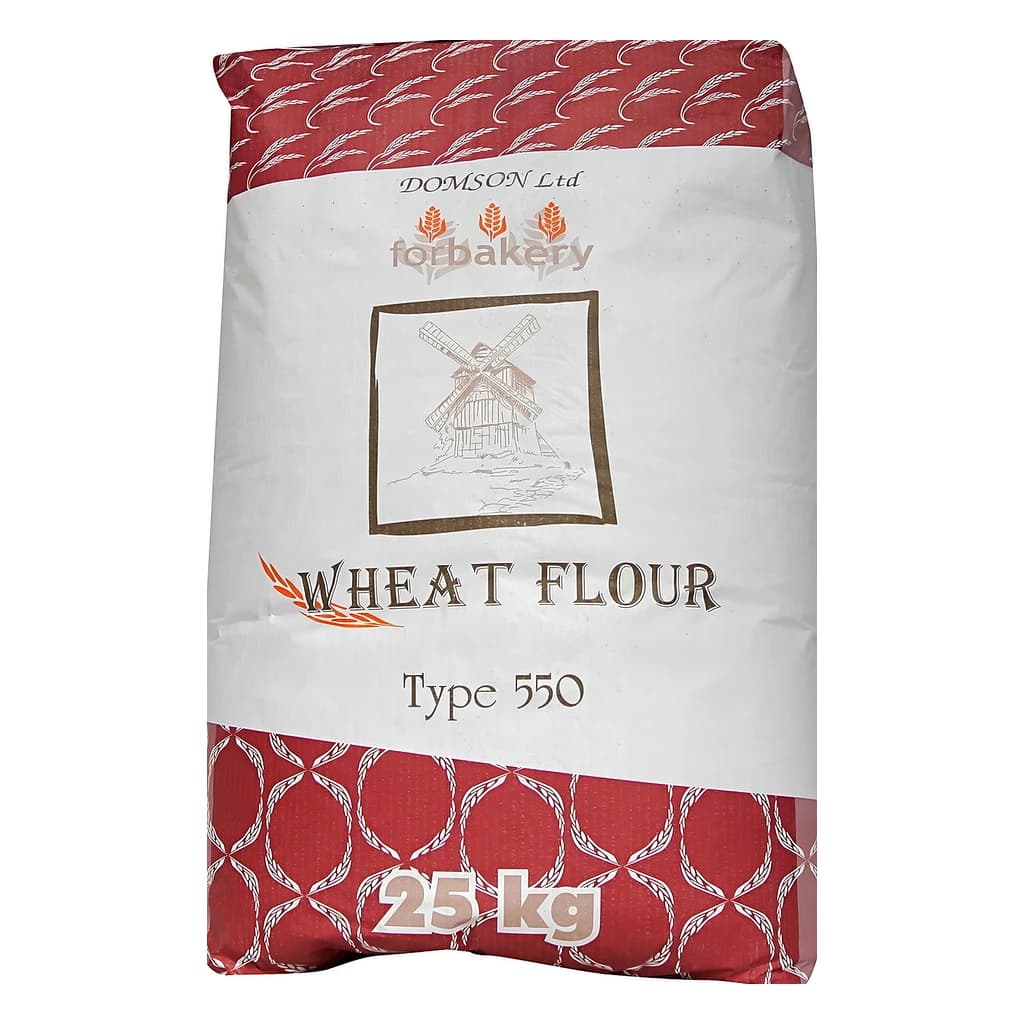
Wheat Flour Type G 550 25 kg
Komplexmłyn Wheat Flour Type 550 25 kg
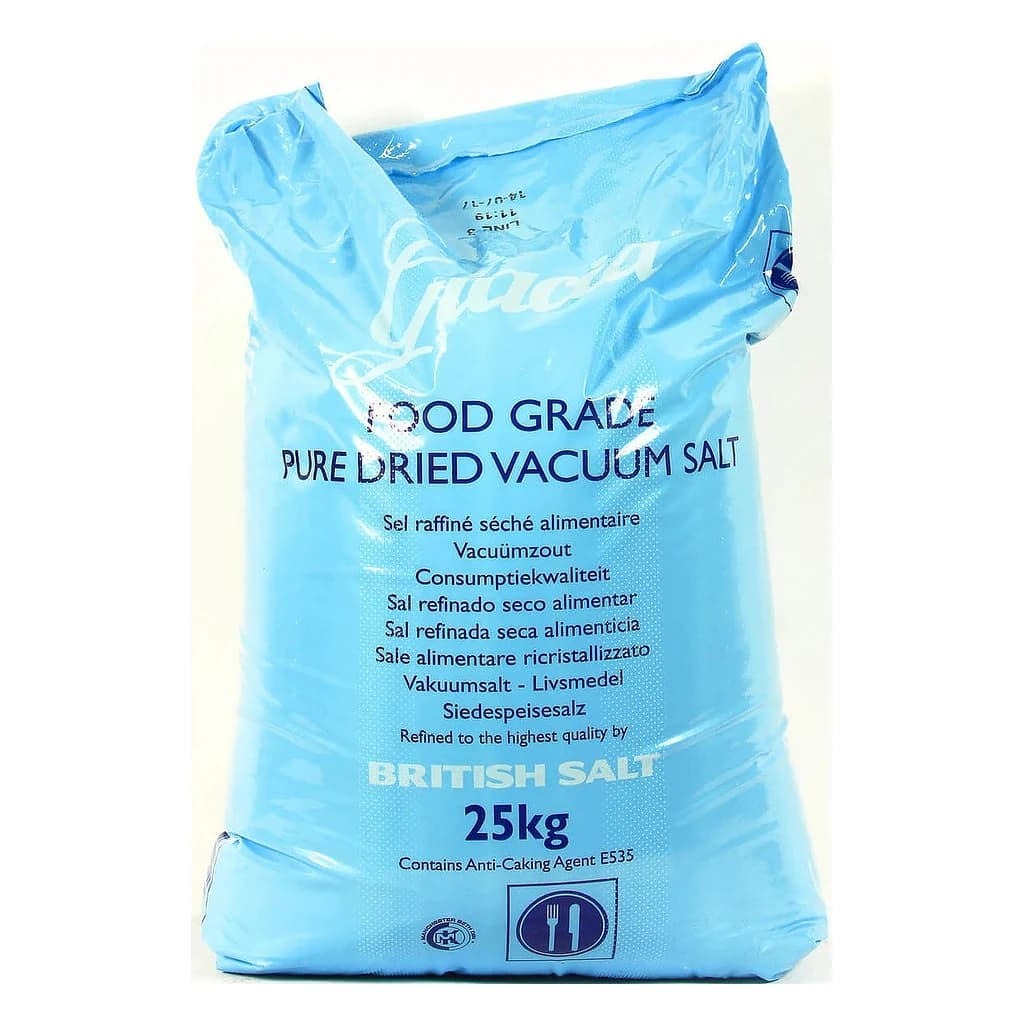
Polish Fine Iodized Salt 25 kg
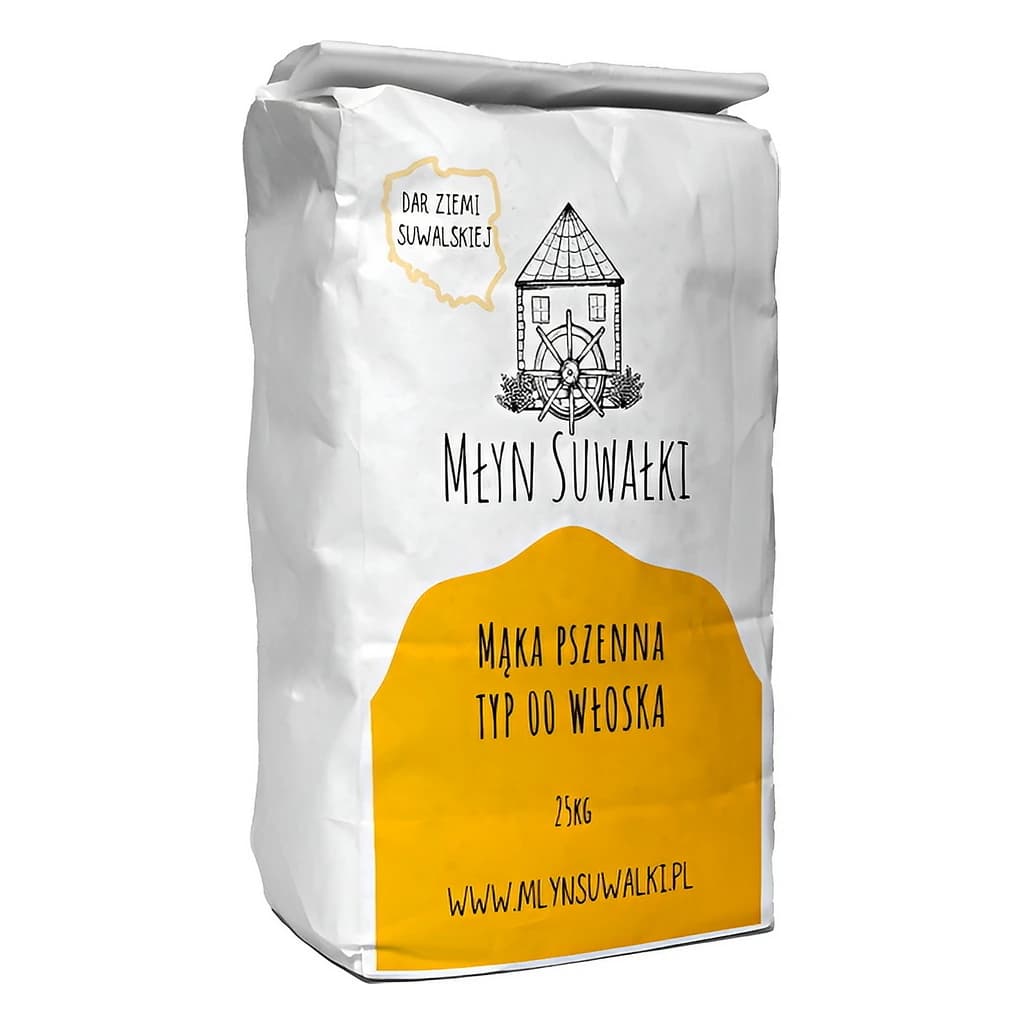
Italian Tipo 00 Pizza Flour 25 kg
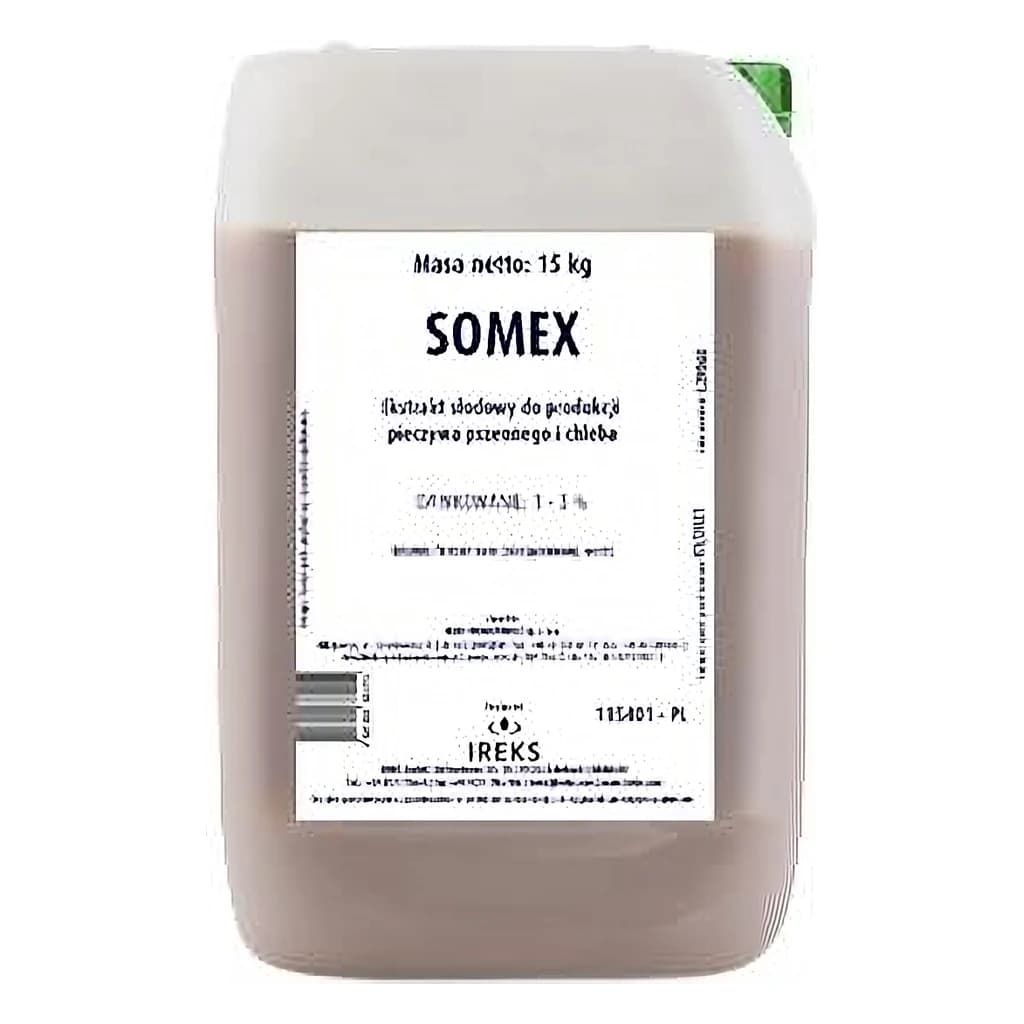
IREKS Somex Liquid Malt Extract 15 kg
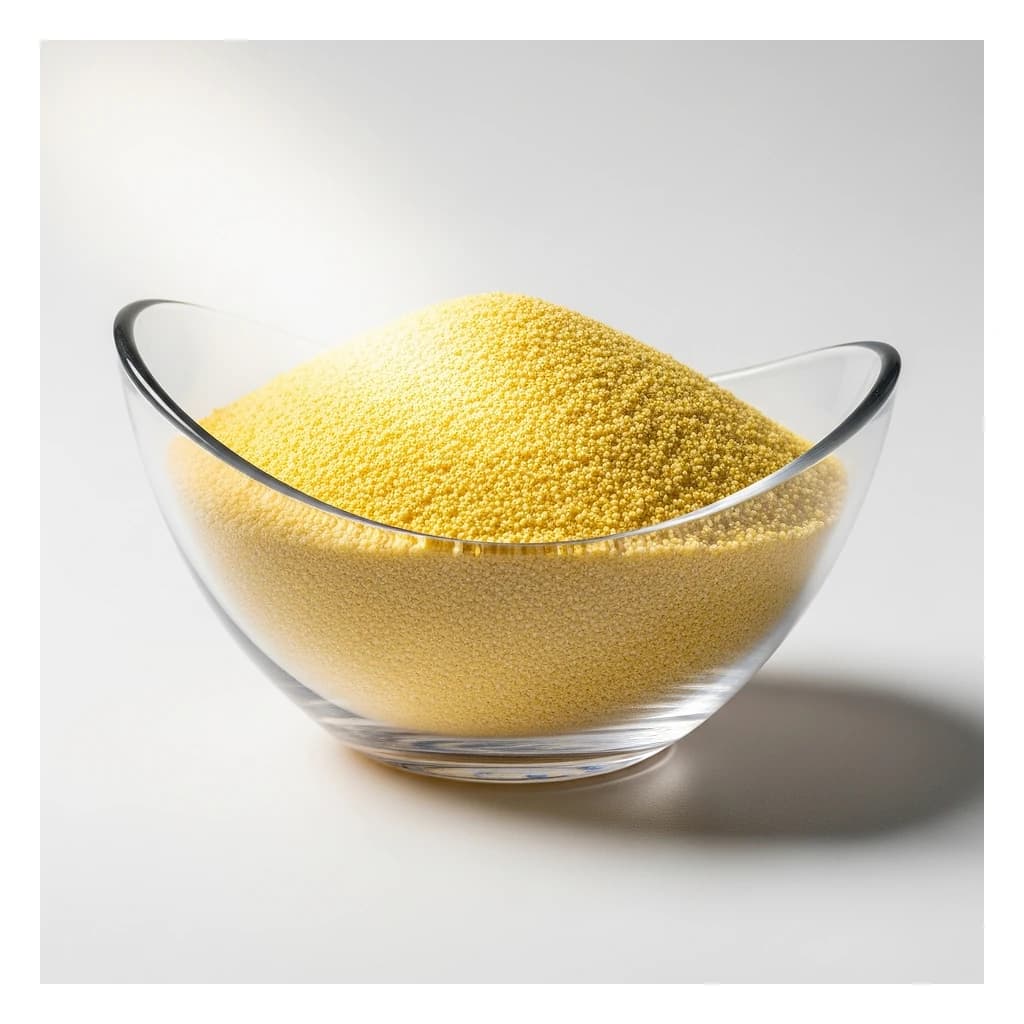
Wheat Semolina (Manna) 25 kg

Fresh Yeast Benevia 10 kg
Lesaffre Saf-Levain LV1 Sourdough Starter (S)
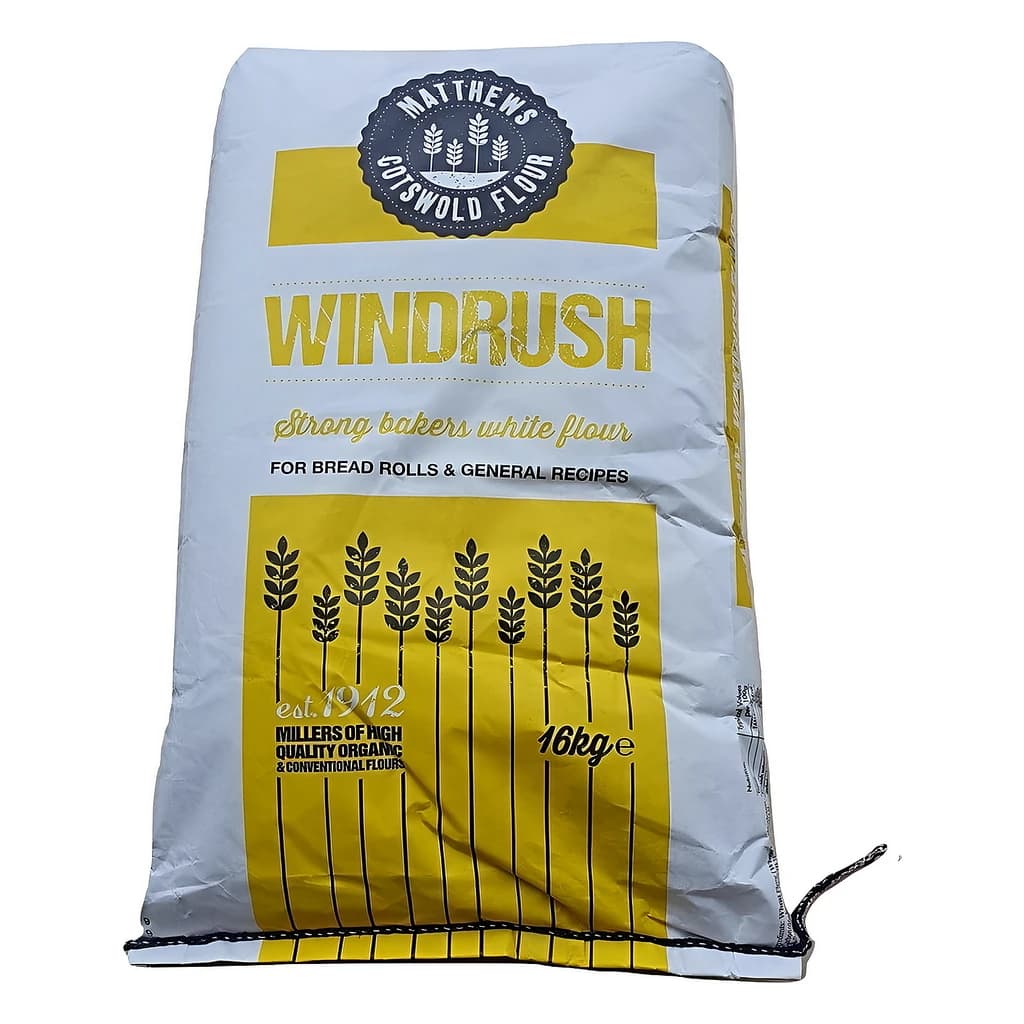
Windrush Strong White Bread Flour 16 kg
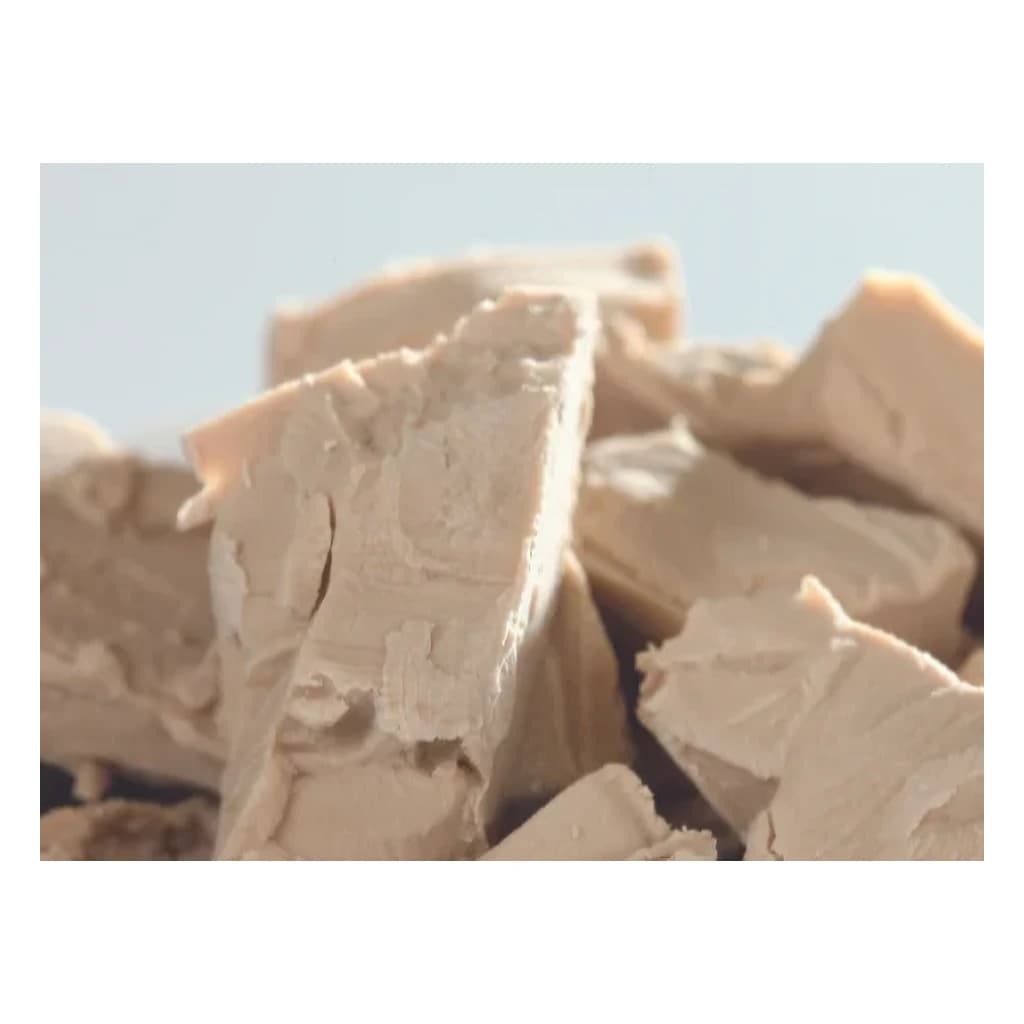
Fresh Yeast Traditional 12 kg
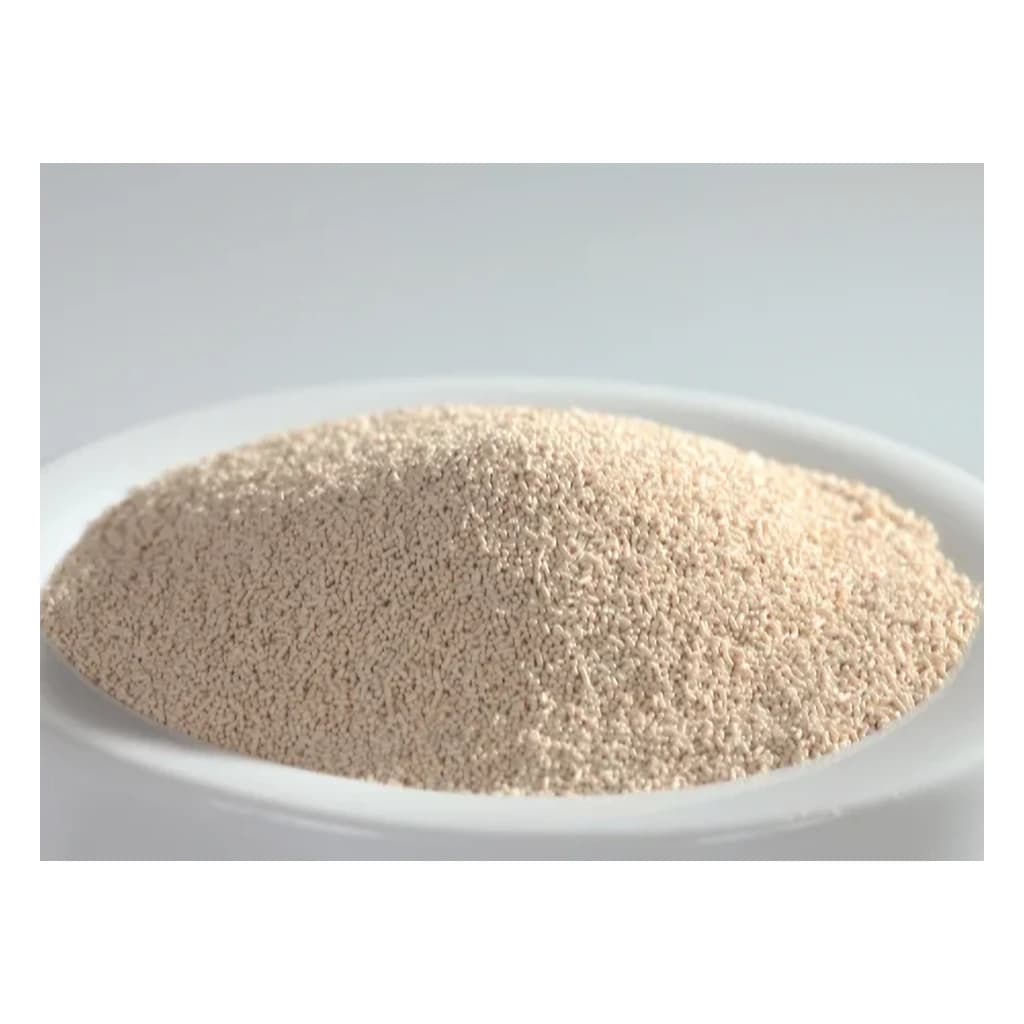
Dried Yeast Pakmaya 20 × 500 g (10 kg)
Centurion Canadian Very Strong Flour 16 kg
Domson White Strong Wheat Flour 25 kg
La Baleine Fine Sea Salt 25 kg
Belle Or T65 French Flour 25 kg
Dried Yeast Fermipan Red 10 kg

Puratos O-tentic Durum Sourdough Concentrate 10 × 1 kg
Durum Wheat Semolina 16 kg