Obwarzanek krakowski and scalded-dough products: the boil-before-bake technique
A practical, authentic guide to Poland's boil-before-bake (obwarzanie) ring family — the technique that defines obwarzanek krakowski (the braided Kraków ring, EU-protected as a PGI/ChOG since 2010), the bajgiel z Kazimierza (the Kraków Jewish bagel, ancestor of the New York bagel) and the precel (pretzel). It explains what the short hot-water scald actually does — gelatinising the surface starch so the baked crust is glossy and crisp while the crumb stays soft and tight — and gives the authentic numbers: dough of wheat flour (up to 30% rye), a scald at minimum 65°C for about 10 seconds, rings 12–17 cm across and 80–120 g, hand-twisted from 2–3 strands (wałeczki). It compares plain, sweetened and alkaline (soda/lye) baths, flags the two safety topics that matter (food-grade lye handling for pretzels; opium-alkaloid and sesame/gluten allergen control for toppings), and maps every ingredient to ready-to-buy Domson catalogue products. First-party supplier spec sheets (Komplexmłyn, GoodMills Polska, Lesaffre, Global Grains, IREKS, The Salt Company) supply the numeric specs; native Polish sources (IJHARS/Gov.pl, the City of Kraków, the EU register and the Living Obwarzanek Museum) supply the history and method.
Obwarzanek krakowski and scalded-dough products: the boil-before-bake technique
There is one step that turns an ordinary twist of yeast dough into a glossy, chewy Kraków ring: before it ever sees the oven, it goes into hot water. In Polish this is obwarzanie — to parboil or scald — and it is so central to the product that it gave the ring its name. The verb obwarzać (to scald all around) is the root of obwarzanek. This dossier is about that family of breads that are boiled before they are baked: the braided obwarzanek krakowski (the Kraków ring, EU-protected), the smooth bajgiel z Kazimierza (the Kraków Jewish bagel) and the precel (pretzel). See img-b1obw-01 for the full process at a glance.
A quick disambiguation. "Scalded dough" can mean two different things in Polish baking. This article is about obwarzanie — scalding the shaped product in hot water before baking. It is not the same as zaparzanie / parzenie — scalding flour with boiling water to make a brew (a zaparka) that is then mixed into a rye dough. That second technique belongs to the rye-bread story (see B1-rye-bread-production and the Lithuanian scalded rye loaf in B5-plikyta-rugine-duona). Same word in English, completely different operation.
1. What the scald actually does
When a shaped ring is dipped in water at or above ~65°C, three things happen on its surface (illustrated in img-b1obw-03):
- Surface starch gelatinises. The starch granules in the outer skin absorb water, swell and burst into a sticky, viscous layer. On baking, that layer dries into a thin, glossy, crisp shell — the signature sheen of a good obwarzanek. This is the same surface gelatinisation covered in A5-baking-oven-science.
- Oven spring is restricted. The pre-set, gelatinised skin resists puffing in the oven, so the dough expands inward instead of ballooning. The result is a tight, chewy crumb rather than an open, airy one.
- Yeast on the surface is arrested and the surface is wetted. A scald at ≥65°C halts further rising at the surface, so the braided shape holds and the ring does not bloat; the wet, tacky surface then grips the toppings (poppy, sesame, salt) through the bake. (For why heat stops yeast, see A2-yeast-fermentation-science.)
During baking, the Maillard reaction between the surface proteins and reducing sugars produces the golden- to-light-brown colour with a distinct shine. The hotter the bake and the higher the bath pH, the deeper that colour goes — which is the lever the whole pretzel/bagel family pulls on, as the next section explains.
2. The bath: plain, sweetened, or alkaline
Obwarzanek krakowski uses a plain hot-water scald (it may be lightly sweetened or seasoned, but never treated with lye). Other members of the family raise the bath pH to push browning and gloss further. Raising pH accelerates both starch gelatinisation and the Maillard reaction, so the crust comes out darker and shinier. The full comparison is in the comparison table below; in short:
- Plain water, ≥65°C — neutral pH. Clean shine, soft interior. Obwarzanek krakowski.
- Near-boiling water + barley-malt syrup or sugar — adds reducing sugars for colour and a chewier bite. Bagels; an optional enrichment for obwarzanki. Use a malt extract such as IREKS Somex (a barley-malt extract, recommended addition 1–3%; note it contains gluten). See A3-malt-and-malt-extracts.
- Sodium bicarbonate solution (~1–2%, pH ~8.4) — a milder, lower-risk way to deepen browning.
- "Baked baking soda" (sodium carbonate, pH ~10–11) — heating ordinary baking soda drives off water and CO₂, leaving a stronger alkali that gets close to a pretzel crust without lye.
- Food-grade lye (NaOH ~3–4%, pH ~12–13) — the authentic German pretzel bath, giving deep mahogany gloss and the classic snap.
FOOD-SAFETY FLAG. Lye (sodium hydroxide) is caustic. If you make traditional pretzels: use food-grade lye only, keep it dilute (~3–4%), and wear gloves and eye protection. Always add the lye granules to the water — never pour water onto dry lye — the dilution reaction is strongly exothermic and reversing the order causes a hazardous splash. Baked products are safe to eat because the lye reacts and decomposes during baking — but the raw solution is hazardous. Consult the NaOH Safety Data Sheet and your workplace OHS / COSHH regulations before handling. For most bakeries, baking soda or baked baking soda is the safer route to a darker crust, at the cost of a little gloss. Obwarzanek krakowski needs none of this — its crust comes from a plain ≥65°C scald and a hot oven.
3. Obwarzanek krakowski: the protected Kraków ring
Obwarzanek krakowski is one of Poland's most recognisable regional breads, and since 2010 it has been protected at EU level. It was registered as a Protected Geographical Indication — in Polish, Chronione Oznaczenie Geograficzne (ChOG) — by Commission Regulation (EU) No 977/2010 of 29 October 2010 (OJ L 285, 30.10.2010, p. 15), under product class 2.4 (bread, pastry, cakes, confectionery, biscuits and other bakery products). The protected name may only be used for product made in the city of Kraków and the Kraków (krakowski) and Wieliczka (wielicki) counties (img-b1obw-05).
The numbers that define it
The PGI specification fixes the shape and weight (see the spec and comparison tables below):
- Diameter: 12–17 cm
- Strand thickness (splot): 2–4 cm
- Weight: 80–120 g (no lighter than 80 g, no heavier than 120 g)
- Dough: wheat flour, with up to 30% rye flour permitted, plus fat, sugar, yeast, salt and water
- Scald: water at minimum 65°C, for about 10 seconds
- Toppings: salt, poppy seed (mak), sesame, or czarnuszka (nigella/black cumin)
Shaping the braid
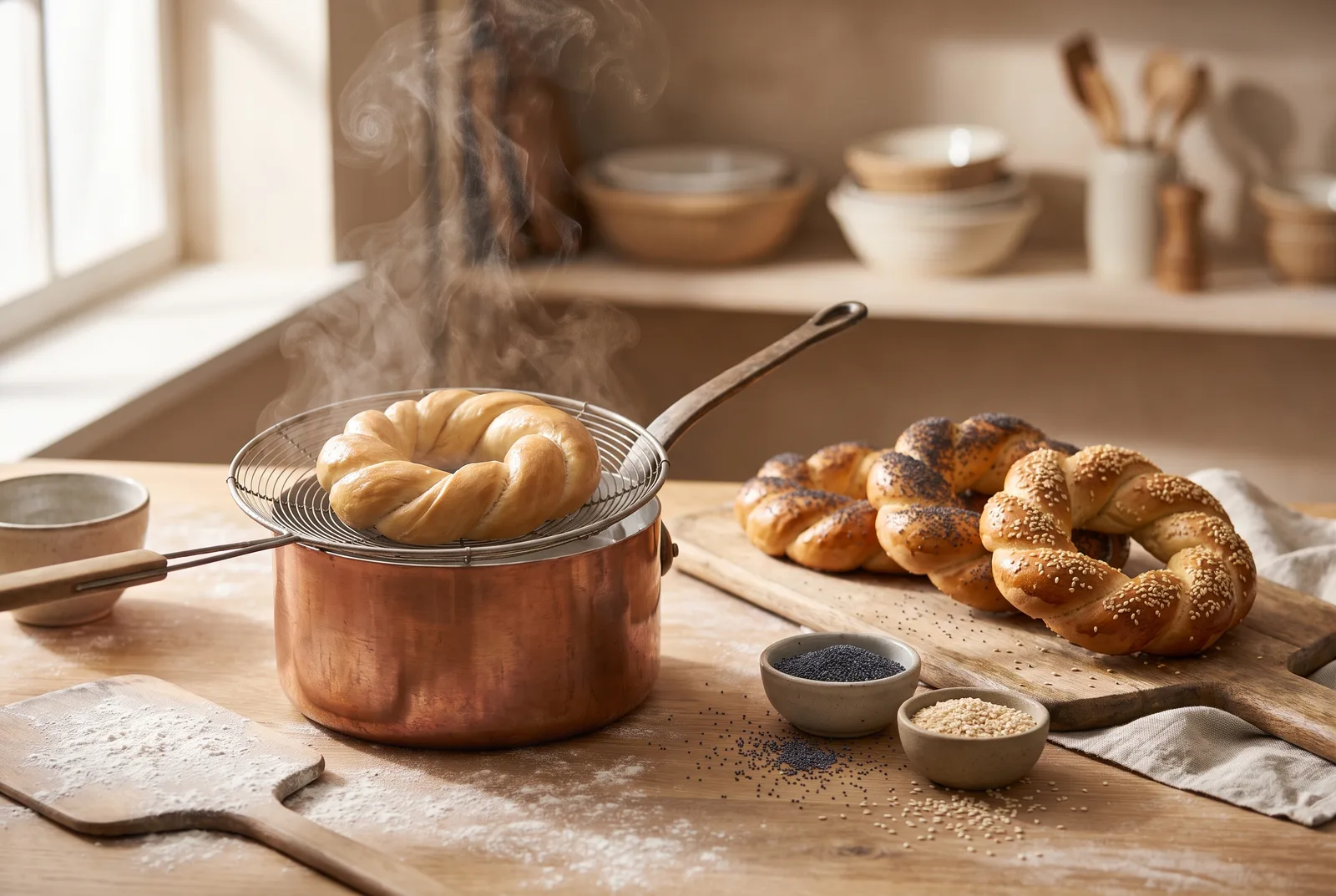
What you see on the cart is hand-built (img-b1obw-02). The dough is rolled into thin strands — called wałeczki or sulki — about 1.5 cm thick, then two to three strands are twisted together spirally, "jak warkocz" (like a plait), and the ends are joined into a closed ring. The Kraków word for that winding action is sulać. Because the strands are twisted, the baked obwarzanek keeps a visible braided texture — this is the easiest way to tell it apart from a bagel, which is made from a single, untwisted rope.
History you can sell to your customers
Obwarzanki are genuinely medieval. The first documented mention is from 1394, in the court accounts of King Władysław II Jagiełło and Queen Jadwiga (Hedwig) — an entry recording payment "pro circulis" (Latin circuli / circinelli, "little rings"). Kraków's bakers' guild dates to the 13th century and controlled their production; they were sold from stalls at the Sukiennice (Cloth Hall) on the Main Market, and for centuries were baked only during Lent (Wielki Post). In 1496 King Jan Olbracht granted Kraków bakers exclusive rights to bake them. Today they are a year-round Kraków icon: average weekday production is close to 150,000 pieces, sold from roughly 170–180 street carts, with eight certified bakeries holding the PGI certificate. A finished cart is shown in img-b1obw-06, and the glossy braided crust in img-b1obw-07.
4. Bajgiel z Kazimierza and precel: the rest of the family
The bajgiel z Kazimierza — the Kraków bagel — comes from the Jewish community of Kazimierz. Its first documented mention is 1610, in a Kraków Jewish-community record describing free bajgle given to every woman who had given birth (the ring symbolising the cycle of life). It was entered on Poland's List of Traditional Products on 19 December 2008 (Małopolskie voivodeship). The name itself is of German origin; the mainstream etymology traces it to Middle High German böugel (ring or bracket, related to biegen — to bend). Polish official sources, including the Ministry of Agriculture's traditional-product entry, sometimes present a legendary version of this connection, linked to a Kraków baker honouring King Jan III Sobieski after the Battle of Vienna (1683); that story is regarded as folk etymology by most linguists, but both accounts agree on the German ring-and-bending root.
Crucially, the bajgiel is also scalded before baking, exactly like the obwarzanek — but it is shaped from a single, un-twisted strand into a smooth ring with a small central hole, 8–12 cm across and about 4 cm thick. After baking it has a smooth, shiny, crisp crust and a plump interior, where the obwarzanek keeps its braided ridges (img-b1obw-04, img-b1obw-08). The New York bagel and the Kraków obwarzanek descend from the same Kraków-region ancestor but followed different evolutionary lines. The precel (pretzel) belongs to the same boil-before-bake family too; it differs mainly in how the rope is knotted and — for the German style — in its alkaline lye bath. The side-by-side comparison is in the comparison table below.
For the related Polish enriched and ferment traditions a Kraków baker works alongside, see B1-enriched-yeast-doughs (chałka, babka, drożdżówki), the B1-bread-landscape regional map, and B1-zakwas-sourdough for rye starters.
5. A working formula and method
The PGI fixes the ingredients and dimensions, not the exact ratios — each bakery keeps its own. The following is a representative working formula in baker's percentage (see A8-bakers-percentage-fundamentals; full card below):
| Component | Baker's % | Note |
|---|---|---|
| Wheat flour (T550 or T750; up to 30% may be rye) | 100% | Medium-strong wheat for the twist and chew |
| Water | ~50% | A stiff dough holds its braided shape |
| Fresh yeast | ~4% | ≈1.3% if using instant dry |
| Sugar | ~1% | Light yeast feed and a little crust colour |
| Salt | ~2% | Flavour and dough control |
| Fat (butter or oil) | ~6% | A modest tenderiser — this is a lean-leaning dough (see PGI fat note below) |
PGI fat note. The PGI specification constrains fat to approximately 2–3% of flour weight, traditionally animal fat (tallow or lard). The 6% butter/oil above is from a representative home recipe and exceeds the PGI-specified range. If your product will carry the protected name, reduce fat to 2–3% and use the permitted fat type; this formula serves as a working base for unprotected ring rolls.
Method: mix to a smooth, fairly stiff dough (at least ~10 minutes — see A5-dough-mixing-methods); bulk-proof about 1 hour at 22–25°C until roughly doubled (A5-proofing-science); roll strands ~1.5 cm thick and twist into rings 12–17 cm across; give a short final proof; scald at ≥65°C for ~10 s, drain, top while wet, and bake hot.
Two figures vary by source — choose deliberately. The PGI/City-of-Kraków parameters are a ~10-second scald at ≥65°C; many home recipes instead use a 30–60-second dip in near-boiling water, which gives a chewier, more bagel-like result. For the bake, home-recipe sources consistently give ~200–220°C for 15–20 min; professional deck/tunnel ovens are commonly cited in the range 280–320°C for ~15 min — plausible for rapid commercial stone-deck baking, but this specific figure is unverified against a certified PGI bakery or trade source and should be treated as indicative. Hotter and shorter favours gloss and a crisp shell; cooler and longer dries the ring out.
Because it is a lean wheat ring with a thin crumb, the obwarzanek stales within hours (starch retrogradation — see A5-shelf-life-and-staling). It is, by design, a same-day, bake-to-order product: freshness is the whole point.
6. Buying the ingredients (Domson catalogue)
The technique is simple; the quality lives in the raw materials. First-party supplier specs (see the spec and comparison tables below) point to these catalogue items:
- Flour — the structure. A medium-strong wheat flour holds the twist and gives a crisp, chewy crust. Wheat Flour Type 550 (GoodMills Polska) — protein 11.5–12.5%, wet gluten 28–32%, gluten index 75–99 — is the recommended choice; Type 500 (Komplexmłyn) (protein ≥8.0%, ash ≤0.52%) gives a lighter, more tender ring, and Bread Flour Type 750 adds colour, flavour and chew. For the permitted rye fraction (up to 30%), use Rye Flour Type 720 (GoodMills Polska). The Polish T-code system is explained in A1-flour-classification-systems, and flour-for-application in A1-wheat-flour-types-by-application.
- Yeast — the lift.Lesaffre Benevia fresh yeast (Saccharomyces cerevisiae, dry matter >29%; store 1–10°C, 35-day shelf life) at ~4%, or Fermipan Red instant dry at ~1.3% (see A2-yeast-types-comparison). img-b1obw-09 shows the Benevia block.
- The bath enhancer (optional).IREKS Somex barley-malt extract at 1–3% in the bath or dough deepens colour and gloss (A3-malt-and-malt-extracts) — contains gluten.
- Toppings.Blue or White Poppy Seeds, Sesame Seeds (hulled), and a topping salt. Apply immediately after draining, while the surface is tacky, so they stay on through the bake (the adhesion rules are in A7-seeds-nuts-toppings). img-b1obw-10 shows poppy and sesame as bulk ingredients.
- Salt.Polish Fine Iodized Salt or Extra Fine Sea Salt for the dough; a coarse salt grade is the traditional topping.
- Sugar. A little Granulated Sugar in dough and (optionally) bath.
FOOD-SAFETY & ALLERGEN FLAGS.
- Sesame is a named allergen and must be declared; if any rye fraction is used in the dough, both wheat and rye must be listed explicitly as allergen sources (not merely "gluten"). The wheat/rye dough carries gluten, and barley-malt extract (if used in bath or dough) adds barley gluten — assess residual levels in the finished product.
- Sesame and ethylene oxide (EtO): sesame seed has been flagged in EU RASFF alerts for EtO contamination (notably 2020–2021, with some lots exceeding the EU MRL by more than 1,000×). The spec-sheet limit (≤0.05 ppm) must be backed by a lot-specific Certificate of Analysis covering both ethylene oxide and its metabolite 2-chloroethanol (combined limit 0.05 mg/kg under EU 2023/915) on every delivery. A static spec-sheet value is not sufficient evidence of compliance.
- Poppy seed contains opium alkaloids (morphine equivalents). The supplier grade is declared "unsuitable for direct consumption" and must comply with EU maximum levels for opium alkaloids (Commission Regulation (EU) 2023/915, which consolidated and superseded the earlier 2021/2142 amendment to Reg (EC) 1881/2006); current limits are 20 mg/kg for consumer-grade poppy seed and 1.5 mg/kg in bakery products. Washing and heat processing reduce alkaloid levels but the reduction is batch-variable; CoA verification per lot cannot be substituted by a general heat-reduction claim.
- Salt anti-caking agents E535/E551: if the salt grade with these additives is used as a visible topping, confirm whether carry-over labelling obligations apply in the finished product (Article 18 of Reg (EC) 1333/2008); E535 is subject to varying national attitudes — verify acceptance in each target market.
- Confirm every allergen and contaminant statement against current supplier datasheets and EU/UK law before publishing customer-facing labels.
Sources & verification
History, dimensions and the scald parameters are corroborated across the IJHARS/Gov.pl page, the City of Kraków, the EU regulation (via Prawo.pl) and the Living Obwarzanek Museum; the ingredient numbers come from first-party supplier spec sheets (single-source; not independently cross-checked). All food-safety, allergen and nutrition claims must be verified against current supplier datasheets and EU/UK law before use.
Figures
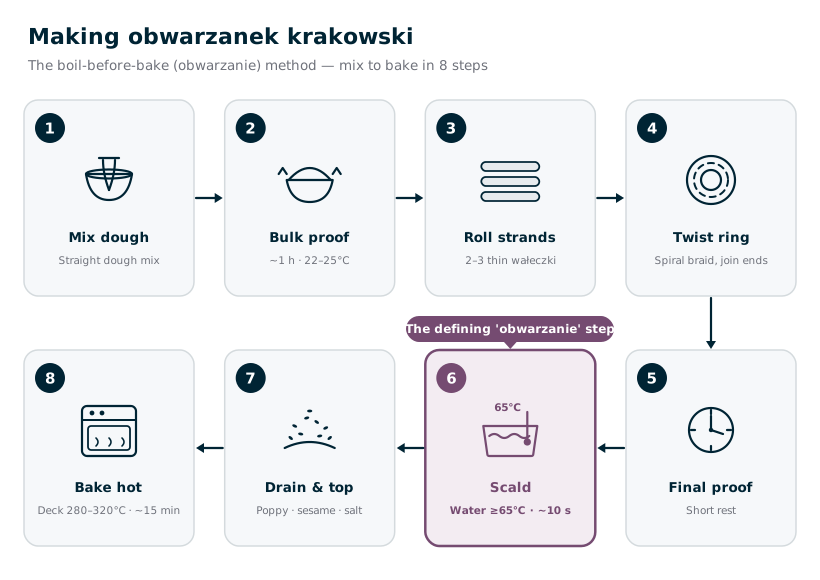 Eight-step diagram of making obwarzanek krakowski, from mixing through twisting strands into a ring, scalding in water at 65 degrees for ten seconds, topping and baking
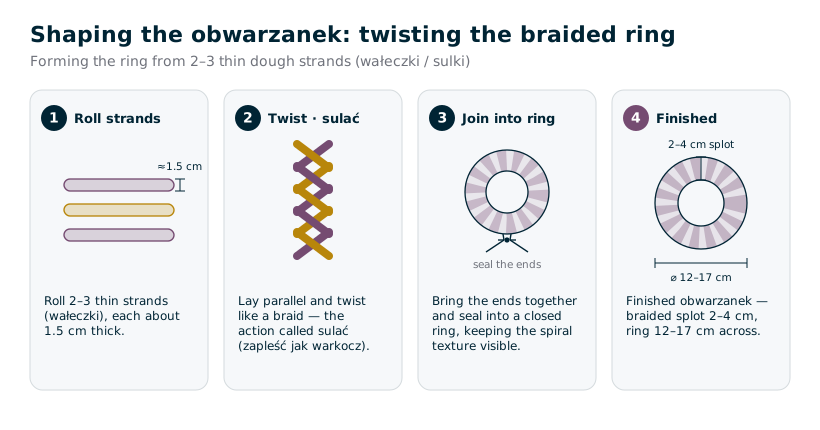 Four-panel guide to twisting two or three dough strands into the braided ring shape of an obwarzanek, with size callouts
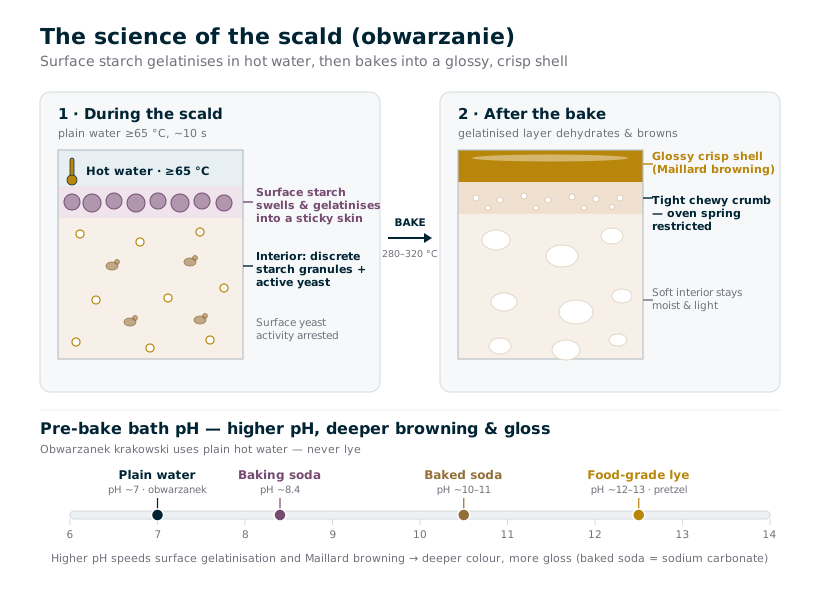 Diagram showing surface starch gelatinising during the hot-water scald and then forming a glossy crisp crust after baking, with a pH comparison of plain, soda and lye baths
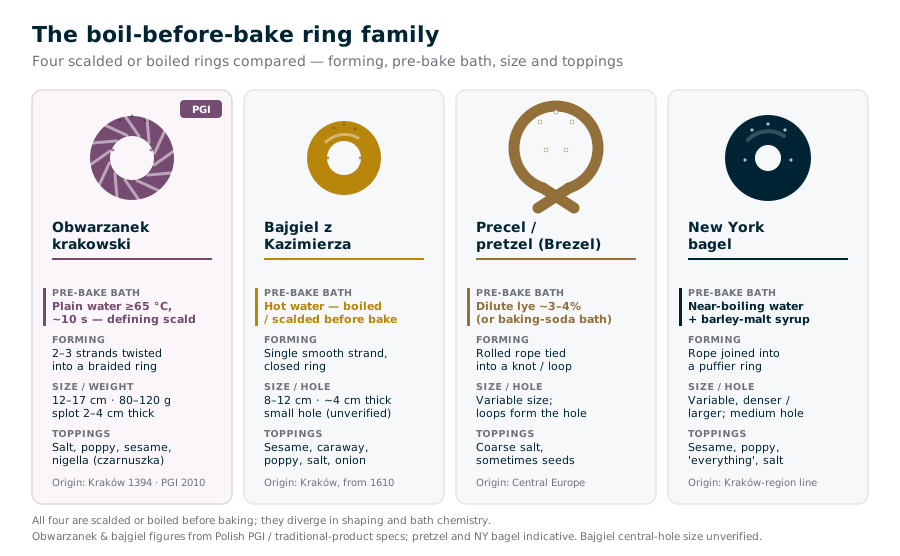 Illustrated comparison of obwarzanek, Kazimierz bagel, German pretzel and New York bagel showing their different shapes, water baths and toppings
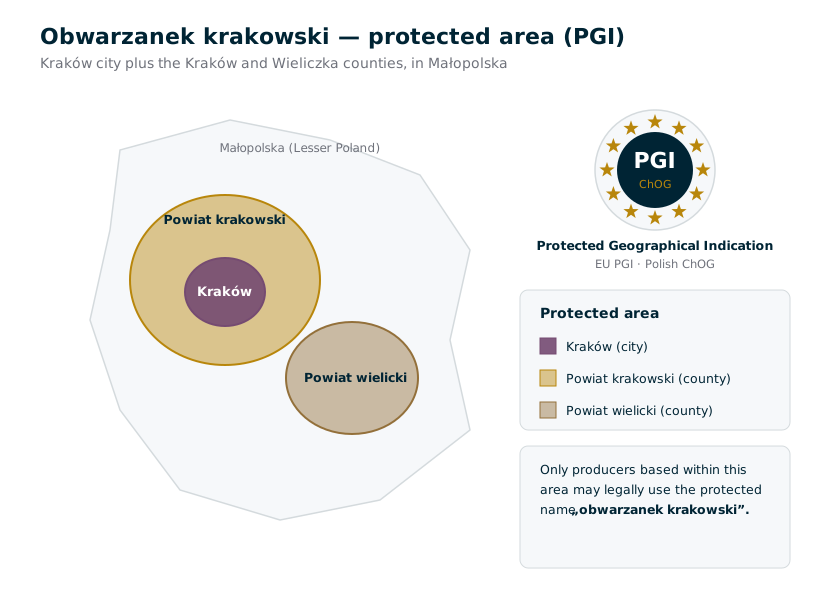 Simplified map highlighting Krakow city and the Krakow and Wieliczka counties as the protected geographical area for obwarzanek krakowski PGI
Obwarzanek-style dough (baker's percentage)
| Ingredient | Baker's % | Weight |
|---|---|---|
| Wheat flour (T550 or T750; up to 30% may be rye) — Medium-strong wheat for structure and chew | 100 | |
| Water — Stiff dough so the twist holds its shape | 50 | |
| Fresh yeast — Lesaffre Benevia or similar; ~1.3% if using instant dry | 4 | |
| Sugar — Light feed for the yeast and a touch of crust colour | 1 | |
| Salt — Flavour and dough control | 2 | |
| Fat (butter or oil) — Tenderises slightly; keep modest — this is a lean-leaning dough. PGI NOTE: the PGI specification constrains fat to ~2–3% of flour weight (traditionally animal fat — tallow or lard); 6% is from a representative home recipe and exceeds the PGI range. Reduce and use the permitted fat type if the product will carry the protected name. | 6 |
- Mix to a smooth, fairly stiff dough — at least ~10 minutes (see A5-dough-mixing-methods).
- Bulk-proof about 1 hour at 22–25°C until roughly doubled (A5-proofing-science).
- Scale and roll into thin strands ~1.5 cm thick; twist 2–3 strands spirally and seal into a ring 12–17 cm across.
- Give a short final proof — keep it controlled; the scald, not a long proof, sets the texture.
- Scald each ring in water at minimum 65°C for ~10 seconds, then lift and drain.
- While the surface is wet, coat with salt, poppy or sesame.
- Bake hot: deck/tunnel 280–320°C for ~15 min (home oven ~200–220°C for 15–20 min) to a golden, glossy crust.
- Sell/eat fresh — obwarzanki are at their best within a few hours of baking.
Yield: A representative working formula synthesised from Polish recipes; the PGI ingredient list is wheat flour (up to 30% rye), fat, sugar, yeast, salt, water — exact ratios are each bakery's own. See A8-bakers-percentage-fundamentals.
The scald bath and topping rates
| Ingredient | Baker's % | Weight |
|---|---|---|
| Water for the bath — Minimum 65°C; a gentle scald, not a rolling boil — this halts surface yeast so the ring keeps its shape | ||
| Optional barley-malt extract or sugar in the bath — 1–3% malt extract (e.g. IREKS Somex) adds reducing sugars for colour, gloss and flavour | ||
| Optional sodium bicarbonate — ~1–2% raises pH for deeper browning if a darker crust is wanted — a milder, safer alternative to lye | ||
| Poppy / sesame / coarse salt topping — Apply immediately after draining while the surface is tacky so it adheres through the bake (see A7-seeds-nuts-toppings) |
- Hold the bath at ≥65°C; scald ~10 s (longer, 30–60 s near-boiling, gives a chewier bagel-style result).
- Drain well; a wet but not waterlogged surface grips the topping.
- Top and bake straight away.
| Product | Forming | Size / weight | Central hole | Pre-bake bath | Typical toppings | Origin |
|---|---|---|---|---|---|---|
| Obwarzanek krakowski (PGI) | 2–3 thin strands twisted spirally into a braided ring | 12–17 cm dia, splot 2–4 cm, 80–120 g | Open, irregular (braided) | Plain water, minimum 65°C, ~10 s (may be lightly sweetened/seasoned) | Salt, poppy, sesame, czarnuszka (nigella) | Kraków, documented from 1394; PGI 2010 |
| Bajgiel z Kazimierza | Single un-twisted strand, smooth ring | 8–12 cm dia, ~4 cm thick | Small central hole (dimension unspecified in accessible sources) | Hot water (boiled/scalded before baking) | Sesame, caraway, poppy, salt, onion, cheese | Jewish Kazimierz, Kraków; first mention 1610; traditional product 2008 |
| Precel / German pretzel (Brezel) | Rolled rope tied into a knot/loop | Variable | Loops (knot) | Dilute food-grade lye (sodium hydroxide) ~3–4%, or baking-soda solution | Coarse salt, sometimes seeds | Central-European; lye bath is the signature |
| New York bagel | Rope joined into a ring (or poked), puffier | Variable, denser/larger | Medium–large | Near-boiling water, often + barley-malt syrup or a little baking soda | Sesame, poppy, 'everything', salt | Diverged from the same Kraków-region ancestor |
All four are scalded/boiled before baking; they diverge in shaping and bath chemistry. Figures: obwarzanek and bajgiel from Polish PGI/traditional-product specs; pretzel and NY bagel are indicative.
| Bath | Approx. pH | Crust colour / gloss | Chew | Safety / handling | Used for |
|---|---|---|---|---|---|
| Plain hot water, ≥65°C | ~7 (neutral) | Light to deep golden, clean shine | Crisp shell, soft inside | No special handling | Obwarzanek krakowski (PGI) |
| Near-boiling water + barley malt / sugar | ~7 | Golden, glossy; malt adds colour + flavour | Chewier, denser | No special handling | Bagels; optional obwarzanek enrichment |
| Sodium bicarbonate (baking soda) solution ~1–2% | ~8.4 | Deeper brown, more sheen than plain | Slightly tangy, firm | Low risk; food-safe | Home pretzels/bagels, milder alternative to lye |
| Baked baking soda (sodium carbonate) | ~10–11 | Darker, more pretzel-like | Firm, pretzel bite | Mild alkali; gloves advisable | Pretzel substitute for lye |
| Food-grade lye (NaOH) ~3–4% | ~12–13 | Deep mahogany, high gloss | Classic pretzel snap | Caustic — food-grade only, dilution, gloves + eye protection; safe after baking once lye decomposes | Authentic German pretzels |
Higher pH speeds surface-starch gelatinisation and the Maillard reaction, giving deeper browning and more gloss. Obwarzanek krakowski uses a plain (optionally lightly sweetened) hot-water scald — never lye.
| Flour | Protein | Ash | Wet gluten | Falling number | Best for |
|---|---|---|---|---|---|
| Wheat flour Type 500 (Komplexmłyn) | ≥8.0% | ≤0.52% | ≥23% | ≥220 s | Lighter, tender obwarzanek; everyday wheat baking |
| Wheat flour Type 550 (GoodMills Polska) | 11.5–12.5% | 0.51–0.58% | 28–32% (gluten index 75–99) | ≥220 s | Recommended: enough strength for the twist and a chewy crust |
| Wheat flour Type 750 (bread flour) | Higher-extraction wheat bread flour | Higher than T550 | Bread-grade | Bread-grade | More colour/flavour and chew; popular alternative for obwarzanki |
Obwarzanek dough is wheat-based (up to 30% rye allowed). A medium-strong wheat flour holds the twist and gives a crisp, chewy result. Numbers are first-party supplier spec-sheet values; see A1-flour-classification-systems for the Polish T-code system.
| Attribute | Obwarzanek krakowski (PGI/ChOG) | Generic obwarzanek / ring roll |
|---|---|---|
| Name protection | Reserved name; EU Reg (EU) 977/2010, class 2.4 | No protection |
| Where it may be made | Kraków city + Kraków and Wieliczka counties | Anywhere |
| Diameter | 12–17 cm | Unregulated |
| Weight | 80–120 g | Unregulated |
| Strand thickness | 2–4 cm braided splot | Unregulated |
| Method | Hand-twisted strands, scald ≥65°C, then bake | Varies; some skip the scald |
| Fault | Cause | Remedy |
|---|---|---|
| Dull crust, no shine | Bath too cool or skipped; surface starch never gelatinised | Scald at ≥65°C; add 1–3% malt or a little sugar to the bath |
| Too pale after baking | Oven not hot enough or bath pH too low | Bake hotter (deck 280–320°C); raise bath pH with ~1–2% baking soda |
| Puffy, loses the braid definition | Over-proofed before scalding, or scald too cool to arrest the yeast | Keep final proof short; scald at proper temperature to stop further rise |
| Toppings fall off | Surface too dry when topped, or topped after it set | Top immediately after draining while tacky; press lightly |
| Tough, leathery crust | Scald too long / too hot, or over-baked | Shorten the scald (~10 s), watch the bake; reduce dough strength if persistent |
| Stales within hours | Inherent to a lean wheat ring with thin crumb (starch retrogradation) | Bake to order and sell fresh; obwarzanek is intentionally a same-day product (see A5-shelf-life-and-staling) |
| Cracked / blistered surface | Skin dried before baking or scald uneven | Bake promptly after scalding; keep bath temperature even |
- Registration:
- Commission Regulation (EU) No 977/2010, 29 Oct 2010 (OJ L 285/15); class 2.4
- Designation:
- Chronione Oznaczenie Geograficzne (ChOG) / Protected Geographical Indication (PGI)
- Geographical area:
- City of Kraków + Kraków (krakowski) and Wieliczka (wielicki) counties
- Diameter cm:
- 12–17
- Strand thickness cm:
- 2–4
- Weight g:
- 80–120
- Dough:
- Wheat flour (up to 30% rye permitted), fat, sugar, yeast, salt, water
- Scald:
- Water minimum 65°C, ~10 s
- Daily market volume:
- ~150,000 pieces on weekdays; ~170–180 carts; 8 certified bakeries
- Wheat flour T500:
- Ash ≤0.52%, protein ≥8.0%, gluten ≥23%, falling number ≥220 s, moisture ≤15% (Komplexmłyn)
- Wheat flour T550:
- Protein 11.5–12.5%, wet gluten 28–32%, gluten index 75–99, ash 0.51–0.58%, falling number ≥220 s (GoodMills Polska)
- Fresh yeast benevia:
- S. cerevisiae, dry matter >29%, 125±10 ml CO2, store 1–10°C, 35-day shelf (Lesaffre)
- Barley malt extract somex:
- Barley-malt extract, addition 1–3%, contains gluten (IREKS)
- Blue poppy seed:
- Papaver somniferum, moisture ≤10%, purity ≥99.8%, opium-alkaloid caution — EU 2023/915 limits: 20 mg/kg (consumer grade), 1.5 mg/kg (bakery products); require lot CoA (Global Grains)
- Hulled sesame:
- Sesamum indicum, moisture ≤6%, purity ≥99.9%, SESAME allergen, EtO+2-chloroethanol ≤0.05 mg/kg (EU 2023/915) — require lot-specific CoA; RASFF-alert ingredient 2020–2021 (Global Grains)
- Sea salt extra fine:
- ~99.8% NaCl, anti-caking E535/E551, no allergens (The Salt Company)
Buy the ingredients
Catalogue products and brands referenced in this article.
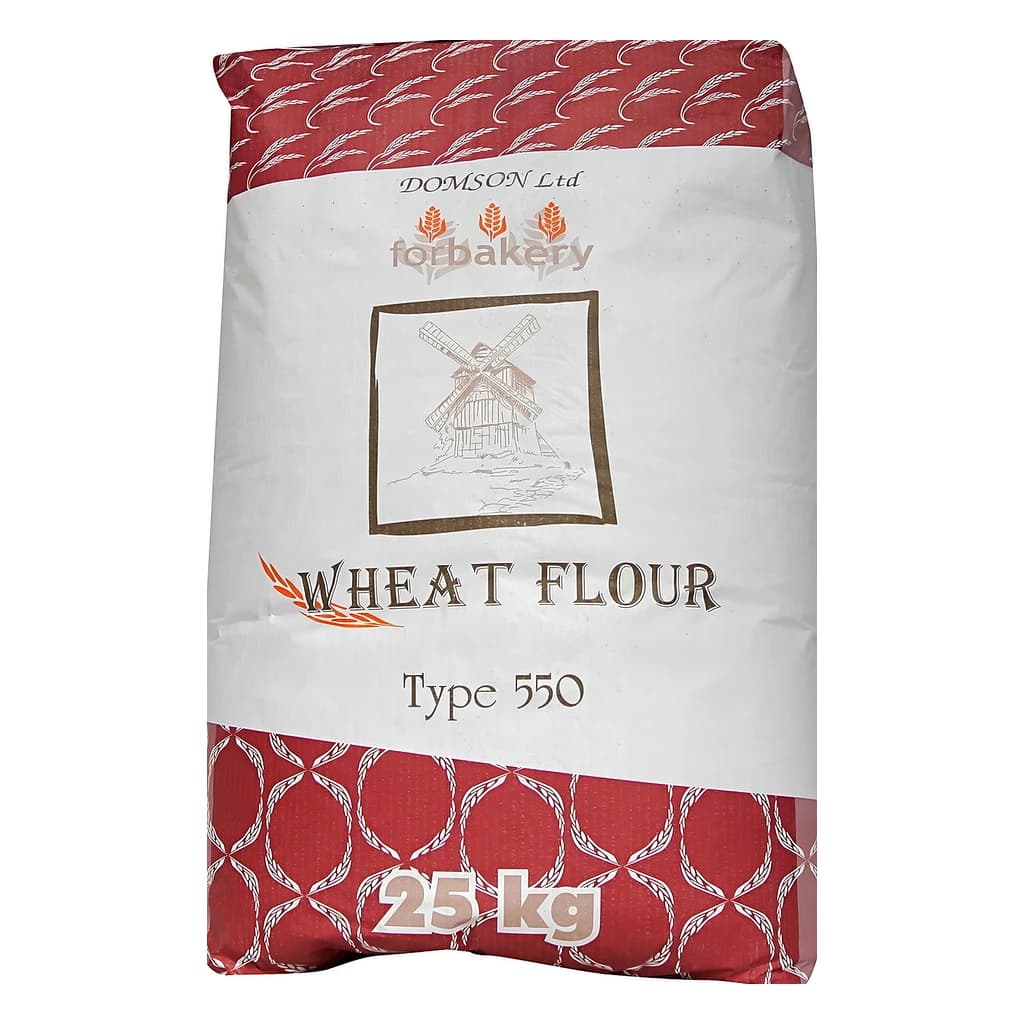
Wheat Flour Type G 550 25 kg

Rye Flour Type 720 20 kg
Granulated Sugar 25 kg
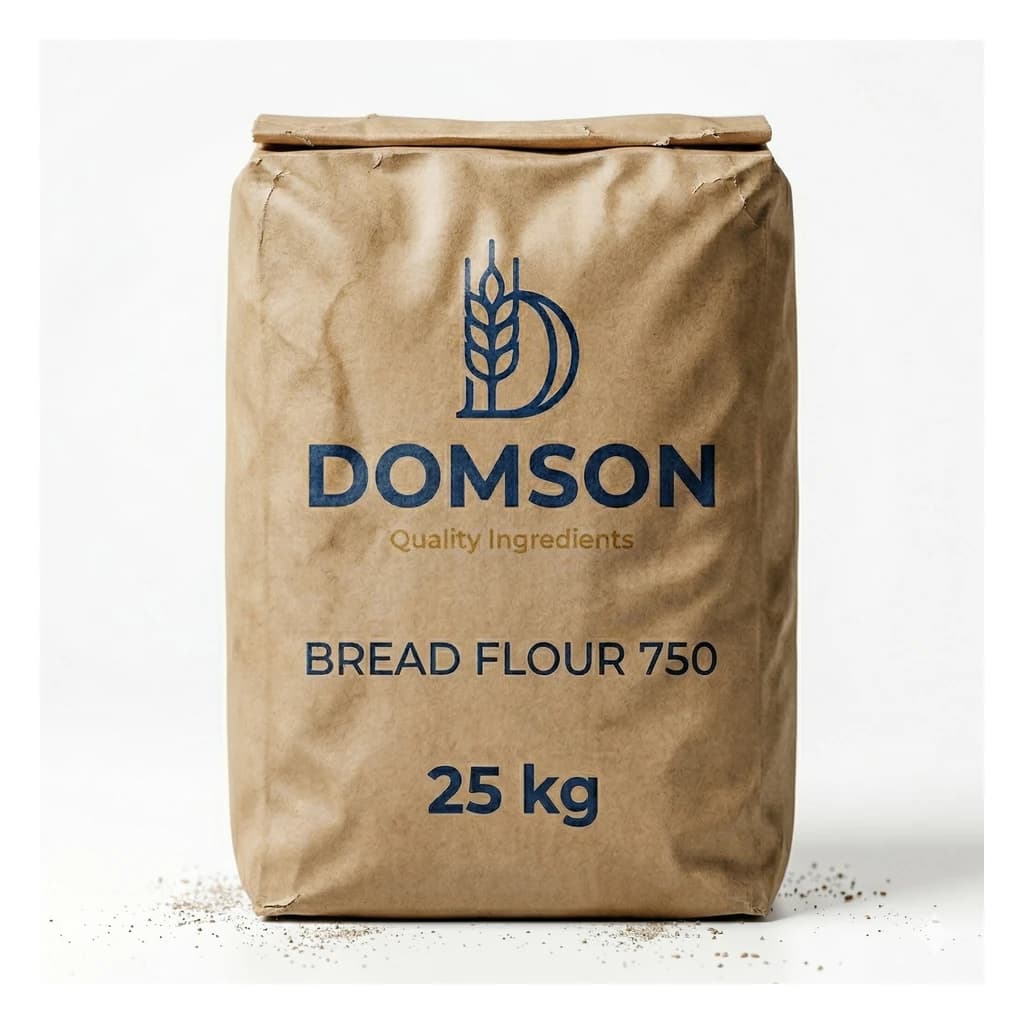
Domson Bread Flour Type 750 25 kg
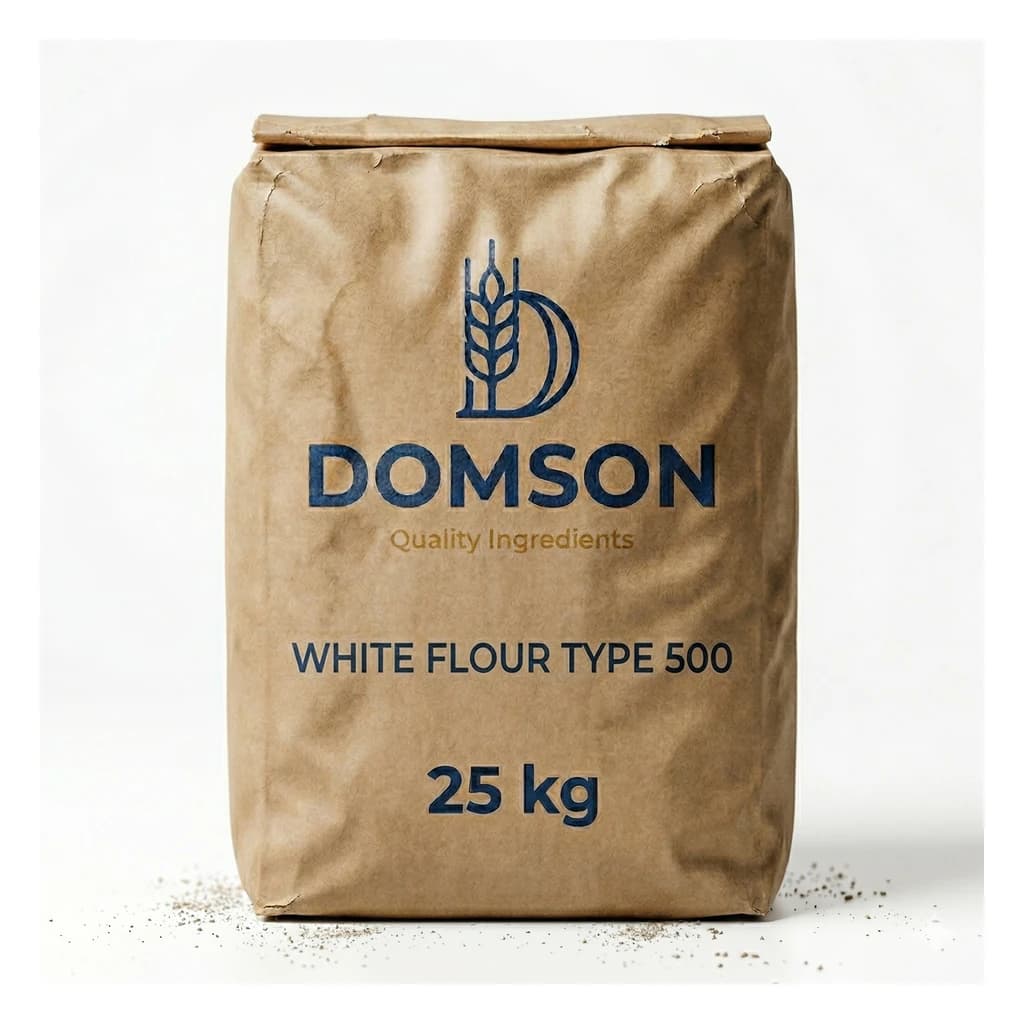
Domson White Flour Type 500 25 kg
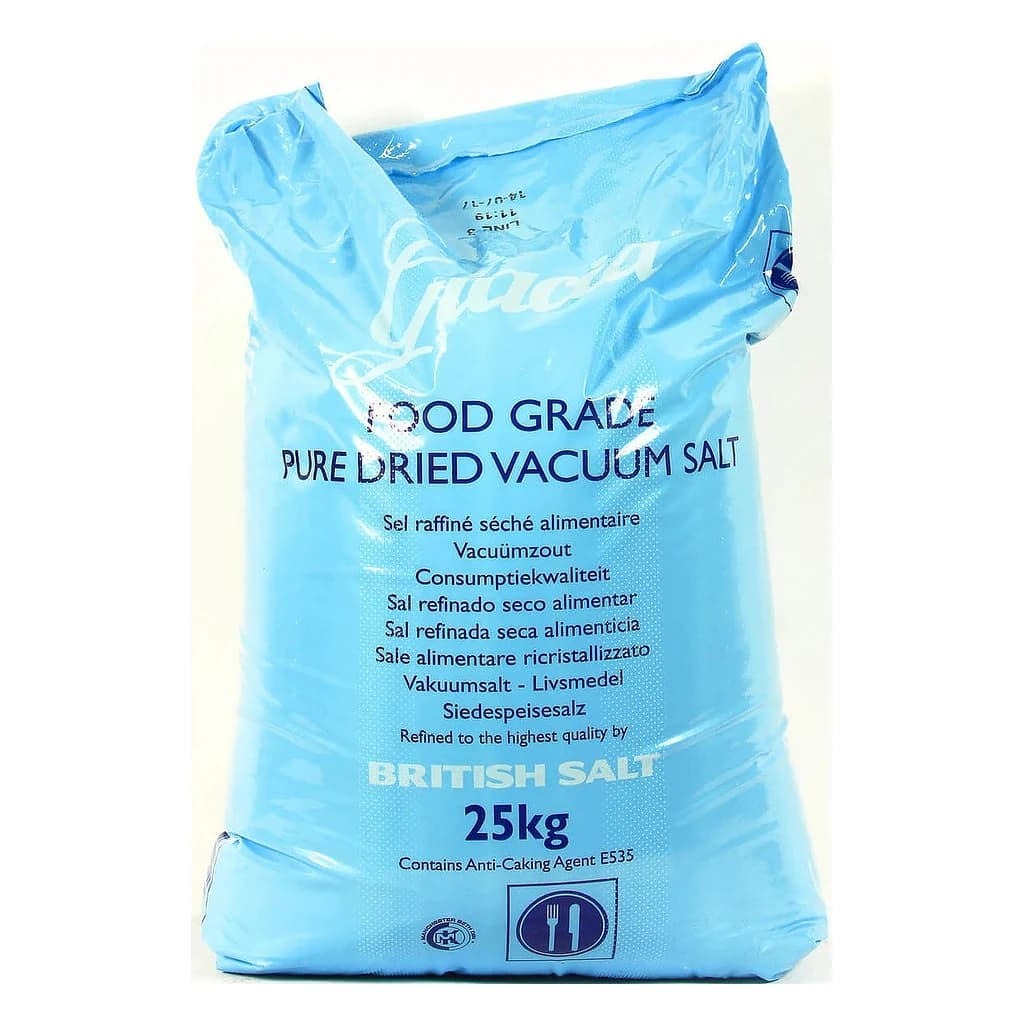
Polish Fine Iodized Salt 25 kg
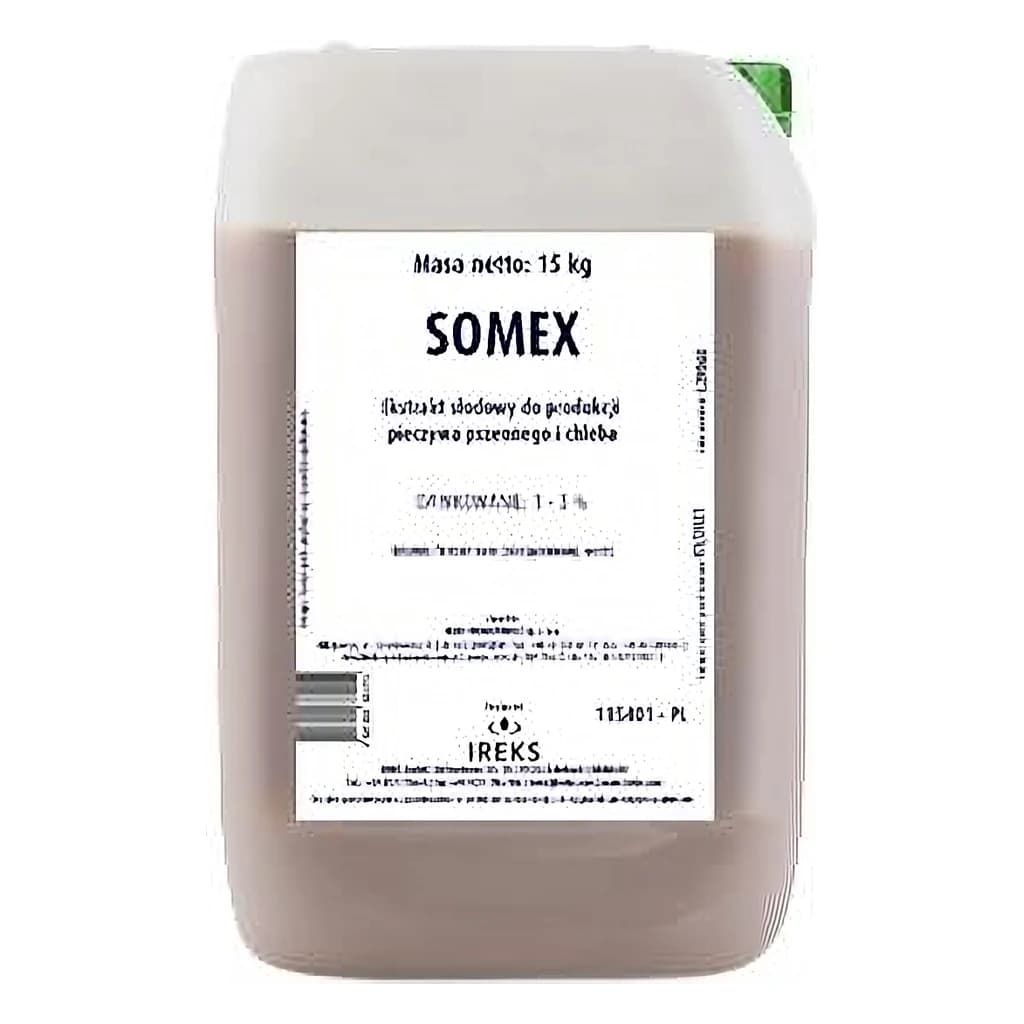
IREKS Somex Liquid Malt Extract 15 kg
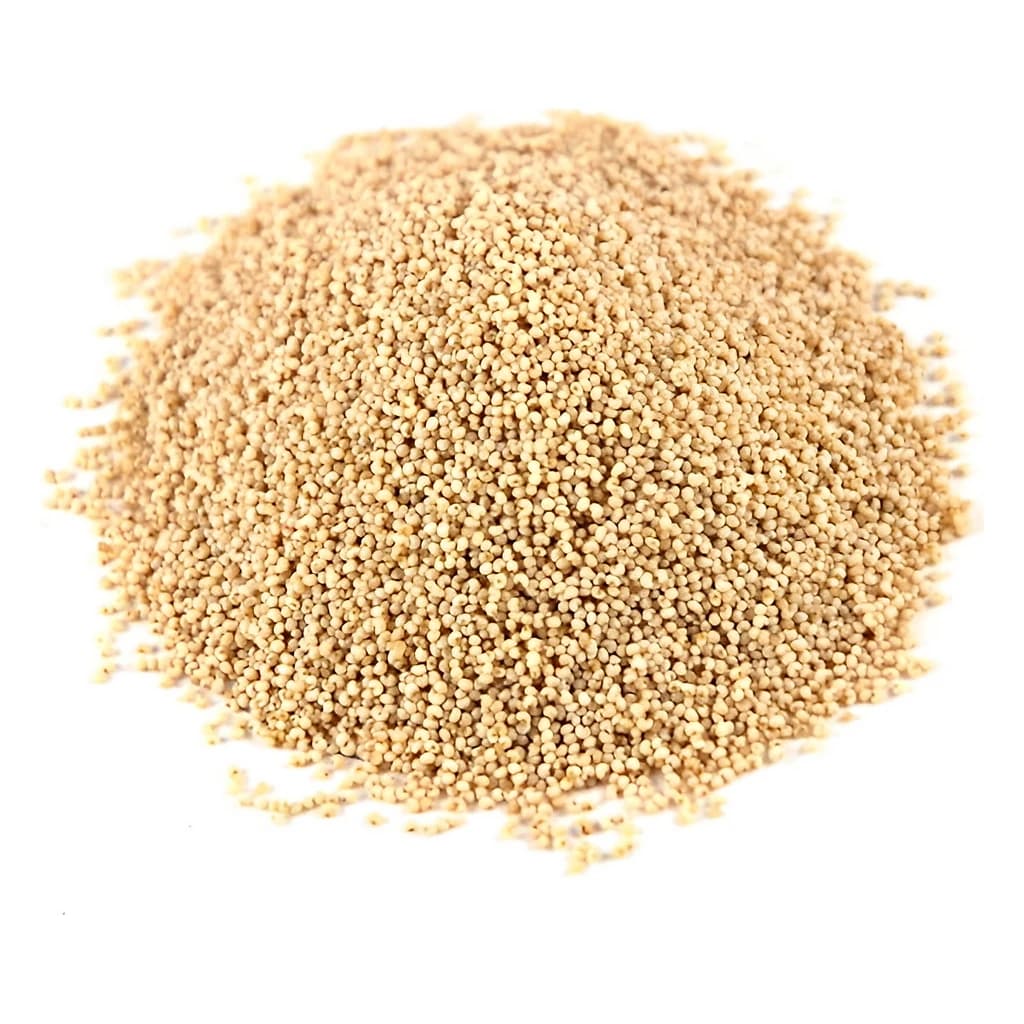
White Poppy Seeds 25 kg

Fresh Yeast Benevia 10 kg
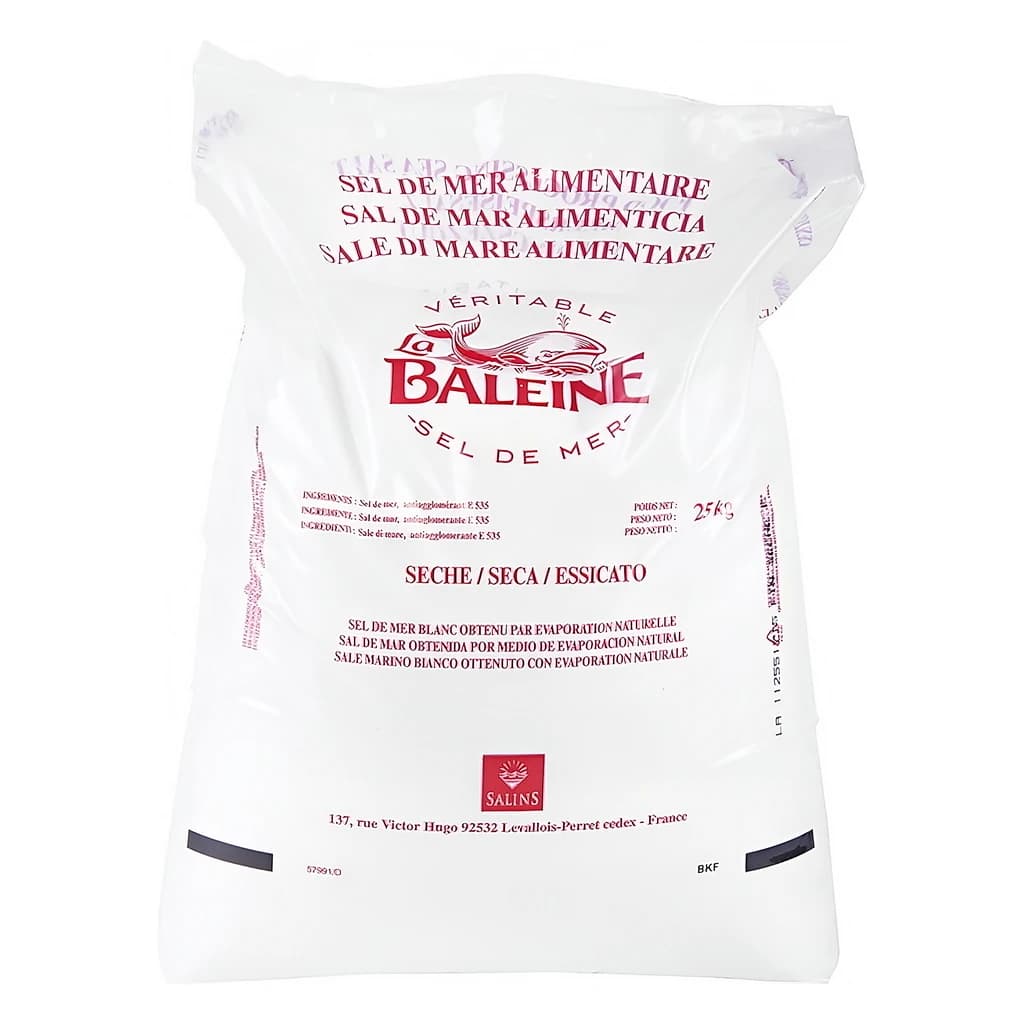
La Baleine Fine Sea Salt 25 kg
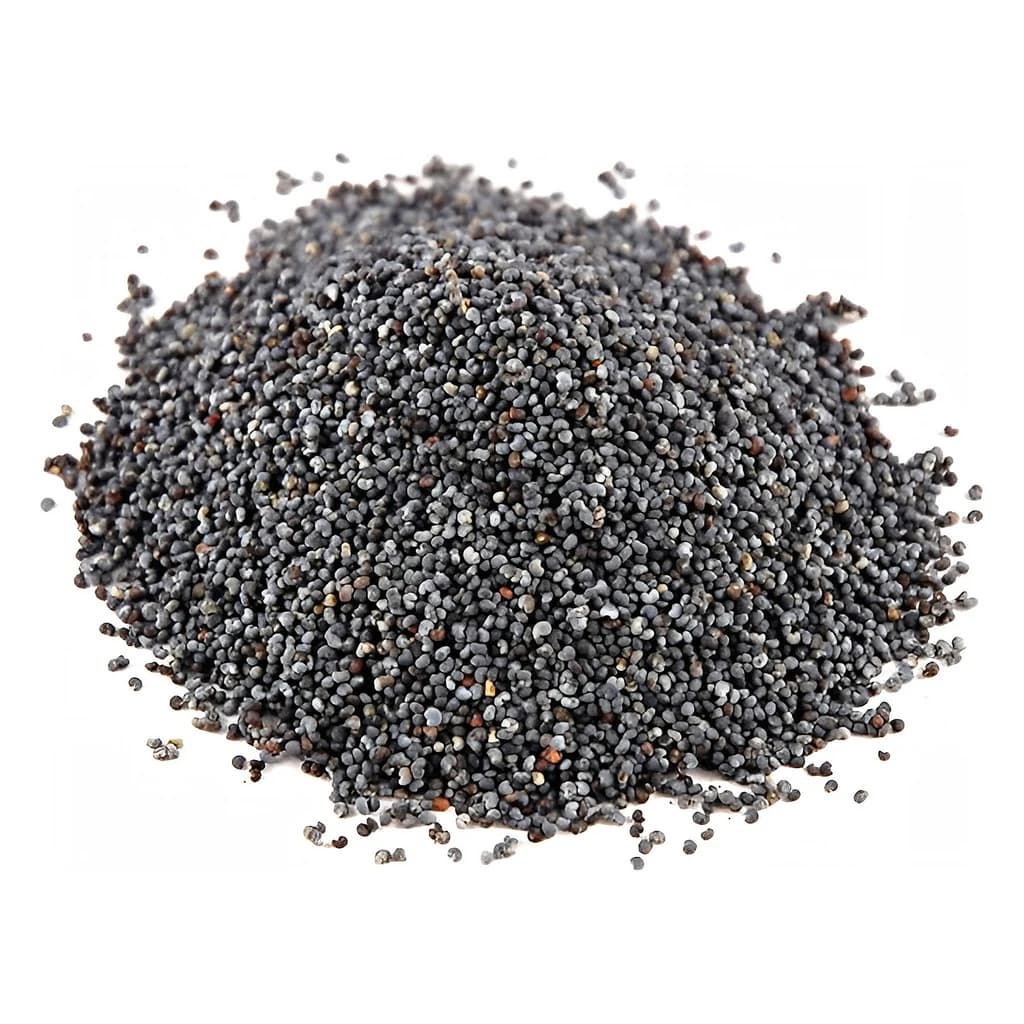
Blue Poppy Seeds 25 kg
Dried Yeast Fermipan Red 10 kg
Sesame Seeds 25 kg