
Seeds, nuts & crunchy toppings: glazing, toasting, coating and allergen management
A practical, bench-level guide to the fastest visual upgrade in any bakery: seeds, nuts and crunchy toppings. It is organised around the one decision that drives everything else — WHEN the topping goes on (before, in, or after the bake) — because that dictates the adhesive, whether to toast, and whether the topping must survive oven heat. It covers getting seeds to STAY ON (water vs egg wash vs starch vs glaze), the egg-wash finishes that give gloss or colour, toasting temperatures and times (sesame ~175°C 4-5 min; nuts ~160°C), heat-stable pearl/nibbed sugar grades (C20 chouquettes to C40 Liege waffles), crunchy inclusions that stay crisp (praline-feuilletine, biscuit crumb, streusel), and the two compliance topics this subject really is — oxidative rancidity (peroxide value, cold/dark/airtight storage, aflatoxins) and the 14 allergens (peanut and tree nuts as SEPARATE declarations, sesame and Natasha's Law). Numbers are drawn first from first-party supplier spec sheets (Zeelandia, Ireks, Global Grains, Chelmer, Bioveri, Loper, Kent Foods/Couplet, Kluman) and cross-checked against baking references and EU/UK food law, then mapped to ready-to-buy Domson catalogue products.
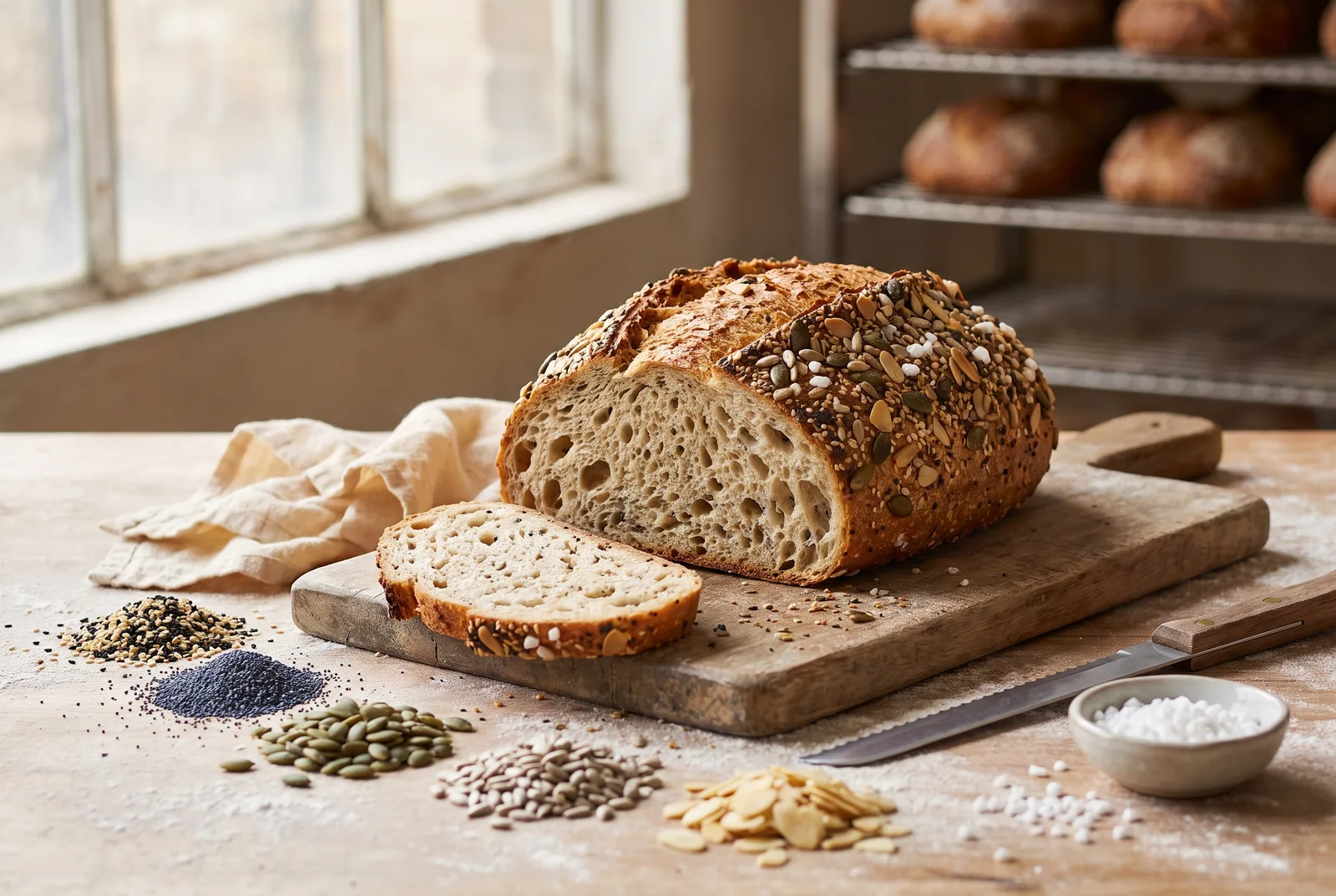
Seeds, nuts & crunchy toppings: glazing, toasting, coating and allergen management
Seeds and nuts are the cheapest, fastest visual upgrade in the bakery. A plain bloomer becomes an artisan multiseed loaf; a plain choux puff becomes a chouquette; a flat traybake becomes a patisserie slice — all with one sprinkle. But this is also the part of the trade where things quietly go wrong: seeds slide off in the proving basket, toasted sesame turns bitter on a long bake, a £40 bag of pecans tastes like crayons after a hot summer in the store, and — most seriously — an undeclared sesame seed or stray peanut becomes a food-safety incident. This article treats seeds, nuts and crunchy toppings as what they really are: a finishing skill and a shelf-life-and-compliance topic.
The one decision: when does the topping go on?
Everything downstream — the adhesive you reach for, whether you toast first, whether the topping has to survive the oven — flows from a single question: is the topping applied before, in, or after the bake? (See img-a7snt-01 and the table below.)
- Before the bake (on the dough). Seed and flake blends on bread, pearl sugar on buns and chouquettes, flaked almonds and streusel on cakes. These need an adhesive and must be bake-stable — and you use raw, untoasted seeds so they don't scorch.
- In the mix (inclusions). Nuts, chocolate chips, feuilletine, biscuit crumb folded into batter, dough or fillings. Nuts are usually toasted first for flavour; fat-rich crunch (feuilletine) is coated in chocolate to keep it crisp.
- After the bake (cold finish). Toasted nuts, pearl sugar, sprinkles, nonpareils, praline-feuilletine and dusts, pressed into icing, glaze, cream or chocolate. Here you toast for colour and aroma because the topping is never heated again.
Get this right and most of the classic faults never happen.
Getting seeds and toppings to STAY ON
Seeds falling off is the most common — and most wasteful — topping fault. The fix is matching the adhesive to the product (see img-a7snt-03 and the table below):
- Water is the most reliable glue for crusty, high-temperature breads. Either mist the surface, or use the professional damp-towel-and-seed-bed method: roll the shaped loaf top over a wrung-out wet towel, then onto a thick even bed of seeds, then into the banneton for final proof. It gives full, durable cover with no egg. Use raw seeds and, for heavily seeded loaves, drop the oven about 10-15°F so the seeds don't darken too fast. Score with scissors or a serrated knife — a lame skids on a seeded crust.
- Egg wash is the better glue on soft and enriched goods (brioche, buns, Danish, plaits), and it doubles as gloss and colour (next section).
- Starch slurry (½ tsp corn/arrowroot boiled in a cup of water, cooled) is a clear, neutral, egg-free / vegan alternative.
- Bun glaze, sugar glaze or honey-water add post-bake stickiness for sweet goods; apricot nappage or neutral glaze bond and seal toasted flaked almonds and dried fruit onto cold tarts and gateaux; and melted chocolate or praline is the fat-set bond for cold crunch finishes (see the glaze article A7-glazes-mirror-and-fruit for the glazes themselves).
Egg wash: gloss versus colour
Egg wash is the workhorse finish, and the choice of wash is not cosmetic detail — egg-white protein gives gloss, egg-yolk fat gives golden colour, and milk's sugar and protein push both shine and browning. Practical picks (see img-a7snt-04 and the table below):
- Whole egg + milk — deepest, most even golden brown; the all-rounder for bread and viennoiserie.
- Whole egg + water — medium shine, reliable everyday wash.
- Yolk + milk — richest, darkest gloss for brioche, croissants and showpiece tops; yolk + water — stronger colour than a whole-egg wash but less gloss than yolk + milk.
- Egg white — high gloss but little colour (also a useful pie-base seal).
- Milk only — soft matte colour for rustic goods.
Brush a thin, even coat (thick wash streaks and dulls), and you can re-coat about 10 minutes before the end of the bake for extra shine.
Toasting: where flavour and crunch come from
Raw nuts and seeds are fine as a bread topping, but as a finish they are transformed by toasting. Heat drives the Maillard reaction — reducing-sugar carbonyls reacting with protein amino groups — which generates the pyrazines, furans and pyrroles behind that warm, roasted, nutty aroma, and deepens both colour and crunch.
The catch is that they go from toasted to burnt in seconds. Toast as a separate, watched step (see img-a7snt-02 and the table below):
- Sesame — oven ~175°C (350°F), 4-5 minutes, stir once, until fragrant and light golden; some seeds may jump.
- Flaked / chopped nuts — oven ~160°C (325°F) in a single layer, checking from about 10 minutes; pull at pale tan with a toasty smell.
- Sunflower and pumpkin seeds — ~160-175°C, 8-12 minutes, stirred.
- Stovetop dry pan — medium heat, 1-4 minutes, stirring constantly (fastest, and fastest to burn).
Always pull while one shade lighter than your target — carry-over heat keeps toasting after they leave the oven. And never put toasted/oily seeds on a long, hot bread bake: that is exactly how a sesame top turns bitter (see fault-finder).
Crunchy sugar: pearl and nibbed sugar
The signature heat-stable topping is pearl (nibbed) sugar — compressed sugar crystals that do not dissolve or melt at normal baking temperatures, so they stay crunchy and bright white right through the bake . The first-party Kent Foods/Couplet datasheet confirms it is 100% beet sugar (99.8 g sugar per 100 g, zero fat/protein/salt) needing no allergen labelling, and as a solid sugar it is even exempt from a minimum-durability date.
It is sold by crystal size, and the grade matters (see img-a7snt-05 and the table below): fine C03-C10 (~1-2 mm) for cookie and bun sparkle; C20 (2-4 mm) for chouquettes; C30 (3.2-5.6 mm) for brioche and sugar breads; and the heat-tolerant C40 (6-9.5 mm) for Belgian Liège waffles, where the coarse pearls caramelise in pockets. Other cold-finish sugars — sugar pearls and nonpareils (Culpitt, Sweet Decor, Barbara Luijckx), chocolate vermicelli and sugar strands (Emix), and decorative nibbed sugars — are pressed onto icing or glaze after baking (see img-a7snt-14).
Crunchy inclusions that stay crisp
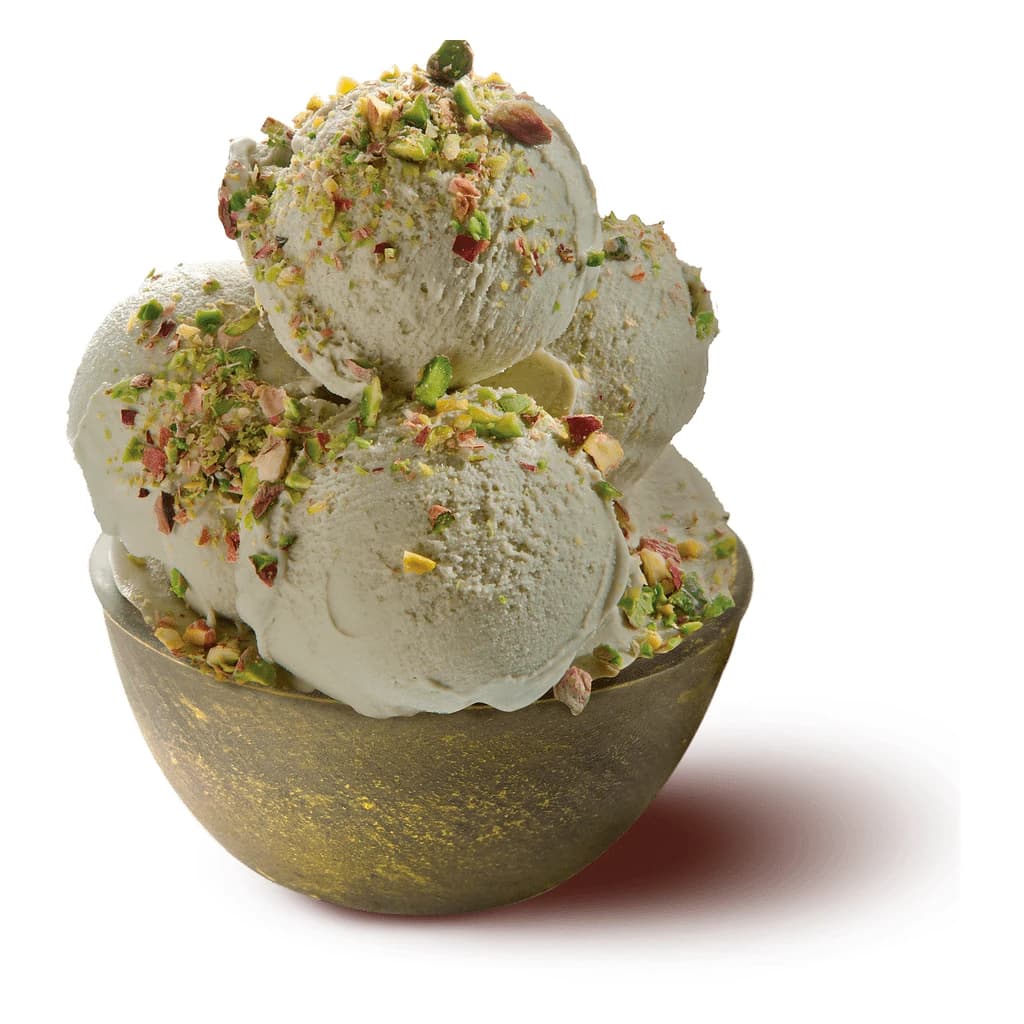
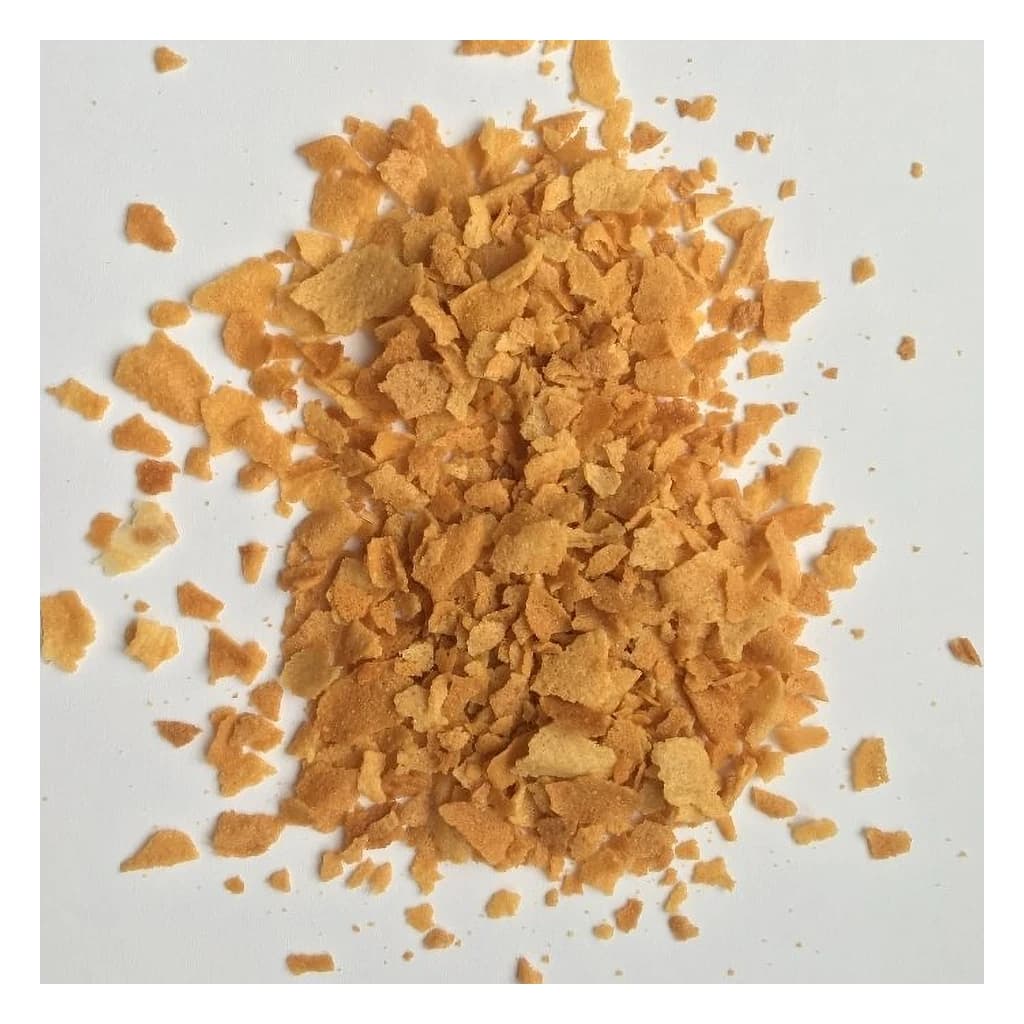
Crunch inside a moist cake is its own craft, because the enemy is moisture migration. The classic answer is the praline-feuilletine crisp layer (croustillant): thin crêpe-dentelle feuilletine flakes folded into melted chocolate (or gianduja) and praline paste. It stays crunchy inside an entremet because the only "moisture" in the praline is nut oil — fat, not water — and the chocolate coat waterproofs the flakes (see the figure below and the praline-feuilletine formula card). The catalogue carries IRCA Delicrisp feuilletine with IRCA Joypaste Nocciola hazelnut paste, Giuso pistachio paste and Master Martini Pura Arachide peanut paste for exactly this.
Other bake-stable crunch: streusel/crumble with nuts folded in (a 1:1:1 flour-sugar-butter base; sprinkle and press onto raw batter before baking; see the nut-streusel formula card); biscuit crumb (Kluman digestive crumb, Bakels speculoos crumb) for cheesecake bases and coatings — note it is sold in 2.5-10 mm grades, has a short 4-month shelf life and clumps if stored too cold; chocolate chips/cocoa chips (Quality Food Corporation) for bake-stable inclusions; and kataifi pastry for shredded crunch on Middle-Eastern-style desserts.
Bread-topping blends: the easy artisan look
Ready-made seed-and-flake blends are the quickest route to a premium bread crust. The Zeelandia Dekormix is rye, wheat, flax, oat and barley flakes plus sunflower kernels — a "seeds and flakes mix for bread decoration" that can be used as a top coat or folded into the dough; if it goes into the dough, soak it in water for about 30 minutes first and add at roughly 1:5 to 1:10 to the flour (see img-a7snt-09, img-a7snt-12). The Ireks Corn Bread-Topping is simply extruded maize semolina, added "as desired", for a golden cornmeal crust on rolls and morning goods. Both are also useful nutrition stories: Dekormix is 13.5 g fibre and 11.6 g protein per 100 g.
Allergen note on blends: Dekormix contains the gluten cereals wheat, rye, barley and oat, and may contain eggs, soya, milk and sesame by cross-contamination. A "just a seed topping" blend is rarely allergen-free — always read the datasheet.
The two compliance topics: rancidity and allergens
Rancidity, storage and aflatoxins
Seeds and nuts are mostly oil, so the spoilage clock is oxidative rancidity, tracked by peroxide value (PV) and free fatty acids (FFA). Supplier incoming quality specs for fresh nuts typically target PV below 4-5 meq O₂/kg at delivery, and a rancid taste becomes just noticeable around PV 10-20 . The supplier datasheets sit right at the fresh end — flaked almonds PV max 4 and FFA max 1.5%, roasted peanuts PV max 5 and FFA max 3%. High-monounsaturated nuts (almond, macadamia, cashew) are more stable than high-polyunsaturated ones (sunflower, walnut, pine nut); walnuts go rancid particularly fast because of their high omega-3 (ALA) content, and pine nuts are also vulnerable (pinolenic acid). Linseed is the trap — at 42 g fat and rich in omega-3 it oxidises readily, so keep it whole until use. (Cracked or ground linseed releases cyanogenic compounds more readily than whole seeds; at normal bakery topping quantities after baking this is not a practical concern, but avoid high-quantity ground linseed in unheated applications.)
Store nuts and oily seeds cool, dark, airtight and low-humidity — roughly 4-15°C, RH 40-60%, oxygen below 2.5% — and freeze surplus for up to a year (see img-a7snt-07 and the table below). The almond datasheet's own advice — 4-6°C, RH max 60%, and only one month once opened — is a good house rule for all flaked nuts.
Nuts also carry a mycotoxin risk. Under EU Regulation 2023/915, almonds and pistachios for the final consumer must be within aflatoxin B1 8.0 µg/kg and total 10.0 µg/kg — exactly the limits on the flaked- almond datasheet (8/10 ppb) — while ready-to-eat peanuts are tighter at 2/4 µg/kg. Buy from suppliers who test, and keep certificates of analysis.
Food-safety note: all rancidity, aflatoxin, allergen and nutrition figures above are single-source first-party datasheets.
The 14 allergens — this is a nut-and-seed station
Of the 14 declarable allergens under UK/EU law, five dominate this topic, and two points trip teams up constantly (see img-a7snt-06 and the table below):
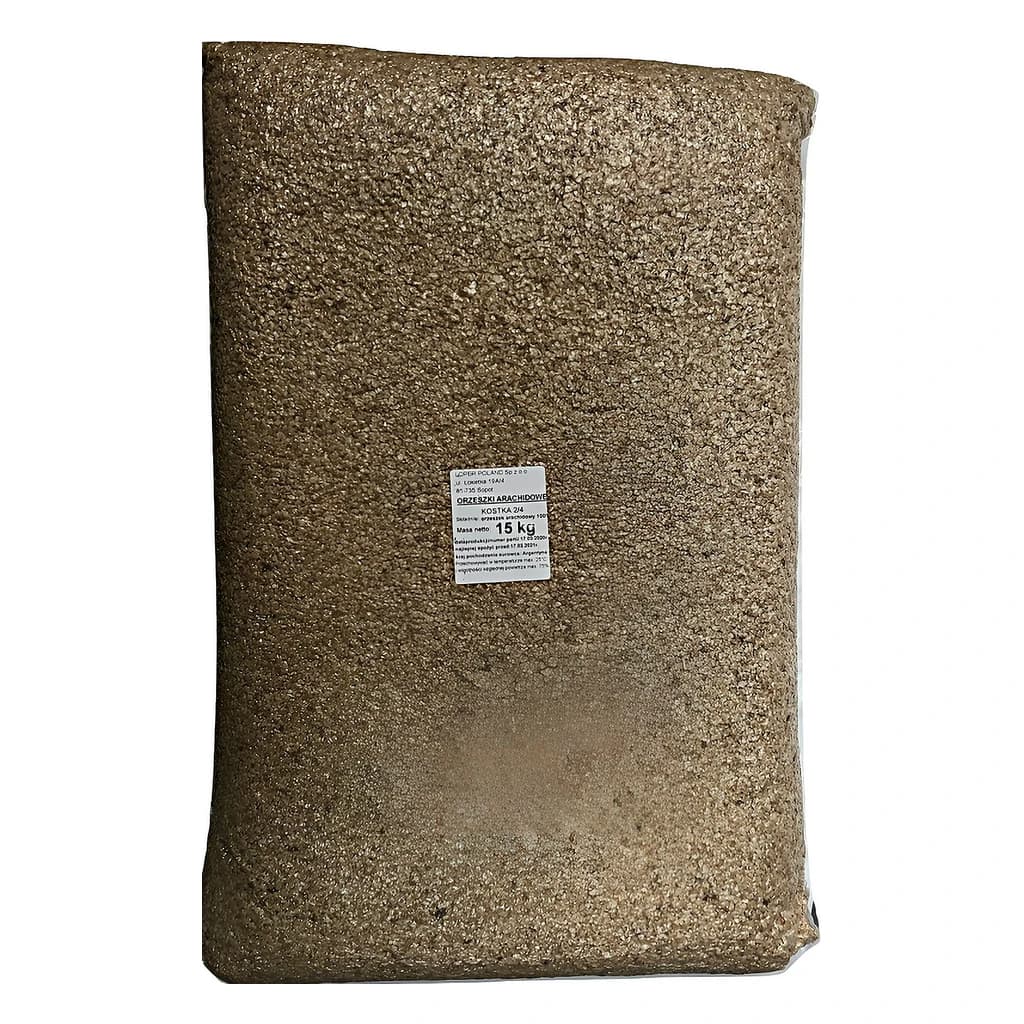
- Peanuts and tree nuts are SEPARATE declarations. Peanut is a legume; tree nuts (almond, hazelnut, walnut, cashew, pecan, brazil, pistachio, macadamia) are a different group. A "nut-free" claim must cover both, and the roasted-peanut datasheet itself flags tree nuts and sesame as may-contain risks .
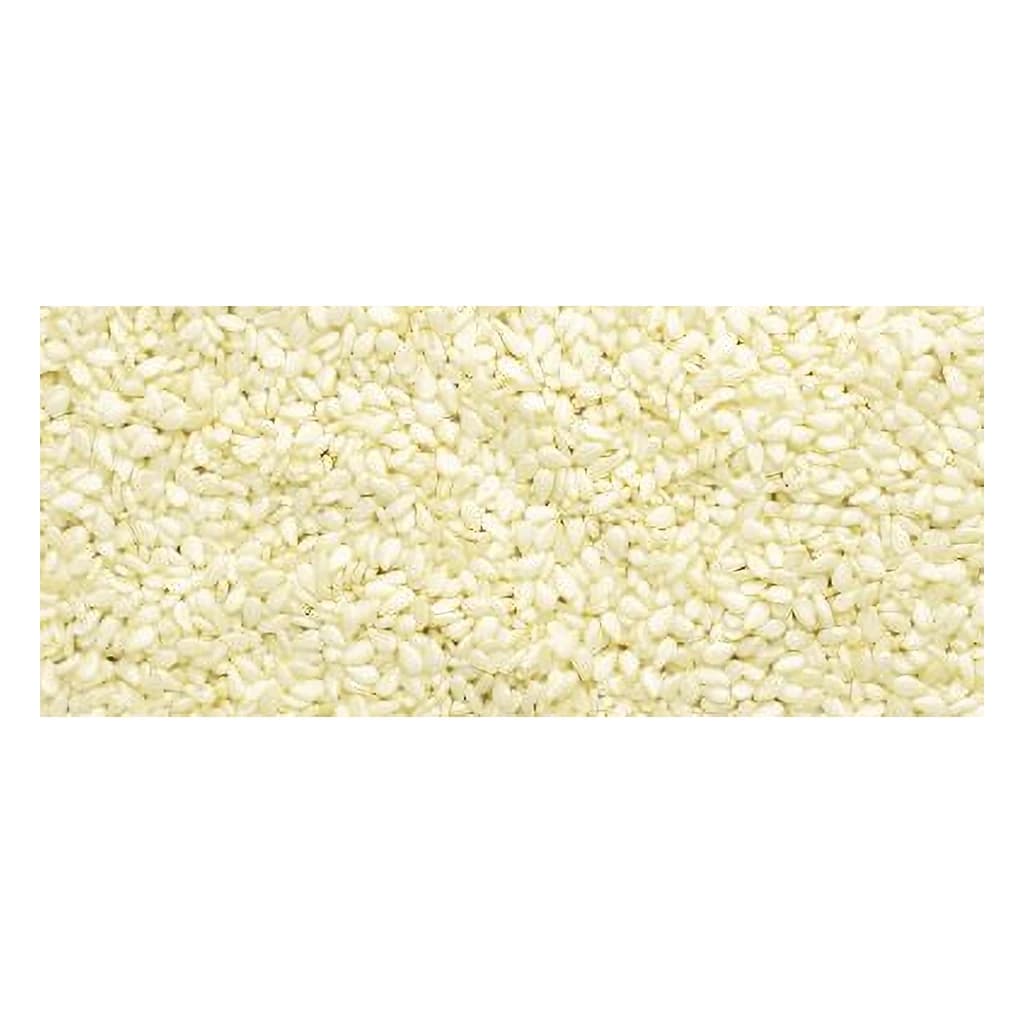
- Sesame is its own allergen — the one behind Natasha's Law (in force 1 October 2021), after a death from undeclared sesame in a baguette. Pre-Packed for Direct Sale (PPDS) food must carry a full ingredient list with allergens emphasised. Sesame's datasheet declares it as the only allergen present — but that one declaration is non-negotiable.
Food-safety flag — sesame supply chain: Sesame seeds (particularly from South Asian origins) were the subject of a major EU food-safety incident from 2020 onward, with ethylene oxide (EO) — a carcinogen/mutagen banned for food use in the EU — found at concentrations many times the EU MRL of 0.05 mg/kg. The Global Grains spec confirms EO < 0.05 ppm (the legal threshold, not a comfortable safety margin). Always require a current certificate of analysis confirming EO compliance from your sesame supplier before use.
Add the gluten cereals and frequent milk/soya/egg cross-contact in flake blends and biscuit crumb, and a toppings bench is one of the highest-risk allergen stations in the bakery. Control it with segregated scoops and bins, clean-downs between products, and clear labelling — precautionary "may contain" is voluntary and is not a substitute for those controls .
Inspiration: the finish is the product
The best seed/nut finishes are also cultural signatures, which is worth leaning into for a multinational customer base (see img-a7snt-08, img-a7snt-10). Sesame is the identity of the Turkish simit and pide, where full, even coverage is the whole point. Poppy seed is the soul of the Polish makowiec and of central-European festive baking. Pearl sugar makes the French chouquette and the Belgian Liège waffle. Flaked almonds edge a Bakewell or a frangipane tart; chopped pistachios and a praline-feuilletine crunch lift a modern entremet; toasted hazelnuts and gianduja make a chocolate bar. The technique is simple; the impact is the sale.
Buy it: catalogue map
- Seeds: Global Grains / Ros-Sweet sesame; Bioveri / Chelmer sunflower; Bioveri brown linseed, Katolik golden linseed; Floramex white poppy, Agart blue poppy; Bioveri pumpkin; Ros-Sweet chia.
- Bread-topping blends: Zeelandia Dekormix multiseed; Ireks Corn Bread-Topping.
- Nuts: Chelmer flaked almonds, Global Grains ground almonds, Kluman shelled almonds, whole almonds; Loper / PGD peanuts; Polmarkus & Master Martini pistachios; PGD hazelnuts; Kluman pecans; walnuts.
- Nut & praline pastes: IRCA Joypaste Nocciola (hazelnut), Giuso pistachio paste, Master Martini Pura Arachide (peanut).
- Crunchy / cold-finish toppings: Kent Foods nibbed/pearl sugar; IRCA Delicrisp feuilletine; Kluman digestive crumb & Bakels speculoos crumb; kataifi; Emix chocolate vermicelli & sugar strands; Sweet Decor / Culpitt / Barbara Luijckx sugar pearls & nonpareils; Quality Food Corporation cocoa chips.
The full comparison tables, formula cards (seeded loaf, praline-feuilletine, nut streusel), fault-finder and key specs are below.
Figures
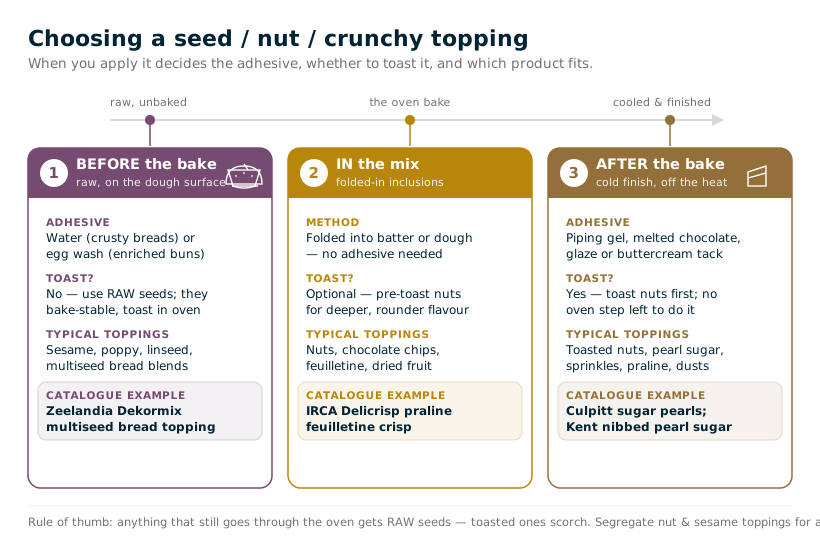 Decision map of seed, nut and crunchy toppings grouped by whether they are applied before, during or after baking, with the right adhesive and a catalogue example for each
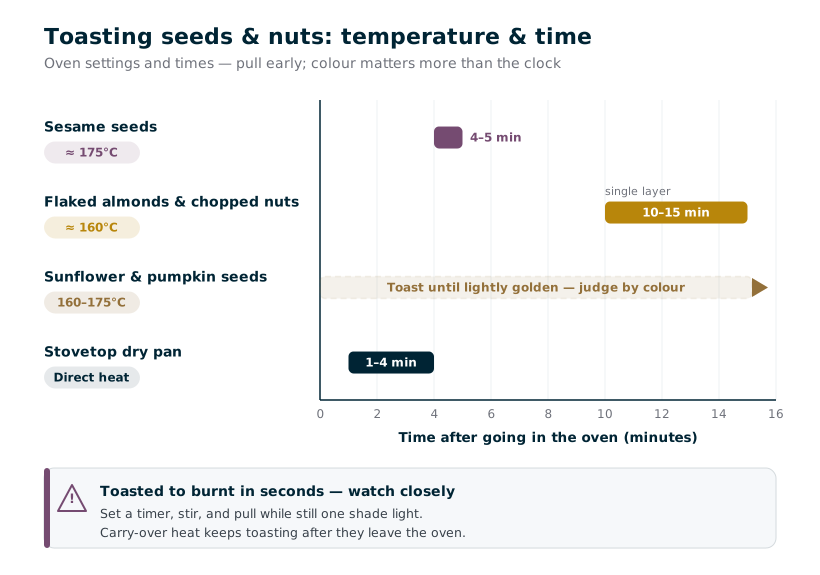 Chart of oven temperatures and times for toasting sesame, almonds, sunflower and pumpkin seeds, with a warning that they burn quickly
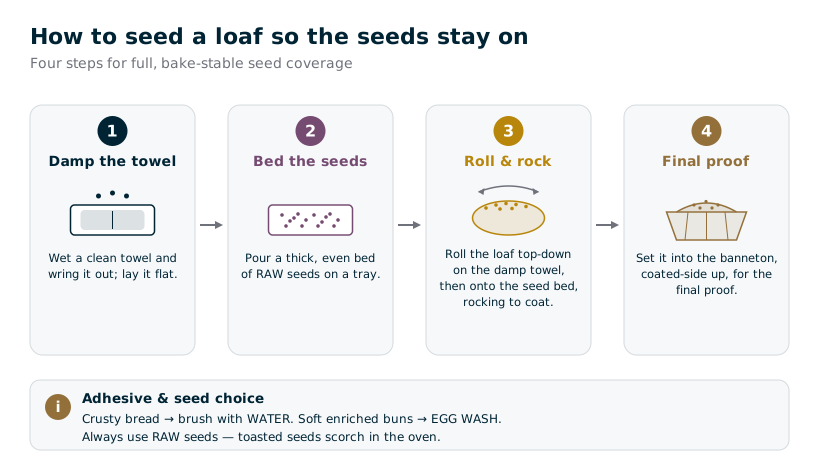 Four-step guide to coating a loaf in seeds using a damp towel and a seed bed so the seeds adhere through baking
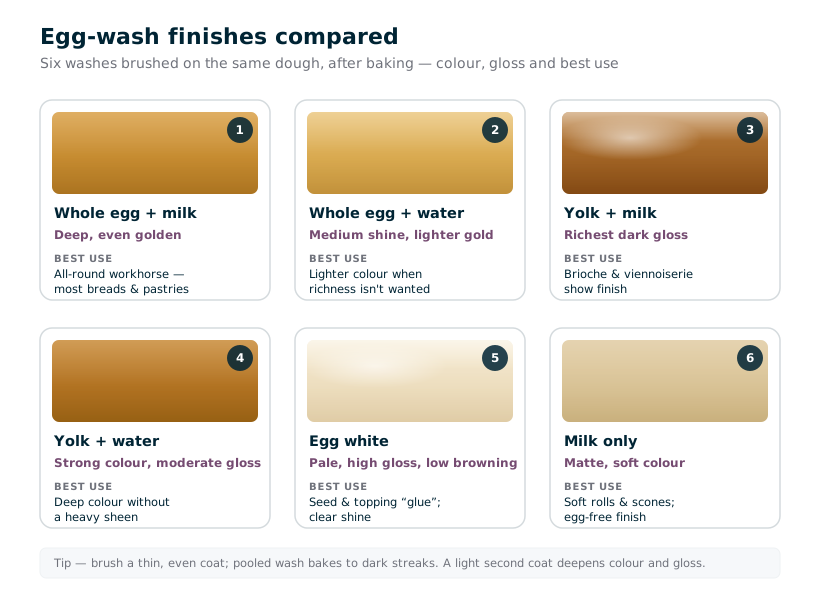 Comparison of six egg-wash finishes on baked pastry from deep golden whole-egg-and-milk through yolk-and-milk richest gloss to pale glossy egg-white
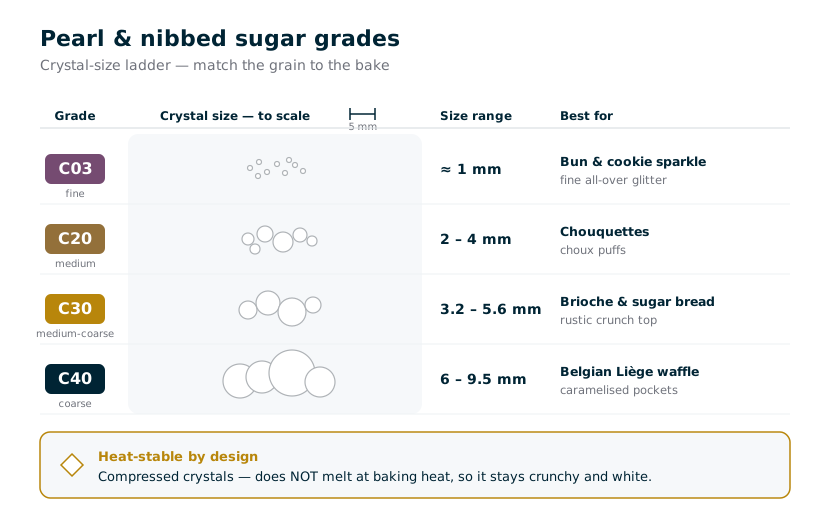 Ladder chart of pearl sugar grades from fine C03 to coarse C40 showing which baked goods each grain size suits
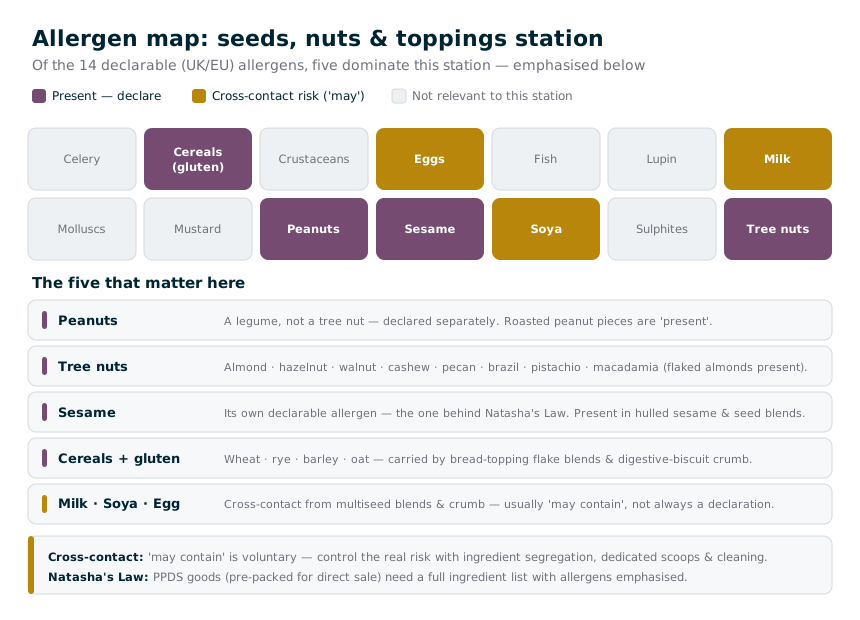 Allergen reference highlighting peanuts, tree nuts, sesame, gluten cereals and milk among the 14 declarable allergens for a toppings station
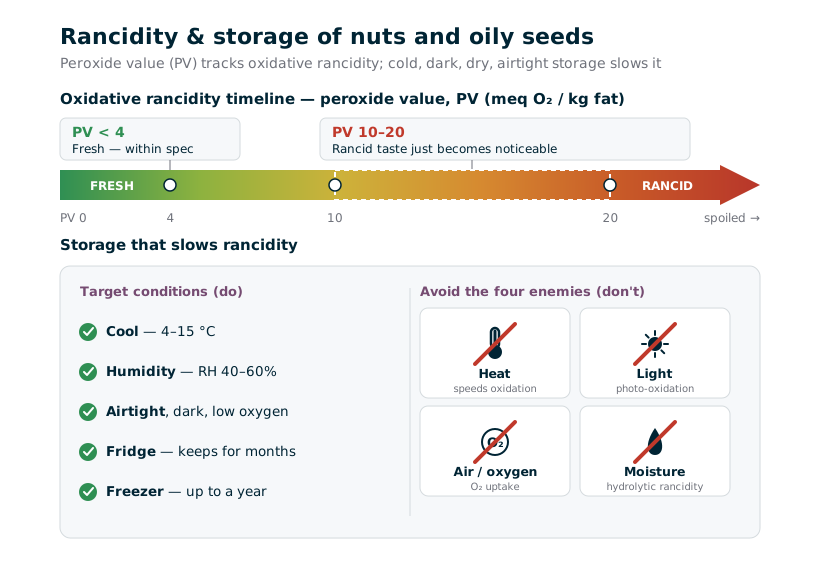 Diagram showing nut rancidity rising with peroxide value and the cool, dark, airtight, low-humidity conditions that slow it
Seeding a crusty loaf so the seeds stay on
The damp-towel + seed-bed method gives even, durable coverage on lean/crusty dough without egg. Quantities are per loaf and indicative; scale to your seed mix.
| Ingredient | Baker's % | Weight |
|---|---|---|
| Shaped loaf (lean dough) — After shaping, before final proof | 1 | |
| Raw seed mix (e.g. sesame, linseed, sunflower, poppy) — RAW, not toasted, so it won't scorch in the bake | 60-100 g per loaf | |
| Water (clean damp towel) — Wrung-out but still wet to the touch | as needed |
- Spread a thoroughly dampened, wrung-out towel on a tray; pour a thick even bed of seeds on a second tray.
- Roll the top surface of the shaped loaf over the damp towel to moisten it fully.
- Press/roll the moistened top onto the seed bed, rocking to coat completely.
- Place into the banneton/brotform and complete final proof; score with scissors or a serrated knife (a lame skids on seeds).
- Bake as normal; for heavily seeded loaves drop the oven ~10-15°F to stop the seeds darkening too fast.
Praline-feuilletine crunch layer (croustillant)
The classic crisp insert for entremets and bars. It stays crunchy inside a moist cake because the only 'moisture' is nut oil. Ratios are an indicative professional consensus — adjust for the crunch level you want.
| Ingredient | Baker's % | Weight |
|---|---|---|
| Hazelnut (or pistachio) praline paste — e.g. IRCA Joypaste Nocciola / Giuso Pistachio paste | 100 g | |
| Milk or dark couverture (or gianduja) — Melted; coats and waterproofs the flakes | 50 g | |
| Feuilletine flakes — e.g. IRCA Delicrisp; fold in last to keep crisp | 75 g |
- Melt the couverture/gianduja and stir into the praline paste until smooth.
- Fold in the feuilletine flakes quickly and gently — do not crush.
- Spread thin onto a sponge/dacquoise base or between entremet layers; chill to set.
- Keep away from water-based components until assembled; the fat coat keeps it crunchy.
Nut streusel / crumble topping (bake-stable)
A buttery sandy topping that bakes to a crisp, nutty crumb on cakes, muffins and tarts. Classic 1:1:1 flour-sugar-butter base by weight with nuts added. Allergen note: contains gluten, milk and tree nuts.
| Ingredient | Baker's % | Weight |
|---|---|---|
| Plain flour — Base structure | 100 g | |
| Sugar (caster or soft brown) — Brown adds caramel notes | 100 g | |
| Cold butter, diced — Rub in to a sandy/clumping mix | 100 g | |
| Flaked or chopped nuts — Flaked almonds, chopped hazelnuts, pistachios or pecans | 50-80 g |
- Rub the cold butter into flour and sugar until it clumps when squeezed.
- Fold in the nuts after the butter is incorporated.
- Sprinkle and gently press onto raw batter/dough immediately before baking.
- Bake with the product until golden; store unused streusel chilled or frozen (use from frozen).
The single most useful decision a baker makes with seeds, nuts and crunchy toppings is WHEN they go on, because that dictates the adhesive, whether to toast, and whether the topping must survive oven heat. Use this as the orientation map for the whole article.
| Stage | What it covers | Adhesive / method | Toast first? | Must be bake-stable? | Catalogue example | Sources |
|---|---|---|---|---|---|---|
| Before baking (on the dough) | Seeds & flake blends on bread/rolls; nibbed/pearl sugar on buns & chouquettes; streusel & flaked almonds on cakes | Water (crusty bread) or egg wash (soft/enriched); damp-towel + seed-bed dredge for full coverage | No — use RAW seeds so they don't scorch | Yes | Zeelandia Dekormix; Kent Foods Nibbed Sugar; Chelmer flaked almonds | Trade reference, Kent Foods spec sheet, Zeelandia spec sheet |
| In the mix (inclusions) | Nuts, chocolate chips, feuilletine, biscuit crumb folded into batter, dough or fillings | Mixed in; coat fat-rich crunch (feuilletine) in chocolate/praline to keep it crisp | Usually yes for nuts (flavour) | Yes (if baked) / N/A (no-bake) | IRCA Delicrisp Feuilletine; QFC Dark Cocoa Chips; Kluman Pecans | Trade reference, Kluman & Balter spec sheet |
| After baking (cold finish) | Toasted nuts, pearl sugar, sprinkles, nonpareils, praline-feuilletine crisp, dusts on finished/iced product | Press into icing, glaze, cream or melted chocolate while tacky | Yes — toast nuts/seeds for colour & aroma | No (not heated again) | Culpitt sugar pearls; Emix chocolate vermicelli; Polmarkus diced pistachios | Trade reference |
Seeds falling off in the proving basket, the slip or the display is the most common (and most wasteful) topping fault. Match the adhesive to the product. Egg-wash behaviour is in its own table below.
| Adhesive | Best for | Method | Notes |
|---|---|---|---|
| Water (mist or damp towel) | Crusty, high-temperature breads & rolls | Mist the surface, or roll the shaped top on a damp towel then onto a seed bed; final-proof in a banneton | Cheapest and most reliable for lean dough; no browning/flavour change |
| Egg wash | Soft/enriched buns, brioche, Danish, plaited loaves | Brush thin, apply seeds, optionally brush again; bake | Doubles as glue AND gloss/colour — see egg-wash table |
| Starch slurry (corn/arrowroot) | Vegan or egg-free seeded goods needing a clear set glaze | ~½ tsp starch in a cup of water, boil to thicken, cool, brush on, seed | Clear, neutral; good when egg is excluded |
| Bun / sugar glaze or honey-water | Enriched & sweet goods (post-bake stickiness) | Brush warm; press seeds/pearls/nuts on | Adds shine and a sticky bond; see A6/A7 glaze articles |
| Apricot nappage / neutral glaze | Toasted-nut and dried-fruit finishes on tarts & gateaux (cold) | Warm glaze, brush, press toasted flaked almonds / nibs on | Bonds AND seals; classic for almond-edged gateaux |
| Melted chocolate / praline | Cold crunch finishes (feuilletine, nibs, dragees) | Coat or pipe, apply while tacky | Fat-set bond that also keeps crunch dry |
Source: Trade reference.
Egg-white protein gives gloss; yolk fat gives golden colour; milk's sugar and protein promote shine and browning. Choose the wash for the finish you want — it also anchors the seeds.
| Wash | Finish | Browning | Best for |
|---|---|---|---|
| Whole egg + milk | Deep, even golden brown | Highest, even | All-round bread & viennoiserie; seeded bun tops |
| Whole egg + water | Medium shine, golden | Good | Everyday rolls, pastry, seeded loaves |
| Egg yolk + milk | Richest, dark gloss | Deepest colour | Brioche, croissants, holiday bakes, showpiece tops |
| Egg yolk + water | Strong colour, moderate gloss | Deep, less even than yolk+milk | Enriched goods when dairy-free wash needed |
| Egg white (or white + water) | High gloss, pale | Minimal | Clear shine without much colour; pie-base seal |
| Milk only | Soft matte colour | Mild | Rustic, low-shine goods |
Source: Trade reference.
Toasting builds flavour and aroma through the Maillard reaction and makes nuts/seeds crunchier — but they scorch in seconds. Toast as a SEPARATE cold-finish step (never as the topping on a long bread bake). Pull while one shade light; carry-over heat keeps colouring. Ranges are practical consensus from baking references; confirm in your own oven.
| Item | Oven temp | Approx. time | Doneness cue |
|---|---|---|---|
| Sesame seeds | ~175°C (350°F) | 4-5 min, stir once | Fragrant, light golden; some may jump |
| Flaked / sliced / chopped nuts | ~160°C (325°F) | 10-15 min, check from 10 | Pale tan + toasty smell; edges colour first |
| Whole almonds / hazelnuts | ~160°C (325°F) | 12-18 min | Skins crack (hazelnuts); golden interior |
| Sunflower & pumpkin seeds | ~160-175°C | 8-12 min, stir | Light golden, nutty aroma, audible pop |
| Any (stovetop, dry pan) | Medium heat | 1-4 min, stir constantly | Golden + aromatic; fastest to burn |
Source: Trade reference.
Pearl (nibbed) sugar is compressed sugar that does NOT melt at baking temperature, so it stays crunchy and bright white. It is graded by crystal size. Grades below are from the first-party Kent Foods/Couplet spec (C03 fine -> C70 coarse) cross-referenced with manufacturer application guidance.
| Grade (approx.) | Crystal size | Typical use | Sources |
|---|---|---|---|
| C03-C10 (fine) | ~1-2 mm | Sparkle on cookies, bun tops, fine pastry | Kent Foods spec sheet, Trade reference |
| C20 | ~2-4 mm | Chouquettes & fine choux/pastry (max coverage, crunch) | Trade reference |
| C30 | ~3.2-5.6 mm | Brioche, sugar breads, sweet buns | Trade reference |
| C40 | ~6-9.5 mm | Belgian Liege waffles (heat-tolerant, caramelises in pockets) | Trade reference |
| C45-C70 (coarse) | ~8-25 mm | Large brioche & sugar-topped showpiece loaves | Kent Foods spec sheet, Trade reference |
Of the 14 declarable allergens, five dominate this topic. Peanuts and tree nuts are SEPARATE declarations. Sesame is its own allergen (the one behind Natasha's Law). Bread-topping flake blends bring gluten cereals and often milk/soya/egg cross-contact. '+' = present (declare); 'may' = cross-contact risk on the datasheet.
| Topping / product | Peanut | Tree nuts | Sesame | Gluten cereals | Milk/Soya/Egg | Spec source |
|---|---|---|---|---|---|---|
| Hulled sesame seed | - | - | + | - | - | Global Grains spec sheet |
| Roasted peanut pieces | + | may | may | - | - | Loper De Graaf spec sheet |
| Flaked almonds | - | + (almond; others may) | - | - | - | Chelmer Foods spec sheet |
| Sunflower seed | - | - | - | - | - | Bioveri spec sheet |
| Brown linseed | - | - | - | - | - | Bioveri spec sheet |
| Dekormix multiseed bread topping | - | - | may | + (wheat/rye/barley/oat) | may (milk, soya, egg) | Zeelandia spec sheet |
| Ireks corn bread topping | - | - | - | trace possible | trace possible | IREKS spec sheet |
| Digestive biscuit crumb | - | - | - | + (wheat) | milk: may | Kluman & Balter spec sheet |
| Pearl / nibbed sugar | - | - | - | - | - | Kent Foods spec sheet |
Seeds and nuts are mostly oil, so the spoilage clock is oxidative rancidity, tracked by peroxide value (PV) and free fatty acids (FFA). Buy fresh, store cold/dark/airtight, and rotate. Supplier incoming quality specs (PV max 4-5 meq O₂/kg) set the fresh-delivery standard; rancid taste becomes noticeable around PV 10-20.
| Item | Fat / 100 g | Spec freshness limit | Stability | Practical storage | Sources |
|---|---|---|---|---|---|
| Flaked almonds | 55.8 g (high mono) | PV max 4 meq O2/kg; FFA max 1.5% | More stable (high monounsaturated) | 12 months sealed; 4-6°C, RH max 60%; 1 month once opened | Chelmer Foods spec sheet, Trade reference |
| Roasted peanut pieces | 50.89 g | PV max 5 meq O2/kg; FFA max 3% | Roasted = faster to stale once opened | 12 months vacuum-packed; <=25°C, RH <=75% | Loper De Graaf spec sheet |
| Sunflower seed | 48.4 g (high poly) | Aflatoxin total max 4 ug/kg | Less stable (high polyunsaturated) | Min 12 months; <=25°C, RH max 80% | Bioveri spec sheet, Trade reference |
| Linseed / flax | 42 g (omega-3 rich) | Aflatoxin total max 4 ug/kg | Oxidises readily once milled — keep whole until use | Min 12 months whole; cool & dark | Bioveri spec sheet, Trade reference |
| General nuts (best practice) | varies | PV < 4-5 meq O₂/kg at delivery (incoming spec); rancid taste noticeable from PV 10-20 | Walnut/pine nut fastest (high PUFA/omega-3); almond/macadamia/cashew more stable (high MUFA) | ~4-15°C, RH 40-60%, airtight, low O2; freeze for up to ~1 year | Trade reference |
The recurring problems with seed/nut/crunchy finishes and how to fix them at the bench.
| Fault | Likely cause | Fix | Sources |
|---|---|---|---|
| Seeds fall off the baked loaf | Surface too dry when seeds applied; not pressed in | Wet the top (mist or damp-towel + seed-bed); press; proof under cover so seeds bed in | Trade reference |
| Seed topping burnt / bitter | Toasted/oily seeds used on a long, hot bread bake | Use RAW seeds for pre-bake topping; drop oven ~10-15°F for heavy seeding; toast only as a cold finish | Trade reference |
| Nuts taste stale / soapy / 'crayon' | Oxidative rancidity (PV high); old or warm-stored stock | Buy fresh; check PV is within supplier spec (typically < 4-5 meq O₂/kg at delivery); store cold/dark/airtight; freeze surplus; FIFO | Trade reference |
| Pearl sugar melted / disappeared | Used ordinary granulated, or a grade too fine for the heat | Use true pearl/nibbed sugar (compressed, non-melting); pick C20-C40 for the product | Kent Foods spec sheet, Trade reference |
| Feuilletine / crumb crunch gone soft | Moisture migration from cream/mousse/fruit | Waterproof with a chocolate/praline coat; assemble close to service; keep dry until plated | Trade reference |
| Biscuit crumb clumped into lumps | Stored too cold; humidity pickup | Store ambient cool & dry (not in the fridge); reseal; use within shelf life | Kluman & Balter spec sheet |
| Egg-washed top dull or streaky | Wash too thick/uneven, or wrong wash for the finish | Brush a thin even coat; whole-egg+milk for golden, white for pale gloss; re-coat near end of bake | Trade reference |
| Undeclared allergen on finished product | Cross-contact from a shared scoop/blend; PPDS not fully labelled | Segregate nut/sesame/gluten stations; clean down; full ingredient list on PPDS (Natasha's Law) | Trade reference |
Buy the ingredients
Catalogue products and brands referenced in this article.
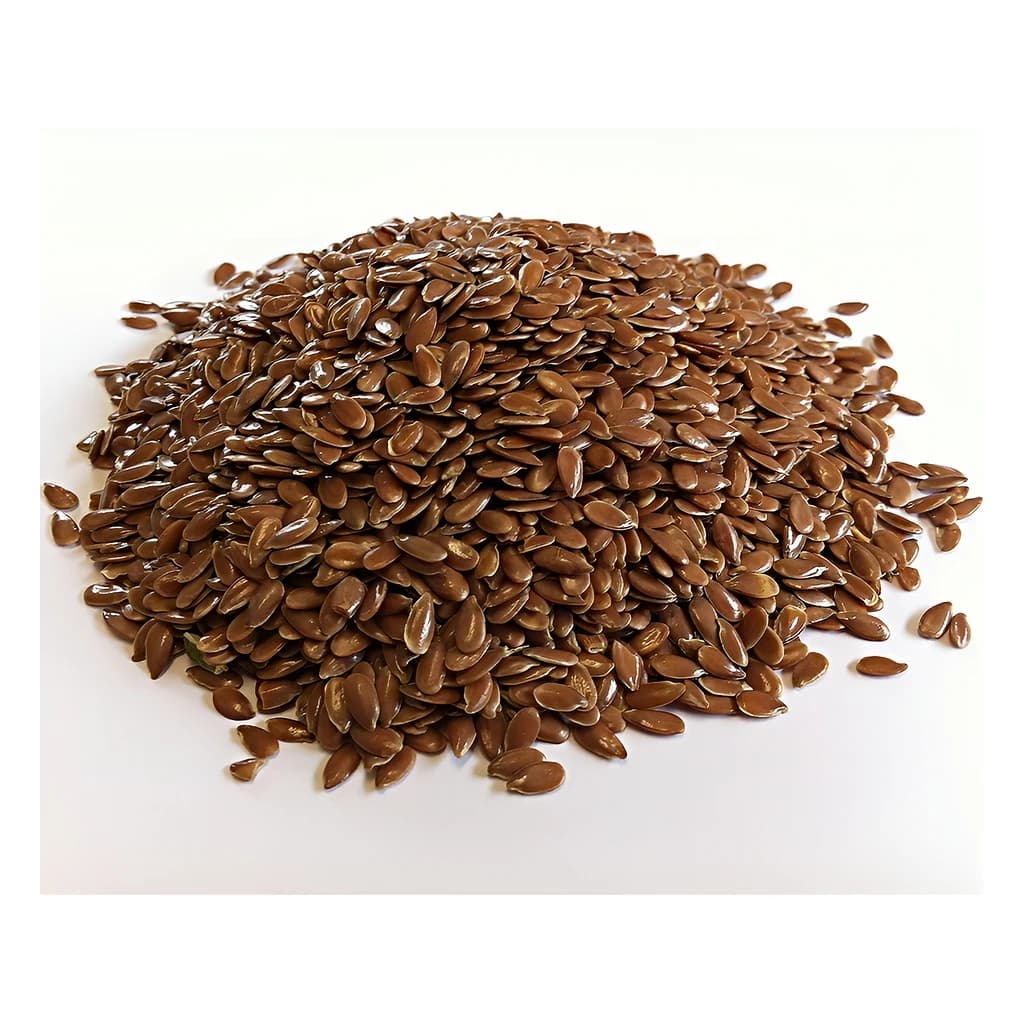
Brown Linseed 25 kg
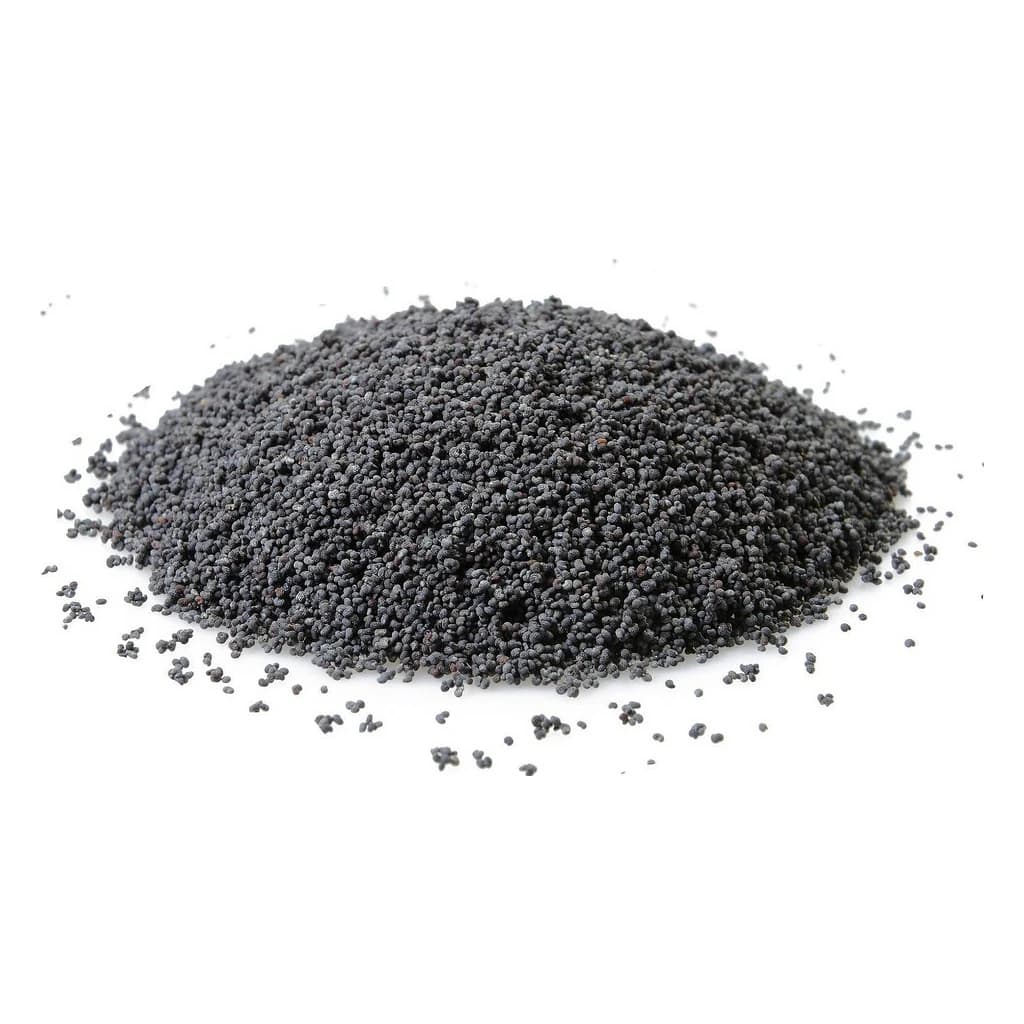
Blue Poppy Seeds 25 kg
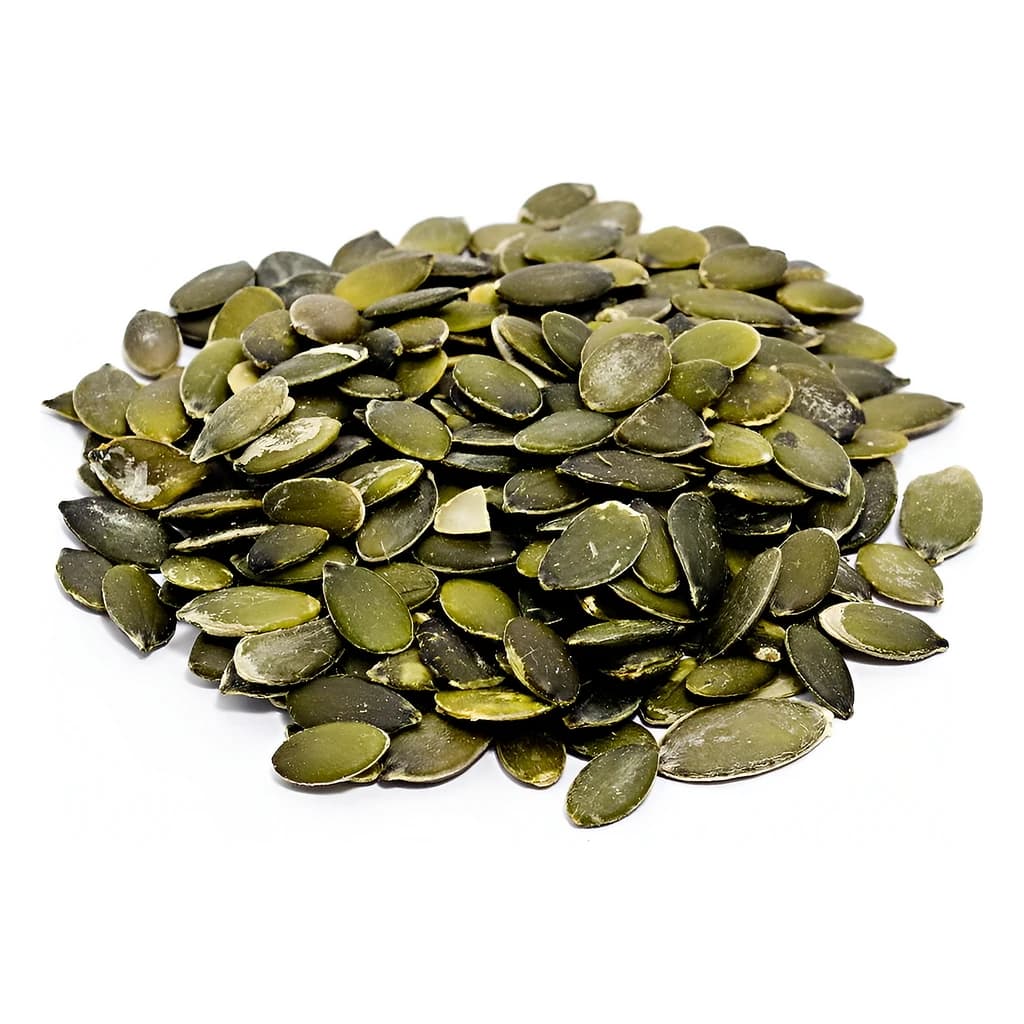
Pumpkin Seeds 25 kg
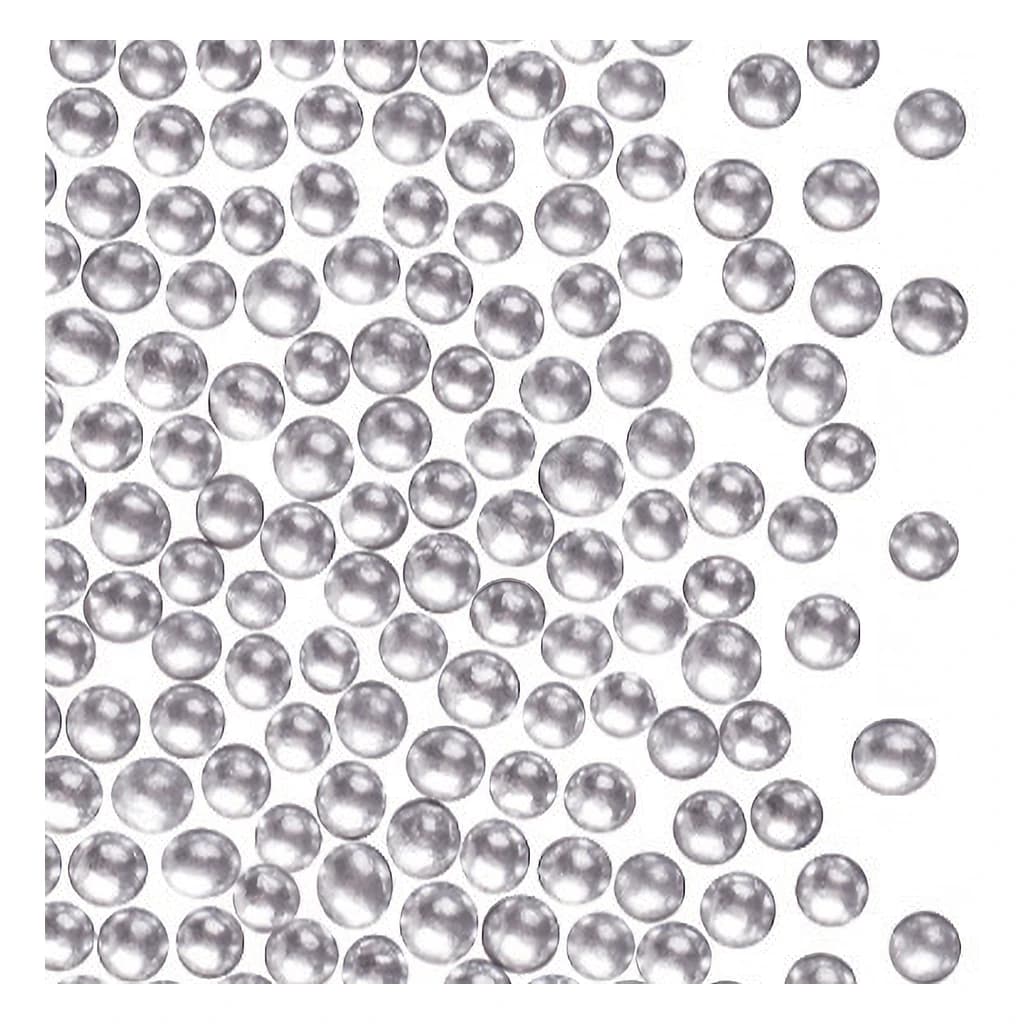
Sugar Pearls 4 mm
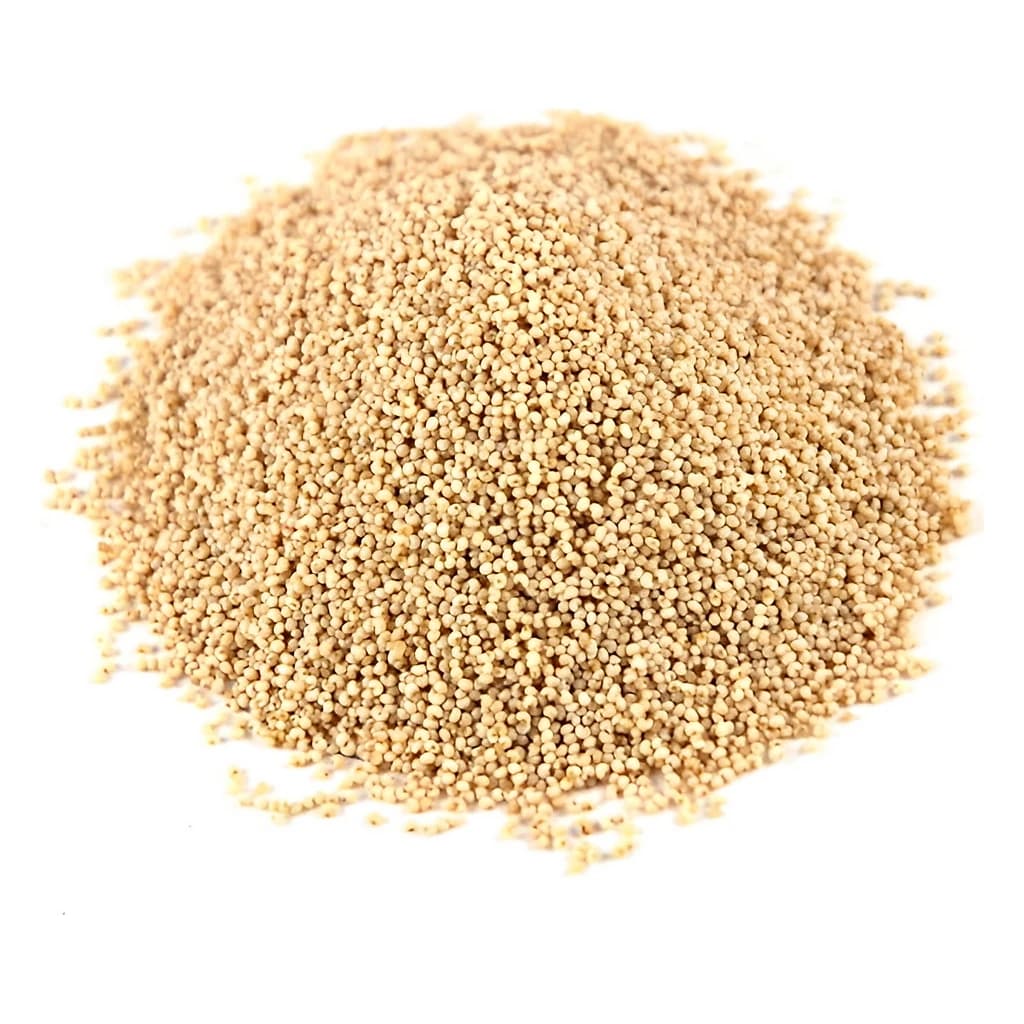
White Poppy Seeds 25 kg
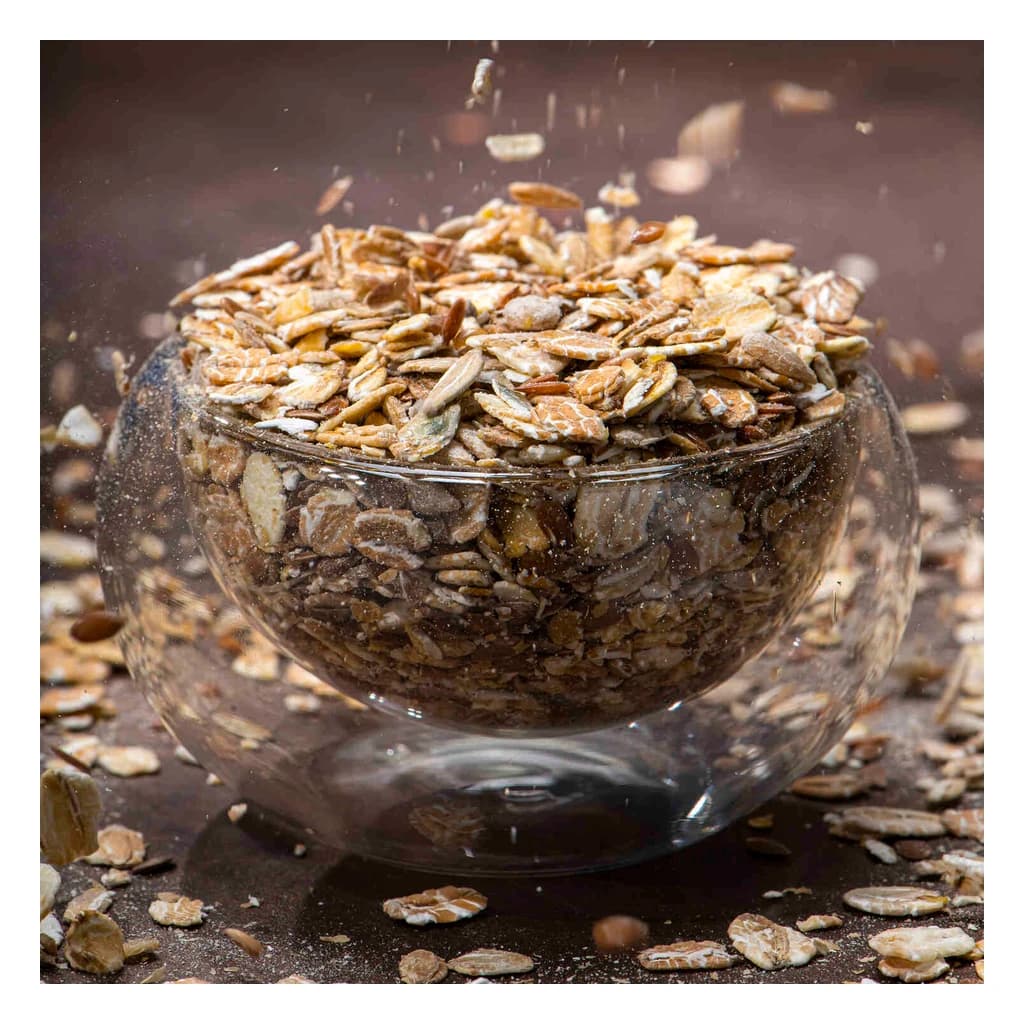
Dekormix Multiseed Bread Topping 25 kg
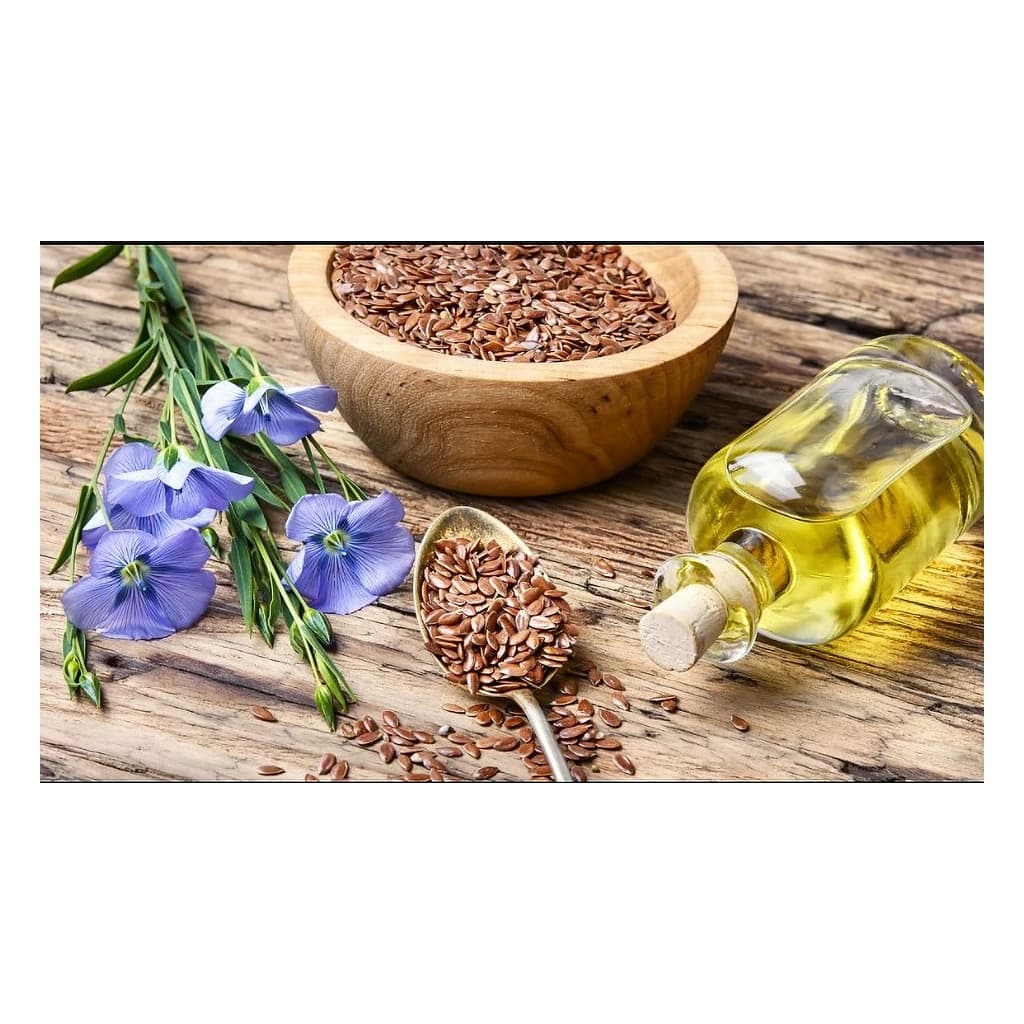
Golden Linseed 25 kg
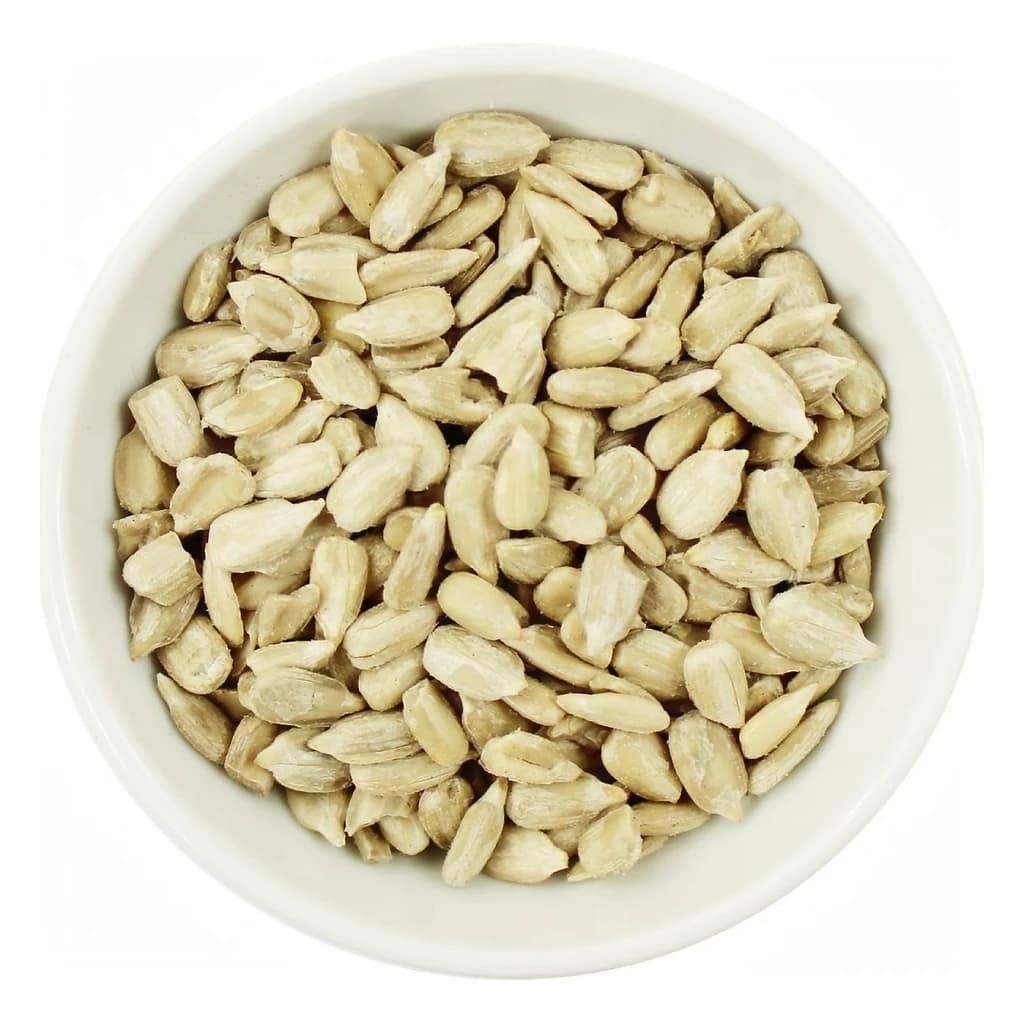
Sunflower Seeds 25 kg

Dark Chocolate Vermicelli 6 × 1 kg
Sesame Seeds 25 kg
Peanuts 2 × 4 15 kg

Chia Seeds 25 kg
Giuso Pistachio Paste Mediterraneo Gold 1.2 kg
Delicrisp Feuilletine 2.5 kg
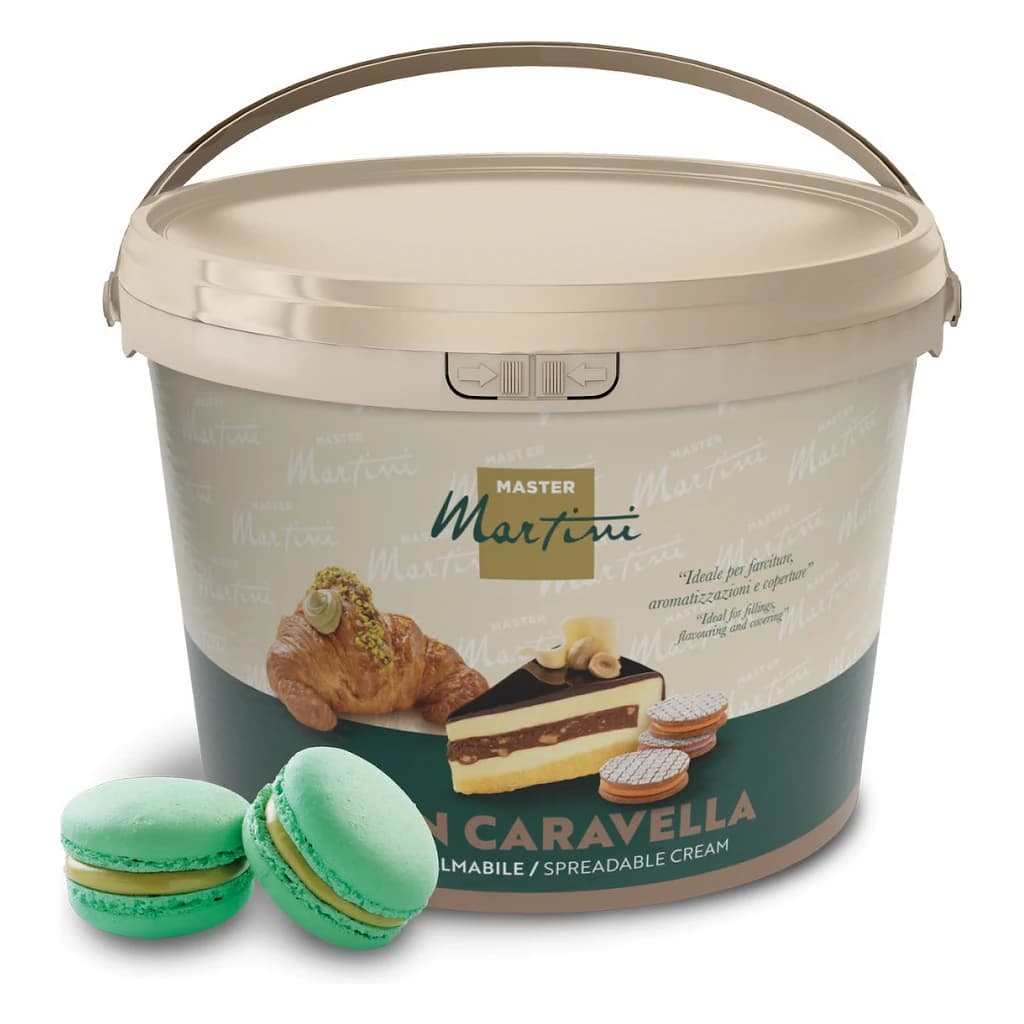
Pura Arachide Peanut Paste 3 kg
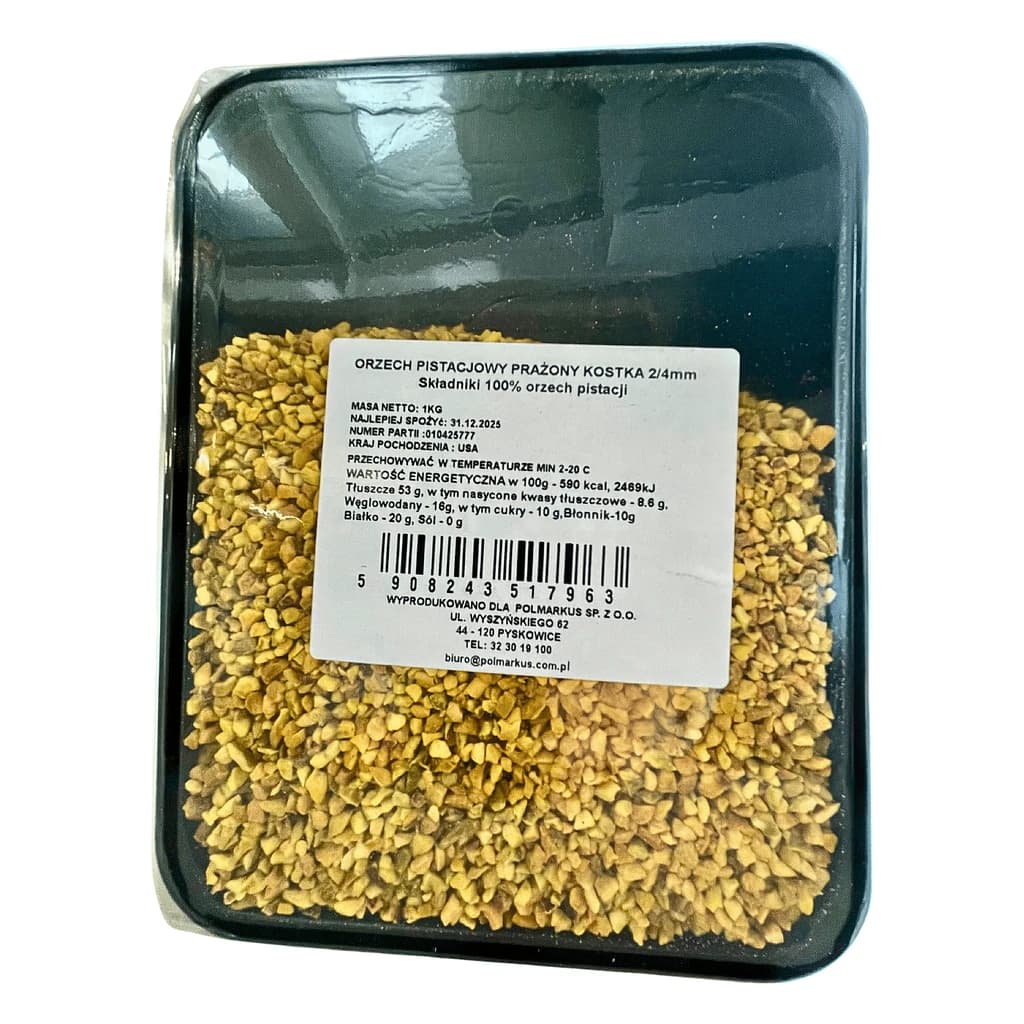
Roasted Diced Pistachios 2–4 / 3–5 mm 1 kg
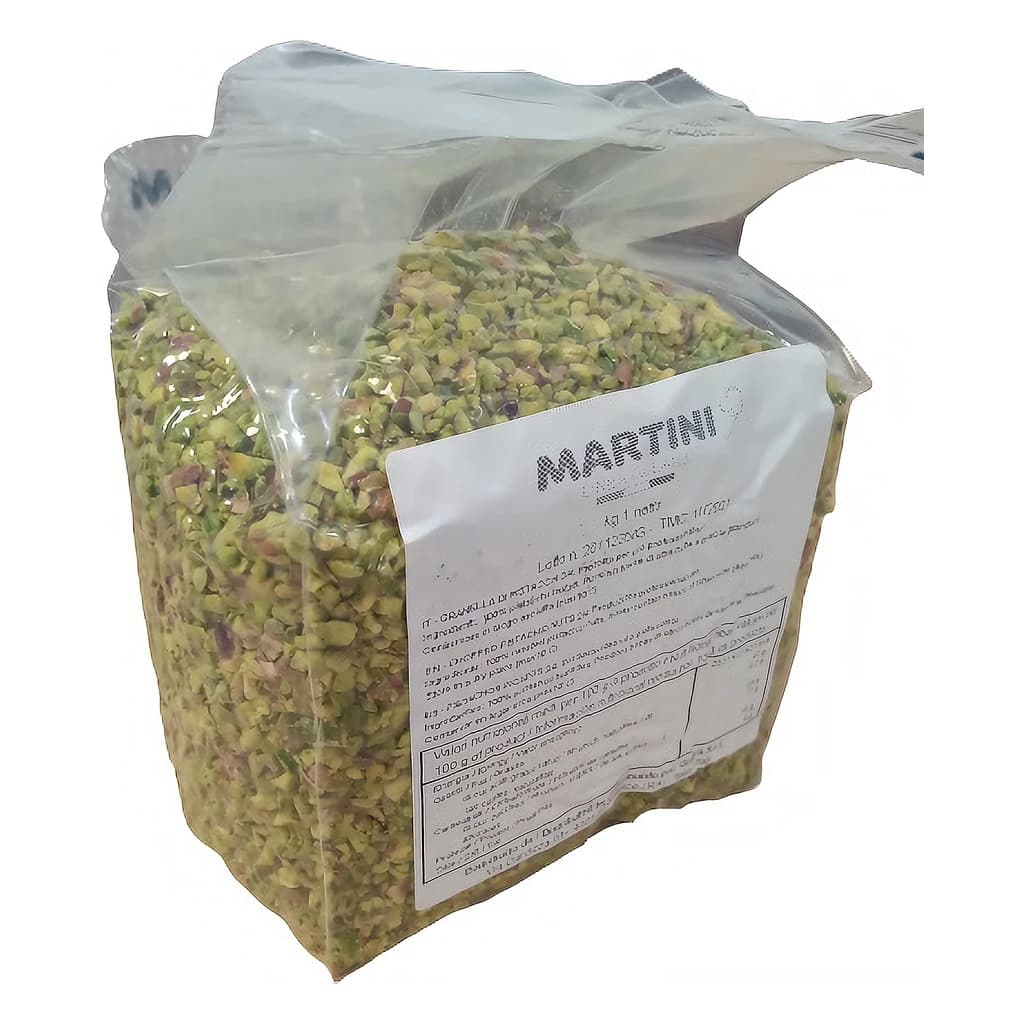
Pistachio Granules 2/4 mm 1 kg (Martini)
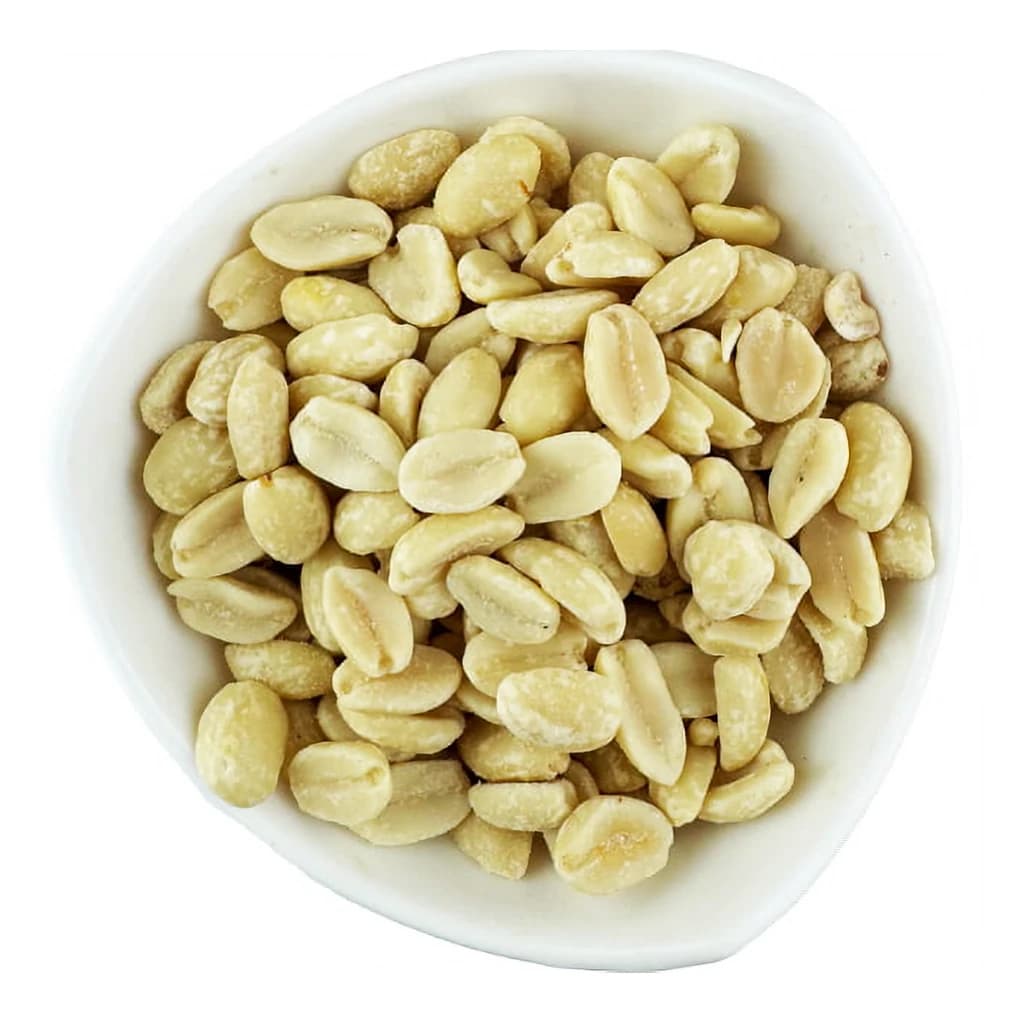
Roasted Peanut Halves 15 kg
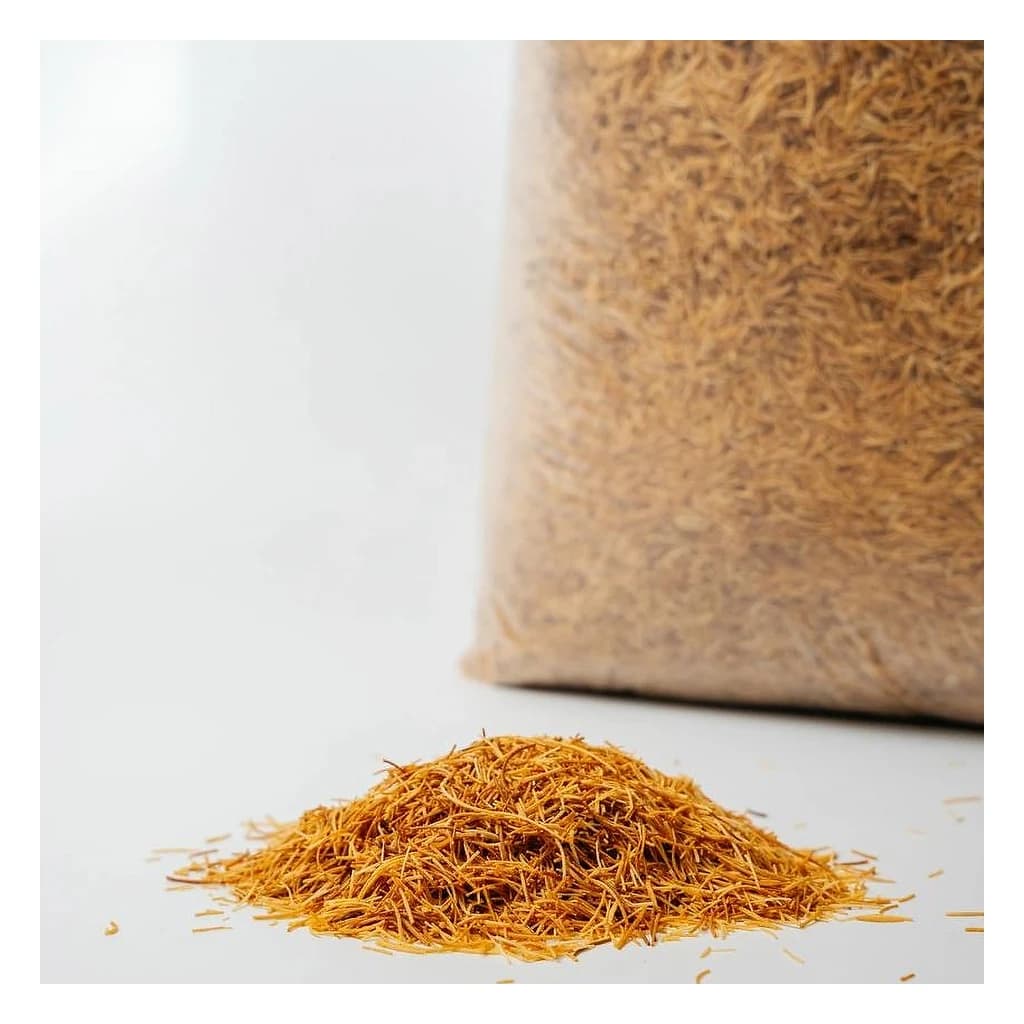
Roasted Kataifi Pastry 10 kg
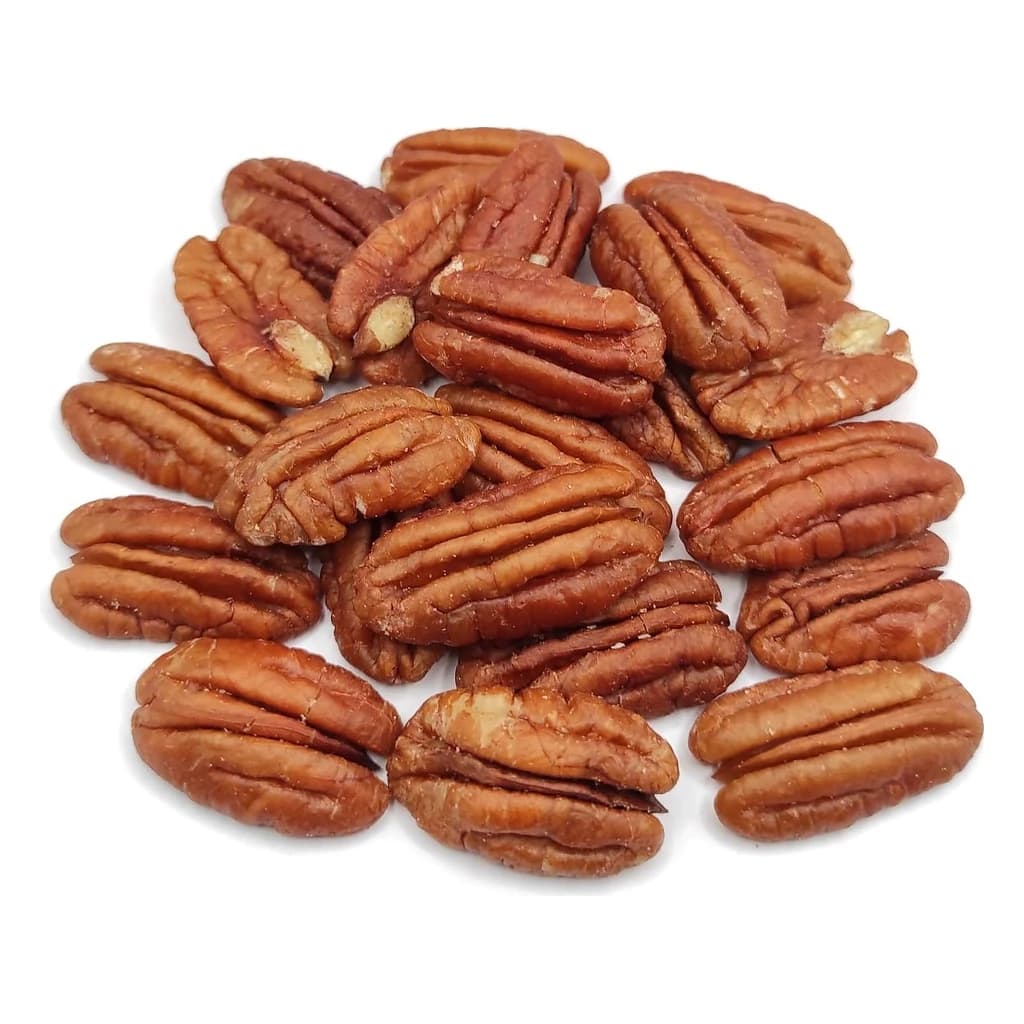
Pecan Halves Shelled 13.6 kg
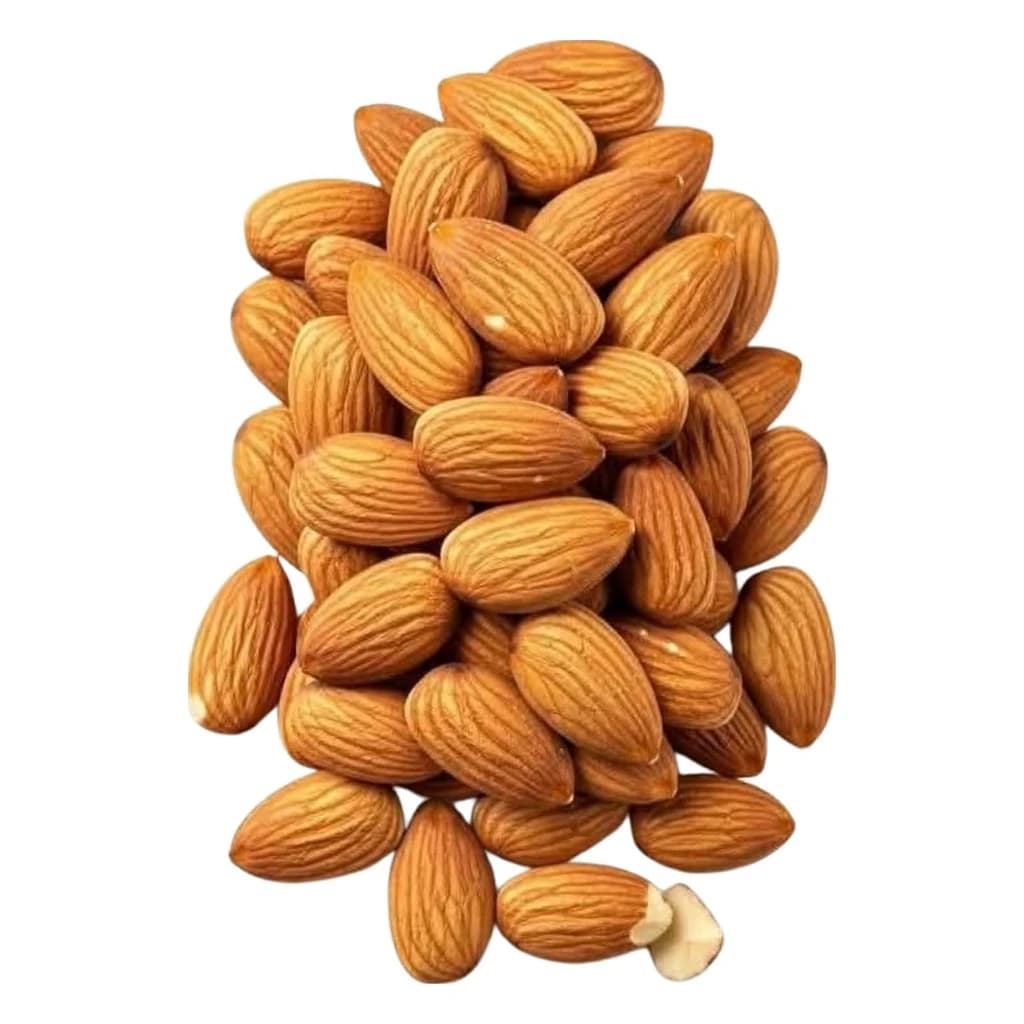
Almonds Shelled 22.68 kg
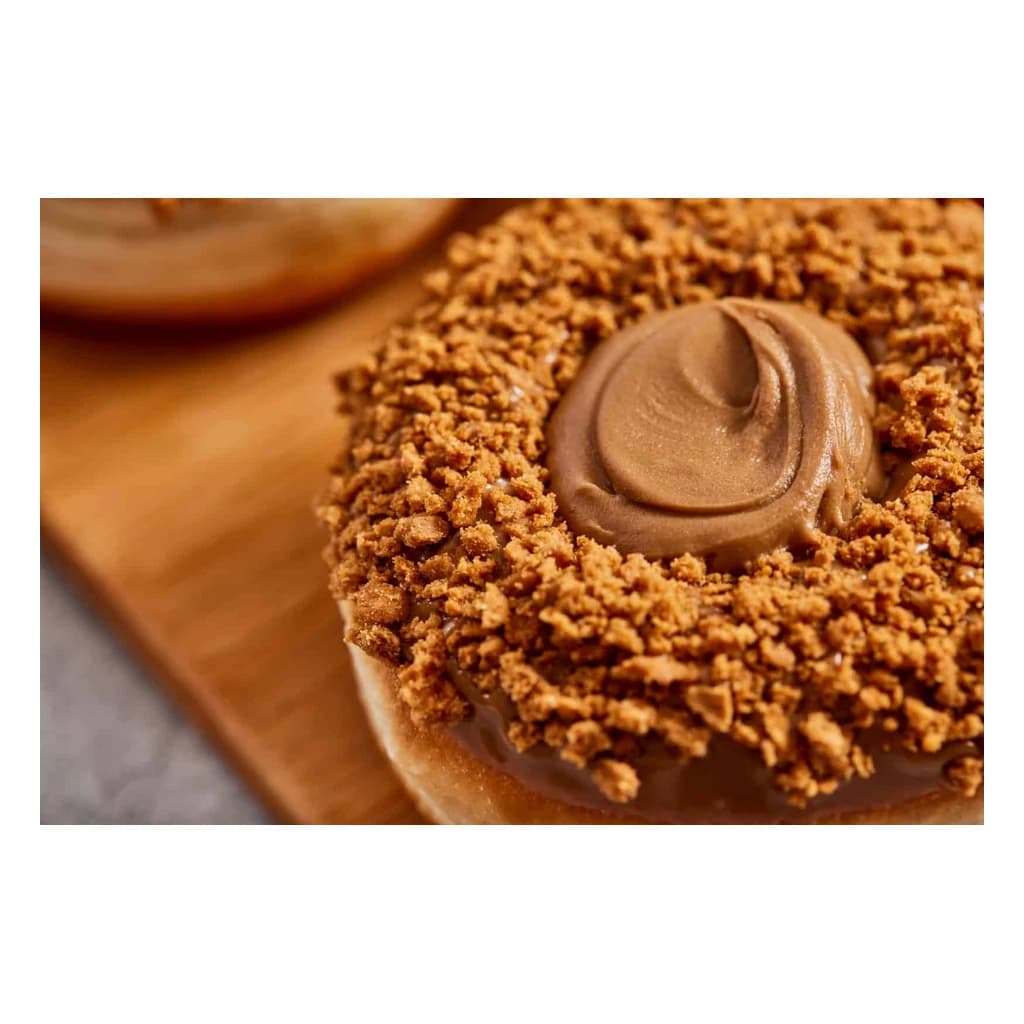
Bakels Speculoos Biscuit Crumb 2–6 mm 9 kg

Ireks Corn Bread Topping 8 kg
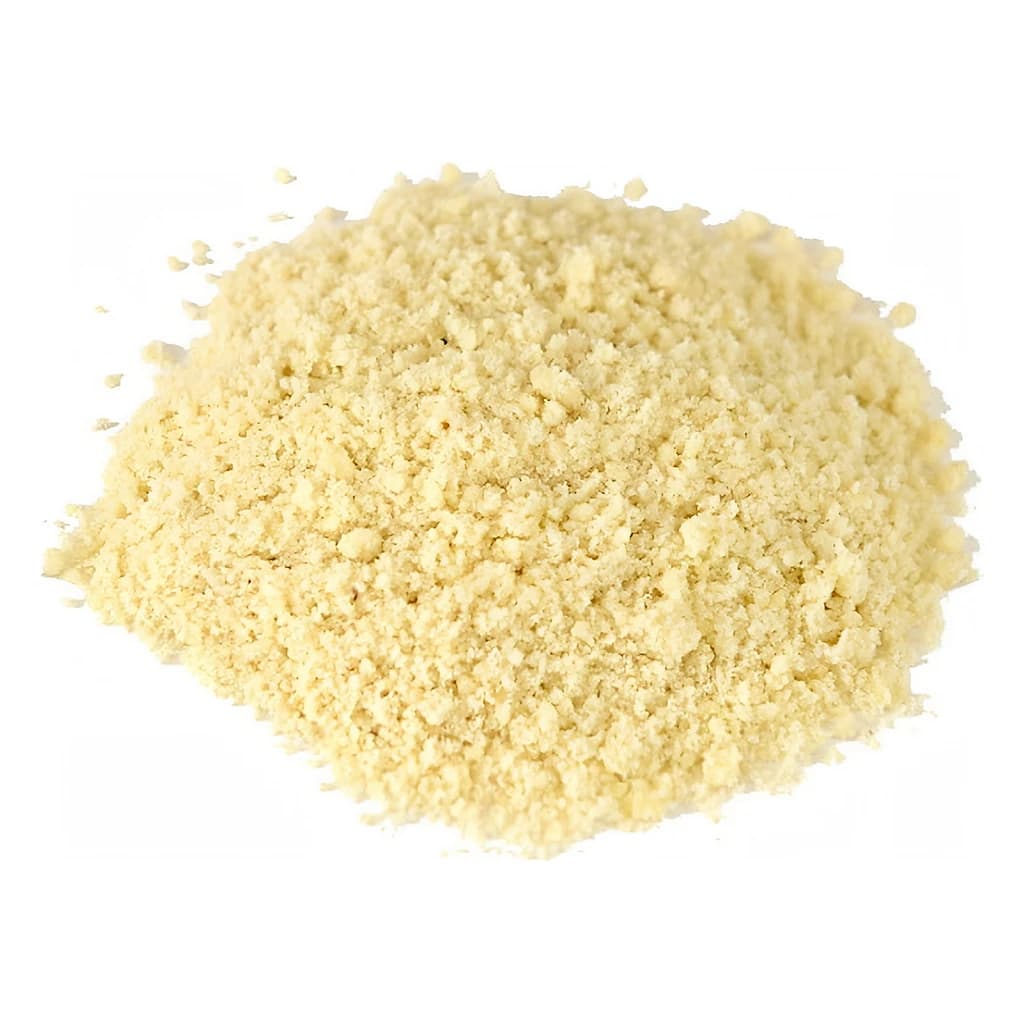
Almonds Ground 10 kg
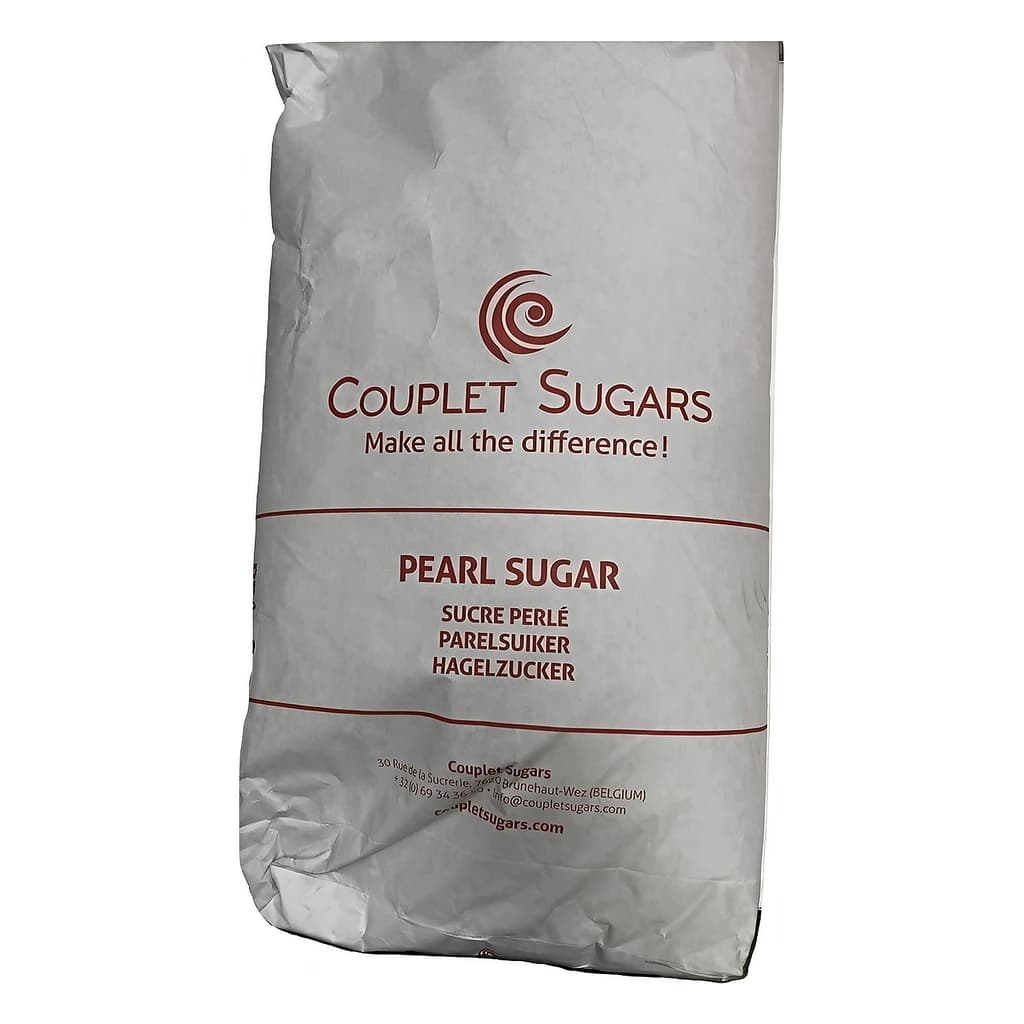
Nibbed Sugar 25 kg
Digestive Biscuit Crumb 25 kg

Dark Cocoa Chips 10 kg
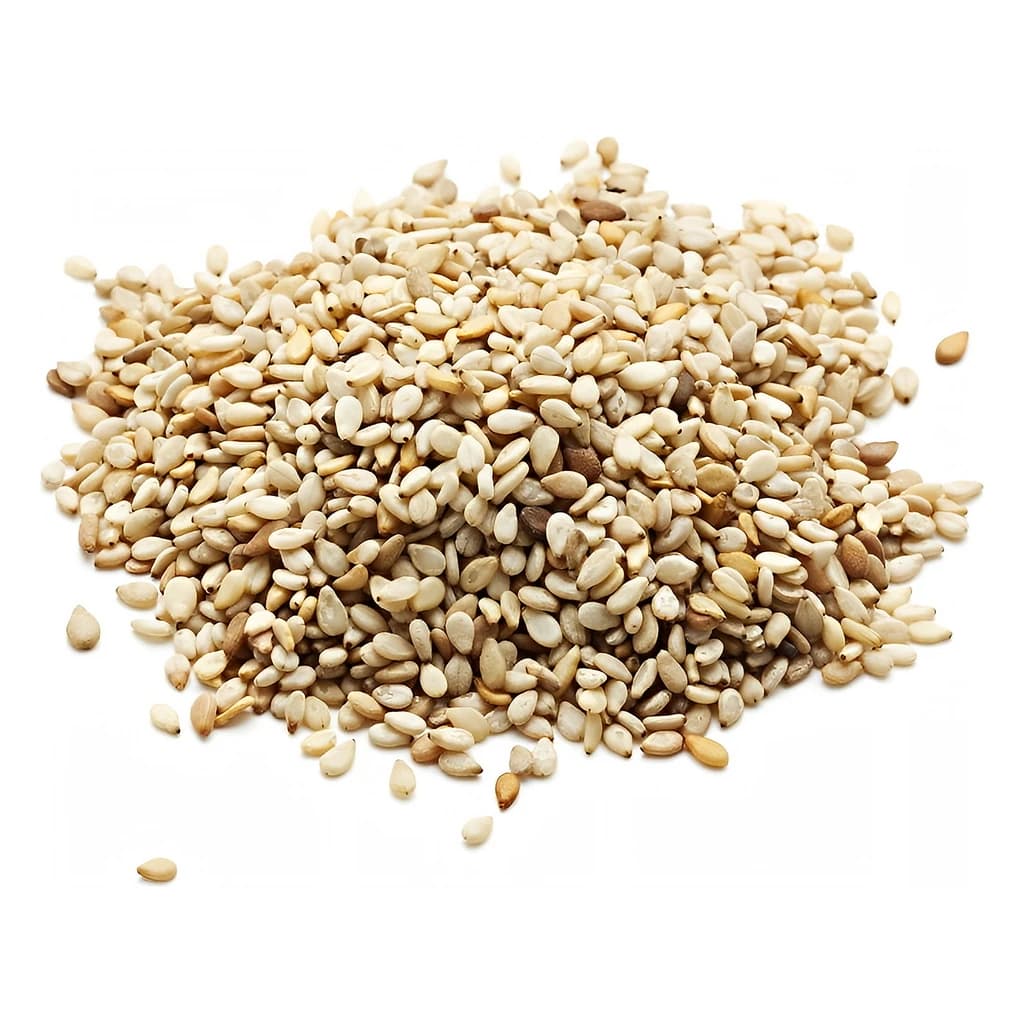
Sesame Seeds 25 kg
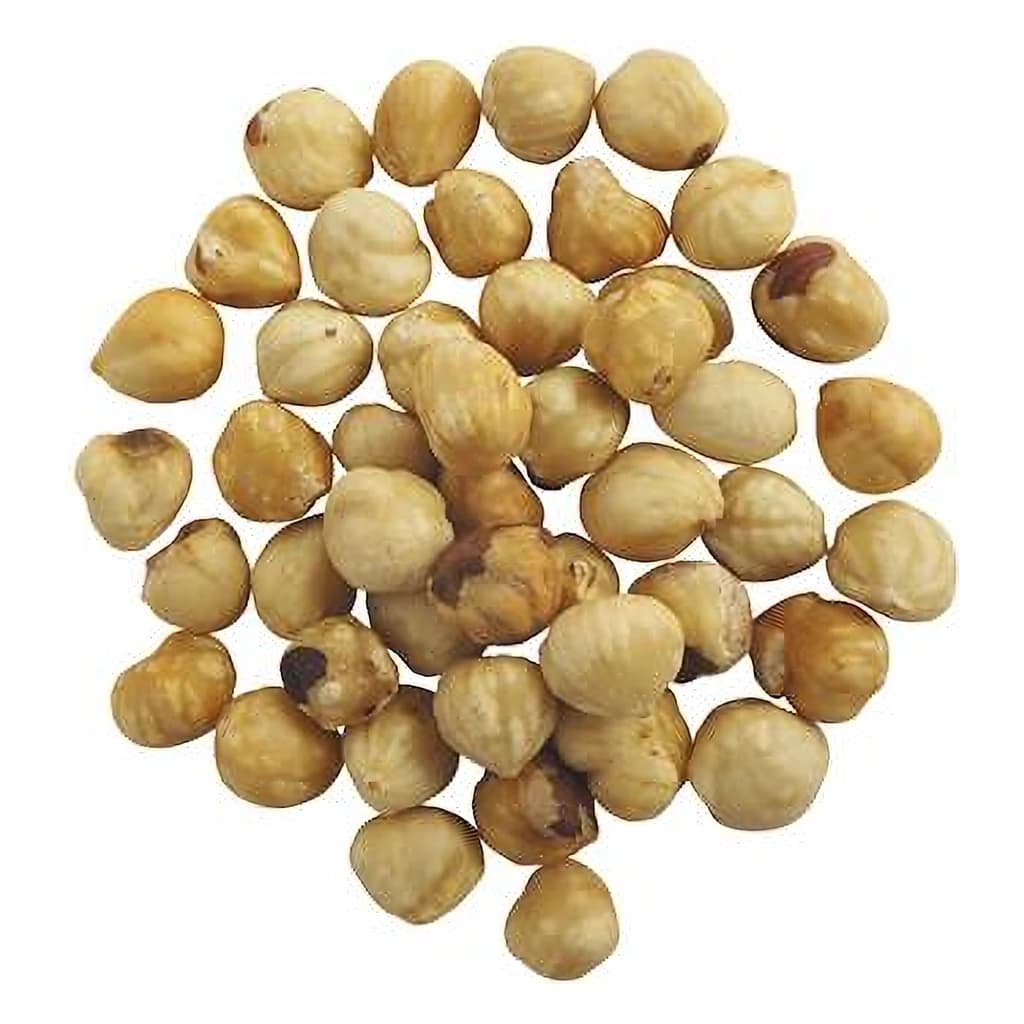
Hazelnuts Blanched & Roasted
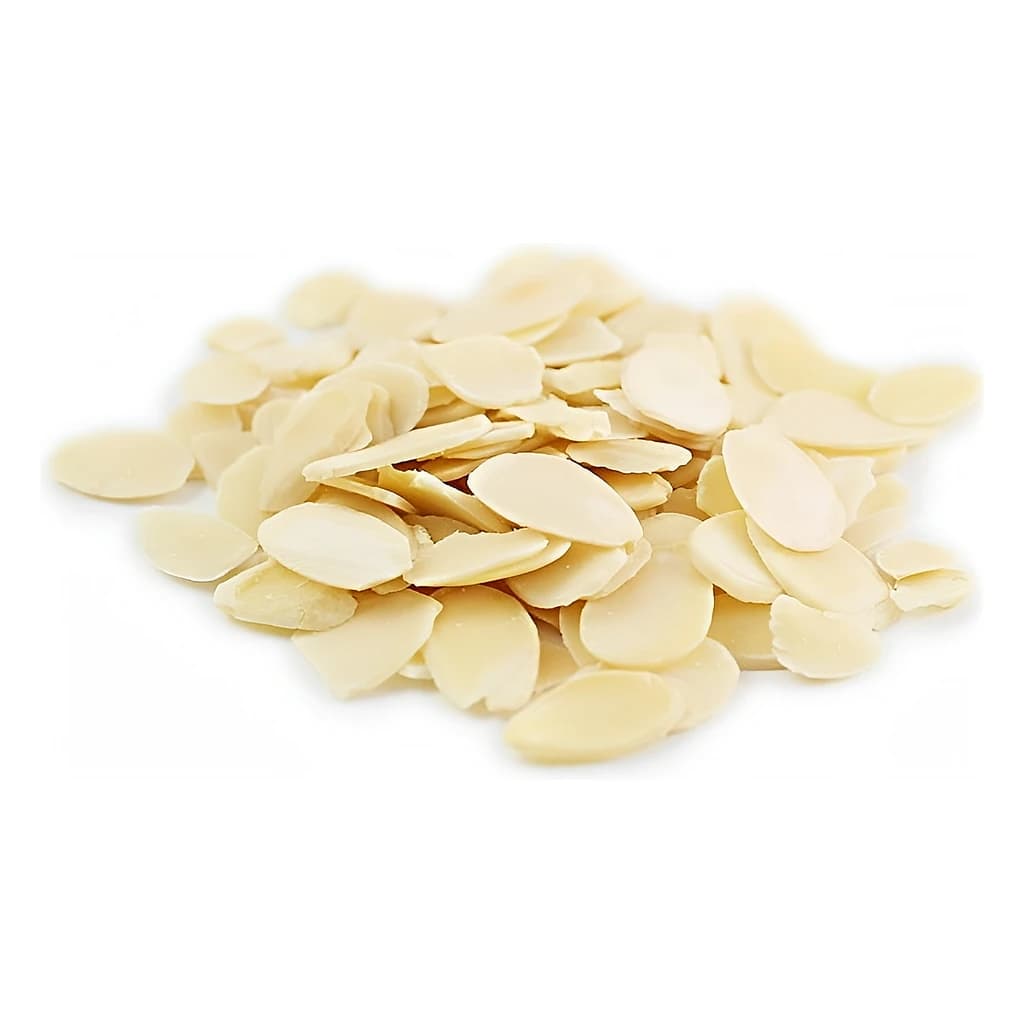
Almonds Flaked
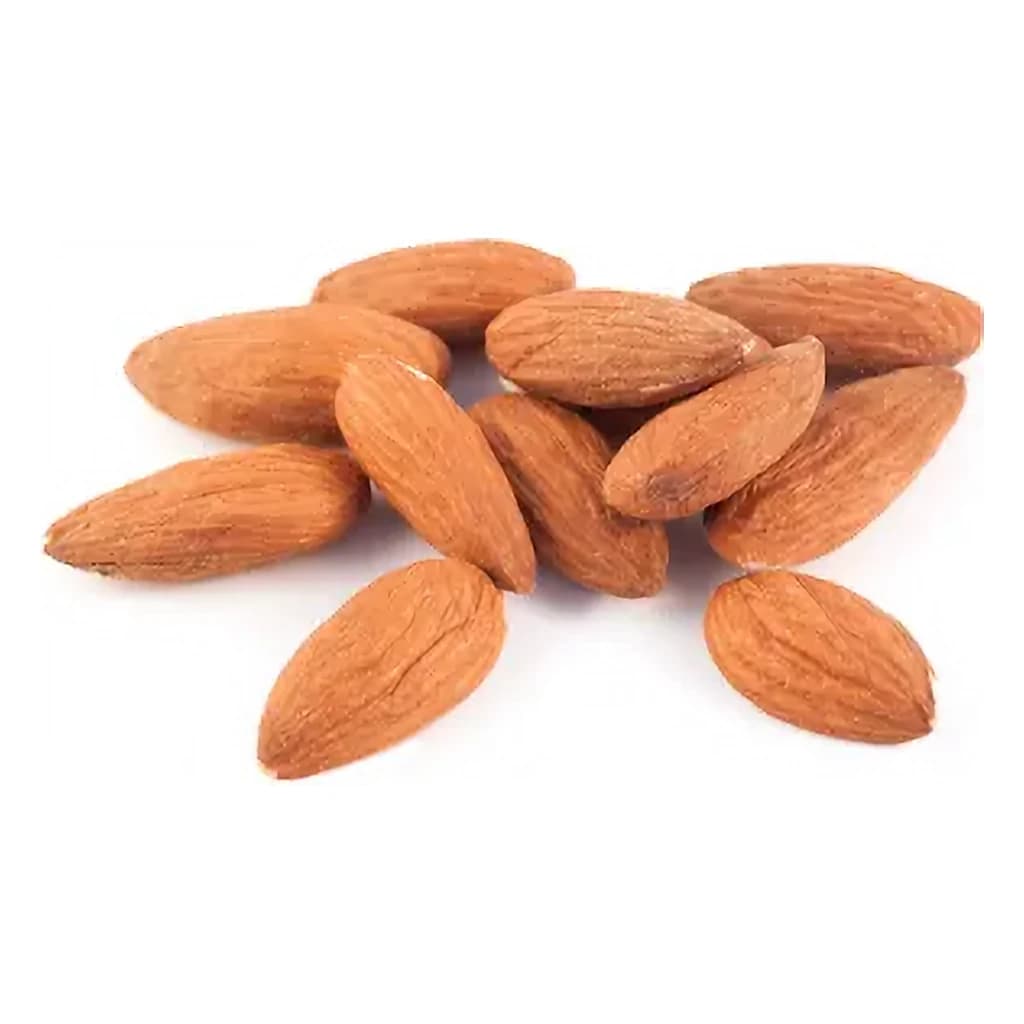
Almonds Whole Unblanched