
Bread staling and shelf life: starch retrogradation, moisture migration, anti-staling enzymes and clean-label approaches
A practical deep-dive for professional bakers into what makes bread go stale — and how to delay it. Covers the two-phase starch retrogradation model (amylose vs amylopectin), moisture migration, the refrigerator paradox, and the full anti-staling toolkit: MDG emulsifiers, SSL, maltogenic amylase vs standard alpha-amylase, sourdough fermentation, and hydrocolloids. Includes a microbiological shelf-life section (mould, rope and preservatives), packaging considerations, and clean-label enzyme-only approaches. Data drawn from IREKS Compendium, Bakels, AB Enzymes, Modernist Cuisine and first-party spec sheets for anti-staling improvers in the Domson catalogue.
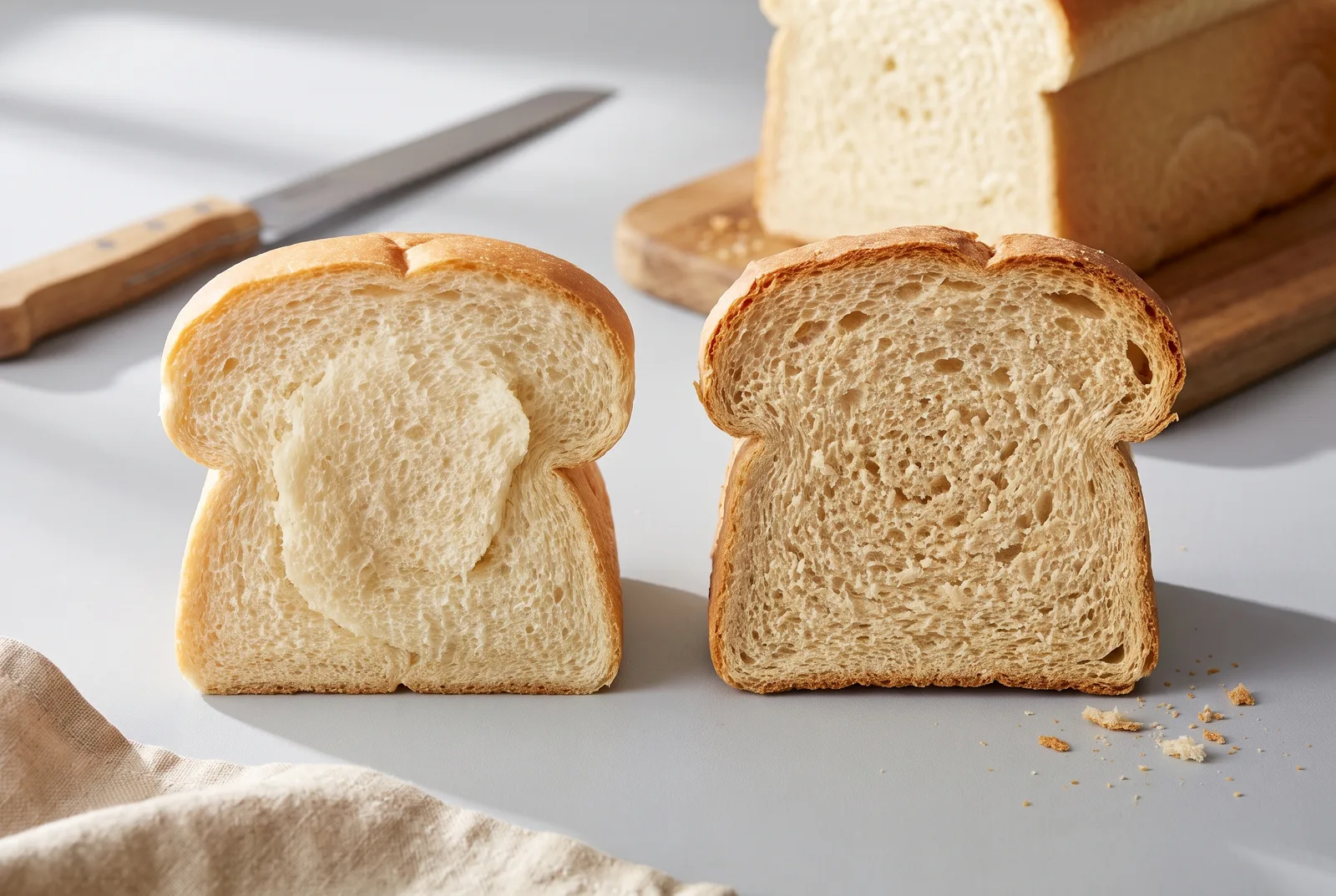
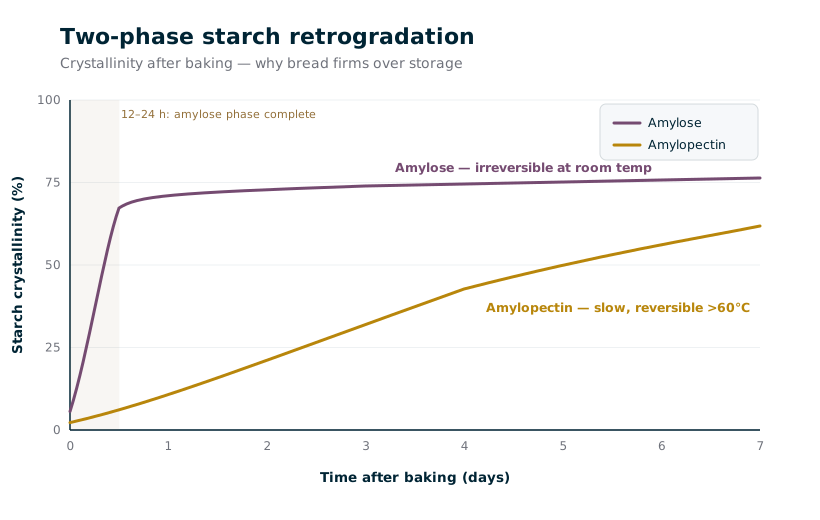 Diagram showing two-phase starch retrogradation in bread: amylose phase peaks within 12–24 hours while amylopectin phase rises slowly over 7 days
1. Why staling matters commercially
A freshly baked loaf has a very short peak-quality window. Without intervention, a standard tin loaf at room temperature becomes noticeably firmer within 24 hours and unacceptably stale within 2–3 days. For craft bakeries selling same-day, this is manageable; for packaged bread with a 5–7 day required shelf life, or sandwich manufacturers who need 14–28 days of acceptable texture, it is the most critical technical challenge in the bakery.
Staling is not a single phenomenon. It has two distinct, interacting components: starch retrogradation (a physical structural change inside the crumb) and moisture migration (the movement of water between crumb and crust, and from bread to the environment).
Understanding them separately is essential because they respond to different interventions.
2. Starch retrogradation: the science
2.1 What happens to starch during baking
During baking, water absorption causes starch granules to gelatinise: they swell, absorb water, and lose their crystalline structure. Amylose (the linear starch component, approximately 20–30% of total starch) partially leaches out of the granule into the surrounding water. When the crumb cools, this amylose rapidly re-crystallises — this is called amylose retrogradation.
Amylopectin (the branched component, approximately 70–80% of starch) is also disrupted during gelatinisation. However, it retrograded far more slowly because its branched architecture requires more time to form the ordered hydrogen-bonded networks that constitute a starch crystal.
2.2 Two-phase retrogradation model
Food scientists use a two-phase model to describe bread staling:
Phase 1 — Amylose retrogradation (hours):
- Occurs rapidly as the loaf cools after baking (roughly within 0–24 hours)
- Amylose forms stable inclusion complexes with lipids if any are present (see section 4.1), or re-crystallises directly into semi-ordered networks
- Largely irreversible at room temperature: amylose crystals cannot be dissolved again without heating above approximately 95°C — essentially re-baking
- Contributes to the initial crust hardening and the first phase of crumb firming
Phase 2 — Amylopectin retrogradation (days to weeks):
- The dominant driver of ongoing crumb firming during storage
- The branched amylopectin chains slowly realign and form additional crystalline junctions at their branch segments
- Rate peaks at intermediate storage temperatures (see section 3)
- Partially reversible: heating bread above approximately 60°C dissolves amylopectin crystals, which is why briefly reheating stale bread in an oven or microwave restores softness. However, re-staling is faster on the second cycle.
- This is the phase that anti-staling enzymes and emulsifiers are specifically designed to target.
Key insight for bakers: Extending packaged bread shelf life from 3 days to 7+ days means fighting amylopectin retrogradation. Amylose retrogradation is over before the bread is packed.
2.3 Factors that influence retrogradation rate in bread
Bread crumb is a complex matrix of gelatinised starch, gluten network, gas cell walls, and entrapped water. The rate and extent of retrogradation is influenced by:
- Water content: Higher water activity slows retrogradation — more free water means more molecular mobility and less crystal formation.
- Sugar content: Sugars and polyols compete for water and interfere with crystal ordering.
- Fat and lipid content: Both endogenous flour lipids and added fats/emulsifiers form amylose-lipid inclusion complexes, reducing amylose retrogradation (see section 4.1).
- Gluten integrity: The gluten network provides a scaffold; weak or damaged gluten accelerates perceived staleness independently of starch changes.
3. Moisture migration and the texture paradox
3.1 What moisture migration is
Bread is not homogeneous. The crust has much lower moisture content (approximately 10–15%) than the crumb (approximately 38–45%). During storage, water migrates from higher-moisture areas to lower-moisture areas:
- Crumb to crust: The crust gradually absorbs moisture from the crumb, losing its crispness. This is why a crusty baguette becomes leathery by day two.
- Bread to environment: Without proper packaging, bread loses moisture overall, becoming dry and crumbly as well as stale.
- Internal redistribution: Water moves between phases in the crumb — from the gluten network into starch crystallites as retrogradation proceeds.
3.2 Why stale bread can feel dry
This is counterintuitive: stale bread does not necessarily contain less total water — it has that water in different physical locations. As starch crystallites re-form, they bind water tightly within the crystalline lattice, making it unavailable to the gluten network and to sensory perception. The bread feels dry because the water is immobilised.
3.3 Temperature and the refrigerator paradox
Staling rate is strongly temperature-dependent, but not in the direction most bakers expect:
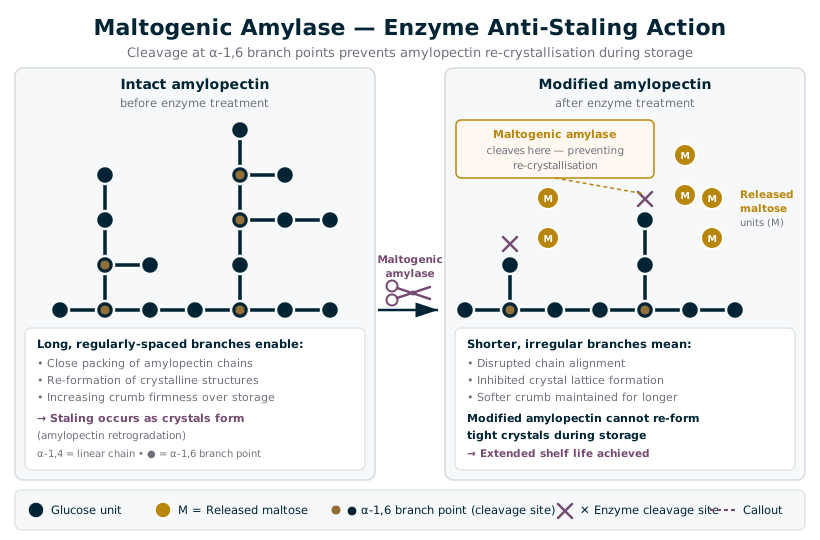 Schematic diagram showing how maltogenic amylase cleaves amylopectin branch points to prevent starch re-crystallisation during bread storage
| Storage temperature | Relative staling rate | Practical notes |
|---|---|---|
| < -18°C (frozen) | Very slow | Amylopectin crystal formation largely arrested; ice crystals can damage gas cell structure on thawing |
| -18°C to 0°C | Slow to moderate | Transition zone; partially frozen water limits molecular mobility |
| 0–7°C (refrigerator) | Fastest | Optimal temperature range for amylopectin crystal nucleation and growth — counter-productive |
| 10–20°C (cool ambient) | Moderate | Standard storage for most packaged bread |
| 20–30°C (warm ambient) | Slower | Retrogradation still proceeds; microbial risk increases |
| > 60°C | Crystal dissolution | Amylopectin crystals melt — bread "refreshes"; re-staling faster on second cycle |
Note: specific temperature ranges are from a single source (Modernist Cuisine); the general direction (refrigerator accelerates staling) is accepted across food science but the exact degree breakpoints should be treated as indicative. Confidence: medium.
Practical recommendation: Never refrigerate fresh bread to "preserve" it. Room-temperature storage in a bread bag or box is better for quality over 2–3 days. For longer storage, freeze immediately after cooling and defrost fully at room temperature.
4. Anti-staling toolkit: emulsifiers
Emulsifiers are the classical approach to extending bread softness. They work primarily by interfering with starch retrogradation during and immediately after baking.
4.1 Mono- and diglycerides of fatty acids (MDG, E471)
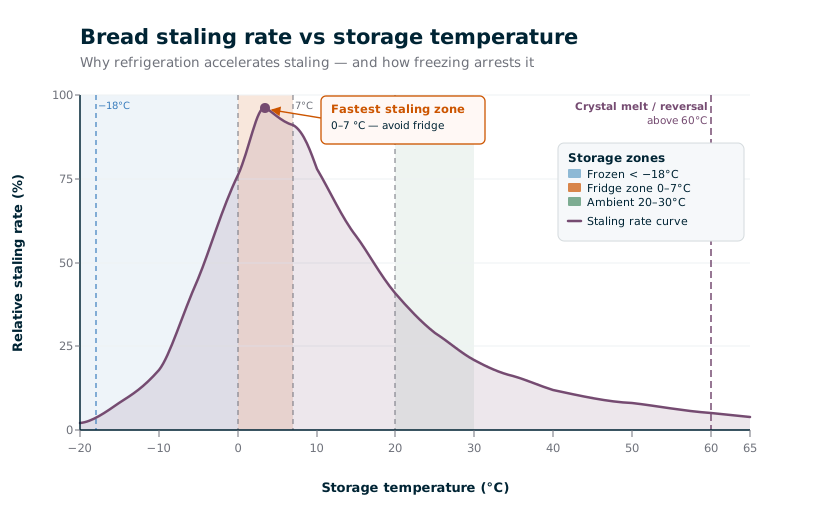 Graph showing bread staling rate peaks in the refrigerator temperature range of 0 to 7 degrees Celsius and is minimised by freezing below minus 18 degrees
MDG is the most widely used anti-staling emulsifier. Its mechanism:
- During baking, as starch gelatinises, the fatty acid tails of MDG molecules insert into the amylose helix (amylose forms a helix structure that wraps around the fatty acid chain).
- This forms a stable amylose-lipid inclusion complex significantly more resistant to retrogradation than free amylose.
- The result is a softer initial crumb and a slower firming rate over the first 3–5 days of storage.
MDG does not significantly interfere with amylopectin retrogradation — but by removing amylose retrogradation from the equation, the overall perceived firming rate is substantially reduced.
Regulatory status: In the EU, E471 is permitted at quantum satis (no fixed numerical maximum) in bread and flour confectionery under Regulation (EC) No 1333/2008. The UK retains equivalent provisions. Always verify the current approved use level for the specific product category and market before formulating.
In catalogue products: Dedicated bread improvers targeting shelf life in the Domson catalogue include the Puratos S500 Sense and Cereform Stafresh SG Crumb Softener, both of which incorporate emulsifier technology alongside enzyme systems.
4.2 Sodium stearoyl lactylate (SSL, E481)
SSL is a dual-function emulsifier: it both strengthens gluten (acting as a dough conditioner) and retards staling (acting as a crumb softener). Its anti-staling mechanism involves complexation with both amylose and amylopectin chains, reducing their tendency to re-crystallise.
In catalogue spec sheets: The IREKS Crumb Softener (product 127500PL, also known as IREKS Softy) explicitly formulates SSL (E481) as the primary emulsifier alongside enzymes and ascorbic acid (E300), at a recommended dosage of 1.5% on flour weight. This is a relatively high dosage for a powder improver, reflecting its dedicated anti-staling focus. The spec sheet describes the product as "an improver for the production of soft baked goods" — SSL's dual mechanism makes it the dominant emulsifier choice in soft roll, burger bun and packaged sandwich bread formulations.
4.3 Calcium stearoyl-2-lactylate (CSL, E482)
CSL has a similar mechanism to SSL. It is used in some markets as an alternative where SSL may not be approved at the required level, or as a cost-effective alternative. CSL generally shows somewhat lower anti-staling effectiveness than SSL in comparative studies, but both are stronger starch-complexers than MDG alone.
4.4 Lecithin (E322) — limited anti-staling contribution
Soya or sunflower lecithin forms amylose-lipid inclusion complexes via the same mechanism as MDG, but the geometry of phospholipid molecules is less optimal for amylose helix insertion, making the anti-staling effect weaker. Its primary bread application is dough lubrication and extensibility; anti-staling is a secondary, modest contribution.
5. Anti-staling toolkit: enzymes
Enzymes are increasingly replacing emulsifiers in anti-staling formulations, driven both by clean-label demand (enzymes used as processing aids need not appear on the consumer label) and by genuine performance improvements — modern maltogenic amylase technology can deliver superior anti-staling performance over extended shelf lives compared to emulsifiers alone.
5.1 The critical distinction: which amylase actually prevents staling?
It is a common misconception that adding more alpha-amylase extends shelf life. Understanding why this is wrong requires distinguishing clearly between three amylase types:
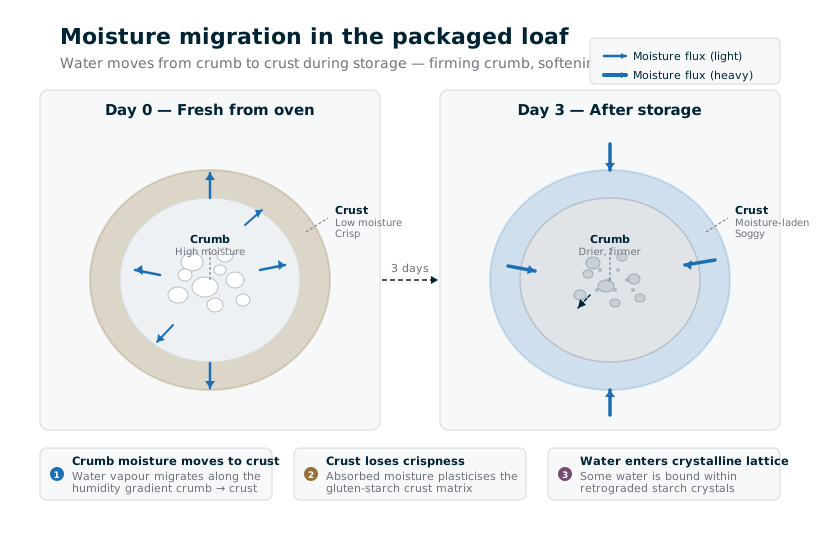 Diagram illustrating moisture migration in a packaged loaf from crumb to crust over time, leading to crumb firming and crust softening
| Amylase type | Typical source | Inactivation temperature | Primary action in bread | Anti-staling contribution |
|---|---|---|---|---|
| Fungal alpha-amylase | Aspergillus oryzae / niger | ~60–65°C | Cleaves amylose + amylopectin randomly; releases fermentable sugars during proof | Minimal — inactivated before crumb sets; cannot affect post-baking retrogradation |
| Bacterial alpha-amylase (standard) | Bacillus amyloliquefaciens | ~90–95°C (B. amyloliquefaciens specifically; some thermophilic Bacillus strains produce amylases active above 100°C) | Random endocleavage of starch; survives into the finished crumb | Negative — causes gummy, sticky, unacceptably soft crumb; NOT used for shelf-life extension |
| Maltogenic amylase | Bacillus stearothermophilus (engineered) | ~80–85°C (partially survives through gelatinisation) | Exo-type; specifically cleaves amylopectin branch points; releases maltose | Primary anti-staling enzyme |
HIGH confidence — three independent sources agree on these distinctions.
5.2 How maltogenic amylase works
Standard amylases make random cuts along starch chains, producing shorter fragments that can still re-crystallise into new crystalline regions. Maltogenic amylase specifically modifies the branch points of amylopectin, releasing small maltose units. The remaining amylopectin chains are structurally altered: the branch architecture that enables crystal formation is disrupted, making re-crystallisation during storage much less likely.
Because maltogenic amylase has an inactivation temperature of approximately 80–85°C — higher than fungal alpha-amylase (~60–65°C) but lower than the bread's internal maximum during baking (typically 95–98°C in the crumb core) — it remains active during the critical window of starch gelatinisation and is then progressively inactivated as the crumb temperature rises. This controlled activity window is the source of its anti-staling power.
Important for formulation: "Anti-staling enzyme" on an improver label almost always refers specifically to maltogenic amylase. Standard fungal alpha-amylase (the most common enzyme in general-purpose powder improvers) provides no meaningful anti-staling effect. Ask your supplier to confirm the enzyme type if extended shelf life is the formulation goal.
Note on undeclared enzymes in spec sheets: Across all Domson catalogue spec sheets reviewed, enzymes are declared without naming the specific type — this is normal practice when enzymes qualify as EU/UK processing aids (no technological function in the finished product; not required in the ingredient list). The functional contribution of each enzyme must be assessed from supplier application data, not from the label declaration. Note that Zeelandia Gamma GP does declare "enzyme [WHEAT]", the bracket notation required when a processing-aid enzyme is derived from an allergenic source. If an enzyme in any other improver has an allergen-derived origin, the same declaration applies even under processing-aid status.
Confirm the allergen origin of "enzyme" declared in IREKS Softy and Zeelandia Optimax Free with each supplier before advising allergen-sensitive customers.
5.3 Xylanase — indirect contribution to freshness
Xylanase (hemicellulase / pentosanase) does not directly inhibit starch retrogradation, but contributes to perceived freshness by releasing water from arabinoxylan fibre networks in the wheat cell wall. This free water then remains available to the starch matrix during storage, maintaining a higher effective moisture level in the crumb. The net effect is slightly softer crumb over the first 2–3 days.
This contribution is larger in wholemeal, multigrain and high-fibre breads where arabinoxylan content is substantially higher.
5.4 Lipase — the clean-label emulsifier replacement
Lipase hydrolyses flour lipids to produce lysophospholipids in situ. These lysophospholipids function as endogenous emulsifiers — they form amylose-lipid inclusion complexes in exactly the same way as externally added MDG, but carry no E-number declaration on the finished product label. This makes lipase the key clean-label route to emulsifier-equivalent anti-staling.
The anti-staling performance of lipase is generally comparable to MDG at correctly matched doses, but can be more variable because it depends on the natural lipid profile of the flour used.
Important allergen note: The processing-aid exemption means the enzyme does not need to appear in the ingredient list by name — but if the lipase (or any other processing-aid enzyme) is derived from a source covered by the 14 mandatory allergens under EU Regulation 1169/2011 Annex II (e.g. wheat, soya, milk), the allergen source MUST still be declared on the finished product label using bracket notation. Zeelandia Gamma GP, for example, correctly declares "enzyme [WHEAT]" even though the enzyme is used only as a processing aid. Always confirm the allergen origin of every enzyme in your formulation with the supplier and apply the required bracket notation. Verify allergen labelling obligations with a qualified food safety professional before advising customers.
See the table below for a full head-to-head summary of each anti-staling strategy.
6. Sourdough fermentation as a shelf-life tool
Sourdough fermentation primarily extends microbiological shelf life and also contributes — to a lesser extent — to slowing starch retrogradation, through several mechanisms.
6.1 Organic acid production (primary mechanism)
Lactic acid bacteria (LAB) produce lactic and acetic acids during fermentation. At the pH typical of well-fermented sourdough bread (pH 4.0–4.6), most mould species are inhibited. This is the main microbiological shelf-life benefit of sourdough.
Acetic acid is generally considered more effective than lactic acid against mould at equivalent concentrations — sourdoughs that favour acetic acid production (lower temperatures, longer fermentation) tend to give stronger mould protection. However, antifungal activity in real sourdough systems is synergistic: acetic and lactic acids act together with other LAB metabolites (including phenyllactic acid and caproic acid in some strains); the relative contribution varies with the bacterial strain and fermentation conditions. Do not optimise for acetic acid alone without considering the full metabolite profile.
Note: the relative effectiveness of acetic vs lactic acid is from a single peer-reviewed source; the full picture is strain-variable. Confidence: low.
6.2 Exopolysaccharides (EPS) — water-holding effect
Some LAB strains produce exopolysaccharides (dextran, levan) during fermentation. These biopolymers hold water in the crumb matrix, potentially slowing moisture migration and contributing to perceived crumb freshness. The academic literature describes EPS from LAB as "natural emulsifiers" or "natural crumb softeners."
Note: this anti-staling contribution from EPS is described in a single peer-reviewed source; confidence is LOW. This mechanism should not be used as a primary selling point without additional verification.
6.3 pH modification of starch structure
Low pH in an acidified dough alters the physical environment during starch gelatinisation. Some research suggests acidified starch retrograded at a different rate, but the anti-staling contribution from pH alone (as distinct from the organic acid preservative effect) is not clearly established.
6.4 Sourdough shelf-life products in the catalogue
- Sourdough Dry 25 kg: dried sourdough ingredient for adding acidification to standard bread doughs.
- Böcker Bio Le Chef Organic Liquid Sourdough 2 kg: certified organic liquid sourdough for artisan applications.
- Sauer Dark Rye Sourdough Concentrate 25 kg: rye sourdough concentrate directly relevant to dark rye breads where mould is a primary shelf-life constraint.
These products extend primarily microbiological shelf life. Their contribution to texture shelf life (anti-staling) is secondary.
7. Microbiological shelf life: mould, rope and preservatives
7.1 Mould spoilage
Mould is the dominant spoilage mode for packaged bread beyond approximately 3–5 days. Common species include Penicillium, Aspergillus, Cladosporium and Neurospora.
Mould requires water activity above approximately 0.80–0.85, oxygen, and temperatures above approximately 4°C. Bread crumb typically has water activity of 0.96–0.98 — well above any mould threshold. Inhibition must therefore come from other routes:
- pH reduction via sourdough or added acidulants
- Chemical preservatives: calcium propionate E282, potassium sorbate E202, sodium diacetate
- Modified atmosphere packaging (MAP): CO₂ displaces oxygen; anaerobic conditions inhibit mould
- Ethanol spray or sachets: ethanol vapour at ~3–8% concentration inside sealed packaging
- Strict cooling before packaging and good bakery hygiene
Calcium propionate (E282):
The most widely used bread preservative. The active form is undissociated propionic acid — membrane-permeable at pH below approximately 5.5, where it disrupts mould metabolic pathways. BAKERpedia gives a practical ceiling of approximately 0.3% on flour weight.
The 0.3% figure is US industry guidance. EU Regulation (EC) No 1333/2008 Annex II expresses E282 limits per kilogram of final product weight for specific bread categories — NOT per flour weight. Verify the applicable legal limit for the specific product category and market before formulating.
At normal use levels, calcium propionate is compatible with yeast. At elevated doses it can slightly inhibit yeast fermentation — a practical concern in enriched doughs or long fermentations.
Potassium sorbate (E202):
Effective against mould and some yeasts via undissociated sorbic acid at low pH. Often used in combination with E282 for broader spectrum coverage. Both require sufficiently low pH for effectiveness; their activity drops sharply above pH 5.5.
Regulatory caveat: In many EU member states and the UK, preservatives in bread are permitted only in pre-packaged products, not in fresh unpackaged bread sold the same day of baking. Always verify the applicable national rules before adding preservatives to any bread formulation.
7.2 Rope spoilage
Rope is a distinctive bacterial spoilage caused by multiple spore-forming Bacillus species — primarily B. subtilis, but also B. amyloliquefaciens, B. licheniformis, B. pumilus, B. cereus group, and others. Spores from these organisms survive normal baking temperatures. When the bread cools in warm, humid conditions post-baking, spores germinate and bacteria metabolise the crumb, producing:
- A characteristic sweet, fruity smell (sometimes described as honey-like or reminiscent of over-ripe melon/pineapple) that progresses to unpleasant off-odours
- A slimy, sticky, discoloured crumb with stringy threads when pulled apart ("the rope")
- Progressive softening and structural collapse of the crumb
Rope develops at temperatures above approximately 25°C when water activity exceeds 0.95 — growth rates are higher in the 30–40°C range for some species, but risk begins at summer ambient temperatures well below 30°C. Incompletely cooled packaged bread in warm weather is the classic trigger.
Note: The temperature range for rope risk is not uniformly defined across sources (some peer-reviewed sources cite onset at 25°C, BAKERpedia gives 29–40°C). The 25°C threshold is used here as the more conservative, food-safety-protective boundary. Confidence: medium.
Prevention:
- Cool bread to below 35°C in the crumb core before packaging
- Add calcium propionate E282 (effective against Bacillus at pH ≤5.5)
- Use sourdough acidification (pH below 5.0 strongly inhibits Bacillus growth)
- Maintain good bakery hygiene — Bacillus spores are persistent environmental contaminants in flour, equipment and air
Rope-affected bread must not be sold.
8. Packaging approaches
Packaging is the last line of defence against both staling and microbiological spoilage. Key considerations:
-
Airtight wrapping prevents moisture loss from crust to environment, retaining total bread moisture — though it does not prevent internal redistribution (crumb to crust).
-
Modified atmosphere packaging (MAP): Bread is sealed in packs flushed with CO₂ and nitrogen. CO₂ concentration varies by product and target shelf life — a minimum of approximately 20% CO₂ is typically recommended; in some industrial applications CO₂ may reach 60–100% (often with the remaining balance as N₂). CO₂ displaces oxygen, creating a mould-inhibitory atmosphere. MAP is widely used in industrial bread production alongside or instead of calcium propionate.
-
Ethanol emitters: Food-grade ethanol sachets placed inside sealed packaging release ethanol vapour; effective against mould at vapour concentrations of approximately 3–8%. Used in some premium artisan and long-shelf-life bread packaging.
-
Cooling before sealing: Sealing warm bread causes condensation inside the pack, raising surface water activity to near 1.0 — ideal for mould. Bread crumb core should be cooled to below 35°C before packaging.
9. Clean-label approaches to shelf life extension
Consumer demand for shorter ingredient lists is driving rapid adoption of enzyme-only anti-staling systems. The clean-label strategy:
- Replace MDG (E471) with lipase: Lipase generates lysophospholipids in situ that function as endogenous emulsifiers — amylose complexation without an E-number.
- Replace SSL/CSL with lipase + glucose oxidase: The combination of in-situ emulsification and oxidative dough strengthening approximates the dual function of SSL.
- Use maltogenic amylase as the core anti-staling engine: The most impactful single ingredient for extended crumb softness; no E-number label requirement.
- Use sourdough for microbiological shelf life: Sourdough acidification (lactic + acetic acid) inhibits mould naturally, reducing or eliminating the need for calcium propionate.
The trade-off is that clean-label enzyme-only systems generally require tighter process control and may be less tolerant of flour variability than conventional emulsifier-based systems. Performance must be validated for each specific formulation and process.
10. Common staling-related faults and remedies
See the full fault table below for detail. The most frequent production shelf-life problems:
Crumb firms within 12–24 hours of baking: Anti-staling agent absent or under-dosed; very low dough hydration; over-baking removes excess moisture. Add maltogenic amylase and/or MDG (E471); for clean label, use lipase; increase dough hydration if product permits; reduce bake-out to retain crumb moisture.
Gummy crumb at day 1, then hard crumb at day 3: Classic signature of thermostable bacterial alpha-amylase overdose. Identify the amylase type in the current improver; replace with maltogenic amylase at recommended dose.
Crust becomes leathery by day 2 (crusty products): Normal moisture migration from crumb to crust — cannot be fully prevented. Accept the outcome as characteristic of this product type, or reformulate as an inherently soft-crust product. Crusty breads cannot realistically be pre-packaged for extended shelf life without losing crust character.
Mould visible within 3–5 days after packaging: Insufficient antimicrobial protection; or bread sealed while too warm. Add calcium propionate E282 for pre-packaged products (verify regulatory limit); implement MAP; improve cooling discipline; audit bakery hygiene.
Rope (slimy, stringy, discoloured crumb; sweet/honey off-odour): Bacillus spore contamination; warm, humid post-baking environment. Do not sell affected product. Implement mandatory cooling to <35°C before packaging; add calcium propionate and/or sourdough acidification; audit ingredient and equipment hygiene programme.
11. Matching shelf-life target to formulation strategy
See the table below for full ingredient-by-ingredient comparison.
| Target shelf life | Primary anti-staling tools | Supporting measures | Notes |
|---|---|---|---|
| Same-day / 24 h | None required | Standard cooling | Normal same-day retailing |
| 2–3 days | MDG (E471) or SSL (E481) | Good packaging | Entry-level emulsifier-based approach |
| 4–7 days | Maltogenic amylase + MDG or lipase | Airtight packaging | Standard packaged bread combination |
| 7–14 days | Maltogenic amylase + emulsifier + sourdough | MAP; cooling discipline | Sourdough adds mould protection |
| 14–28+ days | Maltogenic amylase + emulsifier + E282 + MAP | Ethanol sachets | Industrial long-shelf-life; regulatory review required |
Coverage notes and gaps
Solid (multi-source verified):
- Two-phase retrogradation science — three independent sources agree
- MDG and SSL anti-staling mechanisms — two independent sources agree
- Maltogenic amylase vs standard amylase distinction — three independent sources agree
- Calcium propionate pH dependence — two sources agree
- Rope spoilage identification and prevention — two sources agree
Thin (single-source or expert-knowledge only):
- Specific temperature breakpoints for retrogradation rate (single source: Modernist Cuisine; confidence medium)
- EPS from sourdough as anti-staling agent (single academic source; confidence low)
- Specific MDG dosages as a standalone ingredient (no numeric in available sources; not stated in any spec sheet)
- MAP gas composition ranges (general reference only)
- Regulatory details for all preservatives under EU Reg 1333/2008 Annex II (not read directly)
- Specific maltogenic amylase dosage data (no spec sheets in catalogue name it explicitly)
Follow-up recommended:
- Read EU Regulation 1333/2008 Annex II category 07.1 (bread) for verified emulsifier and preservative legal limits
- Request Cereform/Bakels supplier application data for Stafresh SG and Quantum clean-label improver for maltogenic amylase dosage guidance
- Seek second academic source confirming EPS anti-staling mechanism
Anti-staling package for 5–7 day packaged white tin bread (baker's %)
Indicative formulation demonstrating a combined enzyme + emulsifier anti-staling strategy. Not a guaranteed commercial formula. Always validate with supplier application data and in-house shelf-life testing.
| Ingredient | Baker's % | Weight |
|---|---|---|
| White bread flour (minimum 12% protein) — Protein content affects dough structure; lower protein may need VWG addition | 100 | |
| Water — Adjust to flour absorption; higher hydration slows retrogradation | 62–65 | |
| Compressed yeast | 2 | |
| Salt | 2 | |
| Vegetable fat or oil — Contributes minor amylose-lipid complexation in addition to structural function | 2 | |
| Bread improver (anti-staling type — containing maltogenic amylase + MDG or lipase) — Dosage per supplier specification; confirm active enzyme and emulsifier content | 1.0–2.0 | |
| Calcium propionate E282 (pre-packaged product only) — Verify regulatory limit per EU Reg 1333/2008 Annex II for specific bread category and market before use. BAKERpedia gives ~0.3% practical ceiling (US guidance). | 0.15–0.25 |
- After baking, cool to <35°C in crumb core before packaging. Seal in airtight packaging; for 7+ day target, implement modified atmosphere packaging (CO2/N2 flush).
Clean-label anti-staling package (enzyme-only, no E-number emulsifiers) — indicative
Enzyme-only approach replacing MDG and SSL with lipase and maltogenic amylase. Processing-aid exemption means no emulsifier E-numbers appear on the finished product label.
| Ingredient | Baker's % | Weight |
|---|---|---|
| White bread flour | 100 | |
| Water — Slightly higher hydration beneficial with enzyme-only systems | 63–66 | |
| Compressed yeast | 2 | |
| Salt | 2 | |
| Clean-label bread improver (lipase + maltogenic amylase + xylanase, no emulsifier E-numbers) — Dosage per supplier specification; e.g. Zeelandia Optimax Free at ~1.7% for rye breads; Bakels Quantum Clean Label improver per supplier's specification | 1.0–2.0 | |
| Sourdough ingredient (dry or liquid) for microbiological shelf life — Replaces calcium propionate for microbial protection; dosage per product specification | 3–10 |
- Cool to <35°C before packaging. Consider modified atmosphere packaging to supplement sourdough mould protection. Validate shelf life by shelf-life testing — enzyme-only systems can show more variable results than emulsifier-based systems on different flour batches.
Head-to-head comparison of the main anti-staling strategies available to professional bakers. Dosages marked as ESTIMATE are not confirmed by spec sheets for standalone use; verify with supplier.
| Agent | Class | Primary mechanism | Typical dosage on flour | Consumer label requirement | Target staling phase | Clean label? | Sources |
|---|---|---|---|---|---|---|---|
| Mono- and diglycerides (MDG, E471) | Emulsifier | Fatty acid tail inserts into amylose helix during gelatinisation; forms stable inclusion complex; prevents amylose retrogradation | Quantum satis in EU/UK — no fixed numeric maximum for most bread categories; typical industry use varies (no confirmed spec-sheet figure in available sources) | E471 must appear on finished product label | Phase 1 — amylose (rapid, hours) | No | FEDIMA; IAOM |
| Sodium stearoyl lactylate (SSL, E481) | Emulsifier | Complexes with both amylose and amylopectin; also strengthens gluten network (dual function) | 1.5% as part of IREKS Softy bread improver blend; standalone dosage varies — confirm with supplier | E481 must appear on finished product label | Both phases (amylose + amylopectin) | No | FEDIMA; IREKS spec sheet |
| Calcium stearoyl-2-lactylate (CSL, E482) | Emulsifier | Similar to SSL; starch complexation and some gluten strengthening | Similar to SSL — confirm with supplier | E482 must appear on finished product label | Both phases (weaker than SSL) | No | FEDIMA; IAOM |
| Maltogenic amylase | Enzyme (processing aid) | Exo-type cleavage of amylopectin branch points during gelatinisation; produces short maltose chains that cannot re-crystallise; modifies amylopectin structure to resist retrogradation | Not disclosed in available spec sheets; declared as 'enzymes' (processing aid) — request application data from supplier | No consumer label requirement as processing aid (EU/UK) | Phase 2 — amylopectin (slow phase) — PRIMARY TARGET for extended shelf life | Yes | ABIM; Courtin & Delcour; Goesaert et al. |
| Lipase | Enzyme (processing aid) | Hydrolyses flour lipids to generate lysophospholipids in situ; these act as endogenous emulsifiers equivalent to MDG; forms amylose-lipid inclusion complexes without E-number | Not disclosed in available spec sheets; declared as 'enzymes' (processing aid) | No consumer label requirement as processing aid (EU/UK) | Phase 1 — amylose (equivalent to MDG) | Yes | Courtin & Delcour; Pareyt et al. |
| Xylanase | Enzyme (processing aid) | Releases water bound to arabinoxylan fibre networks in wheat cell wall; redistributes water to starch matrix; maintains crumb moisture | Not disclosed in available spec sheets | No consumer label requirement as processing aid (EU/UK) | Indirect — maintains crumb moisture rather than inhibiting retrogradation directly | Yes | ABIM |
| Sourdough fermentation | Biological / ingredient | Lactic and acetic acids inhibit mould; some EPS water-holding (low confidence); pH modification may affect starch structure (evidence limited) | Dried sourdough typically 3–20% of flour weight depending on product; liquid sourdough varies | Declared as food ingredient (e.g. 'fermented rye flour', 'wheat sourdough'); no E-number | Microbiological primarily; minor starch-phase effect | Yes | Puratos; De Vuyst & Neysens; Federation of Bakers |
| Calcium propionate (E282) | Preservative | Undissociated propionic acid (active below pH 5.5) disrupts mould membrane metabolism; also effective against Bacillus (rope) | BAKERpedia gives ~0.3% on flour as practical ceiling (US guidance — NOT an EU legal maximum; verify EU Reg 1333/2008 Annex II limit per kg final product) | E282 must appear on label; pre-packaged bread only in many EU/UK jurisdictions | Microbiological only — no effect on starch retrogradation | No | BAKERpedia; Federation of Bakers |
Relative staling rate by temperature range. Source: Modernist Cuisine — single source; general direction widely accepted in food science, specific degree ranges indicative only. Confidence: medium.
| Temperature range | Relative staling rate | Dominant mechanism | Practical implication |
|---|---|---|---|
| < -18°C (frozen storage) | Very slow | Amylopectin crystal formation largely arrested; water immobilised as ice | Preferred for storage beyond 3 days; defrost fully at room temperature to avoid condensation on surfaces |
| -18°C to 0°C | Slow to moderate | Partial ice formation; reduced molecular mobility but not arrested | Transition zone; quality variable depending on freezing/thaw cycle management |
| 0–7°C (refrigerator) | FASTEST — counter-productive | Optimal temperature range for amylopectin crystal nucleation and growth | Refrigerating fresh bread actively accelerates staling — do not recommend to customers or use in bakery holding rooms |
| 10–20°C (cool ambient) | Moderate | Normal amylopectin retrogradation rate | Standard storage for most packaged bread; balance with microbial risk at higher ambient temperatures |
| 20–30°C (warm ambient) | Moderate-slow | Higher temperature reduces the rate of crystal ordering | Microbial risk increases above 25°C; especially rope risk above 30°C |
| > 60°C (reheating) | Crystal dissolution (reversal) | Amylopectin crystals melt above the staling reversal temperature | Reheating temporarily restores crumb softness; re-staling on second cycle is faster |
Critical comparison for bakers choosing enzyme-based shelf-life solutions. Sources: British Bakels; ABIM; Courtin & Delcour. HIGH confidence — three independent sources agree.
| Amylase type | Typical microbial source | Inactivation temperature | Type of starch cleavage | Anti-staling effect | Risk if overdosed |
|---|---|---|---|---|---|
| Fungal alpha-amylase | Aspergillus oryzae or A. niger | ~60–65°C (inactivated well before crumb sets at ~95°C) | Random endocleavage of amylose and amylopectin chains; releases fermentable sugars during proof | Minimal to none — enzyme is gone before bread sets; cannot modify post-baking retrogradation | Minor: slight gumminess or excess crust colour at very high dose |
| Bacterial alpha-amylase (standard) | Bacillus amyloliquefaciens | ~90–95°C (B. amyloliquefaciens specifically; some thermophilic Bacillus strains produce amylases active above 100°C — sufficient to survive most of the baking cycle and cause crumb defects) | Random endocleavage; survives into finished crumb and continues hydrolyzing | Negative — over-hydrolysis of crumb starch causes gummy, sticky, collapsed crumb | HIGH — unacceptable crumb quality; not suitable for shelf-life use in bread |
| Maltogenic amylase | Bacillus stearothermophilus (naturally occurring or engineered variants) | ~80–85°C (survives gelatinisation window; progressively inactivated as crumb reaches >85°C) | Exo-type; cleaves specifically at amylopectin branch points; releases maltose units | PRIMARY anti-staling enzyme — modified amylopectin branch structure resists re-crystallisation during storage | Low — minor additional sweetness at very high dose; product retains structure |
| Fault observed | Most likely cause(s) | Remedy / intervention | Sources |
|---|---|---|---|
| Crumb firms / hardens within 12–24 hours of baking | No anti-staling agent in formula; anti-staling agent under-dosed; very low dough hydration; over-baking (excess moisture driven off) | Add maltogenic amylase via anti-staling improver; add MDG (E471) or switch to lipase for clean label; increase dough hydration if product allows; reduce baking time and/or temperature to retain crumb moisture | ABIM; Goesaert et al.; Modernist Bread |
| Crumb is gummy/sticky at day 1, then hard at day 3 | Classic signature of thermostable bacterial alpha-amylase overdose — enzyme has over-hydrolysed crumb starch but the short chains still retrogradation subsequently | Identify amylase type in current improver; replace standard bacterial alpha-amylase with maltogenic amylase at correct application dose; reduce improver dosage as interim measure | British Bakels; ABIM |
| Crust softens and becomes leathery by day 2 (product designed to be crusty) | Normal moisture migration from crumb to crust — unavoidable in pre-packaged crusty bread | Accept the outcome as characteristic of this bread type; do not pre-package crusty products for extended shelf life unless willing to compromise crust character; sell same-day | Modernist Bread |
| Mould visible within 3–5 days after packaging | Insufficient antimicrobial protection; bread sealed while too warm (condensation); environmental contamination in bakery; oxygen present in pack | Add calcium propionate E282 for pre-packaged products (verify EU/UK regulatory limit); implement MAP; improve cooling (crumb core <35°C before sealing); implement bakery hygiene audit | BAKERpedia; Federation of Bakers |
| Rope: slimy, discoloured crumb; stringy threads when pulled; sweet/fruity smell progressing to unpleasant off-odour | Multiple rope-causing Bacillus species (B. subtilis, B. amyloliquefaciens, B. licheniformis, others); post-bake cooling environment too warm (risk above 25°C) and humid; bread not cooled adequately before packaging | Do not sell affected product. Mandatory cooling to <35°C crumb core before packaging; add calcium propionate and/or sourdough acidification; audit ingredient and equipment hygiene for Bacillus contamination. | Federation of Bakers; BAKERpedia |
| Bread appears to go stale faster than before (no recipe change) | Change in flour batch (lower protein or moisture); improver has degraded (enzyme activity or ascorbic acid loss from humidity/heat); seasonal temperature increase in bakery; packaging change | Return to last known-good formula; check improver date codes and storage conditions; re-run reference shelf-life bake with fresh improver; test new flour batch parameters | Mühlenchemie; Goesaert et al. |
| Bread stales faster the second time after reheating | Normal physical phenomenon — re-melting amylopectin crystals is followed by faster second-cycle re-crystallisation | Inherent limitation; inform customers that reheated bread re-stales faster; for foodservice consider single-serve portions; no formulation fix available | Modernist Bread |
| Packaged bread is dry and crumbly without visible staling | Packaging not airtight; excessive cooling tunnel time exposing bread to low-humidity air before wrapping; too-low dough hydration | Check packaging seal integrity; reduce cooling tunnel residence time; increase dough hydration; check sealing equipment temperature and pressure | BAKERpedia; Modernist Bread |
- Spec product name:
- IREKS SOFTY (product no. 127500PL)
- Description:
- Improver for the production of soft baked goods
- Dosage stated:
- 1.5% based on flour weight
- Key ingredients:
- Wheat flour, emulsifier E481 (SSL), stabiliser E170i (calcium carbonate), enzymes, flour treatment agent E300 (ascorbic acid)
- Shelf life product:
- 12 months minimum
- Storage:
- Dry and cool place; store unopened
- Anti staling mechanism:
- SSL (E481) complexes with starch (both amylose and amylopectin phases); enzymes (type not declared — processing aid) provide additional softening effect
- Allergens in recipe:
- Wheat gluten (confirmed)
- Allergens cross contamination:
- Eggs, soya, milk, mustard, sesame, lupin — traces possible
- Note:
- The product catalogued as 'IREKS Crumb Softener 25 kg' is spec'd as IREKS Softy (product no. 127500PL). Confirm current product identity and specification version with IREKS before placing orders.
- Spec product name:
- Zeelandia Gamma GP (article no. 4468075)
- Description:
- General purpose bread improver for breads and morning goods
- Dosage stated:
- 0.5–0.75% (white tin bread), 1% (bloomers), 1.5% (soft rolls), 2% (crusty rolls and wholemeal breads)
- Key ingredients:
- Wheat flour, vegetable oil (rapeseed), flour treatment agent E300, enzyme [WHEAT]
- Shelf life product:
- 12 months from date of manufacture
- Storage:
- Cool (<25°C) and dry
- Anti staling contribution:
- Low — enzyme and E300 only; no emulsifier declared; formulated as a general-purpose processing improver, not as a dedicated anti-staling product. For extended softness, Zeelandia recommends adding Zedomals liquid alongside Gamma GP.
- Allergens in recipe:
- Wheat gluten (confirmed in recipe)
- Allergens cross contamination:
- Rye, barley, oat, spelt, egg, soya, milk, sesame, lupin — cross-contamination risk on production line
- Spec product name:
- Zeelandia Optimax Free
- Description:
- Mix and rye bread improver; emulsifier-free (clean label)
- Dosage calculated:
- ~1.7% on total flour (0.1 kg per 6 kg flour in application recipe); not stated as explicit dosage range
- Key ingredients:
- Wheat gluten 50%, rye flour 39%, potato starch 10%, flour treatment agent E300 (<1%), enzyme (<1%), wheat flour (<1%), wheat starch (<1%)
- Shelf life product:
- 180 days
- Storage:
- Cool (<25°C), humidity up to 75%
- Anti staling contribution:
- Enzyme-based (type not declared); emulsifier-free — clean label positioning. VWG as carrier provides structural protein for rye doughs. Anti-staling from enzyme; no emulsifier anti-staling component.
- Allergens in recipe:
- Wheat (gluten) confirmed; rye confirmed
- Allergens cross contamination:
- Barley, oat, spelt, egg, soya, milk, sesame — traces possible
- Note:
- Dosage is calculated from the application recipe example (not an explicit stated dosage range). Applies to rye-dominant doughs; not a standard white bread improver.
Buy the ingredients
Catalogue products and brands referenced in this article.
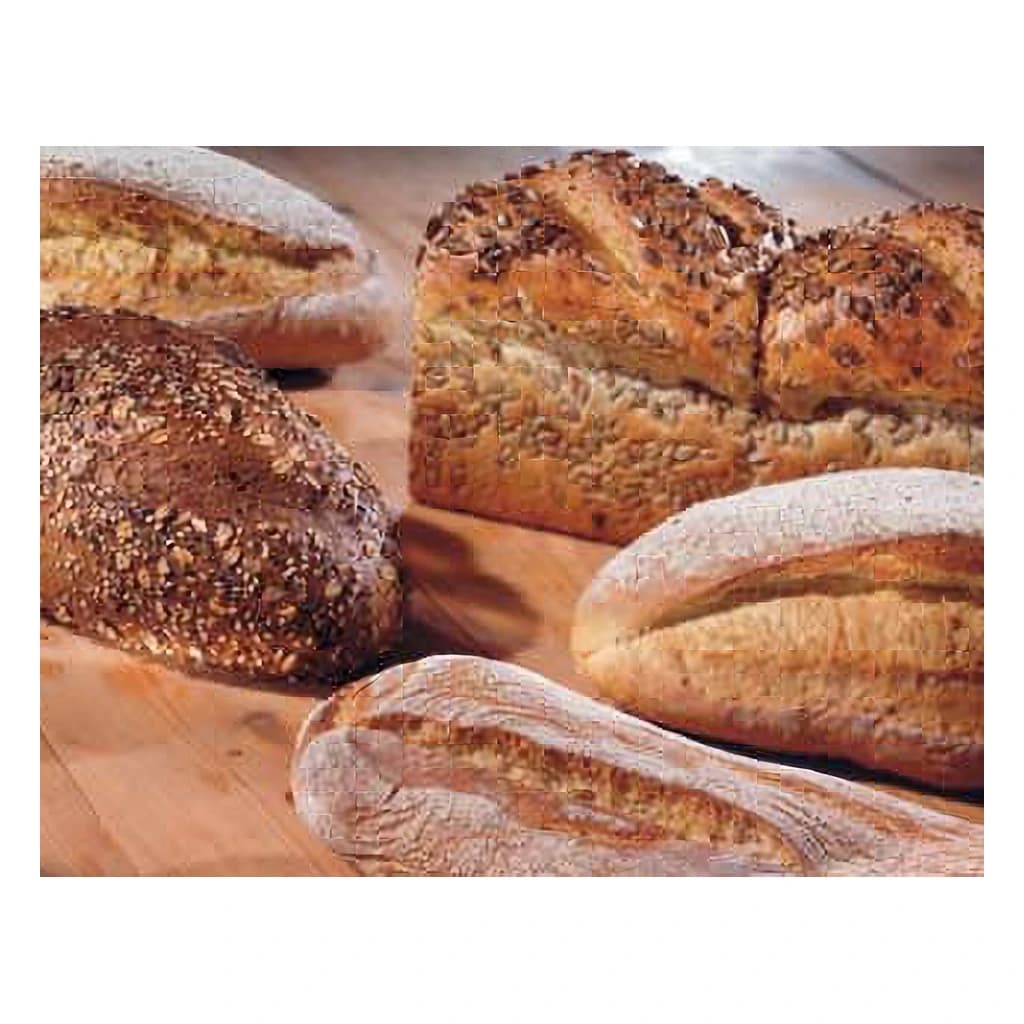
Superkwas Dry Sourdough 25 kg
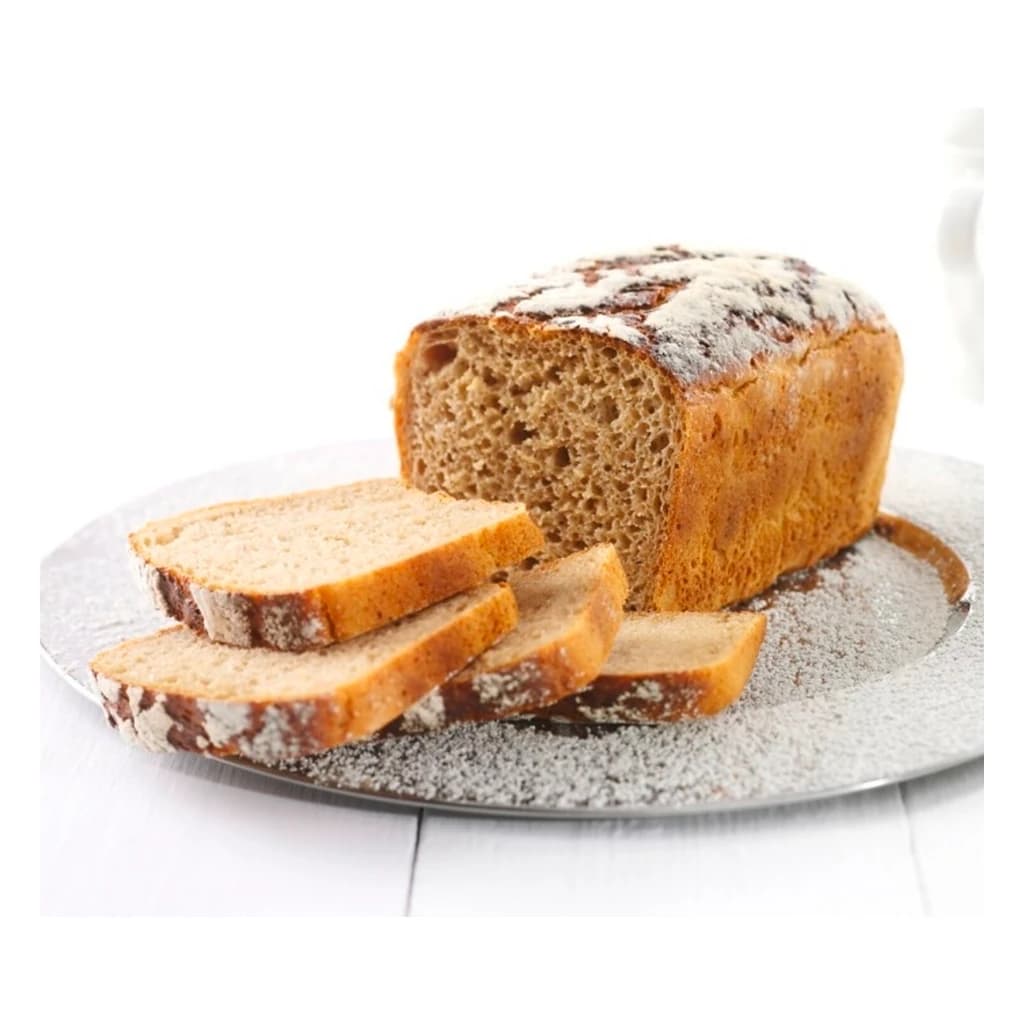
Optimax Free Bread Improver 20 kg
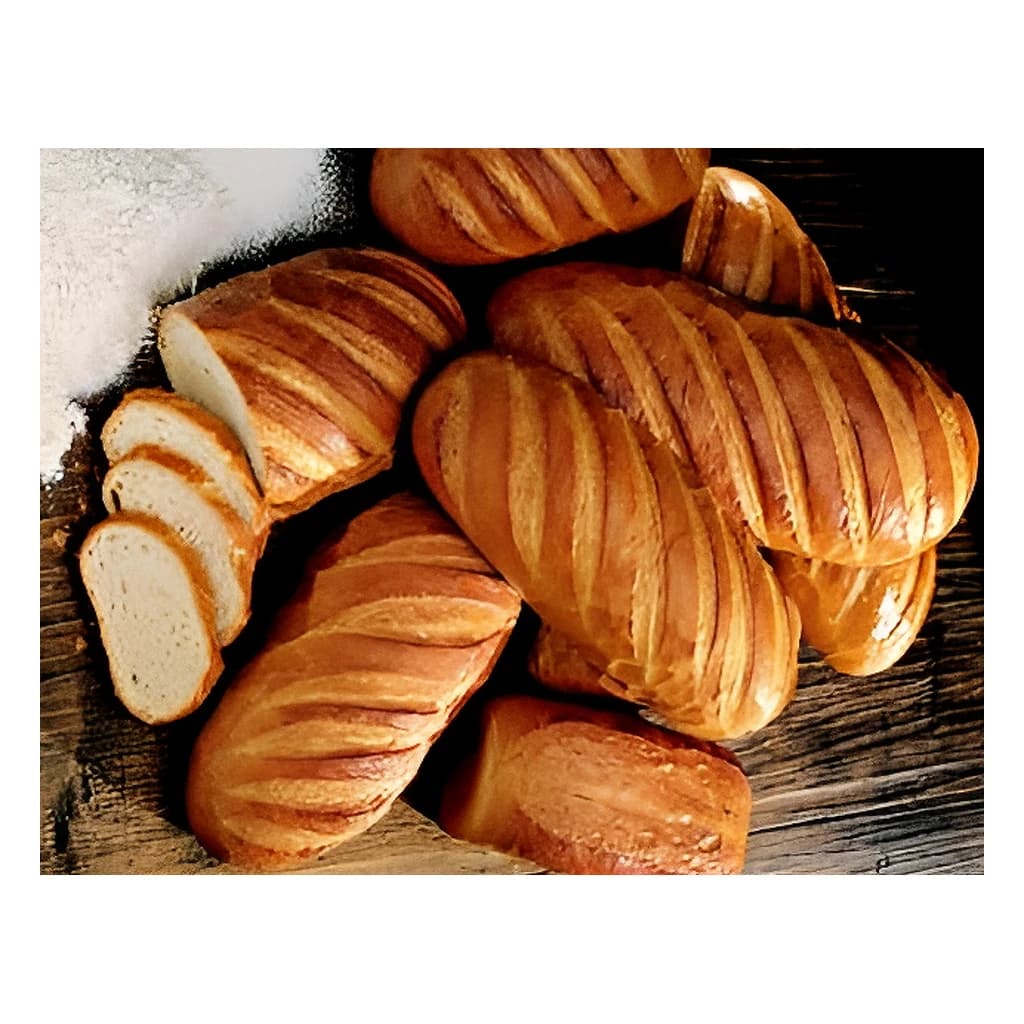
Sauer Dark Rye Sourdough Concentrate 25 kg
Rye Stabil Improver 25 kg
Böcker Bio Le Chef Organic Liquid Sourdough 2 kg
Cereform Stasoft Bread Improver 16 kg
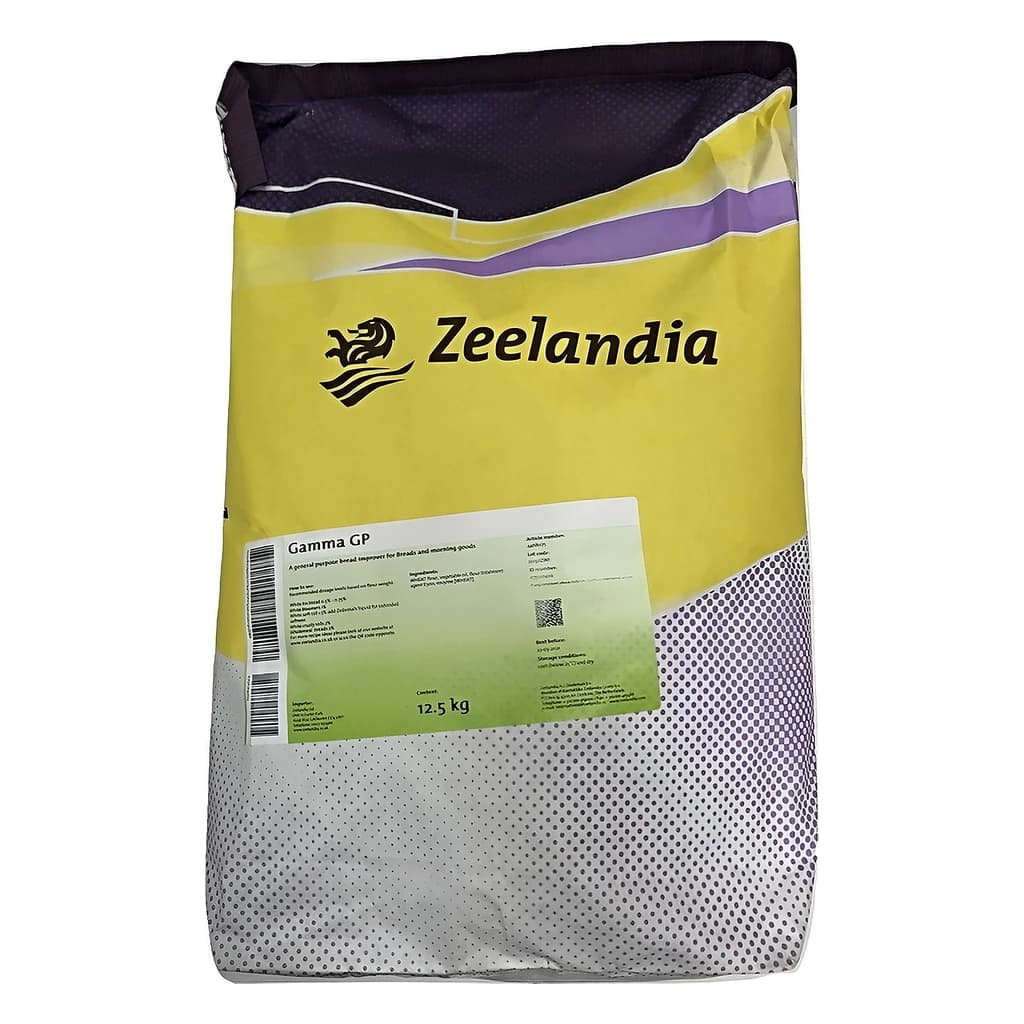
Zeelandia Gamma GP Bread Improver 12.5 kg
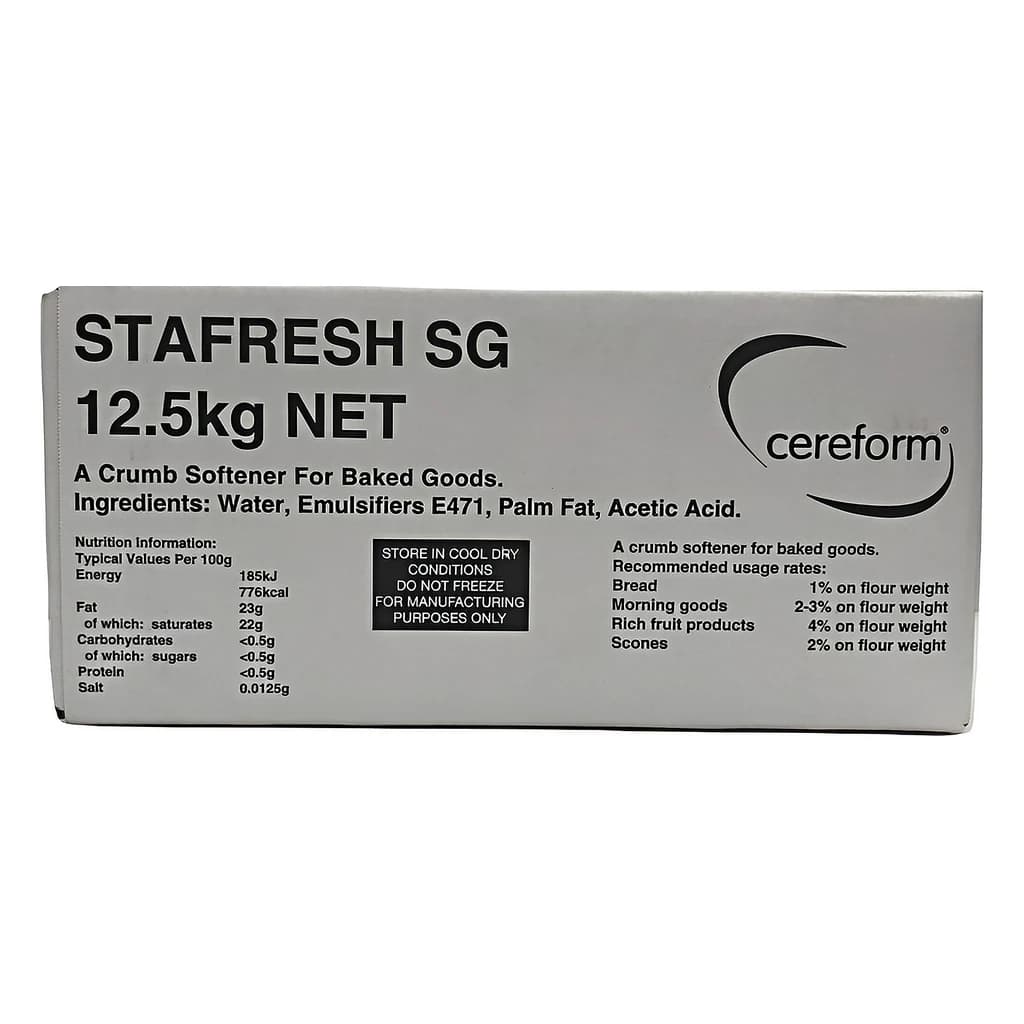
Cereform Stafresh SG Crumb Softener 12.5 kg
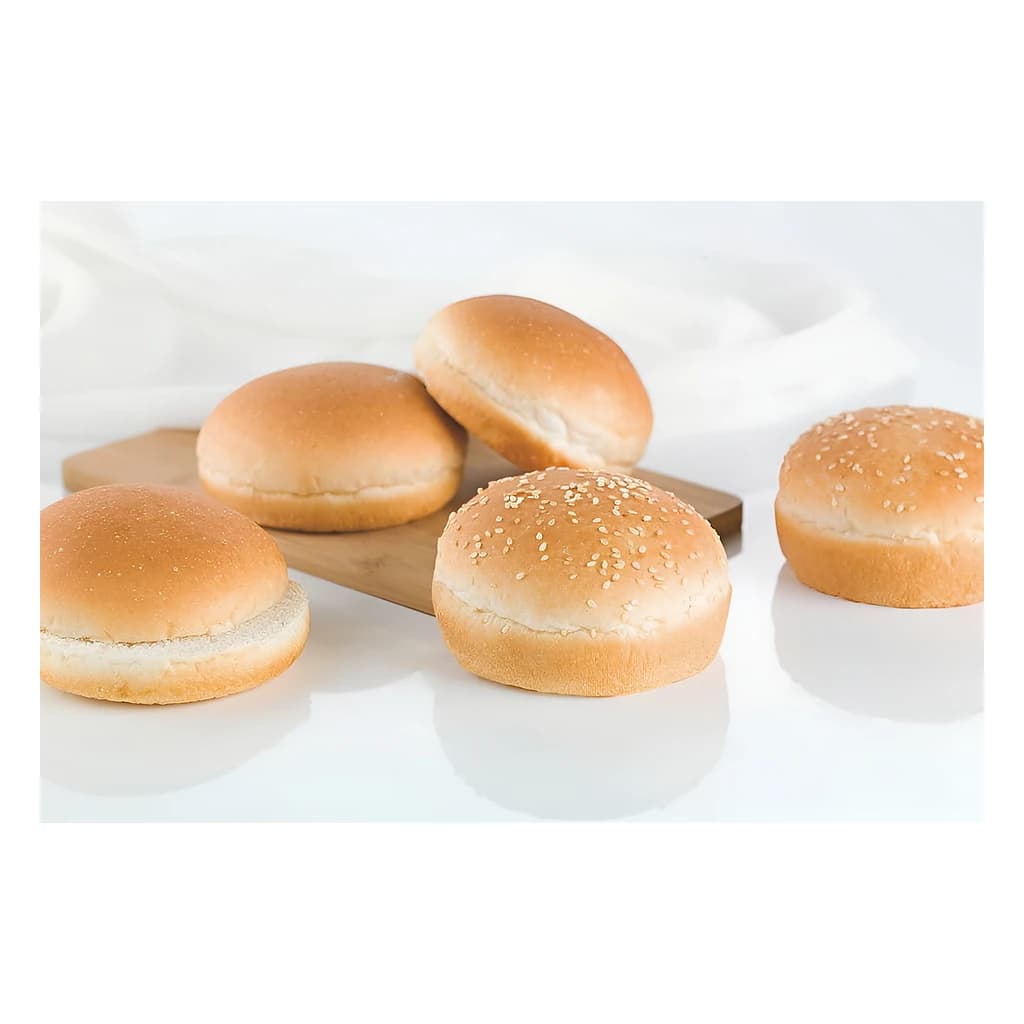
IREKS Crumb Softener 25 kg
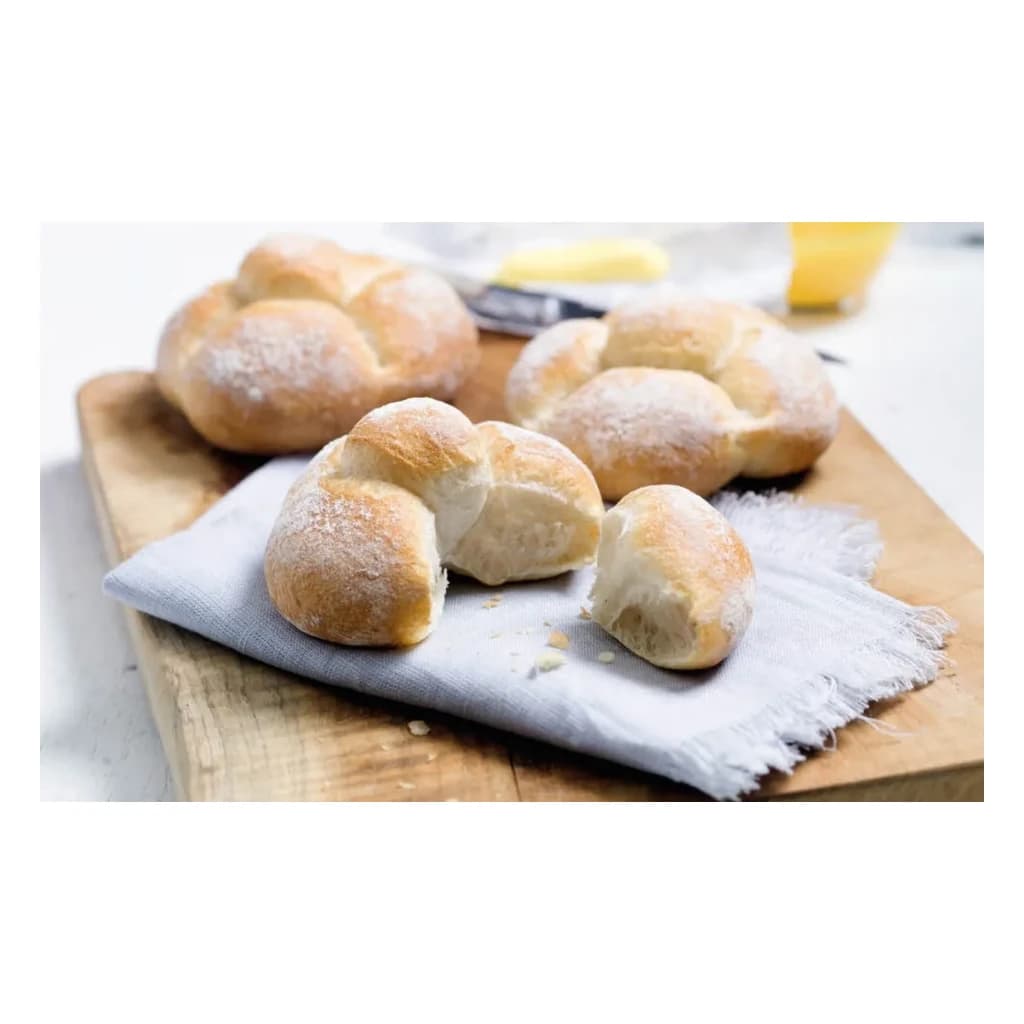
Puratos S500 Sense SG Bread Improver 12.5 kg

Puratos S500 SG Bread Improver 12.5 kg (Kosher)