
Proofing science: final proof parameters, humidity control, over-proofing vs. under-proofing, and how to read dough readiness
A deep practical guide to the final proof stage for professional bakers. Covers the biology of what happens inside the dough during proof (CO2 production, gluten extension, enzyme activity), the three key control parameters (temperature, humidity, time), how to diagnose correct proof readiness using the poke test and visual assessment, a full fault-and-remedy table for over- and under-proofing, humidity management in the prover, cold/retarded proofing, and how bread improvers extend proof tolerance. Illustrated with real proofing data from three first-party spec sheets (Zeelandia Kaiser MXI, BłoGo Free rye mix, Puratos Easy Baguette SG) and supported by IREKS Kompendium, BAKERpedia and Modernist Cuisine.
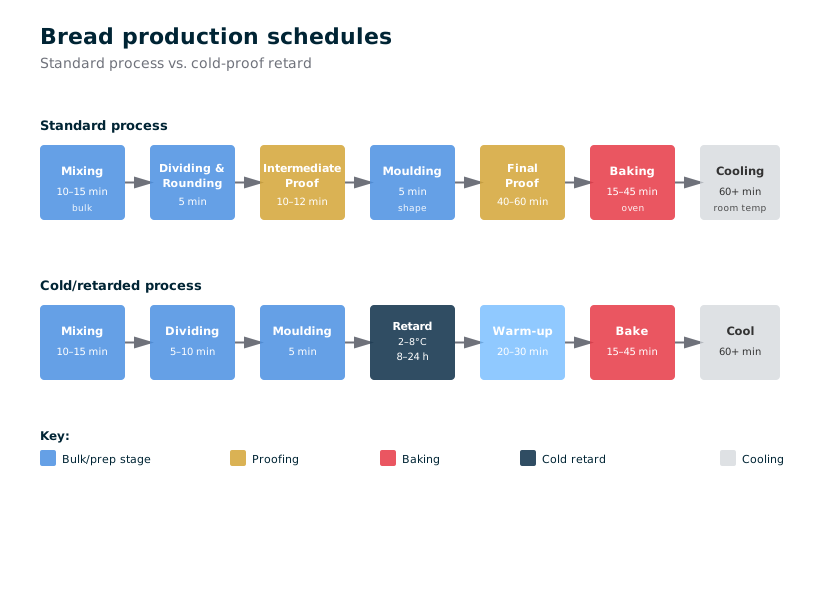 Two-row timeline diagram comparing standard and cold-proof bread production schedules from mixing to baking
1. Where final proof sits in the production sequence
Bread-making follows a defined sequence: mixing → dividing and rounding → intermediate proof (bench rest) → moulding → final proof → baking → cooling. The final proof is the last fermentation stage before the oven. It is also the point where the most time-critical decisions are made: load too early and the loaf tears and bursts; load too late and it collapses.
The intermediate proof, which precedes moulding, is a short relaxation phase — typically 8–15 minutes — that allows the tightened, rounded gluten network to soften enough for moulding without tearing. It is often called the "bench rest" in artisan settings. The Zeelandia Kaiser MXI spec sheet specifies approximately 12 minutes for white wheat rolls; the Zeelandia BłoGo Free rye bread mix specifies approximately 10 minutes.
Final proof follows moulding. Its purpose is to rebuild the gas structure that was knocked back during shaping and to expand the dough to the point where it can deliver maximum oven spring, volume, and crumb quality.
2. What happens inside the dough during proof
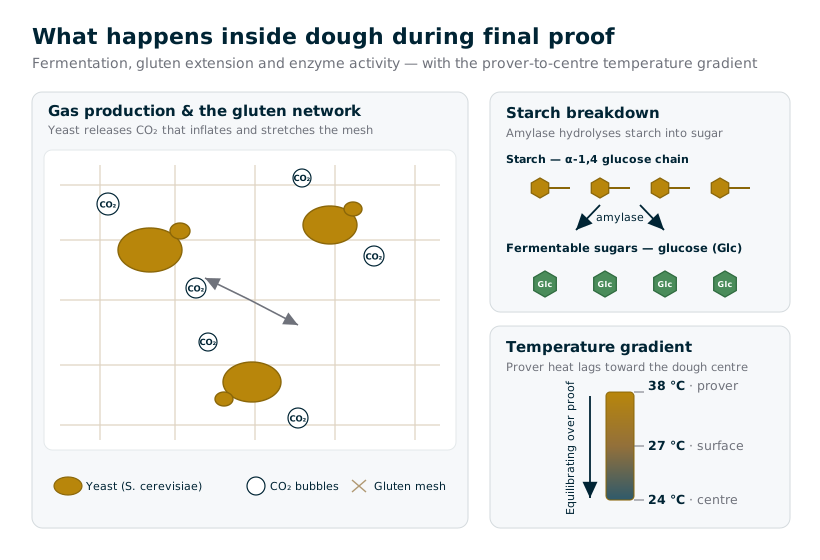 Diagram of the biochemical and physical processes occurring in bread dough during final proof — CO2 production, gluten extension, enzyme activity
Understanding what is happening biochemically during proof is the foundation for controlling it.
2.1 CO2 production by yeast
Saccharomyces cerevisiae (baker's yeast) produces CO2 by fermenting simple sugars (principally glucose, fructose and maltose) via the glycolysis pathway. During proof, where oxygen is limited, this is primarily anaerobic fermentation:
glucose → ethanol + CO2
The CO2 inflates pre-existing gas cells formed during mixing; it does not create new bubbles. This distinction matters: if insufficient gas cells were created during mixing, a longer proof does not compensate — it only inflates fewer, larger cells, giving an uneven open crumb.
Yeast activity rises with temperature; optimal growth rate occurs around 25–35°C, while peak CO2 production rate in bread dough (the fermentation activity most relevant to proofing) is typically observed in the 32–38°C range. Activity drops sharply above 40–43°C. Yeast thermal inactivation begins around 55–60°C and is substantially complete by 60–66°C (strain-dependent). This is a yeast-viability threshold only — it is not a food-safety kill step for human pathogens. Pathogen inactivation in bread requires a minimum internal dough temperature of at least 75°C (EU Regulation 852/2004 / UK Food Safety Act); in practice, bread centres typically reach 88–96°C during commercial baking. In a standard commercial prover at 38–42°C, the dough surface is warmer than the core, so the outer layers of the dough advance through proof faster than the centre — one reason why pieces must be of uniform size and weight to proof evenly.
2.2 Ethanol and flavour development
Alongside CO2, yeast produces ethanol and a range of minor volatile compounds (higher alcohols, esters, aldehydes) that contribute to bread flavour. The longer and cooler the fermentation, the more complex the flavour profile — one key reason cold proofing is prized by artisan bakers. Most of the ethanol evaporates during baking.
2.3 Gluten relaxation and extension
The gas bubbles generated during proof inflate only because the surrounding gluten network can stretch without breaking. This gluten extensibility is the product of proper mixing, adequate rest (bench rest), and the viscoelastic properties of the gluten proteins themselves.
If the gluten is too tight (insufficient bench rest, over-oxidised with too much ascorbic acid, or very high protein flour), it resists gas expansion and the loaf has low volume. If the gluten is too weak (over-proofed, or dough weakened by too much protease activity), the gas cells merge and the structure collapses.
Fermentation stability — the ability of dough to maintain its gas-holding structure over time — is a key criterion when selecting flour and improver formulations.
2.4 Enzyme activity during proof
Several enzyme systems remain active during proof:
- Alpha-amylase continues to cleave starch, releasing fermentable maltose to feed yeast. In properly malted or improver-supplemented dough, this sustains yeast activity through the full proof.
- Proteases (naturally present in flour, or added via improver) slowly hydrolyse gluten proteins, relaxing dough over time. At low levels this increases extensibility; at high levels or over long times, it weakens structure.
- Sourdough-associated lactic and acetic acid bacteria (in sourdough doughs) continue producing organic acids and flavour compounds throughout proof, modifying gluten via pH effects and contributing to crust colour and shelf life.
3. The three key control parameters
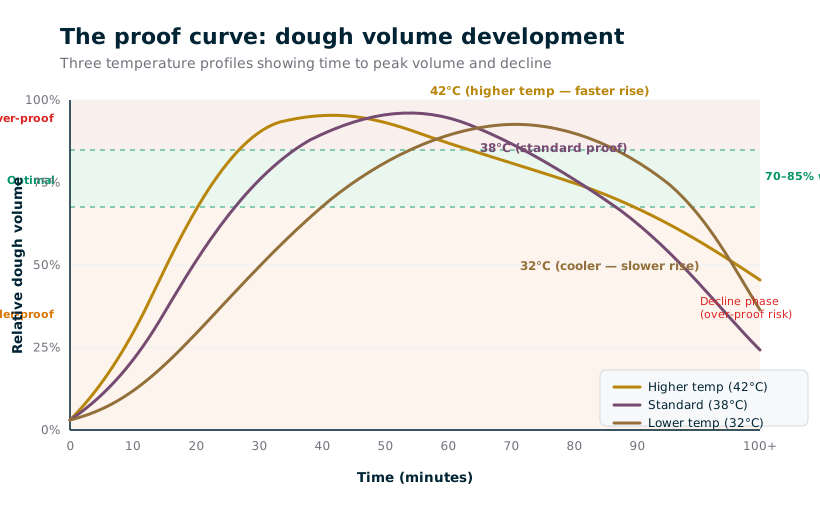 Proof curve diagram showing dough volume over time with optimal proof window highlighted at 70–85% of maximum volume
3.1 Temperature
Target prover temperature: 35–40°C for most conventional yeasted bread. 40–43°C is used in high-throughput industrial processes but is at the upper tolerance limit for most doughs and should be treated as an absolute ceiling, not a routine target.
This range balances yeast activity (which is high at these temperatures) against gluten stability (which begins to suffer above 40°C in weak-gluten doughs) and flavour complexity (high temperatures favour ethanol production over flavour compounds; lower temperatures are slower but develop more character).
| Application | Typical prover temperature | Reason |
|---|---|---|
| White wheat rolls, crusty bread | 38–42°C | High yeast activity needed; strong gluten supports higher temp |
| White and wholemeal tin bread | 35–40°C | Longer proof allows slightly lower temp; more flavour development |
| Enriched doughs (brioche, Danishes) | 27–32°C | Fat structure must not soften; yeast still active but slower |
| Sourdough (long cold retard) | 2–8°C (retard phase) | Yeast slowed; bacteria continue; flavour priority over speed |
The target dough temperature after mixing — not the prover temperature — is typically 26–28°C for lean wheat breads. This is confirmed in two Zeelandia spec sheets:
- Kaiser MXI (white wheat rolls): "dough temperature 26–28°C"
- BłoGo Free (rye-wheat fibre bread): "dough temperature 26–28°C"
The prover must warm the dough from ~27°C up to ~38°C during the proof period, so the effective prover-to-dough temperature differential drives heat transfer into the dough piece throughout the proof window. Dough pieces that are too large will have a cooler centre that lags behind.
3.2 Relative humidity
Target prover RH: 75–85% for most wheat breads.
Humidity control is the most commonly neglected variable in small to medium bakeries. Its effect is direct and rapid:
-
Too dry (below ~70% RH): A dry skin or pellicle forms on the dough surface within minutes. This skin does not expand freely during oven spring, causing the bread to burst along the weakest seam rather than expanding evenly. After baking, the skin can lift away from the crumb, creating hollow pockets under the crust.
-
Optimal (75–85% RH): The dough surface remains moist, pliable, and able to expand freely. Scoring or slashing opens cleanly and the ear rises as designed.
-
Too wet (above ~90% RH / condensation): Water droplets on the dough surface cause blistering — small translucent bubbles — on the baked crust. Excess moisture also risks sticking to prover liners and trays.
See the humidity effect table below for a complete breakdown.
3.3 Time
Time is the most visible parameter but the least reliable to use alone as a recipe control. It interacts with temperature, yeast dosage, dough temperature, dough weight, and formula. The same recipe can proof correctly in 40 minutes in summer and need 70 minutes in a cold winter bakery.
Spec-sheet confirmed proof times from the Zeelandia product range (both at 26–28°C target dough temperature, prover conditions unspecified):
| Product | First proof (intermediate) | Final proof | Baking temp |
|---|---|---|---|
| Kaiser MXI wheat rolls (0.5% dosage on flour) | ~12 min | ~50 min | 240°C |
| BłoGo Free rye-wheat fibre mix (100% mix) | ~10 min | ~40 min | 235°C + steam |
The rye mix proofs more quickly than white wheat rolls in these examples. This may reflect the sourdough powder and vinegar powder in the BłoGo Free formula acidifying the dough (lower pH slightly suppresses yeast but also weakens the pentosan gel structure, allowing faster gas build-up) and the absence of long gluten development. However, the difference is modest and could also reflect differences in yeast dosage and piece weight. These are supplier application recipes, not controlled experimental data.
General reference ranges:
- Wheat rolls and morning goods: 45–60 minutes
- White tin bread: 60–90 minutes
- Baguettes (depending on process): 30–90 minutes
- Sourdough (ambient proof only): 1–3 hours
- Sourdough (cold proof, shaped): 8–24 hours
4. Reading dough readiness: how to know when to bake
Time is a guide, not a verdict. These three techniques give the baker direct evidence:
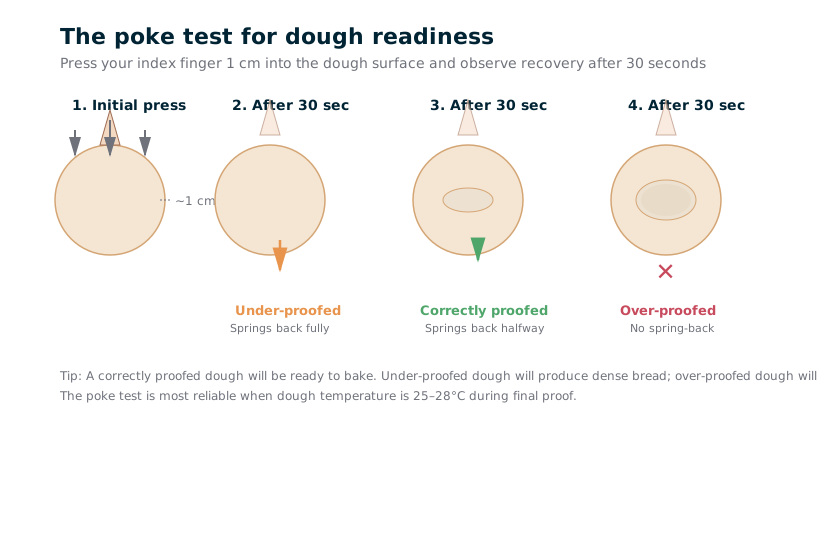 Step-by-step illustration of the poke (finger dent) test used to assess dough readiness for baking
4.1 The poke test (finger dent test)
The most widely taught readiness test. Press one or two fingers approximately 1 cm into the dough piece and observe the recovery over the next 30 seconds.
| Response | Interpretation | Action |
|---|---|---|
| Springs back immediately and completely | Under-proofed — gluten still tight | Return to prover; extend by 10–15 min and re-test |
| Springs back slowly; about halfway | Correctly proofed — balanced gas structure | Load into oven now |
| Barely springs back; indentation mostly remains | Over-proofed — gluten network weakened | Bake immediately; expect some quality loss |
| No spring-back at all; dough jiggles | Severely over-proofed — structure collapsed | Cannot be fully remedied; quality will be poor |
The poke test is less reliable on very low-hydration doughs (which always feel firm) and on sourdough (which has a denser, more cohesive structure). For sourdough, volume and visual surface texture are more useful.
4.2 Volume assessment
A properly proofed dough piece should typically reach 70–85% of its expected oven-ready volume before going into the oven. This accounts for oven spring (typically an estimated 15–30% additional volume in the first minutes of baking — a single-source estimate that varies considerably with formula, format, and prover-to-oven temperature differential) providing the final top. Waiting until 100% of expected volume is reached before loading nearly always results in over-proof, because the dough structure is already at its limit and oven spring will not occur — the bread has nowhere to go and will collapse instead.
In practice, experienced bakers assess this visually against reference pieces (ideal proofed piece kept in a transparent container) or by weighing and measuring piece height against historical data.
4.3 Surface texture and touch
A correctly proofed wheat dough piece:
- Has a smooth, slightly domed top with a satiny, moist surface
- Feels light when lifted — noticeably lighter than when it entered the prover
- Has a responsive but yielding resistance to gentle pressure — not rigid, not floppy
An under-proofed piece feels noticeably heavy and stiff; an over-proofed piece feels delicate or fragile and may deform when placed on the peel or transferred to the oven.
5. Over-proofing in depth
5.1 What is happening
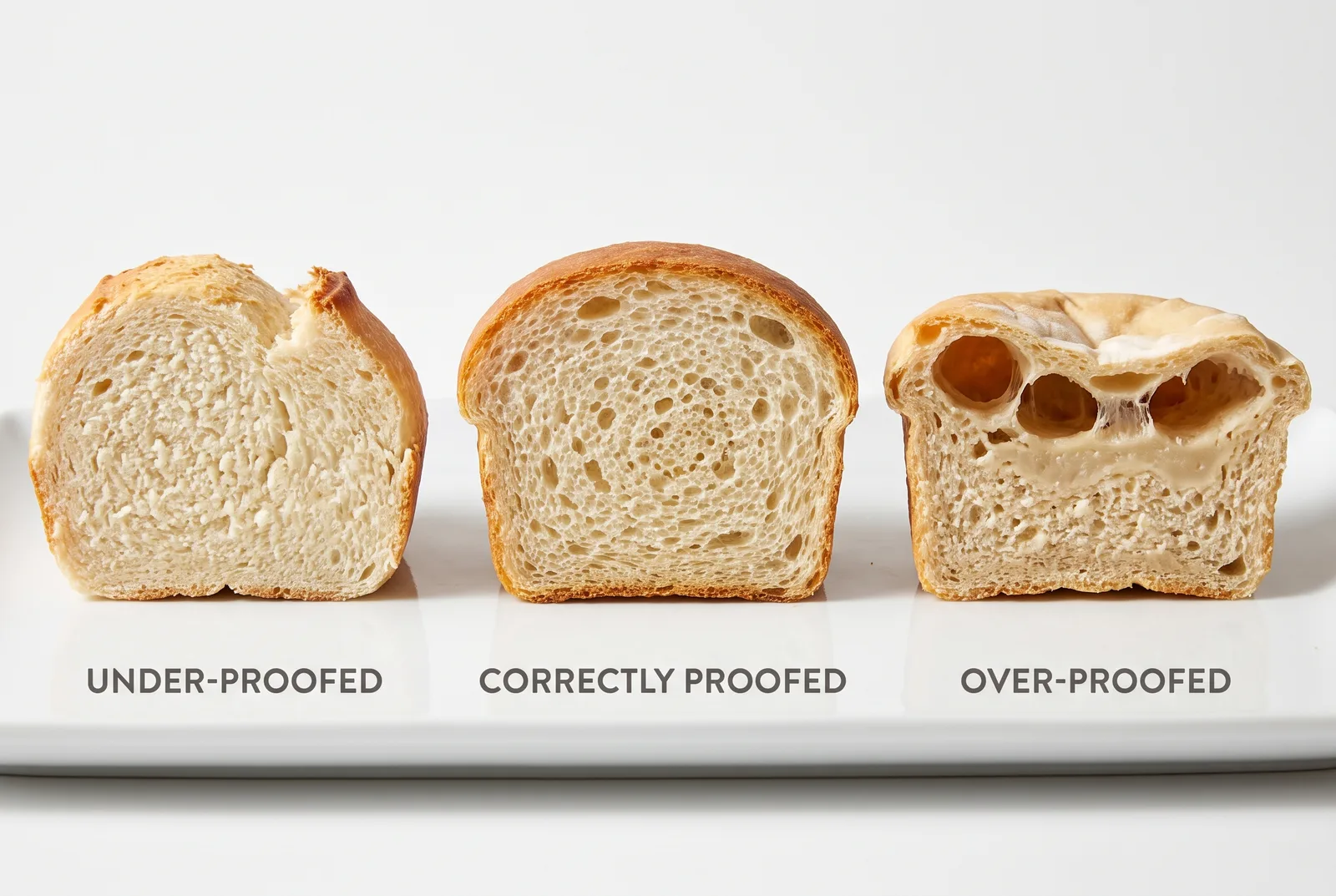
When a dough piece is proofed beyond its structural capacity, the gluten network reaches its elastic limit and the protein film around individual gas cells begins to tear. CO2 escapes or merges between adjacent bubbles, creating very large, irregular holes (often called a "honey-comb" gone wrong — large voids at the top, dense wet layers beneath where the structure collapsed under its own weight).
The yeast also depletes available fermentable sugars during an extended proof, which means less Maillard browning in the oven, reduced crust colour, and a flat, sour off-flavour as organic acid production continues long after fermentable sugars are consumed.
5.2 Symptoms on the baked loaf
See the full fault table below. Key indicators:
- Collapsed or wrinkled top crust with no clear ears even where scored
- Large irregular gas pockets under the top crust
- Dense, slightly gummy crumb band directly under the crust
- Minimal oven spring — the loaf does not expand visibly in the first minutes
- Flat, over-sour or stale off-flavour
5.3 When over-proof cannot be rescued
Once the gluten network has structurally broken down, there is no way to recover the piece. Knocking it back and re-proofing simply repeats the yeast exhaustion with even less gluten integrity. The standard guidance from the IREKS Kompendium is that over-proofed dough should not be reworked into the main batch, because the weakened gluten and excess acid will degrade the overall batch quality.
Prevention is the only remedy. Check the prover temperature, monitor pieces visually, and use the poke test at the expected time mark rather than relying on a timer alone.
6. Under-proofing in depth
6.1 What is happening
Under-proofed dough enters the oven while the gluten network is still under tension. The initial heat causes rapid CO2 expansion (oven spring), but because the gluten is still tight, it cannot expand evenly. The gas escapes along the path of least resistance — typically the weakest seam on the side of the loaf or between the dough piece and the tin, producing a characteristic "burst side seam" or "flying top crust".
The crumb is dense and irregular because fewer, less-developed gas cells were present at baking, and the starch gelatinises before those cells could fully expand. Enzymes also have had less time to produce fermentable sugars, resulting in a pale, under-coloured crust.
6.2 Symptoms on the baked loaf
- Flying top / burst side seam — the most reliable single indicator
- Tight, dense crumb — small pores, uniformly distributed but very small
- Thick, hard crust — excess crust relative to crumb
- Pale interior and crust — insufficient Maillard browning
- Low volume — the loaf did not rise to its potential
- Bland flavour — fermentation too short to develop aroma compounds
6.3 Causes and remedies
| Cause | Remedy |
|---|---|
| Proof time too short | Extend proof; use a timer as a minimum, poke test as the go/no-go gate |
| Prover temperature too low | Check prover thermometer; increase temperature by 2–3°C |
| Dough temperature too cold entering the prover | Warm mixing water; target 26–28°C dough temperature post-mix |
| Yeast dosage too low | Increase yeast; check yeast freshness and storage temperature |
| Very high protein flour with very tight gluten | Extend bench rest before moulding; consider a dough relaxer (L-cysteine) or longer proof |
| Salt contacted yeast directly before dispersion | Review mixing order; dissolve salt in water before adding to flour |
7. Humidity control in the prover
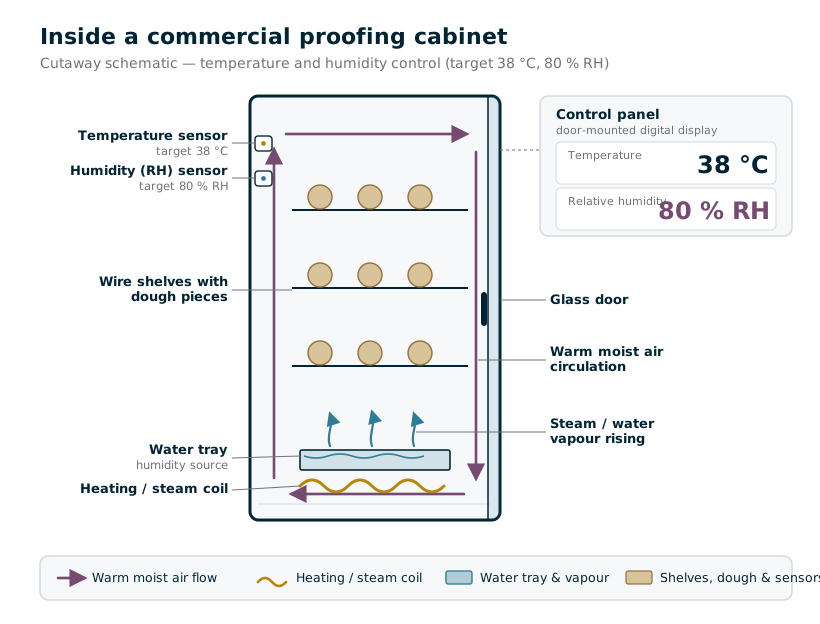 Schematic diagram of a commercial proofing cabinet interior showing humidity and temperature control mechanisms
7.1 Types of provers
Cabinet provers (reach-in / roll-in): Most common in small to medium bakeries. Temperature and humidity are controlled by a thermostat and a steam injection nozzle or water tray. Air circulation is usually gentle. These provide reasonably uniform conditions but may have hot or cold spots, particularly near the door.
Tunnel provers / rack provers (industrial): Dough pieces travel through a heated, humidified tunnel on trays or belts. Temperature and humidity can be varied in zones along the length of the tunnel, allowing the baker to start warmer and reduce temperature near the end (reducing the surface temperature differential going into the oven).
Retarder-provers: Combine a refrigeration unit (for retarding at 2–8°C) with a heating and humidification system (for proofing at 35–40°C). A programmable timer switches between modes, allowing the baker to load the prover in the evening and have proofed dough ready for baking at a set time in the morning.
No prover: Many artisan bakers proof at ambient temperature under linen or in floured proving baskets (bannetons). This is slower (ambient temperature may be only 18–22°C) and humidity is provided naturally by the cover. Less controllable but adequate for long slow fermentation at low yeast dosage.
7.2 Managing condensation
The most common humidity error is condensation — steam from the prover condensing on the cool dough surface. This happens when:
- Too much steam is injected into a prover that still contains cold dough pieces (the dough temperature is below the dew point of the humid air inside the prover).
- The door is opened and cooler room air rushes in, condensing on dough.
- The prover is set too hot with too much moisture input.
Remedies: Pre-heat the empty prover for 10 minutes before loading. Reduce steam input. If using a manual water tray, reduce the water volume. Open the prover door slowly and briefly.
7.3 Managing dry skin
Dry skin is caused by too little humidity or too much air movement across the dough surface. Signs: matte surface on the dough, paper-like feel when touched.
Remedies: Increase prover RH to 75–80%. If the prover lacks humidity control, lightly spray the dough pieces with water before covering with linen or plastic film. Reduce fan speed if the prover has an adjustable fan. In a home-bakery or small bakery setting, proofing inside a cold oven with a bowl of hot water provides passive humidity.
8. Cold proofing and retarded fermentation
Cold proofing — holding shaped or unshaped dough at 2–8°C for an extended period — is one of the most practical tools in professional baking.
8.1 Why cold proofing works
At 2–8°C, Saccharomyces cerevisiae yeast activity slows dramatically but does not stop completely. The lactic and acetic acid bacteria present in all yeasted doughs (in small numbers) continue to produce organic acids at these temperatures, though also slowly. The combined effect is:
- Flavour development without structure breakdown — long acid production creates complex flavour; slow yeast means gas does not over-expand the network overnight.
- Operational flexibility — dough prepared in the evening can be baked in the morning without any night shift. This is the core reason most craft bakeries use overnight retarding.
- Improved crust colour — the extended Maillard precursor development (sugars and amino acids building up through slow fermentation) produces a richer, deeper crust colour when baked.
8.2 Practical parameters
| Parameter | Typical value | Notes |
|---|---|---|
| Retard temperature | 2–8°C | Below 2°C risks partial freezing and yeast damage; above 8°C yeast remains too active |
| Duration (shaped pieces) | 8–24 hours | Longer than 24 h risks over-fermentation in most formulas |
| Dough temperature entering retarder | Ideally 22–26°C | Warmer dough (above 28°C) will over-ferment before the cold takes effect |
| Recovery / warm-up before baking | 20–45 min at room temperature | Allows surface temperature to stabilise; prevents thermal shock scoring |
8.3 Common cold-proof errors
Entering the retarder too warm: Dough above 28°C entering a 4°C retarder will ferment significantly before it cools through. This can cause over-proof after only 12 hours.
Over-retarding: Most lean doughs can hold 12–16 hours cleanly; beyond 20–24 hours, yeast activity even at 4°C produces enough CO2 to exceed the dough's capacity. The result is an over-proofed piece despite correct timing.
Opening the retarder repeatedly: Every door opening floods the retarder with warm bakery air, raising the temperature of pieces near the door. These pieces will be more advanced in proof than pieces further back.
Food safety — cold chain (HACCP note): Cold fermentation dough stored at 2–8°C must be kept in correctly calibrated, food-safe refrigeration. Listeria monocytogenes and certain other pathogens can multiply, albeit slowly, throughout this temperature range. The 2°C lower bound cited above is a yeast-protection and dough-quality threshold, not a food-safety minimum. The critical control point that eliminates human pathogens is the subsequent baking step — internal bread temperatures typically reach 88–96°C, far exceeding the 75°C minimum required for pathogen inactivation. Overnight retarded dough must be covered and segregated from ready-to-eat foods in the refrigerator, and cold-chain conditions documented in the bakery's HACCP plan (EU Regulation 852/2004 / UK Food Safety Act equivalent).
9. How bread improvers extend proof tolerance
Fermentation tolerance describes the width of the acceptable proof window — how many minutes of additional proof time a dough can withstand beyond the optimum before quality becomes unacceptable. A narrow-tolerance dough is easy to over-proof on a busy production line.
Bread improvers affect proof tolerance through several mechanisms:
9.1 Oxidants (ascorbic acid E300)
Ascorbic acid strengthens the gluten network by forming additional disulphide crosslinks, making it more elastic and more resistant to the tearing that causes over-proof collapse. A stronger gluten network can hold gas for longer before the cells break. All of the commercial bread improvers in the Domson catalogue contain E300:
- Zeelandia Gamma GP: E300 (wheat flour, rapeseed oil, E300, enzyme) — dosage 0.5–2% on flour
- Zeelandia Kaiser MXI: E300 alongside E472e (DATEM) — dosage 0.5% on flour
- Puratos Easy Baguette SG: E300 at <1% of the concentrate (used at 6% on flour)
9.2 Emulsifiers (DATEM E472e; SSL E481 used industrially but not present in any Domson-catalogued product)
DATEM (diacetyl tartaric acid esters of mono- and diglycerides) is the most effective emulsifier for gluten strengthening. It orients at the protein-water interface around gas cells and reinforces the gluten film, significantly extending fermentation tolerance.
The Kaiser MXI improver includes DATEM (E472e) specifically for this purpose in roll production — the improver is designed to deliver a consistent 50-minute proof window with a standard yeast dosage of 4%.
9.3 Enzymes (maltogenic amylase, xylanase)
Maltogenic amylase modifies amylopectin structure during baking and simultaneously affects dough rheology during proof by modifying the starch-water relationship. Xylanase frees water bound to arabinoxylans in the flour, improving dough extensibility and gas retention. Both enzymes are present in the Gamma GP (listed as "enzyme [WHEAT]") and in the BłoGo Free mix ("enzyme [WHEAT]").
9.4 Vital wheat gluten (VWG)
In rye and wholemeal doughs where bran and pentosans dilute and disrupt the gluten network, VWG supplements gluten protein to maintain proof tolerance. The BłoGo Free mix contains "wheat gluten" as a key ingredient — without it, rye dough would have minimal gas-holding capacity and the proof window would be extremely narrow.
10. Product examples from the catalogue
10.1 Zeelandia Kaiser Bread Mix
The Kaiser Bread Mix is based on the Zeelandia Kaiser MXI improver formulation — a blend of wheat flour, E472e (DATEM), soy flour, E300 (ascorbic acid), enzyme, and inactive yeast. It is designed for crusty wheat rolls proofed under standard commercial conditions.
Allergens (Kaiser MXI P03414): WHEAT (flour and enzyme carrier) and SOY (soy flour) — mandatory declarations under EU Regulation 1169/2011 Annex II / UK Food Information Regulations 2014. Always verify against the current Zeelandia allergen matrix before use in any product where allergen management is required.
Application recipe from spec sheet: 100 kg flour T550 + 1.6 kg salt + 4 kg fresh yeast + 0.5 kg Kaiser MXI + ~54 L water. Mix 4 + 6 minutes; dough temp 26–28°C; first proof ~12 min; final proof ~50 min; bake at 240°C.
The DATEM in this improver is the primary reason for its good proof tolerance — the fermentation window is wide enough to allow some variation in proof timing without immediate quality loss.
10.2 Zeelandia Hearty Rye Bread Mix / BłoGo Free
This 100% rye-wheat fibre mix illustrates the contrast in proof behaviour between rye and wheat systems. The rye-dominant formula relies on wheat gluten supplementation, sourdough powder and vinegar powder for structure and acidity.
Application recipe from spec sheet: 10 kg mix + 0.3 kg fresh yeast + 6 L water. Mix 8 + 5 min; dough temp 26–28°C; first proof ~10 min; final proof ~40 min; bake at 235°C with steam.
Note the steam requirement. Rye bread benefits from steam at the start of baking (as does any hearth bread) to delay crust formation and allow full oven spring from the rye gel system.
Note on product name: "BłoGo Free" is a proprietary brand name — "Free" does not indicate a gluten-free or allergen-free product.
Allergens (BłoGo Free P10612): WHEAT (wheat gluten, wheat sourdough powder, enzyme carrier), RYE (rye flour), BARLEY (malted barley flour), SOY (soy grits) — mandatory declarations under EU Regulation 1169/2011 Annex II / UK Food Information Regulations 2014. This product contains multiple gluten sources and soy and is not suitable for persons with coeliac disease or allergy to gluten, wheat, rye, barley, or soy. Always verify against the current Zeelandia allergen matrix before use.
10.3 Puratos Easy Baguette SG
This is a pre-mixed baguette concentrate used at 6% on flour weight. It contains salt (20–30%), dextrose (5–10%), dry rye sourdough (5–10%), barley malt flour (5–10%), DATEM (E472e, 5–10%), rapeseed oil, and E300 (<1%).
The dry rye sourdough and barley malt flour give the baguette its characteristic mild tang and golden-brown crust colour. The DATEM provides proof tolerance; the E300 strengthens the open crumb structure needed for a proper baguette grigne (ear). The spec sheet does not state explicit proof times; the baker should apply standard baguette proofing protocol (typically 45–75 minutes at 35–38°C, with a 20–30-minute ambient floor time before the final prover).
Allergens (Easy Baguette SG 4106325): RYE (dry rye sourdough) and BARLEY (barley malt flour) — gluten-containing cereals under EU Regulation 1169/2011 Annex II / UK Food Information Regulations 2014. Rapeseed oil, as a refined oil, is typically exempt from allergen labelling under EU 1169/2011 Annex II, but verify with the current Puratos allergen declaration before use.
Salt note: At 6% dosage on flour, the concentrate's 20–30% salt content contributes approximately 1.2–1.8% salt on flour weight to the dough. Verify finished-bread salt content against the UK FSA voluntary salt reduction benchmark for bread (1.01 g per 100 g). Additional salt should not normally be added to the recipe without recalculating the total salt level.
10.4 Zeelandia Gamma GP
The simplest improver in this set: wheat flour, rapeseed oil, E300, enzyme. At 0.5–0.75% on flour for tin bread, it delivers minimal functional augmentation — primarily E300 strengthening and enzyme-aided fermentation support. At 2% for crusty rolls or wholemeal, it provides meaningful gluten reinforcement but has no DATEM, so fermentation tolerance is narrower than an emulsifier-containing improver. It is a good choice for clean-label and enzyme-only applications.
Coverage notes and gaps
Solid coverage:
- Proof science (biology, temperature, humidity, time) — multiple confirmed sources, high confidence
- Poke test and visual readiness assessment — confirmed by three independent sources
- Over-proof and under-proof symptoms and causes — confirmed by IREKS, Ardent Mills, Craft Bakers
- Cold proof parameters — confirmed by IREKS and Puratos
- First-party proof time data — extracted from two Zeelandia spec sheets (Kaiser MXI, BłoGo Free)
- Improver function in proof tolerance — confirmed by IREKS Compendium and supplier data
Thin or single-source areas:
- Oven spring volume increase (15–30%) — single source (Modernist Cuisine; exact figure not confirmed in accessible source text and varies considerably with formula and format); retained with qualifier in body
- The "70–85% of volume" pre-bake rule — strong professional consensus but quantified precisely only in BAKERpedia
- Exact RH thresholds for dry skin formation and condensation blistering — given as approximate values (~70% lower bound, ~90% upper bound); no measured data in the sources reviewed
- Prover conditions for Easy Baguette SG — no spec-sheet data; standard parameters cited from general references
- Comparative proof behaviour of rye vs. wheat (claim c28) — derived from two spec sheets at the same nominal dough temperature; modest confidence due to confounding variables
Recommended follow-up:
- Read the full IREKS Kompendium cold dough methods section for more precise retard-proof parameters
- Source a spec sheet from a retarder-prover manufacturer for validated RH curves
- Add a data point from an IREKS bread mix spec sheet with explicit prover conditions stated
Acrylamide regulatory note (EU Commission Regulation 2017/2158 / UK equivalent): The baking temperatures cited in this article (235–240°C) fall within the range where acrylamide formation via the Maillard reaction (free asparagine × reducing sugars at the crust surface) is relevant for professional bread bakers. Rye flour — the primary ingredient in BłoGo Free — contains relatively higher levels of free asparagine than wheat flour, increasing acrylamide risk in rye bread products compared with white wheat bread. EU Regulation 2017/2158 sets benchmark levels for acrylamide in bread products and requires food business operators to implement mitigation measures. Recognised mitigation steps include: correct proof to metabolise available sugars before baking; monitoring crust colour (target golden, not dark brown); steam injection to delay crust formation (as used in the BłoGo Free recipe); avoiding oven temperatures above those specified. Bakers should integrate acrylamide monitoring into their HACCP plan.
Wheat Rolls with Zeelandia Kaiser MXI Improver — Application Recipe
| Ingredient | Baker's % | Weight |
|---|---|---|
| Wheat flour type 550 | 100 | 100 kg |
| Salt | 1.6 | 1.6 kg |
| Fresh yeast (compressed) | 4 | 4 kg |
| Zeelandia Kaiser MXI improver | 0.5 | 0.5 kg |
| Water (approximate) | 54 | 54 L |
- Mixing: 4 min low speed + 6 min high speed
- Target dough temperature: 26–28°C
- Intermediate proof: Approx. 12 minutes (after dividing and rounding)
- Moulding: Shape and sign (score) after intermediate proof
- Final proof: Approx. 50 minutes
- Baking temperature: 240°C
- Baking time: Depends on roll weight
Reproduced from first-party supplier spec sheet. This is an illustrative application recipe, not a proprietary formula.
Rye-Wheat Fibre Bread with Zeelandia BłoGo Free — Application Recipe
| Ingredient | Baker's % | Weight |
|---|---|---|
| BłoGo Free bread mix (includes rye flour, wheat gluten, seeds, sourdough, malt, fibres) | 100 | 10 kg |
| Fresh yeast (compressed) | 3 | 0.3 kg |
| Water | 60 | 6 L |
- Mixing: 8 min slow speed + 5 min fast speed
- Target dough temperature: 26–28°C
- Intermediate proof: Approx. 10 minutes
- Dividing: 0.42 kg pieces; place into baking mould
- Final proof: Approx. 40 minutes
- Baking temperature: 235°C with steam
- Baking time: 40 minutes
Reproduced from first-party supplier spec sheet. BłoGo Free is a 100% mix (no additional flour required). Product is catalogued as Zeelandia Hearty Rye Bread Mix.
Typical prover settings for the most common commercial bread categories. Spec-sheet confirmed values are flagged. Other values are from BAKERpedia, IREKS Compendium, and King Arthur Professional. Ranges reflect real variability between recipes, yeast dosage, and equipment.
| Bread type | Dough temp at start (°C) | Prover temp (°C) | Prover RH (%) | Intermediate proof (min) | Final proof (min) | Baking temp (°C) | Source |
|---|---|---|---|---|---|---|---|
| White wheat rolls (crusty) | 26–28 | 38–42 | 75–80 | 10–12 (spec: 12) | 45–55 (spec: 50) | 230–250 (spec: 240) | Spec sheet + trade reference |
| White tin bread | 26–28 | 35–40 | 80–85 | 10–15 | 60–90 | 200–230 | Trade references |
| Baguette / crusty speciality | 24–26 | 24–27 (room temp) or 35–40 | 70–80 | 20–30 | 30–90 (process dependent) | 230–260 | Trade references |
| Rye bread / high-fibre rye mix | 26–28 | 35–38 | 75–80 | 8–10 (spec: 10) | 35–45 (spec: 40) | 220–240 with steam (spec: 235) | Spec sheet + trade reference |
| Soft rolls / enriched rolls | 26–28 | 35–40 | 78–85 | 10–15 | 50–70 | 190–210 | Trade references |
| Enriched dough (brioche, panettone) | 24–27 | 27–32 | 75–80 | 15–30 | 60–120 | 160–200 | Trade references |
| Sourdough (long cold proof) | 24–27 | 2–8 (retard, overnight) | 65–75 | 20–40 | 480–1440 (cold) | 230–260 with steam | Trade references |
The 'dough temp at start' column is the TARGET temperature after mixing, not the prover temperature. Prover temperature is typically 8–15°C higher than dough temperature to warm the dough during proof. Spec-sheet values are from Zeelandia Kaiser MXI and BłoGo Free.
Side-by-side comparison of symptoms, causes, and distinguishing tests for over- and under-proofed bread.
| Criterion | Under-proofed | Over-proofed |
|---|---|---|
| Poke test result | Springs back immediately and fully | No spring-back; indentation remains |
| Pre-bake dough feel | Firm, elastic, resistant to stretching | Very soft, slack, jiggly — may gas escape when handled |
| Oven spring | Excessive, violent — uncontrolled expansion | Little to none — dough already exhausted |
| Crust (exterior) | Burst side seam ('flying top'); very thick, pale, hard crust | Collapsed, wrinkled, or blistered; thin fragile crust |
| Crumb structure | Dense, tight, small irregular holes | Very open holes near top; dense gummy band directly below top crust |
| Volume | Low | May appear large pre-bake but collapses to low post-bake |
| Flavour | Bland, starchy, little fermentation character | Excessively sour or flat / 'off' fermented smell |
| Colour | Pale — under-developed Maillard reaction | May be very dark (burnt sugars from long ferment) or pale (collapsed crust) |
| Primary cause | Proof time too short; prover too cold; too little yeast; very cold dough | Proof time too long; prover too hot; too much yeast; warm or high-hydration dough |
| Remedy | Extend proof time; increase prover temp; check yeast activity | Reduce proof time; lower prover temp; reduce yeast dosage; improve dough temperature control |
Summary of cold-proofing methods, their typical parameters, flavour effects, and operational considerations. Based on the IREKS Kompendium and a Puratos long fermentation article.
| Method | Temperature (°C) | Duration | Point in process | Flavour benefit | Operational benefit | Key risk |
|---|---|---|---|---|---|---|
| Interrupted fermentation (bulk) | 2–8 | 2–18 h | After bulk mixing, before dividing | Moderate — organic acids develop | Night-mix → morning divide+proof | Dough must not over-ferment before cold entry |
| Retarded proof (shaped) | 2–8 | 8–24 h | After moulding, before baking | High — extended organic acid and enzyme activity | Night-mould → morning bake; consistent fresh product | Over-fermentation if held too long; dough surface dries |
| Frozen dough | -18 to -25 | Days to weeks | After moulding (pre-proof) | Low — fermentation suspended | Extended shelf-life; bake-off at point of sale | Yeast viability loss; requires retarder-prover for thaw-proof-bake |
| Part-baked frozen | -18 to -25 | Days to weeks | After partial bake (75% done) | Moderate — fermentation complete pre-freeze | Convenience; no proofing equipment at final baking point | Crust texture inferior to fully fresh; crumb can be gummy |
| RH level | Effect on dough surface during proof | Effect on baked crust | Effect on baked crumb | Action |
|---|---|---|---|---|
| Below 65% | Dry skin / pellicle forms — restricts gas expansion | Surface cracks, blistering, white patches; crust may detach from crumb | Dense, poorly risen interior; uneven structure | Increase steam/humidity in prover; reduce air velocity |
| 65–75% | Slight surface drying — acceptable for some crusty products | Good crust formation; some crispness | Generally acceptable | Suitable for baguettes/hearth breads wanting a crispier crust |
| 75–85% | Moist surface without condensation — optimal for most wheat breads | Even golden-brown; soft for tin breads; crisp for rolls when given steam in oven | Good oven spring; even open crumb | Target for most white and wholemeal yeasted breads |
| Above 85–90% | Surface remains very moist; may have water film | Blistered crust; large surface bubbles; poor colour | Can be normal if oven steam is well managed | Reduce steam input; improve prover air circulation |
| Condensation (>95%) | Water droplets on dough; surface may dissolve slightly | Severe blistering; grey patches; possible collapse | Internal structure unaffected but surface defects severe | Major prover fault — check steam input and drainage |
Common faults arising from proofing, with diagnostic criteria and production-level remedies.
| Fault observed on baked product | Root cause | Diagnostic test | Remedy |
|---|---|---|---|
| Burst side seam ('flying top') — crust tears laterally during oven spring | Under-proof: gluten not sufficiently relaxed; gas pressure exceeds gluten extensibility | Poke test springs back immediately; dough feels firm and taut pre-bake | Extend final proof time; increase prover temperature by 2–3°C; or reduce dough piece size slightly |
| Very low volume, dense crumb, hard crust | Severe under-proof, or dead/inactive yeast | Dough shows little or no rise in prover; poke test springs back instantly | Check yeast freshness and storage; verify prover temperature; increase yeast dosage if flour protein is high |
| Collapsed crust, wrinkled surface, minimal oven spring | Over-proof: gluten network broken down; gas cells coalescent and collapsed | Poke test leaves permanent indentation; dough feels very loose/jelly-like | Reduce proof time; lower prover temperature; reduce yeast dosage; check dough temperature |
| Very large irregular holes near top crust, gummy crumb beneath | Over-proof causing gas cell merging and structural collapse | As above — permanently deformed on poke test | Same as above; also check water absorption (high-hydration doughs over-proof faster) |
| Pale, un-browned crust despite correct baking time | Under-proof (fermentable sugars not fully metabolised) OR low sugar/malt in formula | Check proof time log; dough feels stiff pre-bake | Extend proof; consider adding malt flour or dextrose; check improver contains sufficient malt/amylase |
| Crust blistering — white or grey surface bubbles | Excess prover humidity causing condensation on dough surface, OR steam injected too early in oven | Inspect dough in prover — water droplets visible on surface | Reduce prover steam; improve drainage; reduce steam injection in first minute of baking |
| Cracked, dry, leathery crust patches pre-bake; crust lifts off crumb during baking | Prover humidity too low — dry skin formed before oven spring | Dough surface appears matte and slightly dry in prover; crust tears along dried areas during baking | Increase prover RH to 75–80%; reduce air circulation velocity; cover dough with cloth if prover unavailable |
| Uneven proof — some pieces much larger than others from same batch | Temperature gradient inside prover; uneven positioning of trays; doors opened too frequently | Measure prover temperature at multiple positions; check tray loading | Rotate trays halfway through proof; check prover heating element and fan; avoid unnecessary door opening |
| Bread stales very quickly after baking | Over-proof causing excessive acetic acid production and weak starch structure, OR insufficient anti-staling improver | Test by cutting bread at 4 h and 24 h; note staling rate | Reduce proof time; use improver with maltogenic amylase anti-staling package; reduce retardation time if cold proofing |
| Dough collapses when scored before baking | Severe over-proof — gas cells too fragile to withstand physical disturbance | Dough collapses under its own weight when lifted from tray | Cannot be remedied; reduce proof time in future; increase improver dosage for better dough tolerance |
- Product:
- Zeelandia Kaiser MXI Bread Improver (P03414)
- Intermediate proof min:
- 12
- Final proof min:
- 50
- Target dough temp c:
- 26–28
- Baking temp c:
- 240
- Notes:
- From the application recipe in the spec sheet. Prover conditions not specified in spec; standard commercial prover conditions (38–42°C, 75–80% RH) assumed.
- Product:
- Zeelandia BłoGo Free Rye Bread Mix (P10612) / Zeelandia Hearty Rye Bread Mix
- Intermediate proof min:
- 10
- Final proof min:
- 40
- Target dough temp c:
- 26–28
- Baking temp c:
- 235
- Steam required:
- true
- Notes:
- From the application recipe in the spec sheet. 100% mix format. Rye bread requires steam injection and shorter proof than white wheat rolls.
- Description:
- Optimal pre-bake volume for most yeasted wheat breads
- Value:
- 70–85% of expected oven-ready volume
- Confidence:
- medium
- Description:
- Typical final prover temperature for conventional yeasted wheat bread
- Value:
- 35–40°C (main range for most applications); 40–43°C used in high-throughput industrial processes at the upper tolerance limit, not as a routine target
- Confidence:
- medium
- Notes:
- BAKERpedia Final Proof cites 33–38°C as the standard recommended range; the 43°C upper bound is confirmed by equipment sources as an operational limit but not a recommended target for most bread types. Upper bound narrowed from 43°C to 40°C for main guidance per multi-source numeric review.
- Description:
- Typical relative humidity inside prover for most wheat breads
- Value:
- 75–85% RH
- Confidence:
- medium
- Description:
- Temperature at which Saccharomyces cerevisiae is thermally inactivated during baking
- Value:
- onset ~55°C; practical kill-point ~60°C (strain-dependent; complete inactivation ~60–66°C)
- Confidence:
- medium
- Safety note:
- This is a yeast-viability threshold only — NOT a food-safety kill step for human pathogens. Minimum internal bread temperature for pathogen inactivation is 75°C+ (EU Regulation 852/2004 / UK Food Safety Act); bread centres typically reach 88–96°C in commercial baking.
Buy the ingredients
Catalogue products and brands referenced in this article.
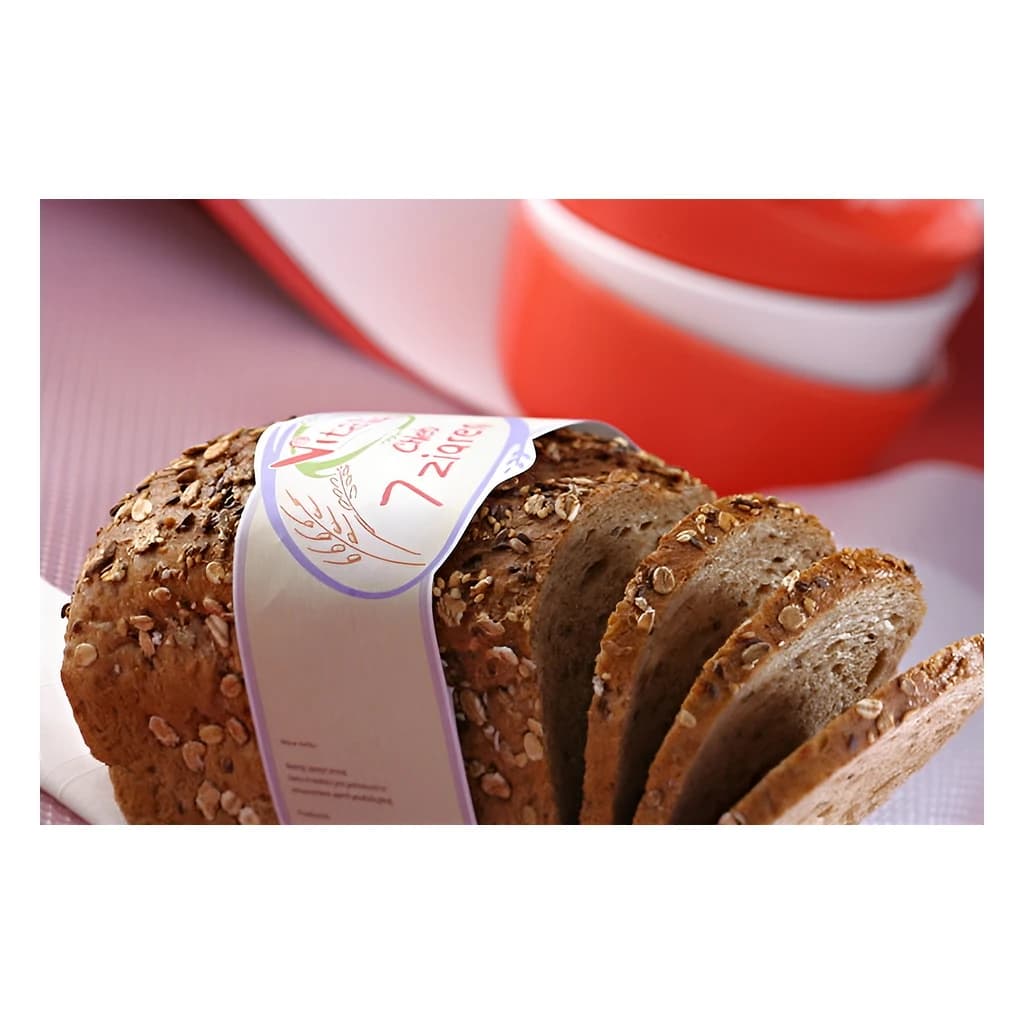
Zeelandia 7 Seeds Bread Mix 25 kg
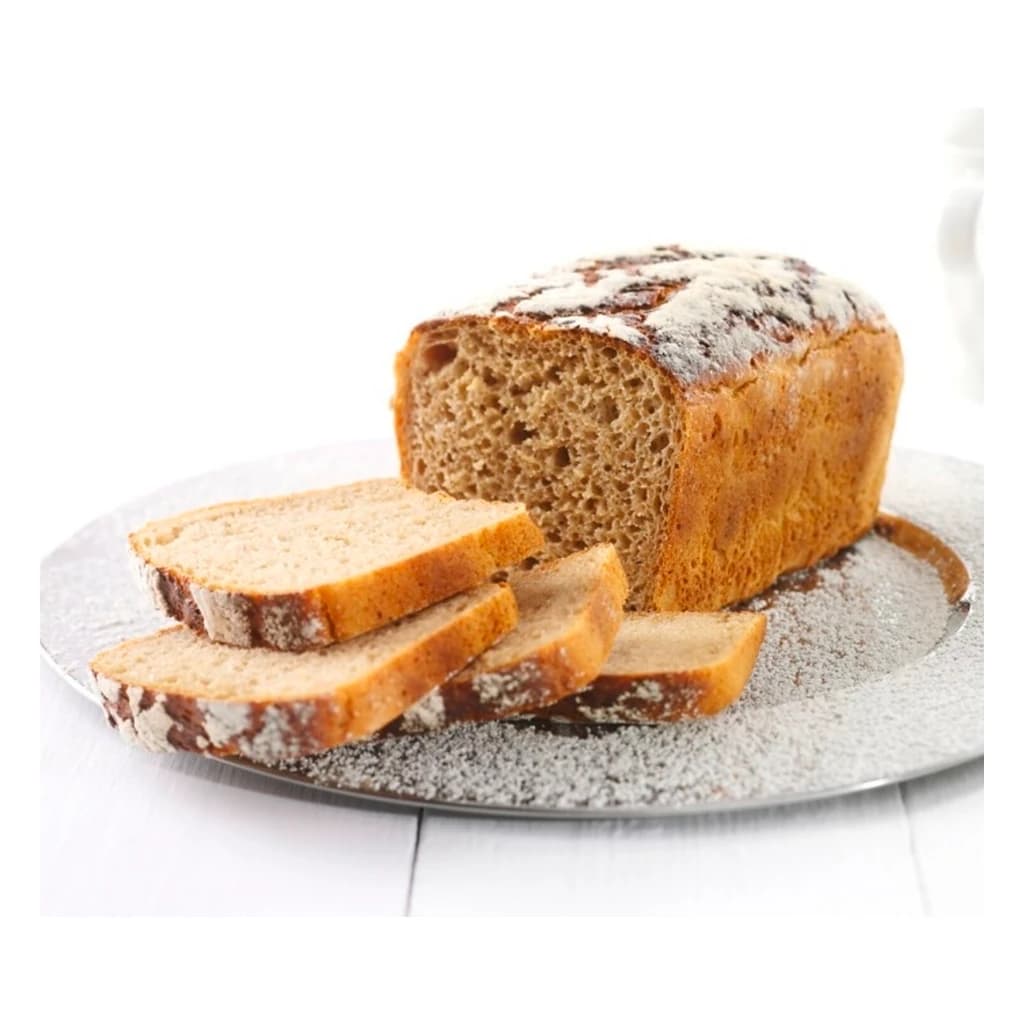
Optimax Free Bread Improver 20 kg
Mlekuś Bread Mix 25 kg
Uldo Magnus Bread Mix 25 kg
Zeelandia Spelt Bread Mix 25 kg
Rye Stabil Improver 25 kg
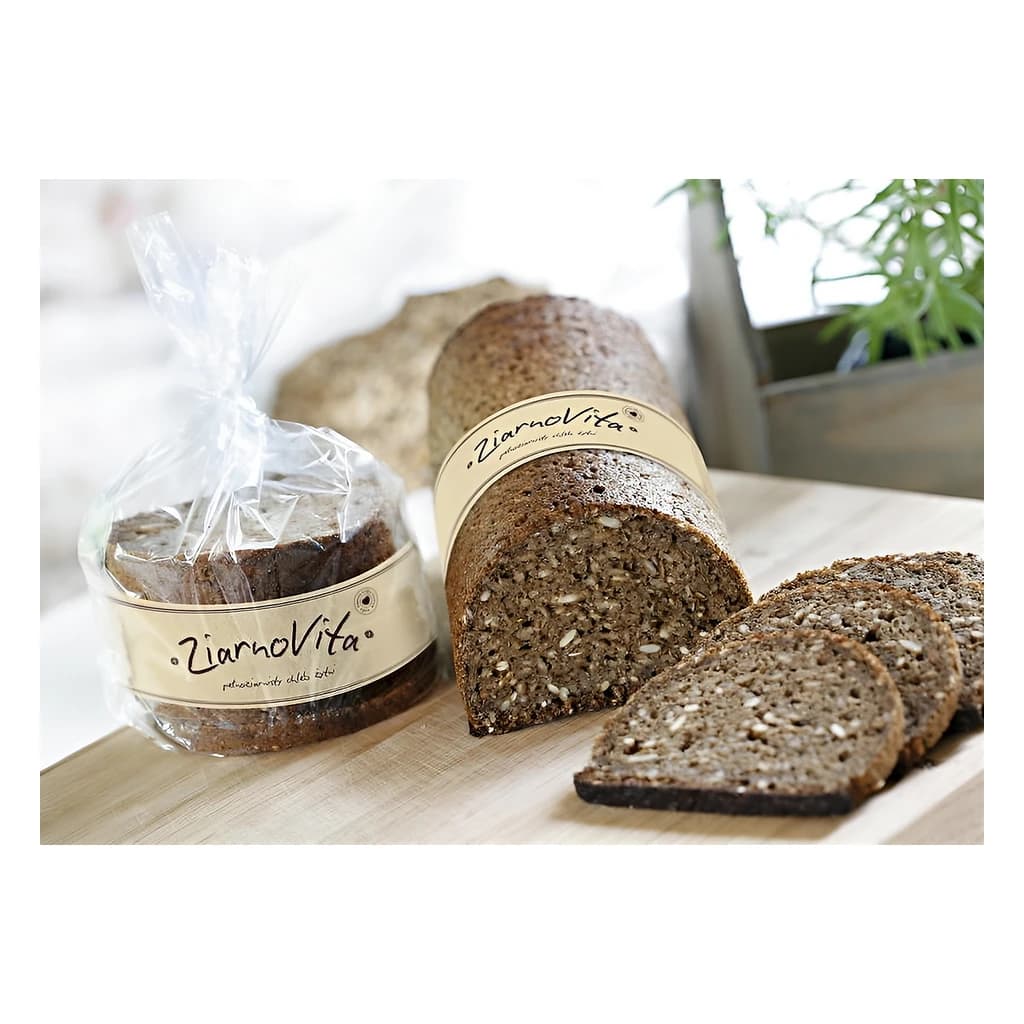
Zeelandia Grain Vita Multigrain Bread Mix 25 kg
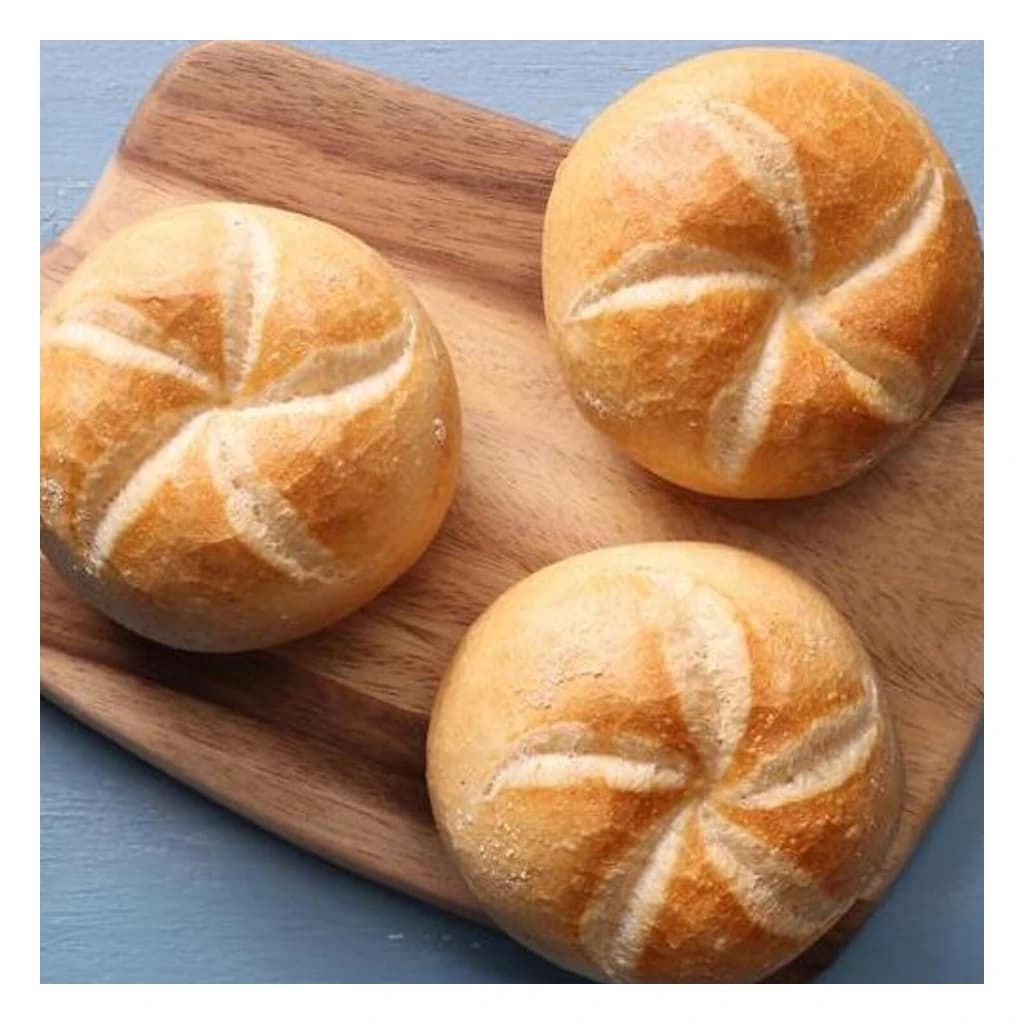
Zeelandia Kaiser Bread Mix 25 kg
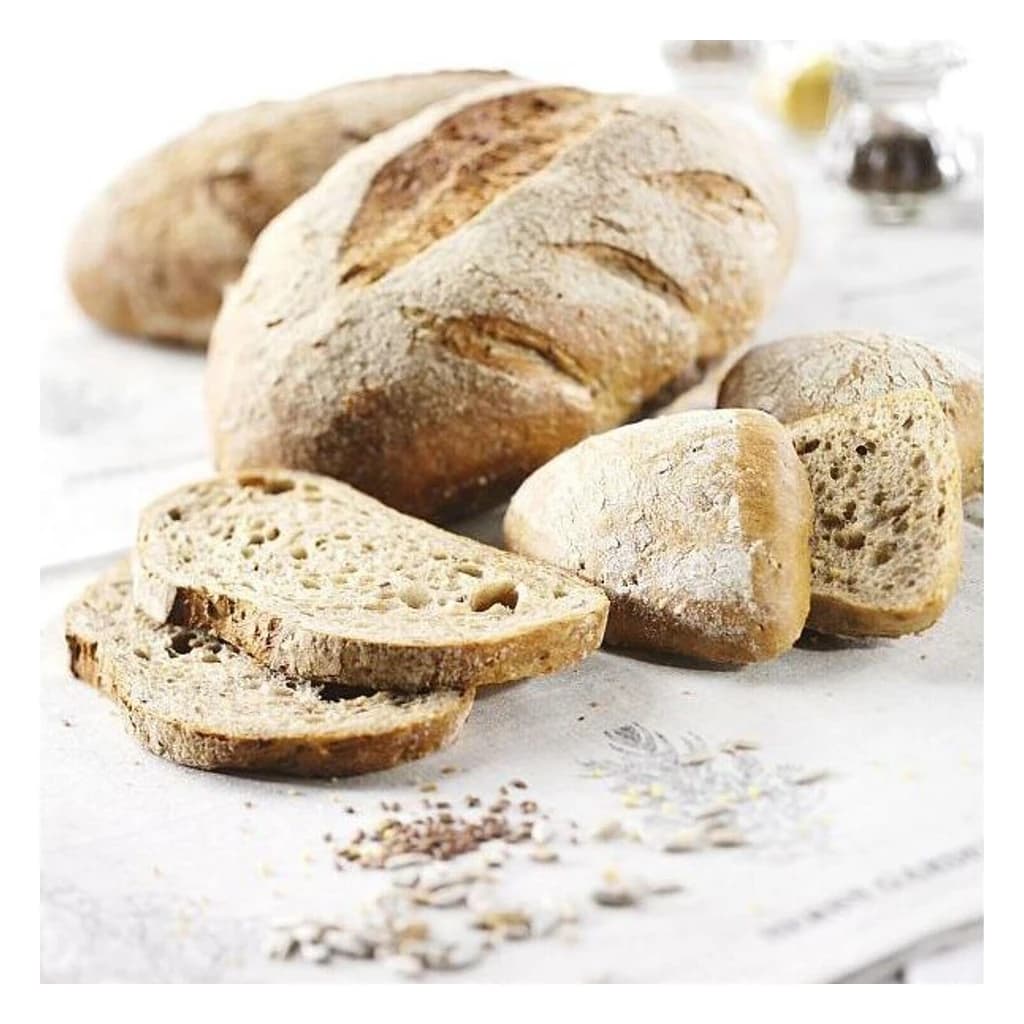
Zeelandia Hearty Rye Bread Mix 25 kg

Böcker Bio Le Chef Organic Liquid Sourdough 2 kg
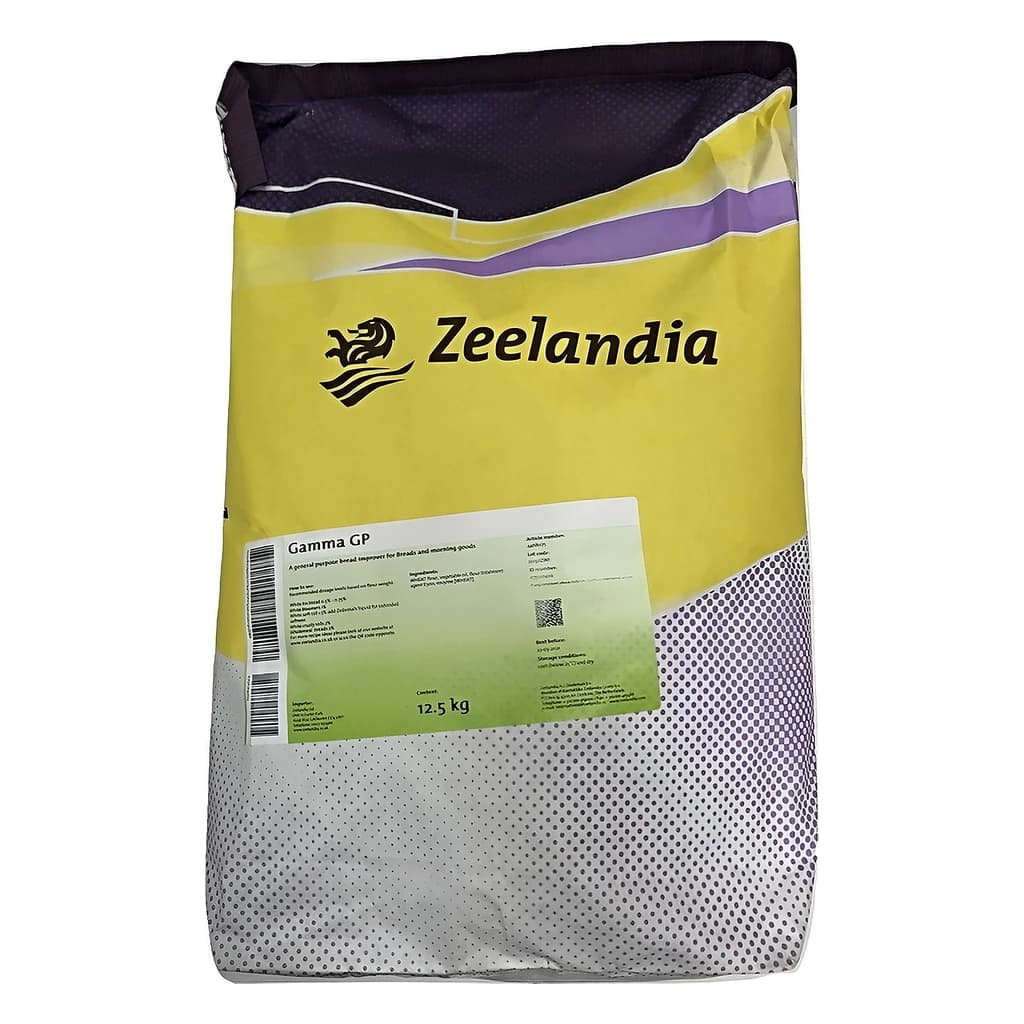
Zeelandia Gamma GP Bread Improver 12.5 kg

Puratos Easy Baguette SG 15 kg
IREKS Soft Roll 7 Bread Improver 25 kg
IREKS Voltex Multipurpose Bread Improver 25 kg