
Butter, margarine, shortening & oil: which fat for which job?
A practical professional reference covering every major baking fat: butter, cake margarines, laminating/puff-pastry margarines, vegetable shortenings, liquid oils and lard. Explains fat composition, Solid Fat Content (SFC), crystal forms, allergen status and the technology behind laminated doughs. Includes a master comparison table, SFC data for eleven catalogue products from seven spec sheets (Polmlek, Kruszwica, AMARG, Master Martini, CSM, Cardowan), formula cards for shortcrust, croissant, high-ratio cake and oil-based muffin, and a fat-related fault-diagnosis table. Covers sustainability (RSPO) and the EU trans fat limit.
Why fat selection changes everything
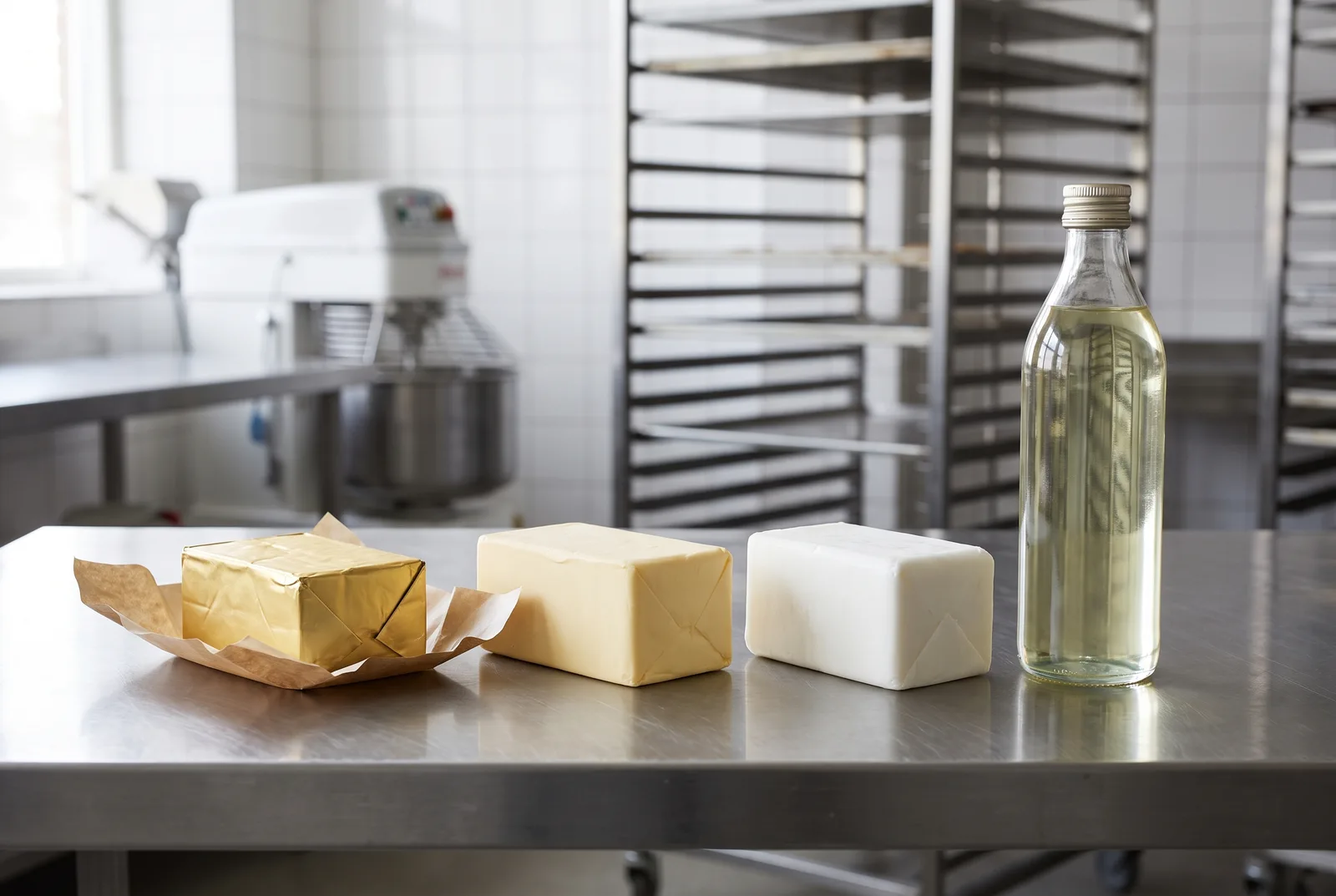
Fat is the ingredient professional bakers underestimate most. A mixer, an oven and a formula can all be identical, and yet a switch from butter to cake margarine, or from margarine to a dedicated laminating fat, will produce a fundamentally different product — different in texture, flavour, shelf life, ease of processing and cost.
The reason is that "fat" is not a single thing. Butter contains milk proteins and lactose that brown and flavour in the oven. Cake margarine is engineered to stay plastic over a wide temperature range. Laminating margarines maintain enough solid phase at 35°C to hold layer separation until baking is complete. Shortenings are 100% fat with no water at all. Oils are fully liquid at room temperature and cannot cream or laminate.
Each of these differences derives from three underlying properties: fat content and water, fatty acid composition, and crystal structure. Understanding these three properties allows a professional baker to choose correctly, troubleshoot when something goes wrong, and substitute intelligently when a product is unavailable.
The five principal fat types
1. Butter
Butter is produced from pasteurised cream. Under EU Regulation (EU) No 1308/2013 (Annex VII Part IV), butter must contain not less than 80% and less than 90% milk fat, with a maximum of 16% water and maximum 2% non-fat milk solids.
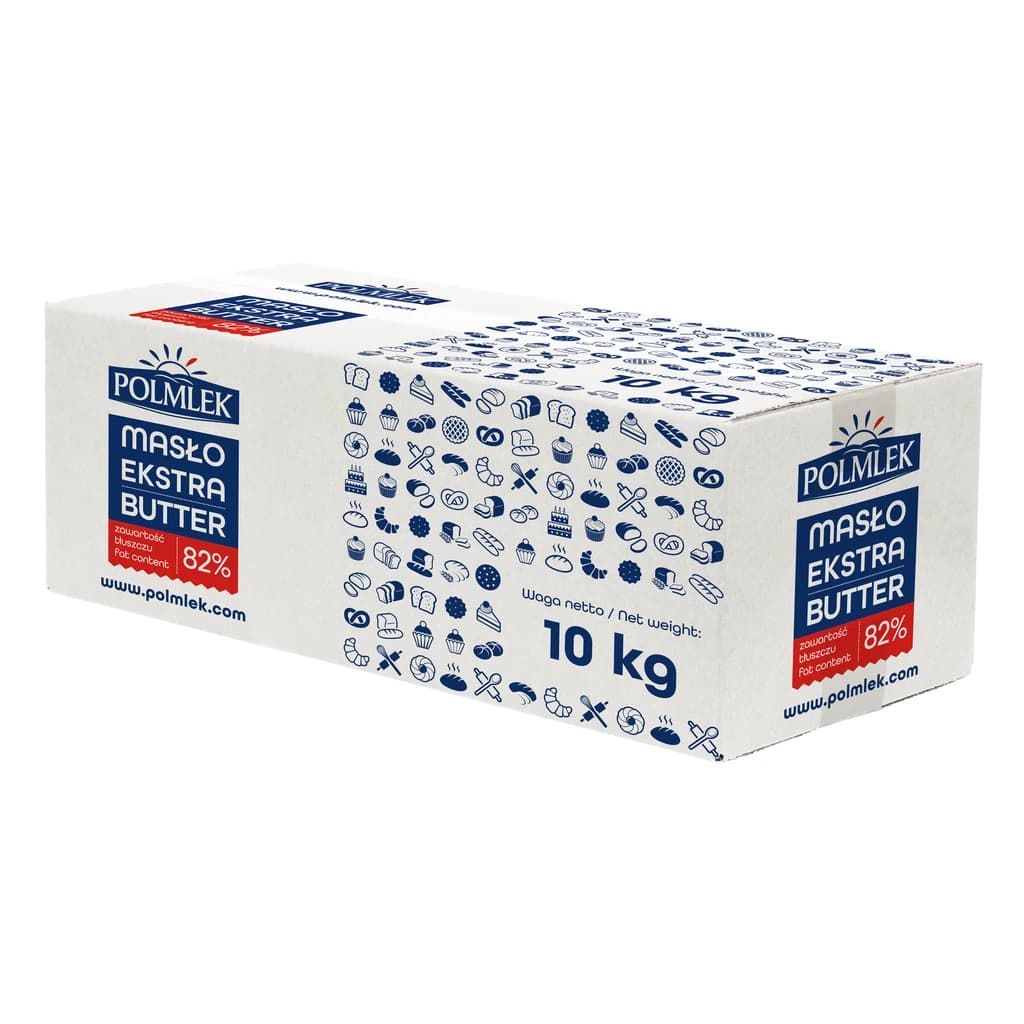
The Polmlek Unsalted Butter 82% Fat stocked in the Domson catalogue exceeds the minimum: it contains at least 82% fat and exactly 16% water. Per 100 g it delivers 744 kcal / 3058 kJ, with 55 g of saturated fatty acids — the highest saturated fat level of any fat in this catalogue.
Flavour. Butter is the flavour carrier. The remaining 2% of non-fat milk solids (lactose and milk proteins) undergo Maillard browning and caramelisation during baking, producing the characteristic golden crust colour and nutty flavour that no vegetable fat can fully replicate. For butter cakes, croissants and biscuits, this flavour contribution is often the primary reason for choosing butter over margarine.
Plasticity. Butter is plastic — spreadable — only across a relatively narrow temperature range. The melting point of butter is approximately 28–38°C (depending on seasonal fat composition and the cattle's diet — onset of softening around 28°C, fully molten approaching 38°C). Below approximately 13–15°C, butter is hard and brittle; above approximately 20–22°C it softens rapidly. This narrow plastic window is the key handling challenge.
Allergen. Butter is a dairy product. It contains milk and lactose.
Food safety: Butter must not be used in products claimed to be dairy-free, milk-free or suitable for people with milk protein allergy or lactose intolerance. Verify with the specific supplier spec sheet before each production run.
Storage. Polmlek Unsalted Butter 82% can be stored chilled at 0–10°C for up to 60 days, or frozen at -18 to -22°C for up to 12 months. After thawing, store at 0–10°C and use within 7 days.
Food safety: Never re-freeze thawed butter. The 7-day post-thaw use window is a supplier requirement.
When to choose butter:
- Where dairy flavour is central to the product (butter cakes, shortbread, croissants, kouign-amann)
- Where an allergen-labelled product is acceptable or where a MILK declaration adds value
- Where the baker can manage a chilled production environment (≤18°C for lamination, 18–21°C for creaming)
2. Margarines
Margarines are vegetable-fat emulsions containing at least 80% fat (non-milk). Like butter, the remaining ~18–19% is predominantly water (in fine emulsion), plus emulsifiers, flavourings, and often antioxidants and preservatives. Unlike butter, the fat composition is engineered by selection and blending of vegetable oils.
The two distinct sub-categories in professional baking are cake margarines and laminating (puff pastry) margarines, and they must not be substituted for each other.
Cake margarines
Cake margarines are designed with a low Solid Fat Content (SFC) at body temperature and above — typically they are fully molten by 35°C — producing clean mouthfeel in finished baked goods. They have a broader plastic range than butter, making them easier to handle in warm bakeries and giving more consistent creaming behaviour.
The Domson catalogue includes several cake margarines with spec sheets:
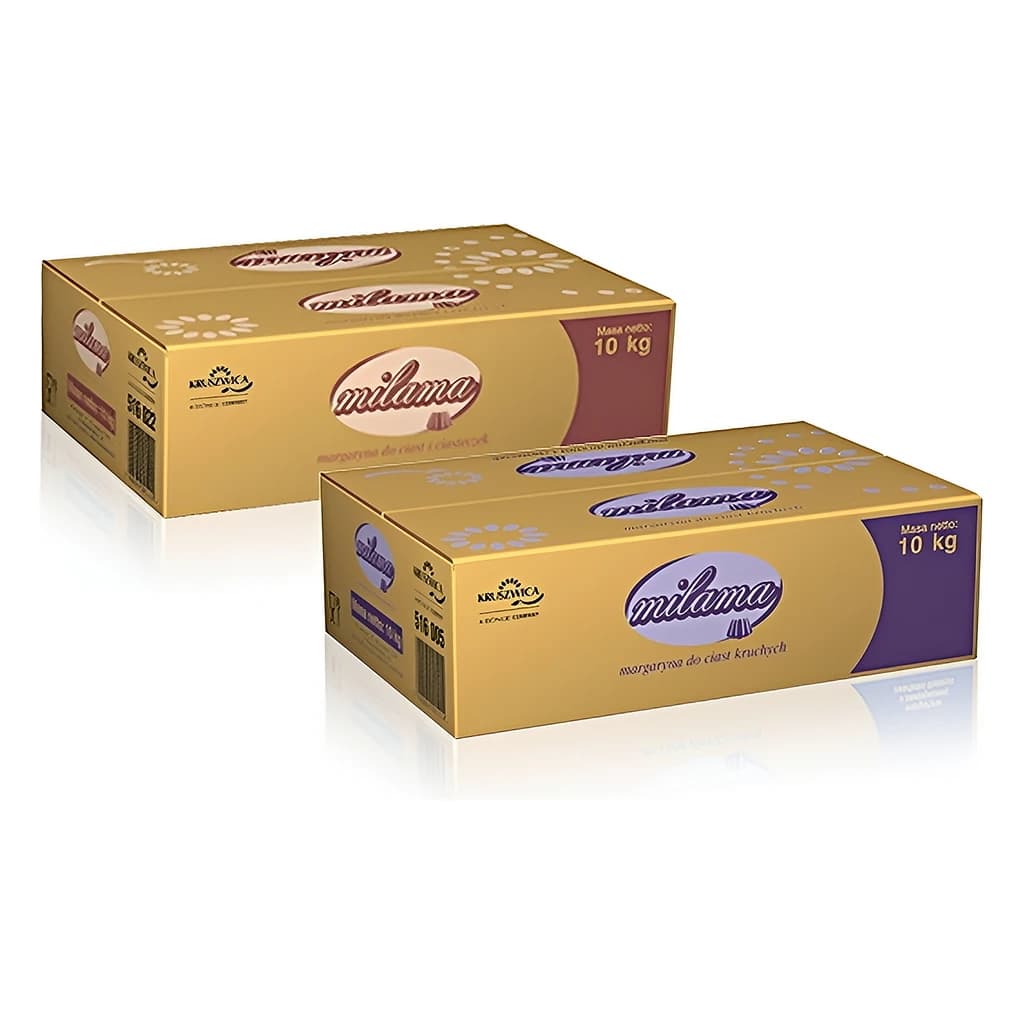
Milama Cake & Cookie Margarine 80% 10 kg (Kruszwica) — SAFA 41% (31 g/100 g), SFC at 20°C: 20–25%, SFC at 35°C: max 5%, trans fats max 2%. Allergen-free. Suitable for cakes and cookies. SFC profile indicates good creaming plasticity at typical bakery temperatures, and full melt at body temperature for clean mouthfeel.
AMARG Margaryna Wyborna 80% 10 kg (Unsalted Cake Margarine 80% 10 kg) — Fat 80% ± 2%, SFC at 20°C: 23–27%, trans max 1% (lower than Milama), saturated fat 18 g/100 g (significantly lower than Milama, reflecting higher rapeseed / lower palm composition). Shelf life 6 months at 1–10°C (longer than most).
Allergen: Contains soy lecithin as a declared ingredient — soy allergen applies. Persons with soy allergy must avoid.
Marina Cake Margarine 80% 10 kg (Solidarity Recipe, Master Martini) — Universal margarine based on refined non-hydrogenated palm and rapeseed oils. SFC at 20°C: 22–32%, SFC at 30°C: 7–17%, trans max 1%. Saturated fat 39 g/100 g (the highest among the cake margarines in this set — reflects high palm content). Application: shortcrust, yeast and wheat pastry doughs — versatile across multiple dough types.
Allergen: Possible milk cross-contamination (ZK — Zanieczyszczenie Krzyżowe) declared. Not suitable without further verification for milk-free or dairy-free production.
CSM HXH Marvello Cake Margarine 12.5 kg — The lowest saturated fat cake margarine in the set: 27 g/100 g SAFA, MUFA 37 g, PUFA 12 g. Trans fats only 0.9 g/100 g (well below the EU 2 g/100 g limit). SFC at 20°C: target 20% (interval 18–24%), indicating softer body at room temperature. Shelf life 182 days at 14–18°C (longest of any product in this catalogue set). Kosher and Halal certified. RSPO Mass Balance. Emulsifier: E475 (polyglycerol esters) — not E471, unlike most others in this group.
Regulatory note: Verify certification currency with CSM and certifying bodies before any Halal or Kosher claim, as certifications can lapse.
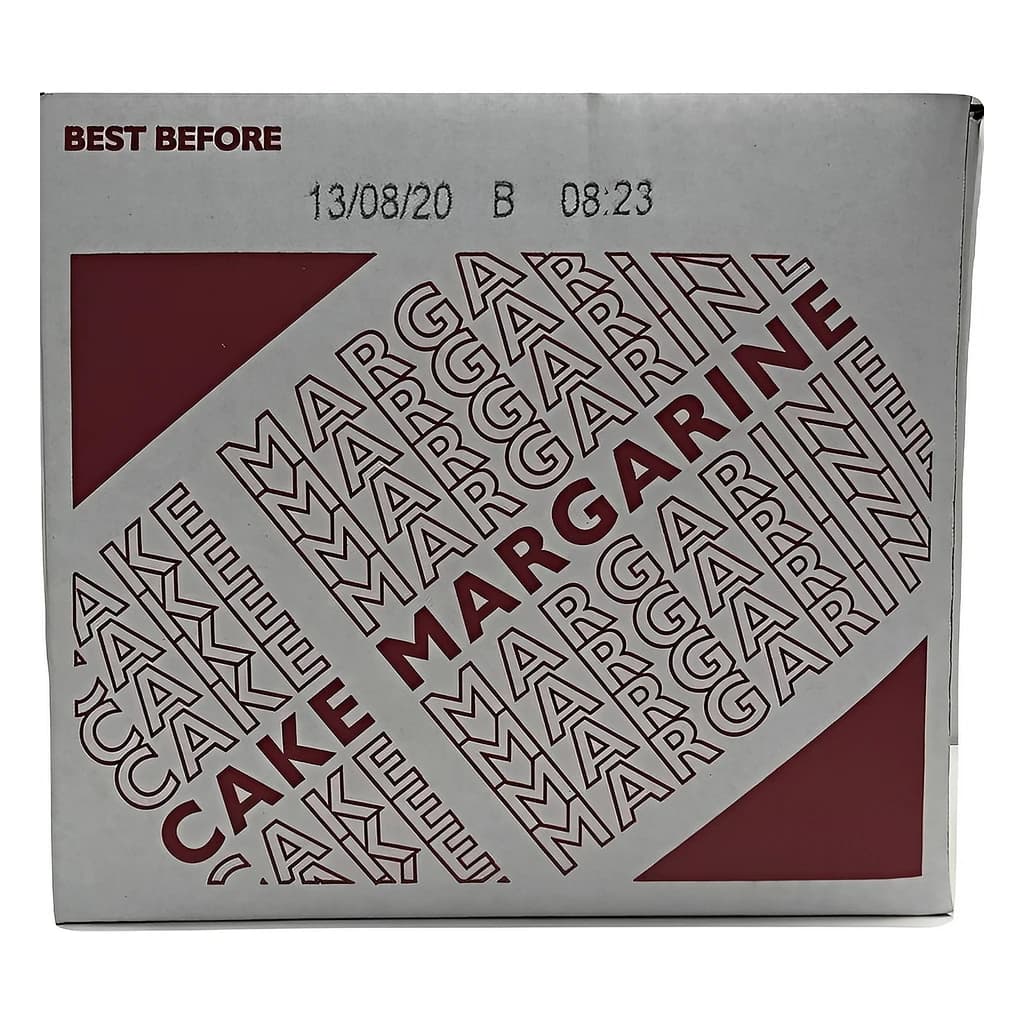
Cardowan Plain NHAV Unsalted Cake Margarine 12.5 kg — Fat 81.6 g, saturates 30.5 g, slip melting point 43°C. No allergens at any level (product, production line, factory). RSPO certified (BMT-RSPO-000023). Slightly buttery flavour from added flavouring. Shelf life 5 months.
Laminating (puff pastry) margarines
<!-- image: img-kruszwica-maestra -->Laminating margarines are the most technically demanding fats in the bakery. Their defining characteristic is a high and sustained Solid Fat Content across the temperature range encountered during sheeting and the early stages of baking. They must be plastic enough to fold without cracking but firm enough to maintain distinct layers under the sheeter rollers.
A laminating margarine must have substantially more solid fat at 30–35°C than a cake margarine. Compare: Milama (cake) has SFC at 35°C of max 5% — essentially liquid at that temperature. Kruszwica Maestra Puff Pastry has SFC at 35°C of 9–13% (summer) — still measurably solid, which prevents complete fat absorption into dough layers when the pastry enters the hot oven.
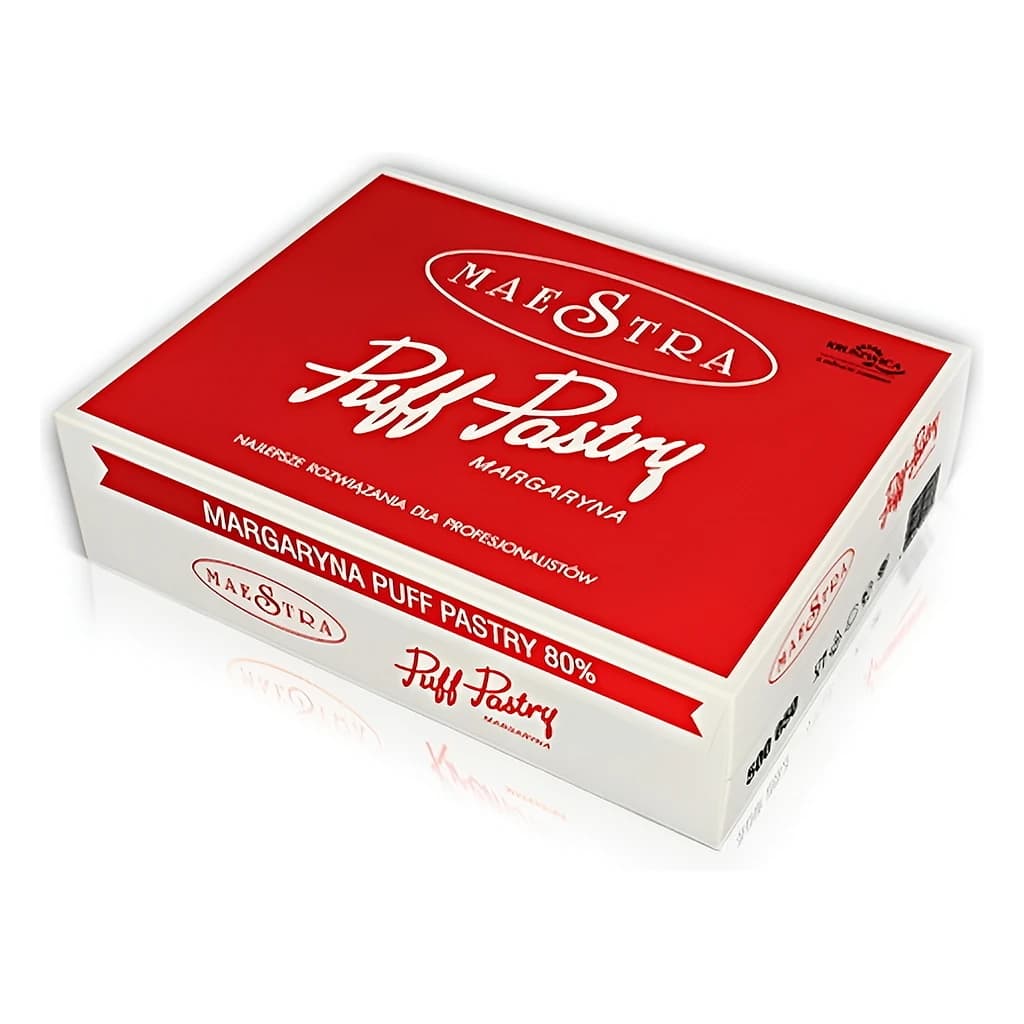
Kruszwica Maestra Puff Pastry Margarine 80% 10 kg — The reference laminating margarine in the 10 kg format. SFC at 20°C: 35–37% (summer) / 33–35% (winter); SFC at 30°C: 18–23%/17–22%; SFC at 35°C: 10–13%/9–12%. Recommended margarine temperature for dough preparation: 18–20°C. Application: puff pastry (feuilletée) and demi-feuilletée. Salt: 0.5 ± 0.05%. Erucic acid (C22:1) max 2% per 2009 spec — see note on spec age below.
Kruszwica Maestra Puff Pastry Mass Balance Margarine 80% 10 kg (White Cream) — Updated formulation with RSPO Mass Balance certification. Lower erucic acid limit: max 0.5% (vs 2% in older spec). SAFA 46%, trans max 2%, saturated fat 35 g/100 g. Very similar SFC profile to the standard Maestra: summer 20°C: 35–38%, 30°C: 16–20%, 35°C: 9–12%. No allergens declared.
Regulatory note: The erucic acid value of max 2% in the 2009 Maestra spec is exactly at the current EU legal ceiling of 20 g/kg (= 2% of total fatty acids) set in Commission Regulation (EU) 1881/2006 (consolidated). There is zero compliance headroom — any batch above this limit would be non-compliant. The updated Mass Balance spec at max 0.5% is well below the limit. This spec is from 2009 — always obtain the current product specification from Kruszwica before production formulation, and verify erucic acid compliance against the current consolidated regulation text.
Cardowan Crown NHAV Pastry Margarine 12.5 kg — Higher fat (82 g/100 g), higher slip melting point (47°C — the highest in the whole catalogue set), higher SAFA (41.2 g/100 g). Salt: 2.5 g/100 g — [Note: this is a significantly salted margarine. When using Crown NHAV Pastry in a formula, reduce recipe salt accordingly to avoid over-salting. For 1 kg roll-in fat at 50% baker's %, this contributes 12.5 g of salt before any dough-side salt.] Allergen-free. RSPO certified. Shelf life 5 months.
Also in catalogue (no spec sheet reviewed):
- Puff Favorit Laminating Margarine 10 kg — Domson-stocked laminating margarine; no spec reviewed in this research pass.
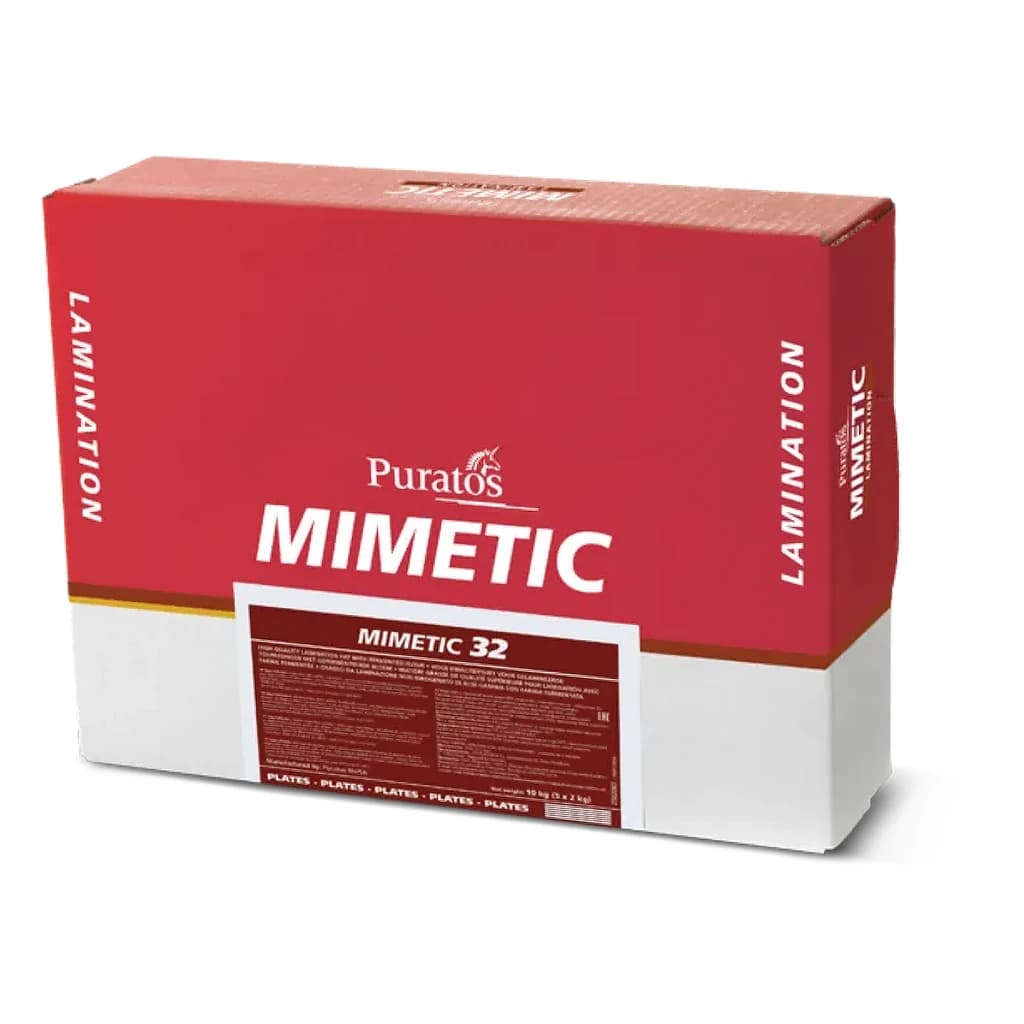
- Mimetic 32 Lamination Fat 10 kg (Puratos) — Puratos specialist lamination fat; known for high plasticity and clean flavour; no spec reviewed.
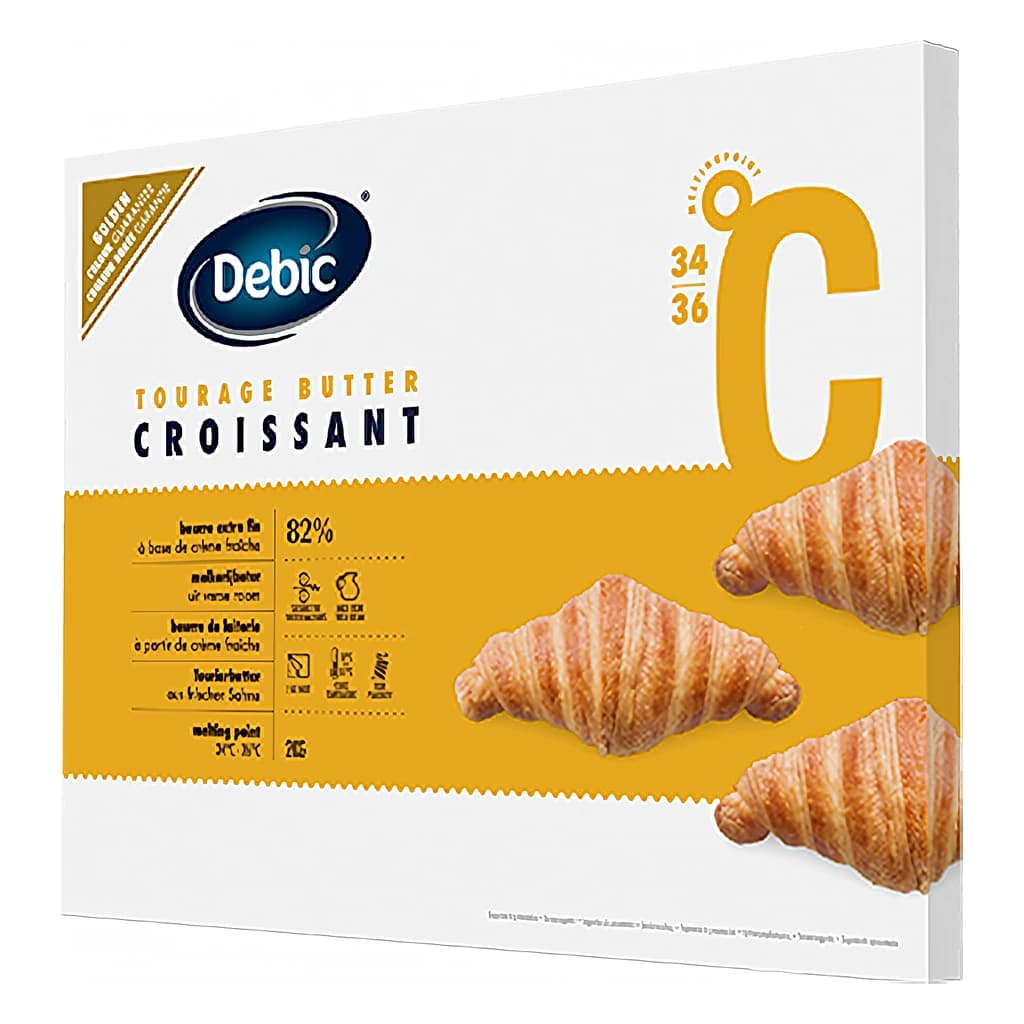
- Tourage Croissant Butter 10 kg (5 × 2 kg) — High-fat butter specifically prepared for lamination (tourage); no spec reviewed.
- Plus Croissant Margarine 10 kg (5 × 2 kg) — Croissant-specific margarine; no spec reviewed.
- Flex Quatro Danish Pastry Margarine 12.5 kg (CSM) — Danish pastry dedicated format; no spec reviewed.
3. Shortenings
<!-- image: img-cardowan-shortening -->Vegetable shortening is 100% fat — no water whatsoever. This distinguishes it fundamentally from butter and margarine, which are both roughly 80% fat / 18–19% water. The absence of water has three practical consequences:
- No steam generation during baking — important for fine-textured cakes where steam can cause toughening
- Higher energy density (900 kcal vs 720–744 kcal per 100 g) — this affects nutritional labelling
- Anhydrous handling — shortening can be handled over a wider temperature range before spoilage
Shortenings are produced by fractionating and/or interesterifying palm oil and rapeseed oil into a semi-solid fat bloc, typically pre-whipped to incorporate air (air content typically ~12% in the Cardowan products ). This pre-whipping is the origin of the term "high-ratio shortening" — the incorporated air assists aeration in cakes where sugar exceeds flour in weight.
Two Cardowan NHAV shortenings are available in the Domson catalogue:
Cardowan Coronet NHAV HR Shortening 12.5 kg (High Ratio) — The HR version includes emulsifier E471 (distilled monoglyceride). Saturates 38.1 g/100 g, MUFA 43.5 g/100 g, PUFA 16.2 g/100 g. Slip melting point 44°C, air content 12%. The E471 emulsifier enables superior creaming — it stabilises air bubbles during creaming, producing finer crumb cell structure in high-ratio cakes. Use when maximum aeration is needed.
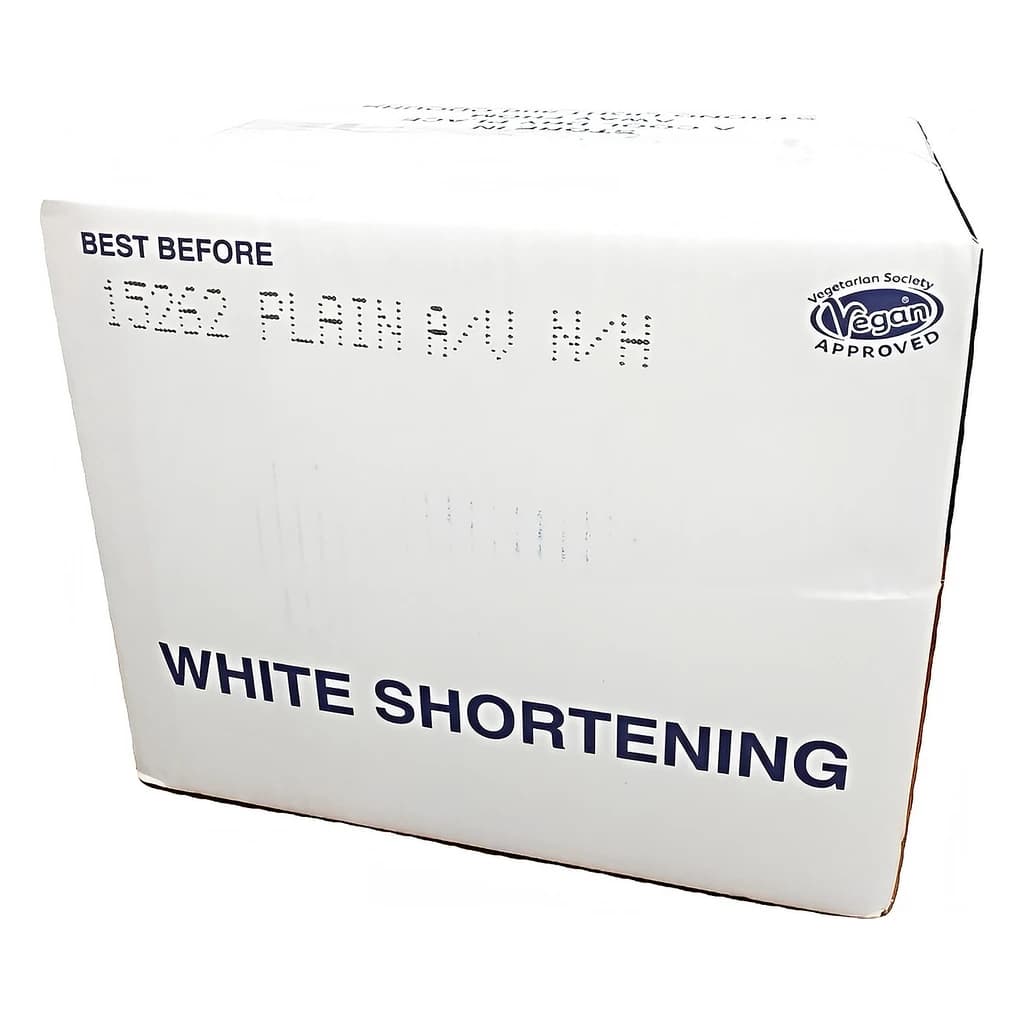
Cardowan Plain Box NHAV Shortening 12.5 kg — No emulsifier. Slightly higher slip melting point (45°C) and SAFA (38.8 g/100 g). Air content also 12%. Use where clean label (no E-numbers) is required, or where emulsifier interaction with the product formulation is not wanted (e.g. when the recipe already contains a separate emulsifier paste). Both Cardowan shortenings carry no allergens at product, line or factory level.
NHAV (Non-Hydrogenated Added Value) in the product name indicates these are non-hydrogenated formulations — the solid phase comes from the natural saturate content of palm oil fraction, not from catalytic hydrogenation. This avoids the formation of artificial trans fats associated with partial hydrogenation.
4. Liquid oils
Liquid oils are 100% fat and fully liquid at room temperature (polyunsaturated and monounsaturated fatty acids dominate, with few saturated chains to form crystals). In baking, they serve functions that solid fats cannot:
- Moisture retention in muffins and quick breads — liquid oil does not re-solidify on cooling, so muffins made with oil remain tender and moist longer than those made with butter
- Pan release and greasing — liquid oil is the most practical and economical pan lubricant
- Frying — liquid and semi-liquid high-temperature fats (high smoke point) are used for doughnut frying and similar
What liquid oils cannot do: cream (no crystalline structure to trap air bubbles), laminate (no solid phase to separate dough layers), or shorten gluten effectively (coating action requires a plastic solid rather than a freely flowing liquid).
The Domson catalogue includes Palm Frying Oil 25 L — a bulk format suitable for commercial frying applications. No spec sheet was available for this product in the current research pass; verify smoke point and food safety parameters directly with the supplier before frying use.
For pan-oiling and divider oils, consult the supplier on food-grade release agents suitable for the specific substrate.
5. Lard
Lard is rendered pork fat. It is 100% animal fat, with a fatty acid composition that crystallises predominantly in the beta form rather than the beta-prime form preferred for creaming and shortening. The beta crystal is large and coarse, giving traditional lard-based pastry its distinctive "sandy" or "flaky" texture — excellent for shortcrust pies and pasties, but producing a different texture to the smoother crumb of butter or margarine-based pastry.
Domson stocks Lard 25 kg in bulk. No spec sheet was reviewed for this product. Lard is not suitable for halal or kosher production, nor for vegetarian or vegan applications — always declare pork-derived lard in ingredient lists. Its use is traditional in Polish and British baking cultures (Polish lard — smalec — as a spread, British suet-based pastry), though it has declined in commercial bakeries since the 1970s.
The science of fat functionality
<!-- image: img-crystal-forms-diagram -->Crystal polymorphism: why it matters
All solid fats can adopt different crystal structures (polymorphs) depending on how they are cooled and processed. Three principal forms exist:
- Alpha (α): Unstable, loosely packed crystals. Forms when fat is rapidly cooled. Quickly converts to more stable forms.
- Beta-prime (β'): Small needle-like crystals, tightly packed. Produces smooth, plastic, creamy fat. The preferred form for margarines and shortenings.
- Beta (β): Large flat plate crystals. Grainy, sandy, less plastic. Common in lard and coconut oil.
Margarine and shortening manufacturers control crystallisation by: choice of oil blends (palm oil tends to beta-prime; lard and cocoa butter tend to beta); rapid chilling on a votator machine; and addition of emulsifiers that seed or stabilise the beta-prime form.
Practical implication: If margarine is stored incorrectly (e.g. excessive temperature cycling) or is of poor quality, beta-prime crystals can convert to beta crystals. The result is a grainy, gritty texture in the finished bake and reduced creaming capacity. Keep margarine at the recommended storage temperature and avoid repeated freeze-thaw cycles.
Solid Fat Content (SFC): the performance fingerprint
<!-- image: img-sfc-curve-comparison -->SFC is the percentage of fat that is solid (crystalline) at a given temperature. It is measured by nuclear magnetic resonance (NMR). A full SFC profile — measured at 10, 20, 30 and 35°C — defines how a fat behaves across the temperature range encountered in storage, processing and baking.
The key temperatures for professional bakers:
| Temperature | What it tells you |
|---|---|
| 10°C | Hardness straight from refrigerator — can the fat be removed from packaging without fracture? |
| 20°C | Working plasticity at typical bakery temperature — how easy is it to cream or sheet? |
| 30°C | Behaviour at warm bakery / summer conditions — does fat stay firm enough to handle? |
| 35°C | Oven entry / body temperature — does fat melt cleanly or leave waxy residue? |
SFC comparison from spec sheets (see the comparison table below for the full dataset):
The Maestra Puff Pastry margarine maintains 35–37% SFC at 20°C and 10–13% at 35°C (summer). This sustained solid phase keeps puff pastry layers distinct even as the oven begins to heat the outer layers.
Milama Cake Margarine has SFC 20–25% at 20°C but max 5% at 35°C. At 35°C it is essentially liquid — appropriate for cake (clean mouthfeel, no wax) but completely wrong for lamination (layers would fuse immediately on oven entry).
The Marina Cake Margarine (Solidarity Recipe) has the highest SFC at 10°C of all the cake margarines reviewed: 41–51% — meaning it is quite firm from the refrigerator. At 20°C it reads 22–32%, widening to a broad plastic range for shortcrust and yeast doughs.
Laminating fat technology in depth
<!-- image: img-lamination-cross-section -->Laminated doughs — puff pastry, croissant, Danish — derive their characteristic flaky, layered structure from alternating thin sheets of dough and fat. The fat prevents adjacent dough sheets from fusing; when the dough enters the oven, water in the dough and margarine (typically ~18–19% water) converts to steam, which forces the layers apart and creates the lift. In a 100% puff pastry, this is the sole leavening mechanism.
Layer counts
- Croissant: typically 27 layers — three single (letter) folds (3 × 3 × 3 = 27). Some bakers use four folds (81 layers).
- Puff pastry (full): 81–729 layers depending on the number of single folds used (6 single folds = 3⁶ = 729).
More layers = thinner individual layers = more delicate, more even lift, but also less tolerance for errors. At very high layer counts, fat films can rupture easily.
Temperature management
The fundamental requirement: fat and dough must have the same plastic consistency at the sheeting temperature. If the fat is harder than the dough, it shatters the dough layers and breaks through them. If the fat is softer than the dough, it smears into the dough instead of forming a discrete layer.
-
Butter as roll-in fat: Must be tempered to approximately 16–21°C. Butter's narrow plastic window (driven by its natural fat composition and the ~55 g/100 g saturated fat content ) means that a warm bakery — or a baker's warm hands — can ruin lamination quickly. This is why many professional bakeries use a laminating margarine in summer and reserve butter for cooler months.
-
Laminating margarine (Maestra, Crown NHAV Pastry): Wider plastic range. Recommended dough preparation temperature 18–20°C. The engineered SFC profile holds consistency across a broader temperature window, making the process more forgiving and consistent across seasons.
Matching fat to dough consistency
The dough (détrempe) and the roll-in fat must have comparable "pushback" when pressed with a finger. A simple test: press a thumb into both and look for a matching indentation depth. If the fat sinks much faster than the dough (fat too soft) or barely marks (fat too hard), rest one or both in the refrigerator until they match.
EU regulatory context
Butter (EU): Regulated under Regulation (EU) No 1308/2013, Annex VII Part IV. Minimum 80% milk fat, maximum 16% water, maximum 2% non-fat milk solids. Products below 80% fat must not be labelled "butter."
Margarine (EU): Minimum 80% non-milk fat under the same regulation. Products in the 60–80% range are "three-quarters fat" or "half-fat" spreads — not margarine.
Trans fats (EU): Regulation (EU) 2019/649 sets a maximum of 2 g industrial trans fats per 100 g fat in food products placed on the EU market. All catalogue margarines reviewed declare trans at or below this limit: Milama max 2%, Marina max 1%, AMARG Wyborna max 1%, Marvello 0.9 g/100 g.
Regulatory note: The 2 g/100 g limit is cited from a single source reference; verify against current Regulation 2019/649 text before any compliance statement.
RSPO certification: Both Cardowan and Kruszwica Maestra (Mass Balance version) hold RSPO certification for their palm oil supply chains. Bakers sourcing for retailers with palm-free or RSPO requirements should request the current RSPO certificate (not just the product spec sheet) from the supplier at each annual review.
Allergen and dietary summary
Food safety: All allergen statements below are from supplier spec sheets with dates as noted. Allergen declarations can change when formulations change. Always verify with the current specification from the supplier before production and before making any allergen claims to customers.
| Product | Key allergen | Cross-contamination | Notes |
|---|---|---|---|
| Polmlek Butter 82% | MILK (including lactose) | None stated | Not suitable for milk allergy or lactose intolerance |
| Milama Cake Margarine 80% | None | None | Spec Dec 2020 |
| AMARG Margaryna Wyborna 80% | SOYA (lecithin declared) | Not specified | Soy lecithin is a listed ingredient |
| Kruszwica Maestra Puff Pastry 10 kg | See note | — | 2009 spec has soy lecithin in ingredients but allergen table not tabulated in reviewed English translation — treat as potentially containing soy; verify with Kruszwica |
| Kruszwica Maestra MB 10 kg | None | None | Spec Jan 2021 |
| Marina Cake Margarine (Solidarity Recipe) | None (declared) | MILK possible | ZK = cross-contamination; not suitable for dairy-free without verification |
| CSM Marvello 12.5 kg | None in product | Factory risk: various | Factory handles wheat, fish, peanuts, soy, nuts, sesame — food safety: verify before allergen claim |
| Cardowan Unsalted Cake Margarine | None | None (product, line, factory) | Nov 2021 spec |
| Cardowan Crown NHAV Pastry | None | None (product, line, factory) | Nov 2021 spec |
| Cardowan HR Shortening | None | None (product, line, factory) | Nov 2021 spec |
| Cardowan Plain Shortening | None | None (product, line, factory) | Nov 2021 spec |
| Lard | None declared (pork) | — | NOT suitable for Halal, Kosher, vegetarian, vegan |
Dietary suitability:
- Marvello is Kosher certified and Halal certified (verify current certification status).
- Cardowan products contain no animal-derived ingredients and are suitable for vegans (verify with Cardowan for formal vegan claim).
- Butter is not vegan. Butter with lactose labelling must be declared.
- Lard is neither Halal nor Kosher, and is not vegetarian or vegan.
Sustainability and palm oil
Palm oil is the dominant oil in most European margarines and shortenings because of its unique natural semi-solid texture at room temperature — a property that is difficult to replicate economically with other vegetable oils. However, it is associated with deforestation concerns in Southeast Asia.
RSPO (Roundtable on Sustainable Palm Oil) certification is the current industry standard for responsible sourcing. Two supply chain models:
- Segregated (SG): the certified palm oil is physically kept separate from non-certified throughout the supply chain — the strongest form of chain-of-custody.
- Mass Balance (MB): certified and non-certified palm oil are mixed in the supply chain, but the certified volume is tracked as credits.
Cardowan holds RSPO certification BMT-RSPO-000023 in both Segregated and Mass Balance models; individual products are labelled SG or MB on packaging. Kruszwica Maestra Mass Balance holds RSPO certificate CU-RSPOSCCS-828140.
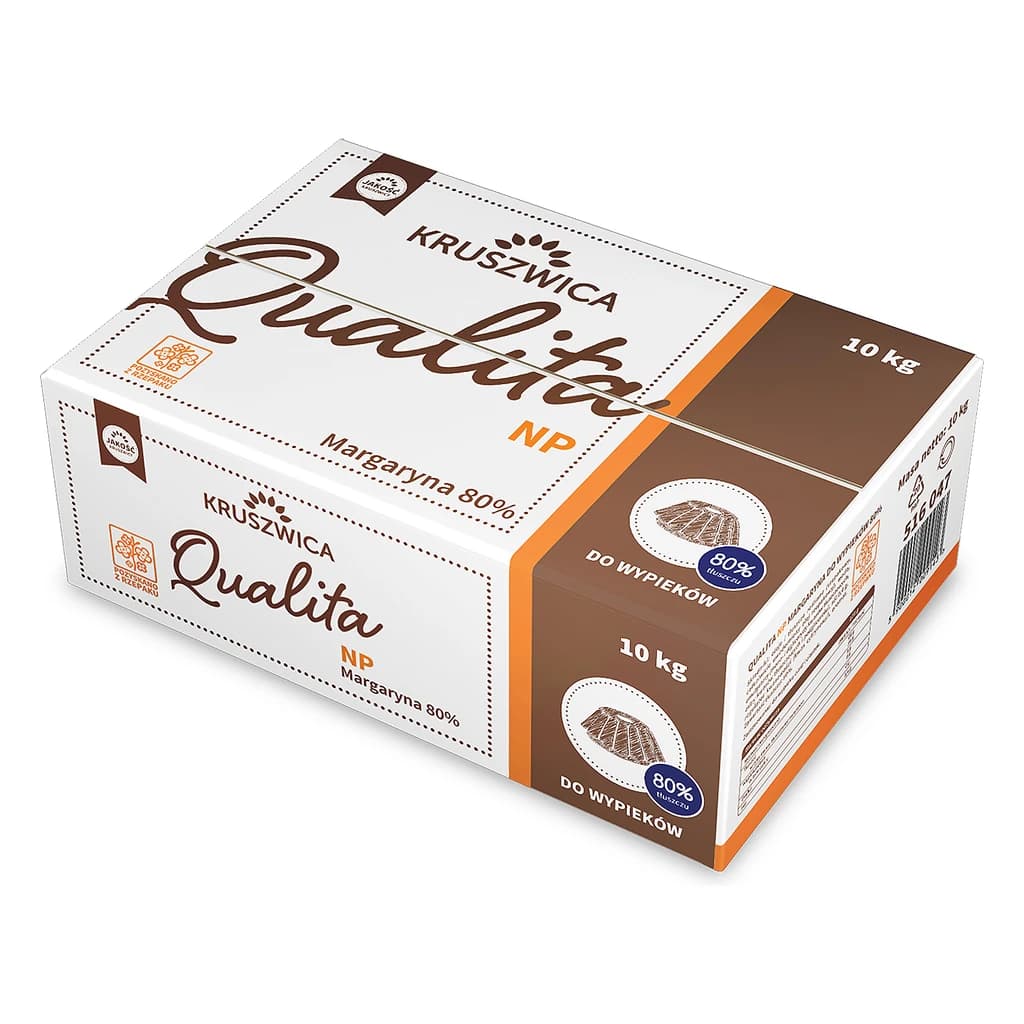
Palm-free alternatives are available but typically more expensive and may behave differently. The Domson catalogue includes Qualita NP Palm-Free Margarine 80% 10 kg — a palm-free option (no spec sheet reviewed in this pass). If a retailer or customer requires a palm-free declaration, verify the complete ingredient list with the supplier.
Catalogue guide: choosing the right fat
For puff pastry and croissant lamination:
Use a laminating margarine with high SFC at 35°C and a plastic range covering 16–20°C:
- Kruszwica Maestra Puff Pastry Margarine 80% 10 kg — SFC at 35°C summer: 10–13%. Primary choice for Polish puff pastry production. Note 2009 spec age — request current version from Kruszwica.
- Kruszwica Maestra Puff Pastry MB Margarine 80% 10 kg — RSPO Mass Balance, updated 2021 formulation, erucic acid max 0.5%. Preferred when RSPO MB declaration is needed.
- Cardowan Crown NHAV Pastry Margarine 12.5 kg — Highest slip melting point (47°C), no allergens. Note high salt (2.5 g/100 g) — adjust recipe salt.
- Tourage Croissant Butter 10 kg and Mimetic 32 Lamination Fat 10 kg — Catalogue options without reviewed specs; consult Domson for current datasheets.
Butter (Polmlek Unsalted Butter 82%) can also be used for croissant lamination — it gives superior flavour but requires precise temperature management (approximately 16–21°C). Note MILK allergen.
For cakes, cookies and all-purpose pastry:
Use a cake margarine with SFC at 20°C of 20–27% and SFC at 35°C below 10%:
- Milama Cake & Cookie Margarine 80% 10 kg — No allergens; SFC 20–25% at 20°C. Excellent all-round cake and cookie margarine.
- CSM Marvello Cake Margarine 12.5 kg — Lowest saturated fat (27 g/100 g), Kosher/Halal certified, 182-day shelf life. Choose when certification or extended shelf life matters.
- Cardowan Unsalted Cake Margarine 12.5 kg — No allergens at any level, slightly buttery flavour. Good for UK-style cake production.
- AMARG Margaryna Wyborna 80% 10 kg — Low saturated fat (18 g/100 g), max 1% trans. Contains soy lecithin — SOYA allergen declared. Avoid in soy-free production.
- Marina Cake Margarine 80% (Solidarity Recipe) — Versatile for shortcrust, yeast and wheat doughs. High SFC at 10°C (41–51%). Possible milk cross-contamination — verify for dairy-free needs.
- Butter 82% (Polmlek) — Superior flavour; choose when dairy taste is primary. Contains MILK.
For high-ratio cakes (creaming shortening):
- Cardowan Coronet NHAV HR Shortening 12.5 kg — Pre-whipped with 12% air and E471 emulsifier. Maximum creaming capacity; fully allergen-free. Sugar:flour ratios >100% are achievable.
- Cardowan Plain Box NHAV Shortening 12.5 kg — No emulsifier. Use when the recipe already contains an emulsifier paste, or for clean-label (no E-number) shortening.
For oil-based products (muffins, quick breads, pan release):
Use liquid vegetable oil (sunflower, rapeseed) — neutral flavour, no crystal structure needed. The Palm Frying Oil 25 L is available for frying applications. Verify smoke point and food safety data with supplier before frying use; no spec sheet was reviewed for this product.
For traditional and craft products (lard-based pastry):
Lard 25 kg — Traditional Polish and British pastry fat. Excellent shortness (beta crystal). Not suitable for Halal, Kosher, vegetarian or vegan. Declare pork ingredient clearly.
Key numbers at a glance
| Parameter | Value | Source |
|---|---|---|
| Polmlek Butter 82% — fat content | min 82% | supplier spec |
| Polmlek Butter 82% — saturated fat | 55 g/100 g | supplier spec |
| Polmlek Butter 82% — energy | 744 kcal / 3058 kJ per 100 g | supplier spec |
| EU butter minimum fat content | 80% milk fat | EU Regulation 1308/2013 |
| EU butter maximum water | 16% | EU Regulation 1308/2013 |
| EU margarine minimum fat content | 80% | EU Regulation 1308/2013 |
| Butter melting point (indicative) | approximately 28–38°C | trade references |
| Butter lamination working temperature (indicative) | approximately 16–21°C | trade reference |
| Milama SFC at 20°C | 20–25% | supplier spec |
| Milama SFC at 35°C | max 5% | supplier spec |
| Maestra SFC at 20°C (summer) | 35–37% | supplier spec |
| Maestra SFC at 35°C (summer) | 10–13% | supplier spec |
| Maestra recommended use temperature | 18–20°C | supplier specs |
| Marina SFC at 20°C | 22–32% | supplier spec |
| Marvello trans fats | 0.9 g/100 g | supplier spec |
| Marvello SFC at 20°C | target 20% (18–24%) | supplier spec |
| Marvello shelf life | 182 days at 14–18°C | supplier spec |
| Cardowan Coronet HR Shortening — fat | 100 g/100 g | supplier spec |
| Cardowan Coronet HR Shortening — SMP | 44°C | supplier spec |
| Cardowan Coronet HR Shortening — air content | 12% | supplier spec |
| Cardowan Crown NHAV Pastry — SMP | 47°C | supplier spec |
| Cardowan Crown NHAV Pastry — salt | 2.5 g/100 g | supplier spec |
| Croissant layers (3 single/letter folds) | 27 | trade reference |
| Puff pastry max layers (6 single folds) | 729 | trade reference |
| Shortening energy | 900 kcal / 3700 kJ per 100 g | supplier spec |
| EU trans fat maximum (industrial) | 2 g per 100 g of fat | EU Regulation 2019/649 |
Coverage notes and gaps
What is solid (high confidence):
- All quantitative fat composition, SFC and energy values: drawn directly from 11 spec sheets across 7 different products — first-party supplier data
- EU regulatory definition of butter and margarine (Regulation 1308/2013) — confirmed by the regulatory source
- Crystal form theory (beta-prime preferred) — confirmed by two independent reference sources (BAKERpedia + Canadian Baker open textbook)
- Allergen data from all reviewed spec sheets — treated as high confidence for the specification date, but flagged throughout as requiring re-verification against current specs
What is indicative (medium confidence, single source or un-spec'd):
- Butter melting point approximately 28–38°C — two reference sources but NOT from Polmlek spec; onset ~28°C, full melt approaching 38°C; varies by season and cattle breed
- Butter lamination temperature approximately 16–21°C — single source (Pastry Arts Magazine, reliability: medium; cites 65–70°F)
- Croissant layer count (27, three single folds) — widely cited industry standard; BAKERpedia page gives a broader range at time of access
- Puff pastry layers (81–729) — BAKERpedia; upper bound (729 = 3⁶ single folds) widely accepted; range varies by fold type and count
- EU trans fat limit (2 g/100 g, Regulation EU 2019/649) — confirmed by regulation text; correct source now cited
Catalogue gaps (no spec sheets reviewed):
- Lard 25 kg (both catalogue entries): no spec; pork allergen, Halal/Kosher unsuitability, and beta crystal form are from reference literature only
- Tourage Croissant Butter 10 kg, Mimetic 32 Lamination Fat 10 kg, Plus Croissant Margarine, Flex Quatro Danish Pastry Margarine, Qualita NP Palm-Free Margarine, Puff Favorit, Palm Frying Oil 25 L, Koneser Cake Margarine, Qualita Plain Cake Margarine: all linked as catalogue products, no spec sheets reviewed
- Smoke points for oils: not available from catalogue spec sheets; oil smoke point data requires separate research pass or supplier data
Recommended follow-up:
- Read spec sheets for the 9 unreviewed fat products listed above
- Confirm current Kruszwica Maestra 10 kg spec (2009 spec is 17 years old — erucic acid limit may have been updated)
- Verify EU Regulation 2019/649 trans fat limit exact scope and current status directly against EUR-Lex consolidated text
- For butter: obtain a SFC profile from Polmlek or a third-party dairy fat reference to build an accurate SFC curve
- Obtain smoke point data for the Palm Frying Oil 25 L from supplier
Figures
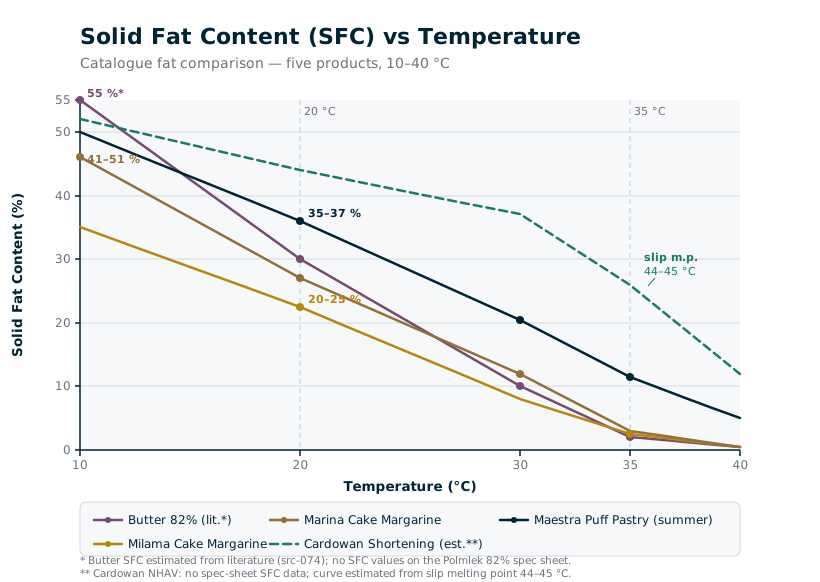 Graph showing how much fat remains solid at different temperatures for butter, cake margarine, laminating margarine and shortening
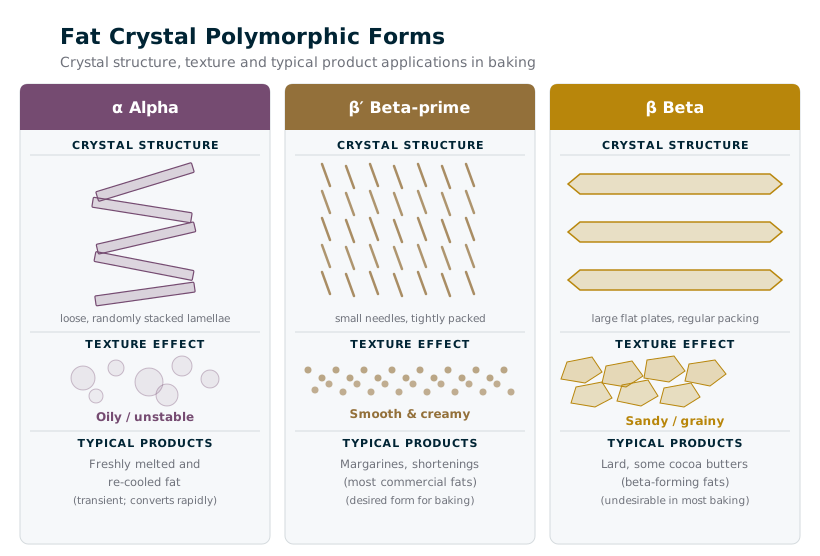 Diagram comparing fat crystal forms: alpha, beta-prime and beta, with their baking texture implications
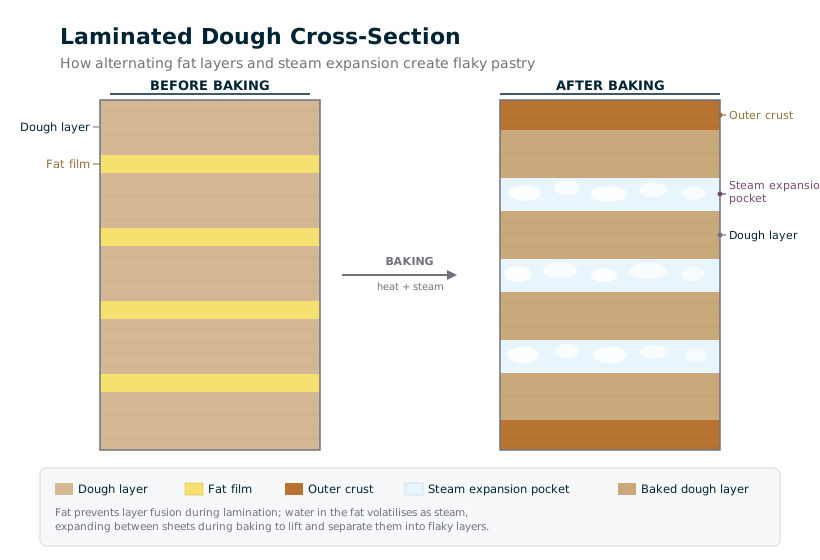 Cross-section of baked laminated pastry showing alternating dough and fat layers creating flaky structure
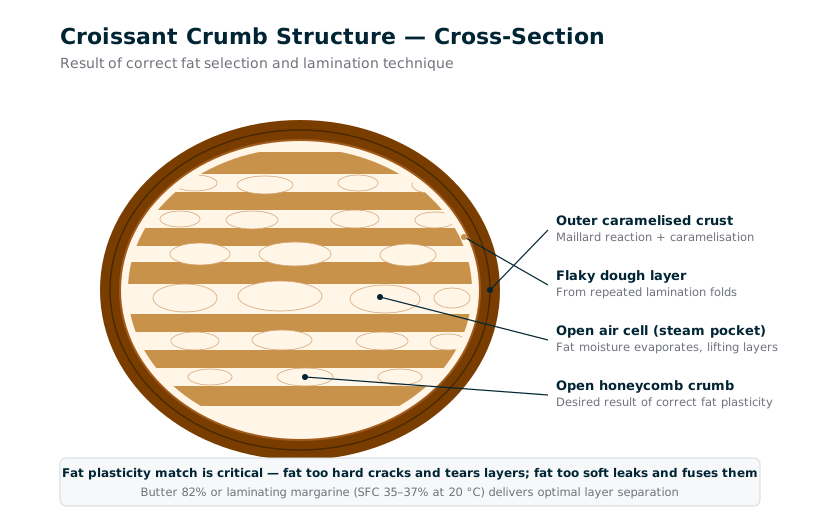 Cross-section of baked croissant showing open layered honeycomb crumb structure
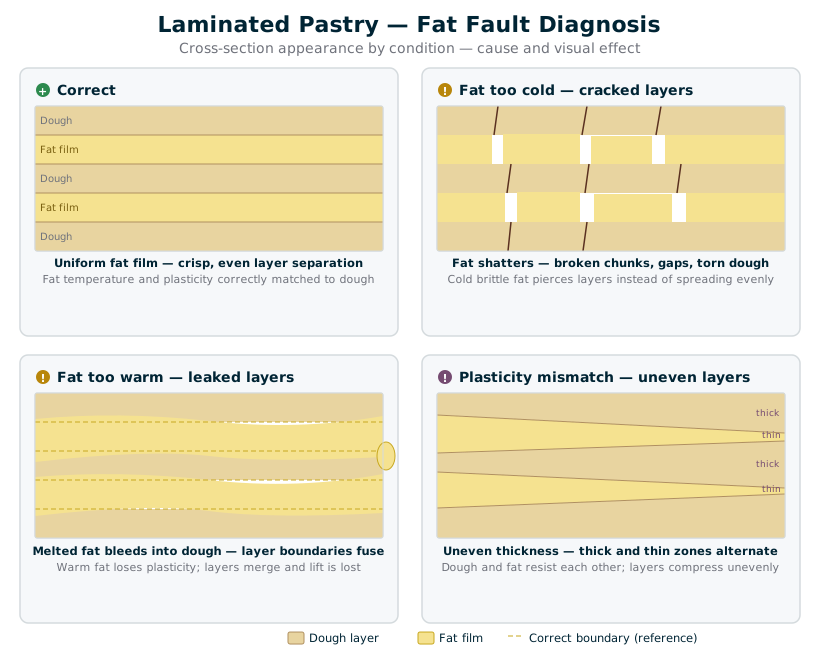 Fault diagnosis diagram for laminated pastry: fat too cold, fat too warm, fat too hard versus correct
Basic shortcrust pastry (baker's %)
Classic shortcrust using chilled solid fat. Fat can be butter, cake margarine or half-and-half blend.
| Ingredient | Baker's % | Weight |
|---|---|---|
| Weak/pastry flour — Soft flour preferred (9–10% protein) | 100 | |
| Solid fat (butter or cake margarine) — Fat % affects shortness; range 40–60%; chill to 5°C before use | 50 | |
| Water (cold) — Adjust for flour moisture; add gradually | 25 | |
| Salt — Reduce if using salted margarine (e.g. Cardowan Crown has 2.5 g/100 g salt ) | 1 | |
| Sugar (for sweet pastry) — Optional | 0–20 |
Yield: 1 kg flour batch
Croissant dough (baker's %) — yeast-laminated
Classic croissant using butter or croissant margarine as roll-in fat. 27 layers (three letter folds).
| Ingredient | Baker's % | Weight |
|---|---|---|
| Strong bread flour — 12–13% protein for gluten structure to hold layers | 100 | |
| Fresh yeast — Or 1% instant dry yeast | 3 | |
| Salt — Adjust if using salted roll-in fat | 2 | |
| Sugar | 10 | |
| Butter or milk — In dough (détrempe) | 10 | |
| Water or milk | 55 | |
| Roll-in fat (butter, tourage butter, or croissant margarine) — 50% of flour weight; use fat at approximately 16–21°C for butter; 18–20°C for Maestra | 50 |
Yield: 1 kg flour batch
High-ratio cake (baker's %) — shortening creaming method
All-in creaming method using high-ratio shortening (pre-whipped with emulsifier). Suitable for dense celebration cakes.
| Ingredient | Baker's % | Weight |
|---|---|---|
| Cake/soft flour — Weak flour (8–9% protein) | 100 | |
| High-ratio shortening (e.g. Cardowan Coronet NHAV HR) — HR shortening contains E471 monoglyceride for stable aeration | 80 | |
| Caster sugar — Higher sugar:flour ratio than conventional cake (hence 'high ratio') | 120 | |
| Whole eggs | 80 | |
| Milk — Add in two stages during mixing | 60 | |
| Baking powder | 3 | |
| Salt | 1 |
Yield: 1 kg flour batch
Oil-based muffin (baker's %) — muffin method
Using liquid oil instead of solid fat. Produces moist, tender crumb that stays soft longer as liquid oil does not re-solidify on cooling.
| Ingredient | Baker's % | Weight |
|---|---|---|
| All-purpose flour | 100 | |
| Liquid vegetable oil (sunflower, rapeseed) — Liquid oil cannot cream/aerate — leavening from baking powder only | 60 | |
| Caster sugar | 80 | |
| Whole eggs | 60 | |
| Milk or buttermilk — Buttermilk reacts with baking soda for extra lift | 100 | |
| Baking powder | 4 | |
| Salt | 1 |
Yield: 1 kg flour batch
High-level comparison of the five principal fat types available to professional bakers. Numbers from spec sheets where available; reference sources otherwise.
| Parameter | Butter 82% | Cake Margarine 80% | Puff Pastry Margarine 80% | Vegetable Shortening 100% | Liquid Oil |
|---|---|---|---|---|---|
| Fat content | min 82% | 80% | 80% | 100% | ~100% |
| Water content | 16% | ~18–19% | ~18–19% | 0% (anhydrous) | 0% |
| Energy per 100 g | 744 kcal / 3058 kJ | 720 kcal / 2960 kJ | 720 kcal / 2960 kJ | 900 kcal / 3700 kJ | ~884 kcal |
| Saturated fat per 100 g | 55 g | 27–39 g (product-specific) | 35–46% SAFA | 38–39 g | varies (14–50 g) |
| Trans fats | Natural (ruminant) small amount | max 1–2% | max 2% | Not stated (non-hydrogenated) | none |
| Crystal form target | Beta + beta-prime mixture | Beta-prime | Beta-prime | Beta-prime | Liquid (no crystals) |
| Allergens | MILK | Absent to soy | Absent (check soy in older specs) | None | None (pure oil) |
| Shelf life (chilled) | 60 days at 0–10°C | 150–182 days | 150 days | 5 months | ~12 months unopened |
| Flavour contribution | Rich dairy — essential flavour | Neutral to buttery (flavoured) | Neutral, slightly fatty | Neutral | Neutral to specific (olive, etc.) |
| Lamination suitability | Yes — narrow temp window | Limited (too soft above 35°C) | Primary application | Yes (HRS formulas) | No |
| Creaming suitability | Excellent (limited plastic range) | Excellent (broader range) | Limited | Excellent (HR type) | No |
| Frying suitability | Poor (low smoke point, burns milk solids) | Poor | Poor | Good (high melting point) | Primary application |
SFC values extracted directly from supplier spec sheets. SFC measures the proportion of fat that is solid at a given temperature. Higher SFC = firmer fat at that temperature. Summer = 15 Apr–31 Aug; Winter = 1 Sep–14 Apr (Kruszwica seasonal split).
| Product | 10°C SFC | 20°C SFC | 30°C SFC | 35°C SFC |
|---|---|---|---|---|
| Kruszwica Maestra Puff Pastry 80% (summer) | not stated | 35–37% | 18–23% | 10–13% |
| Kruszwica Maestra Puff Pastry 80% (winter) | not stated | 33–35% | 17–22% | 9–12% |
| Kruszwica Maestra MB 80% (summer) | not stated | 35–38% | 16–20% | 9–12% |
| Kruszwica Maestra MB 80% (winter) | not stated | 33–36% | 14–17% | 8–10% |
| Milama Cake & Cookie Margarine 80% | not stated | 20–25% | not stated | max 5% |
| Marina Cake Margarine 80% (Solidarity Recipe) | 41–51% | 22–32% | 7–17% | not stated |
| CSM Marvello Cake Margarine 80% | ~34% (target) | 20% (18–24%) | 12% (9.5–13.5%) | 9% (7–11%) |
| AMARG Margaryna Wyborna 80% | not stated | 23–27% | not stated | not stated |
| Cardowan Unsalted Cake Margarine | not stated | not stated (SMP 43°C) | not stated | not stated |
| Cardowan Crown NHAV Pastry | not stated | not stated (SMP 47°C) | not stated | not stated |
| Cardowan HR Shortening | not stated (SMP 44°C) | not stated | not stated | not stated |
| Cardowan Plain Shortening | not stated (SMP 45°C) | not stated | not stated | not stated |
SMP = Slip Melting Point. This is the temperature at which a fat column in a sealed capillary tube begins to move — a simpler measure than full SFC profiling. Products with only SMP data cannot be directly compared on the SFC curve. Butter 82% (Polmlek) does not include SFC in the specification reviewed — literature values suggest approximately 30% SFC at 20°C but this is NOT from the Polmlek spec and should not be used as a product guarantee. Source: supplier spec.
SAFA = saturated fatty acids; MUFA = mono-unsaturated; PUFA = poly-unsaturated; Trans = trans-unsaturated. All values from supplier spec sheets.
| Product | SAFA (g or %) | MUFA (g or %) | PUFA (g or %) | Trans (max) |
|---|---|---|---|---|
| Polmlek Butter 82% | 55 g/100 g | not stated in spec | not stated in spec | natural ruminant (not measured) |
| Milama Cake & Cookie Margarine 80% | 31 g/100 g (41%) | 45% | 13% | <2% |
| Kruszwica Maestra MB 80% | 35 g/100 g (46%) | 42% | 10% | 2% |
| Marina Cake Margarine 80% | 39 g/100 g | 32 g/100 g | 8 g/100 g | max 1% |
| CSM Marvello Cake Margarine 80% | 27 g/100 g | 37 g/100 g | 12 g/100 g | 0.9 g/100 g (non-animal) |
| AMARG Margaryna Wyborna 80% | 18 g/100 g | not stated | not stated | max 1% |
| Cardowan Unsalted Cake Margarine | 30.5 g/100 g | 36.2 g/100 g | 13.2 g/100 g | not stated |
| Cardowan Crown NHAV Pastry | 41.2 g/100 g | 29.8 g/100 g | 8.7 g/100 g | not stated |
| Cardowan HR Shortening (100%) | 38.1 g/100 g | 43.5 g/100 g | 16.2 g/100 g | not stated |
| Cardowan Plain Shortening (100%) | 38.8 g/100 g | 43.5 g/100 g | 15.5 g/100 g | not stated |
Higher SAFA and lower PUFA generally correlates with higher SFC and harder fat at a given temperature. Note that Cardowan Pastry has highest SAFA (41.2 g/100 g) among margarines in the table, consistent with its higher SMP of 47°C. Marvello has lowest SAFA (27 g/100 g) among the 80%-fat margarines. Source: supplier spec.
Requirements for roll-in fats by product type. Spec-sheet and reference sourced.
| Product type | Layers (typical) | Fat SFC at 20°C (ideal) | Working temp (fat) | Fat choice options | Key risk |
|---|---|---|---|---|---|
| Puff pastry (full) | 81–729 | 35–40% | 16–18°C | Butter, laminating margarine | Fat too soft → fused layers; fat too hard → cracks |
| Croissant (viennoiserie) | 27 | 25–35% | 16–18°C | Butter, tourage butter, croissant margarine | Butter melts too easily in warm bakery |
| Danish pastry | 16–27 | 25–35% | 16–18°C | Croissant or Danish margarine, butter | Needs shorter mixing, controlled proofing |
| Flaky pastry (short laminate) | 8–16 | 20–30% | 18–20°C | Butter, hard margarine | Overworked fat → mealy texture |
Diagnosis and correction for faults caused by incorrect fat selection or temperature. Sources: spec sheet handling guidance + reference sources.
| Fault symptom | Probable fat-related cause | Diagnosis | Correction |
|---|---|---|---|
| Fat cracks and breaks when sheeted; dough tears at lamination points | Fat too cold / too hard | Fat plasticity below working temperature. SFC at room temp too high for current ambient conditions. | Temper fat to recommended temperature before folding. For Maestra: 18–20°C. For butter: approximately 16–21°C. Use temperature probe, not finger-touch only. |
| Fat oozes out of dough during sheeting; layers fuse; greasy exterior | Fat too warm / too soft | Fat has partially or fully melted into dough. SFC at ambient temperature too low. | Cool dough and fat. Rest dough in refrigerator (4–5°C) for 20–30 min between folds. For butter: narrower temp window than margarine. In warm bakeries, use laminating margarine instead of butter. |
| Visible fat pockets after baking; poor rise in puff pastry; layers not separated | Fat and dough have different plasticity / consistency | Fat too hard or too soft relative to dough. Layers merge without creating steam pockets. | Match fat firmness to dough firmness. Scale dough recipe to avoid very stiff or very slack doughs. Consider dedicated laminating margarine with wider plastic range (e.g. Maestra). Avoid using cake margarine for lamination — SFC at 35°C drops to <5%, causing layer collapse. |
| Croissant dough is too sticky and difficult to fold; fat absorbed into dough | Dough too warm, fat too soft, or rest periods too short | Lamination rest periods insufficient. Fat partially absorbed. | Extend refrigerator rest between folds (minimum 20 min at 4°C). Ensure dough and fat are at same temperature before encasing fat block. |
| Puff pastry does not lift during baking; dense, compact layers | Fat with insufficient SFC at bake entry temperature; or layers fused | Fat melted before steam had time to separate layers. Oven temperature may also be too low initially. | Verify fat SFC at 30–35°C. High-lift puff pastry needs SFC ≥ 10% at 35°C. Use Maestra Puff Pastry (SFC at 35°C: 9–13% ). Bake from refrigerator-cold; preheat oven well. |
| Shortcrust pastry is tough and chewy rather than crumbly | Fat not sufficiently coating flour before water was added; or overmixing | Gluten strands formed before fat could inhibit them. | Ensure fat is correctly chilled (5°C) and fully rubbed in before any water is added. Do not overmix after water addition. For softer, colder handling: use cake margarine with SFC 23–27% at 20°C for more plastic range than butter. |
| Cake has dense crumb; poor volume in butter cake recipe | Butter too cold for creaming; insufficient air incorporation | Fat at <15°C does not cream efficiently. Butter plastic range can be narrow. | Temper butter to 18–21°C before creaming. If a wider creaming window is needed, switch to cake margarine (e.g. Marvello SFC 20% at 20°C, slightly softer than butter at same temp). |
- Product:
- Polmlek Unsalted Butter 82% Fat
- Fat pct:
- min 82
- Water pct:
- 16
- Energy kcal per100g:
- 744
- Sat fat g per100g:
- 55
- Allergens:
- MILK, LACTOSE
- Shelf life chilled:
- 60 days 0–10°C
- Shelf life frozen:
- 12 months -18 to -22°C
- Product:
- Milama Cake & Cookie Margarine 80% 10 kg
- Fat pct:
- 80 ± 0.5
- Sfc 20c:
- 20–25%
- Sfc 35c:
- max 5%
- Trans max pct:
- 2
- Sat fat g per100g:
- 31
- Shelf life:
- 150 days 4–15°C
- Application:
- cakes and cookies
- Product:
- Kruszwica Maestra Puff Pastry Margarine 80% 10 kg
- Fat pct:
- 80 ± 0.5
- Sfc 20c summer:
- 35–37%
- Sfc 20c winter:
- 33–35%
- Sfc 30c summer:
- 18–23%
- Sfc 35c summer:
- 10–13%
- Recommended use temp c:
- 18–20
- Erucic acid max pct:
- 2
- Application:
- puff pastry, demi-feuilletée
- Shelf life:
- 150 days max 4–10°C
- Product:
- Kruszwica Maestra Puff Pastry MB Margarine 80% 10 kg
- Fat pct:
- 80 ± 0.5
- Sfa pct:
- 46
- Sat fat g per100g:
- 35
- Trans max pct:
- 2
- Sfc 20c summer:
- 35–38%
- Sfc 30c summer:
- 16–20%
- Sfc 35c summer:
- 9–12%
- Erucic acid max pct:
- 0.5
- Rspo:
- Mass Balance (CU-RSPOSCCS-828140)
- Shelf life:
- 150 days 4–15°C
- Product:
- Marina Cake Margarine 80% 10 kg (Solidarity Recipe)
- Fat pct:
- 80
- Sfc 10c:
- 41–51%
- Sfc 20c:
- 22–32%
- Sfc 30c:
- 7–17%
- Trans max pct:
- 1
- Sat fat g per100g:
- 39
- Allergens crosscontam:
- MILK (ZK — possible cross-contamination)
- Application:
- shortcrust, yeast, wheat pastry doughs
- Product:
- CSM HXH Marvello Cake Margarine 12.5 kg
- Fat pct:
- 80
- Sat fat g per100g:
- 27
- Trans g per100g:
- 0.9
- Sfc 20c:
- target 20% (interval 18–24%)
- Sfc 30c:
- target 12% (interval 9.5–13.5%)
- Moisture pct:
- 15–20
- Salt pct:
- 2
- Kosher:
- true
- Halal:
- true
- Rspo:
- Mass Balance
- Shelf life:
- 182 days 14–18°C
- Product:
- Cardowan Plain NHAV Unsalted Cake Margarine 12.5 kg
- Fat pct:
- 81.6
- Slip melt c:
- 43
- Sat fat g per100g:
- 30.5
- Salt g per100g:
- 0
- Rspo:
- Segregated or Mass Balance (BMT-RSPO-000023)
- Shelf life:
- 5 months
- Product:
- Cardowan Crown NHAV Pastry Margarine 12.5 kg
- Fat pct:
- 82
- Slip melt c:
- 47
- Sat fat g per100g:
- 41.2
- Salt g per100g:
- 2.5
- Rspo:
- Segregated or Mass Balance (BMT-RSPO-000023)
- Shelf life:
- 5 months
- Product:
- Cardowan Coronet NHAV HR Shortening 12.5 kg
- Fat pct:
- 100
- Slip melt c:
- 44
- Air content pct:
- 12
- Sat fat g per100g:
- 38.1
- Salt g per100g:
- 0
- Emulsifier:
- E471 (distilled monoglyceride)
- Rspo:
- Segregated or Mass Balance (BMT-RSPO-000023)
- Shelf life:
- 5 months
- Product:
- Cardowan Plain Box NHAV Shortening 12.5 kg
- Fat pct:
- 100
- Slip melt c:
- 45
- Air content pct:
- 12
- Sat fat g per100g:
- 38.8
- Salt g per100g:
- 0
- Emulsifier:
- none
- Rspo:
- Segregated or Mass Balance (BMT-RSPO-000023)
- Shelf life:
- 5 months
Buy the ingredients
Catalogue products and brands referenced in this article.

Unsalted Butter 82% 25 kg
Unsalted Butter 82% 10 kg
Milama Cake & Cookie Margarine 10 kg
Puff Pastry Margarine 80% 10 kg
Koneser Cake Margarine 80% 10 kg

Puff Favorit Laminating Margarine 10 kg
Mimetic 32 Lamination Fat 10 kg
Tourage Croissant Butter 10 kg (5 × 2 kg)

Qualita Plain Cake Margarine 80% 10 kg
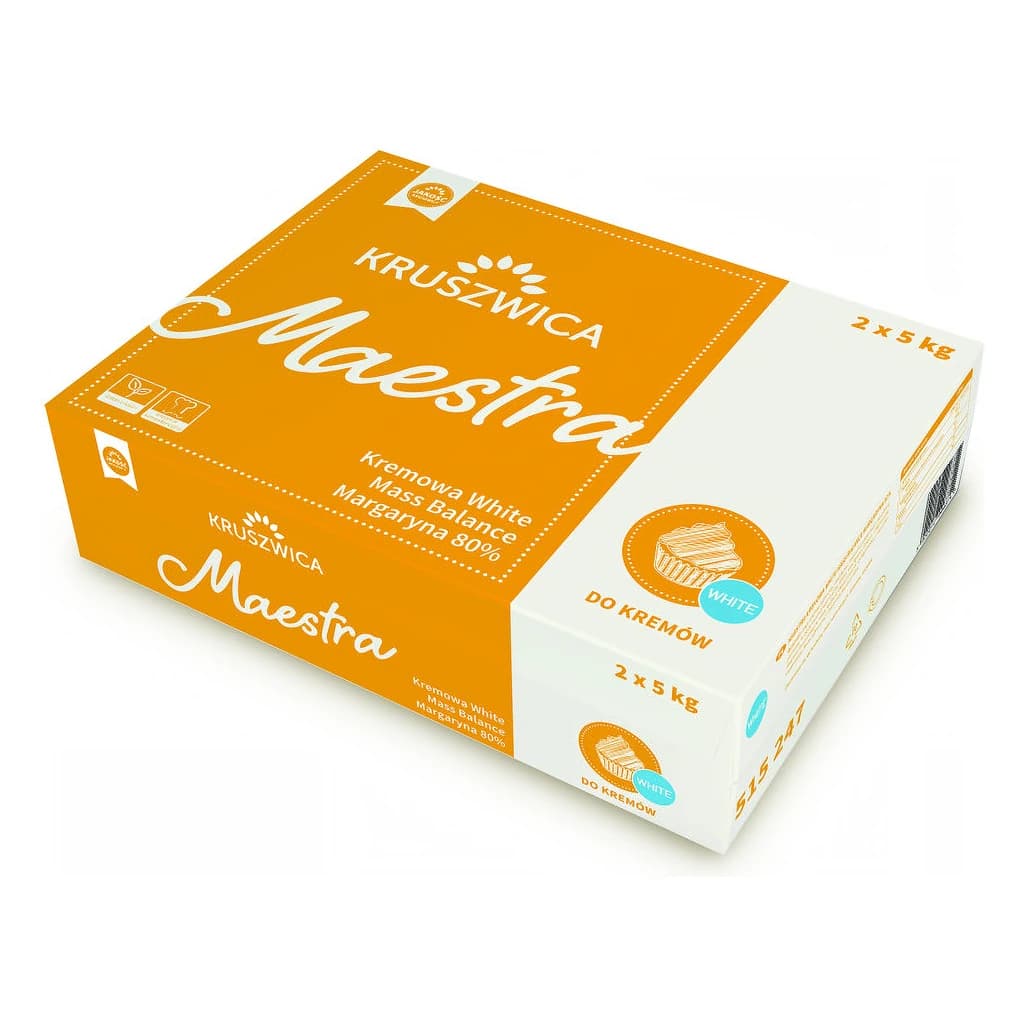
Maestra White Cream Margarine 80% 10 kg
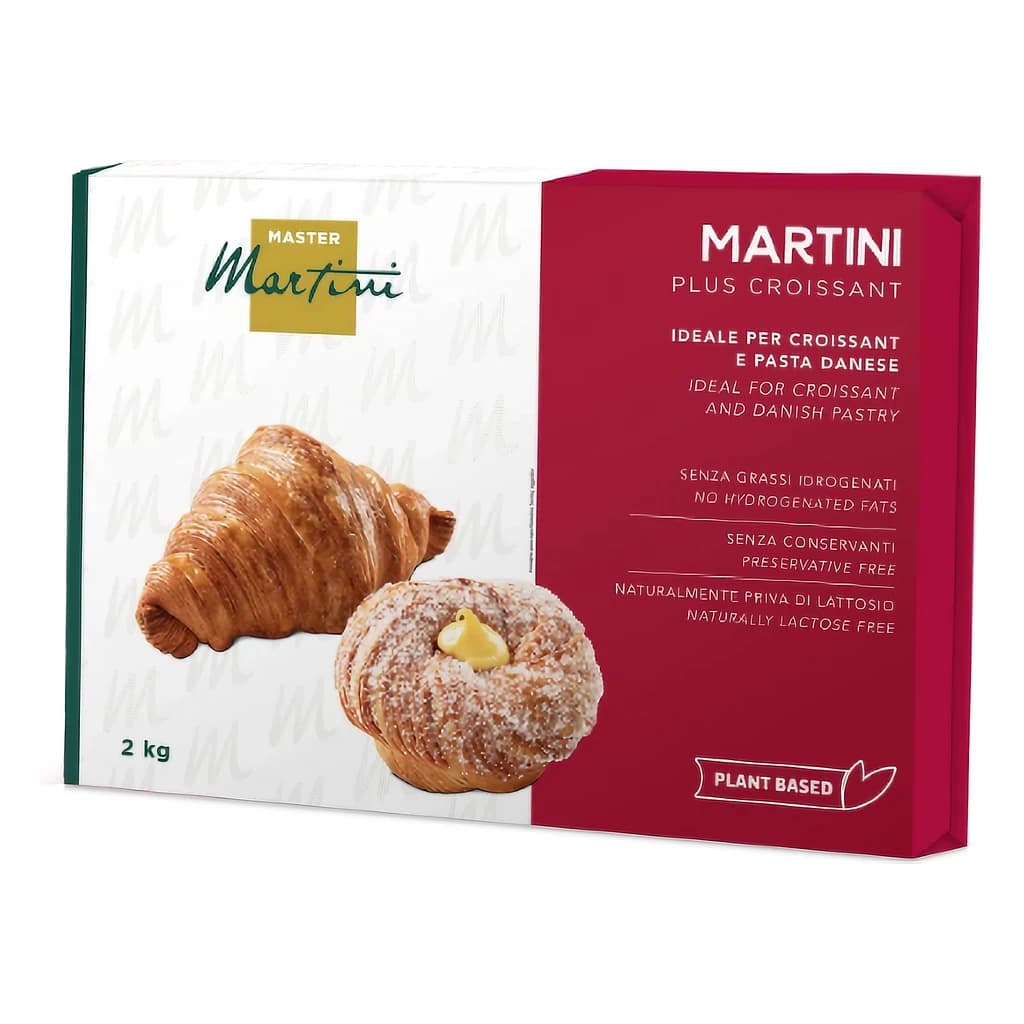
Plus Croissant Margarine 10 kg (5 × 2 kg)
Marina Cake Margarine 80% 10 kg (Solidarity Recipe)
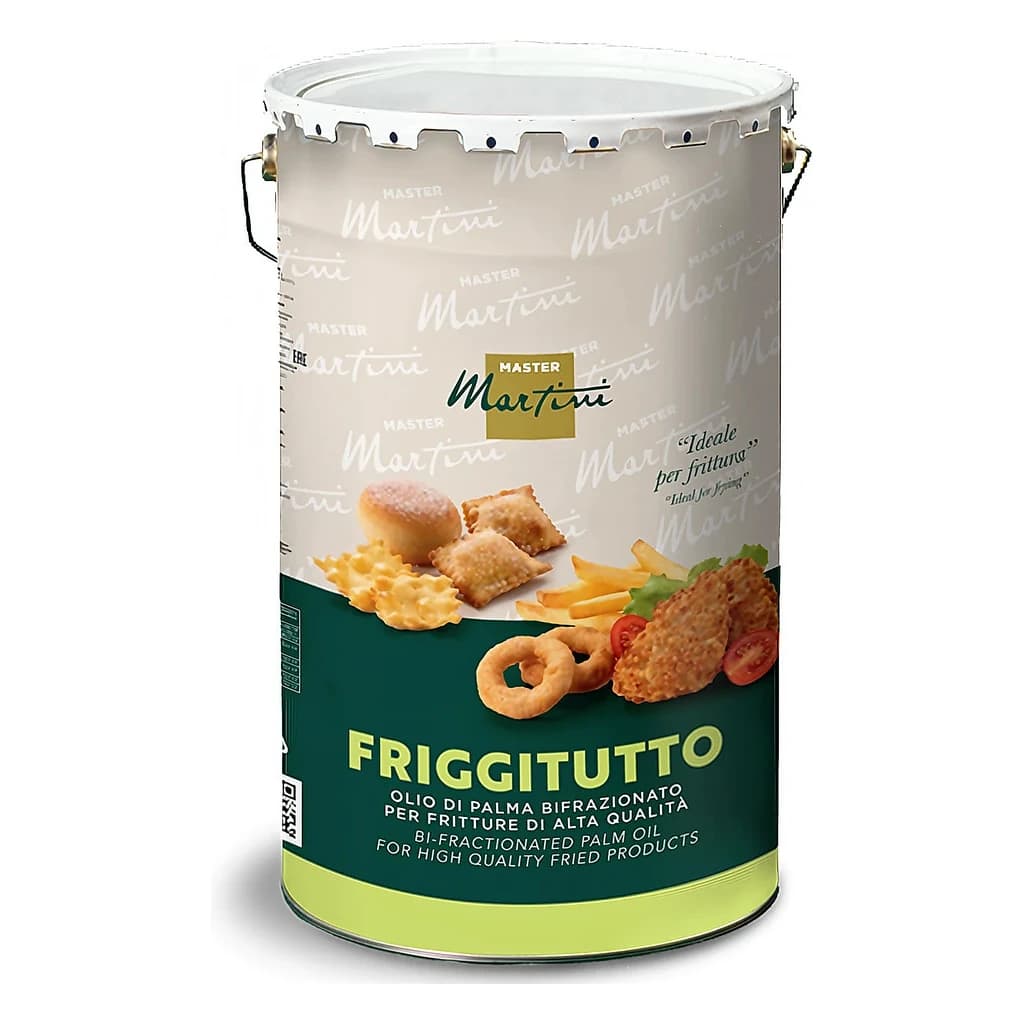
Palm Frying Oil 25 L (22.7 kg)
Qualita NP Palm-Free Margarine 80% 10 kg
Flex Quatro Danish Pastry Margarine 12.5 kg

High Ratio Vegetable Shortening 12.5 kg
Unsalted Cake Margarine 12.5 kg
Vegetable Shortening 12.5 kg
Puff Pastry Margarine 12.5 kg
Marvello Cake Margarine 12.5 kg
Lard