
Piping & sugar-work: pressure control, nozzle selection, and a path to pulled sugar & isomalt
The decorating skill with the highest return on practice — and a clear path from a first star tip to a showpiece. It starts with the two controls behind every piped shape (pressure and bag angle: 90° for upright stars and rosettes, 45° for shells, lines and writing), then the bag itself (disposable, reusable, parchment cornet, coupler) and a full nozzle-family chart (round, open/closed star, French, drop flower, petal, leaf, basketweave, grass, Russian). It then chooses the medium: buttercream (Italian meringue and Korean pipe sharpest; French should not be piped), royal icing (stiff/medium/soft peak for piping; the 5-10s / 15-20s seconds-count for flooding; Lambeth overpiping for inspiration), piped meringue, and stabilised whipped cream. Colour is covered as a format decision (powder for hot sugar and deep shades, gel for icing) with first-party EU dose limits, and the article bridges into showpiece sugar-work — pulled sugar at hard crack (~150°C) and isomalt cooked ~170°C and worked ~135°C — handing the deep chemistry to the sister article A6-sugar-work-techniques. First-party numbers come from supplier spec sheets (Ovopol egg-white powder, Zeelandia Beza Bianca meringue mix, Emix cream stabiliser, BENEO isomalt, Food Colours gel and powder). Food-safety flags: pasteurised egg for royal icing, pork gelatin in the cream stabiliser, the Carmoisine (E122) child-attention colour warning, sulphite carry-over in gel colour, and hot-sugar burns.
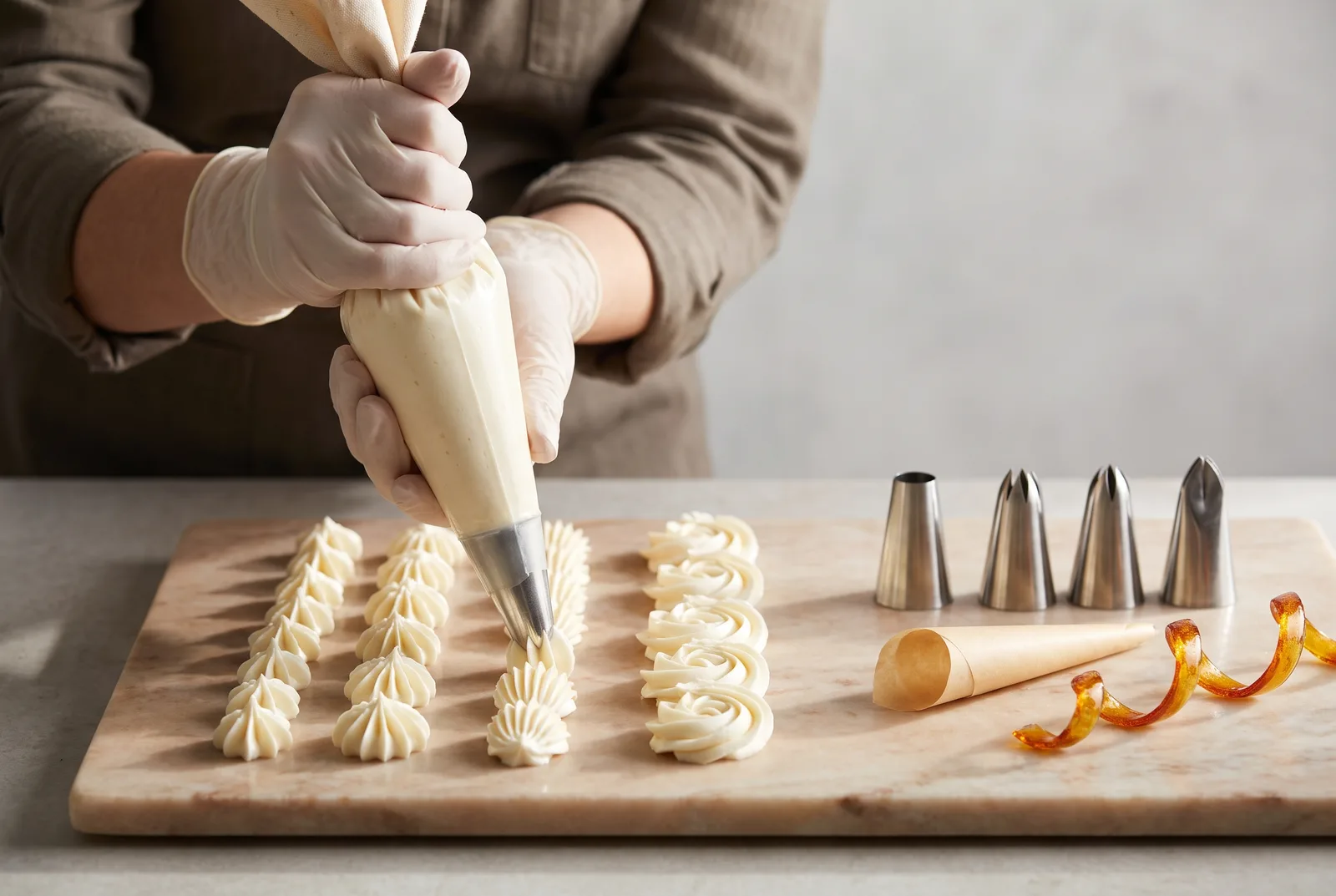
Piping & sugar-work: from a first star tip to a showpiece
Piping is the decorating skill with the highest return on practice. One bag, one tip and a tub of buttercream turn a plain cupcake into something a customer pays for; the same hands, a few years on, pull a sugar flower for a competition piece. This article is built as that progression path — it starts with the two controls behind every piped shape, walks the tools and mediums a working bakery actually buys, and ends by handing you over to showpiece sugar-work (see ). The deep sugar chemistry — cooking stages, crystallisation, doctoring agents, detailed burn safety — lives in the sister article A6 — Sugar work for confectioners; here we focus on the bench and the look.
1. The two controls behind every piped shape: pressure + angle
Almost everything you pipe from a star or round tip is a combination of how hard you squeeze and how you hold the bag (see and the table below).
- Pressure controls size and finish. More pressure makes a bigger shape; less makes a smaller one. The decisive habit is the release: build steady pressure while the shape forms, then stop squeezing completely before you lift or pull away, so it ends in a clean point instead of a torn tail .
- Angle controls form. Hold the bag vertical (90°) for upright shapes — stars, rosettes, dots, drop flowers. Tilt it to 45° for shells, borders, lines, ropes and writing. The same star tip makes a star at 90° and a shell at 45° — angle plus pressure, nothing else.
Master these two before buying more tips. A beginner with one star tip and good pressure control out-pipes someone with fifty tips and none.
2. The bag: disposable, reusable, cornet — and the coupler
The bag is the part most people set up wrong (see ).
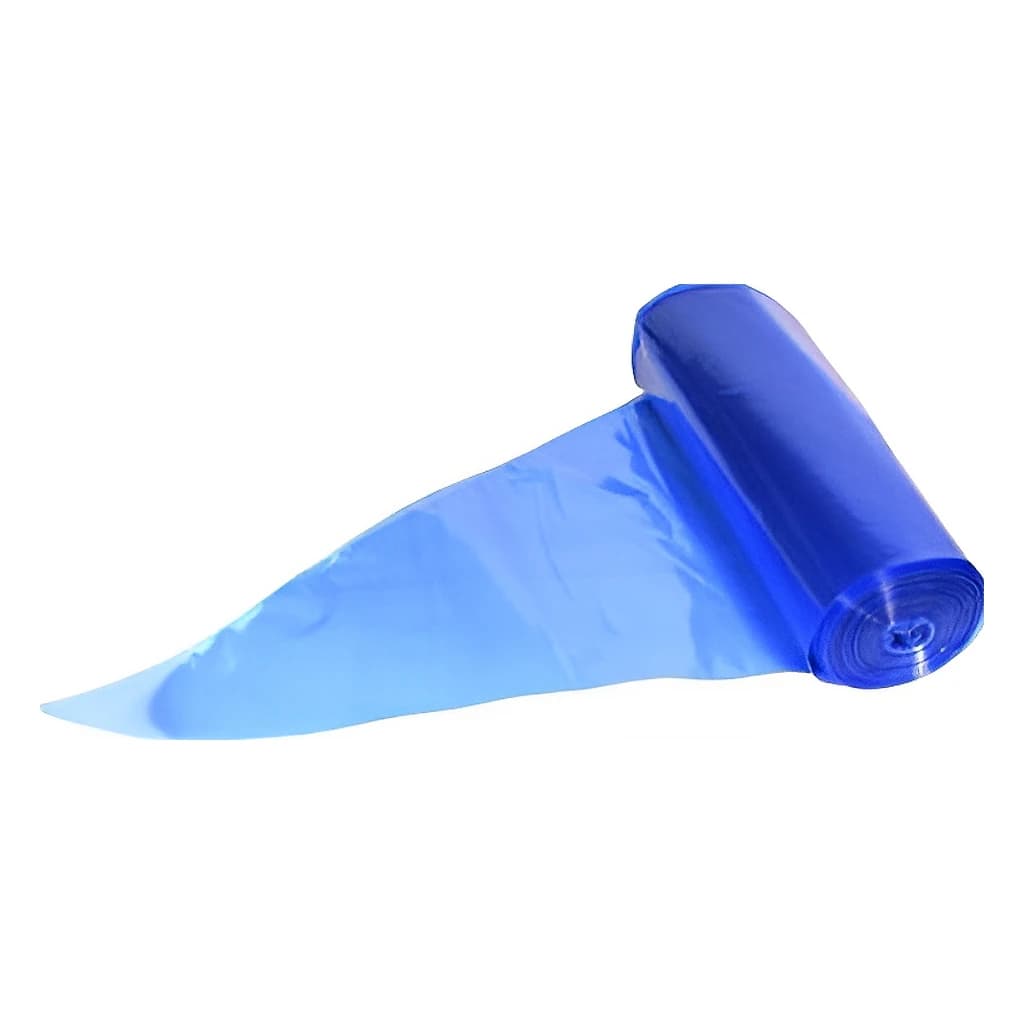
- Disposable bags (plastic) are the workhorse — cheap, hygienic, no washing; the catalogue's Disposable Blue Piping Bags 525 mm are a large-format roll for production.
- Reusable (featherweight/nylon) bags are durable and hold more, but must be washed and dried thoroughly — better for one repeated job than for changing colours.
- Parchment cornet — a hand-rolled paper cone, snipped to a hole finer than any metal tip, is the tool for the most detailed lines and lettering; it is disposable and gives total control.
- The coupler is a two-part collar that lets you swap tips on one filled bag without emptying it — essential when a design needs several tips in one colour.
Fill it properly: fold a cuff down over your hand, drop in the tip (or coupler + tip), half-fill — never more — fold the cuff back up, and twist the top to load even pressure. An over-full bag bursts at the top; a half-full bag with a twisted tail pipes evenly.
3. Nozzle selection: the families that matter
You do not need a wall of tips; you need to know the families and what each makes (full chart in and the table below). Tip numbers below follow the widely used Wilton system.
- Round / plain (#2, #3, #2A; large for filling) — dots, pearls, lines, writing, outlining, choux, macarons, beads. The first tip to master.
- Open star (#21, #18, #1M) — soft, defined swirls, rosettes, shells, stars, borders. The single most useful decorating tip.
- Closed star (#2D) — the points curl in for deeper grooves and a more dramatic swirl.
- French star — many fine teeth for an elegant ribbed rope and rosette; the catalogue's One-Piece French Star Piping Nozzles.
- Drop flower (#2C, #106, #107) — a whole little flower in one squeeze.
- Petal (#104, #59, #123) — rose and tulip petals, ribbons, ruffles, drapes; the gateway to piped flowers.
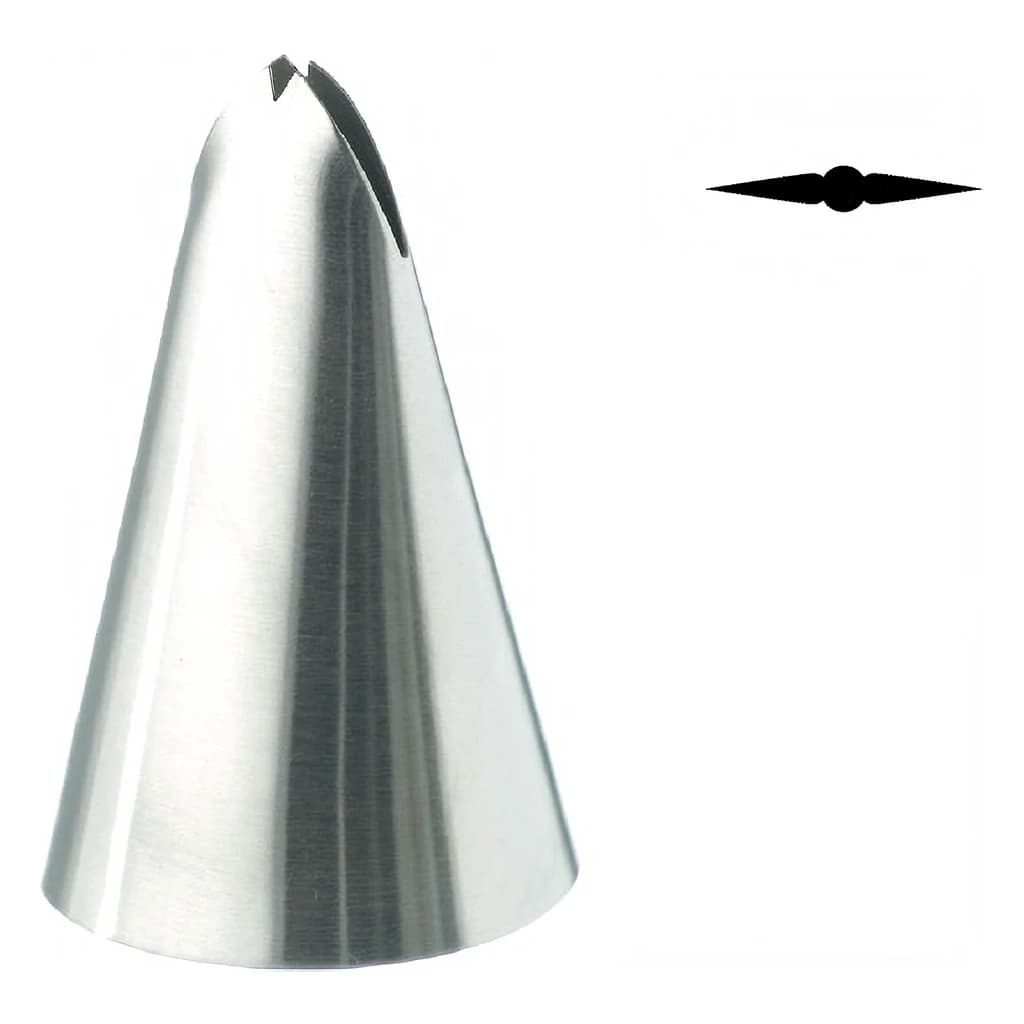
- Leaf (#352, #65, #113) — veined flat, ruffled or stand-up leaves; the catalogue's Leaf Piping Nozzle Large.
- Basketweave (#47, #45-#48) — flat, smooth or serrated, for woven basket texture and ribbons .
- Grass / multi-hole (#233) — grass, fur, hair in instant multi-strands.
- Russian flower tips — a shaped stencil that pipes a whole flower in one squeeze for fast bouquets; the catalogue stocks Russian Flower Decorating Tips 25 mm.
Buy as sets. The catalogue's Stainless Steel Piping Tips Set 52+3, Bos Big Decorating Tip Set 36 pc, Schneider Piping Nozzle Set + Berliner Spout and the Star Piping Tubes Set 3-13 mm cover the families above; a Berliner/filling spout doubles the same kit for injecting doughnuts and choux. Catalogue tooling is shown in.
4. Choosing the medium
What you pipe matters as much as how. The chooser is the table below; the four piped mediums are below.
4.1 Buttercream — which pipes best
Not all buttercream pipes the same (full grid in the table below, and ):
- Italian meringue buttercream — the most stable and least sweet; holds the finest detail and sits out in a warm kitchen. The choice for intricate piping.
- Korean buttercream — very glossy and shape-holding; the flower-piping favourite for petal and Russian-tip bouquets (see ).
- American buttercream — the sweetest, easy to pipe, and it crusts — forgiving for borders and beginners.
- Swiss meringue — silky and smooth but softer; better for a smooth coat than for fine detail.
- German (custard) buttercream — rich, holds moderate shape; more a filling than a detail medium.
- French buttercream — the richest, but the least stable: do not try to pipe detail with it, it slumps.
Safety note — French buttercream: raw egg yolks. French buttercream is made with raw egg yolks, which carry the same Salmonella risk as raw fresh egg whites in royal icing (see § 4.2 below). Do not serve to children, pregnant women or the immunocompromised unless made with a pasteurised whole-egg or pasteurised-yolk base.
The catalogue's Zeelandia Buttercream Mix is a ready base; finish the consistency for piping per the formula card below and section 6 below.
4.2 Royal icing — the precision medium
Royal icing pipes sharp and dries hard and glossy — the medium for run-outs, lettering, lace, sugar flowers and Lambeth overpiping. The one thing to control is consistency (the table below):
- Stiff peak — holds its shape indefinitely: piped flowers, leaves, 3D detail, overpiping.
- Medium peak — holds moderate detail: textured borders, lettering with body.
- Soft peak — flows smoothly: outlining, fine detail, lettering.
- Flood / run-out — thinned until a dragged line closes back up in about 5-10 seconds; outline first, then flood inside to a flat glossy fill. A combined "one consistency" medium that both outlines and floods sits at about 15-20 seconds.
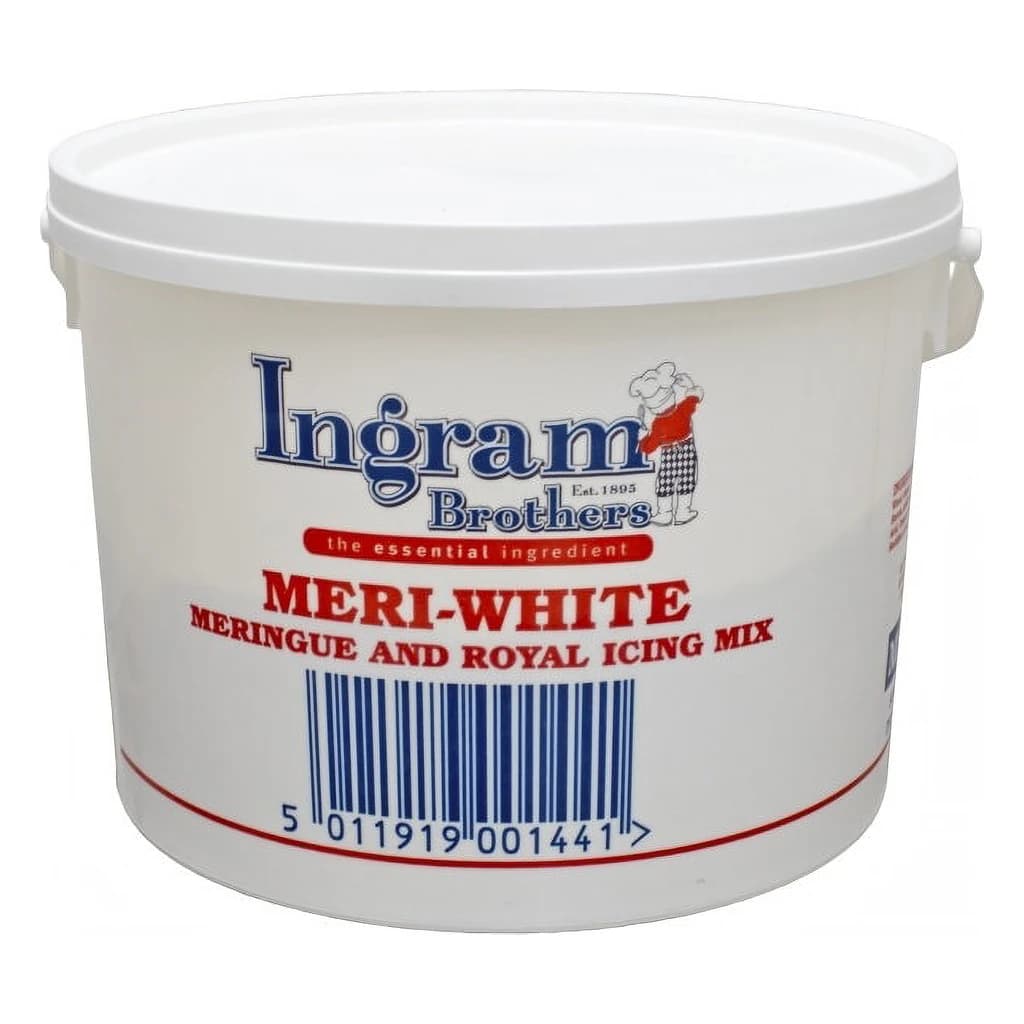
Food-safety flag — use pasteurised egg for royal icing. Royal icing made from raw fresh egg white carries a Salmonella risk. Use a pasteurised source — pasteurised dried egg-white/albumen powder, pasteurised liquid egg white, or a meringue/royal-icing mix — which gives the same stiff, glossy, fast-drying texture without the risk. This is essential for children, pregnant women and the immunocompromised. The catalogue's Meri-White Meringue & Royal Icing Mix and Ovopol Egg White Powder (High Foaming) are the pasteurised routes — the Ovopol albumen is desugared and pasteurised, protein min 80%, reconstituted 1:9 with water (1 kg ≈ 316 fresh whites of 50 g) . Both contain EGG — declare it.
The royal-icing method (stiff for piping, thin for flooding) is in the formula card below.
4.3 Piped meringue
A meringue mix gives a food-safe (pasteurised-albumen) piped meringue for kisses, shells and nests (see ). The catalogue's Zeelandia Beza Bianca is a concentrate mix (sugar + egg white powder + thickener E466 + E330 + salt); its own datasheet recipe is 1000 g Beza Bianca + 900 g sugar + 1000 g water at min 75°C, whisked ~8 minutes at high speed, piped, then dried/baked at 100-120°C for a minimum of 75 minutes (391 kcal/100 g) (the formula card below).
Allergen flag — Beza Bianca. Contains EGG, and may contain cereals with gluten (wheat/rye/barley/oat), soya, milk and sesame — declare on the finished product.
4.4 Stabilised whipped cream
Plain whipped cream slumps within the hour; a cold-mixed stabiliser lets it hold a crisp piped shape for patisserie — a Mont-Blanc vermicelli, a choux ring, a verrine (see ). The catalogue's EmiFOND/EmiMix Cream Stabiliser is added cold to whipped Credin Whipping Top Cream or dairy cream and whipped to firm, pipeable peaks (the formula card below).
Faith/diet flag — pork gelatin. The EmiFOND 'natural' stabiliser is sugar + PORK gelatin + modified starch, so cream piped with it is not halal, not kosher and not vegetarian — critical for this platform's Muslim and observant customers; use an agar/carrageenan or vegetable-based stabiliser for those audiences. The supplier also states it is not for babies or diabetics, and cross-contamination with gluten, egg, soya and milk is possible (the yoghurt flavour contains milk). And cream is a high-risk food — keep the finished product refrigerated.
5. Colour: a format decision
For decoration, the question is rarely "which colour" but which format — because the wrong carrier ruins the medium (full grid in the table below):
- Powder (no carrier, dye ≥85%) — the colour for hot sugar and isomalt and for deep shades, because it adds no water that would shock or thin the medium. Catalogue: Food Colour — Powder; max 0.2 g per 1 kg finished product for decorations .
- Gel / paste (glucose-syrup + glycerine carrier) — the everyday colour for buttercream, royal icing and fondant: intense, with little added water. Catalogue: Food Colour — Gel; max 21.0 g per 1 kg finished product for decorations .
- Liquid (water-based) — soft tints in wet mixes; never for hot sugar (it shocks and grains it). Catalogue: Food Colour — Liquid.
- Airbrush — shading, ombré and stencilling over set surfaces. Catalogue: Food Colour — Airbrush.
Note — colour dosage figures. The dosage figures above (0.2 g/kg powder, 21.0 g/kg gel) are supplier-stated product usage rates derived from the maximum dye concentrations in Reg (EU) 1333/2008 Annex II (which expresses limits as mg/kg pure dye in finished food). They reflect one representative product in one food category; the correct rate for your product depends on its dye concentration and the specific food category — verify against the current supplier spec sheet before production.
EU regulatory flag — E171 titanium dioxide (white and pastel colours). E171 (titanium dioxide / CI 77891) was banned as a food additive in EU member states on 7 August 2022 (Regulation (EU) 2022/63) and cannot be used in food sold in EU countries. It remains authorised in Great Britain. E171 can appear in white and pastel gel, airbrush and liquid colours, white fondant and some icing sugar blends. Check the ingredient list of every colour product before use in EU markets; if it lists E171, titanium dioxide or CI 77891 it is not legally usable as a food additive in the EU.
Safety flag — edible vs non-toxic metallic and shimmer dusts. 'Non-toxic' on a metallic, pearl or shimmer dust means it will not cause acute poisoning — it does not mean edible or food-safe. CDC investigations documented vomiting and lead poisoning in children from 'non-toxic' decorative cake dusts containing copper and lead. Only use metallic, pearl or shimmer dusts that carry a full EU/UK food-additive ingredient declaration (e.g. mica-based pigments with approved EU/UK food-colour approval). For gold (E175) and silver (E174): these are authorised EU/UK food colourants exclusively for surface coating of confectionery and chocolates — not for mixing into a food in bulk; any gold or silver product used for edible surface work must declare E175/E174 on its label.
Legal flag — child-attention warning. The catalogue Black WS-P powder colour contains Carmoisine (E122), one of the six "Southampton" colours that under EU Reg 1333/2008 Annex V must carry the statement "may have an adverse effect on activity and attention in children" . Check each colour you buy.
Allergen flag — gel colour. The gel colour carries a sulphite carry-over (the glucose syrup it is made from used SO₂, residue up to 15 mg/kg, above the 10 mg/kg declaration threshold) and is made in a factory using soya lecithin (may-contain soya).
6. Faults: what makes piping look amateurish
Most piping faults are consistency, temperature or trapped air (full finder in the table below; see ):
- Air holes / blow-outs in stars → air beaten in. Mix buttercream on low with a paddle (not a whisk), and beat by hand or microwave-and-stir a portion to knock out bubbles before piping detail .
- Piping droops → medium too soft, or warm hands softening the bag. Stiffen with icing sugar or chill, and chill the filled bag ~1 minute between batches.
- Buttercream split / curdled → a temperature mismatch (butter too soft, liquid too cold). Chill and re-whip, or warm gently over a water bath and re-emulsify.
- Too stiff, ragged peaks, clogged tip → under-hydrated. Add liquid (buttercream) or water drop-by-drop (royal icing).
- Royal-icing line breaks / craters when flooding → wrong consistency. Outline at soft peak; flood at ~5-10 s; pop bubbles with a scribe.
- Lambeth overpiping slumps / won't stack → icing too soft, or the next layer added before the last dried. Use stiff icing and let each layer dry fully.
- Colour thins the icing or shocks the sugar → liquid colour in the wrong place. Use gel for icing, powder for hot sugar.
7. Inspiration: where pressure control takes you
Piping is a discipline with a deep ceiling. A few directions worth aiming at:
- Rosette and shell borders with a large open-star tip — the fastest way to a finished-looking cake, all in even pressure (see ).
- Buttercream flowers with petal and Russian tips, in the glossy Korean style — a whole bouquet from a bag (see ).
- Royal-icing run-outs, brush embroidery and string/lace work — the precision a parchment cornet and stiff icing unlock (see ).
- Lambeth (English over-piping) — Joseph Lambeth's 1930s technique of piping a shape, letting it set, and piping over it again to build sculptural height in stiff royal icing; the deepest test of pressure control, and back in fashion in bold colours and gold (see ). For edible gold or silver leaf and dust: only use products that declare E175 (gold) or E174 (silver) as EU/UK authorised food colourants — they are permitted exclusively for surface coating of confectionery and chocolate, not for mixing into the icing in bulk; see the colour notes in § 5.
8. The bridge to sugar-work: pulled sugar & isomalt basics
The same control of temperature and the same patient hands carry into showpiece sugar-work — the top of the progression (see and the formula card below).
- Clear pulled/cast sugar is cooked to hard crack (~150°C) and pulled off the heat before it caramelises; folding and pulling the mass develops its characteristic satin, pearlescent sheen .
- Isomalt is the modern showpiece material: cooked hot (~170-171°C / 340°F, up to ~175°C for strong cast/blown pieces — without exceeding, or it discolours), then worked at about 135°C / 275°F to pour, cast, pull or blow, kept pliable under a heat lamp. The catalogue's Isomalt ST-PF (a <0.1 mm fine powder) is 970 kJ/233 kcal per 100 g, 97 g polyols, resists crystallisation (no glucose/acid doctoring needed) and holds gloss far longer in humidity than cooked sucrose; it is Kosher, Halal, vegan and needs no allergen labelling. The figure below shows the showpiece end of the path.
- For clear sucrose work the catalogue stocks Glucose Syrup (the doctoring agent) and Caster Sugar; colour with powder so you add no water.
Safety flag — hot sugar. Molten sugar and isomalt at 150-170°C cause severe sticking burns — gloves and a bowl of iced water to hand. Store finished pieces airtight with a silica-gel desiccant (both are hygroscopic). Isomalt is a polyol with the EU >10% added-polyol laxative-labelling rule. The full hot-sugar safety, the cooking-stage chart and the crystallisation/doctoring chemistry are in A6 — Sugar work for confectioners — read it before any sugar boil.
9. What to buy from the Domson catalogue
- Tips & nozzles: Stainless Steel Piping Tips Set 52+3; Bos Big Decorating Tip Set 36 pc; Schneider Piping Nozzle Set + Berliner Spout; Star Piping Tubes Set 3-13 mm; One-Piece French Star Nozzles; Leaf Piping Nozzle Large; Russian Flower Decorating Tips.
- Bags: Disposable Blue Piping Bags 525 mm.
- Buttercream & royal icing: Zeelandia Buttercream Mix; Meri-White Meringue & Royal Icing Mix; Ovopol Egg White Powder (pasteurised — EGG).
- Meringue & cream: Zeelandia Beza Bianca Meringue Mix (EGG); EmiFOND Cream Stabiliser (pork gelatin); Credin Whipping Top Cream.
- Colour: Food Colour Powder (for hot sugar & deep shades); Gel; Liquid; Airbrush.
- Sugar-work: Isomalt ST-PF; Glucose Syrup; Caster Sugar; Icing Sugar CP; Nibbed Sugar.
- Sugar flowers (cold): White Flower Paste — the gentle entry to modelled sugar flowers alongside piped ones.
Supplier and inspiration photography to assemble for this article is catalogued in images.json
( to ); the operator holds supplier-photo permission and will make final
selections.
Figures
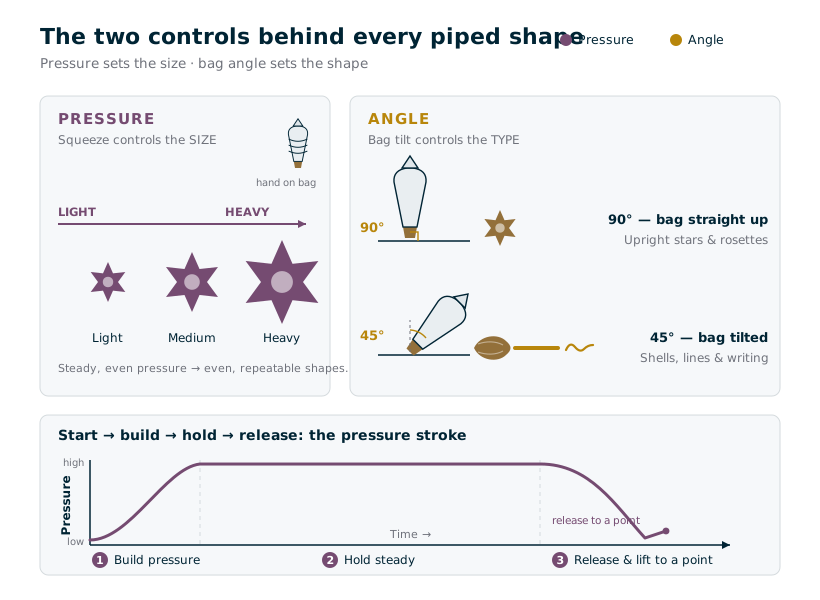 Diagram showing that piping is controlled by pressure (squeeze size) and bag angle: 90 degrees for upright stars, 45 degrees for shells, lines and writing
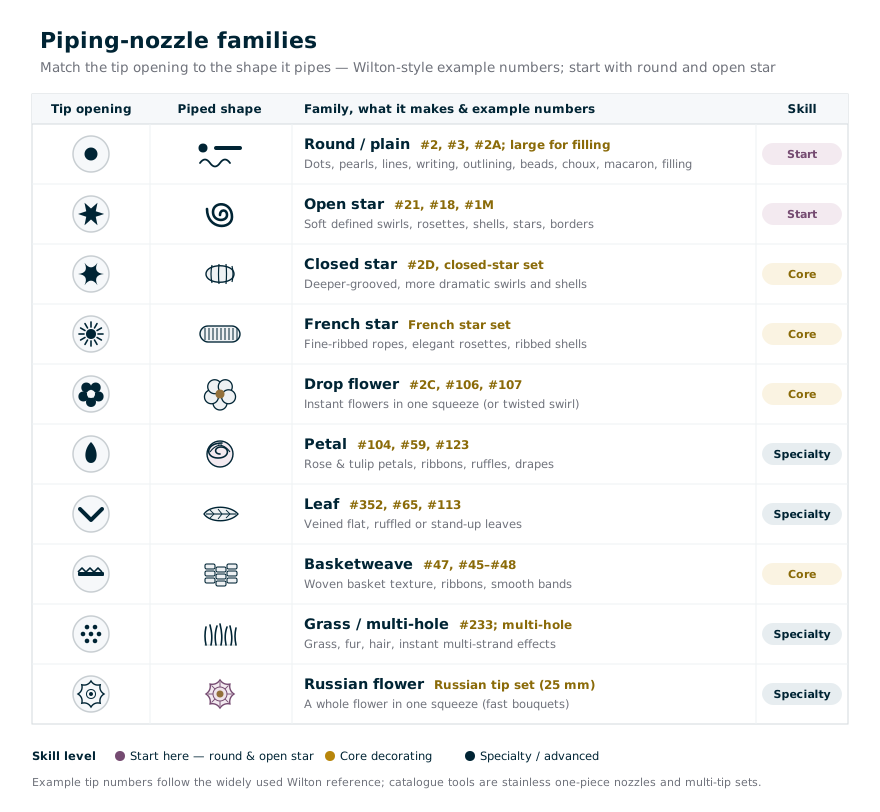 Chart of piping nozzle families — round, open and closed star, French, drop flower, petal, leaf, basketweave, grass and Russian tips — each with the shape it pipes and example tip numbers
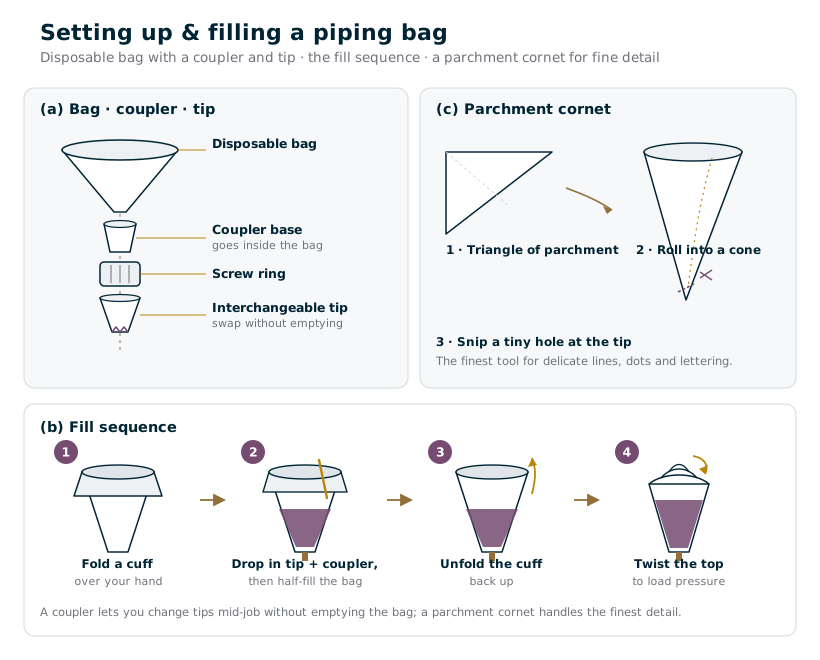 How to set up and fill a piping bag with a coupler and tip, and how to roll a parchment cornet for fine detail
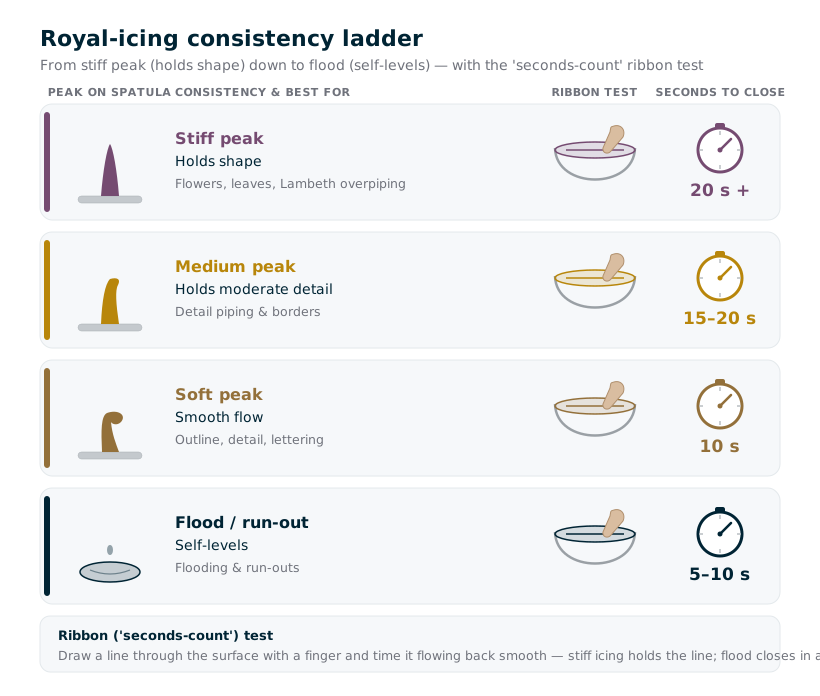 Royal icing consistency ladder from stiff peak to flood, with the seconds-count test showing about 15-20 seconds for medium and 5-10 seconds for flooding
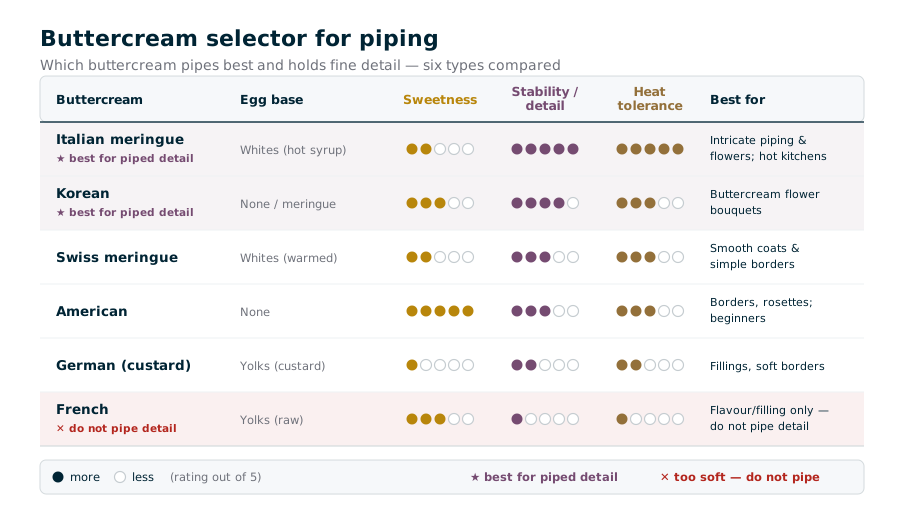 Matrix comparing American, Swiss, Italian, French, German and Korean buttercreams on sweetness, piping stability and egg content, flagging the best ones for piped detail
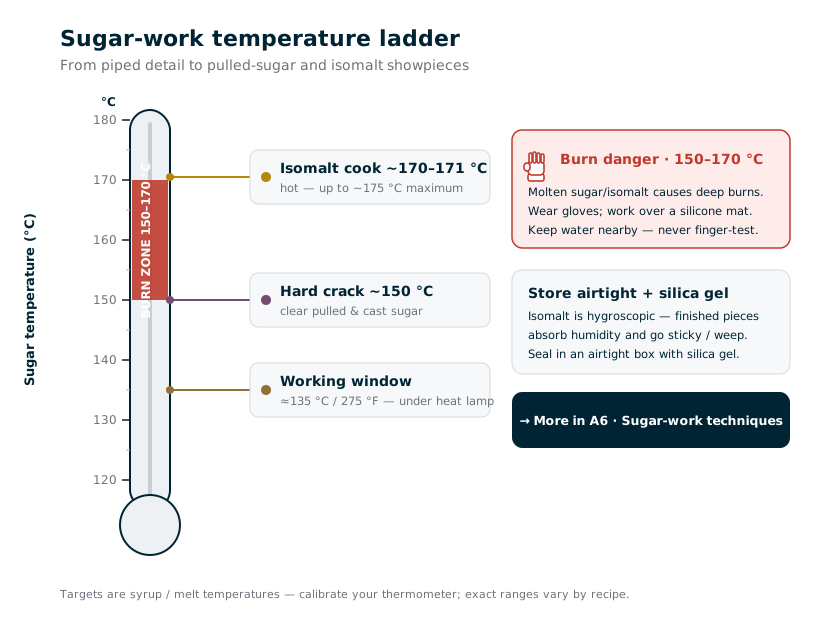 Sugar-work temperature ladder showing pulled sugar hard crack near 150 C, isomalt cooked near 170 C and worked near 135 C, with a hot-sugar burn danger band
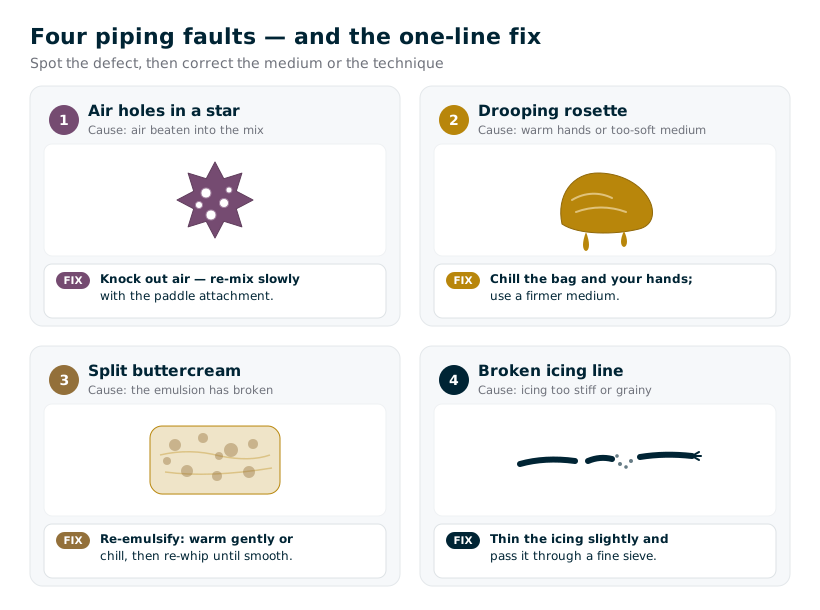 Four piping faults illustrated with fixes: air holes, drooping rosette, split buttercream and a broken royal icing line
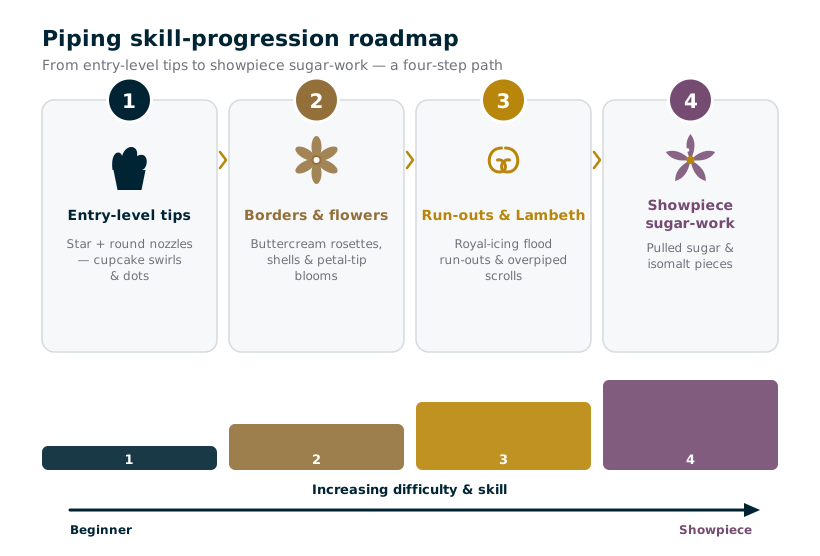 A four-step progression roadmap from entry-level piping tips through buttercream and royal icing to showpiece pulled-sugar and isomalt work
Royal icing from pasteurised dried egg white (the food-safe route)
Royal icing is the precision medium: it pipes sharp and dries hard and glossy. Made from a pasteurised dried albumen or a meringue/royal-icing mix it avoids the Salmonella risk of raw fresh white. Adjust water for piping vs flooding.
| Ingredient | Baker's % | Weight |
|---|---|---|
| Icing sugar — Sieved; Kent Foods Icing Sugar CP | 500 g | |
| Dried egg-white powder OR royal-icing mix — Ovopol Egg White Powder (pasteurised) or Meri-White Royal Icing Mix | per pack | |
| Cold water — Add slowly; more water = thinner (flood) | to consistency | |
| Gel/powder colour (optional) — Powder for deep shades without thinning; gel for everyday | as needed |
- Reconstitute the dried albumen per pack (e.g. dissolve in the water) or follow the mix instructions — this is the pasteurised, food-safe base.
- Beat in the sieved icing sugar to a smooth, glossy STIFF-PEAK icing (holds an upright peak) for piped flowers, leaves and Lambeth overpiping.
- For OUTLINING/lettering, slacken with a few drops of water to soft peak (flows smoothly off the tip).
- For FLOODING, thin further and test by the seconds count: ~15-20 s for a combined medium, ~5-10 s for flood; outline first, then flood inside.
- Knock out air, cover with a damp cloth to stop crusting, and pipe; let overpiped layers dry fully before adding the next.
- SAFETY: use a pasteurised egg source — critical for children, pregnant women and the immunocompromised.
Piped meringue from a meringue mix (Beza Bianca)
The catalogue recipe printed on the Beza Bianca datasheet — a reliable, food-safe (pasteurised-albumen) piped meringue for kisses, shells and nests.
| Ingredient | Baker's % | Weight |
|---|---|---|
| Beza Bianca meringue mix — Zeelandia | 1000 g | |
| Sugar — Caster sugar dissolves fastest | 900 g | |
| Water (min 75 °C) — Hot water per the datasheet | 1000 g |
- Combine Beza Bianca, sugar and the hot water (min 75 °C).
- Whisk approximately 8 minutes at high speed to a stiff, glossy, pipeable meringue.
- Pipe kisses/shells/nests with a round or star tip.
- Dry/bake at 100-120 °C for a minimum of 75 minutes (longer for larger pieces) until crisp.
- ALLERGEN: contains EGG; may contain gluten (wheat/rye/barley/oat), soya, milk and sesame — declare on the finished product.
Pipeable stabilised whipped cream
Plain whipped cream slumps within the hour; a cold-mixed stabiliser lets it hold a crisp piped shape for service. The catalogue stabiliser is the practical route.
| Ingredient | Baker's % | Weight |
|---|---|---|
| Whipping cream (or whip topping) — Credin Whipping Top Cream or dairy cream | 1 L | |
| Cream stabiliser — EmiFOND/EmiMix — natural or flavoured | per pack |
- Whip the cold cream to soft peaks.
- Add the stabiliser COLD (per pack) and whip to firm, pipeable peaks — do not over-whip (it splits/grains).
- Pipe promptly; keep the finished product refrigerated (cream is a high-risk food).
- FAITH/DIET: the stabiliser contains PORK gelatin — cream piped with it is not halal, kosher or vegetarian; for those audiences use an agar/carrageenan or vegetable-based stabiliser instead. Not for babies or diabetics; cross-contamination with gluten/egg/soya/milk possible.
Isomalt / pulled-sugar showpiece basics (bridge from piping to sugar-work)
The showpiece end of the progression. Numbers are cross-checked across culinary-school and brand technique sources and the sister article A6-sugar-work-techniques (which carries the full cooking-stage chart, doctoring chemistry and detailed safety).
| Ingredient | Baker's % | Weight |
|---|---|---|
| Isomalt ST-PF — Hortimex/BENEO — or cook clear doctored sucrose | as needed | |
| Water (if cooking isomalt wet) — Optional; many work isomalt dry/remelted | ~10% of isomalt | |
| Powder colour — Add near working temp; powder adds no water | tiny amount |
- Cook isomalt to about 170-171 °C (340 °F) — up to ~175 °C for stronger cast/blown pieces; do not exceed, as it still discolours when overheated or reheated.
- For clear PULLED sucrose instead, cook the doctored syrup to hard crack (~150 °C) and pull off before it caramelises (~170 °C).
- Add powder colour near the working stage; pour onto a silicone mat and let it fall to a working temperature around 135 °C / 275 °F.
- Pull and fold for a satin/pearlescent sheen, or cast/blow; keep the mass pliable under a heat lamp.
- Store finished pieces airtight with a silica-gel desiccant — isomalt holds gloss far longer than sucrose but both are hygroscopic.
- SAFETY: molten sugar/isomalt at 150-170 °C causes severe sticking burns — gloves and a bowl of iced water to hand (full safety in A6-sugar-work-techniques).
Almost everything piped from a star or round tip is a combination of how hard you squeeze (size) and how you hold the bag (form). Angle and pressure are cross-checked across multiple decorating references; the shapes are standard.
| Shape | Tip | Bag angle | Pressure | Action |
|---|---|---|---|---|
| Upright star / rosette | Open or closed star | 90° (vertical) | Steady, then stop | Squeeze, let it heap, release pressure, lift straight up |
| Shell / shell border | Open star | 45° | Build then fade | Squeeze so it fans up, ease off while dragging to a point; repeat without lifting |
| Star (flat) | Star | 90° | Short burst | Squeeze, stop, pull tip away — less pressure = small star, more = big star |
| Line / lettering / outline | Round / parchment cornet | 45° | Light, even | Touch down, lift slightly and let the line 'fall' as you move, touch to stop |
| Dot / pearl | Round | 90° | Brief, even | Squeeze to size, stop pressure, lift away; smooth the tip with a damp brush |
| Rope / rosette swirl | French / open star | 45-90° | Steady, continuous | Move in a smooth spiral keeping pressure constant for an even rope |
| Leaf | Leaf | 45° | Burst then pull | Squeeze to build the base, ease off and pull away to draw the point |
| Petal / ruffle | Petal | 45° (narrow edge out) | Even, with wrist turn | Pivot the wide end while keeping pressure steady to draw a petal or ruffle |
The core tip families a baker actually buys, what each makes, and example tip numbers (Wilton numbering, widely used as a reference). Start with round and star; add petal, leaf and specialty tips as control improves. Catalogue tools are stainless one-piece nozzles and multi-tip sets.
| Family | Opening | What it pipes | Example numbers | Catalogue example |
|---|---|---|---|---|
| Round / plain | Single round hole | Dots, pearls, lines, writing, outlining, beads, choux, macaron, filling | #2, #3, #2A; large for filling | Plain Piping Nozzles one-piece; Star/Plain PP Tubes set |
| Open star | Star with open points | Soft defined swirls, rosettes, shells, stars, borders | #21, #18, #1M | Stainless Open Star Tip; one-piece star nozzles |
| Closed star | Star with curled-in points | Deeper-grooved, more dramatic swirls and shells | #2D, closed-star set | Stainless Closed Star Tip; One-Piece Closed Star nozzles |
| French star | Many fine teeth | Fine-ribbed ropes, elegant rosettes, ribbed shells | French star set | One-Piece French Star Piping Nozzles; Stainless French Straight Tip |
| Drop flower | Star with closed grooves | Instant flowers in one squeeze (or twisted swirl) | #2C, #106, #107 | Bos Big Decorating Tip Set; multi-tip set |
| Petal | Teardrop/oval slot | Rose and tulip petals, ribbons, ruffles, drapes | #104, #59, #123 | Stainless Rose Leaf / Narrow Band tips; tip set |
| Leaf | V-shaped notch | Veined flat, ruffled or stand-up leaves | #352, #65, #113 | Leaf Piping Nozzle Large; Stainless Rose Leaf Tip |
| Basketweave | Flat, smooth or serrated | Woven basket texture, ribbons, smooth bands | #47, #45-#48 | Stainless Narrow Band Tip; tip set |
| Grass / multi-hole | Many small holes | Grass, fur, hair, instant multi-strand effects | #233; multi-hole | PP Piping Tubes Set 20 pcs (8 holes) |
| Russian flower | Shaped flower stencil | A whole flower in one squeeze (fast bouquets) | Russian tip set | Russian Flower Decorating Tips 25 mm |
Decoration-led comparison of the common buttercreams by piping behaviour. Cross-checked across two independent comparison guides. Recipes and full method are out of scope here; the catalogue stocks ready buttercream and crème mixes.
| Buttercream | Egg | Sweetness | Piping stability / detail | Best for | Sources |
|---|---|---|---|---|---|
| Italian meringue | Whites (hot syrup) | Low-medium | Most stable; holds fine detail; sits out well | Intricate piping, flowers, hot kitchens | a7ps-05, a7ps-06 |
| Swiss meringue | Whites (warmed) | Low-medium | Silky but softer; great for smoothing, less for fine detail | Smooth coats, simple borders | a7ps-05, a7ps-06 |
| American | None | Very sweet | Easy to pipe, crusts; holds shape well | Borders, rosettes, beginners | a7ps-05, a7ps-06 |
| Korean | None / meringue | Medium | Very glossy, holds shape; flower-piping favourite | Buttercream flower bouquets | a7ps-05, a7ps-06 |
| German (custard) | Yolks (custard) | Low | Rich, holds moderate shape; softer than meringue types | Fillings, soft borders | a7ps-06 |
| French | Yolks (raw) | Medium | Richest but LEAST stable — do not pipe detail | Flavour/filling, not detail piping — raw yolk = Salmonella risk (same as raw egg white); use pasteurised yolks for at-risk groups | a7ps-05, a7ps-06, a7ps-23 |
The single control that makes or breaks royal-icing work. Piping consistencies are graded by peak; flood consistencies by the 'seconds count' (drag a line, time how long it takes to close back up). Counts vary by decorator preference; the ranges below are standard.
| Consistency | Test | Use | Sources |
|---|---|---|---|
| Stiff peak (piping) | Holds a firm upright peak indefinitely | Piped flowers, leaves, Lambeth overpiping, 3D detail | a7ps-07, a7ps-19, a7ps-20 |
| Medium peak (piping) | Peak softly falls but holds detail | Borders, textured detail, lettering with body | a7ps-07, a7ps-08 |
| Soft peak (piping) | Flows smoothly, peak relaxes | Outlining, fine detail, lettering, transfers | a7ps-07, a7ps-09 |
| Medium / combined flood | Line closes in ~15-20 seconds | Outline + flood in one consistency | a7ps-08 |
| Flood / run-out | Line closes in ~5-10 seconds | Flooding inside an outline to a flat glossy fill | a7ps-08 |
A quick chooser across the main piped mediums, with the catalogue product (and first-party spec where read) a baker would buy. Allergen/faith flags travel to the finished product.
| Medium | Character / use | Holds detail? | Catalogue product | Spec source / flag |
|---|---|---|---|---|
| Buttercream | Sweet, workable; borders, flowers, coats | Yes (Italian/Korean best) | Zeelandia Buttercream Mix | — |
| Royal icing | Sets hard, glossy; run-outs, Lambeth, lettering, cookies | Yes (stiff) | Meri-White Meringue & Royal Icing Mix; Ovopol Egg White Powder | EGG; use pasteurised (a7ps-23) |
| Piped meringue | Crisp, oven-dried kisses/shells | Yes (after drying) | Zeelandia Beza Bianca Meringue Mix | EGG; may contain gluten/soya/milk/sesame |
| Stabilised whipped cream | Light, soft; patisserie, choux, verrines | Yes (with stabiliser) | EmiFOND/EmiMix Cream Stabiliser; Credin Whipping Top Cream | PORK gelatin (not halal/kosher/veg) |
| Pulled sugar / isomalt | Glossy showpiece flowers, ribbons, cast parts | Yes (sets glass-hard) | Isomalt ST-PF; Glucose Syrup; Caster Sugar | polyol labelling; hot-sugar burns |
Which colour format to reach for. The rule: the hotter/clearer the medium and the more you must avoid adding water, the more you move from liquid → gel → powder. Maximum dosages below are supplier-stated product usage rates (derived from dye limits in Reg (EU) 1333/2008 Annex II, expressed there as mg/kg pure dye); verify for your specific product and food category. Food safety: E171 (titanium dioxide / CI 77891) is banned as a food additive in EU member states (Reg (EU) 2022/63, effective 7 August 2022) — check any white or pastel colour product for E171 / titanium dioxide / CI 77891 before use in EU markets (it remains authorised in Great Britain).
| Format | Carrier | Best for | Max dose (decorations, cat 05.4) | Catalogue / spec |
|---|---|---|---|---|
| Powder | None (≥85% dye) | Hot sugar/isomalt, deep shades, dusting — adds no water | 0.2 g per 1 kg finished product | Food Colour — Powder |
| Gel / paste | Glucose syrup + glycerine | Buttercream, royal icing, fondant — intense, little water | 21.0 g per 1 kg finished product | Food Colour — Gel |
| Liquid | Water-based | Soft tints in wet mixes; NOT for hot sugar (shocks/grains) | see pack / category limit | Food Colour — Liquid |
| Airbrush | Thin, sprayable | Shading, ombré, stencilling over set surfaces | see pack / category limit | Food Colour — Airbrush |
The faults that make piped work look amateurish. Most trace back to medium consistency, temperature, or trapped air. Deeper sugar-work faults (graining, dull pulled sugar) are in A6-sugar-work-techniques.
| Symptom | Likely cause | Fix | Sources |
|---|---|---|---|
| Air holes / blow-outs in piped stars | Air beaten into the buttercream (high speed / whisk / over-whipped) | Mix on LOW with a paddle; beat by hand or microwave-and-stir a portion to knock out air before piping | a7ps-18 |
| Piping droops / loses shape | Medium too soft, or warm hands softening the bag | Stiffen with icing sugar / chill; chill the filled bag ~1 min between batches | a7ps-16, a7ps-17 |
| Buttercream split / curdled | Butter too soft or liquid too cold (temperature mismatch) | Chill 20 min and re-whip, or warm gently over a water bath and re-emulsify | a7ps-16 |
| Piping too stiff, ragged peaks, tip clogs | Medium too thick / under-hydrated | Add liquid (buttercream) or water drop-by-drop (royal icing) to the right consistency | a7ps-16, a7ps-17 |
| Royal-icing line breaks / 'cratering' when flooding | Wrong consistency for the job | Outline at soft peak; flood at ~5-10 s; for one-step use ~15-20 s; pop bubbles with a scribe | a7ps-07, a7ps-08 |
| Lambeth overpiping slumps / won't stack | Icing too soft or next layer added before the last dried | Use STIFF royal icing; let each layer dry fully before overpiping | a7ps-19, a7ps-20 |
| Stabilised cream weeps / won't hold a shape | Under-whipped, stabiliser not fully dispersed, or too warm | Add stabiliser cold, whip to firm peaks, keep cold and pipe promptly | Supplier spec sheet |
| Isomalt/pulled sugar yellows or goes cloudy | Cooked too hot / reheated too often, or absorbing humidity | Stay at/under ~171 °C, minimise reheats, store airtight with silica gel | a7ps-14, a7ps-15 |
| Colour thins the icing / shocks the sugar | Liquid colour added to a stiff or hot medium | Use gel for icing/buttercream and POWDER for hot sugar and deep shades | Supplier spec sheets |
Buy the ingredients
Catalogue products and brands referenced in this article.
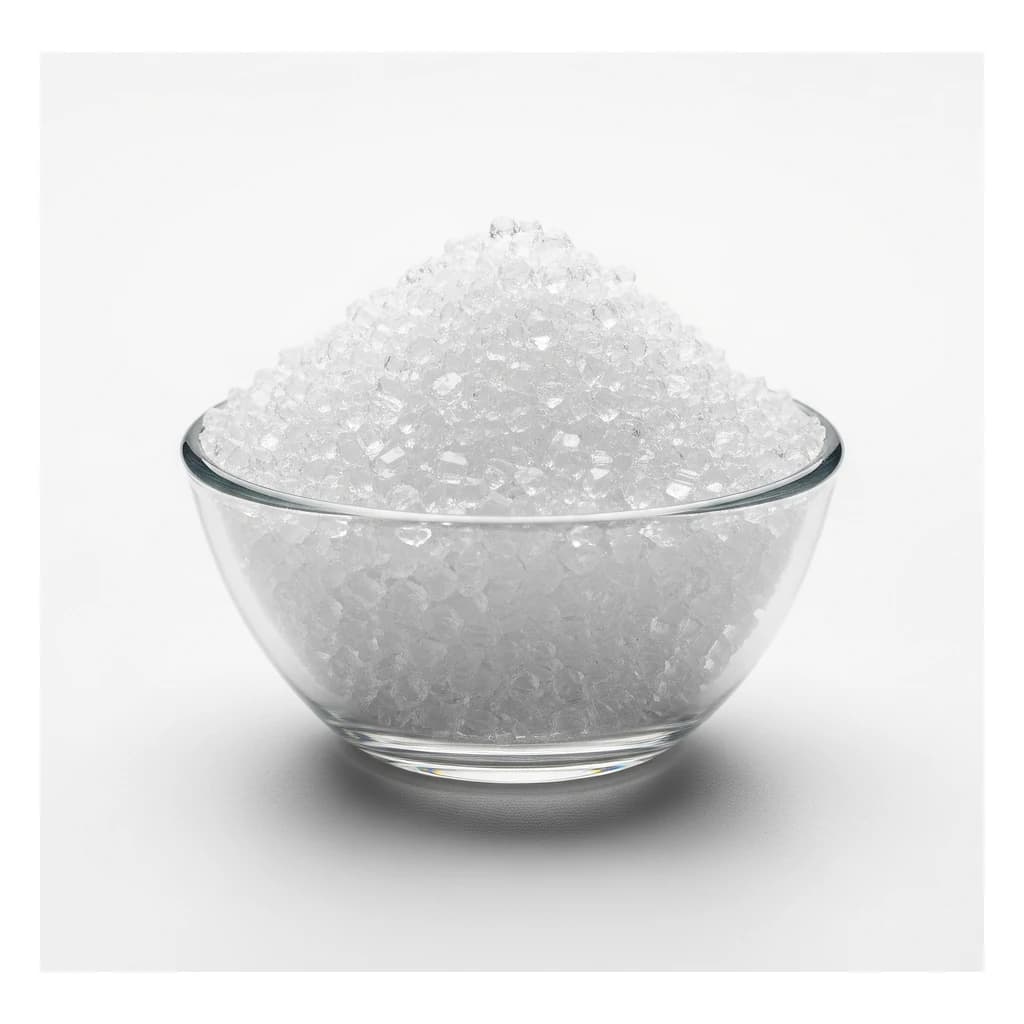
Isomalt ST-PF 20 kg
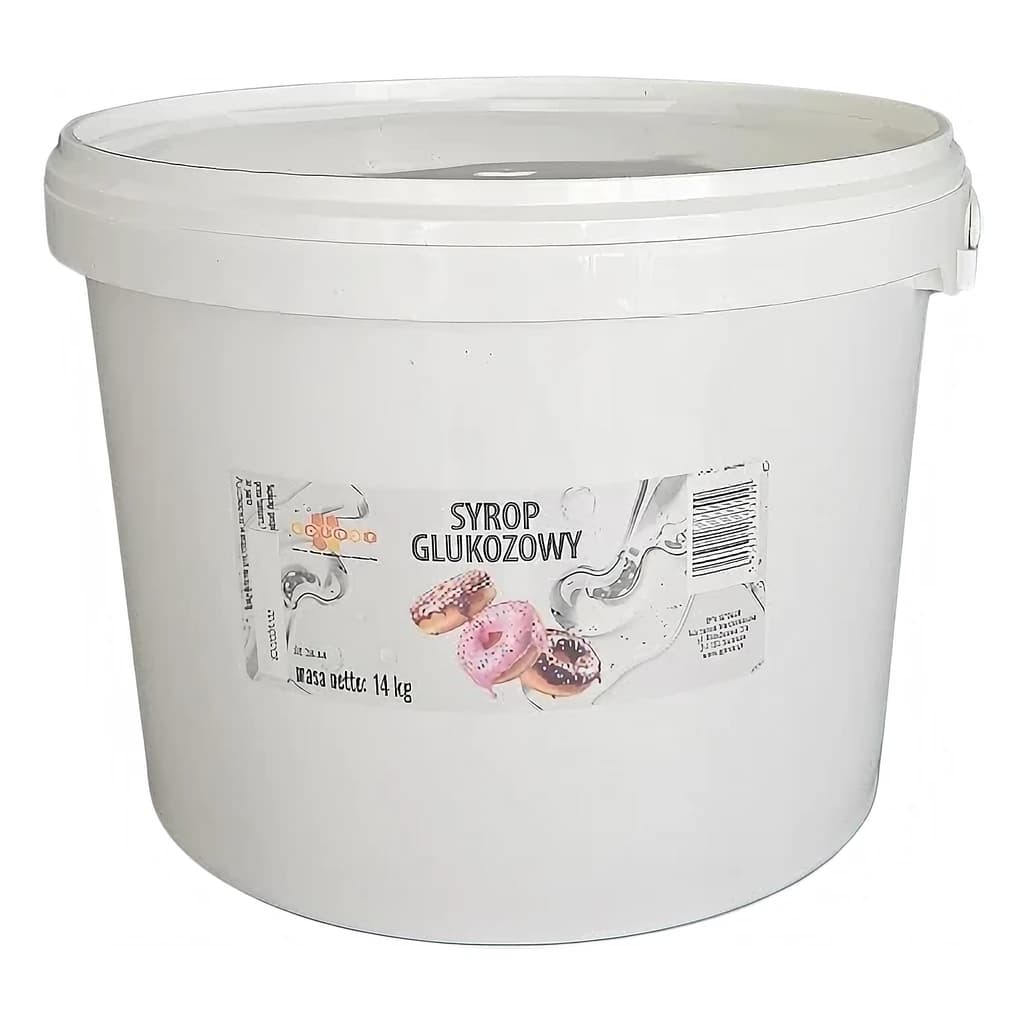
Glucose Syrup 14 kg
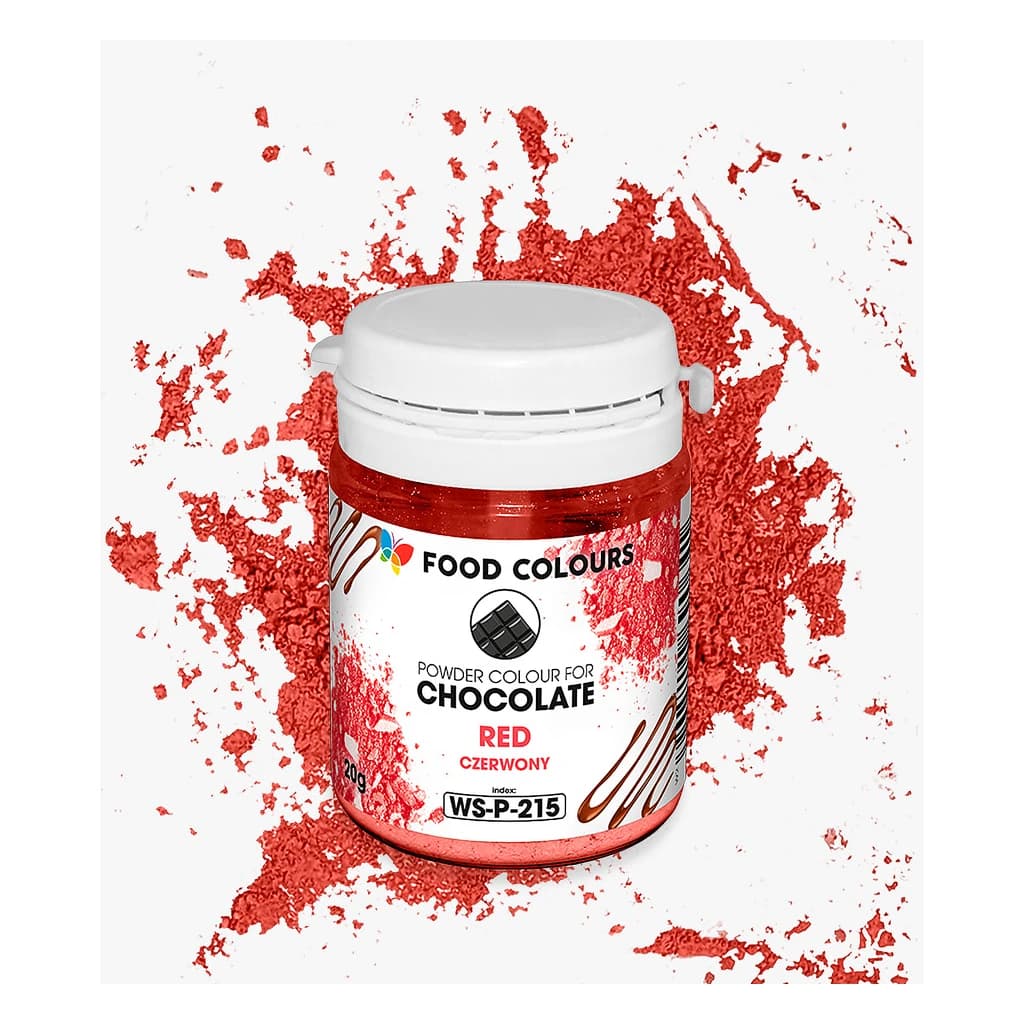
Food Colour — Powder
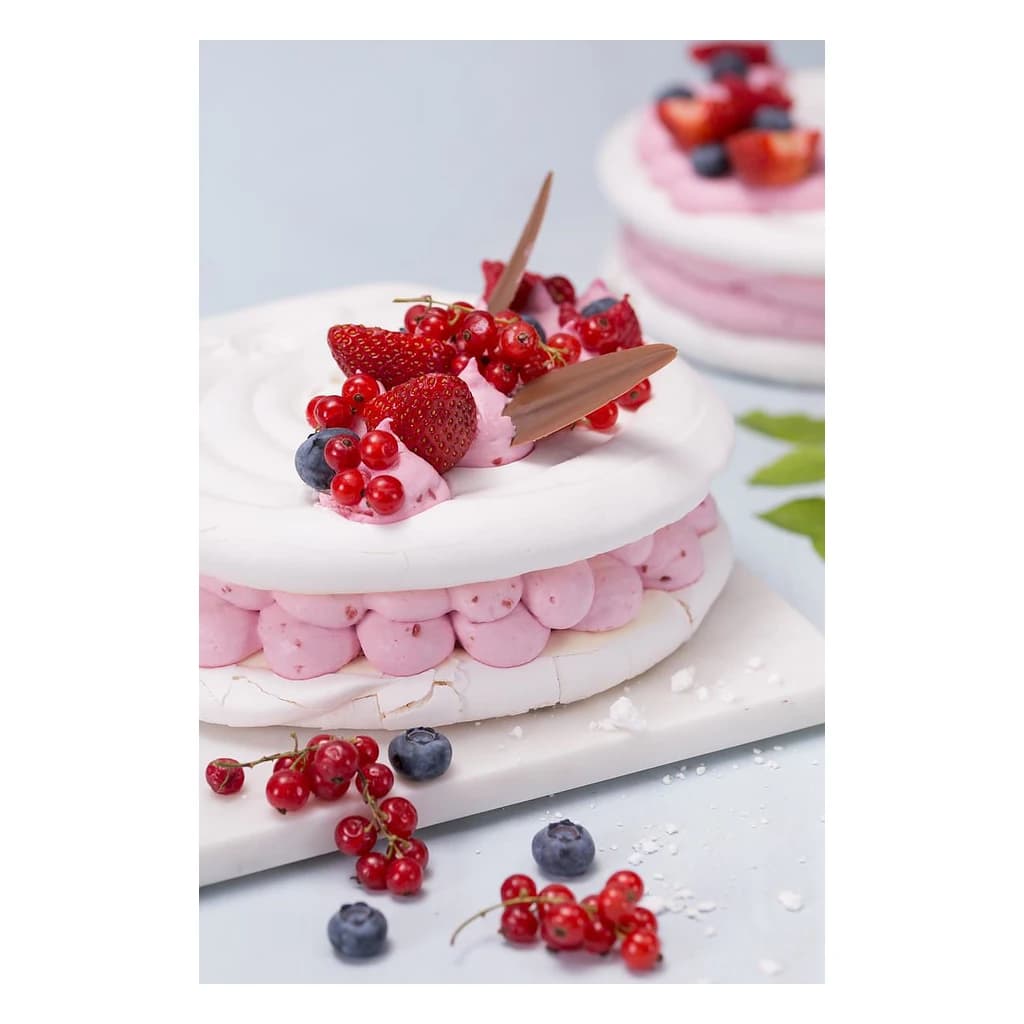
Zeelandia Beza Bianca Meringue Mix 10 kg
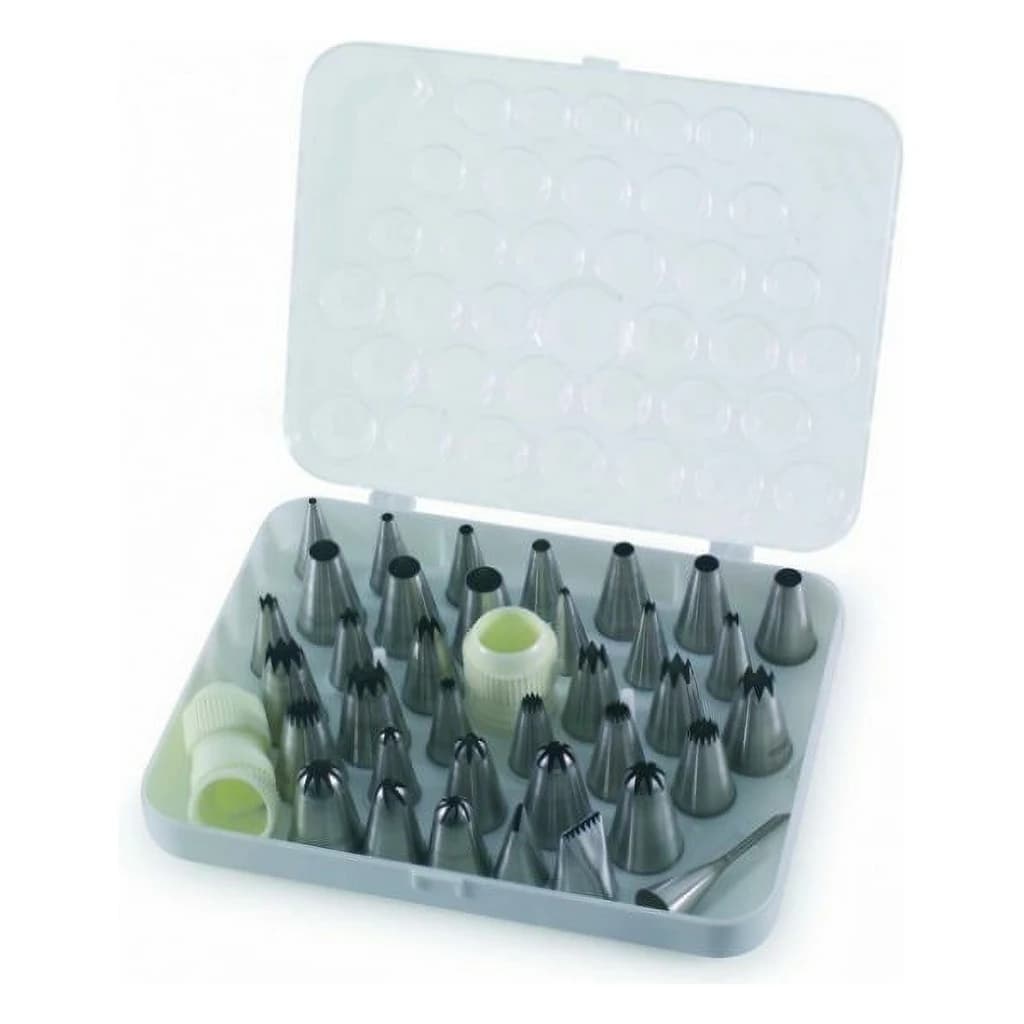
Bos Big Decorating Tip Set – 36 pc

Food Colour — Liquid
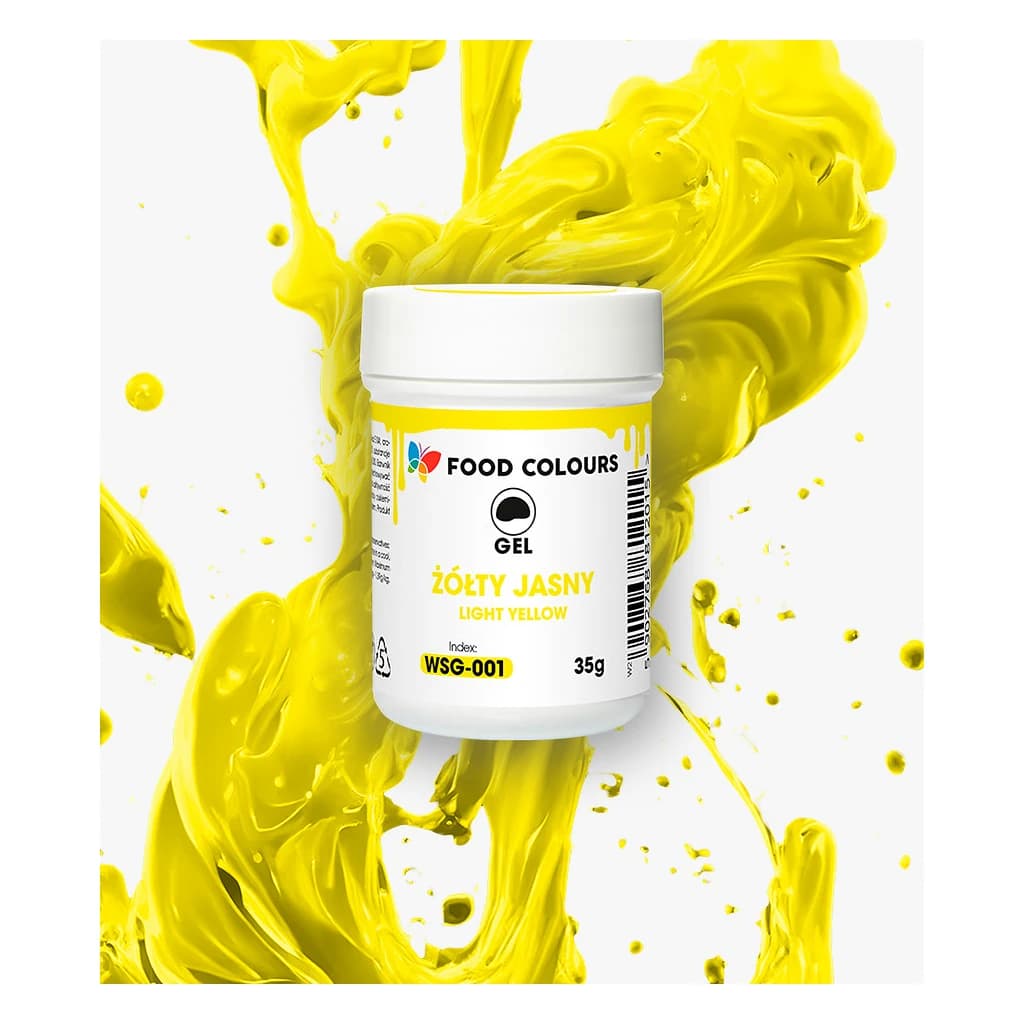
Food Colour — Gel, 35 g Jars
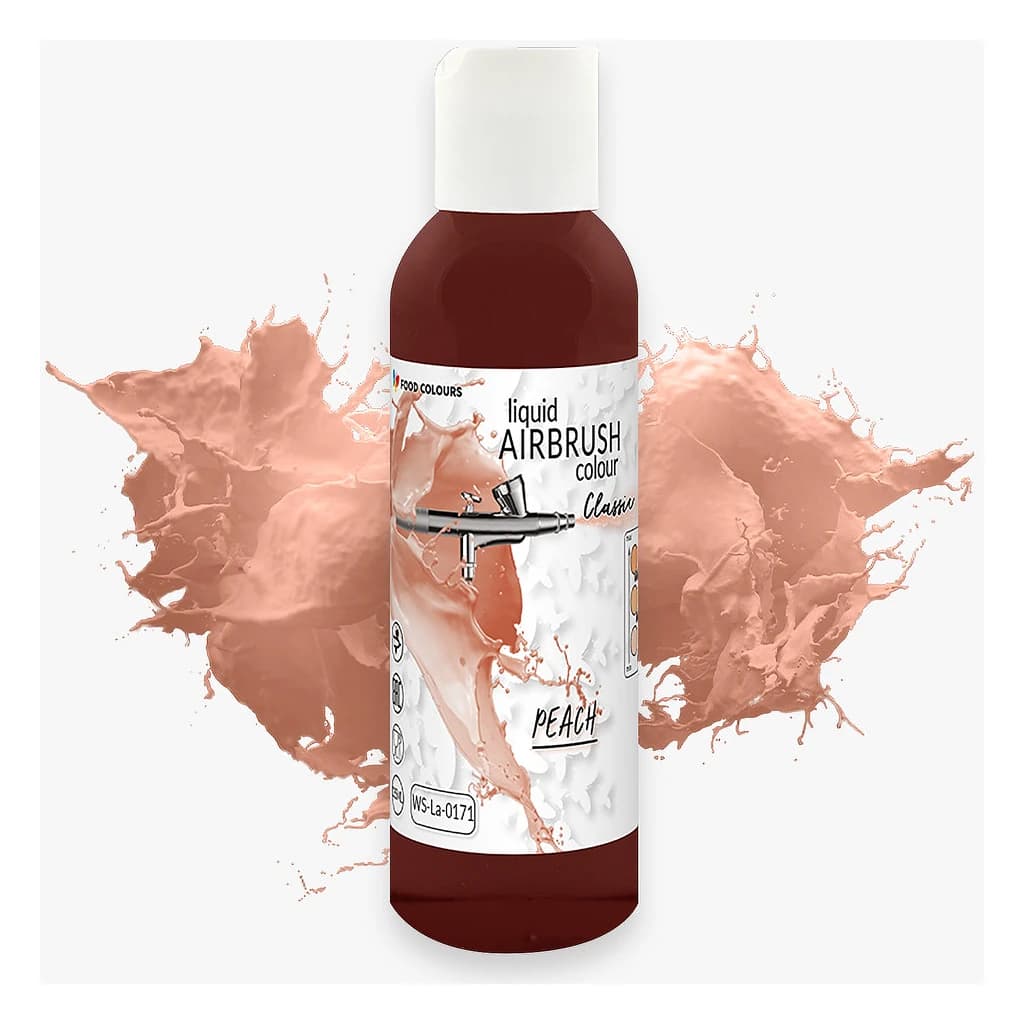
Food Colour — Airbrush

Stainless Steel Piping Tips Set 52+3 (Thermohauser 62922)

White Flower Paste (250 g)

EmiMix Whipped Cream Stabiliser 5 kg
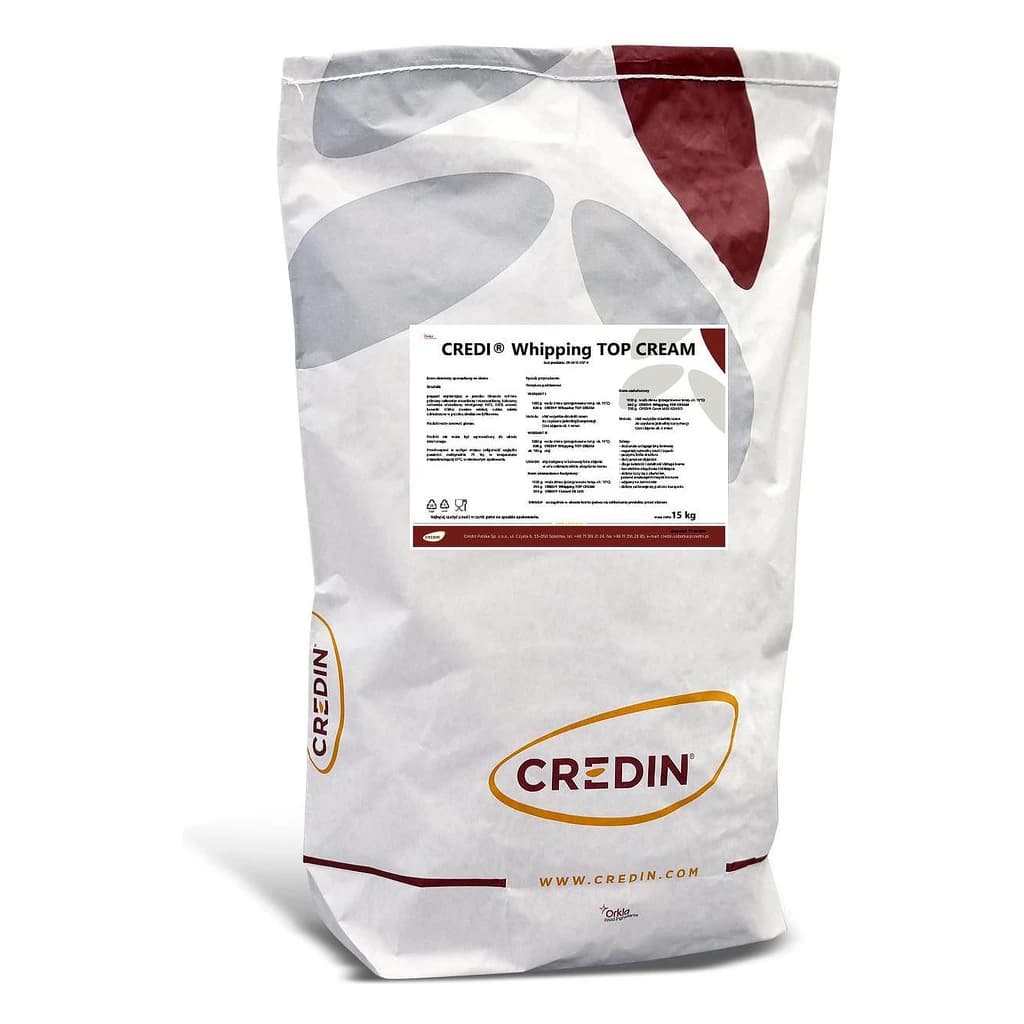
Credin Whipping Top Cream 15 kg
Zeelandia Milk & Butter Bread Mix 25 kg
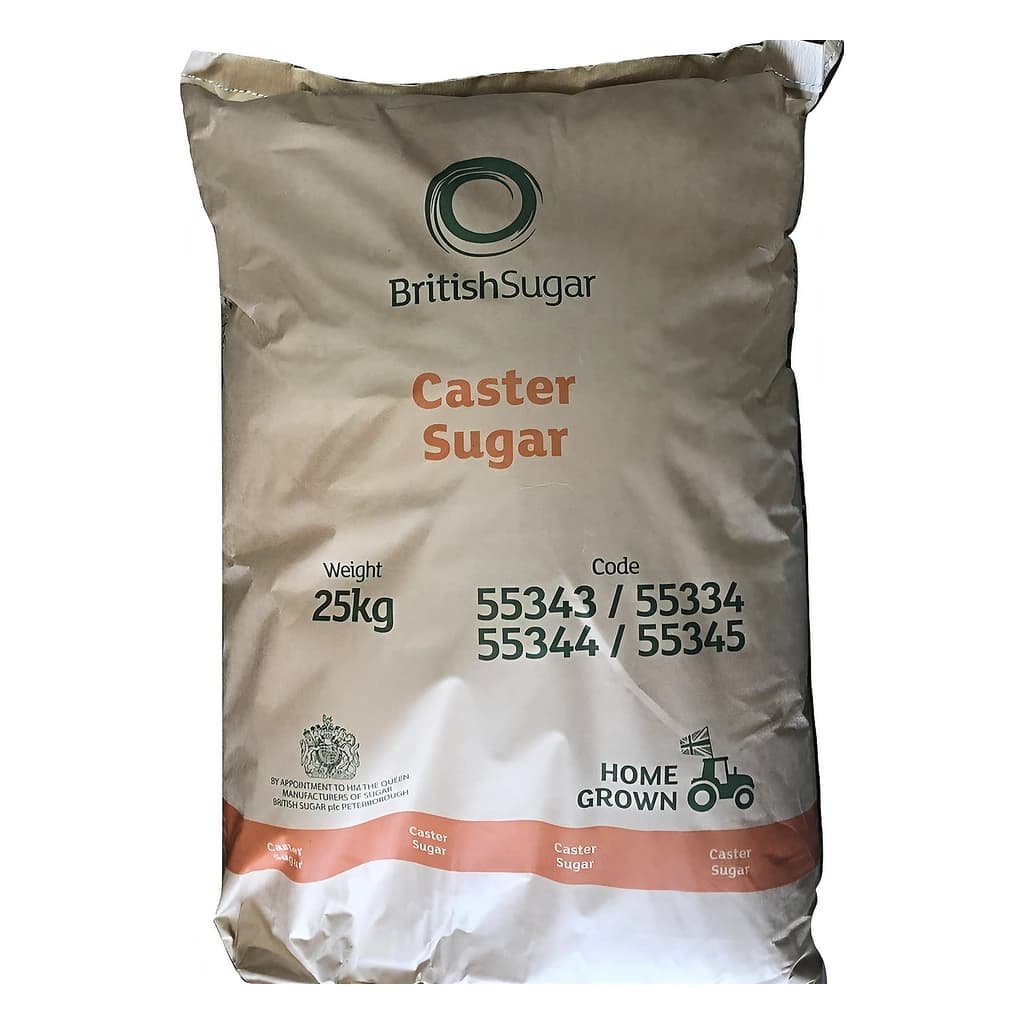
Caster Sugar 25 kg
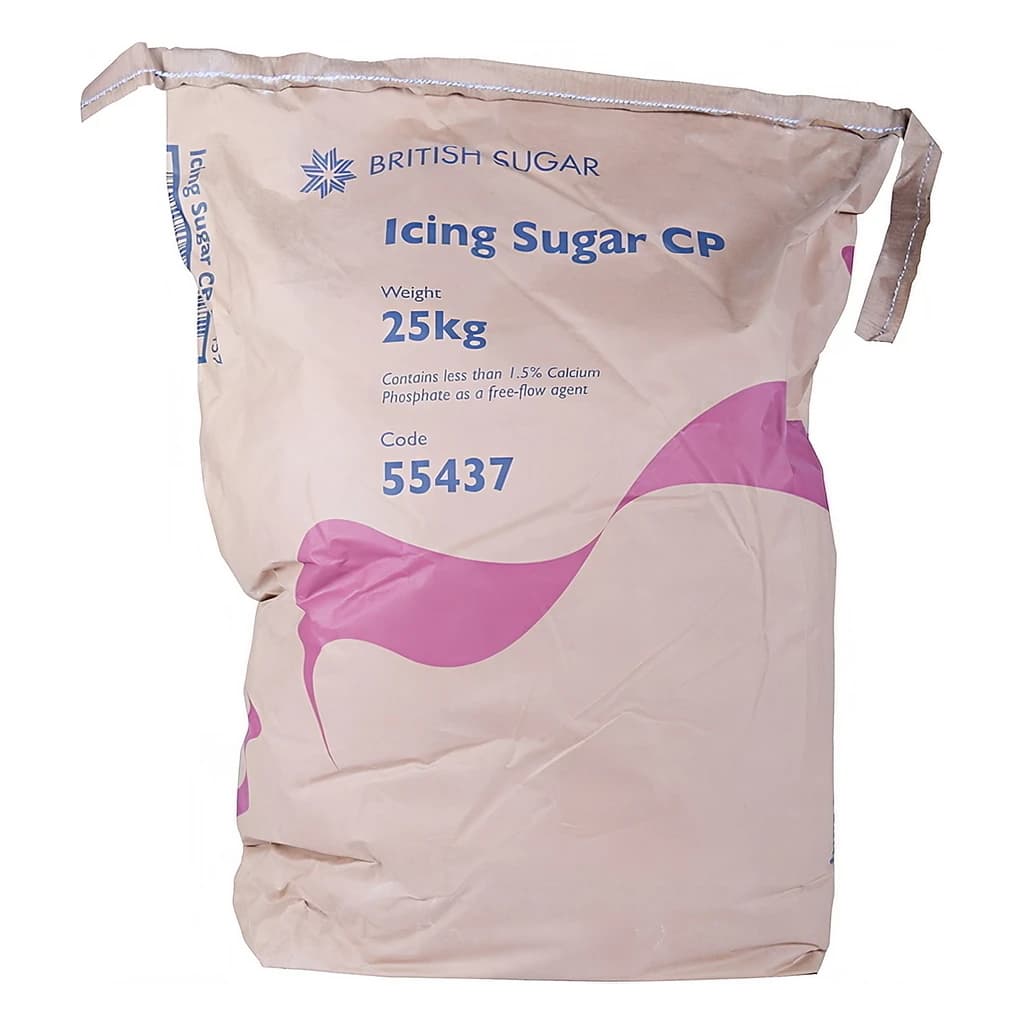
Icing Sugar CP 25 kg
Nibbed Sugar 25 kg
Disposable Blue Piping Bags 525 mm (21") – Roll of 100
Meri-White Meringue & Royal Icing Mix 1.5 kg
Leaf Piping Nozzle Large 4.6 mm
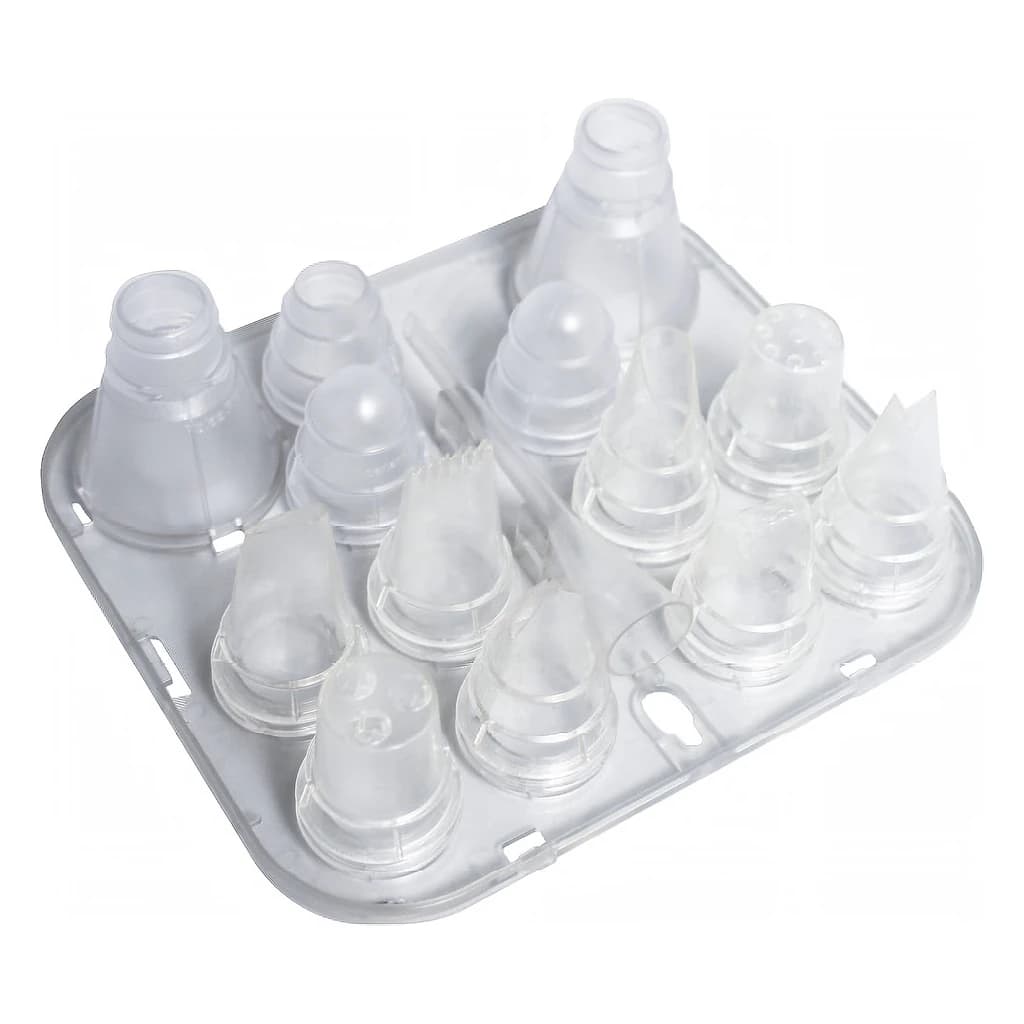
Piping Nozzle Set – 8 Decorating Tips & Berliner Spout
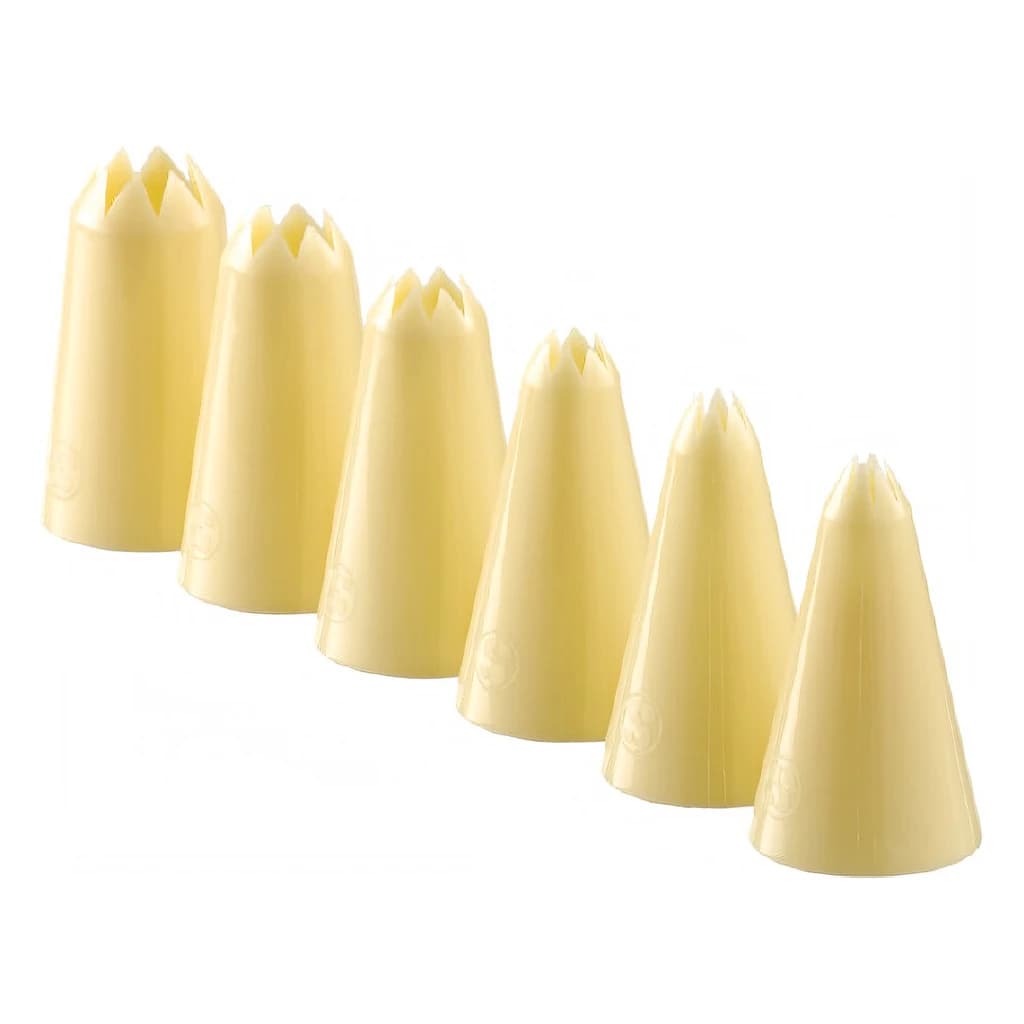
Star Piping Tubes Set - 3, 5, 7, 9, 11, 13 mm
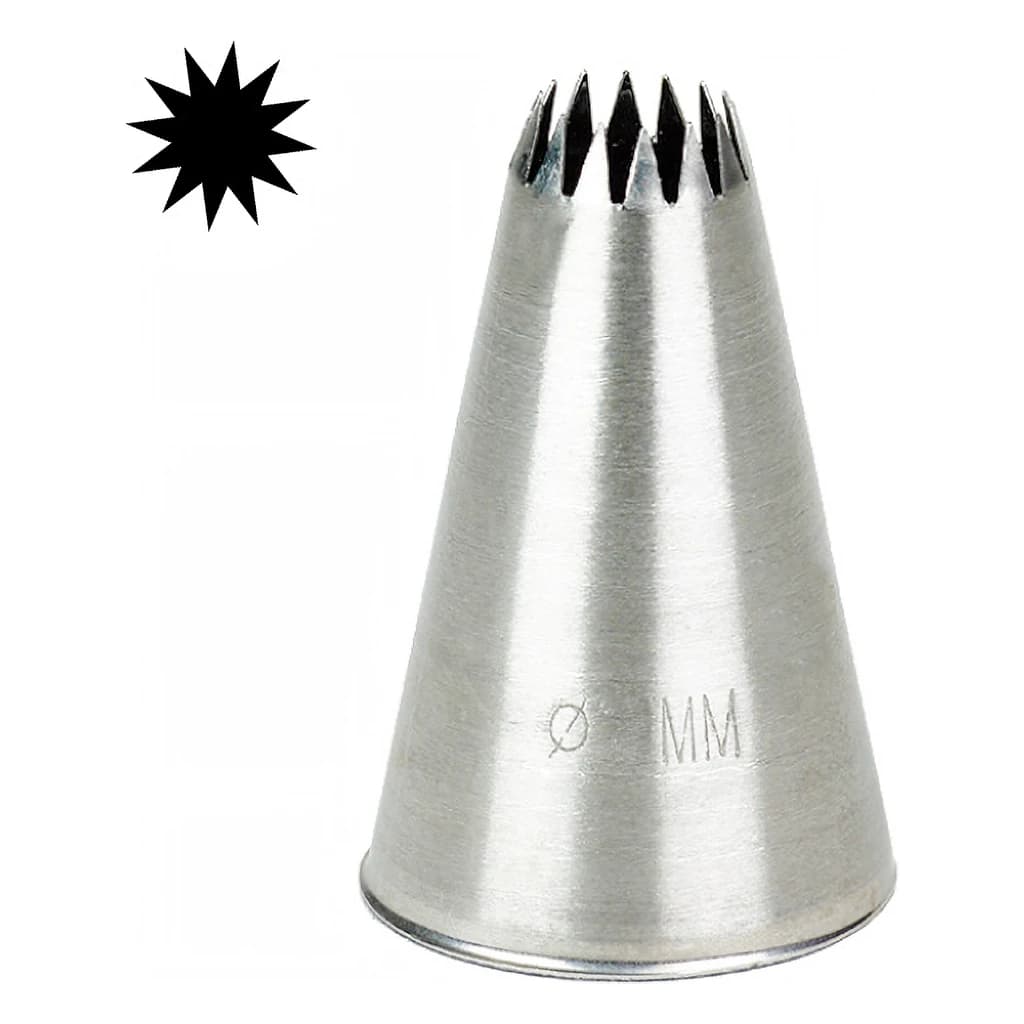
One-Piece French Star Piping Nozzles
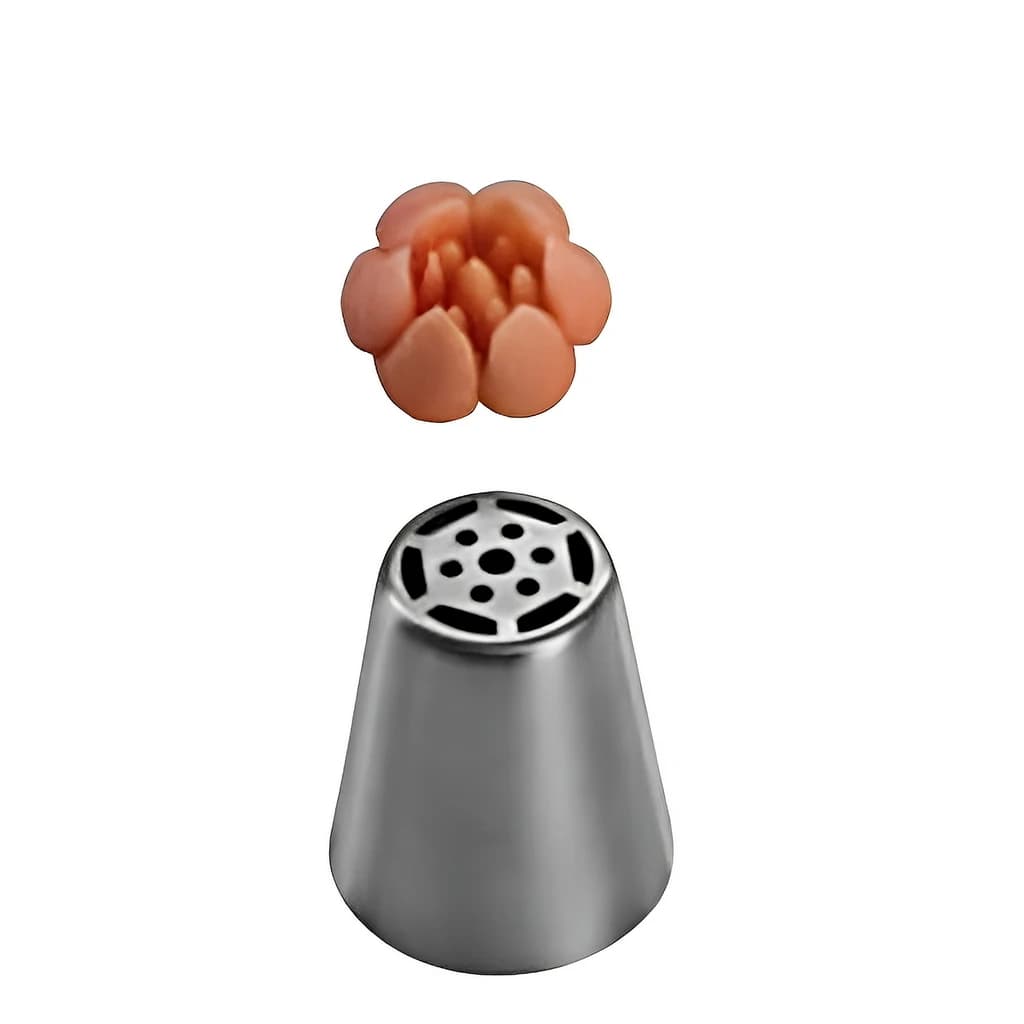
Stainless Flower Piping Tips, 25 mm