
Couverture vs compound chocolate: cocoa butter, fluidity and the right choice for each job
A practical professional reference for choosing chocolate. Explains the one difference that changes everything - whether the fat is cocoa butter (couverture) or vegetable fat (compound coating) - and what that means for tempering, fluidity, finish, flavour, cost and saturated fat. Covers the EU legal definitions of chocolate and couverture, the cocoa-butter crystal forms and tempering curves for dark/milk/white (cross-checked against Zeelandia couverture spec sheets), the Callebaut 1-5 drop fluidity system, fat vs sugar bloom, ganache ratios, bake-stable inclusions, and the CBS/CBR vegetable fats behind compound coatings. Includes spec-sheet tables for eight catalogue couvertures and four compound coatings from Barbara Luijckx, Zeelandia, Belcolade/Puratos, Callebaut and Polen.
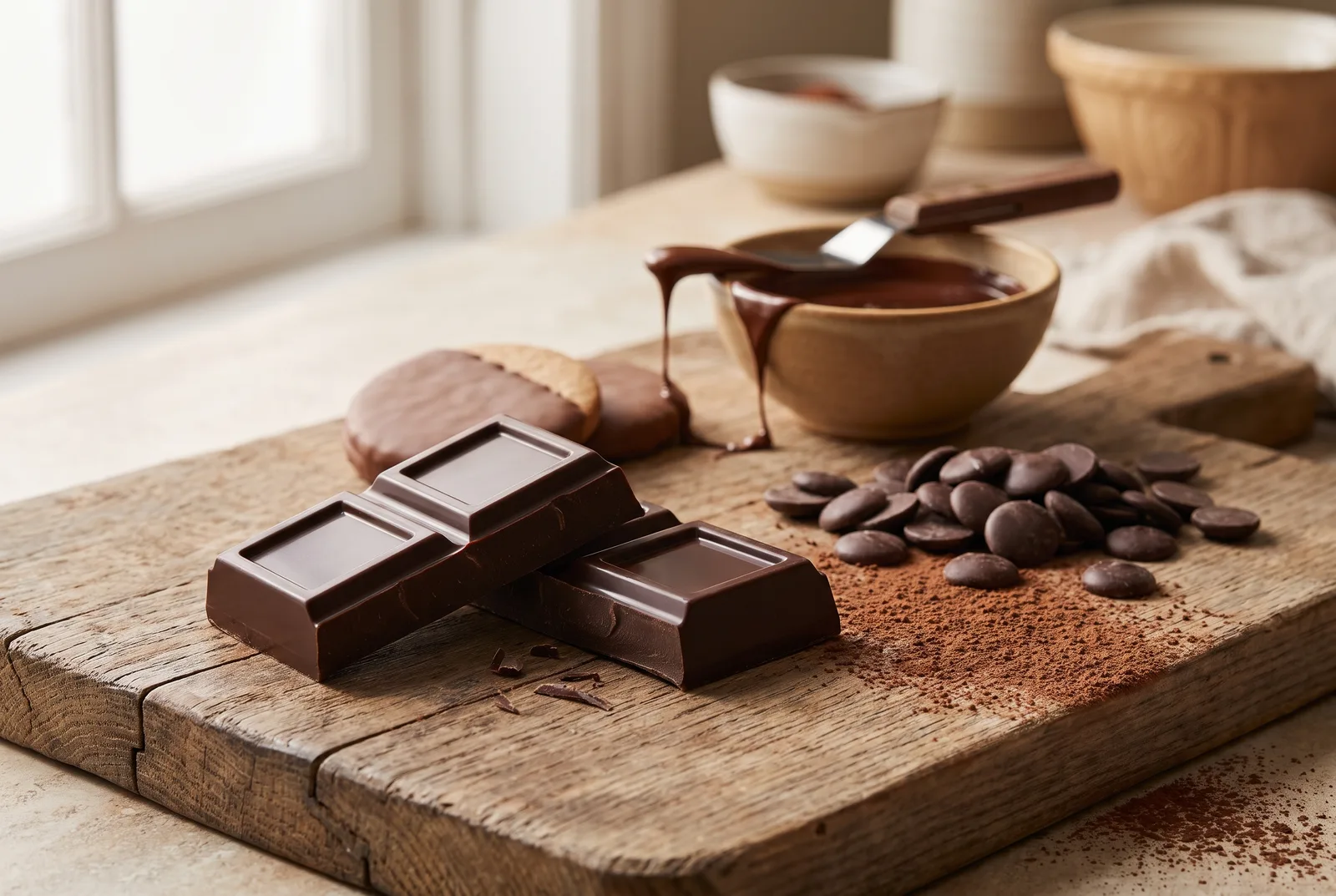
Couverture vs compound chocolate: cocoa butter, fluidity and the right choice for each job
Walk into any professional kitchen and you will find two very different products both sold as "chocolate". One is couverture - real chocolate whose only fat is cocoa butter. The other is compound coating (sometimes labelled "chocolate-flavoured coating" or, in Polish, czekolada/kuwertura czekoladopodobna) - a chocolate-like product in which the cocoa butter has been swapped for cheaper vegetable fat. They look alike in the bag. They behave completely differently on the bench.
This dossier is the decision guide: what the difference actually is, what the law says you may call "chocolate", how cocoa butter drives both fluidity and the need to temper, when each product is the right tool, and which catalogue products to reach for. The single comparison you need is in the master comparison table below.
1. The one difference that changes everything: the fat
Real chocolate is cocoa beans turned into cocoa mass (cocoa solids + cocoa butter), with sugar and - for milk and white - milk solids. Its fat is cocoa butter, a remarkable fat that is brittle and solid at room temperature yet melts sharply just below body temperature. That is why good chocolate snaps, shines and melts cleanly on the tongue.
Couverture is simply real chocolate with extra cocoa butter, so it flows thin enough to coat. It typically contains 31-39% cocoa butter (for mid-range couvertures; high-percentage dark couvertures at 70%+ can reach 43-45%). Because cocoa butter is the most expensive ingredient in the bar, that extra fat is exactly what makes couverture both better and dearer.
Compound coating removes the cocoa butter and uses vegetable fat instead - keeping the sugar, the cocoa flavour (as cocoa powder) and, in milk/white versions, milk solids. That swap is the whole story. Cocoa butter is fussy: it only sets hard and glossy if you coax it into the right crystal form (tempering). Vegetable fats set hard and glossy on their own. So compound is forgiving and cheap, but it never quite matches cocoa butter for flavour release and clean melt.
A useful way to hold it in your head: couverture is chocolate you must respect; compound is chocolate that forgives you.
2. What the law lets you call "chocolate"
In the EU and UK, the names are protected by Directive 2000/36/EC. The minimums are in the legal-definitions table below. In short:
- Chocolate (plain/dark): min 35% total dry cocoa solids, including min 18% cocoa butter and min 14% dry non-fat cocoa solids.
- Chocolate couverture: the same 35% cocoa solids floor but a much higher min 31% cocoa butter and min 2.5% non-fat cocoa solids - the legal fingerprint of couverture.
- Milk chocolate: min 25% total dry cocoa solids, min 14% dry milk solids, min 25% total fat; milk couverture must reach min 31% total fat.
- White chocolate: min 20% cocoa butter and min 14% milk solids - it contains cocoa butter but no cocoa solids, which is why it is pale.
- Real chocolate may contain up to 5% vegetable fat other than cocoa butter, and that must be declared.
A compound coating meets none of these cocoa-butter minimums, so it legally cannot be sold as "chocolate" - it is a "coating" or "chocolate-flavoured". Worth knowing when you write a menu or a spec.
3. Why couverture must be tempered (and compound doesn't)
Cocoa butter is polymorphic - it can set into six different crystal forms (I-VI), and only one of them, Form V (beta), gives the result you want: high gloss, a hard clean snap, a thin shell and quick release from the mould. Tempering is the controlled melt-cool-reheat cycle that seeds the chocolate full of Form V crystals before it sets. The crystal forms and why Form V is the target are shown in image:img-cocoa-butter-polymorphs.
Skip tempering and the cocoa butter sets into unstable forms that are dull, soft and streaky, and that slowly convert to Form VI - the grey fat bloom you see on neglected chocolate (see faults below).
The three-temperature curve is in the tempering-curve table below and graphed in image:img-tempering-curve. A reference chart and the catalogue couverture spec sheets agree closely:
- Dark: melt 50-55 C, cool to 28-29 C, work at 31-32 C. The Zeelandia Arabesque Noir 72 sheet specifies melt 47 C, work down to 28 C, reheat to 31 C (+/-1 C).
- Milk: melt 45-50 C, cool to 27-28 C, work at 29-30 C. The Arabesque Lait 34 sheet: melt 47 C, cool two-thirds to 27 C, reheat to 30 C.
- White: melt 45-50 C, cool to 26-27 C, work at 28-29 C. White and milk run cooler than dark because milk fat softens the set.
The golden rule: never let working chocolate exceed ~31-32 C (dark), ~30 C (milk) or ~29 C (white) or you melt the stable crystals back out and lose temper.
The easiest reliable method is seeding - see the seeding formula card below. You melt the mass, stir in reserved callets (or about 1% Mycryo cocoa-butter powder, which is pre-crystallised to Form V) to seed it, cool to the crystallisation point and gently reheat to the working temperature. Tabling on marble is the classic alternative.
Compound coating skips all of this. You melt it and use it - the Puratos Carat Cover Dark U2 sheet says melt at 50-55 C and apply at 40-45 C, and explicitly states it is not suitable for tempering; the Zeelandia Scaldis dark compound is simply warmed to 35-40 C and not overheated. The vegetable fat sets hard and glossy by itself.
4. Fluidity: cocoa butter is the volume knob
Two couvertures can have the same cocoa percentage and identical flavour yet flow completely differently, because fluidity is set by how much cocoa butter is added, not by the cocoa percentage. More cocoa butter = thinner flow = a thinner, glossier shell that contracts and releases better from moulds. Less cocoa butter = thicker flow = a heavier shell that holds its shape.
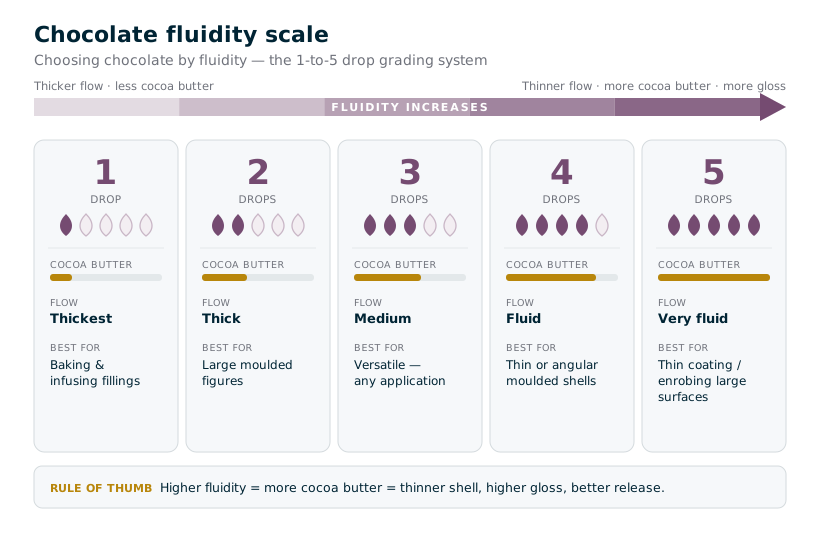
Callebaut grades this with a 1-5 drop fluidity system on the bag (image:img-fluidity-drops-scale, see the fluidity-application table below):
- 1 drop - thickest, lowest cocoa butter: baking and infusing fillings/ganache.
- 2 drops - large moulded figures (you want a thick shell).
- 3 drops - the versatile all-rounder for any job.
- 4 drops - thin or sharply angular moulded shells (bonbons).
- 5 drops - thin coating and enrobing of large surfaces (biscuits).
On spec sheets fluidity shows up as viscosity and yield value. A milk chocolate sheet quotes Casson viscosity 700-900 mPa.s and yield value 5-9 Pa; the Carat dark compound quotes OICC viscosity 800-1200 mPa.s at 40 C. If a couverture is too thick for a fine-detail job you can thin it by adding about 10% melted cocoa butter (catalogue: Callebaut Cocoa Butter in Callets, or Barbara Luijckx Cocoa Butter 1 kg).
5. The fats inside compound coatings: CBS vs CBR
Not all compounds are equal - the vegetable fat type matters:
- CBS (cocoa butter substitutes) are lauric fats from palm kernel or coconut oil. They crystallise fast into stable beta-prime crystals, give the cleanest "chocolate-like" snap and a sharp melt, and need no tempering - but they have very low compatibility with cocoa butter (under 5%), so you must never blend CBS compound into real chocolate or you get softening and bloom. The catalogue Carat Cover Dark U2 and Zeelandia Scaldis are both fully hydrogenated palm-kernel (CBS) compounds.
- CBR (cocoa butter replacers) are non-lauric fats (palm, rapeseed, soya). They are partially compatible with cocoa butter and also need no tempering, but can feel waxier on the palate.
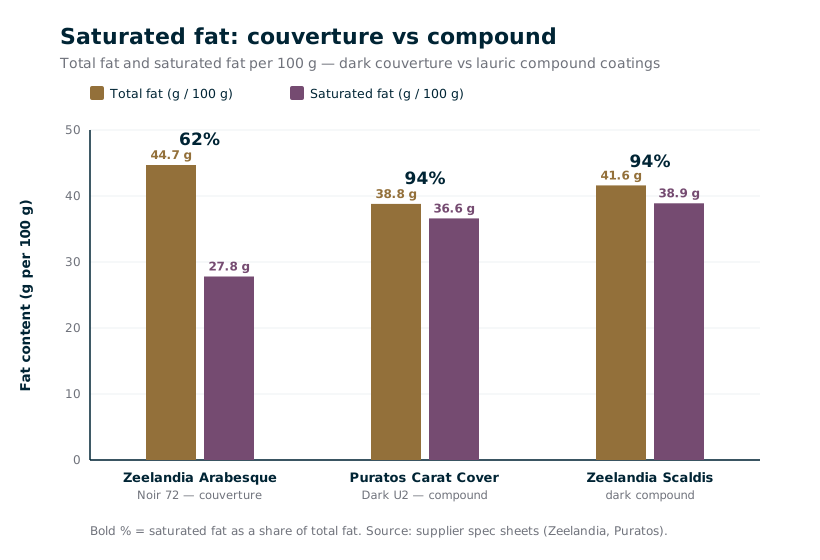
This is also where the nutrition diverges sharply (image:img-saturated-fat-bar). Lauric/fully hydrogenated compound fat is almost entirely saturated: Carat Cover Dark U2 is about 36.6 g saturated of 38.8 g total fat (~94%) and Scaldis about 38.9 g of 41.6 g, versus about 27.8 g of 44.7 g (~62%) in a 72% dark couverture. And beware older partly hydrogenated compounds: the Zeelandia Satina white sheet still lists partly hydrogenated palm and rape, which can carry industrial trans fat - check the current spec, as modern compounds have largely moved to fully hydrogenated or non-hydrogenated fats. (EU Regulation 2019/649 caps industrial trans fat at 2 g per 100 g of fat, in force since April 2021. The 2020 Zeelandia Satina white spec predates this limit and does not declare trans fat content; current EU/UK compliance must be confirmed with Zeelandia before this product is used or recommended. Allergen, trans-fat and saturated-fat points flagged for regulatory and food-safety review.)
6. When to use which
Reach for couverture when the chocolate IS the product - bonbons, moulded shells, hand-dipped/enrobed pralines, glossy decorations, premium ganache and anything eaten as fine chocolate. The reward for tempering is gloss, snap, clean melt and full flavour. Catalogue couvertures by strength and colour are in the catalogue couverture-specs table below: dark from Zeelandia Arabesque Noir 72, Barbara Luijckx Barima 72% and 56%, Callebaut 811 (54.5%), Master Martini Ariba 54% and Terravita 70%; milk from Arabesque Lait 34, Barima Milk 34%, Callebaut 823 (33.6%) and Bellaria Milk 34%; white from Arabesque Blanc 29%, Barima White 29%, Callebaut W2 (28%) and IRCA Reno Bianco (27%).
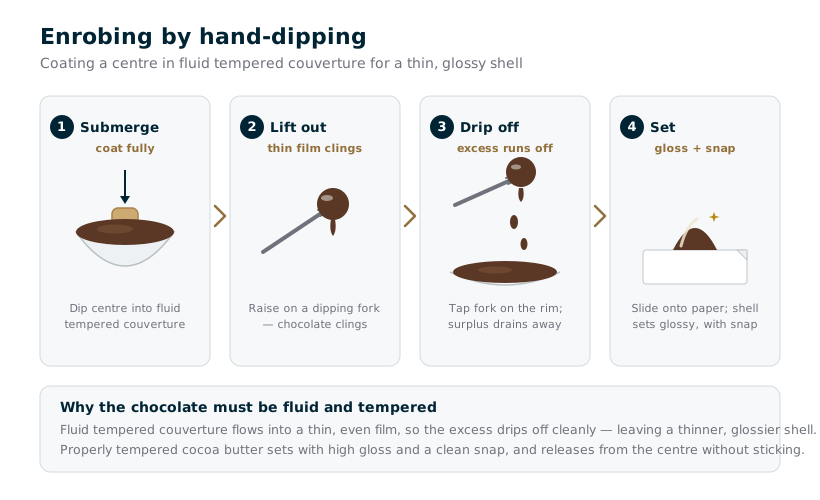
Reach for a compound coating when speed, cost and stability beat a perfect snap - high-volume enrobing, drizzles, biscuit and cake coating, drip lines, and anywhere staff can't temper reliably (see the catalogue compound-specs table and the compound-coating-use formula card below). Catalogue compounds: Puratos Carat Cover Dark U2, Zeelandia Satina (white) and Satina PRO/Scaldis (dark), Chocovic Superbrill milk, IRCA Nobel Latte milk, Master Martini Bolero and Kent Foods Compound Coating Discs. The white Satina sheet even lets you thin it with up to 250 g neutral oil per 1 kg for dipping. Enrobing in fluid tempered couverture is shown in image:img-enrobing-line.
For baking, choose bake-stable. Chocolate that goes into a batter (muffins, cookies) should have lower cocoa butter so it stays viscous and holds its shape - "bake-stable" chips and chunks survive oven heat up to about 200 C without melting flat. Catalogue: Barbara Luijckx Dark Chocolate Chunks 50%. (In Callebaut's system, this is the 1-drop end of the range.)
Ganache uses couverture for flavour and set. Standard chocolate-to-cream ratios by weight are dark ~2:1, milk ~2.5:1, white ~3:1 (these are piping/truffle ganache ratios for a firm set; glaze ganache uses a looser ratio, e.g. dark 1:1) - milk and white need more chocolate because their sugar and milk solids set softer (see the ganache formula card below, image image:img-ganache-pour). (Cream-based ganache is a perishable filling requiring refrigeration at 2-4 C and consumption within 1-2 weeks. Flagged for food-safety review.)
Glazes and cocoa powder round out the family. Ready-to-use mirror/cover glazes (catalogue Helios Premium Dark Glaze and Helios White Glaze) are a separate, no-temper finish. And the prized fat itself, cocoa butter, is what is pressed out of cocoa mass to make cocoa powder: the JAR Dutch-process cocoa GT78 retains only 20-22% cocoa butter, pH 7.3-7.7 (alkalised) - useful for dusting, flavouring and understanding where couverture's fat comes from.
7. Faults and storage
The faults bakers actually hit - and how to fix them - are in the fault table below and image:img-bloom-diagnosis. The two to recognise on sight:
- Fat bloom: grey, streaky, slick film that melts on touch. Cause: untempered or badly tempered cocoa butter, or warm/fluctuating storage converting it to Form VI. Fix: re-temper; store stable. (Lauric CBS compounds can bloom in storage without losing function, per the Carat sheet.)
- Sugar bloom: dull, dry, gritty crust that does not melt. Cause: moisture/condensation dissolving surface sugar, which recrystallises. Fix: keep dry, avoid condensation when moving chocolate from cold storage.
Neither bloom is a food-safety hazard - it is an appearance/quality defect. (Food-safety statement flagged for review.)
Storage: keep real chocolate cool and dry at about 10-20 C, below 70% relative humidity, away from strong odours and direct light; catalogue couvertures carry 12-24 month shelf lives. Compound coatings store cool and dry with ~9-12 month shelf lives: fully hydrogenated CBS compounds (Carat Cover Dark U2, Scaldis) require storage below 20 C; the partly hydrogenated Satina white allows up to 25 C. Always check the current spec sheet for the product-specific limit.
8. Quick selector
- Need gloss, snap and best flavour, and you can temper -> couverture (pick the fluidity for the job: 4-5 drops to enrobe, 2-3 to mould).
- Need speed, low cost, no tempering, coating only -> compound coating (CBS for the cleanest snap; never blend into real chocolate).
- Chocolate going into a bake -> bake-stable chips/chunks (low cocoa butter).
- Filling, truffle or glaze -> couverture ganache at 2:1 / 2.5:1 / 3:1.
- Thinning a too-thick couverture -> add ~10% cocoa butter.
See the master comparison table above for the side-by-side, and the catalogue spec tables for exact composition from the supplier sheets.
Figures
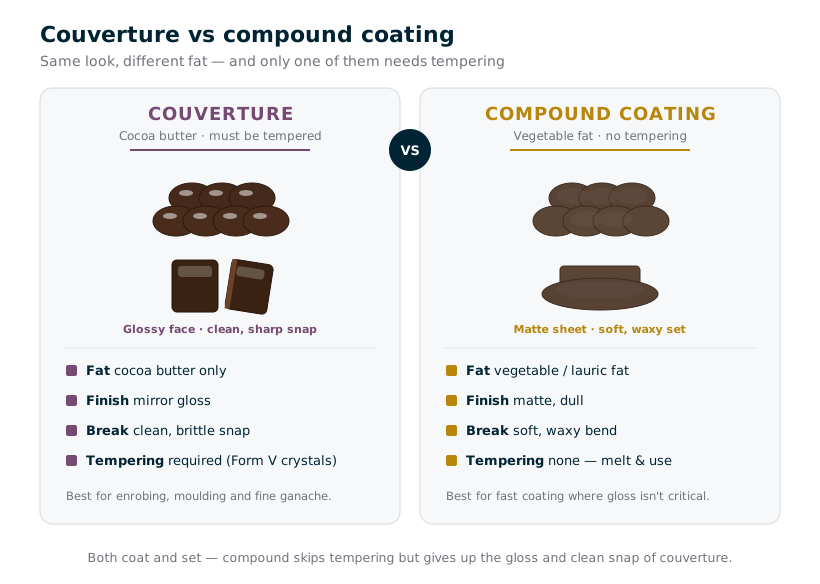 Couverture chocolate callets next to compound coating discs showing glossy tempered finish versus matte coating
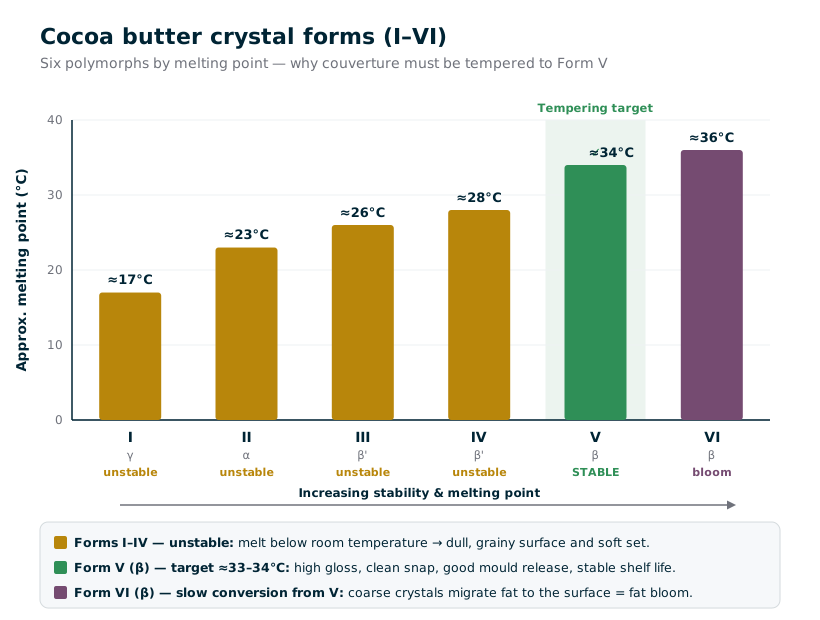 Diagram of cocoa butter crystal forms I to VI with stable Form V highlighted as the tempering target
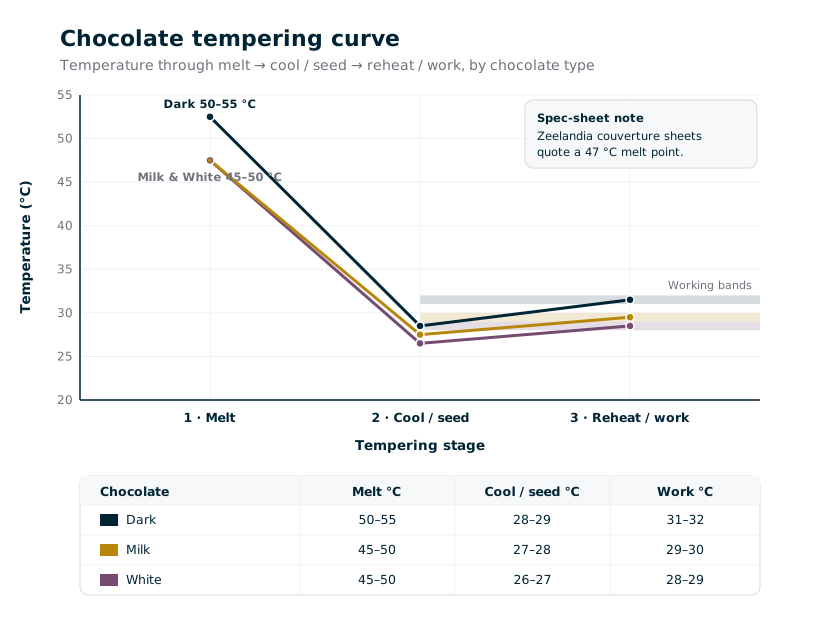 Tempering curve graph showing melt, cool and working temperatures for dark, milk and white chocolate
 Chocolate fluidity scale from one to five drops with cocoa butter content and recommended applications
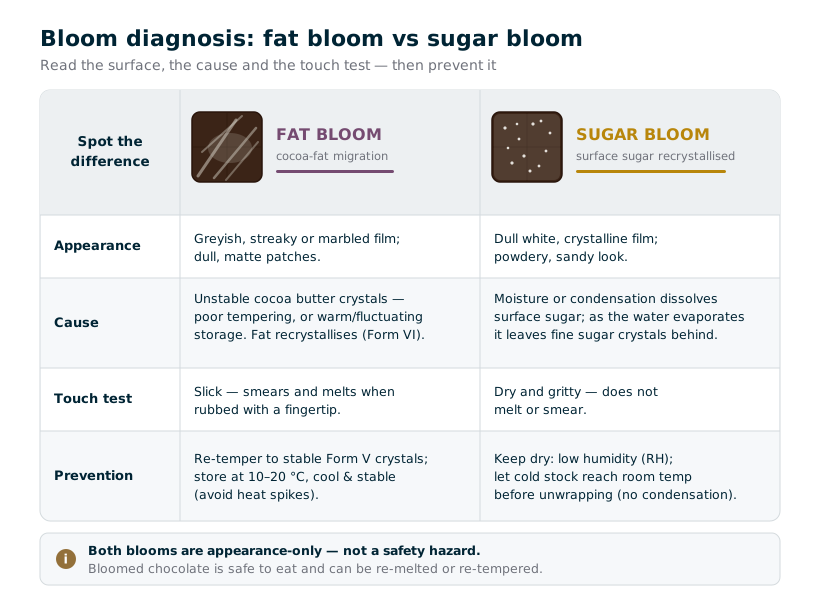 Diagram comparing fat bloom and sugar bloom on chocolate with causes and prevention
 Bar chart comparing saturated fat share of total fat in dark couverture versus compound coatings
 Enrobing chocolates by hand-dipping in fluid tempered couverture
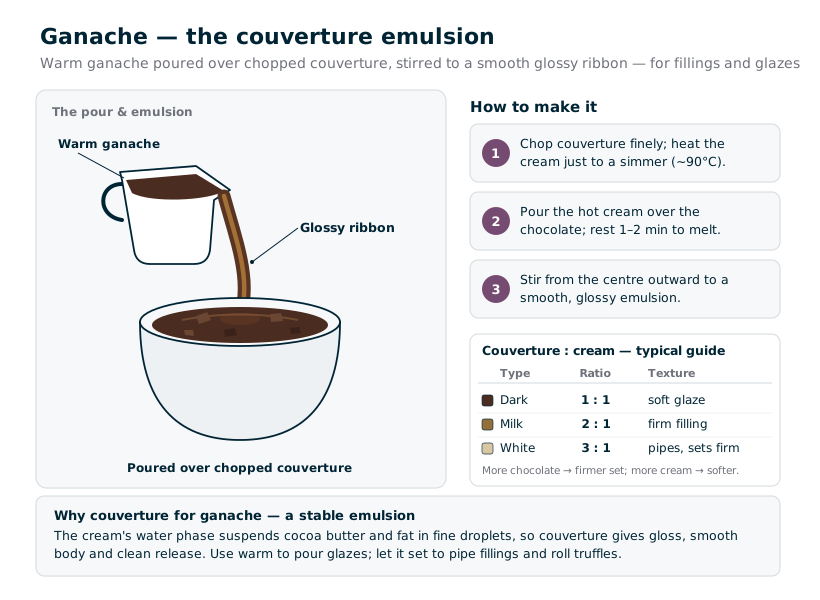 Smooth glossy chocolate ganache being poured into a bowl
Tempering couverture by seeding (kitchen method)
The most reliable hand method for tempering real couverture. Works for dark, milk and white - only the temperatures change (see tempering table).
| Ingredient | Baker's % | Weight |
|---|---|---|
| Couverture callets/drops — Use 100% as the working mass | 100 | |
| Reserved couverture as 'seed' — Hold back ~1/4 of the callets to add as Form V seed once melted | 20-25 | |
| Optional: Mycryo cocoa butter powder — Alternative seed - ~1% by weight, pre-crystallised to Form V | 1 |
- Melt the main mass fully: dark 50-55 C, milk/white 45-50 C.
- Stir in the reserved callets (or ~1% Mycryo) off the heat to seed stable crystals; keep stirring as it cools.
- Cool to the crystallisation point: dark 28-29 C, milk 27-28 C, white 26-27 C.
- Gently reheat to the working temperature: dark 31-32 C, milk 29-30 C, white 28-29 C. Do not exceed these or you lose temper.
- Test on a knife/paper: properly tempered chocolate sets glossy and hard within a few minutes.
Yield: any batch
Ganache base ratios (couverture: cream)
Classic emulsion of couverture and hot cream for fillings, truffles and glazes. Higher chocolate ratios for milk/white because their added sugar and milk solids set softer.
| Ingredient | Baker's % | Weight |
|---|---|---|
| Dark couverture: cream — Firmer set, e.g. piping ganache / truffle centres | 2:1 | |
| Milk couverture: cream — More chocolate needed for a clean set | 2.5:1 | |
| White couverture: cream — Highest ratio - white sets softest | 3:1 |
- Warm cream to just below the boil; pour over the chopped couverture (or callets).
- Rest 1 minute, then emulsify from the centre out to a glossy, homogeneous ganache.
- For lower-fluidity 1-drop couverture, infuse flavours into the cream first - it adds richness without thinning the set.
- Optional: finish with soft butter at ~35 C for shine and shelf-stability.
Yield: scalable
Enrobing / dipping with tempered couverture
When you need a thin, glossy, snappy shell - bonbons, dipped fruit, coated biscuits.
| Ingredient | Baker's % | Weight |
|---|---|---|
| High-fluidity couverture (4-5 drops) — More cocoa butter = thinner, glossier coat, better release | 100 |
- Temper the couverture (see seeding card) and hold at the working temperature.
- Dip/enrobe the centre; tap and scrape to drain a thin even coat.
- Set at 16-18 C ambient - cool, not cold, to avoid condensation and sugar bloom.
- If coating warm bakery items, a compound coating is the more forgiving (no-temper) alternative.
Yield: process card
Using a compound coating (no tempering)
The fast, forgiving route for drizzles, biscuit/cake coating and high-volume work where a hard snap is not essential.
| Ingredient | Baker's % | Weight |
|---|---|---|
| Compound coating (CBS/CBR) — Melt and use directly - no temper | 100 | |
| Optional neutral oil (white compound) — Satina spec allows up to 250 g oil per 1 kg to thin for dipping | up to 25 |
- Melt gently in a water bath/double boiler to the sheet temperature (e.g. Carat dark 50-55 C; Scaldis 35-40 C; do not overheat).
- Apply warm (e.g. 40-45 C for Carat); it sets without crystallisation control.
- Do not mix lauric CBS compound into real chocolate - they are incompatible (<5%) and cause softening/bloom.
- Store the finished goods cool and dry; lauric compounds may fat-bloom in storage without losing function.
Yield: process card
The core decision table. Couverture is real chocolate where the fat is cocoa butter; compound coating replaces cocoa butter with vegetable fat. Numbers from EU law, supplier spec sheets and reference sources.
| Parameter | Couverture (real chocolate) | Compound coating ('chocolate-like') |
|---|---|---|
| Fat system | Cocoa butter only (legal max 5% other vegetable fat) | Vegetable fat instead of cocoa butter: lauric CBS (palm kernel/coconut) or non-lauric CBR (palm/rape/soy) |
| Legal cocoa butter minimum | Min 31% cocoa butter; min 35% total dry cocoa solids | No cocoa butter requirement; cocoa contributed only as cocoa powder/solids |
| Cocoa butter (typical) | typically 31-39% (mid-range); high-% dark couvertures (70%+) reach 43-45% | Usually little or none |
| Tempering required? | Yes - must be tempered to Form V for gloss & snap | No - melt and use directly |
| Melt / working temperature | Melt 45-55 C; work 28-32 C depending on type | Melt ~35-55 C and apply warm (e.g. apply 40-45 C); no precise window |
| Finish | High gloss, hard clean snap, thin shell, fast mould release when tempered | Matte to satin, softer/waxier set, more forgiving but less crisp |
| Flavour | Full cocoa-butter melt and chocolate flavour | Less pronounced, can be waxy/greasy on the palate |
| Mouthfeel / melt | Melts near body temperature, clean release of flavour | Lauric CBS melts sharply; CBR can feel waxy / cling |
| Saturated fat | Lower share of total fat (e.g. ~62% in a 72% dark couverture) | Very high in lauric/hydrogenated compounds (~94% of total fat) |
| Bloom risk | Fat bloom if tempered badly or stored warm | Lauric compounds can fat-bloom in storage without loss of function |
| Ease of use | Skilled work (tempering) needed for set products | Beginner-friendly, stable, faster throughput |
| Cost | Higher (cocoa butter is expensive) | Lower |
| Best for | Bonbons, moulded shells, enrobing, decorations, ganache, fine patisserie | High-volume coating/enrobing, drizzles, biscuit coating, cost-sensitive lines |
Legal minimums for the protected names. To call a product 'chocolate' it must hit these cocoa thresholds; 'couverture' adds a higher cocoa butter floor. Compound coatings meet none of these and must be sold as 'coating' / 'chocolate-flavoured', not 'chocolate'.
| Designation | Total dry cocoa solids (min) | Cocoa butter (min) | Dry non-fat cocoa solids (min) | Other minimums | Source |
|---|---|---|---|---|---|
| Chocolate (plain/dark) | 35% | 18% | 14% | - | EU Directive 2000/36/EC |
| Chocolate couverture | 35% | 31% | 2.5% | - | Trade reference |
| Milk chocolate | 25% | (within total fat) | 2.5% | Dry milk solids min 14%; total fat min 25% | EU Directive 2000/36/EC |
| Milk chocolate couverture | 25% | (within total fat) | 2.5% | Dry milk solids min 14%; total fat min 31% | Trade reference |
| White chocolate | - (no non-fat cocoa) | 20% | 0% (contains no cocoa solids) | Dry milk solids min 14%; milk fat min 3.5% | Trade reference |
| Added vegetable fat allowance | n/a | n/a | n/a | Other vegetable fats max 5% of finished product; must be declared | EU Directive 2000/36/EC |
The summary of the directive also quotes a higher 43% total dry cocoa solids / 26% cocoa butter figure used for certain richer chocolate designations; the 35/18/14 values above are the baseline for the protected name 'chocolate'. White chocolate legally contains cocoa butter but no cocoa solids, which is why it is pale.
Authoritative composition from supplier spec sheets read from the platform. 'Cocoa solids' is the labelled total dry cocoa solids; saturated fat and energy are per 100 g.
| Product | Type | Cocoa solids / mass | Total fat | Saturated fat /100 g | Energy /100 g | Allergens | Source |
|---|---|---|---|---|---|---|---|
| Zeelandia Arabesque Noir 72 | Dark couverture | 72% cocoa mass; cocoa fat 44% | 44.7 g/100 g | 27.8 g | 576 kcal | Soya; may contain milk | Zeelandia spec sheet |
| Barbara Luijckx Barima Dark 72% | Dark couverture | min 72% | min 43% | 26.8 g | 580 kcal | Soya; may contain milk | Barbara Luijckx spec sheet |
| Barbara Luijckx Dark 56% | Dark couverture | min 56% | min 35% | 22.0 g | 559 kcal | Soya; may contain milk | Barbara Luijckx spec sheet |
| Barbara Luijckx Barima Milk 34% | Milk couverture | min 34%; milk solids min 20% | min 35% | 22.2 g | 570 kcal | Milk, lactose; may contain soya | Barbara Luijckx spec sheet |
| Zeelandia Arabesque Lait 34 | Milk couverture | 34%; cocoa butter 25%, milk powder 25% | 36.7 g/100 g | 23.3 g (trans 0.2 g) | 559 kcal | Milk, lactose, soya | Zeelandia spec sheet |
| Barbara Luijckx White 29% | White couverture | 29% (cocoa butter); milk solids 21.5% | min 35% | 21.9 g | 575 kcal | Milk, lactose; may contain soya | Barbara Luijckx spec sheet |
| Belcolade Milk (Lait Caramel) * | Milk chocolate | 35% cocoa solids; cocoa butter 32.5% | 33.9-36.9% | 21.6 g | 563 kcal | Milk, soya | Belcolade spec sheet |
* The Belcolade Lait Caramel sheet is the datasheet attached to catalogue product G25157 (listed as 'Callebaut SICAO Milk 32.1%') - a catalogue attachment mismatch; it is shown only because it carries measured viscosity data (see fluidity table). White chocolate's 'cocoa solids' figure is cocoa butter, since white chocolate contains no non-fat cocoa.
Compound coatings replace cocoa butter with vegetable fat. Note the fat type (lauric palm-kernel CBS vs partly hydrogenated) drives both the saturated-fat level and the working method.
| Product | Colour/type | Fat system | Total fat | Saturated fat /100 g | Use temperature | Allergens | Source |
|---|---|---|---|---|---|---|---|
| Puratos Carat Cover Dark U2 | Dark compound | Fully hydrogenated palm kernel (CBS) + 18% cocoa powder | 37-40% | 36.6 g (of 38.8 g fat) | Melt 50-55 C, apply 40-45 C; no temper | Milk | Puratos spec sheet |
| Zeelandia Scaldis (dark) | Dark compound | Fully hydrogenated palm kernel (CBS) + cocoa powder | 41.6 g/100 g | 38.9 g | Heat 35-40 C only; no temper | Soya (E322, declared ingredient); may contain milk, hazelnuts | Zeelandia spec sheet |
| Zeelandia Satina (white) | White compound | Partly hydrogenated palm + rape | fat in dry matter min 33% (36 g/100 g) | 14 g | Heat to max 55 C; no temper | Milk; may contain sesame, soya, peanuts, nuts | Zeelandia spec sheet |
| Polen Vizyon Chococover (pistachio) | Flavoured compound sauce | Fully hydrogenated palm + ivory chocolate | n/s (paste, Brix 69-71) | n/s | Coating: melt 38-40 C; filling: 30-50% in cream | Milk, pistachio; colour E102 warning | Polen Vizyon spec sheet |
Lauric CBS (palm kernel) compounds give the cleanest 'chocolate-like' snap and melt but are ~94% saturated fat. Storage: CBS lauric compounds (Carat Cover, Scaldis) require below 20 C; Satina white (partly hydrogenated) allows up to 25 C. EU Regulation 2019/649 (in force April 2021) caps industrial trans fat at 2 g per 100 g fat - the 2020 Satina white spec predates this limit and does not declare trans fat content; verify current compliance with Zeelandia. Scaldis dark: soya (E322) is a DECLARED INGREDIENT allergen (not merely a may-contain risk). n/s = not stated on the sheet.
Three-temperature method: fully melt, cool while stirring to seed stable Form V crystals, then gently reheat to the working temperature. Web chart values cross-checked against Zeelandia couverture spec sheets.
| Chocolate | Melt | Cool (crystallise) | Work (use) | Spec-sheet example | Source |
|---|---|---|---|---|---|
| Dark | 50-55 C | 28-29 C | 31-32 C | Zeelandia Noir 72: melt 47 C, work to 28 C, reheat 31 C (+/-1) | Tempering reference chart; Zeelandia spec sheet |
| Milk | 45-50 C | 27-28 C | 29-30 C | Zeelandia Lait 34: melt 47 C, cool 2/3 to 27 C, reheat 30 C | Tempering reference chart; Zeelandia spec sheet |
| White | 45-50 C | 26-27 C | 28-29 C | (white sets softest - keep coolest) | Tempering reference chart |
Never take chocolate above ~31-32 C (dark), ~30 C (milk) or ~29 C (white) while working, or you melt out the stable crystals and lose temper. White and milk run cooler than dark because milk fat softens the set.
Fluidity (viscosity) is set by cocoa butter level: more cocoa butter = thinner flow, thinner/glossier shell, better release. Callebaut grades this 1-5 drops; viscosity is measured as Casson/OICC viscosity and yield value on spec sheets.
| Fluidity | Relative cocoa butter | Flow | Best application | Source |
|---|---|---|---|---|
| 1 drop | Lowest | Thick | Baking (bake-stable), infusing fillings/ganache, ice cream | Callebaut guide |
| 2 drops | Low | Fairly thick | Large moulded chocolate figures (thicker shell) | Callebaut guide |
| 3 drops | Medium (standard) | Versatile | Any application - the all-round default | Callebaut guide |
| 4 drops | High | Thin | Thin or sharply angular moulded shells (bonbons) | Callebaut guide |
| 5 drops | Highest | Very thin | Thin coating / enrobing large surfaces (biscuits) | Callebaut guide |
Measured example: a milk chocolate sheet quotes Casson viscosity 700-900 mPa.s and yield value 5-9 Pa; the Carat dark compound quotes OICC viscosity 800-1200 mPa.s at 40 C. To thin couverture you can add melted cocoa butter (about 10%).
Common faults when melting, tempering and storing couverture and compound coatings.
| Fault | Looks like | Likely cause | Remedy / prevention |
|---|---|---|---|
| Fat bloom | Grey/white streaky film, slick to touch, melts | Untempered or badly tempered couverture; warm/fluctuating storage; conversion to Form VI | Re-temper to Form V; store stable at 10-20 C; lauric compounds can bloom harmlessly |
| Sugar bloom | Dull, dry, gritty white crust that does not melt | Moisture/condensation dissolving surface sugar then recrystallising | Keep dry (low RH); avoid condensation when moving from cold storage; never refrigerate uncovered |
| No snap / dull, soft set | Bendy, matte, fingerprints | Out of temper - worked too warm (over ~32 C dark) or under-seeded | Re-melt and temper correctly; check working temperature with a thermometer |
| Seized / grainy melt | Thick, lumpy, dull paste | Water/steam or overheating scorched the chocolate | Keep all water out; melt gently; if seized, add warm cream to convert to a ganache |
| Too thick to coat | Drags, thick shell, poor release | Low-fluidity (low cocoa butter) chosen for a thin-coat job | Use a higher-fluidity (4-5 drop) couverture or add ~10% melted cocoa butter |
| Chips melt flat in oven | Chocolate spreads/leaks in baked goods | Used coating/couverture that is too fluid for baking | Use bake-stable (low cocoa butter) chips/chunks that hold shape to ~200 C |
| Compound tastes waxy | Greasy/clingy mouth-coat | Non-lauric CBR fat, or compound used where real chocolate flavour expected | Switch to couverture for eating-quality items; reserve compound for coating/decor |
Buy the ingredients
Catalogue products and brands referenced in this article.

Zeelandia Satina White Compound Coating
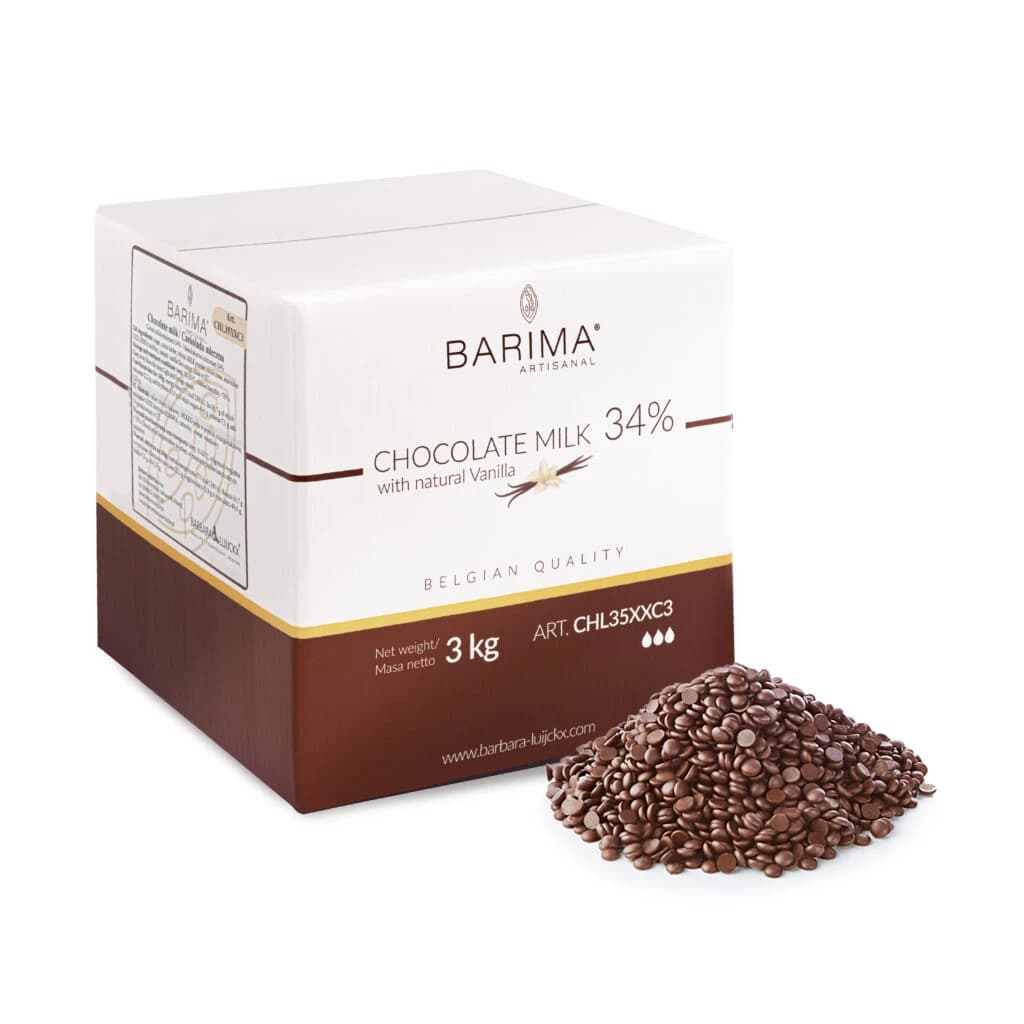
Barima Milk Chocolate 35% Callets 3 kg
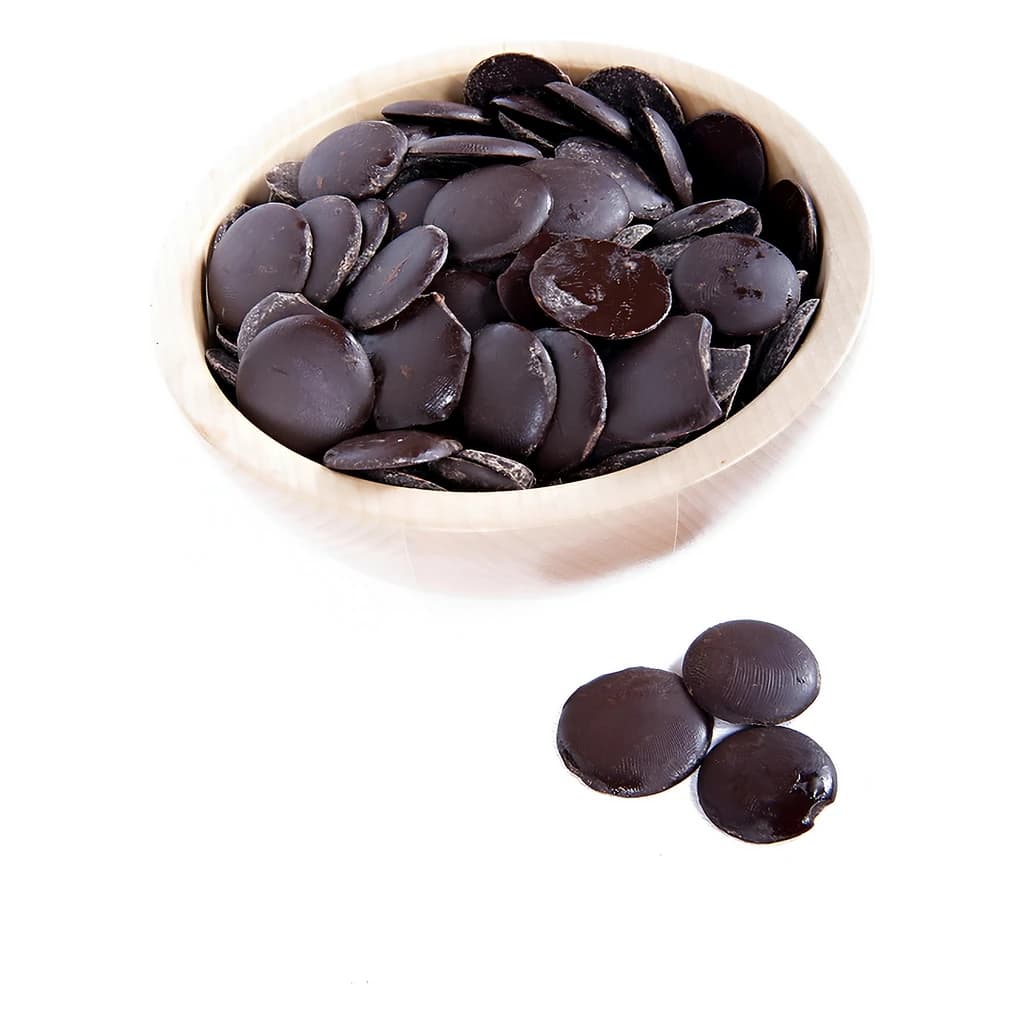
Barbara Luijckx Dark Chocolate 56% Discs 3 kg
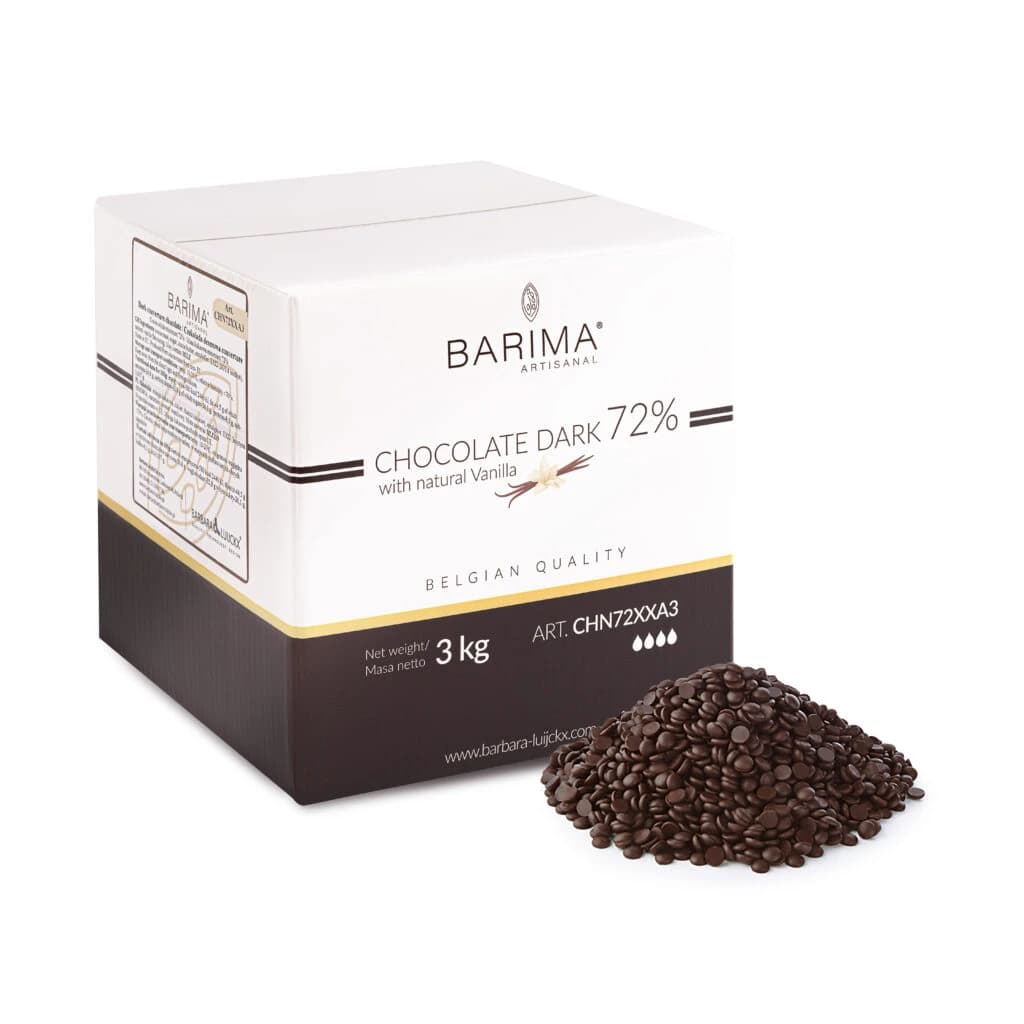
Barima Dark Couverture Drops 72% 3 kg
Barima White Chocolate 28% Callets 3 kg
Barbara Luijckx Dark Chocolate Chunks 50% 8×8×2 mm 8 kg
Barbara Luijckx Cocoa Butter 1 kg
Satina PRO RSPO Dark Compound Coating 20 kg
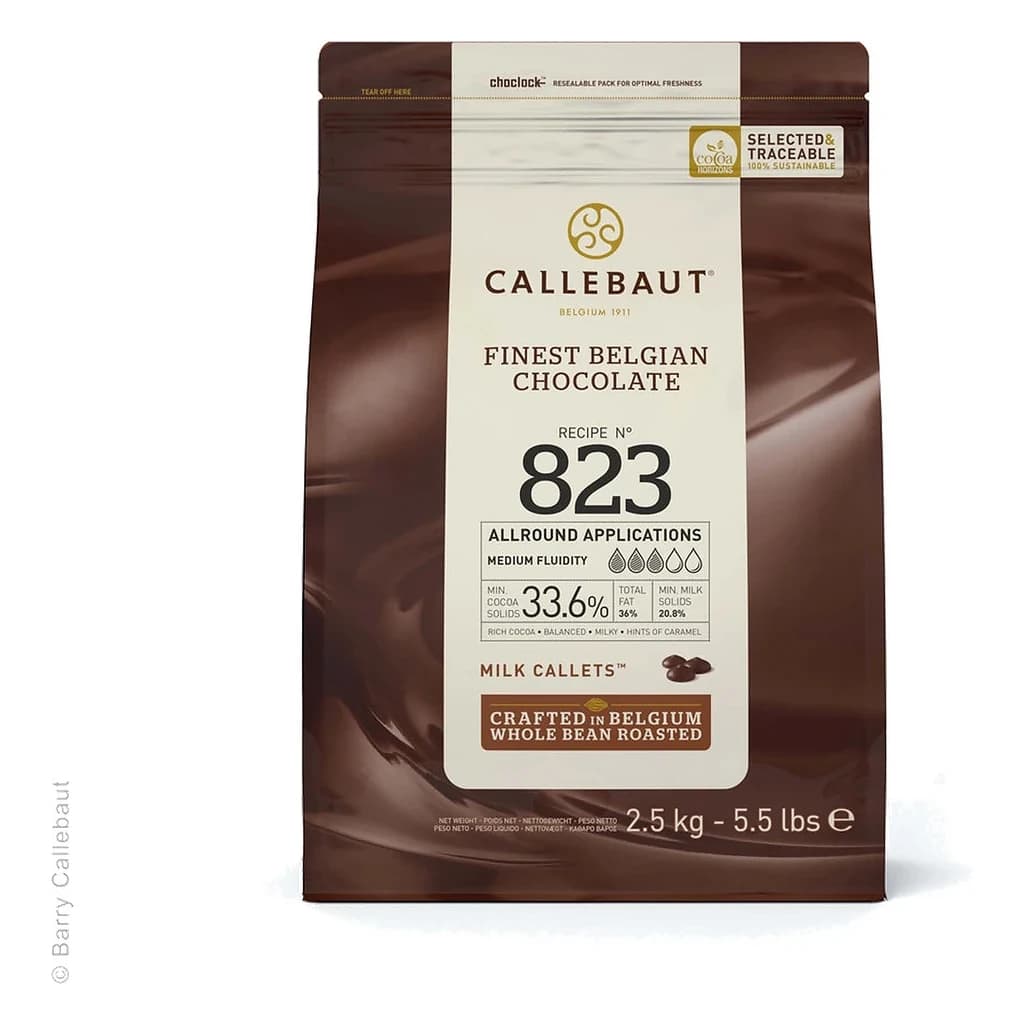
Callebaut 823 Milk Chocolate Callets 33.6% 2.5 kg
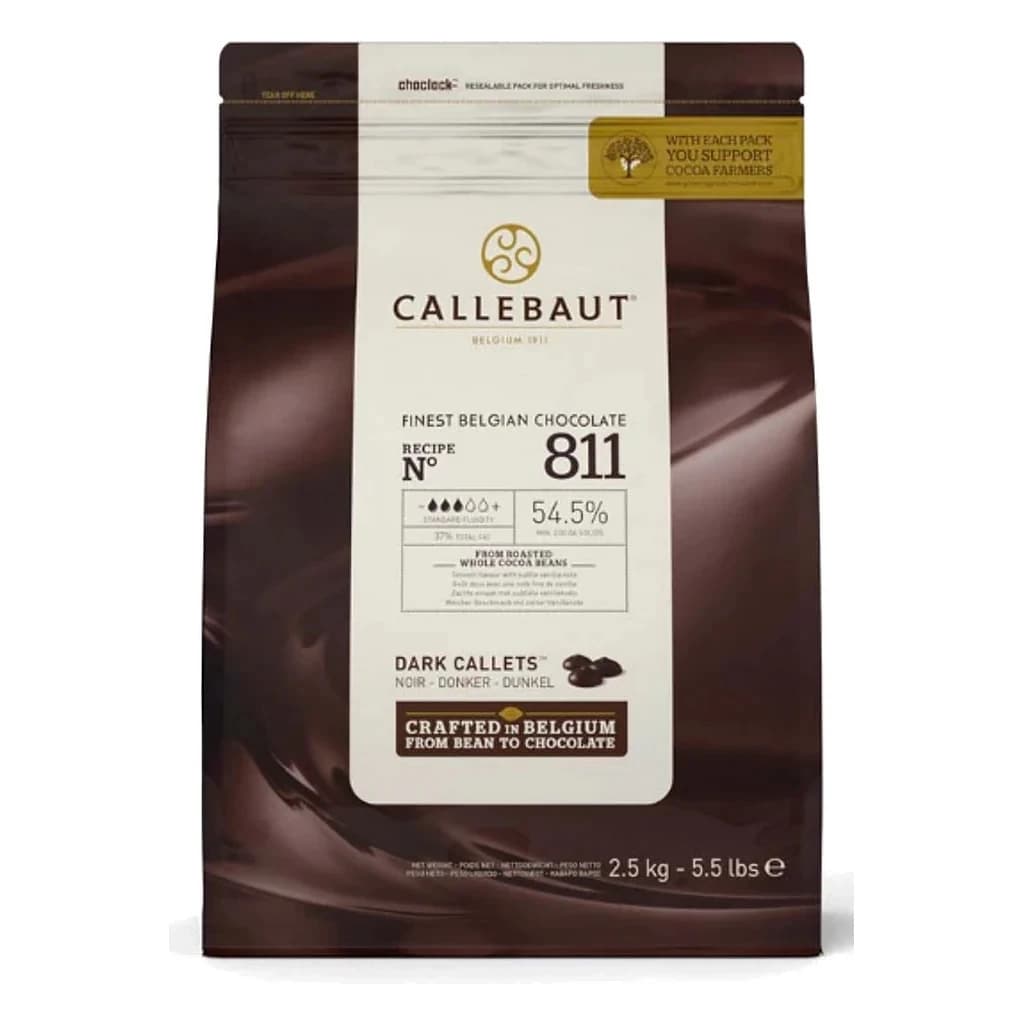
Callebaut 811 Dark Couverture Callets 54.5%

Callebaut SICAO White Chocolate Callets 28% 2.5 kg
Chocovic Superbrill Milk Compound Coating Drops 10 kg
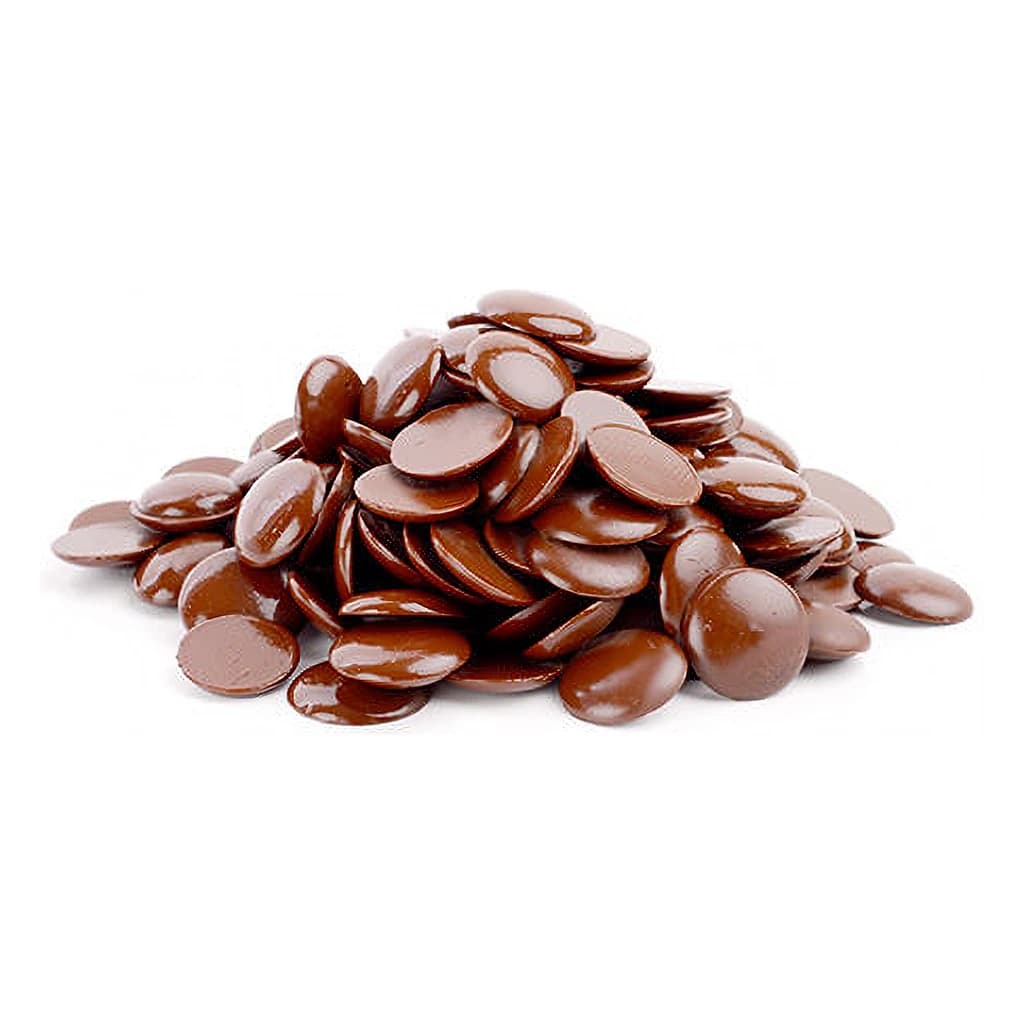
Zeelandia Arabesque Milk Couverture 34% 5 kg
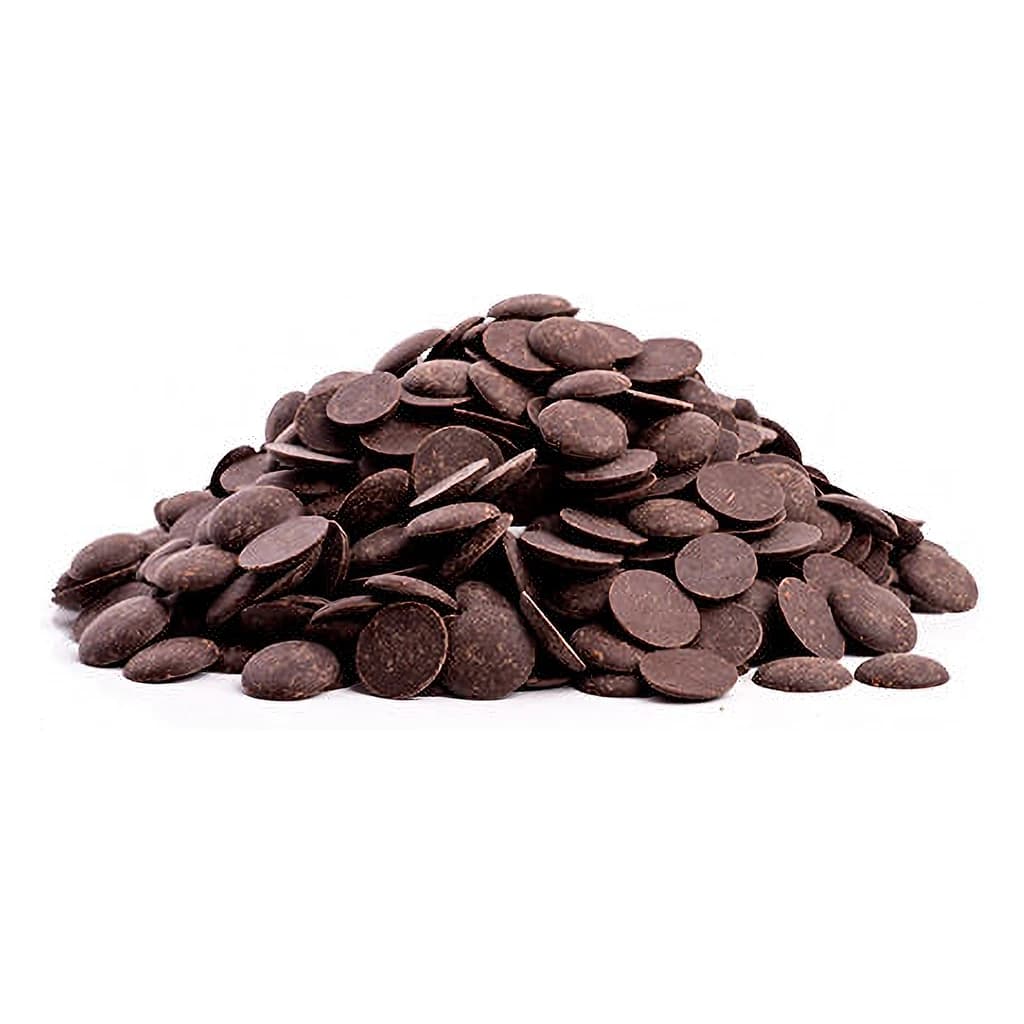
Zeelandia Arabesque Dark Couverture 72% 5 kg
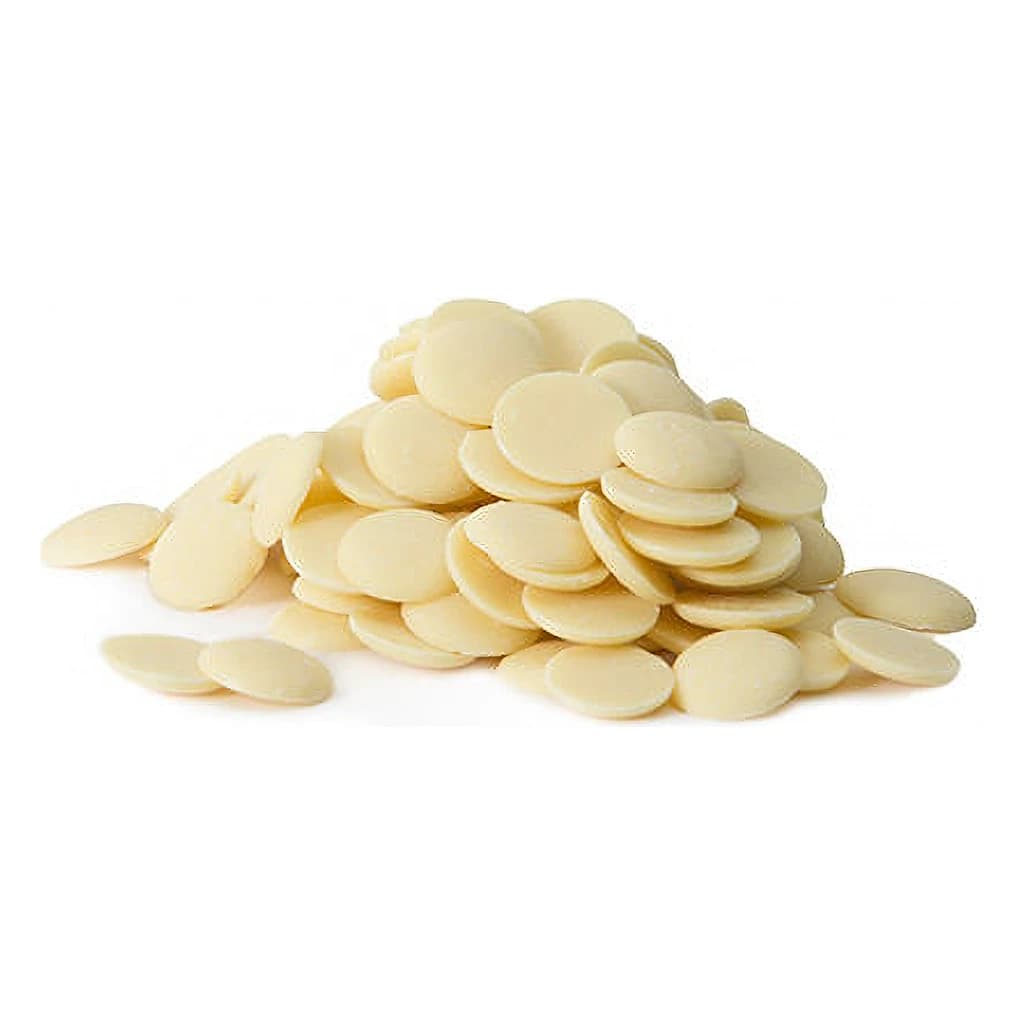
Zeelandia Arabesque White Couverture 29% 5 kg
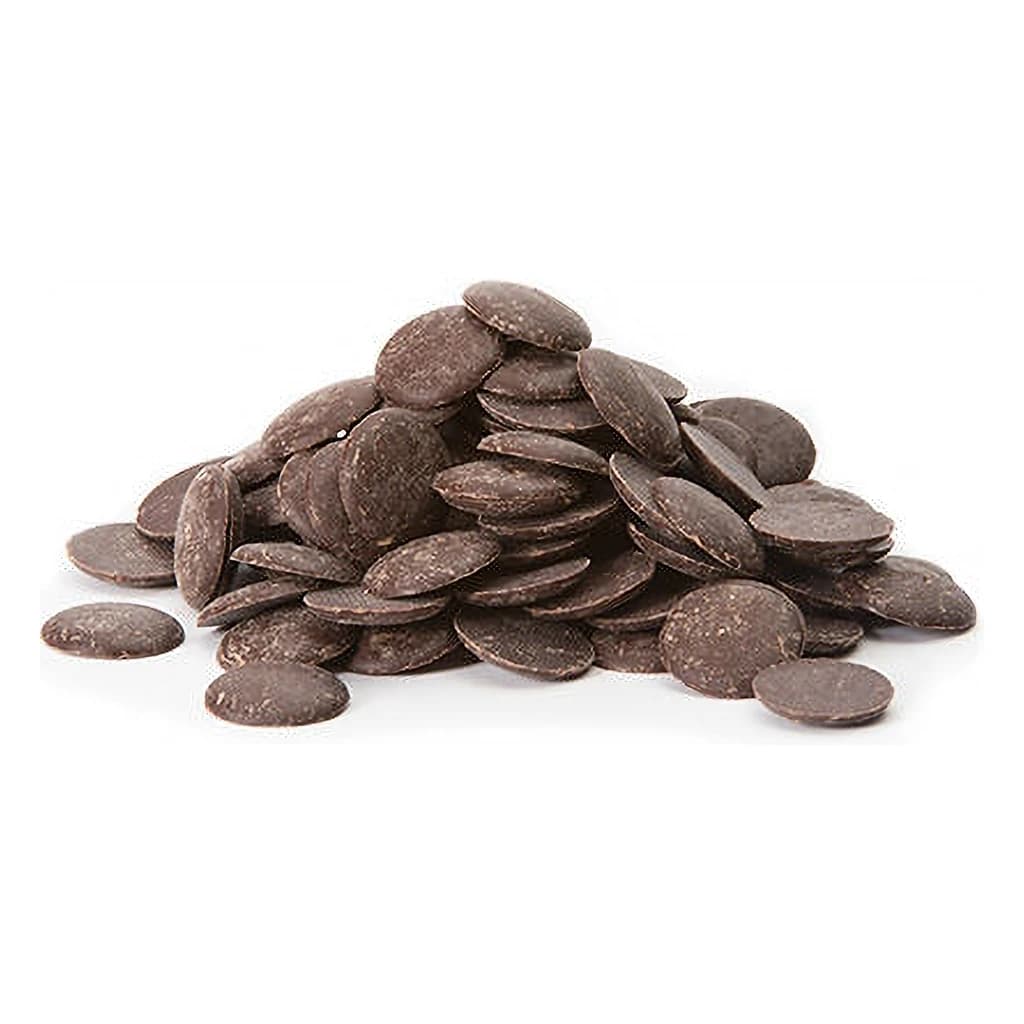
Zeelandia Arabesque Dark Couverture 58% 5 kg
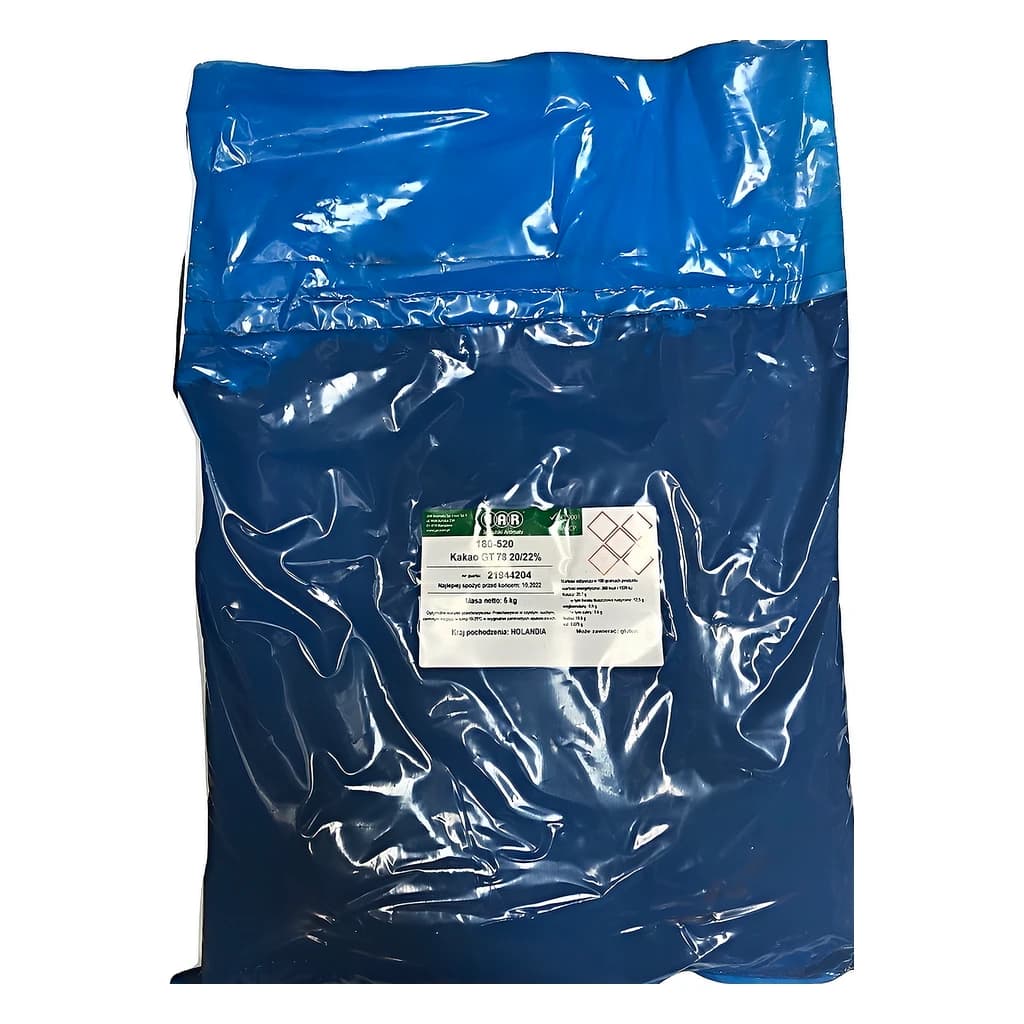
Dark Dutch Cocoa Powder GT78 20/22% 5 kg

Callebaut SICAO Milk Chocolate Callets 32.1% 10 kg
Martin Braun Chococover Coating
IRCA Nobel Latte Milk Compound Coating 10 kg
Ariba Dark Chocolate 54% Discs 32/34 Master Martini 10 kg
Helios Premium Dark Chocolate Glaze 10 kg
Helios White Glaze 10 kg

IRCA Reno Bianco White Chocolate Couverture 27% Drops 10 kg
Dark Couverture Chocolate 70% Cubes 10 kg

Master Martini Bolero Compound Discs 20 kg
Compound Coating Discs 20 kg
Bellaria Milk Couverture Chocolate 34% Cubes
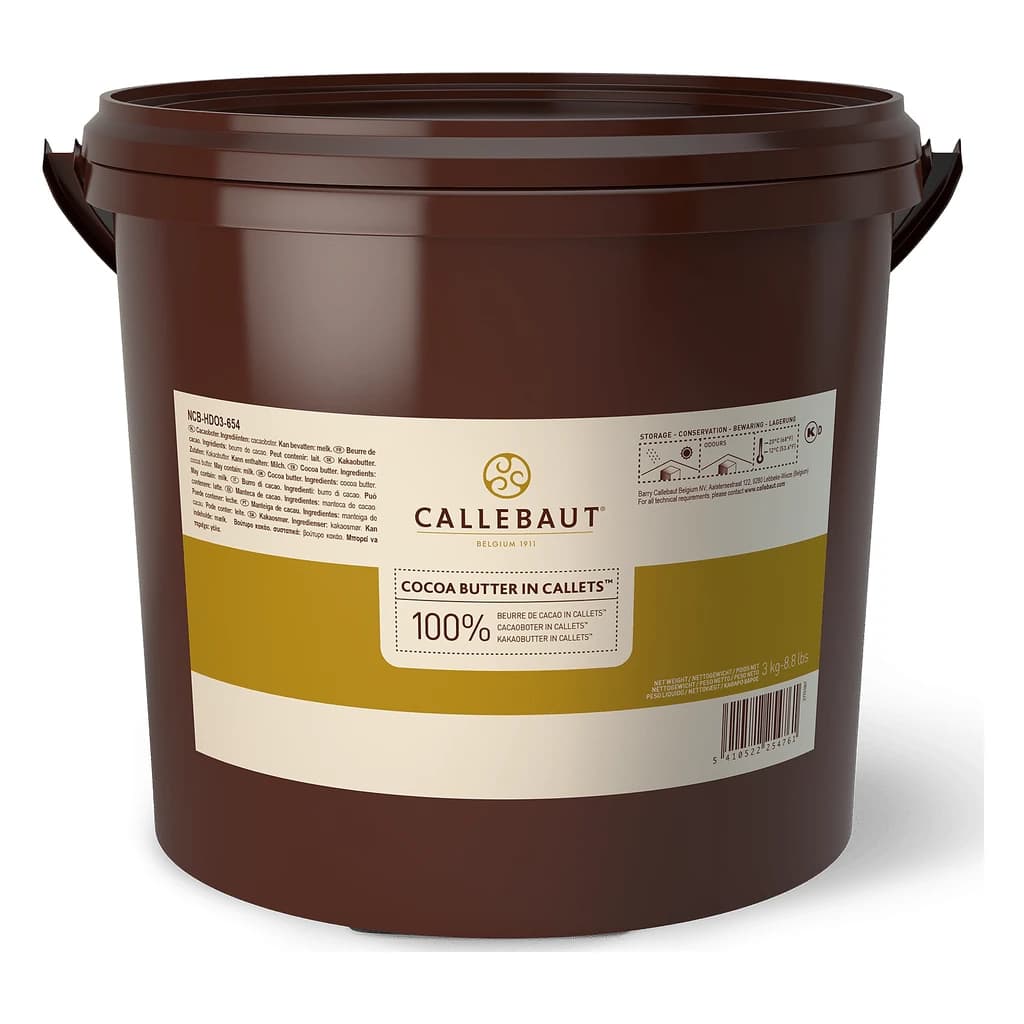
Callebaut Cocoa Butter in Callets 100% 3 kg