
Chocolate tempering & cocoa-butter crystallisation: achieving Form V for snap, gloss & shelf life
A working chocolatier's guide to why chocolate must be tempered, what cocoa-butter crystallisation actually is, and how to hit the correct Form V crystal every time. Covers the six polymorphs, the dark/milk/white temper curves, the tabling, seeding, Mycryo and machine methods, the temper test, and bloom — cross-referenced to the Domson couverture and compound range with first-party spec-sheet numbers.
Why chocolate has to be tempered
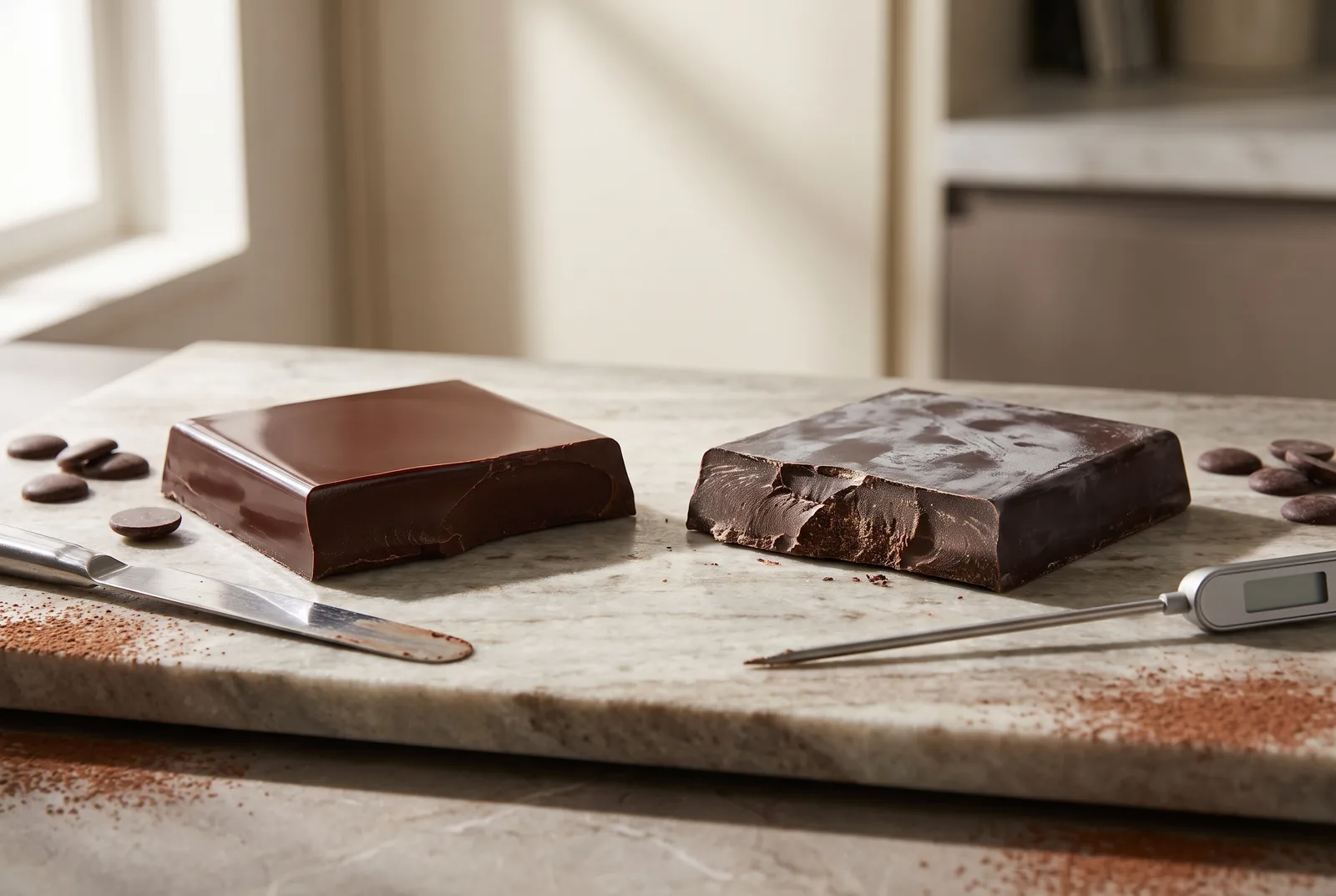
Melt a bar of good couverture, pour it into a mould, let it set at room temperature and you will get a disappointment: a dull, soft, streaky block that bends instead of snapping, sticks in the mould and grows a grey film within days. Do the same with a compound coating and it sets perfectly fine. The difference is one ingredient — cocoa butter — and one property of it: polymorphism.
Cocoa butter does not have a single melting point. Depending on how you cool it, the same fat can crystallise into six different solid structures, called polymorphs or "forms", each with its own melting point and texture \ . Only one of them — Form V — gives the qualities we sell chocolate for: a mirror gloss, a clean hard snap, a smooth melt on the tongue, contraction that pops the piece cleanly out of the mould, and a stable shelf life \ .
Tempering is simply the controlled process of making the cocoa butter set into Form V — and only Form V — throughout the whole batch. Everything in this article is in service of that one goal.
Couverture vs compound — the reason this matters. Compound coatings (e.g. the Zeelandia Satina range) replace cocoa butter with vegetable fat, so they have no troublesome polymorphism: you just melt them to a maximum of 55°C in a water bath and coat — no tempering . Couverture, defined as containing at least 31% cocoa butter on top of ≥35% total dry cocoa solids \ , must be tempered. See the comparison table below, and the sister article A6-chocolate-selection-couverture.
1. The crystallisation science (kept practical)
1.1 Why cocoa butter is polymorphic
Cocoa butter is unusual among fats because roughly 75-80% of its triglycerides are three symmetric, monounsaturated molecules — POP, POS and SOS (P = palmitic, O = oleic, S = stearic; POS alone is the single largest, ~26-45%) \ . Because these molecules are so similar and so symmetrical, they can stack in several different ordered ways as they solidify — hence multiple crystal forms, and a sharp melt rather than a gradual softening.
1.2 The six forms
The forms are numbered I-VI in order of increasing melting point and stability (see the comparison table below) :
- Forms I-IV (~17-28°C): unstable. They form when you cool chocolate too far or too fast. They are soft, dull, release badly and bloom within hours to days.
- Form V (~33.8-34°C): the target. Stable at room temperature, glossy, snaps, contracts, and melts just below body temperature so it dissolves cleanly in the mouth \ .
- Form VI (~36.3°C): the most stable form, but it only develops slowly from Form V over weeks to months, especially in warm or fluctuating storage. Form VI is fat bloom — the dull grey film and waxy, slow-melting texture .
The practical takeaway: all roads lead away from Form V unless you actively steer toward it. Cool wrongly and you get Forms I-IV; store wrongly and Form V drifts to VI. Tempering, and then correct storage, is how you pin the chocolate at Form V.
2. The temper curve — melt, cool, work
Every tempering method, manual or machine, follows the same three-stage temperature curve. The point of each stage is specific:
<!-- IMAGE: img-a6temp-02 — Three-step temper curve (temperature vs time) for dark, milk and white couverture -->- Melt fully (dark 45-50°C, milk/white ~45°C). This erases all existing crystals — old, unstable, bloomed, whatever — so you start from a clean slate .
- Cool to the pre-crystallisation point (dark 27-28°C, milk 26-27°C, white 27°C). At this low point both stable (V) and some unstable (IV) crystals form, building a dense seed network.
- Warm back to the working temperature (dark 31-32°C, milk 29-30°C, white 28-29°C). This gentle rise melts out the unstable crystals and leaves a clean Form V seed bed — the chocolate is now in temper and fluid enough to use .
The full set of curves is in the comparison table below. The numbers in this article are the manufacturer's own: Callebaut publishes melt/cool/work figures for 811 dark (40-50 / 27 / 31-32, max 34.5°C), 823 milk (45 / 27 / 29-30, max 32.5°C) and W2 white (45 / 27 / 28-29, max 31.5°C) — and all three are stocked in the catalogue . They are independently corroborated by a first-party spec sheet: the Zeelandia Arabesque Noir 72 datasheet specifies, in its own words, melt at 47°C, table two-thirds on a cool worktop until it thickens at 28°C, recombine and reheat to 31°C, tolerance ±1°C .
The maximum working temperature is the line you must not cross. Above roughly 34.5°C (dark) / 32.5°C (milk) / 31.5°C (white) the Form V seeds melt back out and you are out of temper again . In a machine, hold 0.5-1°C below these. White and milk run cooler than dark because their milk fat softens the set and their milk solids/sugar scorch easily — never push white past ~45°C even when melting.
3. The four methods
All methods reach the same endpoint — a working-temperature chocolate carrying a fine, even Form V seed network. Choose by batch size, kit and skill. Full comparison in the table below.
3.1 Tabling (marble method)
<!-- IMAGE: img-a6temp-08 — Tabling on a marble slab: pour 2/3, spread/gather until it thickens, recombine and reheat -->The classic chocolatier's method, and the one written on the Zeelandia datasheet : pour two-thirds of the fully-melted chocolate onto a cool granite or marble slab; spread and gather it continuously with a palette knife and scraper until it thickens at the cooling temperature (28°C for dark); then scrape it back into the warm remaining third and stir to the working temperature. Fast and ingredient-free, but it needs a cool slab, space and practice.
3.2 Seeding
The most reliable bench method without a marble slab: melt most of the chocolate to 45-50°C, then stir in finely chopped tempered chocolate or Form-V callets (typically 5-25% of the melt — Callebaut's own callets technique at ambient room temperature can use as little as 5%; proportions of 15-25% are used when seeding with chopped block chocolate at higher temperatures) and keep stirring as the seed both cools the mass and donates Form V crystals, until you reach the working temperature \ . Callets are ideal seed because they are already in temper and dose easily — Callebaut, Barima and Zeelandia all supply their couvertures as callets/drops/discs for exactly this reason.
3.3 Mycryo / cocoa-butter powder and "silk"
The most fool-proof option for plated work and small batches. Mycryo (spray-dried cocoa butter, already crystallised to Form V) is stirred into chocolate that has been cooled to ~34°C at about 1% of the weight — 10 g per kg — then brought to working temperature \ . Cocoa-butter "silk" is the paste equivalent, held at ~33.5°C and added at working temperature; because it is pure Form V, it brings the chocolate into temper instantly and is almost impossible to over-crystallise . The catalogue stocks pure cocoa butter in callets (Callebaut) and 1 kg cocoa butter (Barbara Luijckx) for seeding, for thinning thick couverture and for making silk.
<!-- IMAGE: img-a6temp-07 — Callebaut cocoa butter callets used as a seeding / fluidity / silk agent -->3.4 Continuous / automatic machine
For production enrobing and moulding, a tempering machine (auger or wheel) cools and shears the chocolate to a held working temperature on demand — hands-off, high throughput and stable across a shift, at the cost of capital and cleaning. Dial it to 0.5-1°C below the max working figure for the chocolate type.
<!-- IMAGE: img-a6temp-11 — Continuous tempering machine dispensing tempered chocolate (industrial context) -->Fluidity matters too. Cocoa-butter content and lecithin set how thin the chocolate flows — important for thin shells and clean enrobing. Manufacturers grade this as a "fluidity" or viscosity number; the Belcolade milk datasheet, for example, gives a Casson viscosity of 700-900 mPa.s and a yield value of 5-9 Pa . Higher cocoa butter (or a few % of added cocoa butter) thins the chocolate; this is why couverture, at ≥31% cocoa butter, enrobes better than eating chocolate .
4. Testing the temper
Never commit a batch without a temper test \ :
- Dip the tip of a knife, a palette knife or a strip of baking paper into the chocolate and set it aside at room temperature (18-20°C).
- Correctly tempered chocolate sets within 3-5 minutes, with an even gloss and a clean snap, no streaks, no dull patches.
- If it stays wet, dull, streaky or takes much longer, you are out of temper — re-seed or re-table before moulding.
Work in a room at roughly 18-21°C and 50-65% relative humidity . Set moulds at about room temperature (cold moulds cause streaks), and cool finished pieces gently at ~10-15°C — never blast-freeze fresh chocolate, which causes condensation and dull/soft set.
<!-- IMAGE: img-a6temp-10 — Temper test plus fault grid: glossy/snapping vs streaky, dull, soft and over-thick -->5. Faults, bloom and how to fix them
The full diagnostic is in the fault table below. The two faults that generate the most customer complaints are the blooms:
<!-- IMAGE: img-a6temp-09 — Fat bloom vs sugar bloom: causes, appearance, reversibility -->- Fat bloom — a dull grey/white film that feels greasy. It comes either from undertempering (unstable crystals migrating) or from temperature abuse in storage, where Form V drifts to Form VI \ . It is harmless and edible, and reversible: melt and re-temper .
- Sugar bloom — a rough, gritty white crust caused by moisture/condensation dissolving surface sugar which then recrystallises (classically, taking cold chocolate into warm humid air). It is not reversible — control humidity and warm chocolate gradually instead .
The single best defence is correct tempering followed by correct storage: a stable 15-20°C (ideal ~18°C), relative humidity below 55% ideal (supplier datasheets allow up to max 70% RH as the outer validated limit ) — away from strong odours and direct light, wrapped airtight against moisture and smells . Satina compound specifies 12-18°C . Avoid the domestic-fridge trap: cold + condensation is the fastest route to sugar bloom. (Deeper treatment in A6-chocolate-bloom-defects.)
6. Buy the chocolate for this — catalogue guide
All composition figures below are from first-party supplier datasheets; the full comparison table is below.
Dark couverture (temper to 31-32°C):
- Callebaut 811 Dark Callets 54.5% — published curve 40-50 / 27 / 31-32°C; the reference workhorse for moulding and enrobing .
- Barima Dark Couverture Drops 72% — dry cocoa solids min 72%, total fat min 43%; drops are ready-to-seed .
- Barbara Luijckx Dark 56% Discs — dry cocoa solids min 56%, total fat min 35% .
- Zeelandia Arabesque Noir 72 / Noir 58 — the Noir 72 carries the first-party temper curve (47/28/31, ±1°C) .
Milk couverture (temper to 29-30°C):
- Callebaut 823 Milk Callets 33.6% — curve 45 / 27 / 29-30°C .
- Barima Milk 34% Callets — total fat min 35%, milkfat 5.9% ; Zeelandia Arabesque Lait 34 .
- Belcolade Milk (catalogued as Callebaut SICAO Milk 32.1%) — cocoa butter 32.5%, with published rheology . Note the naming discrepancy below before ordering.
White couverture (temper to 28-29°C, melt ≤45°C):
- Callebaut W2 White Callets 28% — curve 45 / 27 / 28-29°C .
- Barima White 29% Callets ; Zeelandia Arabesque Blanc 29 .
Seeding & fluidity agents: Callebaut Cocoa Butter in Callets 100%, Barbara Luijckx Cocoa Butter 1 kg — for Mycryo-style seeding, silk and thinning.
No-temper alternative (compound): Zeelandia Satina / Satina PRO RSPO Dark / compound coating discs — melt to max 55°C and coat .
<!-- IMAGE: img-a6temp-12 — Zeelandia Satina compound coating (no-temper alternative) -->Allergen & food-safety notes (flagged for review)
- Allergens — E322 lecithin source varies by product. Lecithin (E322) is present across the range but the source differs: most products use soya lecithin (a declarable soya allergen under EU 1169/2011 Annex II), while Barima Milk 34% Callets and Barima White 29% Callets use sunflower lecithin (E322) — sunflower is NOT one of the 14 EU mandatory allergens, so E322 from sunflower is not a declarable soya allergen on those two products. Always check each product's current datasheet — do not assume all E322 means soya.
- Milk allergens.Milk and white couvertures contain MILK as an ingredient; dark couvertures carry "may contain MILK" (PAL for shared facilities) \ \ \ . The Satina compound additionally carries "may contain PEANUTS" .
- Allergen gap — Zeelandia Arabesque Noir 58. The available datasheet does not record the PAL (precautionary allergen) statement for this product. Obtain and verify the current Zeelandia Arabesque Noir 58 datasheet before publishing allergen information for this SKU.
- Catalogue/spec mismatch. The item titled "Callebaut SICAO Milk Chocolate Callets 32.1%" is supplied with a Belcolade milk-chocolate datasheet (Kent Foods, Material 4001617). Quoting allergen or nutritional composition from this datasheet for the SICAO SKU constitutes a risk under EU 1169/2011; verify the actual product before use on any order, label or product listing .
- Trans fat. The Satina Dark datasheet (dated 2020) lists "partly hydrogenated palm fat", a source of industrial trans-fatty acids. EU Regulation 2019/649 limits industrial trans fat to 2 g per 100 g of fat (in force since 1 April 2021); confirm the current post-2021 formulation and label — the 2020 datasheet may be superseded .
- Water is the enemy. A single drop of water or steam will seize melted chocolate. Keep bowls, spatulas and steam well clear; if it seizes, convert it to ganache rather than trying to recover the temper.
All numeric, dosage, allergen and food-safety claims in this article are itemised in _claims.json for independent verification. Tempering temperatures and storage limits are device- and formulation-dependent — validate against your own equipment, your specific SKU's datasheet and your local food-law obligations.
Figures
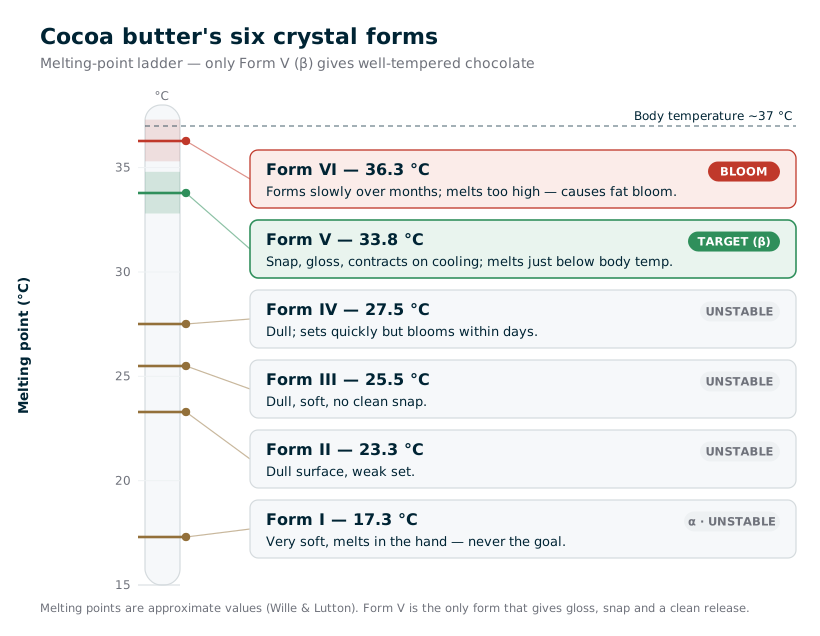 Diagram showing the six crystal forms of cocoa butter on a temperature scale from Form I at about 17 degrees Celsius to Form VI at about 36 degrees, with Form V at 33.8 degrees marked as the desired form for tempered chocolate
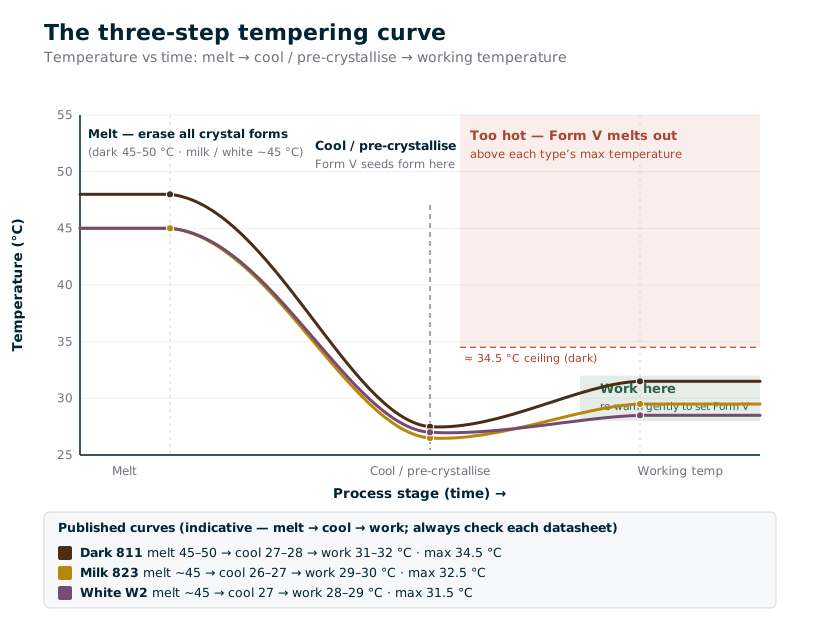 Line graph of chocolate tempering showing temperature falling from a melt point to a cooling minimum then rising to a working temperature, with separate curves for dark, milk and white couverture
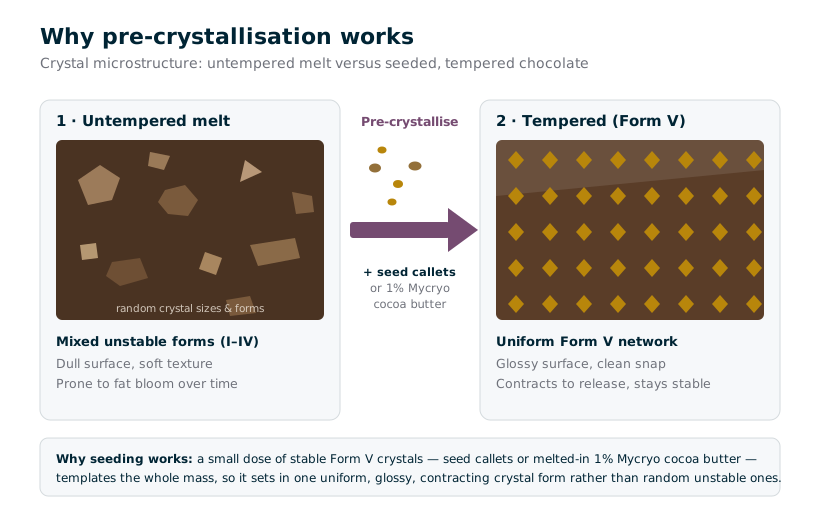 Side-by-side microstructure schematic comparing untempered chocolate with large irregular crystals to tempered chocolate with a uniform network of small stable Form V crystals
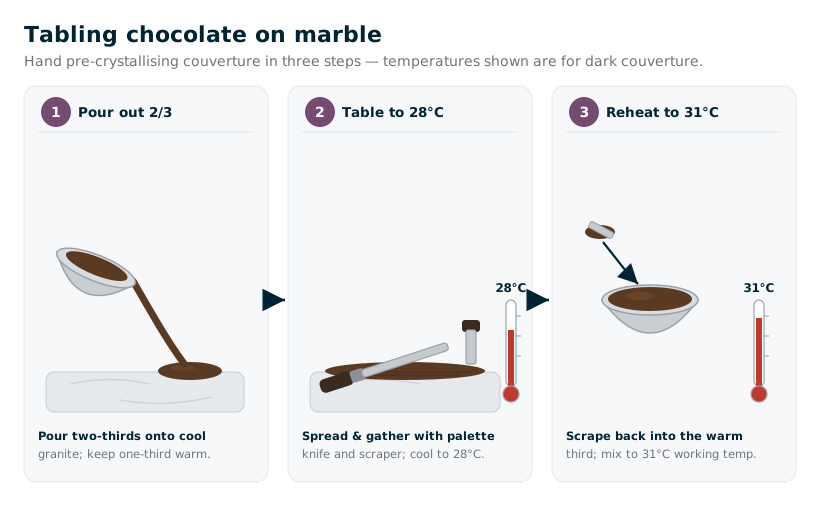 Three-panel illustration of tabling chocolate on a marble slab: pouring two thirds of melted chocolate, spreading and scraping it until it thickens, then mixing it back into the warm remainder
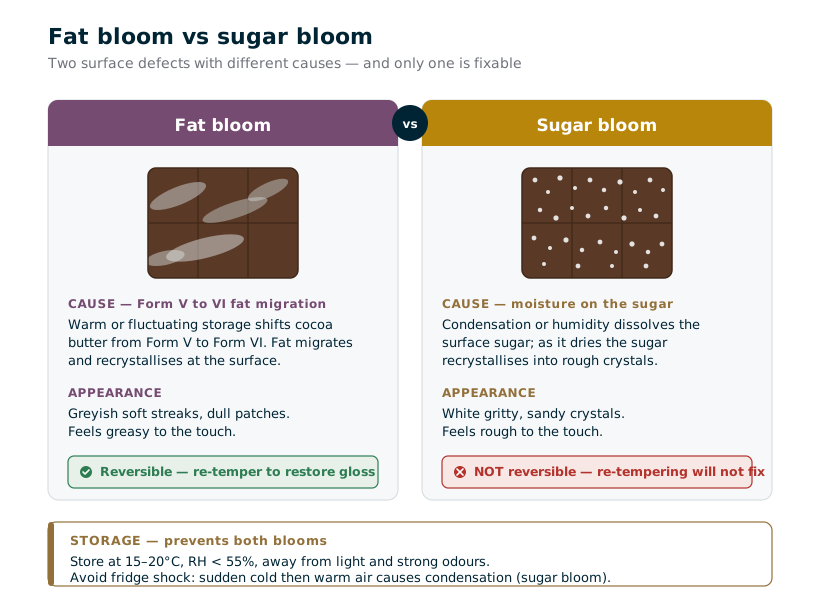 Comparison diagram of fat bloom and sugar bloom on chocolate showing the different causes, appearance and whether re-tempering can fix them
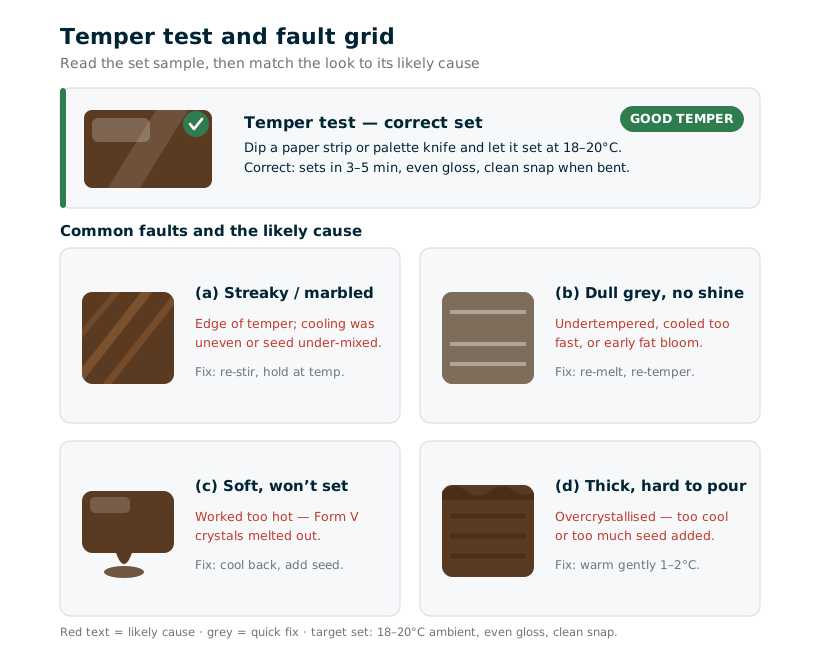 Visual grid showing a correctly tempered glossy chocolate sample next to streaky, dull grey, soft and over-thick faults with their causes labelled
Seeding-method temper — dark couverture (worked example)
Bench seeding method for ~1 kg of dark couverture such as Callebaut 811 or Barima Dark 72%. Temperatures from the dark-couverture window; use a calibrated probe thermometer.
| Ingredient | Baker's % | Weight |
|---|---|---|
| Dark couverture callets — to melt | 0.80 kg | |
| Dark couverture callets — reserved as seed | 0.20 kg (~20% — a typical mid-range; callets at ambient temp can seed at as little as 5%) |
- 1. Melt the 0.80 kg fully to 45-50°C (water bath or microwave in short bursts) so every old crystal is erased.
- 2. Off the heat, add the 0.20 kg seed callets and stir continuously.
- 3. Cool to the pre-crystallisation point ~31-32°C working temp for dark — the seed melts in and leaves Form V crystals. If undissolved seed remains, lift it out or warm very gently.
- 4. Test: dip a knife or paper strip; it should set glossy with a clean snap in 3-5 minutes at 18-20°C.
- 5. Work at 31-32°C; never exceed ~34.5°C or the Form V seeds melt out and you must start again. Stir periodically and re-warm in 0.5°C steps to hold the band.
Yield: ~1 kg tempered dark couverture ready for moulding/enrobing.
Mycryo / cocoa-butter powder dose card
Pre-crystallised cocoa-butter powder is the most fool-proof seed for plated work and small batches.
| Ingredient | Baker's % | Weight |
|---|---|---|
| Melted couverture, cooled to ~34°C | 1.00 kg | |
| Mycryo / spray-dried cocoa butter (Form V) | 0.010 kg (1%) |
- 1. Melt the couverture (dark 45-50°C, milk/white 45°C) then cool to ~34°C.
- 2. Sprinkle in 1% (10 g per kg) Mycryo, stirring until dissolved.
- 3. Bring to the working temperature for the chocolate type and use.
- Cocoa-butter silk is the paste equivalent: held ~33.5°C, added at working temperature for an instant, overcrystallisation-proof temper.
Yield: 1% dose by weight; do not over-dose or the chocolate sets too thick.
Cocoa butter can set into six different crystal packings. Only Form V gives the gloss, snap and shelf life we want; tempering is the act of building a network of Form V seeds so the whole batch sets that way. Melting points are approximate (classic Wille & Lutton values; cross-checked against cocoterra in °F).
| Form | Crystal type | Approx. melting point | Stability / behaviour | Effect in chocolate |
|---|---|---|---|---|
| I | sub-α / γ | ~17.3°C | Very unstable, forms on fast chilling | Soft, crumbly, blooms almost immediately |
| II | α (alpha) | ~23.3°C | Unstable | Soft, dull, fast bloom |
| III | β' (beta-prime) | ~25.5°C | Unstable | Firmer but dull, blooms |
| IV | β' (beta-prime) | ~27.5°C | Unstable, the form you over-make if you cool too far | Dull, soft, poor release, blooms in days |
| V | β (beta / β2) — TARGET | ~33.8-34°C | Stable at room temperature; the goal of tempering | Glossy, hard snap, contracts for clean release, melts just below body temp, good shelf life |
| VI | β (super-beta) | ~36.3°C | Most stable; forms slowly from Form V over weeks-months | Fat bloom: dull grey film, harder, waxy, melts too high |
Form V melts at roughly body-adjacent temperature, which is why well-tempered chocolate is solid in the hand but melts cleanly in the mouth. Forms I-IV will all convert toward V over time; Form V will eventually drift to VI (bloom) if stored warm or fluctuating. Note: CocoTerra °F-conversion values show slight rounding differences from Wille & Lutton at Forms II and VI (±0.5–0.7°C); both sets are approximate and the Wille & Lutton JAOCS 1966 values are the canonical academic reference. See claims c1-c4.
The classic three-step curve: melt fully to erase all old crystals, cool to the pre-crystallisation point so Form V (and some Form IV) seeds form, then warm slightly to the working temperature so only the unstable seeds melt out and a clean Form V network remains. White and milk run cooler than dark because milk fat softens the set.
| Chocolate | Melt (°C) | Cool / pre-crystallise (°C) | Working temp (°C) | Max before Form V melts out (°C) | Reference |
|---|---|---|---|---|---|
| Dark couverture | 45-50 (Callebaut 811: 40-50) | 27-28 | 31-32 | 34.5 | Callebaut 811; Zeelandia Noir 72 spec (47 / 28 / 31, ±1) |
| Milk couverture | 45 | 26-27 | 29-30 | 32.5 | Callebaut 823 |
| White couverture | 45 (do not exceed ~45) | 27 | 28-29 | 31.5 | Callebaut W2 |
First-party cross-check: the Zeelandia Arabesque Noir 72 datasheet specifies melt 47°C, table 2/3 to 28°C, reheat to 31°C, tolerance ±1°C (claim c9). Hold a tempering machine 0.5-1°C below the max working figure. White is the least forgiving — keep it well under 45°C as the milk solids and high sugar scorch easily. See claims c6-c10.
Tempering is only required because real cocoa butter is polymorphic. Compound coatings replace most or all of the cocoa butter with non-temper vegetable fats, so they just melt and set.
| Property | Couverture (real chocolate) | Compound coating / icing |
|---|---|---|
| Fat base | Cocoa butter (≥31% for couverture) | Vegetable fat (e.g. palm / partly hydrogenated palm), little or no cocoa butter |
| Tempering needed? | Yes — must build Form V crystals | No — simply melt and use |
| Handling temperature | Melt then hold at narrow working band (28-32°C) | Heat to max 55°C (Satina spec) in a water bath, then coat |
| Set behaviour | Contracts, snaps, glossy if tempered | Sets without tempering; softer snap, can look matt or waxy |
| Bloom risk | Fat bloom if mistempered or stored warm | More tolerant of temperature swings |
| Cost / labour | Higher cost, more skill | Lower cost, fast, forgiving |
| Catalogue examples | Callebaut 811/823/W2; Barima 72/34/29; Zeelandia Arabesque | Zeelandia Satina; Satina PRO RSPO Dark; Compound Coating Discs |
Compound is the right tool for high-volume biscuit/wafer enrobing, drizzle and where staff or kit cannot temper reliably. Use couverture where snap, gloss and a clean mould release matter. See claims c22, c27 and sister article A6-chocolate-selection-couverture.
Spec-sheet figures for the couvertures most relevant to tempering work. All carry a declarable soya-lecithin (E322) allergen; milk/white contain MILK, dark couvertures carry 'may contain MILK'.
| Product | Type | Dry cocoa solids | Cocoa butter / total fat | Allergens | Shelf life |
|---|---|---|---|---|---|
| Barima Dark Couverture Drops 72% | Dark | min 72% | total fat min 43% | E322 soya; may contain milk | 24 months |
| Barbara Luijckx Dark 56% Discs | Dark | min 56% | total fat min 35% | E322 soya; may contain milk | 24 months |
| Zeelandia Arabesque Noir 72 | Dark | min 72% | cocoa butter 44% | soya; may contain milk | see pack |
| Zeelandia Arabesque Noir 58 | Dark | 58% | cocoa butter ~15% + cocoa mass 45% | soya; may contain milk | see pack |
| Barima Milk Chocolate 34% Callets | Milk | min 34% | total fat min 35% (milkfat 5.9%) | milk; may contain soya | 18 months |
| Zeelandia Arabesque Lait 34 | Milk | 34% | cocoa butter ~25% | milk, soya | see pack |
| Barima White Chocolate Callets 29% | White | min 29% | total fat min 35% (milkfat 5.8%) | milk; may contain soya | 12 months |
| Zeelandia Arabesque Blanc 29 | White | n/a (white) | cocoa butter ~30% | milk, soya | see pack |
| Belcolade Milk (catalogued as 'SICAO Milk 32.1%') | Milk | 35% | cocoa butter 32.5% / total fat 33.9-36.9% | milk, soy | see pack |
FLAG 1: 'Callebaut SICAO Milk Chocolate Callets 32.1%' carries a Belcolade Milk 'Lait Caramel' datasheet (Kent Foods, Material 4001617) — product/spec naming discrepancy; figures cited are from the attached Belcolade datasheet and may not describe the actual SKU. Verify before quoting allergen or nutritional data (EU 1169/2011 risk). Belcolade datasheet gives rheology: Casson viscosity 700-900 mPa.s, yield value 5-9 Pa. FLAG 2: Barima Milk 34% and Barima White 29% use SUNFLOWER lecithin (E322) — sunflower is NOT one of the 14 EU mandatory allergens; E322 in those products is NOT a declarable soya allergen. Their 'may contain SOYA' is a cross-contact PAL only. FLAG 3: Zeelandia Arabesque Noir 58 allergen/PAL statement is not recorded in the available datasheet — verify the current label before publishing allergen information. See claims c13-c21.
Four ways to seed Form V into melted chocolate. Pick by batch size, kit and consistency needs.
| Method | How it works | Best for | Pros | Cons |
|---|---|---|---|---|
| Tabling (marble) | Pour 2/3 of the melt on a cool granite/marble slab; spread and gather with palette knife + scraper until it thickens at the cooling temp; recombine with the warm 1/3 and adjust to working temp | Artisan chocolatiers, showpieces | Fast, no extra ingredients, full control | Needs a cool slab, skill and space; messy |
| Seeding | Stir finely chopped tempered chocolate or Form-V callets (5-25% — callets at ambient temperature as little as 5%; chopped block chocolate at higher temps typically 15-25%) into the melt at ~40-45°C until working temp is reached | Small/medium batches, no marble | Simple, clean, reliable | Slower to pull temperature down; unmelted seed can leave lumps if overdone |
| Mycryo / cocoa-butter powder | Cool melt to ~34°C, stir in ~1% spray-dried cocoa butter (pre-crystallised Form V), bring to working temp | Consistent results, plated desserts | Tiny dose, very reliable, adds fluidity | Specialist ingredient cost |
| Cocoa-butter 'silk' | Add pre-crystallised cocoa-butter silk (held ~33.5°C) to the melt at working temp | Bean-to-bar, high-end chocolatiers | Instant temper, repeatable, no overcrystallisation | Must make/hold the silk; equipment |
| Continuous / automatic machine | Augered tube cools and shears the chocolate to a set working temperature on demand | Production enrobing/moulding | Hands-off, high throughput, stable all shift | Capital cost, cleaning, must be dialled in per product |
All methods aim at the same endpoint: a working-temperature chocolate carrying a fine, even Form V seed network. Seeding percentages are reference-literature ranges, not spec-sheet figures; Callebaut's official callets technique can use as low as 5%. See claims c11, c12.
| Fault | Appearance / feel | Likely cause | Fix / prevention |
|---|---|---|---|
| Fat bloom | Dull grey/white film, greasy feel | Undertempered (unstable crystals) or warm/fluctuating storage shifting Form V to VI | Re-temper to Form V; store 15-20°C ideal, RH below 55% ideal (spec-sheet max 70%), stable temperature (claims c4, c28, c29) |
| Sugar bloom | Rough, gritty white crystals | Condensation/humidity dissolves surface sugar then dries (e.g. cold chocolate into warm humid air) | Cannot be polished out; control humidity, warm chocolate gradually, wrap airtight (claim c29) |
| Streaky / marbled finish | Light and dark streaks | Chocolate at the edge of temper, uneven or too-fast cooling, cold moulds | Re-establish temper, agitate while working, use moulds at ~room temp |
| Dull, no shine | Matt surface, soft set | Cooled too quickly, undertempered, or too many unstable crystals | Temper correctly; cool at ~10-15°C, not in a freezer |
| Will not set / stays soft | Tacky, fingerprints, slow set | Worked too hot — Form V seeds melted out (above max working temp) | Re-seed/re-temper and keep within the working band (claim c10) |
| Too thick / hard to pour | Pudding-like, hard to coat | Overcrystallised: too much seed or held below the working band | Warm gently 0.5°C at a time back into the working range; add a little cocoa butter for fluidity |
| Seized / grainy mass | Stiff, lumpy, lost shine | Water or steam contacted the chocolate, or overheated (esp. white/milk) | Prevent water contact; if seized, stir in warm cream to make ganache instead |
| Poor mould release | Sticks, cracks on demould | Not in temper (no contraction), or demoulded before fully set | Ensure Form V temper; chill briefly to set, then release |
Buy the ingredients
Catalogue products and brands referenced in this article.
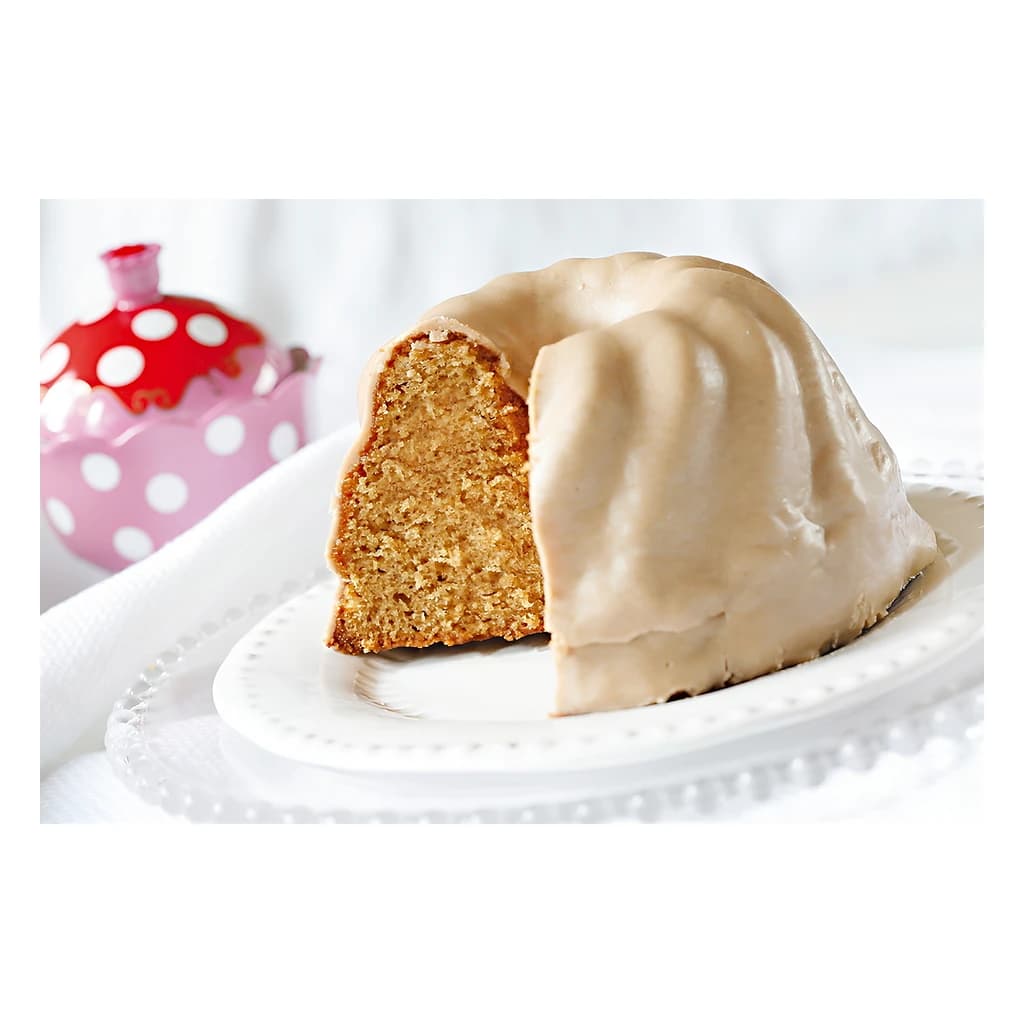
Zeelandia Satina White Compound Coating
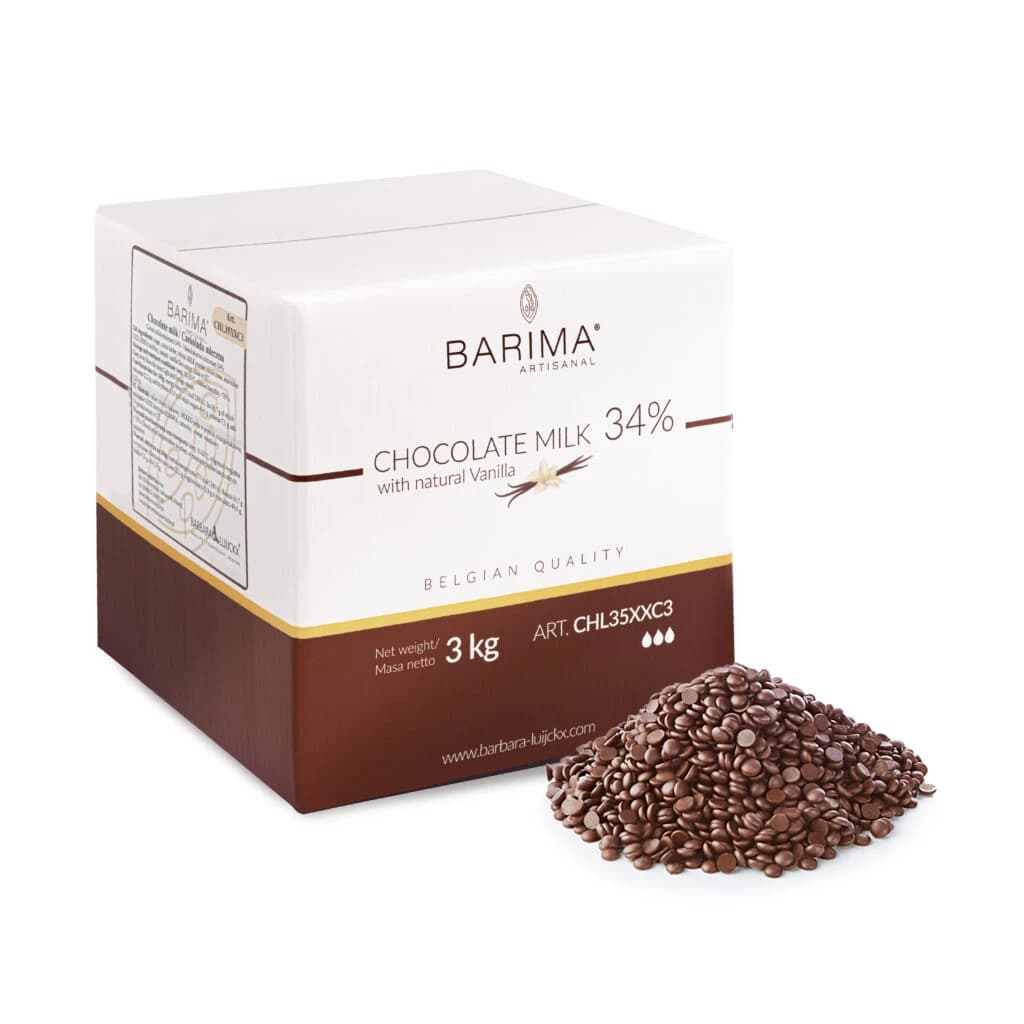
Barima Milk Chocolate 35% Callets 3 kg
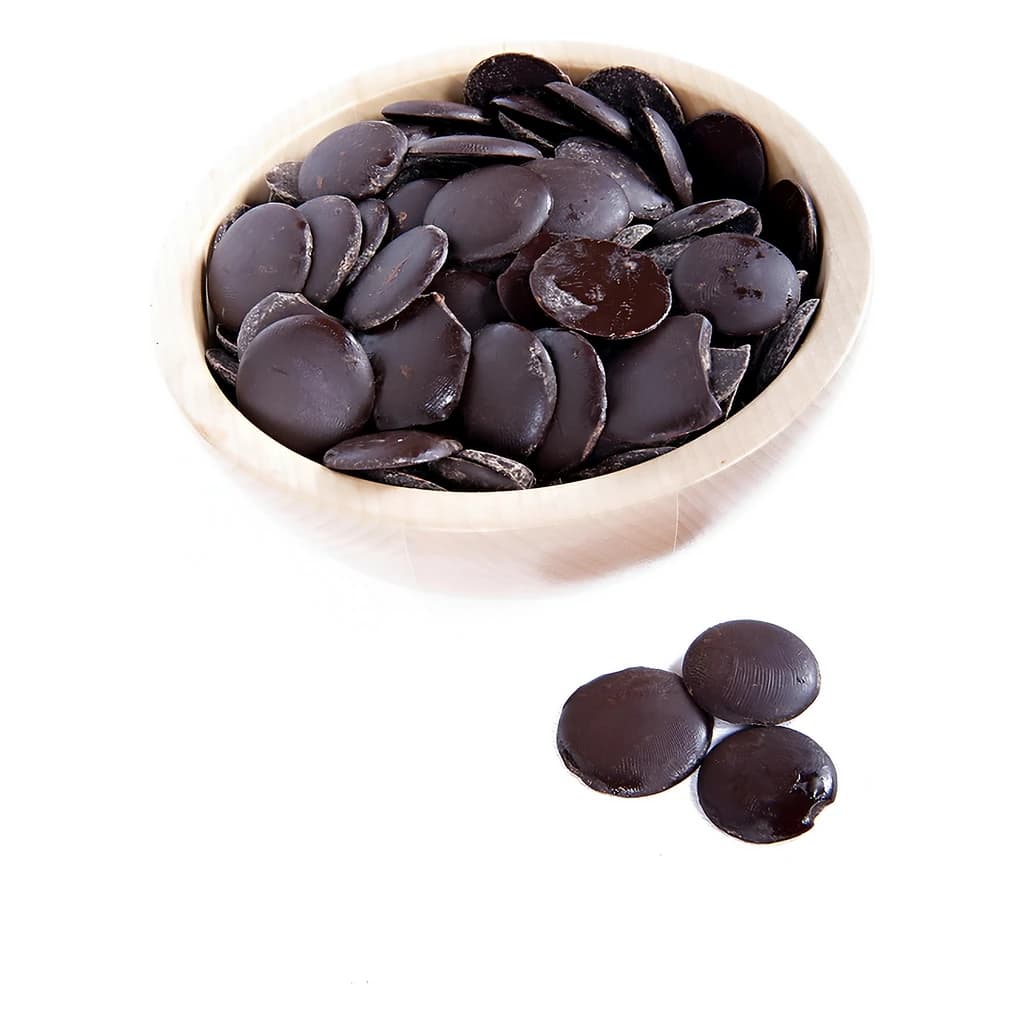
Barbara Luijckx Dark Chocolate 56% Discs 3 kg
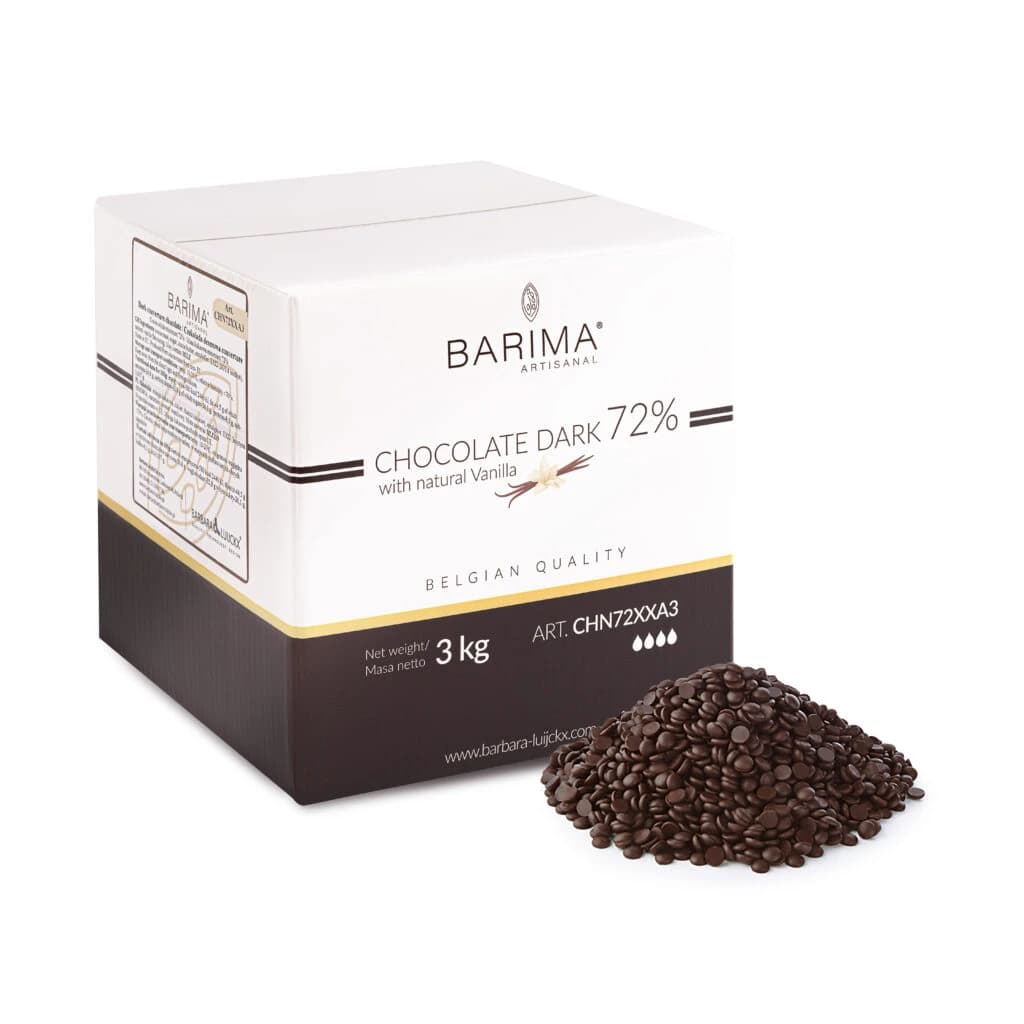
Barima Dark Couverture Drops 72% 3 kg
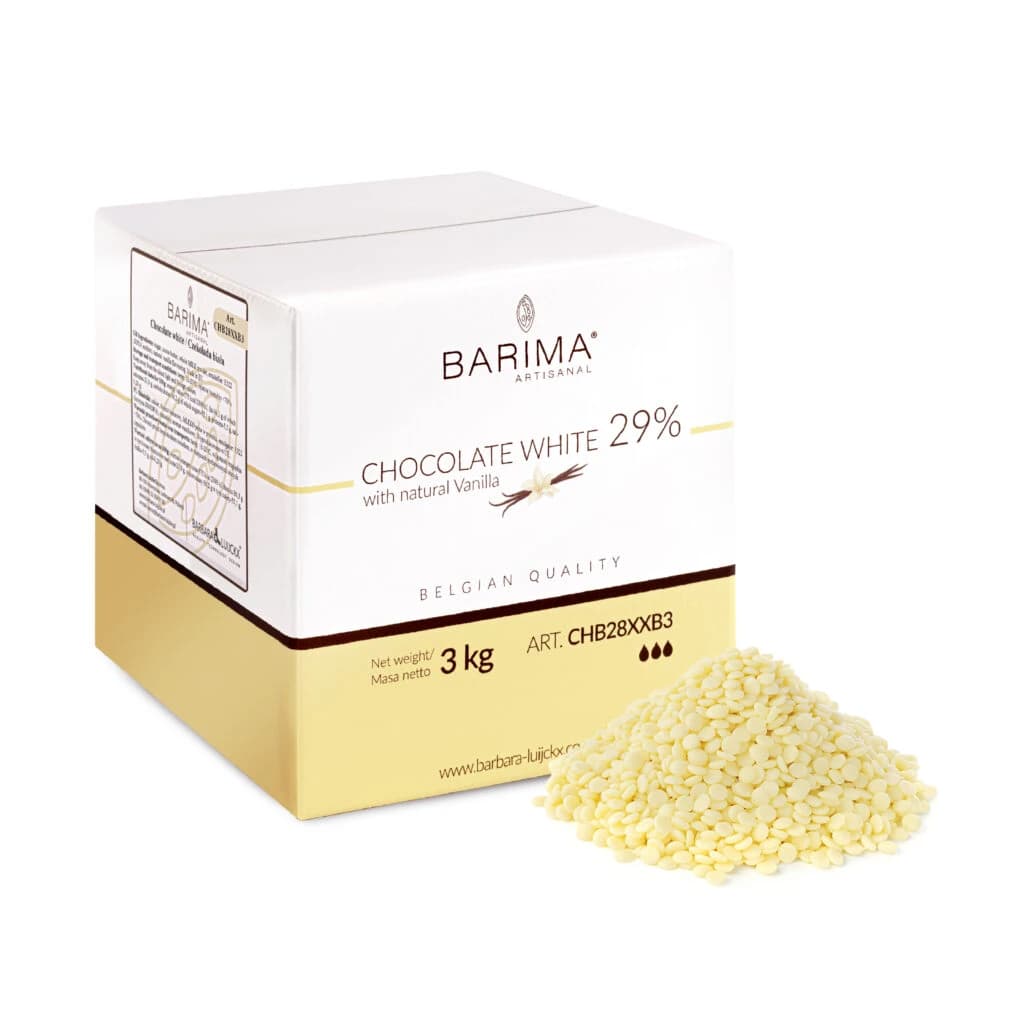
Barima White Chocolate 28% Callets 3 kg
Satina Pro Compound Coating
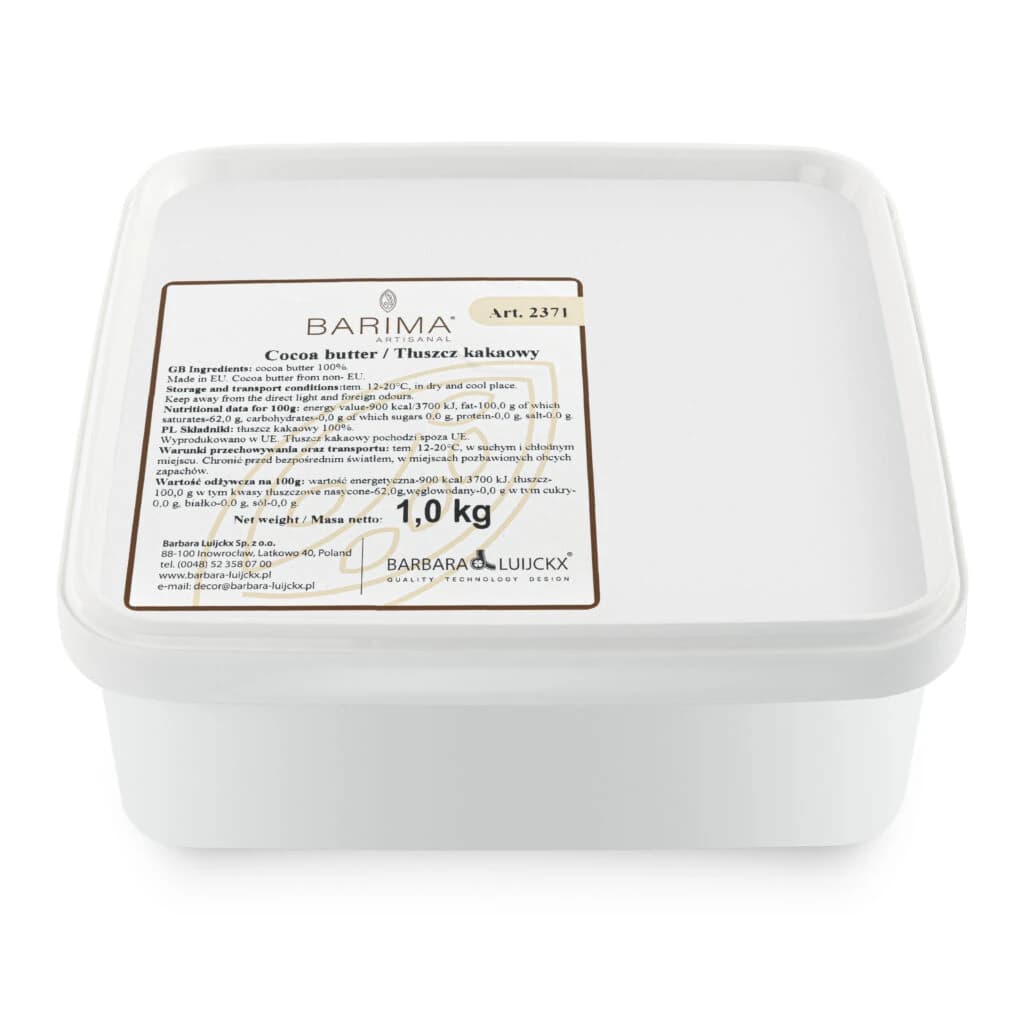
Barbara Luijckx Cocoa Butter 1 kg
Satina PRO RSPO Dark Compound Coating 20 kg
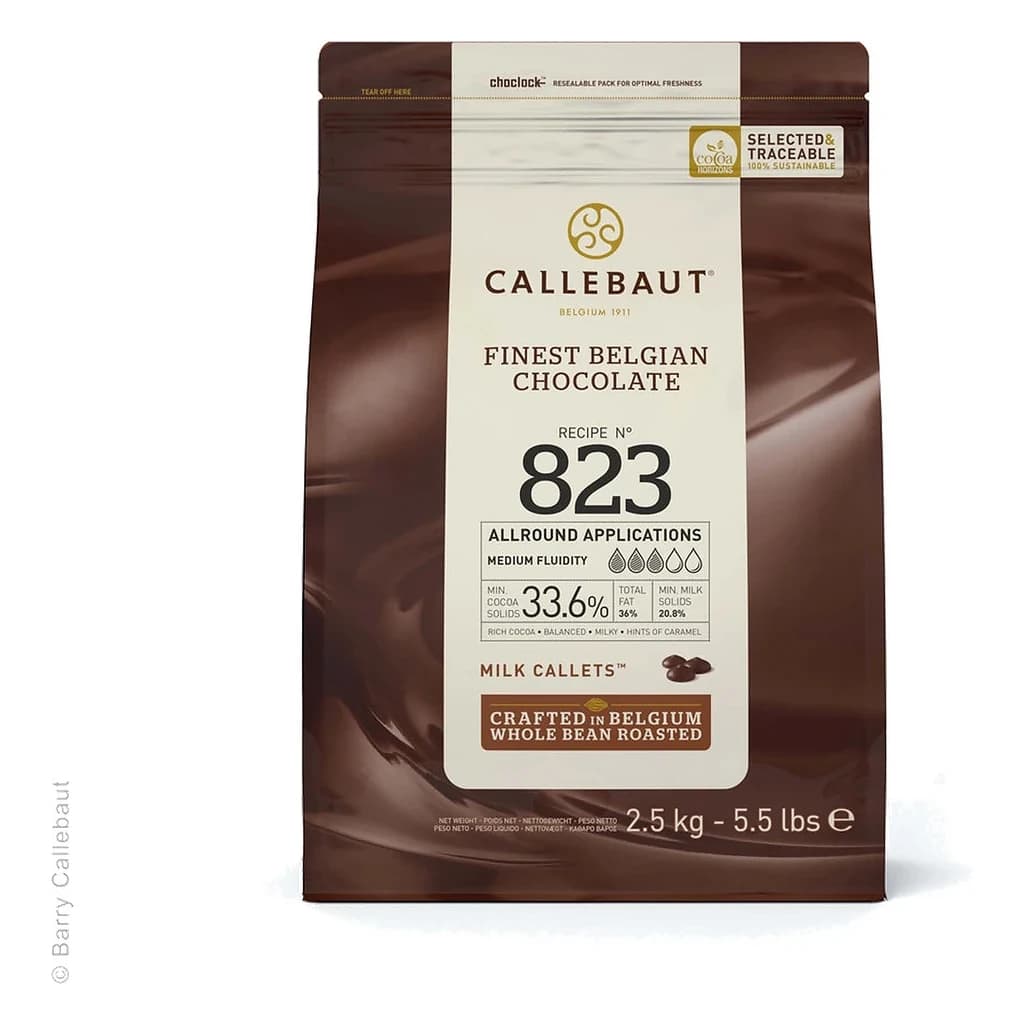
Callebaut 823 Milk Chocolate Callets 33.6% 2.5 kg
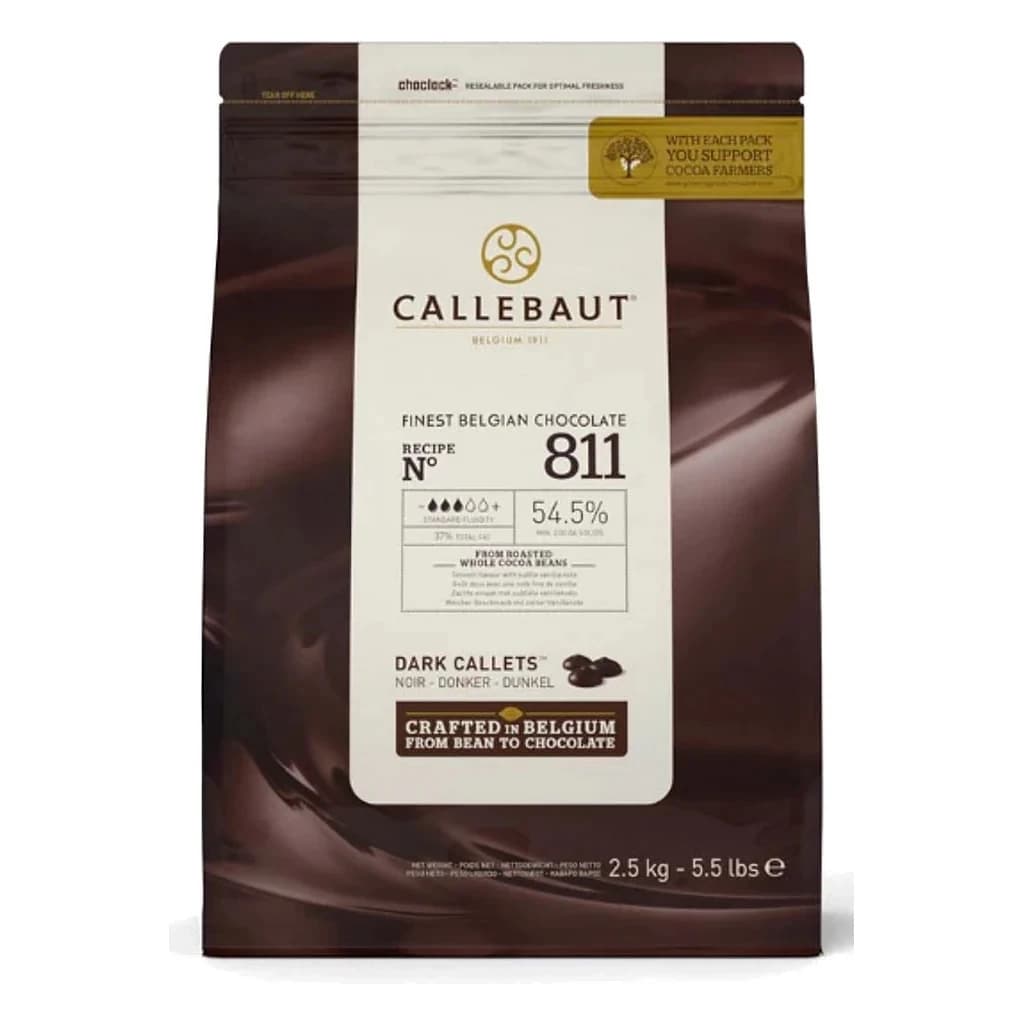
Callebaut 811 Dark Couverture Callets 54.5%
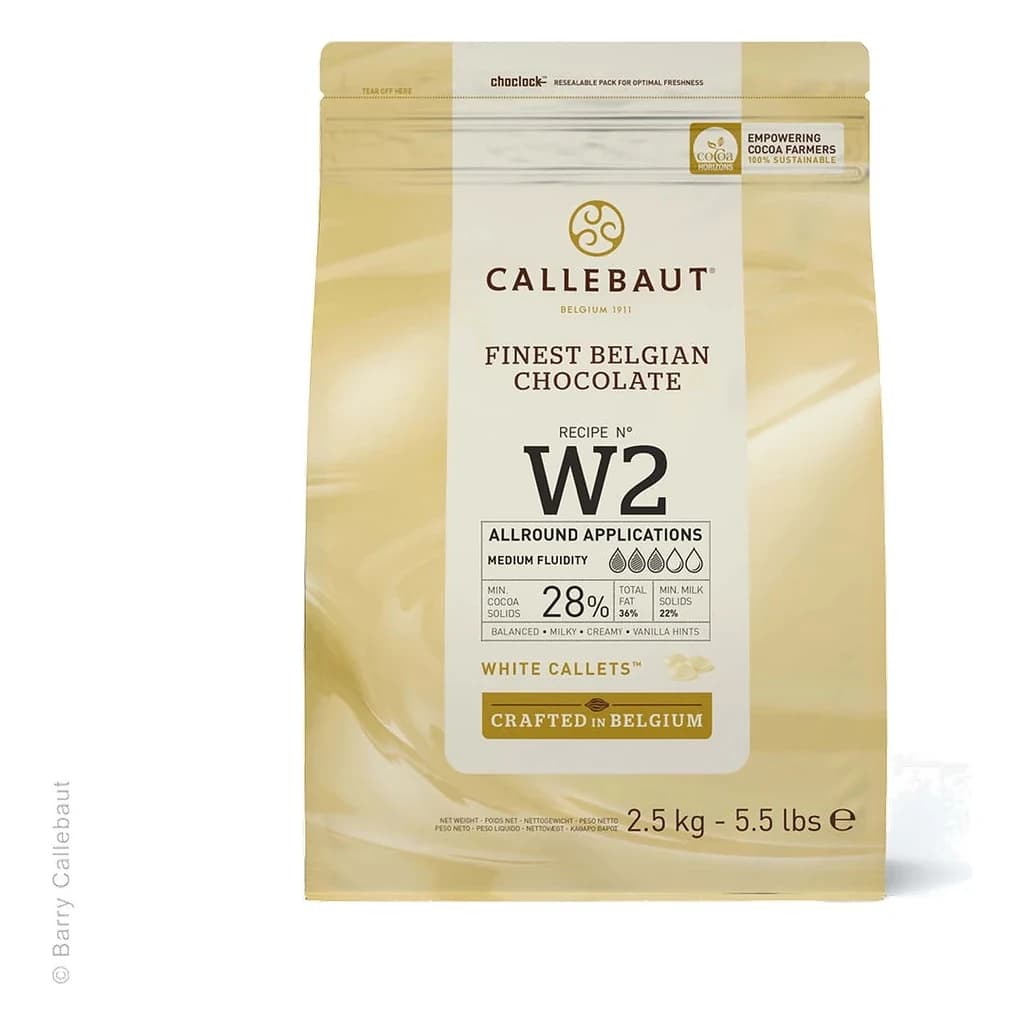
Callebaut SICAO White Chocolate Callets 28% 2.5 kg
Zeelandia Arabesque Milk Couverture 34% 5 kg
Zeelandia Arabesque Dark Couverture 72% 5 kg
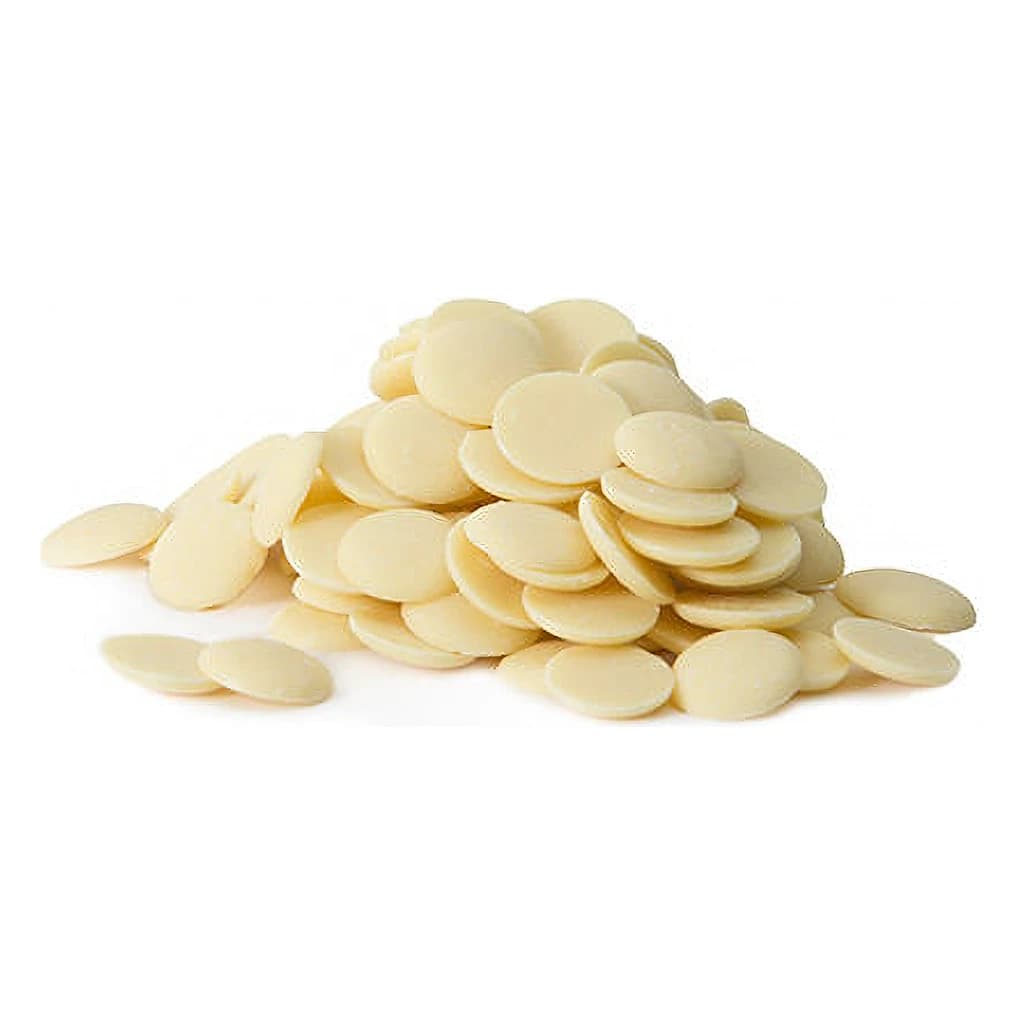
Zeelandia Arabesque White Couverture 29% 5 kg
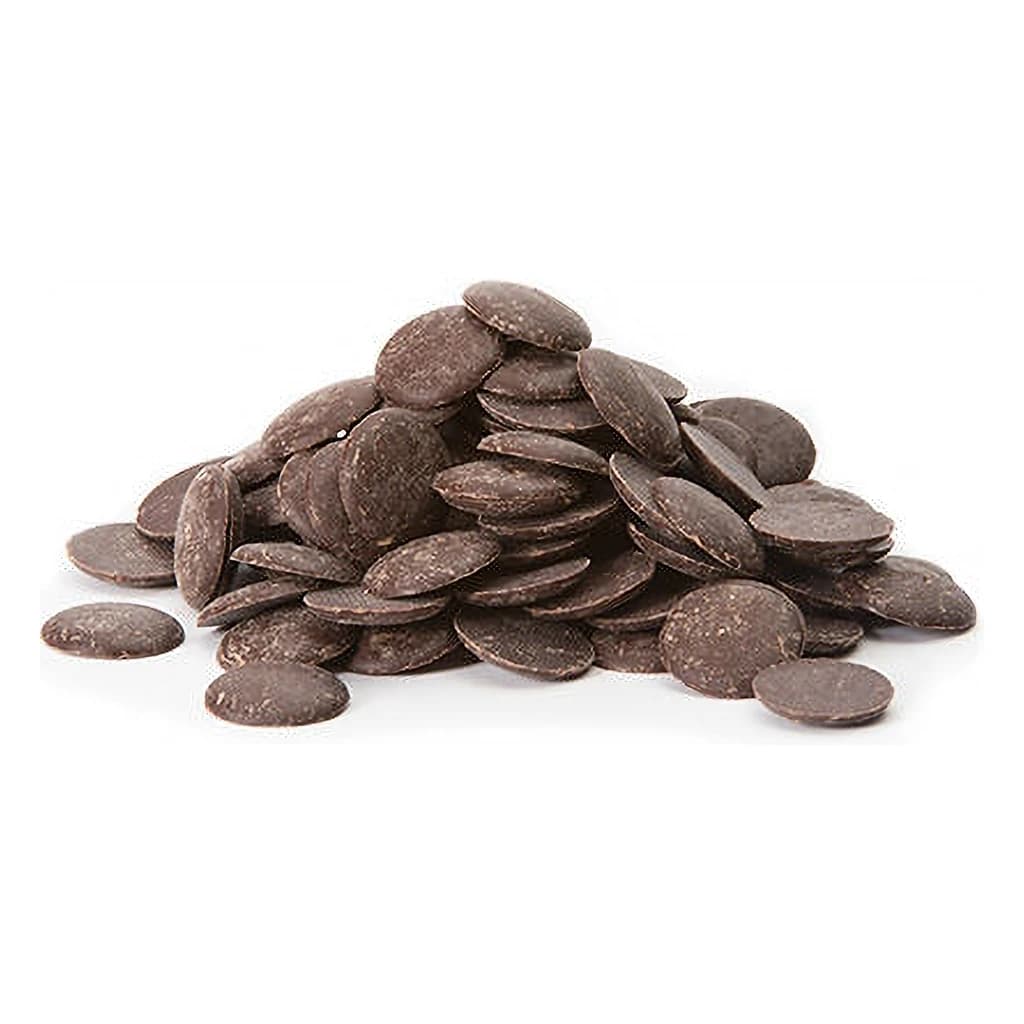
Zeelandia Arabesque Dark Couverture 58% 5 kg

Callebaut SICAO Milk Chocolate Callets 32.1% 10 kg
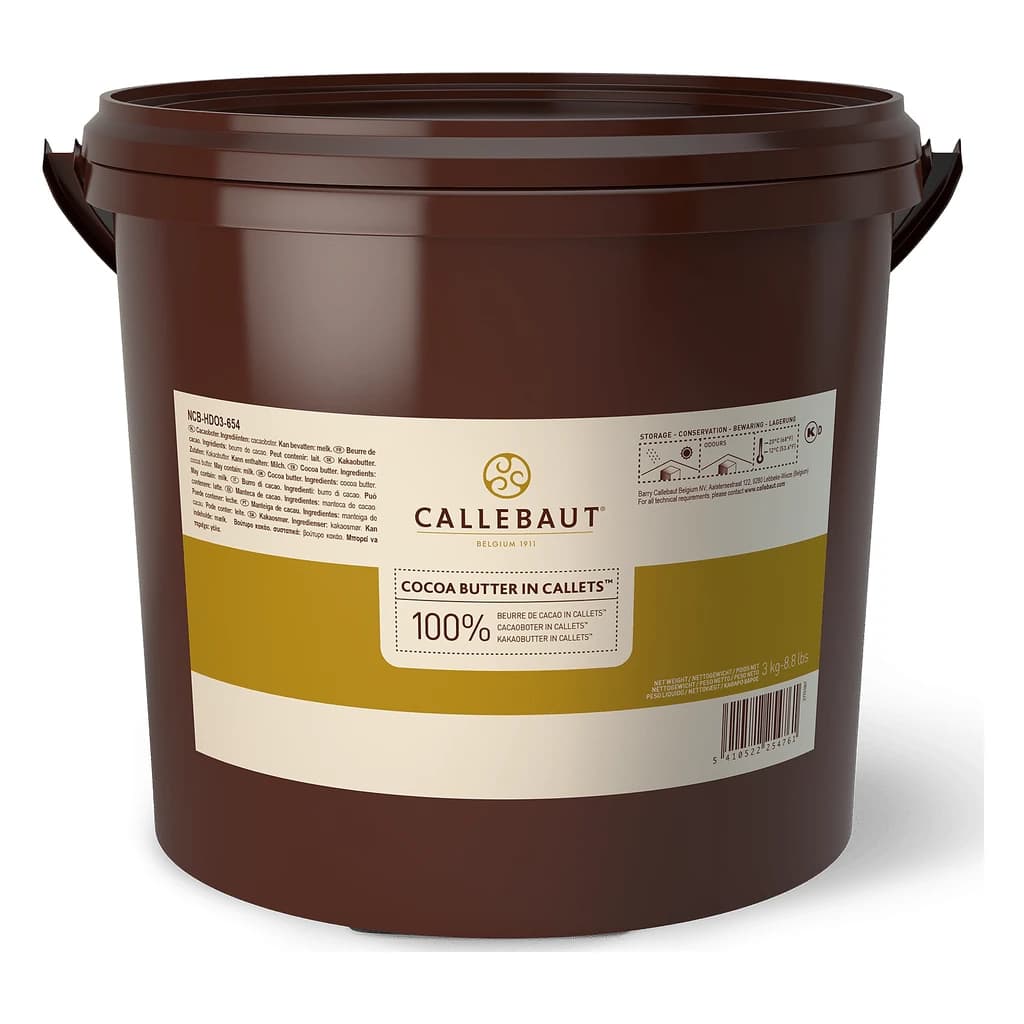
Callebaut Cocoa Butter in Callets 100% 3 kg