
Ready-made chocolate decorations & inclusions: curls, shards, filigrees, sprinkles & dragees
A buyer-and-bench guide to the ready-made finishing range a bakery actually orders: real chocolate decorations (curls, shards, filigrees, plaques, cups), bake-stable chocolate inclusions (chips and chunks), compound coatings, and the sugar side of the cabinet - dragees, pearls, strands, imitation "chocolate" vermicelli, nibbed sugar and wafer flowers. It is built to answer the questions that cost money: is this actually chocolate or a vegetable-fat compound or a cocoa-flavoured sprinkle? Will it hold up in an ambient display, a chilled entremet, or inside the oven? What allergens and warning-label additives am I bringing onto my product? Numbers come first from first-party supplier spec sheets (Barbara Luijckx, Zeelandia, Culpitt, Emix, Kent Foods) and are cross-checked against EU/UK food law and pastry references. It also shows how to make the same decorations in-house from tempered couverture.
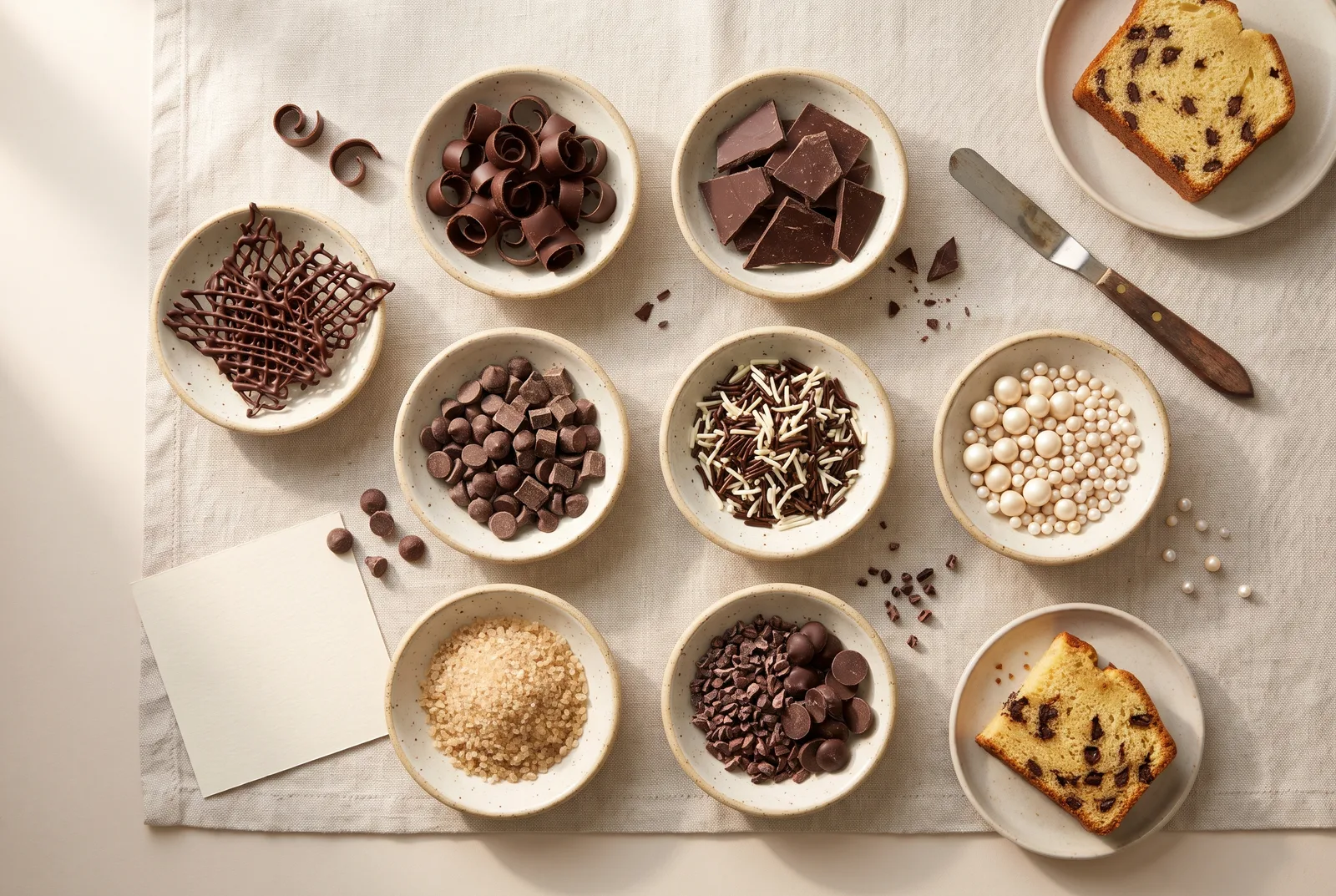
Why this article exists
A ready-made decoration is the cheapest way to lift a product from "fine" to "finished" - but it is also the easiest place to make an expensive mistake. Three traps recur on a multi-nationality B2B platform like this one:
- "Is it actually chocolate?" Three things sit side by side in the cabinet and look similar: real chocolate (cocoa butter), compound coating (vegetable fat), and imitation cocoa-flavoured sprinkles (sugar and flour). They behave, taste, cost and label completely differently.
- "Will it survive where I'm putting it?" A chocolate curl that is perfect on a chilled entremet melts on a warm ambient shelf; a sugar pearl that is perfect on a dry fondant goes sticky on a wet cream; a standard chocolate chip vanishes in the oven while a bake-stable one holds its shape.
- "What am I bringing onto my label?" Bright sprinkles can drag a warning label and banned pigments onto an otherwise clean product, and many "shiny" decorations are quietly non-vegan or contain gluten.
This article maps the whole range to those three questions, with the numbers taken from the supplier spec sheets behind the catalogue (see the orientation map, img-a7ci-01).
The seven families (and how to tell them apart)
Everything you buy as a "decoration" falls into one of seven families. The full at-a-glance grid is below; the headline is:
- Real chocolate decor - curls, shards, filigrees, plaques, cups, shaved rolls. Made of real chocolate (cocoa butter + cocoa solids). Beautiful melt and snap, but heat-sensitive.
- Compound chocolate decor & coatings - sugar plus vegetable fat. No tempering, ambient-tolerant, but waxier and legally not "chocolate".
- Bake-stable chocolate inclusions - chips, chunks, drops formulated to hold their shape in the oven.
- Sugar dragees & pearls - sugar/starch beads, polished with food waxes for shine.
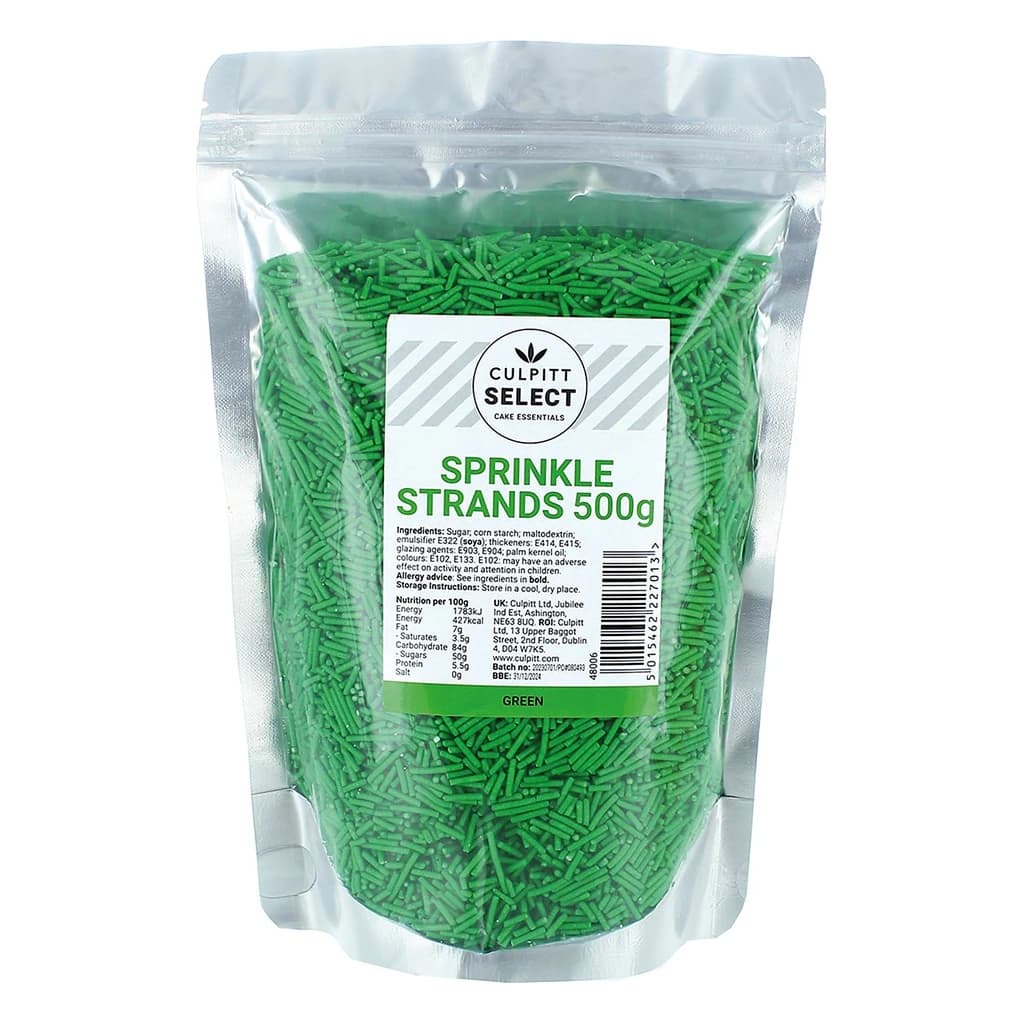
- Sugar strands & imitation vermicelli - sugar/flour sprinkles, often only cocoa-flavoured.
- Nibbed / pearl sugar - compressed sugar nibs, fully bake-stable.
- Wafer decorations - starch wafer-paper flowers and toppers.
Reading the label in ten seconds (img-a7ci-03)
You do not need lab data to classify a product - you need the ingredient list:
- If the fat is cocoa butter and the sheet declares dry cocoa solids, it is real chocolate. Couverture grade is legally defined: under EU Directive 2000/36/EC, dark/plain couverture must contain a minimum of 31% cocoa butter; milk couverture requires 31% total fat (cocoa butter plus milk fat) (claim c1). (Annex I of the Directive specifies separate compositional standards for dark and milk couverture; confirm which threshold applies to the specific product before use.)
- If the fat is palm, rapeseed or palm-kernel standing in for cocoa butter, it is a compound coating - it cannot be sold as "chocolate" (claim c12).
- If it is sugar and flour with "cocoa-flavoured" wording and no cocoa butter, it is an imitation sprinkle. The Dutch trade name makes the point: a sprinkle must contain roughly 32% cocoa to be called chocolade hagelslag; below that it is cacaofantasie - cocoa-fantasy (claim c21, indicative figure). The side-by-side in img-a7ci-12 shows the visual tell: real chocolate has a cocoa-butter sheen, imitation strands look matte.
The real/compound/imitation contrast is tabulated below.
Real chocolate decorations: curls, shards, filigrees, plaques and cups
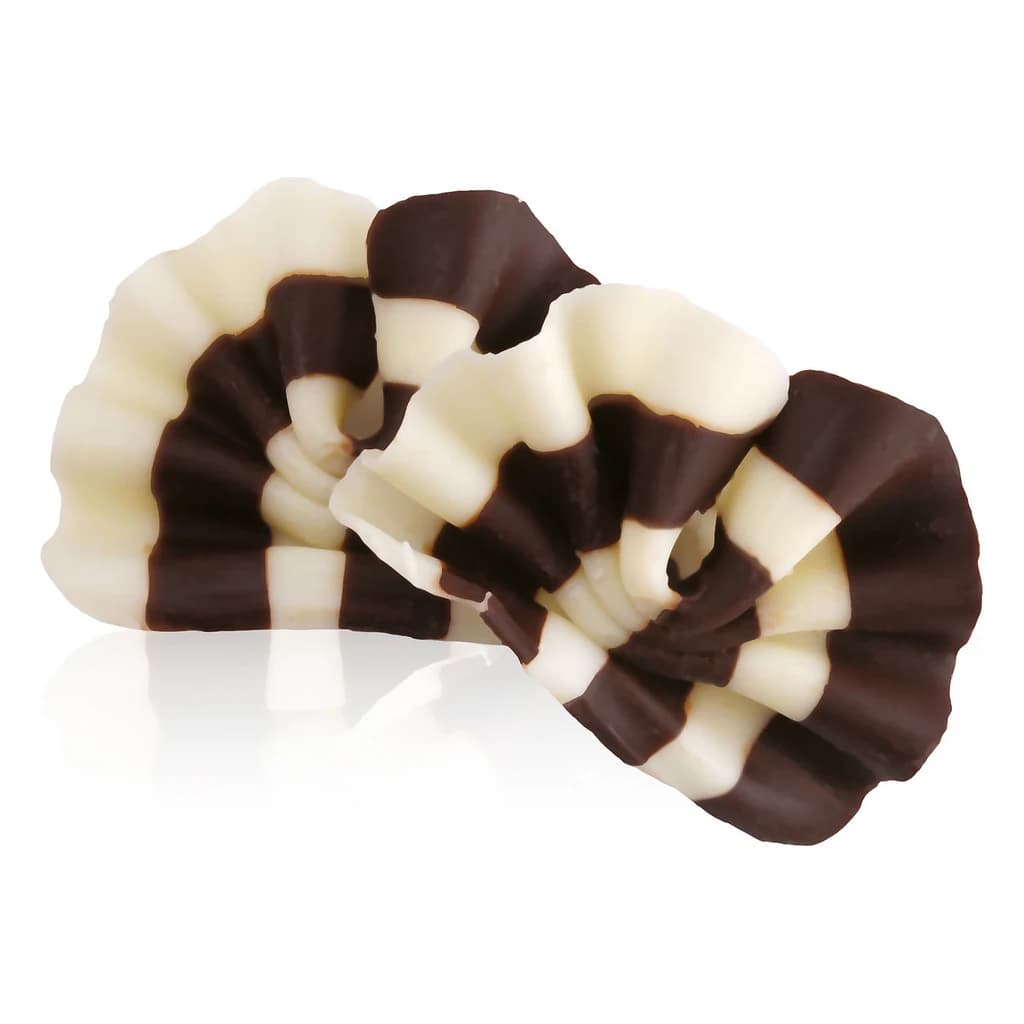
These are the show pieces (img-a7ci-05, img-a7ci-06, img-a7ci-08). They are real chocolate, so they carry real chocolate's strengths (clean melt, gloss, snap) and its weakness (heat). The spec sheets tell you exactly what you are buying and how to keep it:
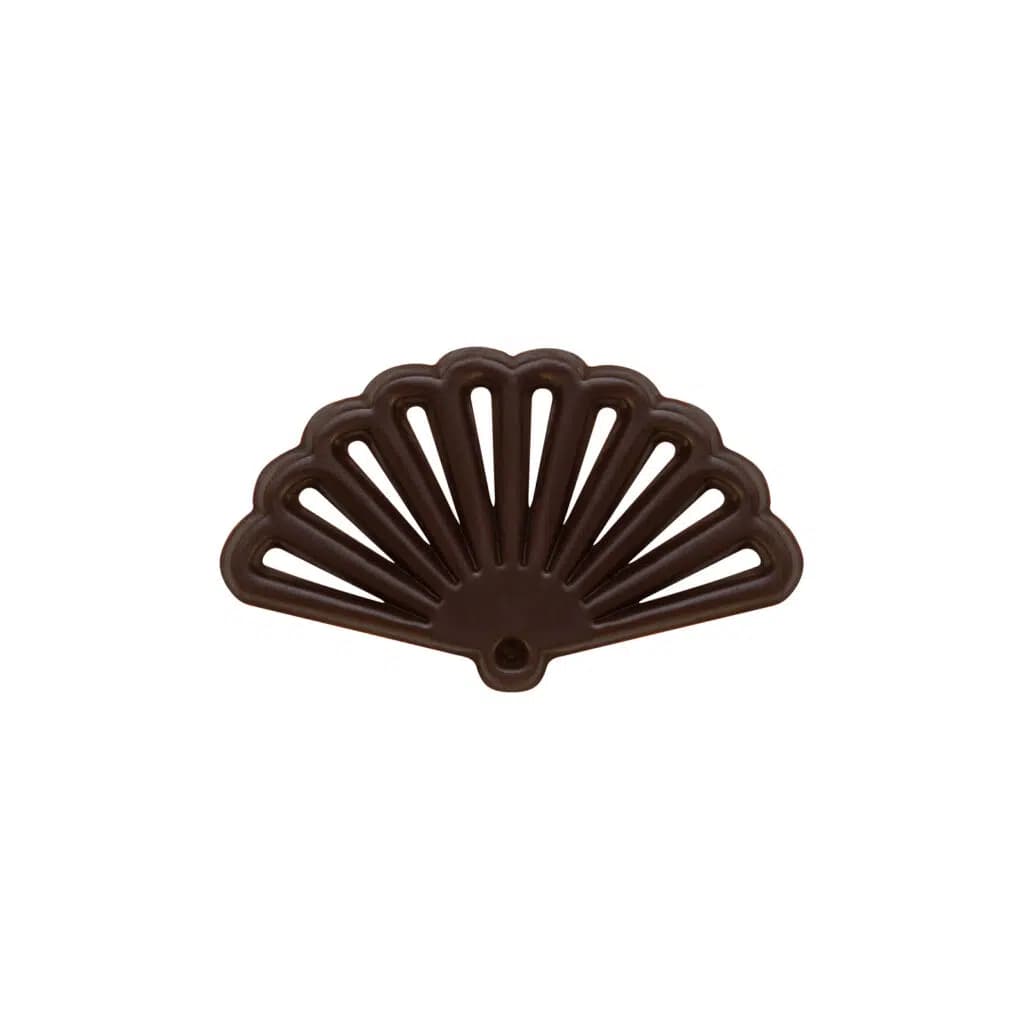
- Filigrees / lace - e.g. Barbara Luijckx Filigranes Oriental (59 mm): dark chocolate of cocoa mass, sugar and E322 sunflower lecithin, ~31% total fat, min 56% dry cocoa solids, moisture max 1.0%, 24-month shelf life (claim c4). Allergens: may contain milk and soya; the manufacturer's spec designates this as vegetarian but not vegan (claim c5). (The ingredient list is entirely plant-derived — cocoa mass, sugar, sunflower lecithin; the 'not vegan' designation is based on 'may contain milk' cross-contamination risk, not a declared animal ingredient. Verify the manufacturer's current dietary-suitability statement before listing.)
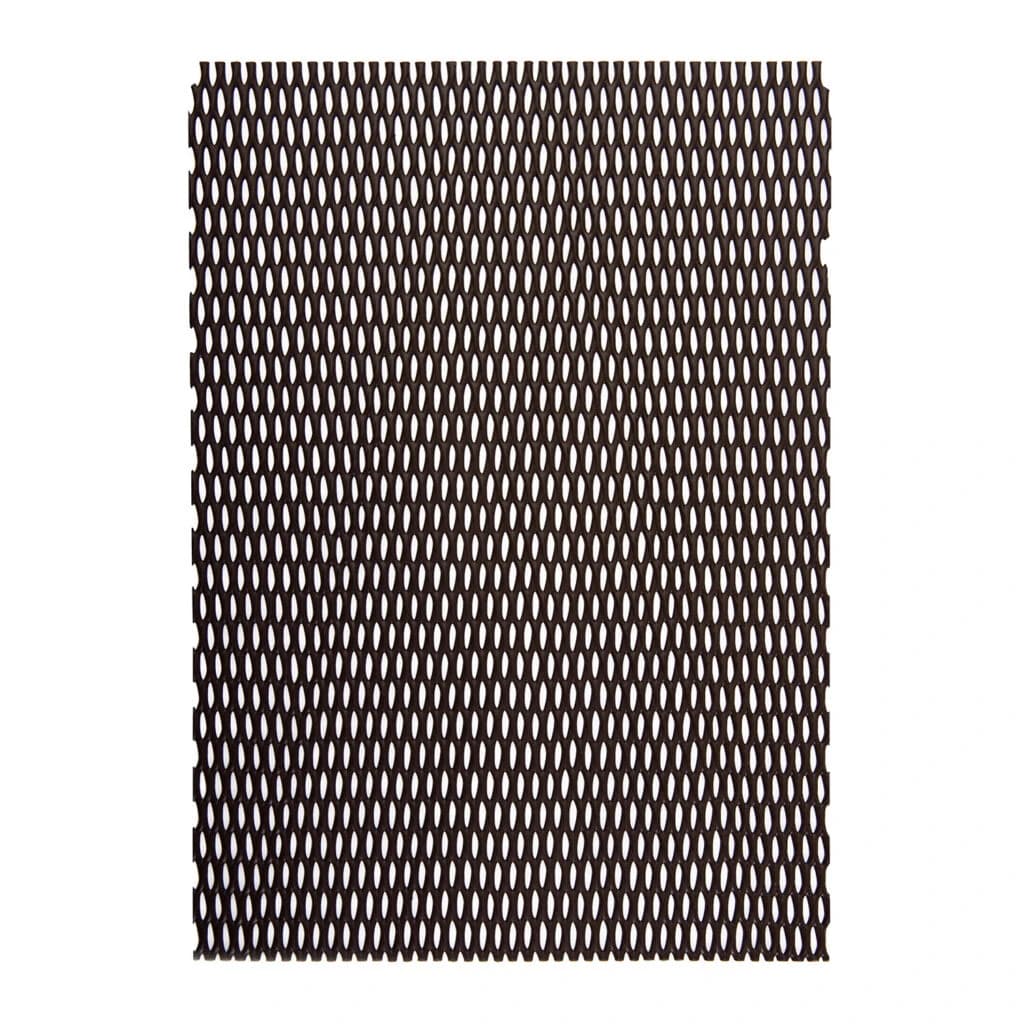
- Shards / openwork - e.g. BL dark Grillage Sheet (250 x 360 mm): ~38% fat, 57.6% dry cocoa solids, 24-month shelf life (claim c9). Stand these upright for height.
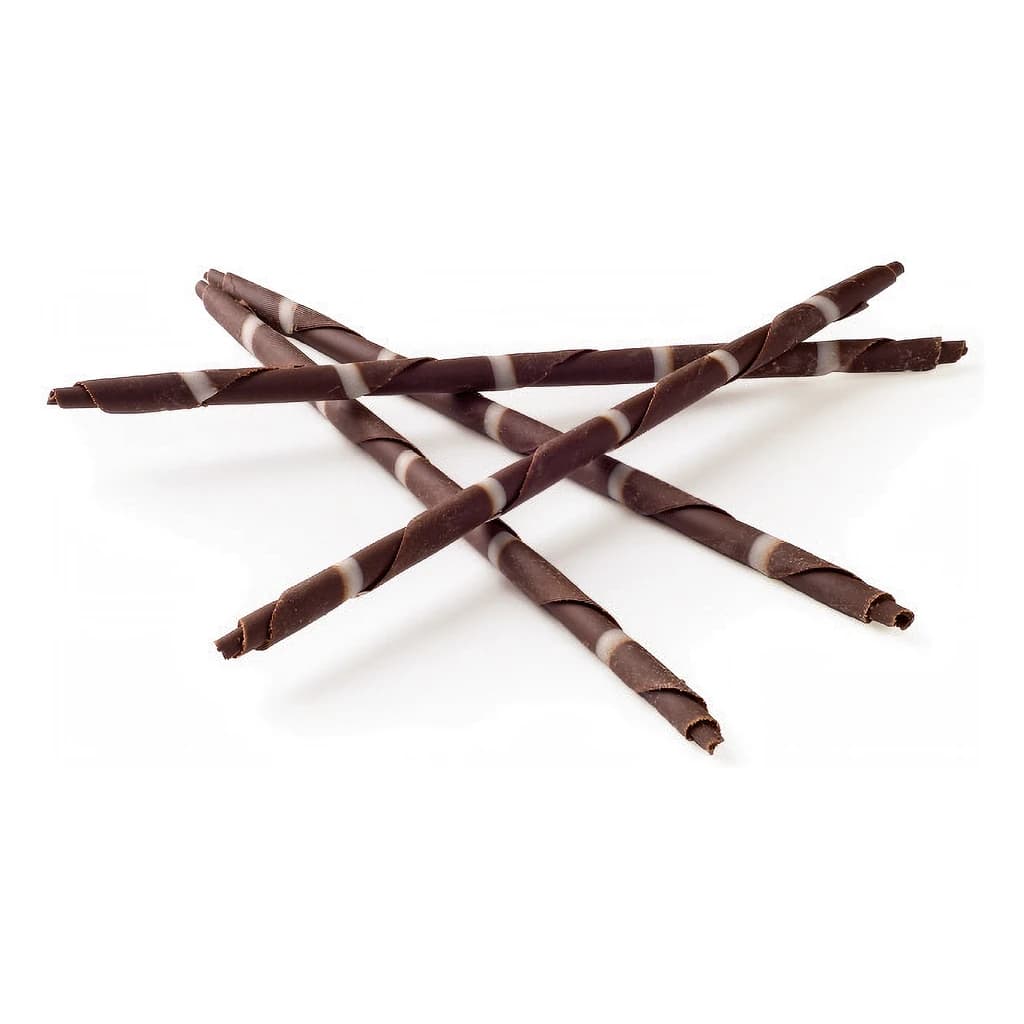
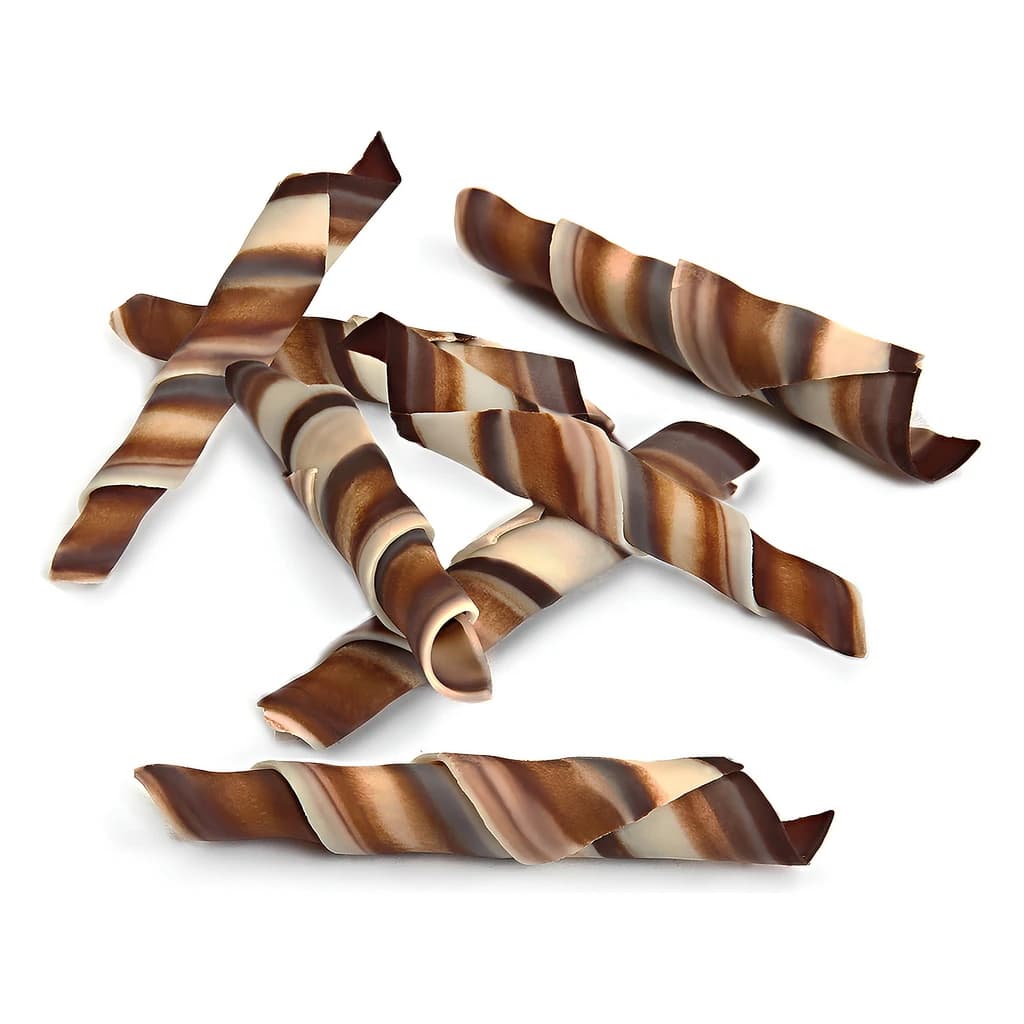
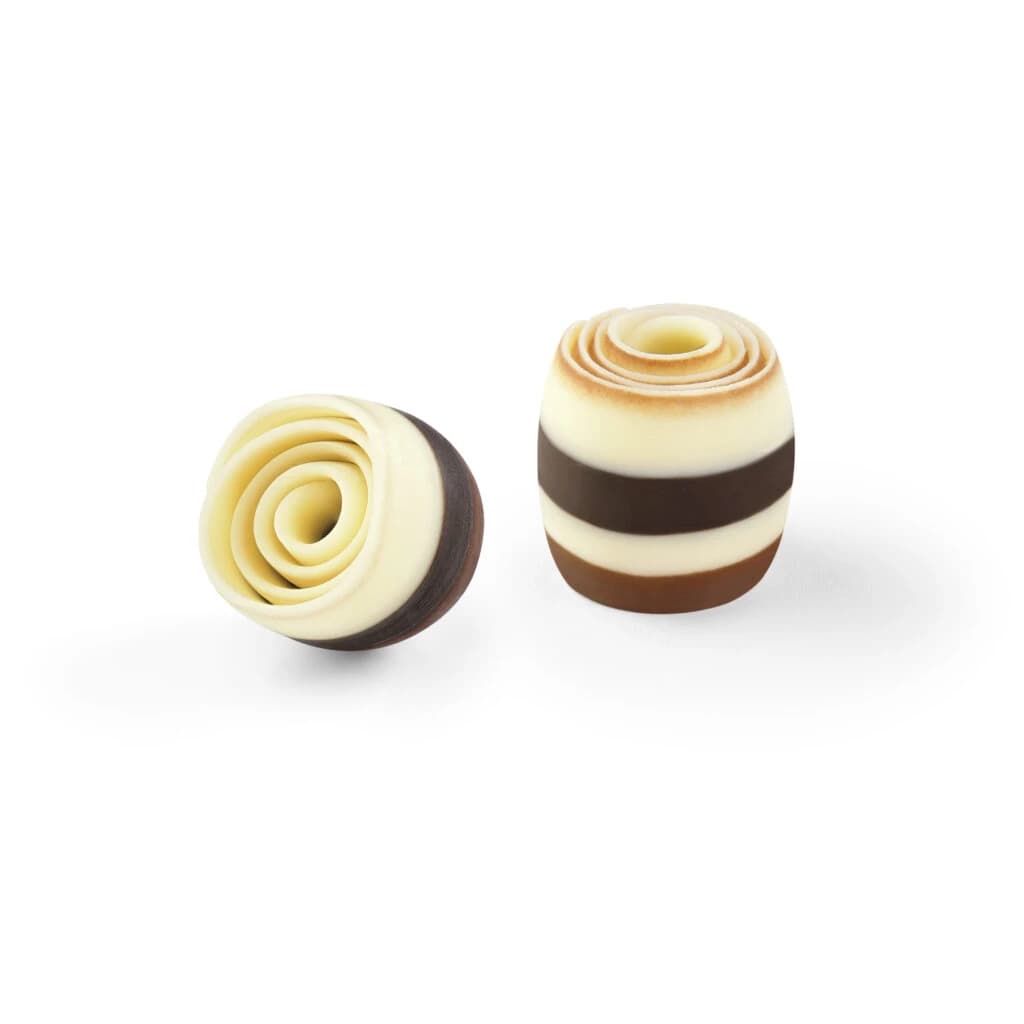
- Curls & batons - e.g. BL Twister Marble curl rolls (~30% fat, 36.4% cocoa solids, 55 mm; claim c8) and Rembrandt chocolate pencils (~31.5% fat, ~51.5% cocoa solids, 200 mm; claim c25).
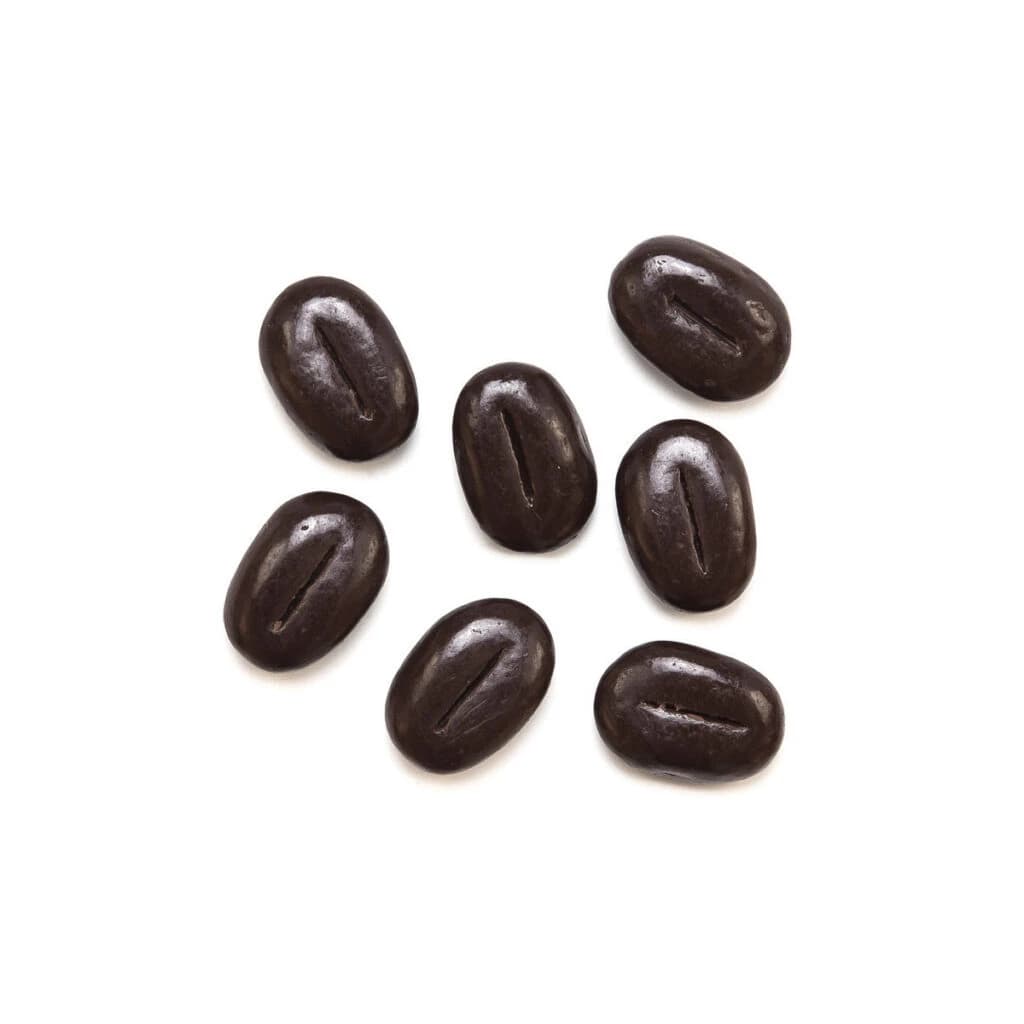
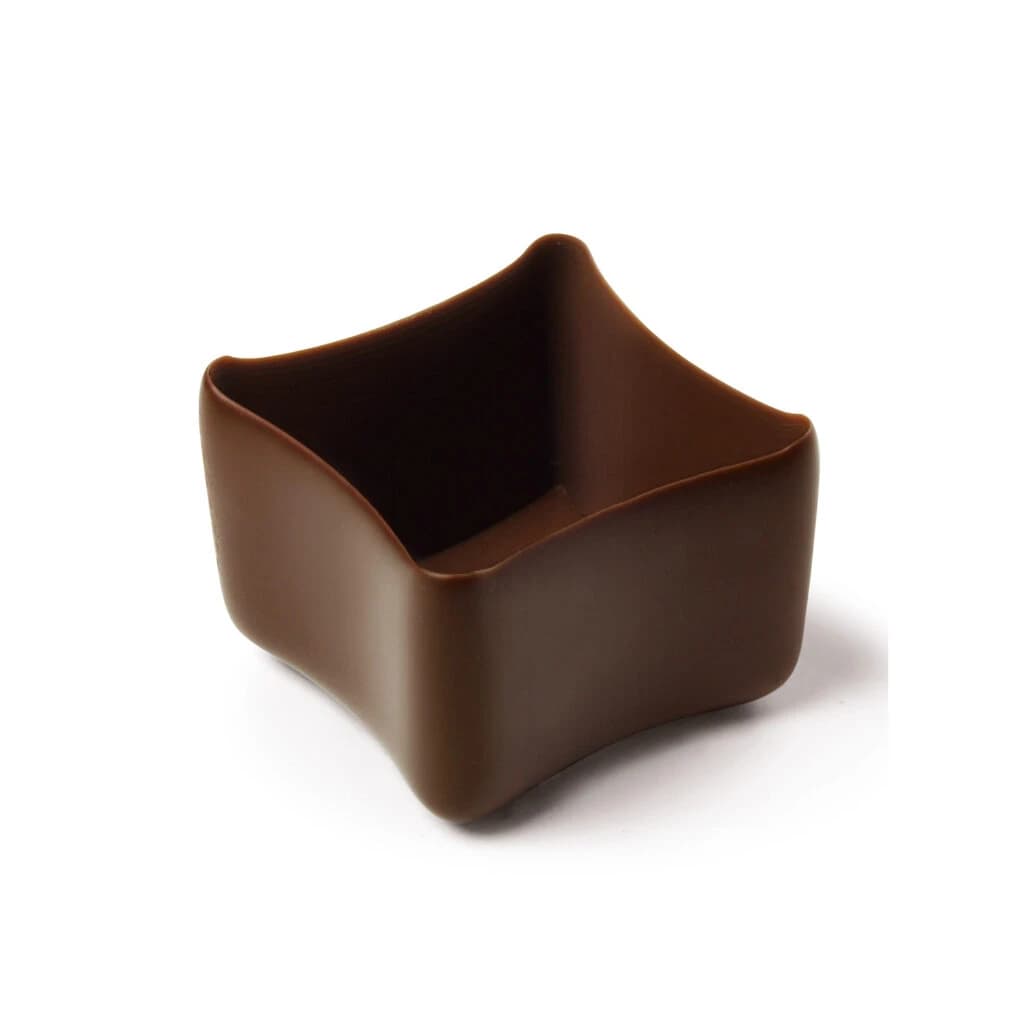
- Moulded shapes & cups - blossoms, fans, coffee beans, cups, and seasonal pieces (the Zeelandia Dobla range, img-a7ci-07). The white Chocolate Blossoms are genuine white chocolate (sugar, cocoa butter, milk powder, whey, lactose, E322, vanilla; 29.3% fat, 26% cocoa butter, 15% milk solids, 9 x 5 mm, 12-month shelf life; claim c6) - and because they are real white chocolate they contain milk (claim c7).
Storage is the whole game. Every one of these specs says the same thing: hold at 12-20 C, max 70% RH, away from light and odours (claim c2). Above ~20 C you risk fat bloom (the dull grey film covered in A6-chocolate-bloom-defects). The storage windows are charted in img-a7ci-02 and listed in the table below.
Food-safety note: supplier specs hold these decorations to internal microbiological quality limits — Salmonella absent in 250 g and total plate count <=5,000 cfu/g (claim c26). (These are supplier quality standards, not mandatory regulatory limits. EU Regulation 2073/2005 on microbiological criteria uses a 25 g analytical unit for Salmonella in ready-to-eat confectionery and does not set a general TPC limit for chocolate or sugar confectionery; do not present these figures as legally mandated criteria.) They are pre-made ready-to-eat components; handle with gloves and protect from contamination on the bench.
Bake-stable inclusions: chips, chunks, drops and crisp
Inclusions go into the product, not on top, and the one question that matters is whether they survive the oven. Standard chocolate (high cocoa butter) melts and spreads; bake-stable chocolate is formulated with less cocoa butter, which raises the melt viscosity so the pieces hold their shape and survive baking up to about 200 C (claim c11).
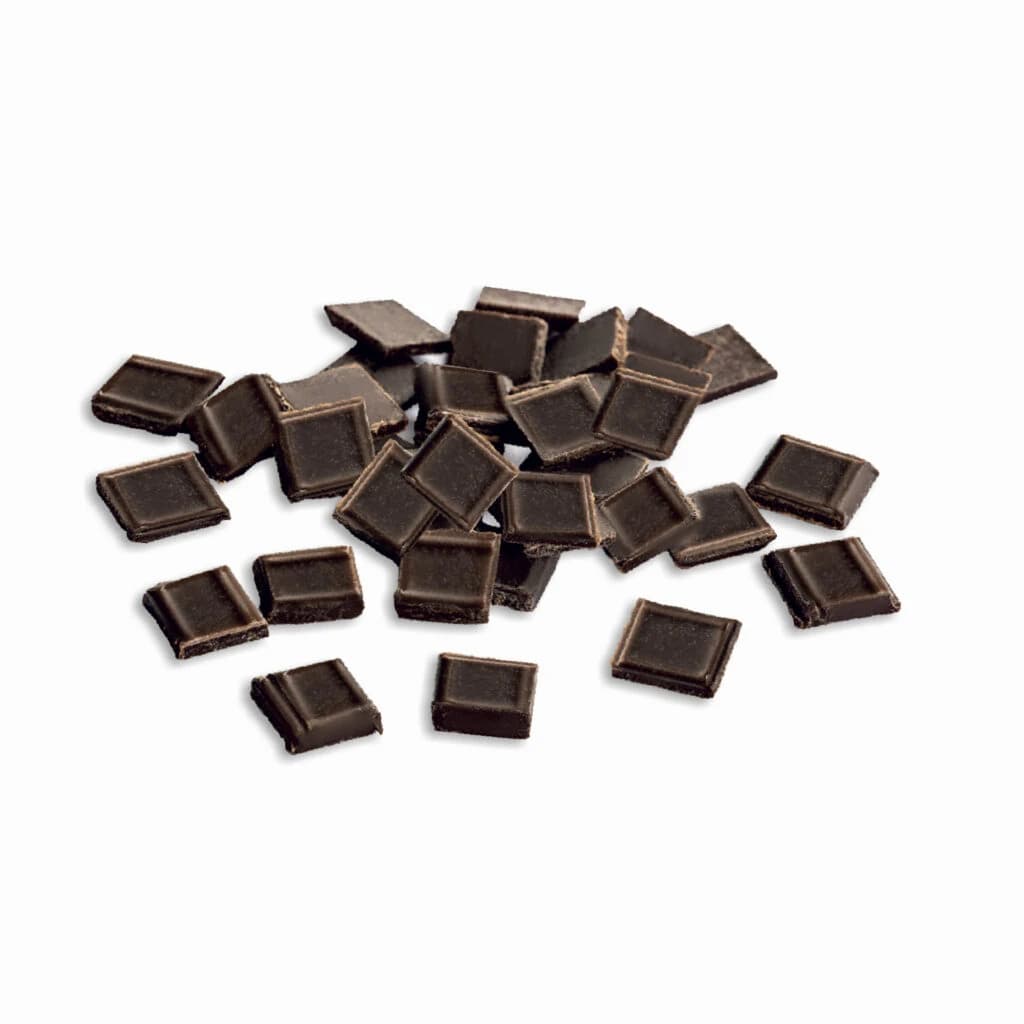
- BL Dark Chocolate Chunks 50% (8 x 8 x 2 mm): a bake-stable real-chocolate inclusion at min 30% total fat, min 51% dry cocoa solids (claim c10) - note the deliberately moderate fat versus the 72% couverture below.
- Dark cocoa chips (Quality Food Corporation) for high-volume muffin and cookie lines.
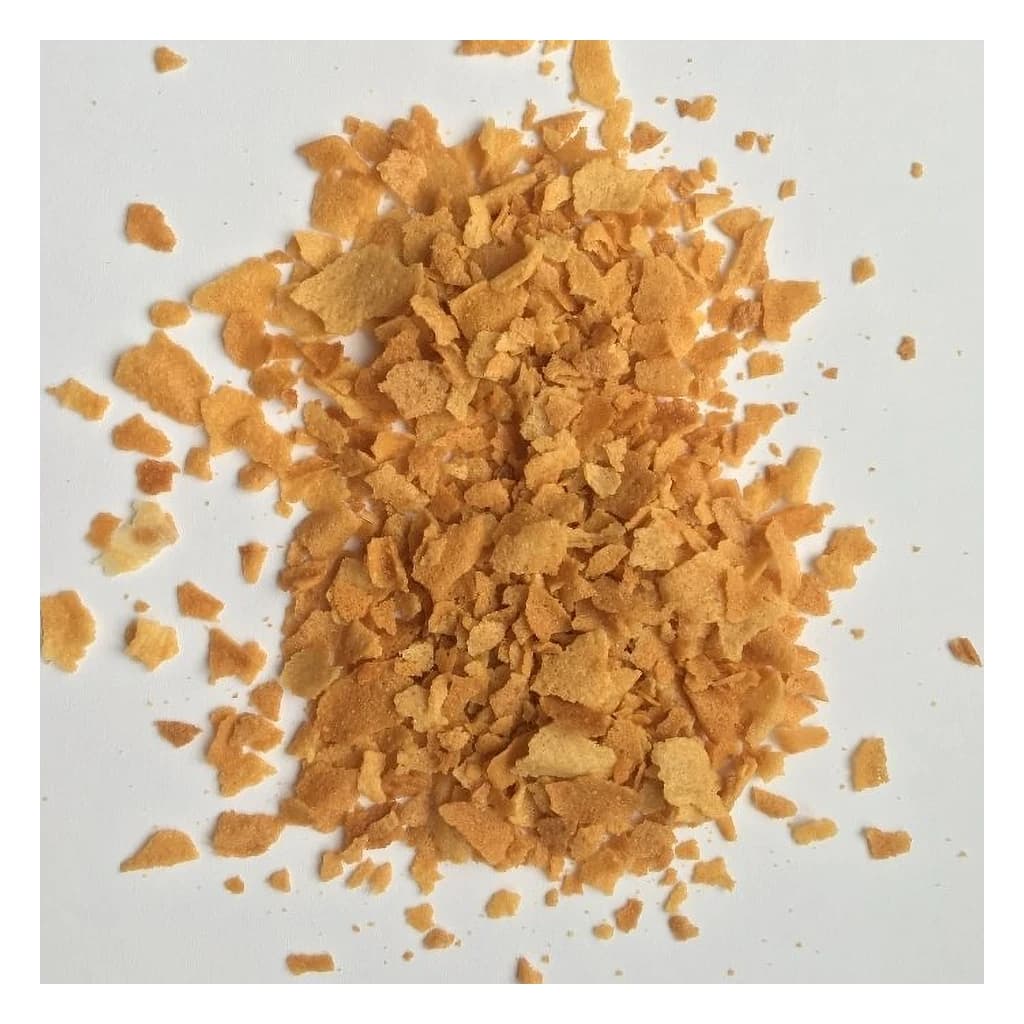
- Feuilletine / crisp (IRCA Delicrisp) for crunch layers and praline textures - a textural inclusion rather than a chocolate one.
Do not substitute couverture callets for bake-stable chips in a cookie: the high cocoa butter will melt out and pool. Conversely, do not use bake-stable chips where you want a luxurious melt - they trade mouthfeel for shape (see the fault table below).
Compound coatings: the no-temper, ambient-friendly option
Compound coatings swap cocoa butter for vegetable fat. That single change removes the need to temper and makes the result more tolerant of warm rooms - at the cost of a waxier melt and the legal loss of the word "chocolate" (claim c12).
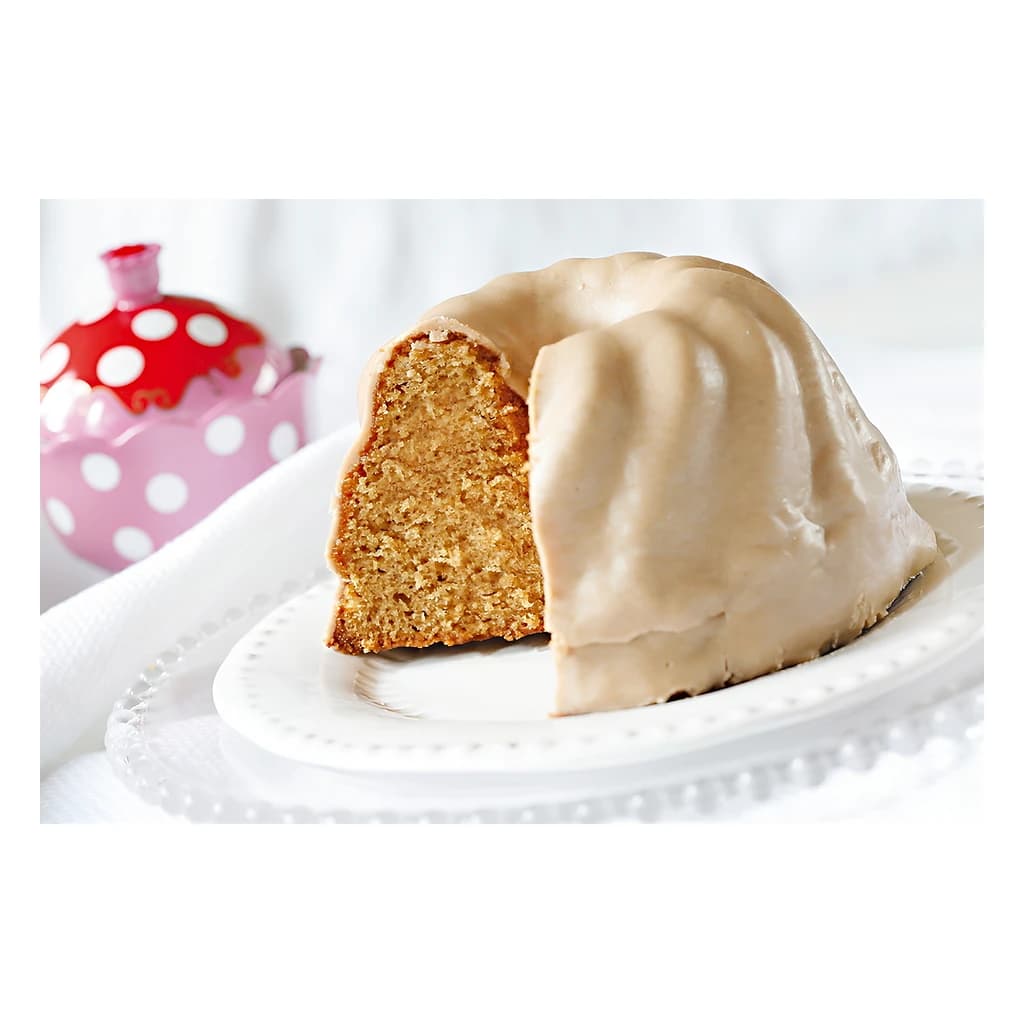
The Zeelandia Satina white compound spec is a clear example: sugar, partly hydrogenated vegetable fats (palm, rape), whey [MILK], skimmed milk powder, emulsifiers E322 and E476, flavourings; dry matter >=99%, fat-in-dry-matter >=33%. You simply melt it to a maximum of 55 C - no tempering - and may thin it with up to 250 g oil per kg. It contains milk and may contain sesame, soya, peanuts and nuts (claim c13), and is stored dry at max 25 C.
Two buyer notes:
- The word "partly hydrogenated" on an older spec is a flag: since 1 April 2021 the EU limits industrial trans fat to 2 g per 100 g of fat (Regulation 2019/649; claim c24). Confirm current formulations comply - most modern compounds are reformulated to non-hydrogenated fats.
- Compound is the right tool for ambient retail cabinets and budget lines; couverture decor is the right tool for chilled patisserie and premium plating.
Catalogue compounds include Master Martini Bolero discs and a range of dark/milk/white coatings (see the A6-chocolate-selection-couverture article for the couverture-vs-compound decision in depth).
Sugar dragees, pearls and nonpareils
This is the celebration-cake and cupcake side of the cabinet (img-a7ci-10, img-a7ci-11). The base is sugar and starch; the shine comes from food-grade glazing waxes (claim c27):
- E901 beeswax - a soft wax, pleasant taste, shine fades, so it is blended.
- E903 carnauba wax - the hardest wax, best for lasting gloss through shelf life.
- E904 shellac - an insect-derived resin giving a high gloss without polishing pressure.
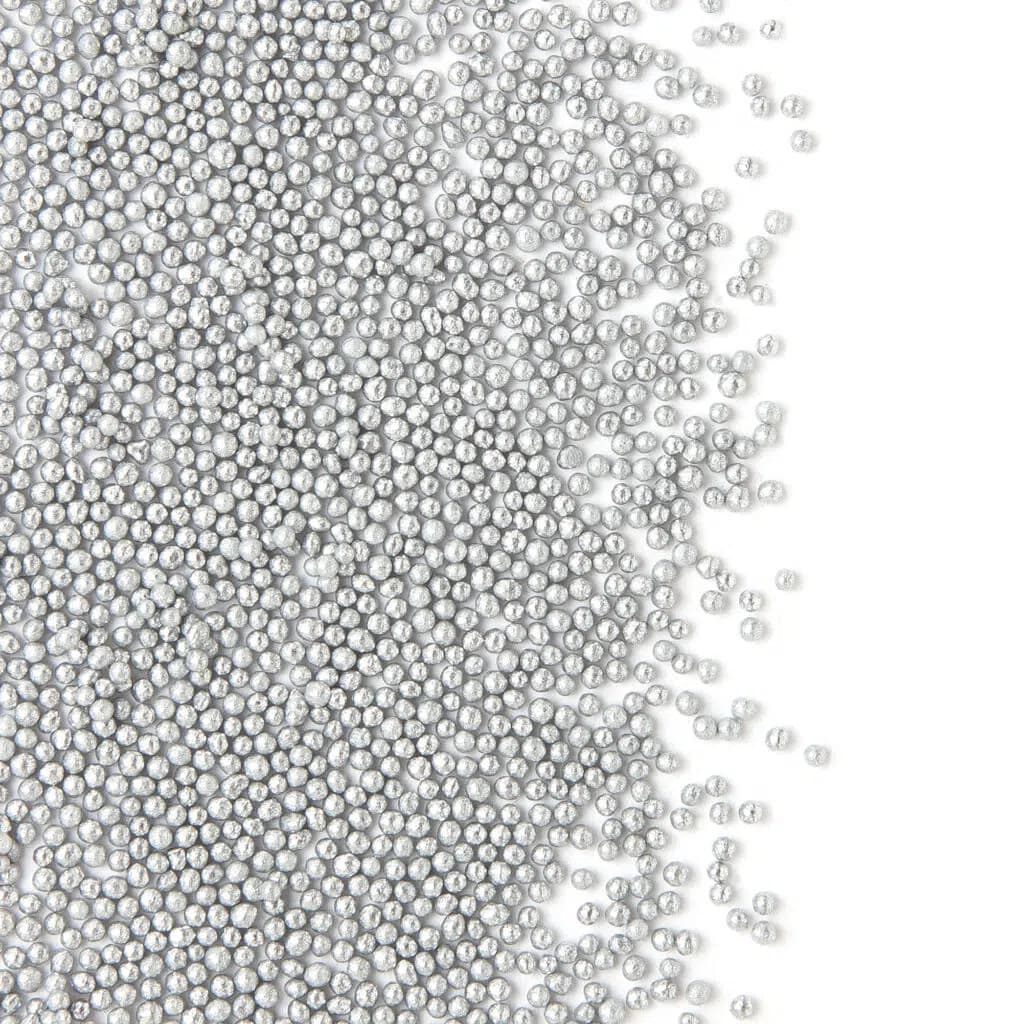
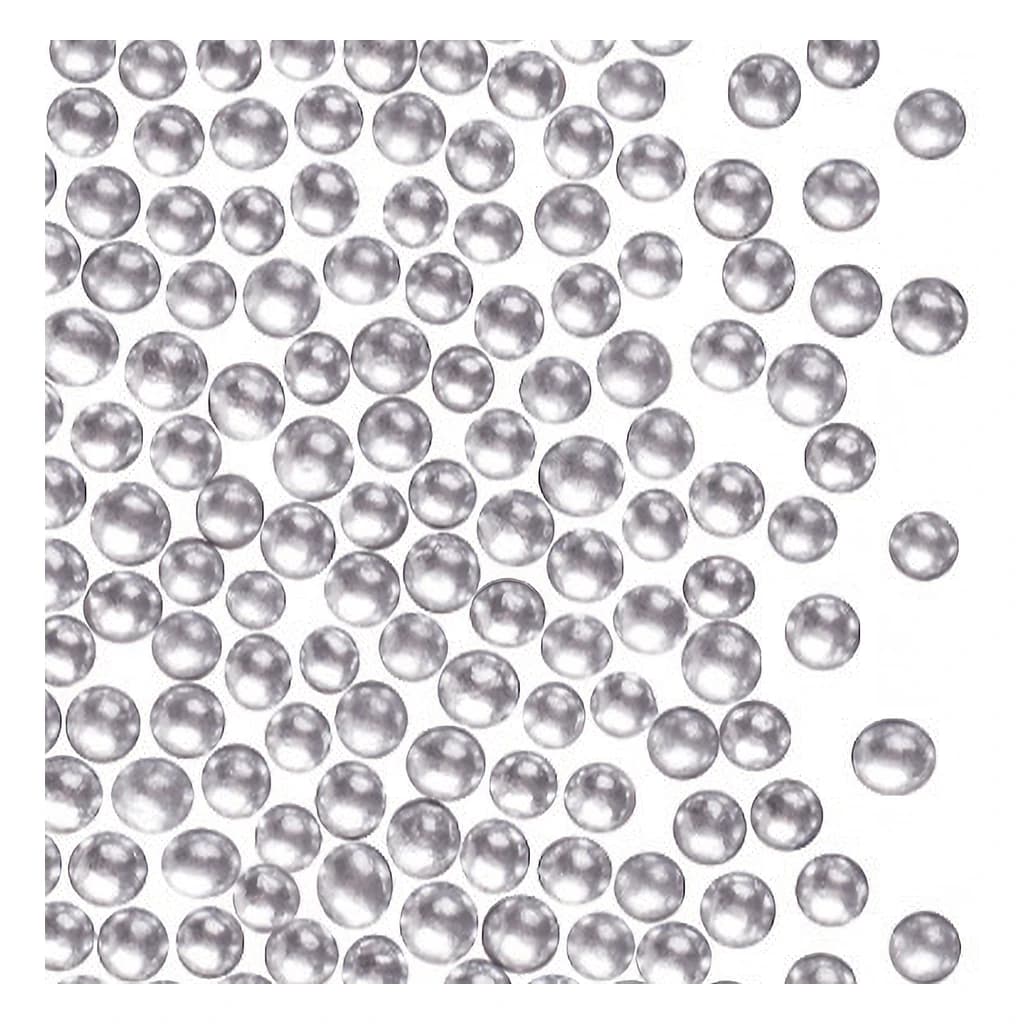
Because of those waxes (and the use of wheat starch as a binder), sugar pearls are frequently not vegan, sometimes not vegetarian, and may contain gluten. The BL white Tiny Sugar Pearls spec is typical: sugar, starch (wheat, maize), glucose syrup, glazing agents E903 + E904, maltodextrin, thickener E414, vegetable oil; contains gluten; not suitable for vegetarians or vegans (claim c16).
Storage is the mirror image of chocolate. Where chocolate fears heat, sugar fears humidity: hold sugar decorations drier - 15-25 C at max 65% RH (claim c15). Above that you get sugar bloom - the surface sugar dissolves in ambient moisture and recrystallises dull and sticky (see the fault table below and img-a7ci-02).
The colour-and-pigment minefield (img-a7ci-04)
Two compliance points decide whether a pretty sprinkle is safe to list:
- The "Southampton Six". Any product containing E102, E104, E110, E122, E124 or E129 must carry the warning "may have an adverse effect on activity and attention in children" under EU Regulation 1333/2008 (in force since July 2010; claim c18). Many manufacturers reformulate to avoid it - but cheap bright sprinkles often still use these dyes.
- Titanium dioxide (E171). The opaque white base of many pearls and silver/gold beads. It has been banned as a food additive in the EU since 7 August 2022, yet remains permitted in Great Britain (Northern Ireland follows the EU ban; claim c19). The Culpitt Gold Edible Pearls 4 mm spec shows the live trap: it contains E171 plus warning-label colours E102, E110 and E129 (claim c17). That product is sellable in GB but not for the EU market - a genuine issue for Polish, Romanian, Lithuanian and Bulgarian customers shipping into the EU.
The E-number reference grid is below. When in doubt, read the datasheet before you list, and prefer dragees coloured with E172 iron oxides and E171-free whites for EU work. (More on colours, lusters and metallics in A7-food-colour-and-metallic-effects.)
Sugar strands and "chocolate" vermicelli: read carefully
"Chocolate vermicelli" is the classic naming trap. Genuine chocolate vermicelli (Dutch hagelslag) is real chocolate. But many products sold under that look are imitation cocoa-flavoured sprinkles. The Emix "chocolate vermicelli" spec is exactly this: sugar, wheat flour, glucose syrup and cocoa (cocoa-flavoured), coloured with azo dyes E104, E110, E122 and E124 and additional synthetic colours E131 (Patent Blue V) and E132 (Indigo Carmine), and glazed with E901 (beeswax) and E553b (talc). It contains gluten and is not real chocolate (claim c20). (Colourant flag: E131 and E132 are not Southampton Six colours but are declared in this product's spec; disclose all colour additives on any product listing.)
A representative sugar-strands datasheet shows the same category: sugar, corn starch, maltodextrin, E322 (from soya), thickeners E414/E415, glazing agents E903/E904, palm kernel oil and colour - about 427 kcal and 7 g fat / 100 g, declaring soya (claim c22).
None of this makes them "bad" - they are cheerful, cheap and right for children's lines, ice-cream and budget work. But:
- they bring gluten and/or soya onto your allergen matrix;
- their water-soluble colours bleed into wet cream, so apply to dry surfaces at the last moment;
- and they are usually not vegan (shellac/beeswax).
Nibbed / pearl sugar and wafer decorations
Two honourable mentions that behave unlike everything above:
- Nibbed / pearl sugar (Kent Foods): 100% sugar (beet), ~99.8% dry matter, no declared allergens, supplied in graded sizes C03-C70 (claim c23). It is fully bake-stable - it is the crunch on chouquettes, sweet buns, brioche and Belgian-style waffles, and it does not melt flat in the oven the way chocolate does.
- Wafer decorations (e.g. Banquet/Sweet Decor/MagMart wafer roses and toppers): potato/rice-starch wafer paper. Bake-stable in dry contexts but goes limp the instant it meets moisture - fix to a dry fondant or set buttercream skin and add just before display (see seeds, nuts and toppings in A7-seeds-nuts-toppings for the moisture-migration theme).
Make your own from tempered couverture
Buying ready-made wins on labour and consistency; making your own wins on signature look and cost on real chocolate. Both rely on the same foundation - tempering to Form V (the stable beta-V cocoa-butter crystal that melts at ~33.8-34 C and gives snap, gloss and bloom resistance; claim c14). Tempering is covered fully in A6-chocolate-tempering-crystallisation and A7-chocolate-tempering-and-decor; the four house decorations are in img-a7ci-13 and as technique cards below:
- Curls / cigarettes - spread tempered couverture on cool marble, scrape with a wide blade.
- Filigree run-outs - pipe fine lines from a cornet onto acetate over a template.
- Shards / bark - spread between two acetate sheets, set flat, break into angular pieces; scatter cocoa nibs or freeze-dried fruit for texture.
- Velvet finish - spray a ~1:1 chocolate-and-cocoa-butter mix (around 40-45 C) onto a frozen dessert for a suede effect (Callebaut velvet method). A single upright shard plus a fleck of gold leaf is often all a modern entremet needs (img-a7ci-09).
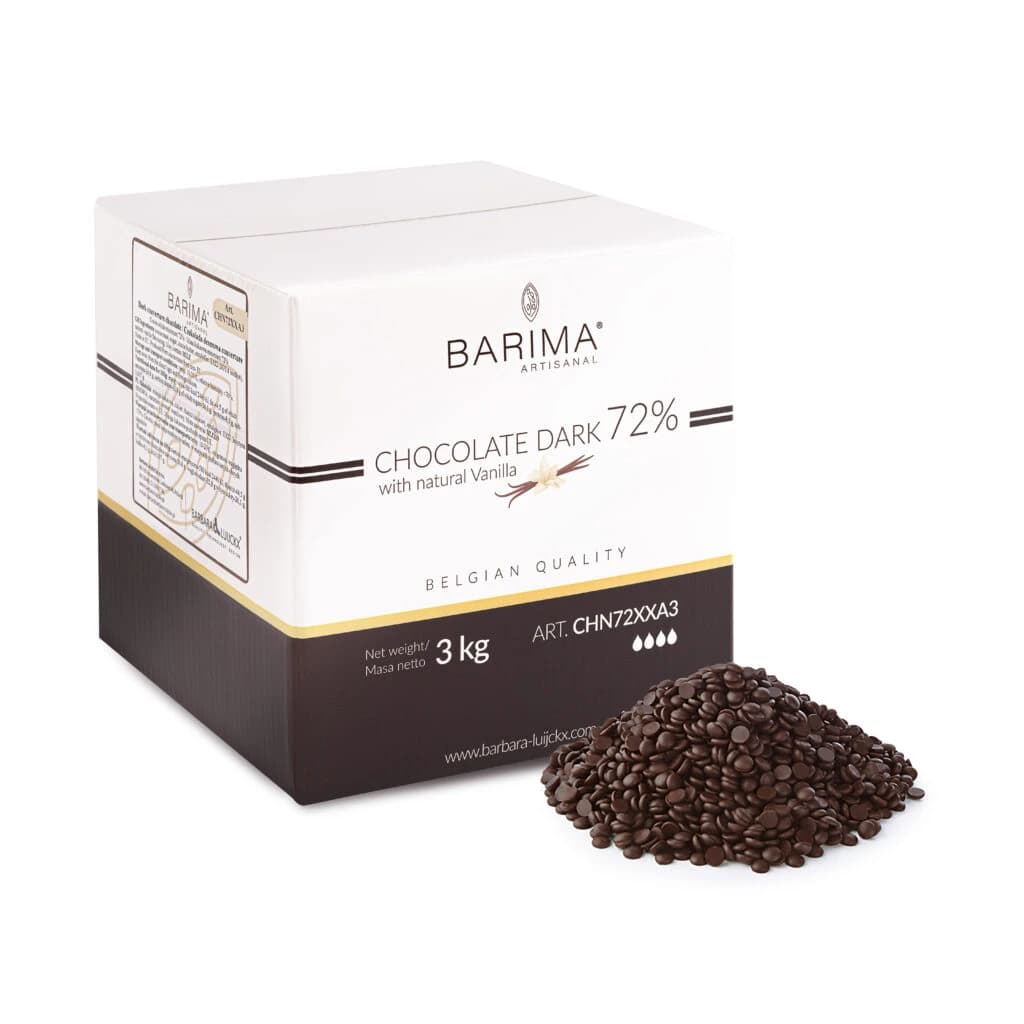
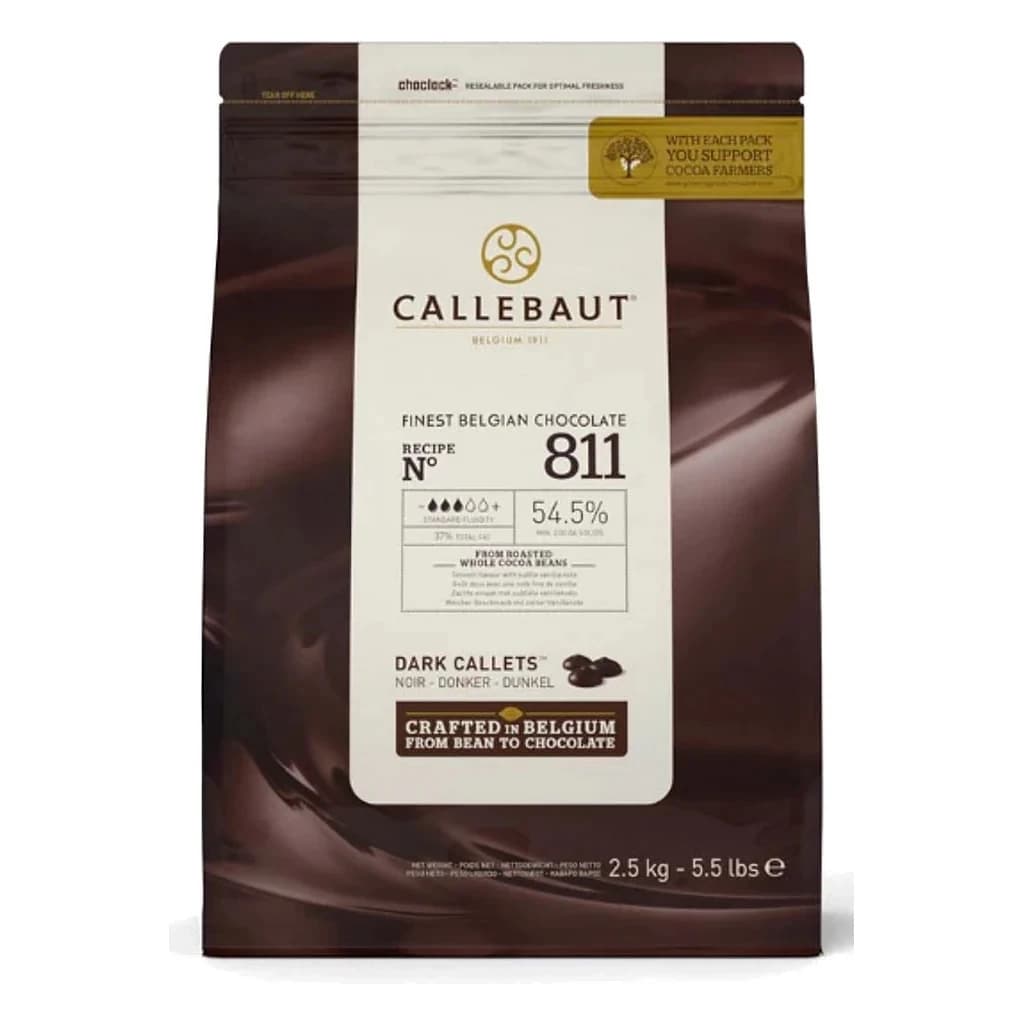
For these you want fluid couverture and pure cocoa butter: e.g. Barima dark couverture 72% (min 72% cocoa solids, min 43% fat; claim c3), Callebaut 811 dark callets, and Callebaut cocoa butter for velvet and for loosening viscosity.
Buyer's quick checklist
- Classify it first (img-a7ci-03): cocoa butter = chocolate; vegetable fat = compound; sugar/flour cocoa-flavour = imitation.
- Match it to the environment: chocolate decor for chilled/premium; compound for ambient/budget; bake-stable chips for in-oven; sugar decor only on dry surfaces.
- Mind the two blooms: heat -> fat bloom on chocolate (12-20 C); humidity -> sugar bloom on sugar (max 65% RH).
- Check the label baggage: Southampton Six warning colours, E171 (EU-banned/GB-allowed), gluten in sugar pieces, milk in white-chocolate decor, and vegan status (shellac/beeswax).
- Apply at the last sensible moment - especially anything that can melt, soften or bleed.
Sources & verification
All composition, storage and allergen figures are drawn first from first-party supplier specifications
and cross-checked against EU/UK regulation and pastry references. Every numeric,
allergen, food-safety and legal statement is itemised in _claims.json. Food-safety, allergen and
regulatory claims should be independently verified before use; the "approx 32% cocoa" hagelslag
threshold is single-sourced and indicative only.
Figures
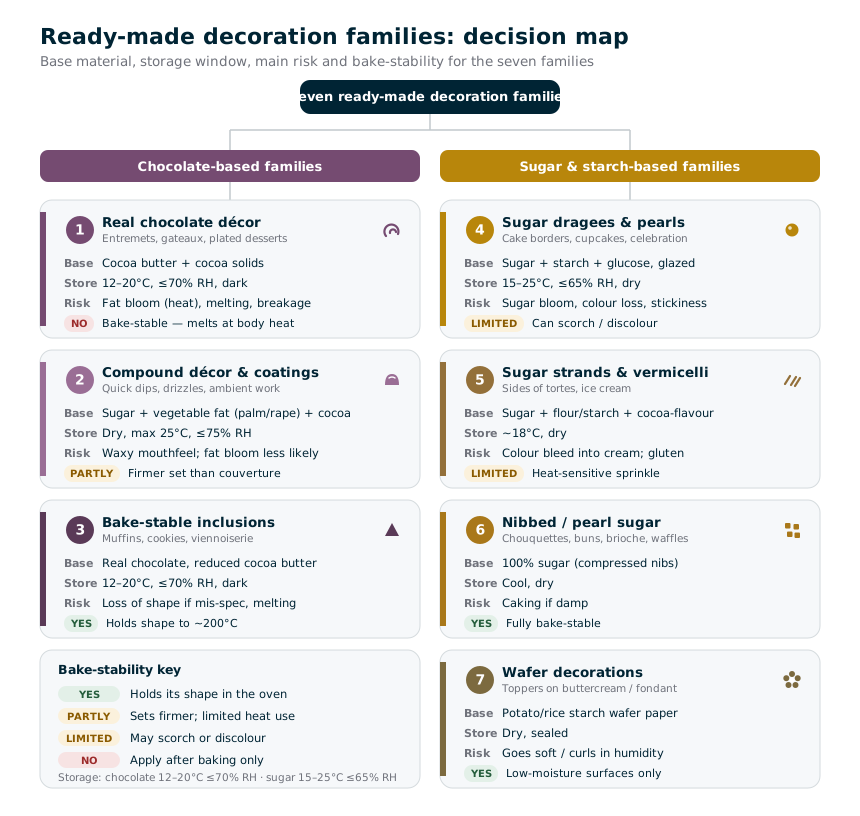 Decision map of seven ready-made decoration families showing base material, storage window and main risk for chocolate, compound, inclusions, dragees, strands, nibbed sugar and wafer decorations
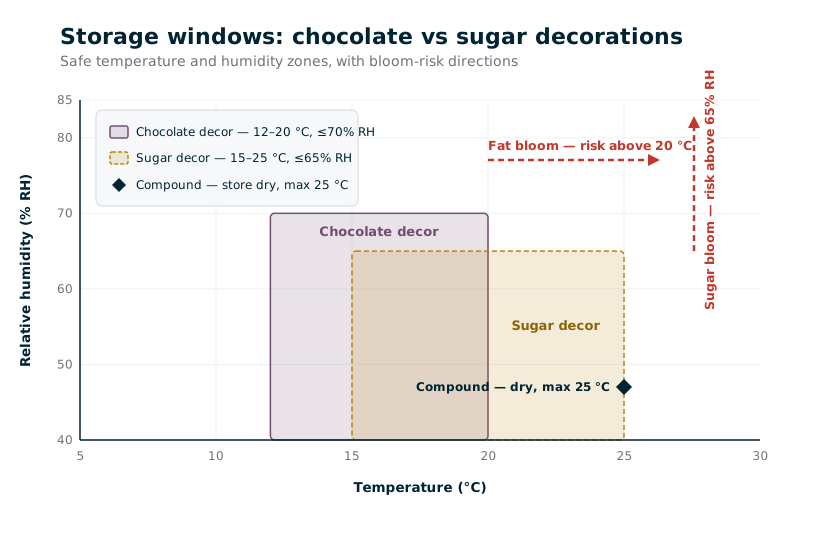 Chart comparing safe storage zones for chocolate decorations (12-20 C, up to 70% humidity) and sugar decorations (15-25 C, up to 65% humidity) with fat-bloom and sugar-bloom danger arrows
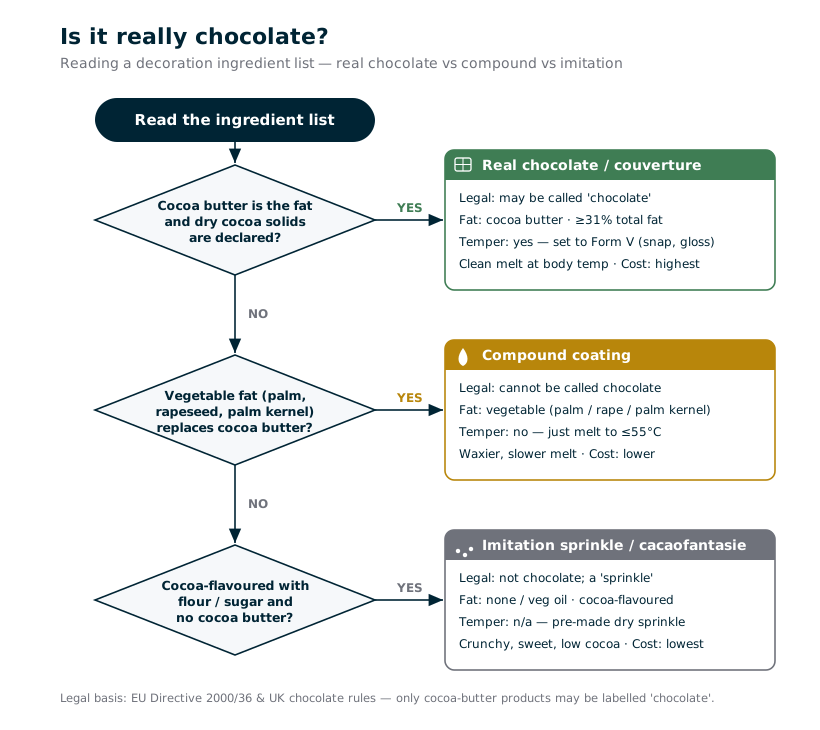 Flowchart for reading a decoration ingredient list to tell real chocolate from compound coating and imitation cocoa-flavoured sprinkles
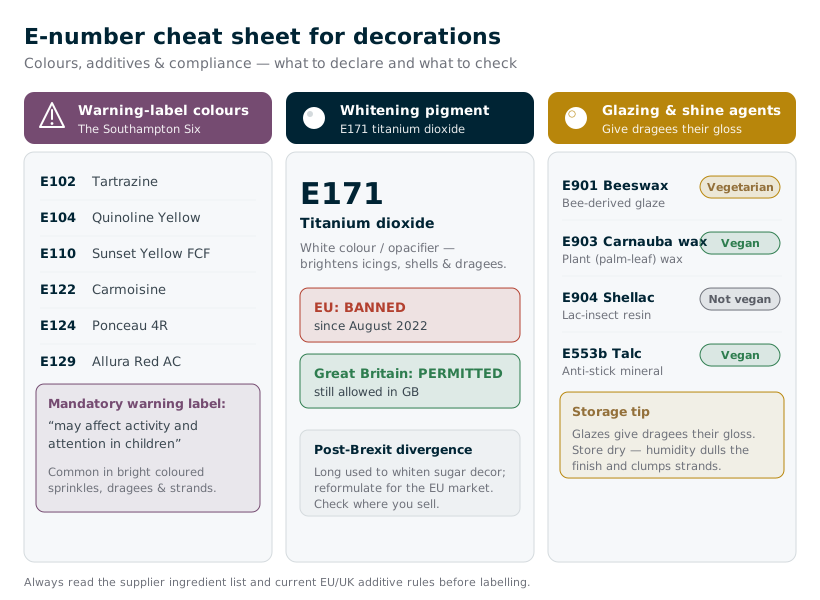 E-number cheat sheet for decorations showing warning-label colours, the EU ban on E171 titanium dioxide, and glazing agents E901 E903 E904 with vegan flags
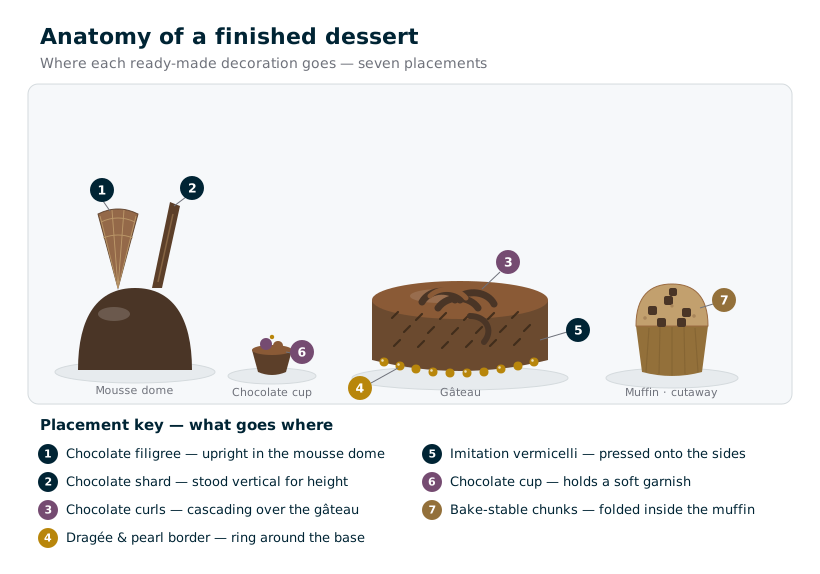 Illustration of a decorated dessert showing placement of chocolate filigree, shard, curls, dragee border, vermicelli sides, chocolate cup and bake-stable chunks
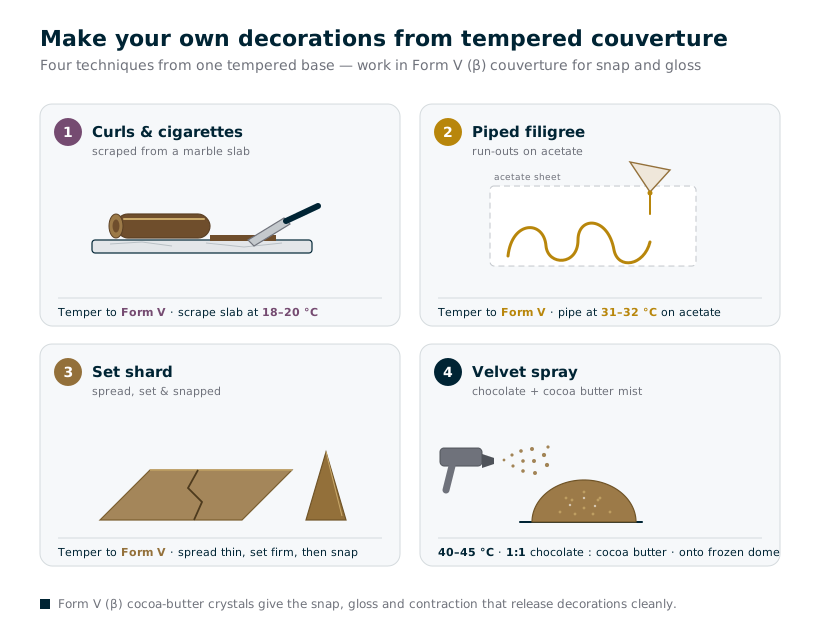 Four-step technique strip showing chocolate curls, piped filigree, a set shard and velvet spray made from tempered couverture
Chocolate curls / cigarettes from tempered couverture
| Ingredient | Baker's % | Weight |
|---|---|---|
| Dark/milk/white couverture, tempered to Form V | as needed |
- Temper couverture so it sets as Form V (snap and gloss; Form V melts ~33.8-34 C).
- Spread a thin layer on a cool marble slab; let it set until just no longer wet but still pliable.
- Hold a long metal scraper at a low angle and push across the set chocolate to roll curls/cigarettes.
- Lift with a palette knife and store at 12-20 C, <=70% RH, away from light until use.
Yield: Batch of curls for finishing
Slab too cold = chocolate shatters; too warm = it smears. Marbling is achieved by streaking a second colour before the layer sets.
Piped filigree run-outs on acetate
| Ingredient | Baker's % | Weight |
|---|---|---|
| Couverture, tempered, in a paper cornet | as needed |
- Slip a printed template under a sheet of acetate or guitar sheet.
- Pipe fine continuous lines from a small cornet to draw the filigree/lace pattern.
- Let set flat, or curve over a mould while still pliable for 3D pieces.
- Peel from the acetate only once fully set for a glossy underside.
Yield: Sheet of lace decorations
Ready-made equivalents (e.g. Barbara Luijckx filigrees, 59 mm) remove the labour and give consistent size for production menus.
Chocolate shards / bark for height
| Ingredient | Baker's % | Weight |
|---|---|---|
| Couverture, tempered to Form V | as needed | |
| Optional: cocoa nibs, freeze-dried fruit, gold leaf | to taste |
- Spread tempered couverture in a thin even layer on acetate; scatter inclusions if using.
- Lay a second acetate sheet on top and lightly weight it to keep the shard flat and glossy.
- Let set fully at 12-20 C, then break into angular shards.
- Stand shards upright in mousse or ganache for height and a modern finish.
Yield: Tray of shards
Ready-made openwork 'grillage' sheets (BL, ~38% fat, 57.6% cocoa solids) give the same effect with no tempering.
Compound coating quick-finish (no tempering)
| Ingredient | Baker's % | Weight |
|---|---|---|
| Compound coating (e.g. Zeelandia Satina) | as needed | |
| Neutral oil (optional, to thin) | up to 250 g per 1 kg coating |
- Melt the compound over a water bath to a maximum of 55 C - do NOT temper.
- Thin with a little oil if a finer coat is wanted; stir to a smooth, homogeneous mix.
- Dip, drizzle or coat the product; the coating sets at room temperature.
- Hold finished product dry, max 25 C.
Yield: Working bowl of coating
Compound is forgiving and ambient-tolerant but waxier than couverture and may not be labelled 'chocolate'. Check trans-fat compliance (<=2 g/100 g fat) on older 'partially hydrogenated' specs.
| Family | Base / key material | Bake-stable? | Storage | Main risk | Typical use |
|---|---|---|---|---|---|
| Real chocolate decor (curls, shards, filigrees, plaques, cups) | Cocoa butter + cocoa solids (real chocolate) | No - melts | 12-20 C, <=70% RH, dark | Fat bloom (heat), melting, breakage | Entremets, gateaux, plated desserts, mousses |
| Compound chocolate decor & coatings | Sugar + vegetable fat (palm/rape) + cocoa | Partly (firmer set) | Dry, max 25 C, <=75% RH | Waxy mouthfeel, fat bloom less likely | Quick dips, drizzles, ambient cabinet work |
| Bake-stable chocolate inclusions (chips, chunks, drops) | Real chocolate with reduced cocoa butter | Yes - holds shape to ~200 C | 12-20 C, <=70% RH, dark | Loss of shape if mis-spec, melting | Muffins, cookies, viennoiserie, fillings |
| Sugar dragees & pearls | Sugar + starch + glucose, glazed | Limited (can scorch/discolour) | 15-25 C, <=65% RH, dry | Sugar bloom, colour loss, stickiness | Cake borders, cupcakes, celebration work |
| Sugar strands & imitation vermicelli | Sugar + flour/starch + cocoa-flavour | Limited | ~18 C, dry | Colour bleed into cream, gluten | Sides of tortes, ice cream, children's lines |
| Nibbed / pearl sugar | 100% sugar (compressed nibs) | Yes - bake-stable | Cool, dry | Caking if damp | Chouquettes, buns, Belgian waffles, brioche |
| Wafer decorations | Potato/rice starch wafer paper | Yes (low moisture only) | Dry, sealed | Goes soft / curls in humidity or on wet cream | Flowers and toppers on buttercream/fondant |
| Product (example) | Storage temperature | Max relative humidity | Shelf life | Key declaration |
|---|---|---|---|---|
| Dark chocolate filigree (Barbara Luijckx) | 12-20 C | 70% | 24 months | May contain milk & soya |
| White chocolate Blossoms (Zeelandia) | 12-20 C | 70% | 12 months | Contains milk; may contain soya |
| Chocolate curl rolls (BL Twister Marble) | 12-20 C | 70% | 12 months | Contains milk; may contain soya |
| Dark couverture 72% (Barima, for own decor) | 10-20 C | 70% | 24 months | May contain milk |
| White compound coating (Zeelandia Satina) | max 25 C (dry) | 75% | 9 months | Contains milk; may contain sesame/soya/peanut/nuts |
| White sugar pearls (Barbara Luijckx) | 15-25 C | 65% | 18 months | Contains gluten; not vegan/veggie |
| Gold edible pearls (Culpitt) | cool, dry | n/a (dry) | 547 days | Contains E171; warning-label colours |
| Nibbed / pearl sugar (Kent Foods) | cool, dry | n/a (dry) | long (sugar) | No declared allergens |
| Attribute | Real chocolate / couverture | Compound coating | Imitation cocoa-flavoured sprinkle |
|---|---|---|---|
| Fat | Cocoa butter (dark couverture: >=31% cocoa butter; milk couverture: >=31% total fat) | Vegetable fat (palm, rape, palm kernel) | Often none added / vegetable oil; cocoa-flavoured |
| Tempering needed | Yes - to set Form V (snap & gloss) | No - just melt to <=55 C | n/a (pre-made dry sprinkle) |
| Legal name | 'Chocolate' / 'couverture' | Cannot be called chocolate; 'coating' | Not chocolate; 'cacaofantasie' / sprinkles |
| Mouthfeel | Clean melt at body temperature | Waxier, slower melt | Crunchy, sweet, low cocoa flavour |
| Bloom behaviour | Fat bloom if mis-tempered or warm | More ambient-tolerant | Sugar bloom / colour bleed if damp |
| Relative cost | Highest | Lower | Lowest |
| E-number | Name / type | Role in decorations | Watch-out |
|---|---|---|---|
| E102 / E104 / E110 / E122 / E124 / E129 | Azo & quinoline colours ('Southampton Six') | Bright yellows/oranges/reds in sprinkles & dragees | Require warning 'may have an adverse effect on activity and attention in children' (EU Reg 1333/2008) |
| E171 | Titanium dioxide (white pigment) | Opaque white base for pearls, silver/gold beads | Banned in EU food since Aug 2022; still allowed in Great Britain |
| E172 | Iron oxides & hydroxides | Gold/bronze/black metallic effect | Permitted; mineral pigment |
| E901 | Beeswax (soft wax) | Shine/polish on dragees | Animal-derived - not vegan |
| E903 | Carnauba wax (hardest wax) | Durable gloss on pearls/beads | Plant-derived - vegan-friendly |
| E904 | Shellac (insect resin) | High-gloss polish on dragees | Insect-derived - not vegan, often not vegetarian |
| E414 / E415 | Gum arabic / xanthan (thickeners) | Binder/structure in sugar pieces | Generally well tolerated |
| E553b | Talc | Anti-stick / glazing aid on sprinkles | Processing aid; check current permission |
| Fault | Likely cause | Fix / prevention |
|---|---|---|
| White/grey film on chocolate decorations (fat bloom) | Stored too warm or temperature-cycled; cocoa butter recrystallised on surface | Hold at 12-20 C, <=70% RH; avoid heat spikes; use well-tempered or compound pieces for ambient cabinets |
| Sticky, dull, gritty surface on dragees/pearls (sugar bloom) | Humidity above ~65% dissolved and re-crystallised surface sugar | Store sugar decorations 15-25 C at <=65% RH, sealed; add only just before service |
| Curls/filigrees soften, bend or melt on the dessert | Real chocolate near body heat / warm display; piece too thin | Apply at the last moment; chill the dessert; specify compound or thicker pieces for warm rooms |
| Colour from sprinkles/vermicelli bleeds into cream | Water-soluble colours migrate into a wet, fatty or acidic surface | Apply to dry surfaces just before serving; choose bleed-resistant or chocolate decorations |
| Cracked or shattered filigree/shard in handling | Pieces too thin/cold; rough handling | Temper correctly, make slightly thicker, handle with gloves, transport in rigid trays |
| Chocolate chips melt flat / disappear in the bake | Standard (high cocoa-butter) chocolate used instead of bake-stable | Specify bake-stable chips/chunks (reduced cocoa butter) that hold shape to ~200 C |
| Wafer flowers go limp or curl | Wafer paper absorbed moisture from cream or the air | Keep sealed with desiccant; fix to drier surfaces (fondant, buttercream skin); add just before display |
| Decorations carry an unexpected warning label | Product contains Southampton Six colours or E171 | Switch to colours without the warning; for EU sale avoid E171; read the datasheet before listing |
Buy the ingredients
Catalogue products and brands referenced in this article.
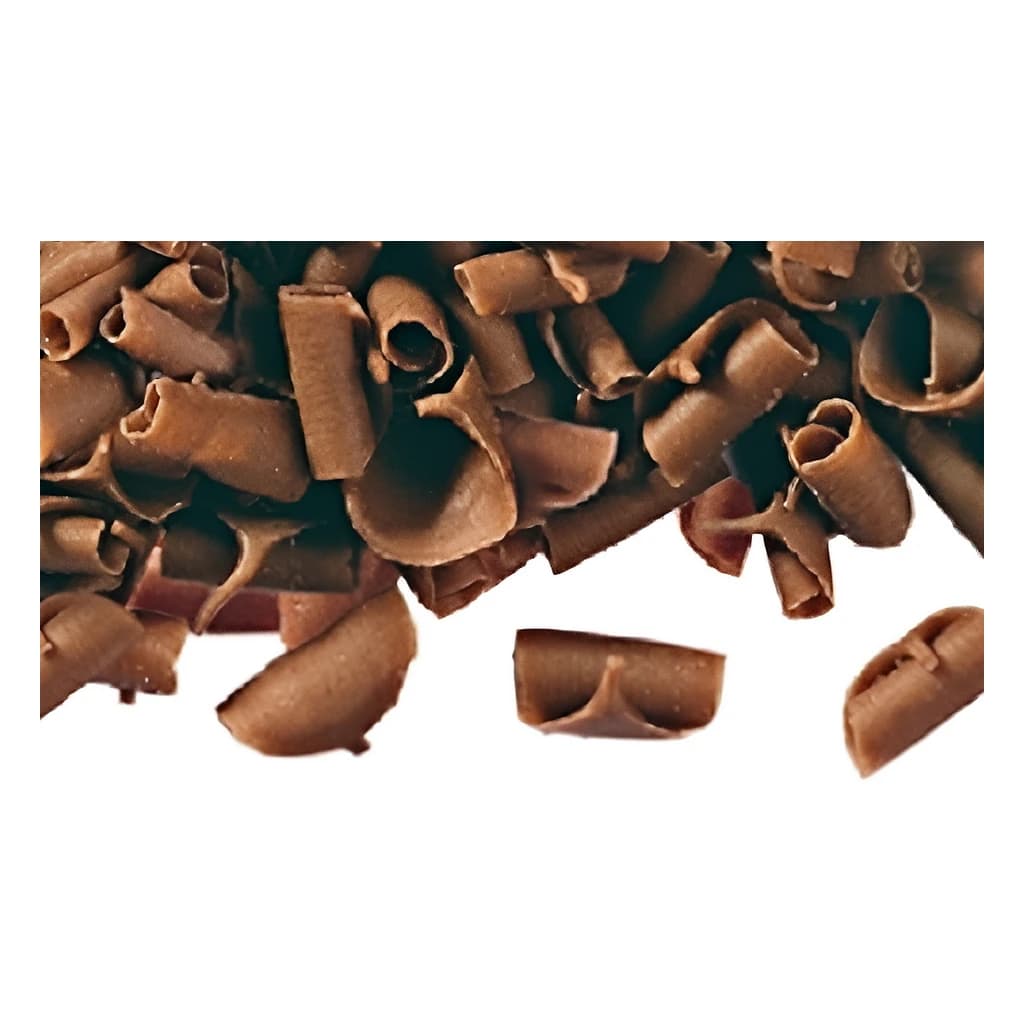
Chocolate Blossoms
Dobla Fan (475 pcs)
Chocolate Filigree Oriental Fan 59 mm (400 pc)
Tiny Sugar Pearls
Barbara Luijckx Rembrandt Chocolate Pencils 200 mm (120 pc)
Zeelandia Satina White Compound Coating
Barbara Luijckx Twister Marble Chocolate Rolls 55 mm, 1 kg
Sugar Pearls 4 mm
Barbara Luijckx Chocolate Coffee Bean Decorations 18 mm (1.1 kg)

Cocoa Vermicelli Sprinkles 5 kg
Sugar Strands
Barbara Luijckx Curl Trio 15 × 20 mm (250 pc)
Barima Dark Couverture Drops 72% 3 kg
Barbara Luijckx Dark Chocolate Chunks 50% 8×8×2 mm 8 kg
Dark Chocolate Grillage Sheet 360 × 250 mm (11 pc)
Chocolate Cups Caro 20 × 21 mm (150 pc)
Callebaut 811 Dark Couverture Callets 54.5%

Dark Chocolate Vermicelli 6 × 1 kg
Delicrisp Feuilletine 2.5 kg
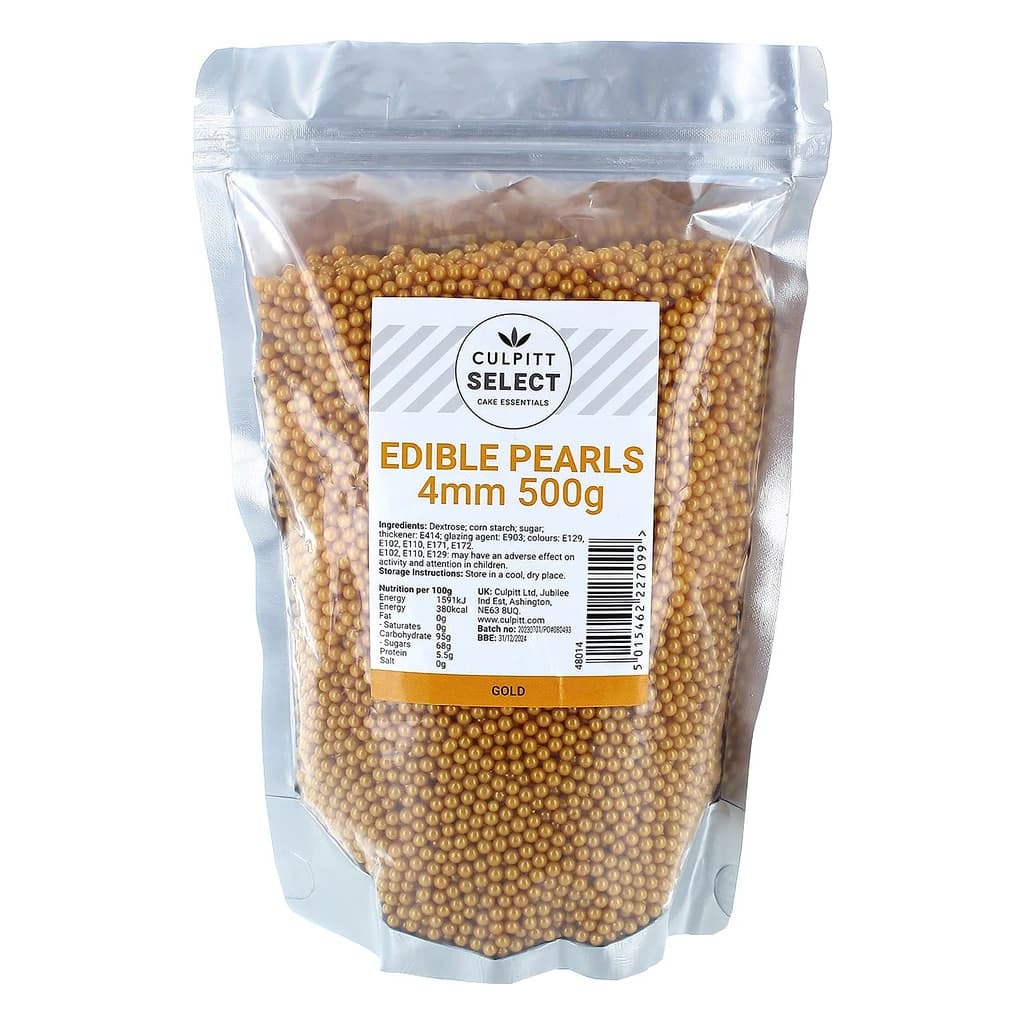
Culpitt Gold Edible Pearls 4 mm – 500 g
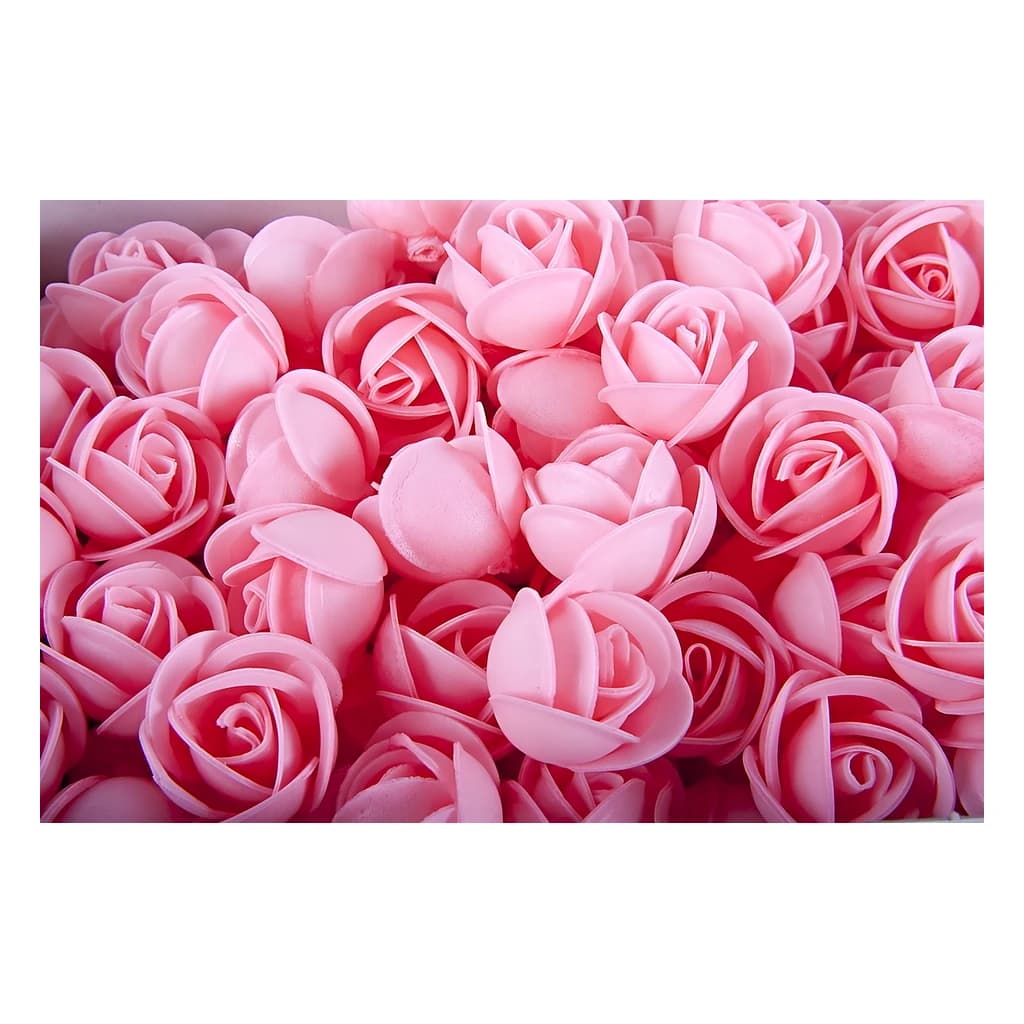
Wafer Roses Medium (Pack of 100)
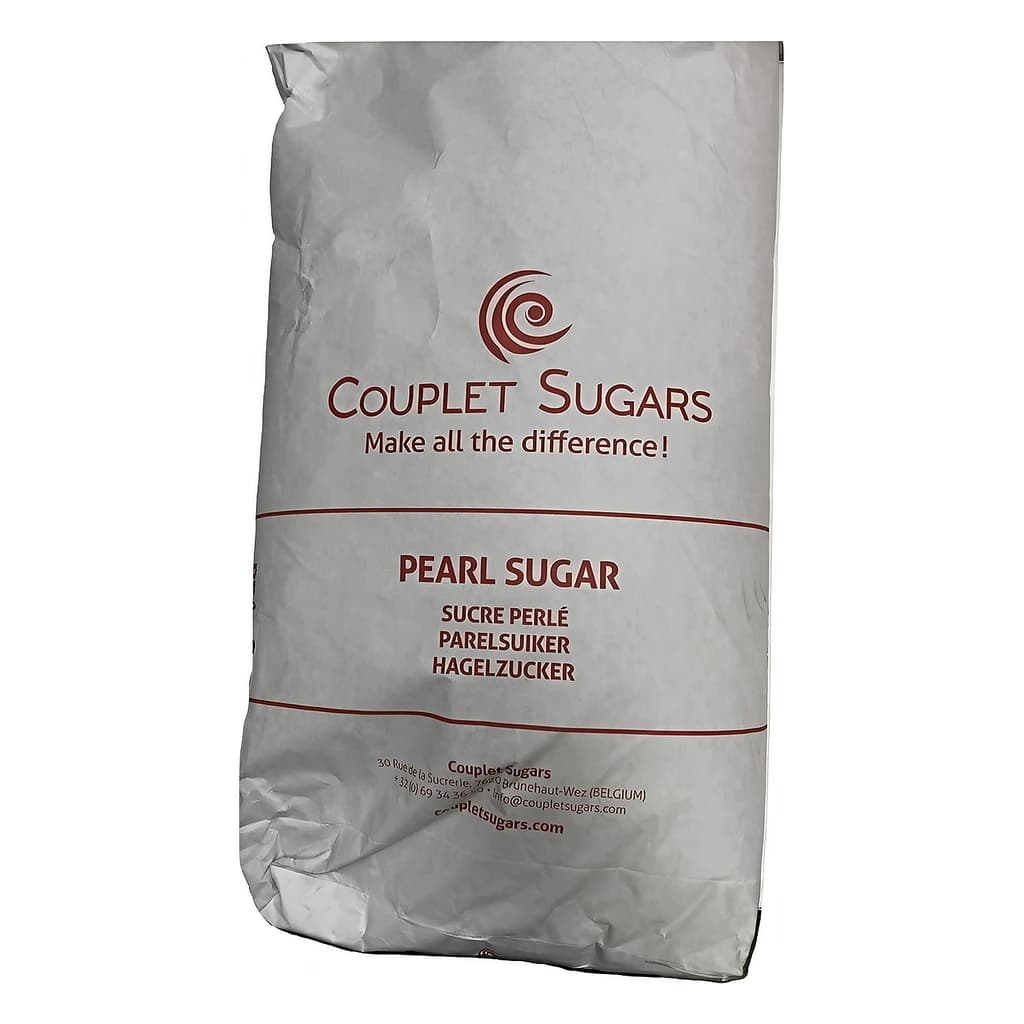
Nibbed Sugar 25 kg
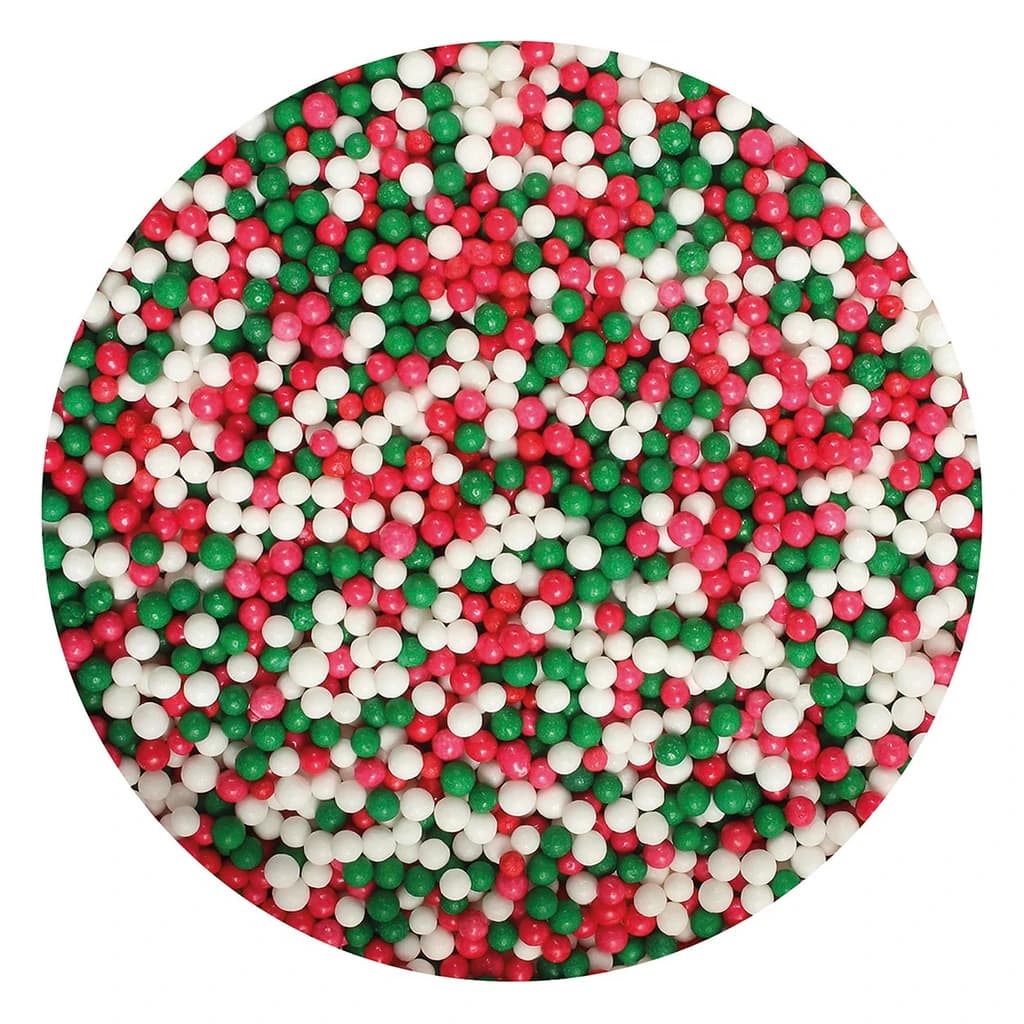
Nonpareils Christmas Mix (Green/White/Red) 100 g

Dark Cocoa Chips 10 kg

Master Martini Bolero Compound Discs 20 kg
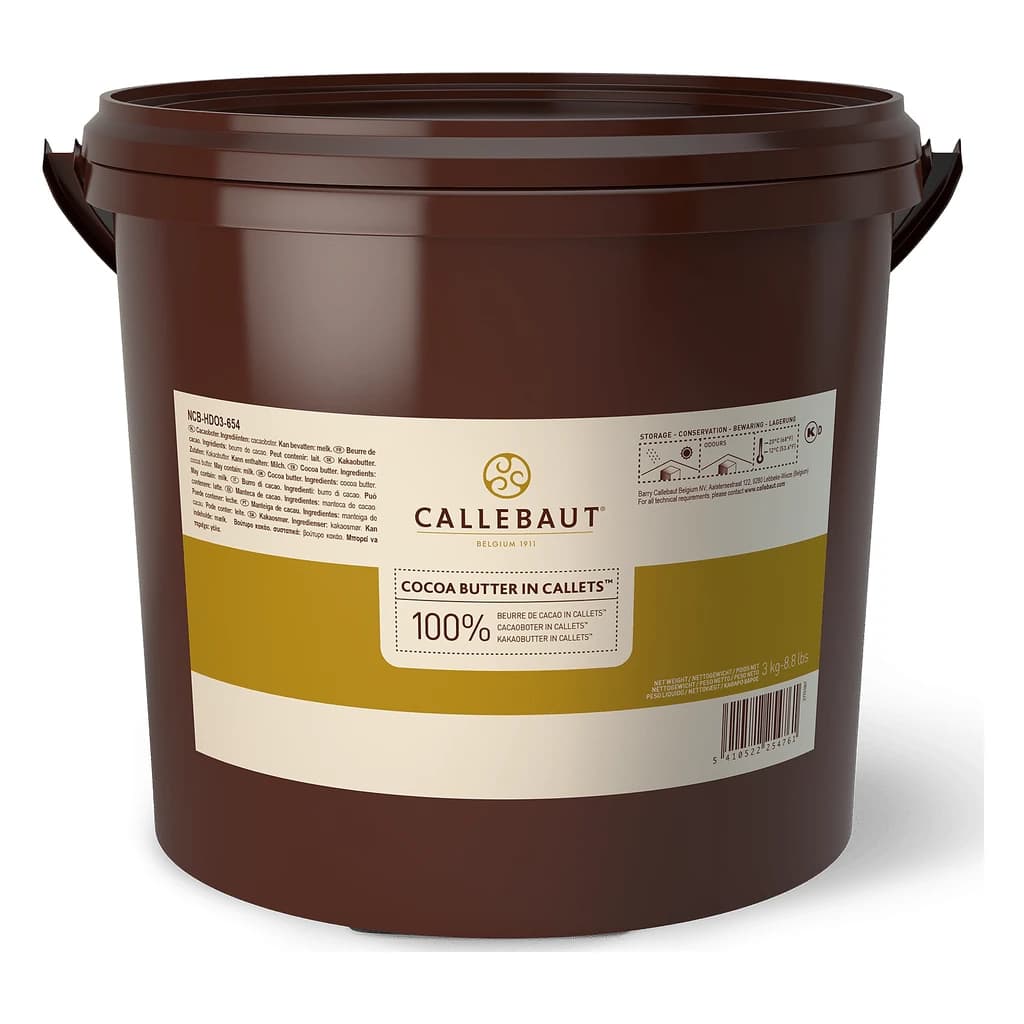
Callebaut Cocoa Butter in Callets 100% 3 kg