
Bread Technology
Mixing, proofing, baking, faults
10 articles · 46 diagrams · avg 21 min read
Articles in this section
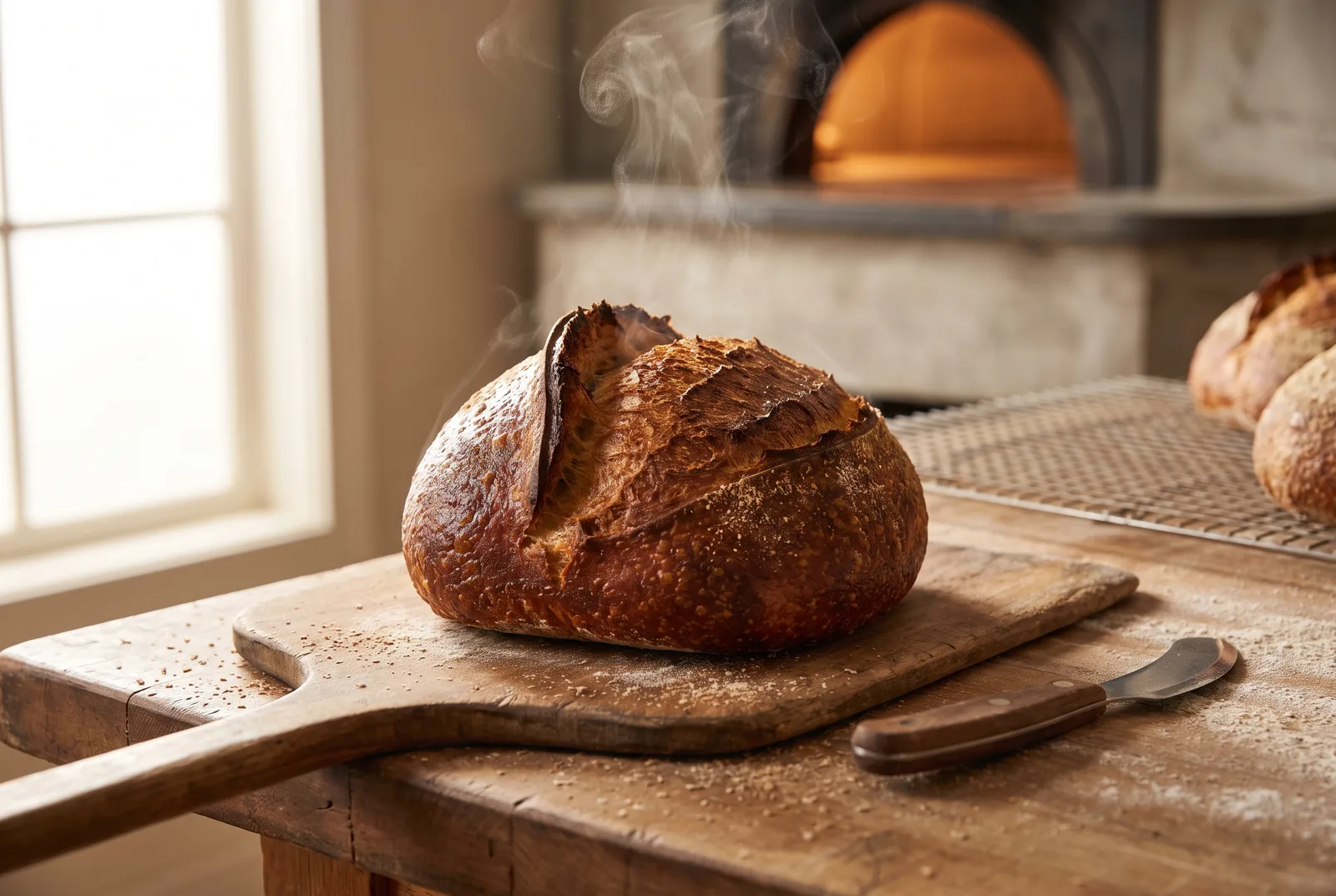
The baking stage: oven spring, steam injection, starch gelatinisation, Maillard reaction and crust formation
A technically grounded guide for professional bakers to understand what physically and chemically happens once dough enters the oven. Covers the sequence of transformations — oven spring, starch gelatinisation, protein denaturation, steam injection, Maillard browning and crust formation — with verified temperature thresholds, baking-parameter tables derived from first-party Zeelandia and Puratos spec sheets, a bread-staling explanation, and a nine-fault baking fault table with causes and remedies.
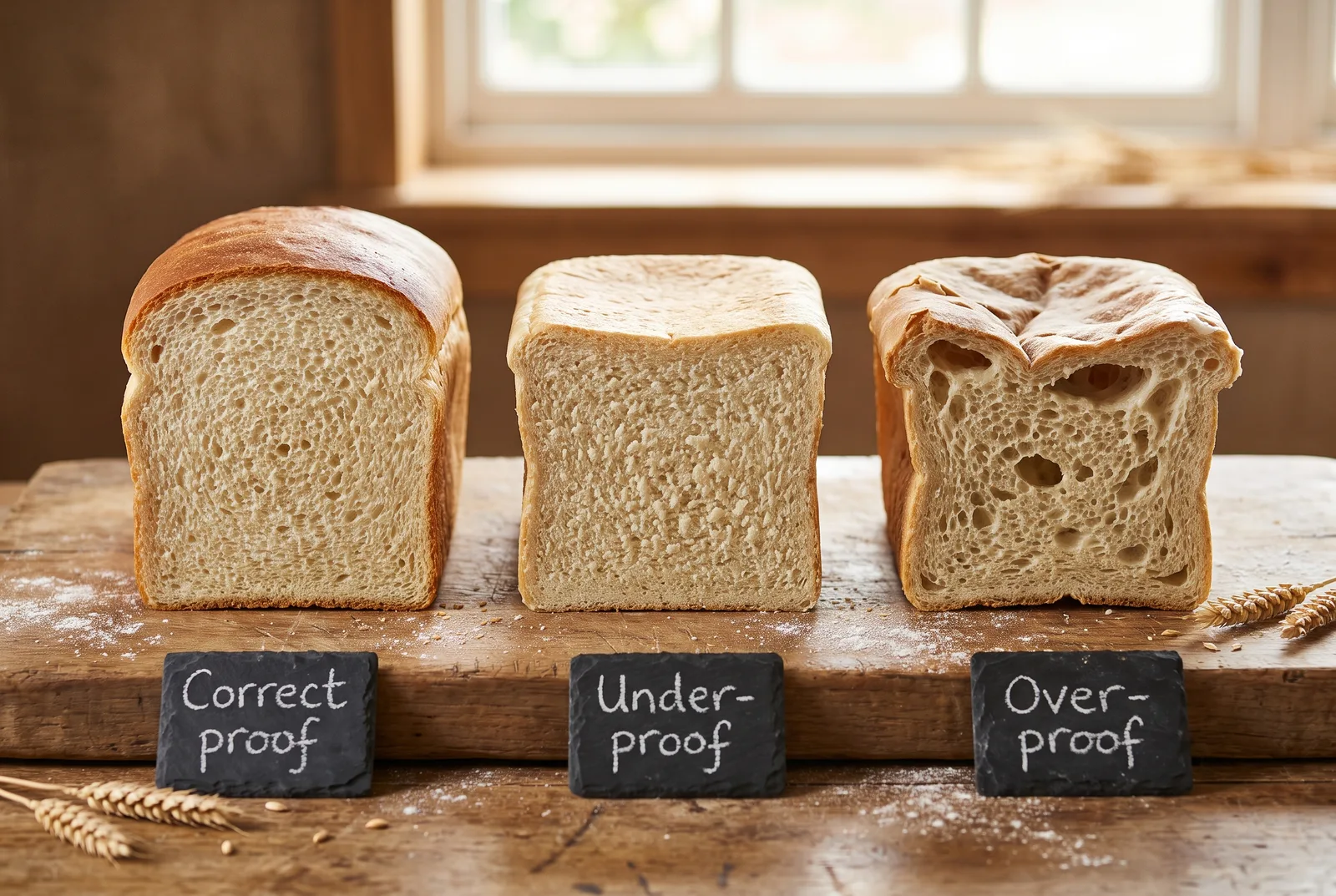
Bread faults, causes and remedies: a systematic diagnostic guide for volume, crust, crumb and flavour defects
A practical systematic diagnostic guide for professional bakers covering the most common bread production defects: insufficient or excessive volume, pale or scorched crust, dense or open crumb, tunnels, stickiness, spreading, flying top, rapid staling, rope, mould, and flavour defects. For each fault the guide identifies root causes (process and ingredient), provides corrective actions, and maps the fault to catalogue improvers and functional ingredients that directly address it. Includes process parameter targets for four bread types and a first-line eight-point diagnostic checklist. Product data cross-checked against first-party spec sheets for Zeelandia Gamma GP, Optimax Free and Rye Stabil Free.
Bread improvers and enzyme technology: what they contain, how they work and when to use them
A deep-technical guide for professional bakers on the science inside bread improvers: the chemistry of ascorbic acid oxidation, how specific enzyme classes alter dough rheology and crumb structure at a molecular level, what emulsifiers do to the gluten network and starch granules, and when each component is actually needed. Covers the full ingredient anatomy of powder, paste and liquid improvers with dosage data from first-party spec sheets (Zeelandia Optimax Free, Rye Stabil Free, Gamma GP; Puratos Pronto; Berliner 10 Free). Includes a seven-enzyme comparison table, emulsifier HLB classification, application-decision guide and a twelve-fault troubleshooting table.
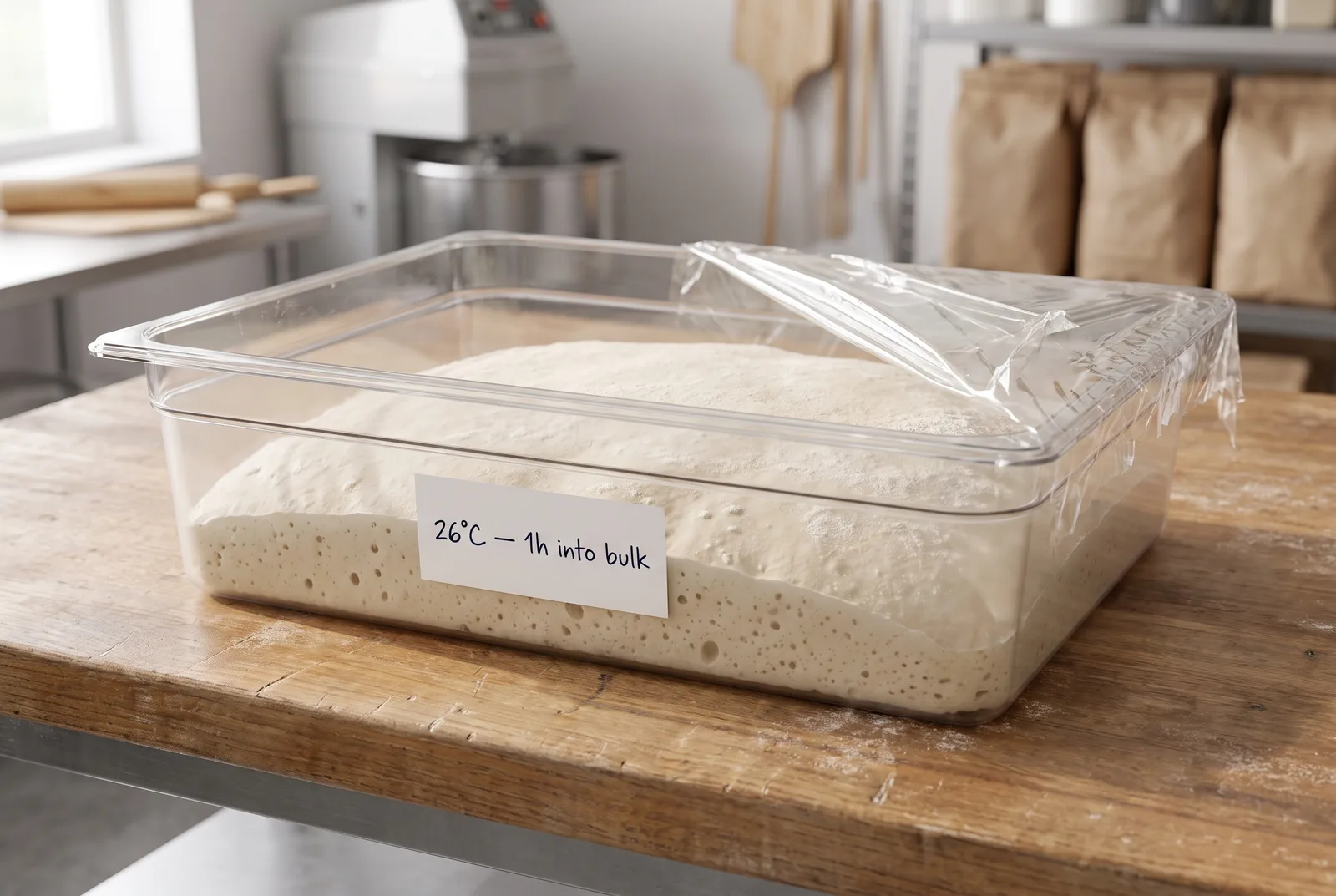
Bulk fermentation in depth: yeast activity, enzymatic reactions, gluten development and dough temperature control
A comprehensive technical guide for professional bakers on bulk fermentation — the period between the end of mixing and dough dividing. Covers the biochemistry of yeast CO2 production and its temperature dependence, the enzymatic reactions (amylase, protease, phytase, lipase) that transform dough during bulk, how gluten matures and strengthens through rest and folding, Desired Dough Temperature (DDT) calculation with friction-factor methodology, a structured comparison of five bulk fermentation methods (straight dough, poolish, biga, sponge-and-dough, cold retardation and CBP), practical assessment cues, sourdough-specific considerations, and a fault→cause→remedy table covering the nine most common bulk fermentation defects. First-party spec-sheet data from four Domson catalogue products (Zeelandia Superkwas, ULDO Dark Sauer, Puratos Easy Baguette SG, Puratos Softgrain Rye Sprouts) ground the technology in real product behaviour.
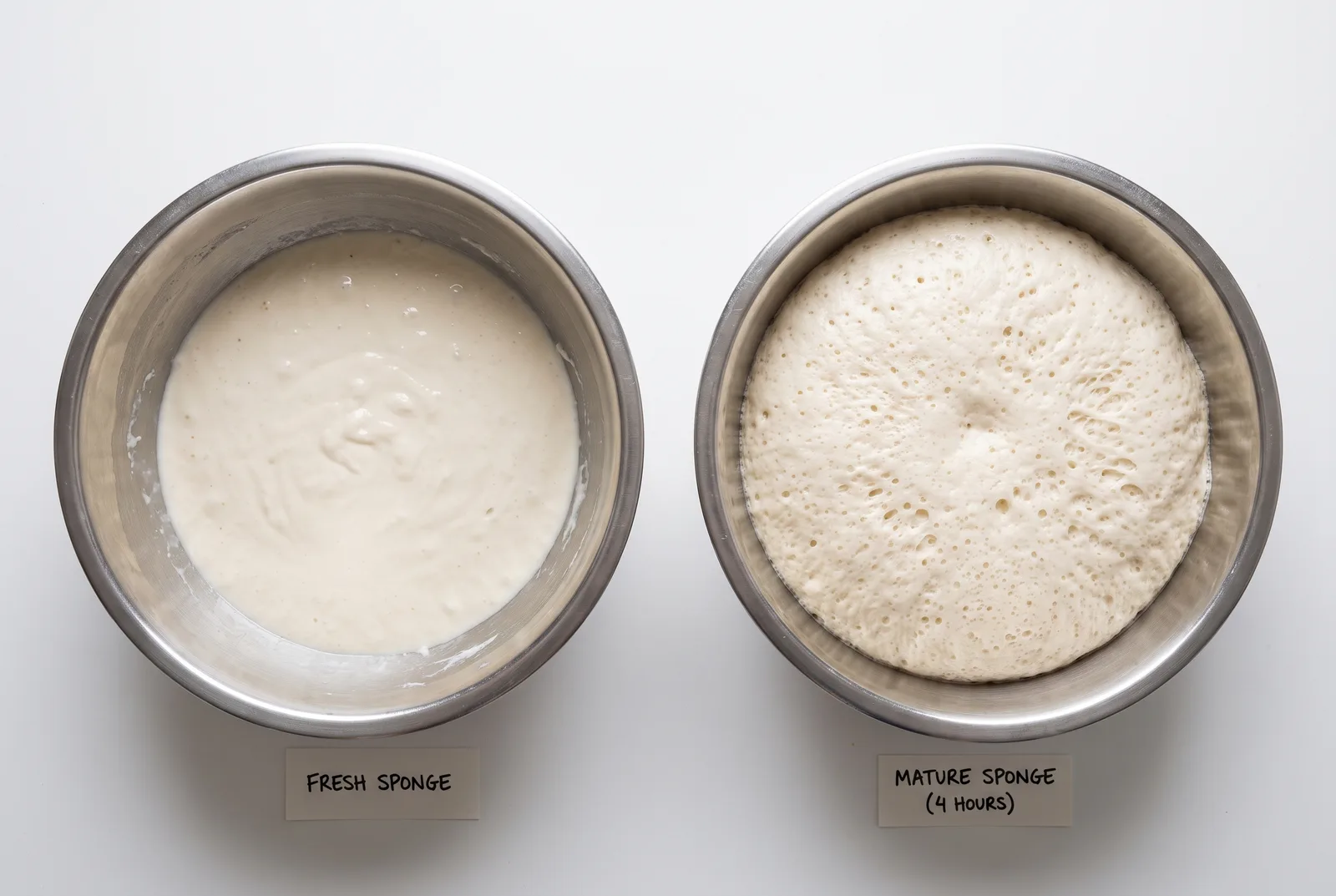
Mixing methods compared: straight dough, sponge-and-dough, Chorleywood and activated dough development
A practical guide for professional bakers to understand the four principal bread mixing methods — straight dough, sponge-and-dough, Chorleywood Bread Process (CBP) and Activated Dough Development (ADD) — and how to choose between them. Covers gluten development science, fermentation parameters, the role of bread improvers in each method, critical process parameters (dough temperature, proofing, baking), staling, and a comprehensive fault→cause→remedy table. Process data from IREKS Compendium, BAKERpedia, Federation of Bakers and first-party spec sheets for IREKS Ciabatta Mix, Zeelandia Gamma GP, Zeelandia Optimax Free and Aromaferm Wheat & Malt Ferment 110.
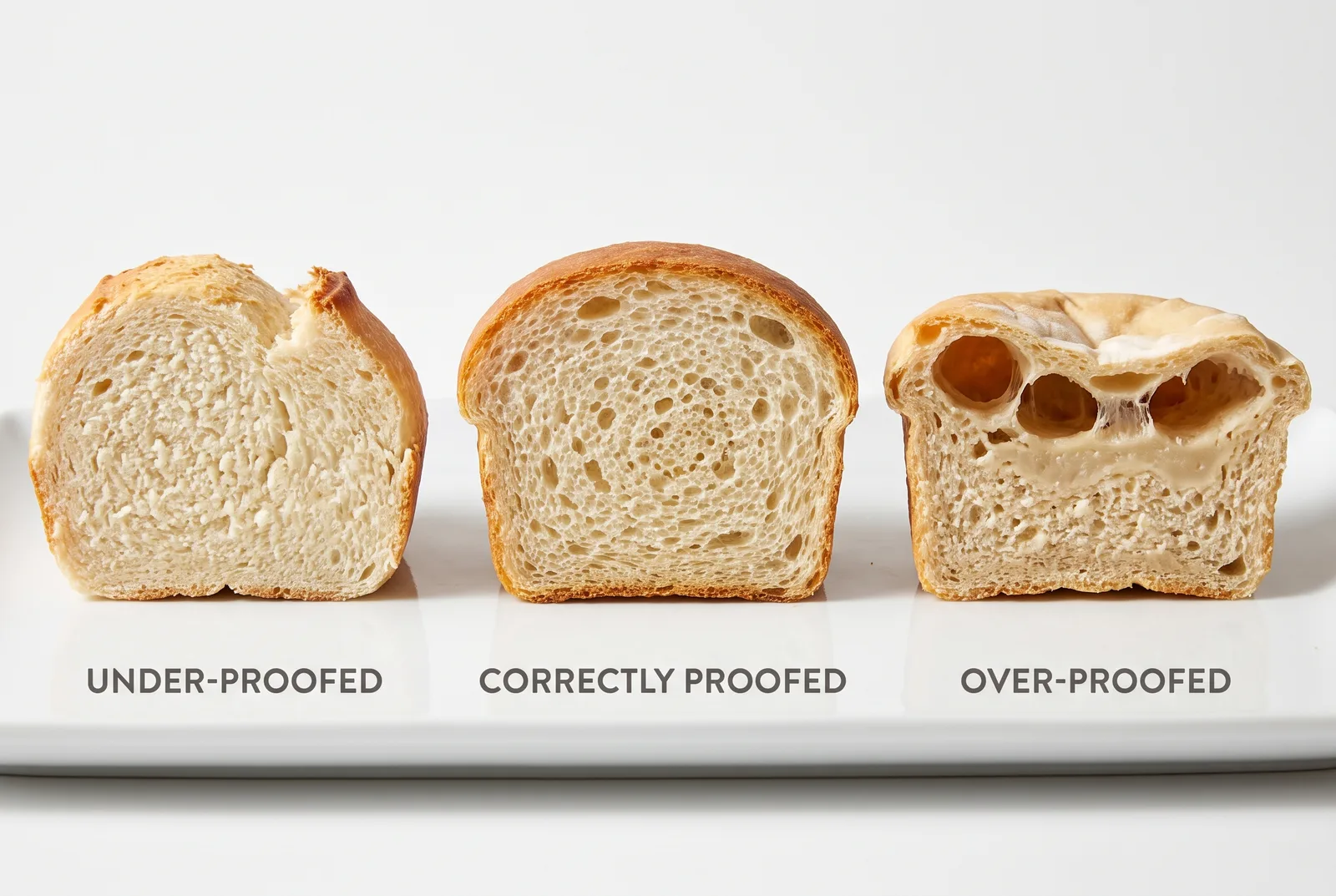
Proofing science: final proof parameters, humidity control, over-proofing vs. under-proofing, and how to read dough readiness
A deep practical guide to the final proof stage for professional bakers. Covers the biology of what happens inside the dough during proof (CO2 production, gluten extension, enzyme activity), the three key control parameters (temperature, humidity, time), how to diagnose correct proof readiness using the poke test and visual assessment, a full fault-and-remedy table for over- and under-proofing, humidity management in the prover, cold/retarded proofing, and how bread improvers extend proof tolerance. Illustrated with real proofing data from three first-party spec sheets (Zeelandia Kaiser MXI, BłoGo Free rye mix, Puratos Easy Baguette SG) and supported by IREKS Kompendium, BAKERpedia and Modernist Cuisine.
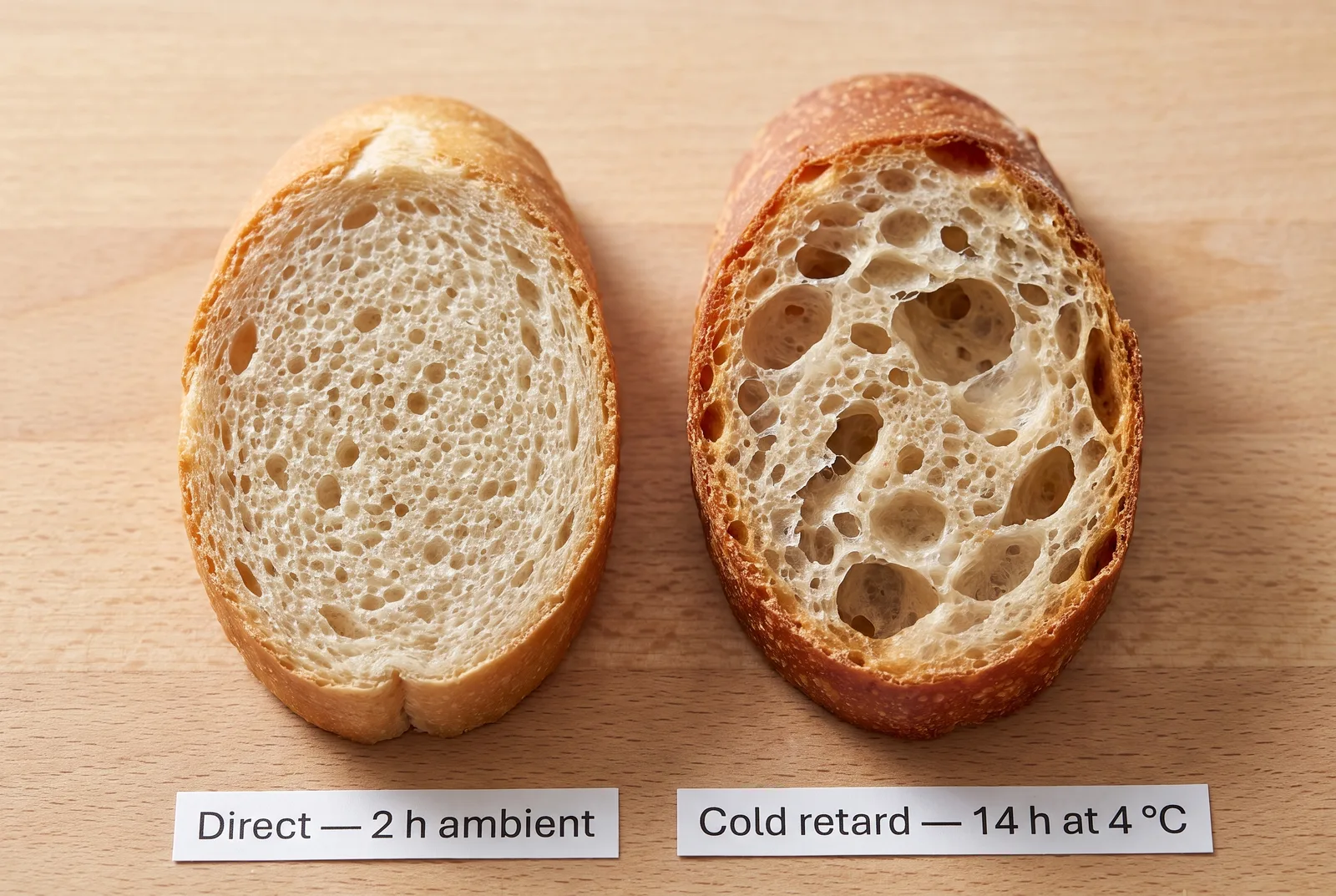
Cold and retarded fermentation: overnight doughs, interrupted proofing and freezer-to-oven systems
A practical technical guide for professional bakers on the full spectrum of cold-fermentation techniques: retarded bulk dough, interrupted proofing, overnight prover-retarder cycles and frozen-dough / freezer-to-oven systems. Covers the microbiology and biochemistry behind slow fermentation, critical temperature and timing windows, yeast dosage scaling, improver selection (with data extracted from first-party spec sheets for five products in the Domson catalogue), bread-type-specific guidance, and a fault→cause→remedy reference table.
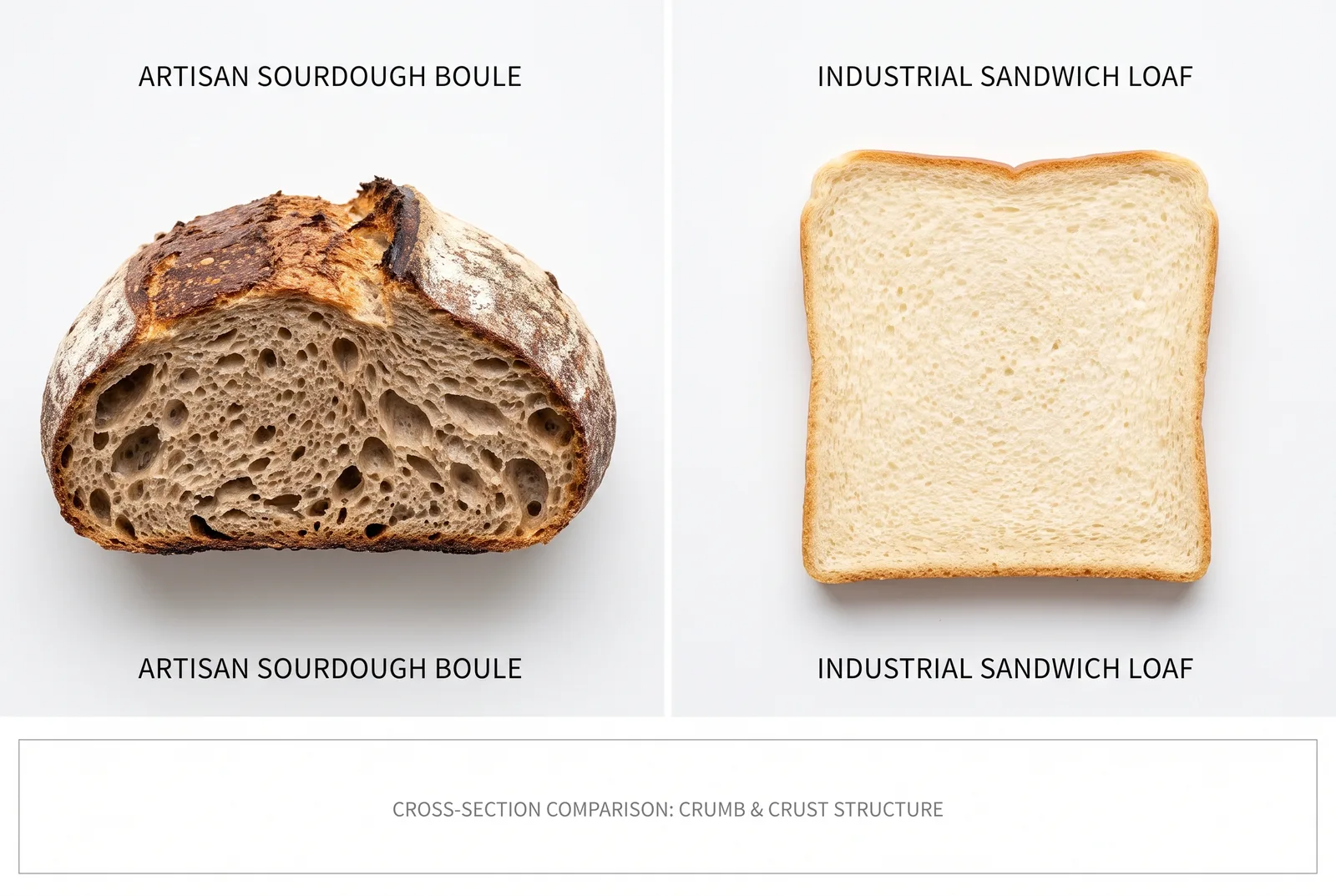
Scaling up: translating artisan bread processes to industrial or semi-industrial production without losing quality
A practical guide for professional bakers moving from craft/artisan bread production to semi-industrial or industrial scale. Covers what artisan quality actually consists of, why it degrades at scale, and how to bridge the gap using process engineering, retarded fermentation, sourdough concentrates, bread mixes/concentrates, and bread improvers. Includes side-by-side process comparison tables, formulas, fault-cause-remedy analysis, and product-level illustrations from the Domson catalogue (Puratos Easy Baguette SG, IREKS Ciabatta Mix, Aromaferm Wheat & Malt Ferment 110, IREKS Natural Liquid Rye Sour).
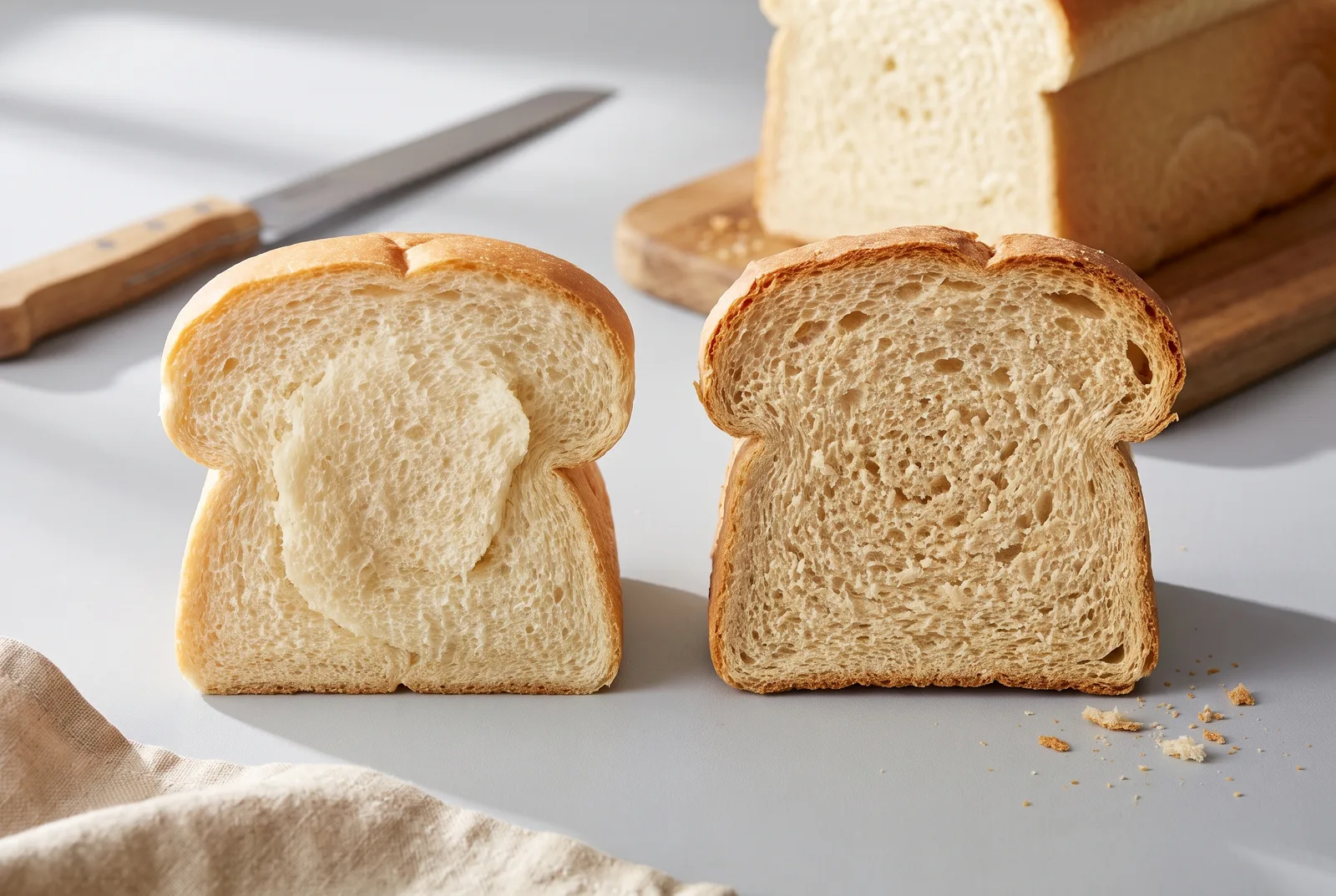
Bread staling and shelf life: starch retrogradation, moisture migration, anti-staling enzymes and clean-label approaches
A practical deep-dive for professional bakers into what makes bread go stale — and how to delay it. Covers the two-phase starch retrogradation model (amylose vs amylopectin), moisture migration, the refrigerator paradox, and the full anti-staling toolkit: MDG emulsifiers, SSL, maltogenic amylase vs standard alpha-amylase, sourdough fermentation, and hydrocolloids. Includes a microbiological shelf-life section (mould, rope and preservatives), packaging considerations, and clean-label enzyme-only approaches. Data drawn from IREKS Compendium, Bakels, AB Enzymes, Modernist Cuisine and first-party spec sheets for anti-staling improvers in the Domson catalogue.
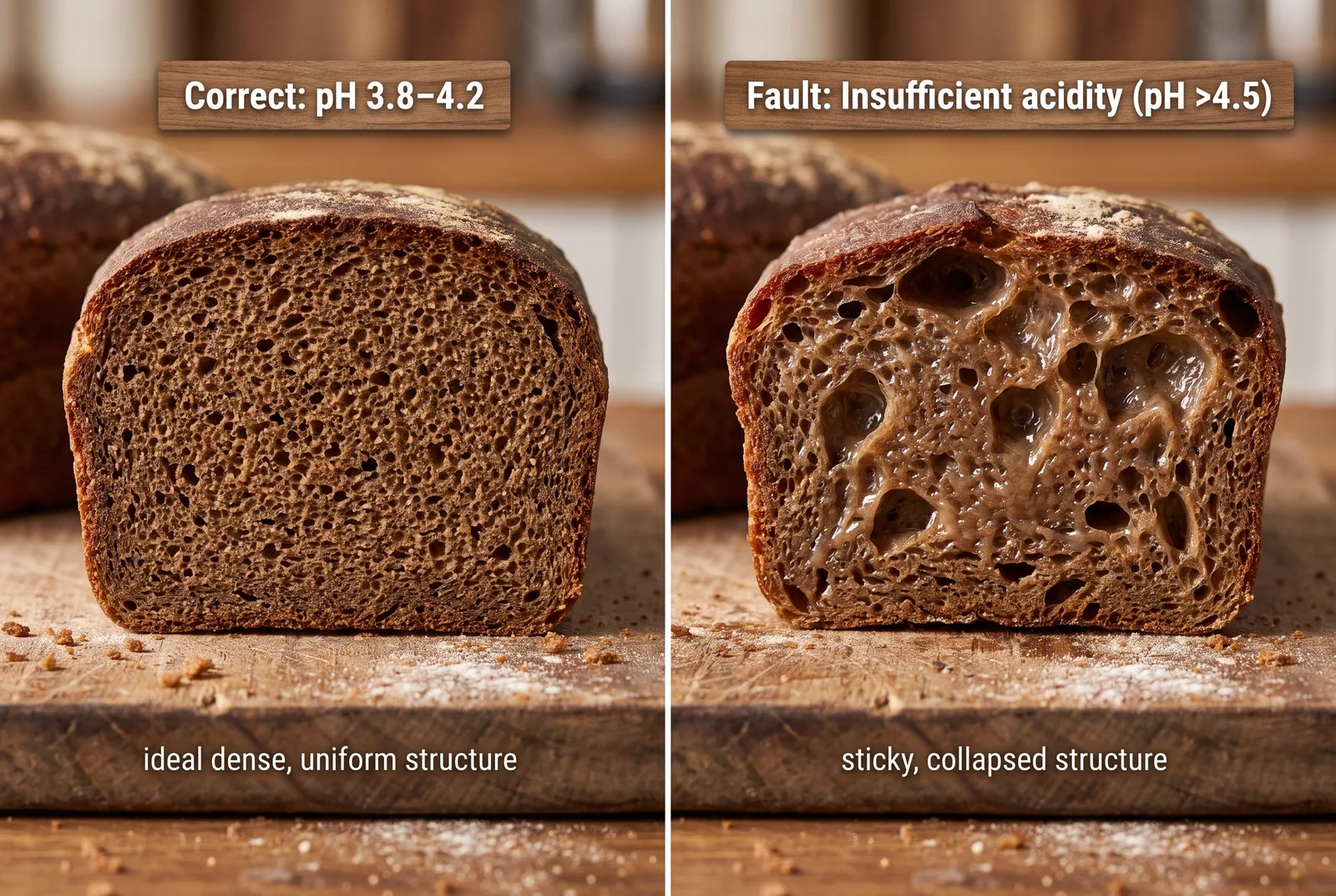
Sourdough technology: starter maintenance, LAB–yeast synergy, acidification curves and rye vs. wheat sourdoughs
A practical deep-dive for professional bakers into the science and craft of sourdough: how lactic acid bacteria and wild yeast work together, how to build and maintain a healthy starter, how to read and control acidification curves, why rye sourdough behaves fundamentally differently from wheat sourdough, how multi-stage (Detmold) rye processes work, and how to choose between traditional starters and industrial sourdough concentrates. Includes first-party acidity data extracted from five sourdough products in the Domson catalogue (Puratos, Zeelandia, Uldo), a full fault table, and application recipes.