
Sernik: choosing twaróg for baked Polish cheesecake and controlling texture across formats
A working guide for professional bakers to Poland's national cake, the sernik. It starts where the result is decided — the cheese: how twaróg is graded by fat (PN-91/A-86300 dry-matter grades and the modern as-sold scale), how its form (klinkowy, mielony, homogenizowany, ready bucket "twaróg sernikowy") and grind change the crumb, and the three sourcing routes a bakery actually chooses between (grind raw twaróg, buy ready ground curd, or use a thermostable ready filling). It then covers the regional varieties (krakowski with its kratka, the base-less wiedeński, the Kashubian potato cheesecake, the heritage-registered sernik królewski), the stabilising role of starch/budyń, and the handful of bake-and-cool rules that stop cracking, sinking and weeping. Built on three first-party supplier spec sheets (OSM Bieruń, Zeelandia) cross-linked to native Polish dairy and baking authorities and the Ministry of Agriculture's traditional-products register.
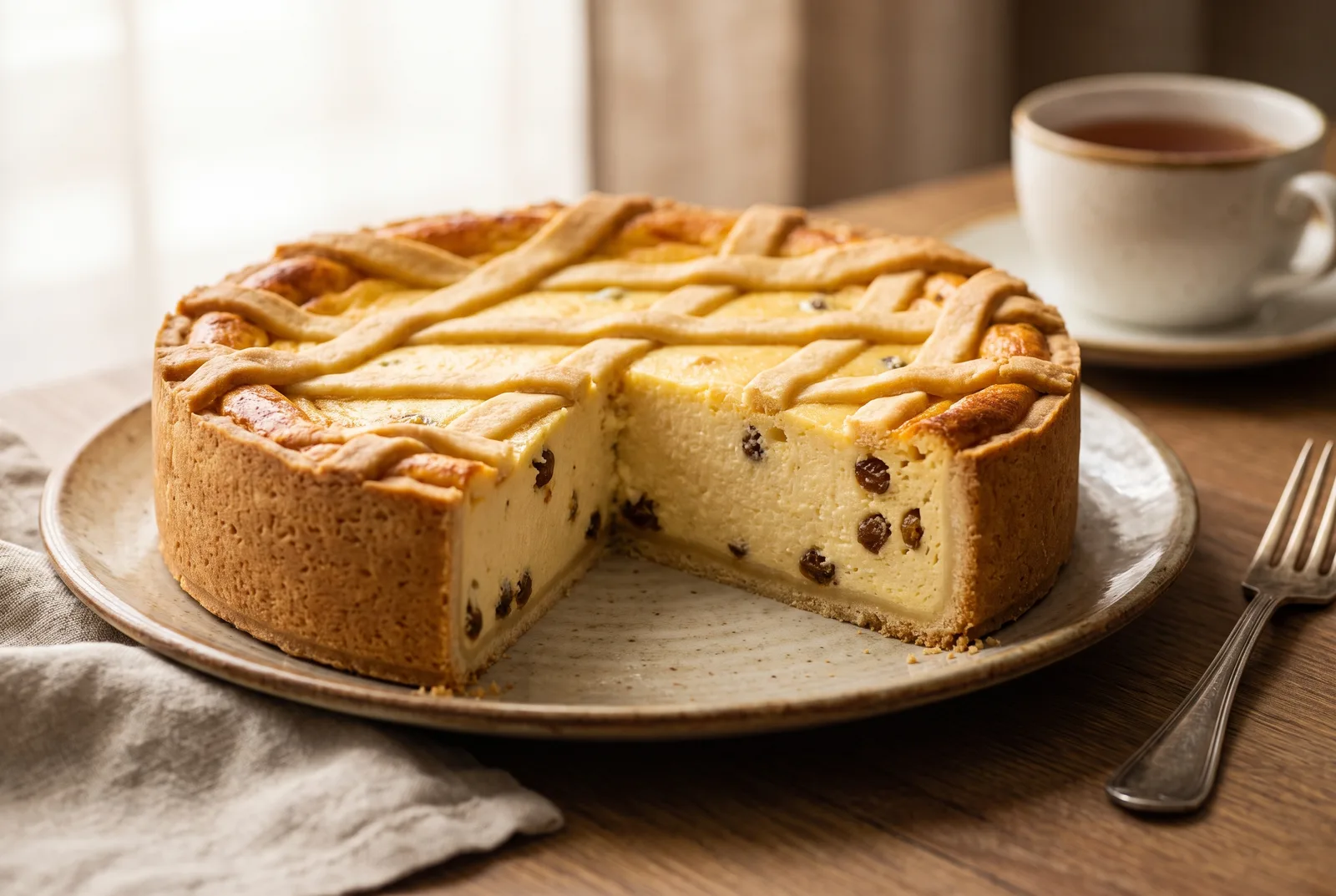
Sernik — choosing twaróg and controlling texture
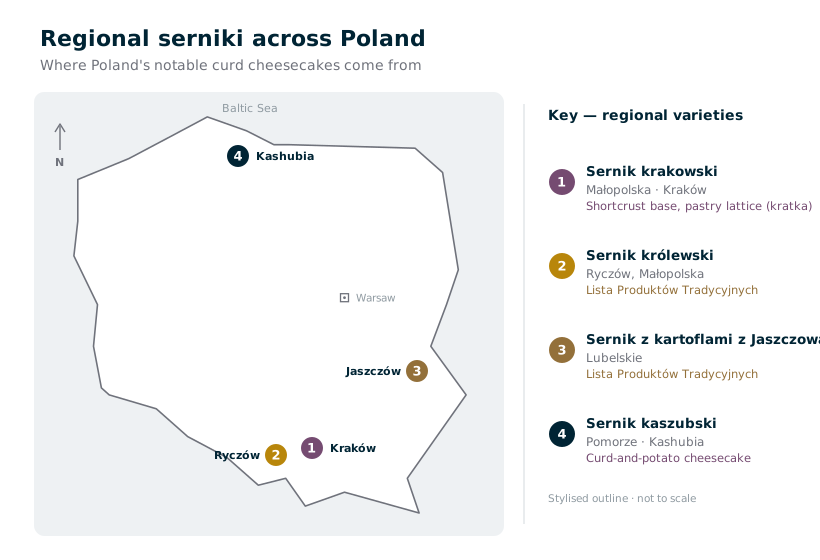
Sernik is Poland's national cake — claimed, with szarlotka, at the top of TasteAtlas's global rankings — and for the Polish bakers Domson supplies it is bread-and-butter trade for Christmas, Easter and every family celebration. The whole result is decided before you ever switch on the oven, by one choice: the cheese. This dossier is built around that choice — how Polish curd cheese (twaróg) is graded and ground, which catalogue products fit which job, and the small set of bake-and-cool rules that keep the cake from cracking, sinking or weeping. The figures below show the classic finished product and where the regional styles come from.
A note on history first, because customers ask. Cheesecake is ancient — eaten in classical Greece (the writer Aegimus is credited with one of the earliest treatises on baking it) and Rome. The popular Polish story that King Jan III Sobieski brought it home from the 1683 Relief of Vienna — giving us "sernik wiedeński" — is a legend; twaróg desserts such as the Old-Polish arkas predate it, and sernik only became a regularly documented cake in 19th-century cookbooks, often as placek serowy (cheese cake). Treat the Vienna and the 13th-century Princess Kinga stories as folklore, not provenance.
1. Twaróg, decoded — fat grade is the first lever
Twaróg is fresh acid- (or acid-rennet-) curdled cheese. It is the heart of an authentic sernik, and it is graded by fat. Two scales run in parallel and confuse buyers, so know both (see the fat-grades table below):
- The historic Polish standard PN-91/A-86300 grades by fat in dry matter (tłuszcz w suchej masie): śmietankowy 55%, pełnotłusty 42%, tłusty 30%, półtłusty 15%, chudy unnormalised.
- The modern label quotes fat per 100 g of product: chudy (lean) ~0.5–3%, półtłusty (semi-fat) ~4–8%, tłusty (full-fat) ~8–12% — these are indicative outer-limit ranges; standard retail products typically run narrower (chudy ≤2%, półtłusty ~3.5–5%, mainstream tłusty ~8–9%). Twaróg is otherwise mostly water — roughly 65–75%.
Fat is the texture lever. As fat rises, the curd's character shifts from crumbly to smooth, and the baked crumb with it — illustrated below. Chudy curd bakes dry, "sandy" and quick to crumble unless you add fat (butter, cream, or mascarpone). Półtłusty is widely recommended as a workhorse for baked sernik — creamy but holding; note that specialist twaróg sernikowy products are typically richer (≥18 g fat/100 g, see §2–3), and many Polish bakers favour the richest whole-curd they can find for a dense, velvety result — so treat półtłusty as the practical starting point when high-fat twaróg sernikowy is not available. Tłusty gives a delicate, velvety crumb but must be properly bound with eggs and starch or it slumps. For lean and semi-fat (chudy/półtłusty) grades, protein typically runs around 16–18 g/100 g — this falls in full-fat grades and drops significantly in enriched industrial curds with added starch (e.g. Bieruński at 9 g/100 g, where the starch dilutes the curd-protein fraction). This is also where you reach for the cream-cheese family: OSM Bieruń Mascarpone (pictured below) folded into a leaner curd is a well-established professional technique for a silkier, more modern crumb. For the fat side of this decision see A4-butter-grades-and-specialist-types.
2. Form and grind — how much labour you buy
Twaróg is sold in several forms, and the form dictates how much work reaches the smooth mass a sernik needs (see the curd-forms table below; pictured below):
- Klinkowy (wedge/block) and krajanka (cut) — firm, low-whey curd you must grind yourself. For the classic dense sernik krakowski the tradition is twice-ground curd. Two passes give a smooth, lump-free mass without over-working it; a third pass makes it silkier, but over-grinding thins the mass — stop at smooth.
- Mielony/granulowany (ground) — pre-ground, maybe one more pass for silk.
- Homogenizowany (homogenised) — already smooth and soft; bake-able, but often wetter/fattier, so adjust proportions.
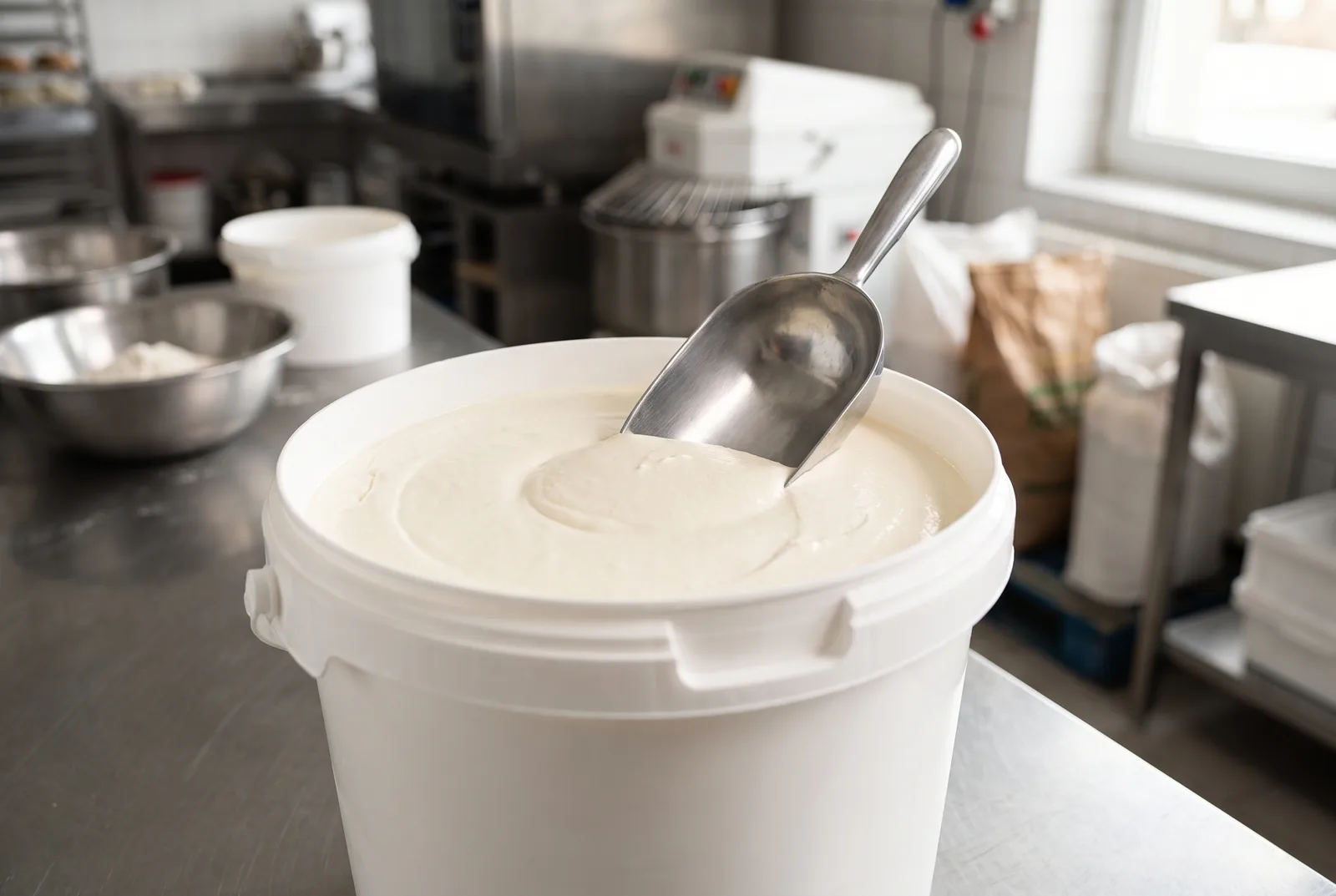
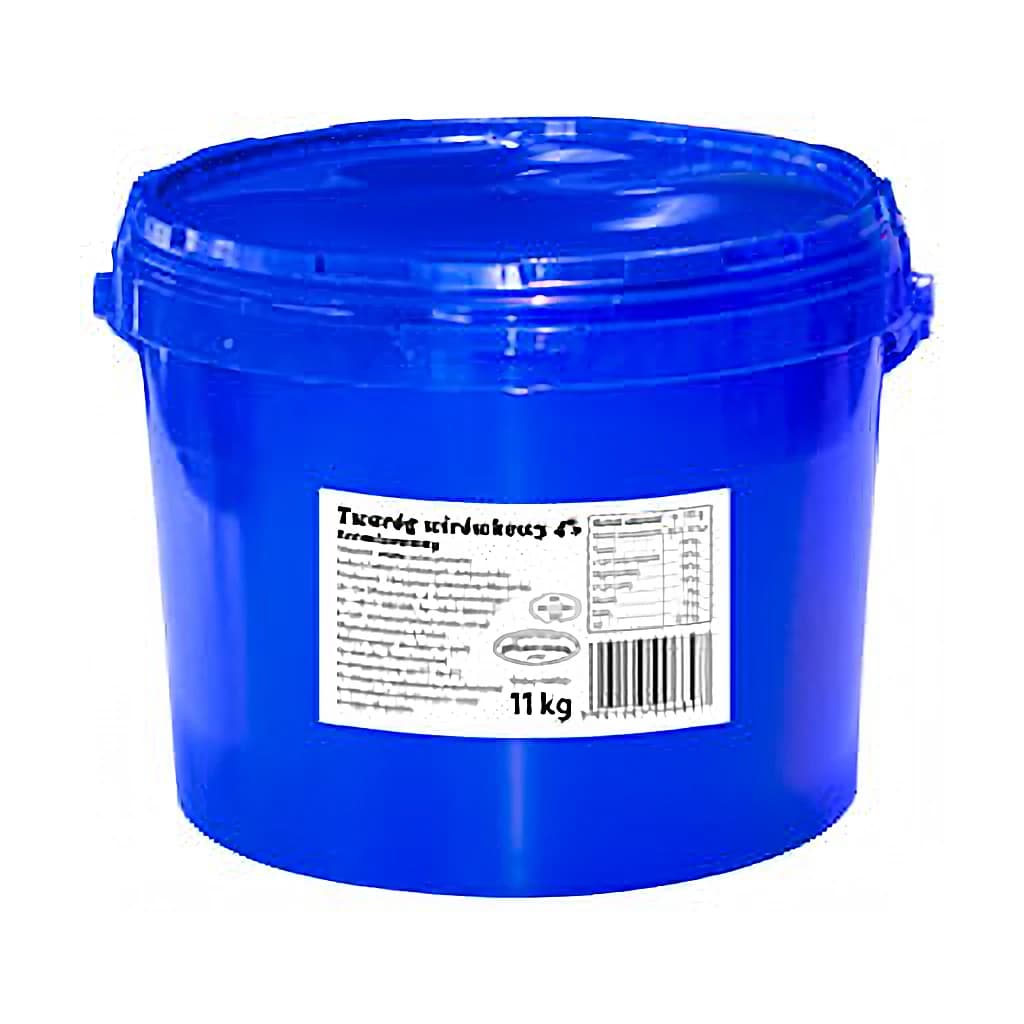
- Ready "twaróg sernikowy" in a bucket — a smooth blend (frequently curd plus cream cheese, around 18 g fat/100 g) sold ready to use, no grinding. Piątnica's twaróg sernikowy, for example, is exactly this kind of curd-plus-serek-śmietankowy blend, smooth with no leaking whey — pictured below.
Two buying cautions a baker should drill into the team. First, many raw twarogs must be drained — reckon on 1 kg yielding ~600–700 g after the whey runs off. Second, read the label on bucket products: some "twaróg sernikowy" lines are sweetened curd masses padded with starch and thickeners, and a ground curd priced below the non-ground equivalent usually just carries more whey.
3. The three sourcing routes
Across the catalogue, three routes trade labour against control against convenience (see the table below):
- Grind raw twaróg — maximum control, maximum labour. Catalogue full-fat curds include OSM Bieruń Delikates 15% (pictured below) — pasteurised milk and cream soured with lactic cultures and concentrated, 14–16% fat, water 71–73%, pH 4.6–4.8, with a clean ivory, slightly grainy, medium-dense body — plus Polmlek 14% and OSM Łowicz Kaliski. For a deliberately lean, starch-bound base there is OSM Bieruń Bieruński (pictured below): skimmed-milk curd with microbial rennet, modified starch and fibre, 1.5 g fat/100 g, dry matter ≥20±2%, pH 4.3–4.9. All OSM Bieruń curds are Polish-origin, HACCP-certified, non-GMO and not irradiated.
- Ready "twaróg sernikowy" — smooth, no grinding, you still sweeten and bind. OSM Bieruń "Wykwintny", Wrzosek 14% and Włoszczowa creamy quark sit here.
- Ready bake-stable cheese filling — least labour, fixed sweetness and texture. Zeelandia ZEELAsoftSER (pictured below) is thermostable and ready to use (cheese 35%, fat 3.1%, 27 g sugars/100 g, pH 4.4, set with modified starches E1422/E1442) — designed to hold its shape through the oven. Figand Profesja Plus and the Komplet / Credin cheesecake mixes are the same convenience tier.
The further down this list you go, the less the curd choice from §1 matters — you are buying someone else's texture decision. For the cold-set, no-bake end of the family, gelatine and stabiliser behaviour is covered in A6-pastry-creams-fillings.
4. Binding the mass — starch, budyń and why sernik weeps
During baking twaróg releases whey, and unbound whey is what makes a sernik "cry" — a wet, separated layer at the base. Starch is the cure: flour, potato or corn starch, or budyń (Polish pudding powder, which is mostly potato starch plus flavour) absorbs the freed moisture, binds the mass and holds the shape. A working dose is about 20–40 g (1–2 heaped tablespoons) per 1 kg of cheese; potato starch thickens a touch more strongly than corn starch and is flavour-neutral, so it is the silk-first choice. Catalogue options: Bronisław Potato Starch and Emix vanilla budyń (custard) powder. Egg yolk and the cook of the whites also help set the mass — the starch/egg setting science is in A6-pastry-creams-fillings.
5. Bake and cool — the rules that stop cracks and sinks
More serniki are ruined in the oven than in the bowl (pictured below; see the fault table below):
- Moderate heat. Bake at 150–160°C for the most crack-resistant result — this is a quality guideline for minimising surface cracking, not an absolute physical limit; some published protocols go to 175–180°C for shorter bake times. Too-high heat sets the top before the centre is cooked, and the differential stress cracks the surface. Always verify the centre is fully set: a probe thermometer reading ≥72°C at the cake's core is the food-safety target (see §8) before oven cooling begins — at low temperatures in a water bath the centre takes longer than a surface check suggests.
- Water bath (kąpiel wodna). Set the tin inside a larger pan of hot water — pictured below. The gentle, even, steamy heat prevents cracking and keeps the crumb moist and creamy. Note for professional bakers: the water jacket limits the outer surface to ~100°C and slows heat penetration to the centre — extend baking time accordingly and always verify internal temperature (see above) before calling the bake done.
- Don't over-whip. Beating too much air into the mass gives a rise that collapses on cooling — cracks and a sunken centre. Whip the whites only to soft peaks, fold gently, and resting the mass (~15 min, fridge) before baking lets trapped air escape.
- Cool slowly. When baked, switch the oven off and leave the cake inside with the door ajar for 30–60 minutes (protocols vary: some sources leave the oven fully closed for 30 min then crack the door; others open the door ajar from the start for 30–60 min — the consistent principle is a slow, even temperature drop to avoid thermal shock, which sinks the centre). Commercial batches: after oven cooling, transfer the cake to refrigeration (target ≤5°C) promptly — do not leave a high-moisture dairy-and-egg product at room temperature for extended periods; the HACCP microbiological danger zone is 5–63°C.
6. The regional map — what "authentic" means here
"Sernik" is a family, not one recipe (see the regional comparison table below; pictured below). The two reference poles:
- Sernik krakowski — a Galician/Kraków classic on a shortcrust base (kruchy spód) finished with the signature pastry lattice (kratka) and, traditionally, raisins (often rum-soaked). The mass is twice-ground, high-fat, low-whey curd — dense and sliceable. Formula and base in the sernik-krakowski-mass and kruchy-spód formula cards below; for the tender shortcrust use a low-protein cake flour (Polish ~T450 — see A1-flour-classification-systems and A1-wheat-flour-types-by-application), cold butter (A4-butter-grades-and-specialist-types), a little baking powder (A2-chemical-leaveners-baking-powder), and roughly the classic 3:2:1 flour:fat:sugar idea (A8-cake-and-pastry-formulas).
- Sernik wiedeński — base-less, baked from the cheese mass alone, lifted with more butter and carefully whipped whites; airy, moist, and it wobbles slightly when cut (pictured below; see the sernik-wiedeński formula card below).
Beyond them: the Kashubian / potato cheesecake (sernik z kartoflami) folds cooked potato into the curd for a dense, rustic cake — pictured below; and there are cooked, no-bake, kajmakowy (toffee) and the two-colour 1980s "Izaura" home variants. Two regional serniki carry formal heritage status on the Ministry of Agriculture's Lista Produktów Tradycyjnych: sernik królewski (registered 17 April 2013, Małopolska/Ryczów — a layered cake of semi-crisp base, light and chocolate cheese layers, meringue and dried fruit, made with oil rather than butter and baked ~1 h at 180°C), and sernik z kartoflami z Jaszczowa (on the list since 2015, an interwar tradition). These are the authenticity anchors to cite when a customer asks what makes a sernik "real".
7. Finishing and buy-in options
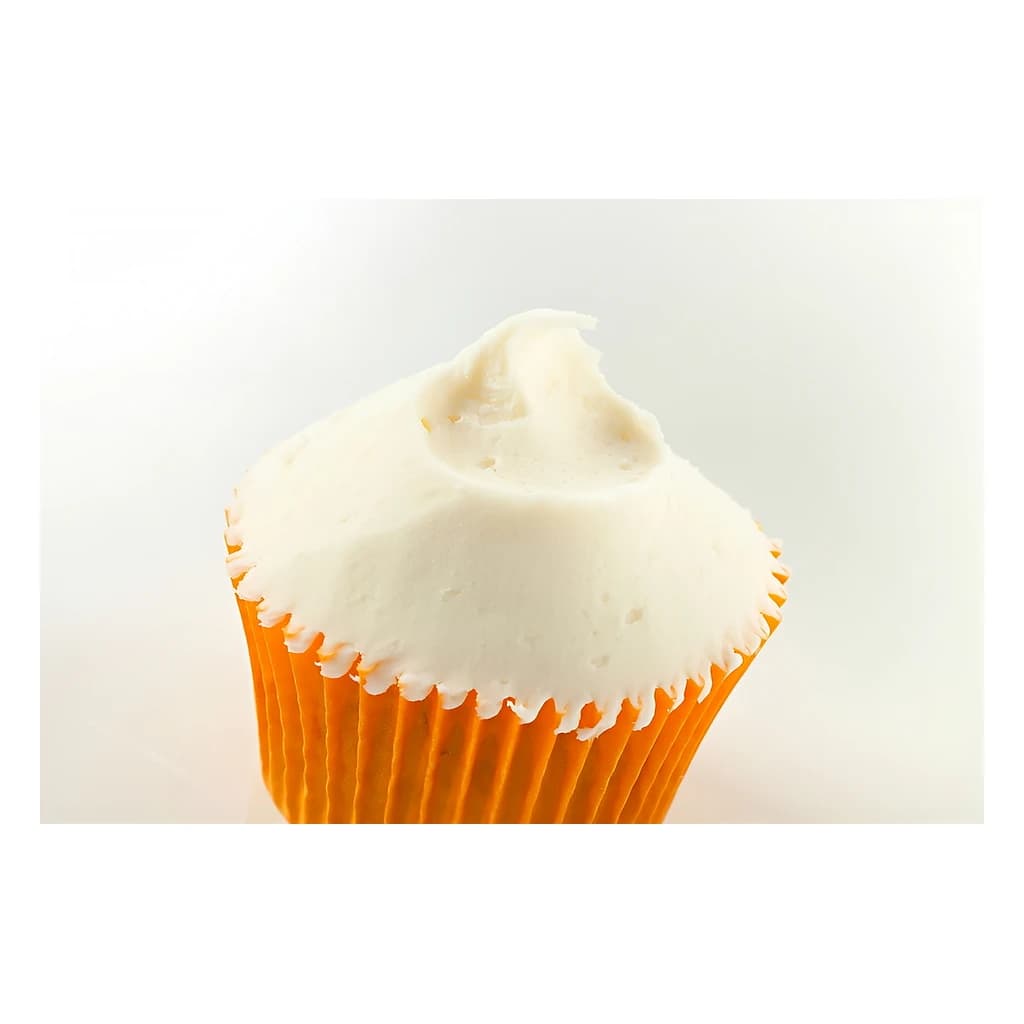
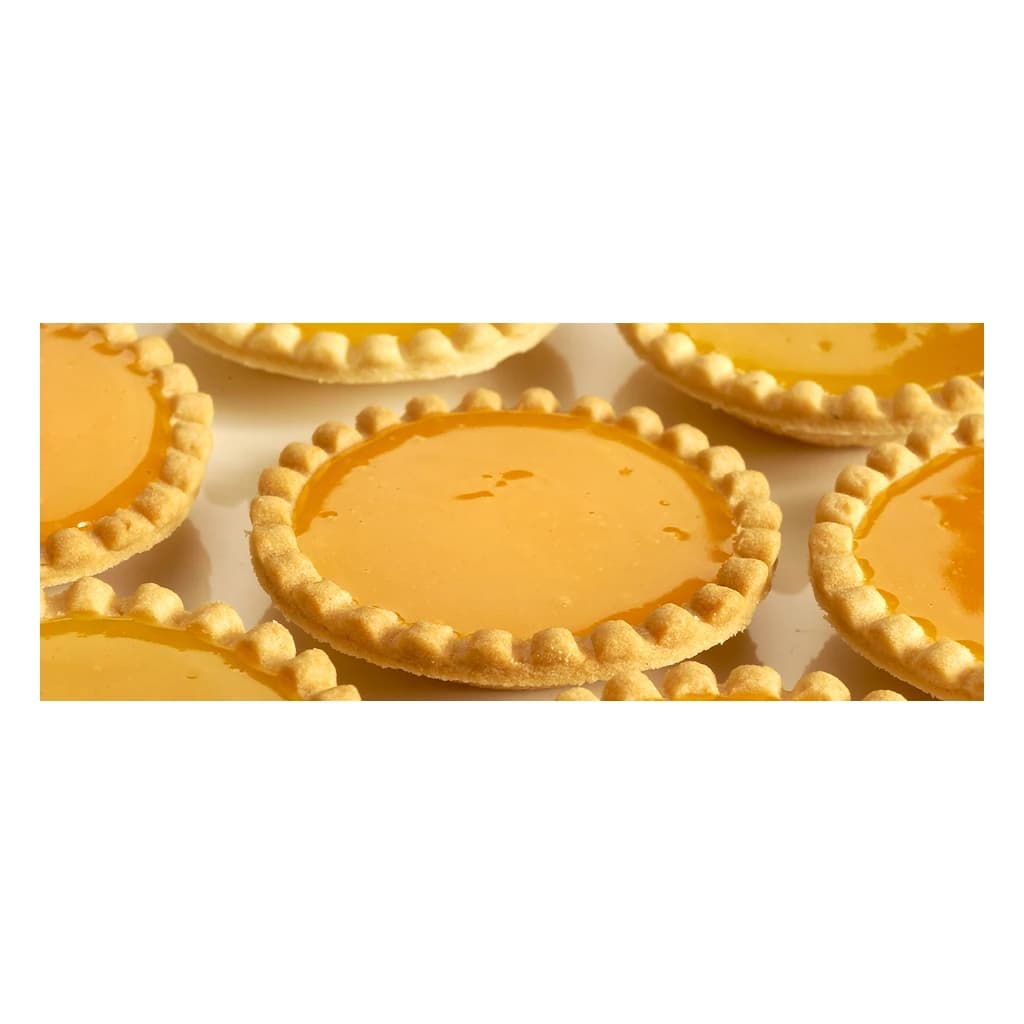
Toppings range from a dusting of icing sugar to lukier (icing), fruit jelly or a curd/frosting layer — for glaze and jelly technique see A6-glazes-finishes. Catalogue finishing items include James Fleming Natural Lemon Curd and Macphie Cream Cheese Frosting. And for bakeries that need volume without the bench time, a finished Kosiek "Krakow Cheesecake" is a ready buy-in.
8. Food safety & allergens
Sernik is a high-moisture egg-and-dairy product — exactly what bacteria like. Internal temperature: the cake's core must reach at least 72°C before oven cooling begins — verify with a probe thermometer, since low-temperature bakes in a water bath take considerably longer to reach a safe centre temperature than a surface check suggests. Use pasteurised dairy (commercial twaróg, cream cheese and butter are pasteurised at the dairy); shell eggs are safe once the cake is fully baked through. Keep the finished cake chilled, transfer commercial batches to refrigeration (≤5°C) promptly after oven cooling — do not allow extended time in the danger zone — and follow each supplier's stated shelf life and storage temperature (e.g. OSM Bieruń Bieruński 35 days at 1–10°C; Delikates 40 days at +2–+8°C; ZEELAsoftSER 3 months, then 7 days once opened) and the applicable national food-safety authority's chilled-storage and danger-zone rules (EU: Regulation 852/2004; PL: GIS/SANEPID under food-safety legislation). Allergens: every curd/cheese base here declares MILK (incl. lactose); a wheat shortcrust adds GLUTEN; egg-rich masses add EGG; ZEELAsoftSER flags possible sesame cross-contamination and contains E202 (potassium sorbate — concentration must be verified for compliance with the applicable EU maximum level before this product is used in labelled commercial recipes) — verify each individual spec sheet before labelling, and compile a full allergen matrix covering all linked catalogue products before using this dossier for any allergen-labelling decisions. All food-safety and allergen statements here should be independently verified before use.
Figures
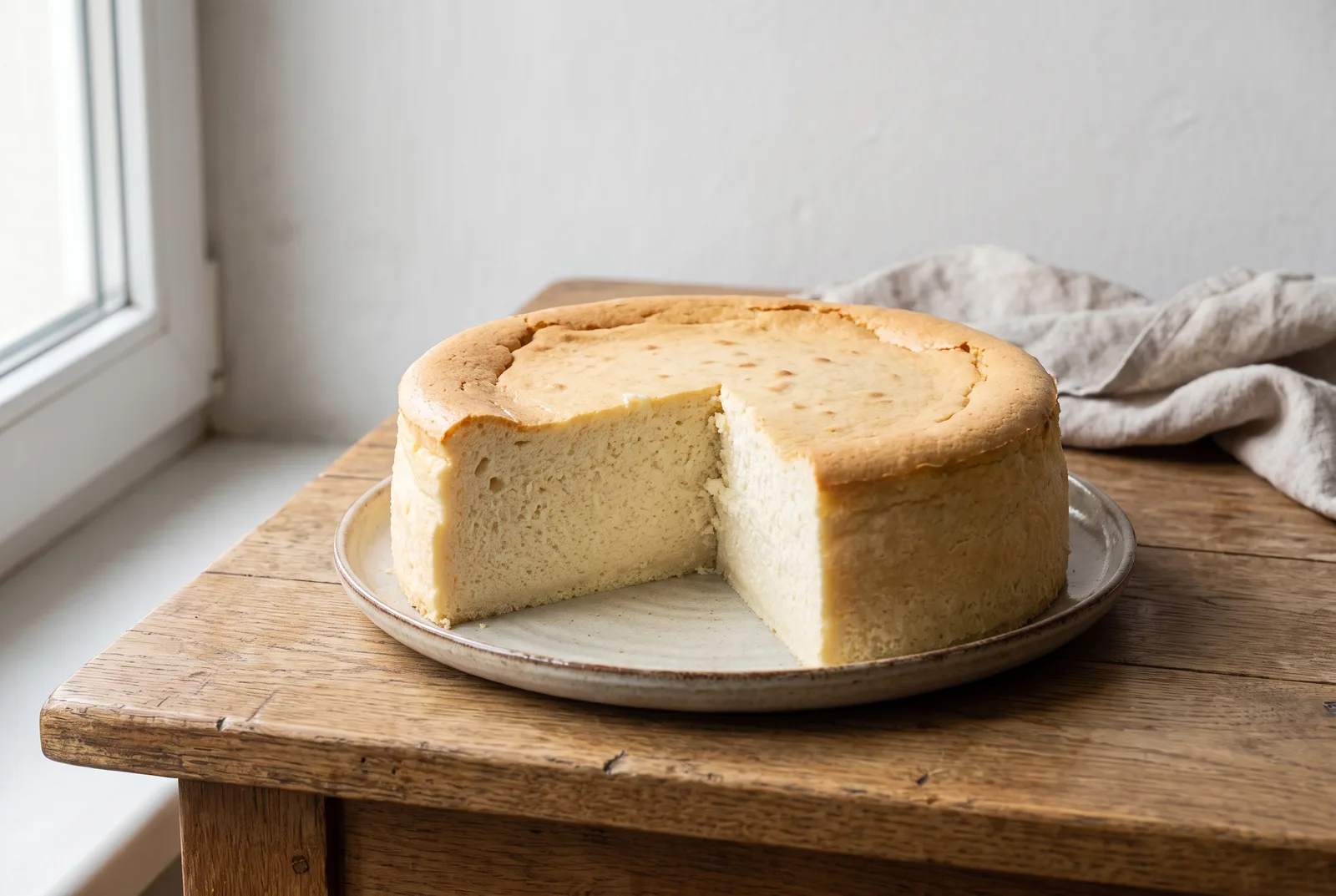 Base-less Viennese-style Polish cheesecake (sernik wiedeński), tall and soft with an airy crumb
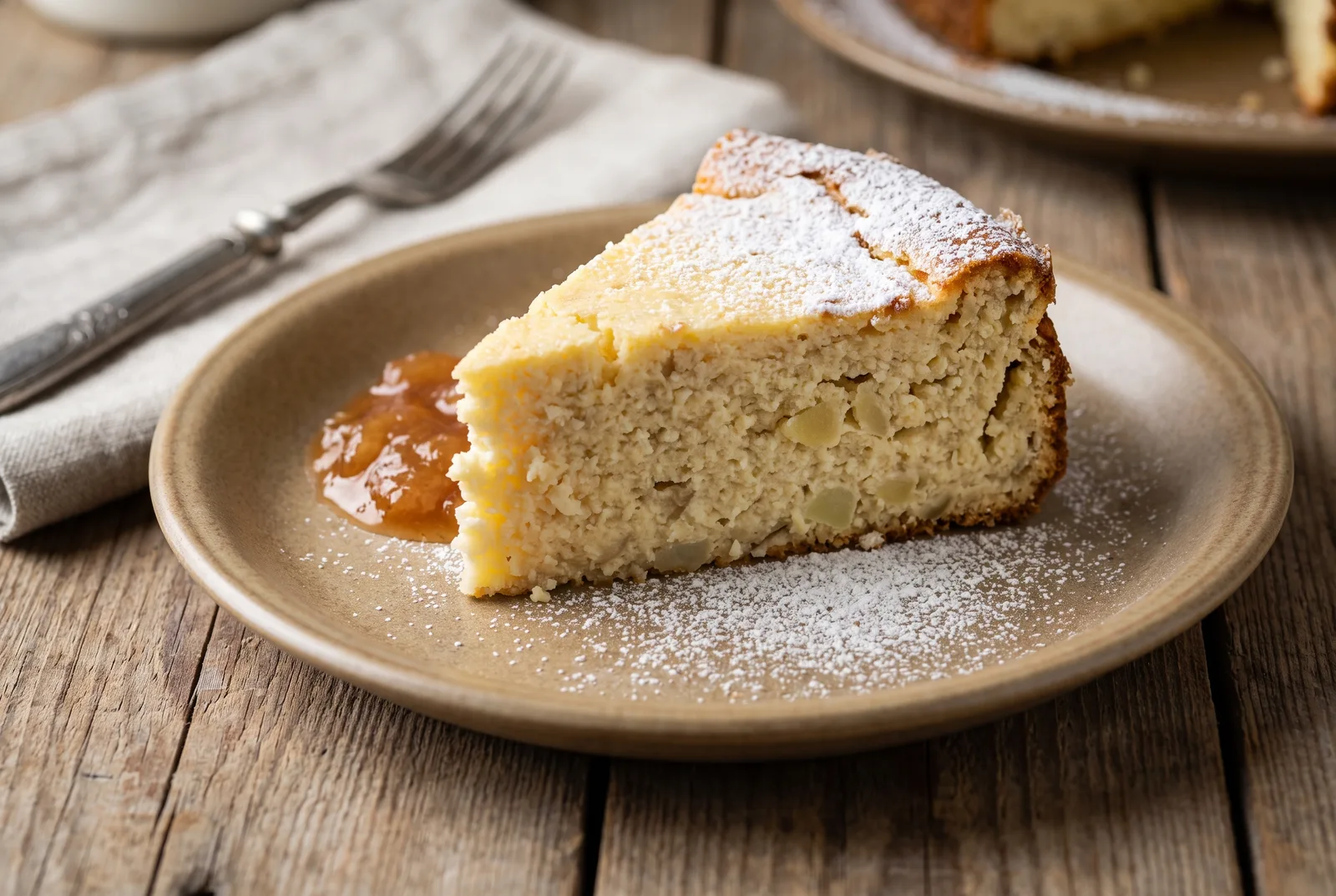 Rustic Polish potato cheesecake (sernik kaszubski / z kartoflami), dense and homely
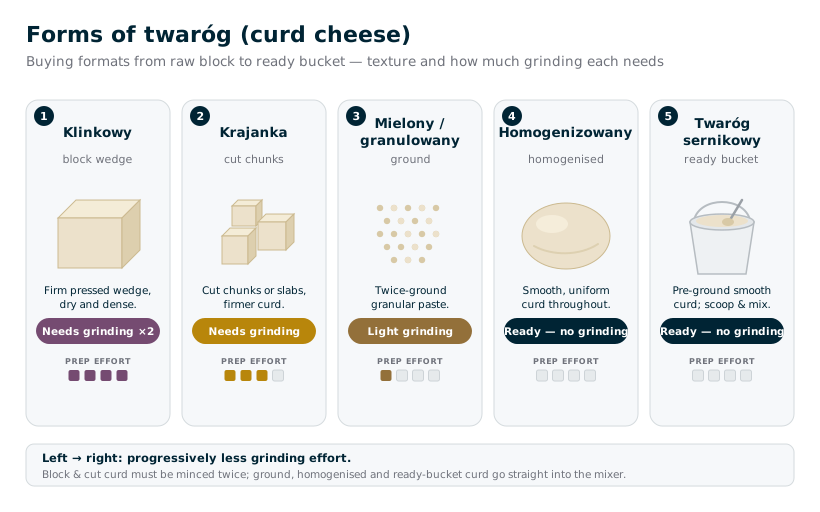 Diagram comparing block, cut, ground, homogenised and ready-bucket forms of Polish curd cheese (twaróg)
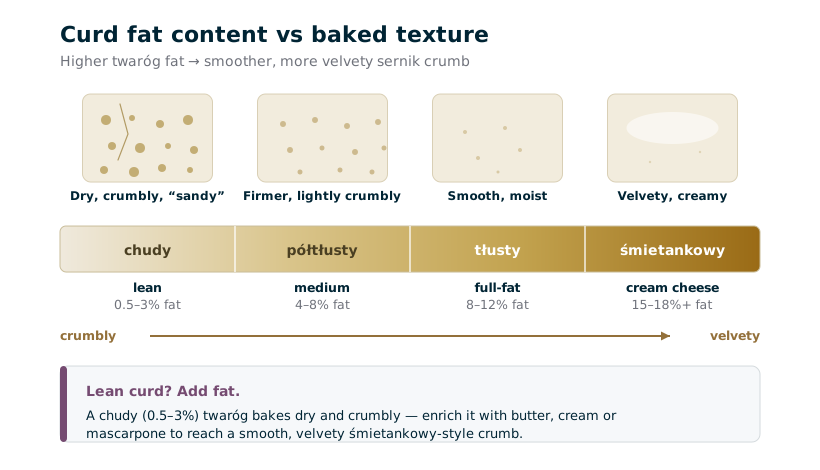 Scale of curd-cheese fat content versus baked-cheesecake texture, from crumbly lean to velvety full-fat
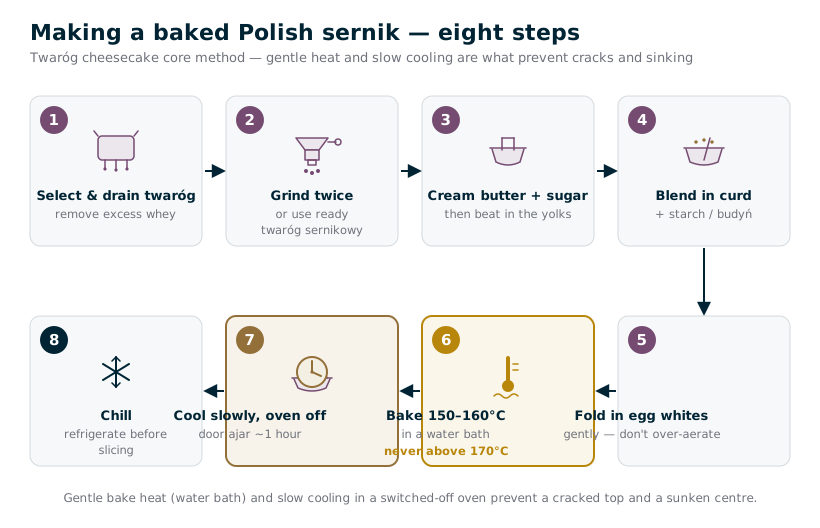 Eight-step diagram for making a baked Polish curd cheesecake from curd selection to slow cooling
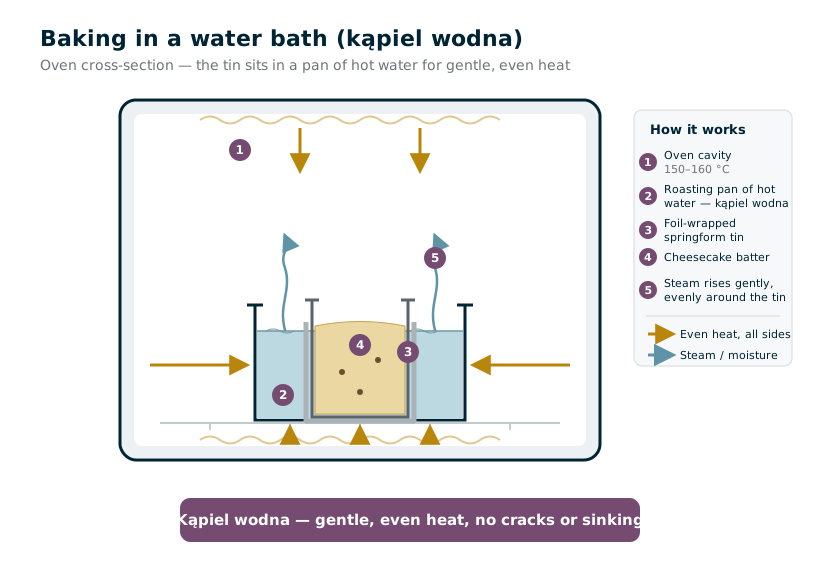 Cross-section diagram of baking a cheesecake in a water bath for gentle even heat
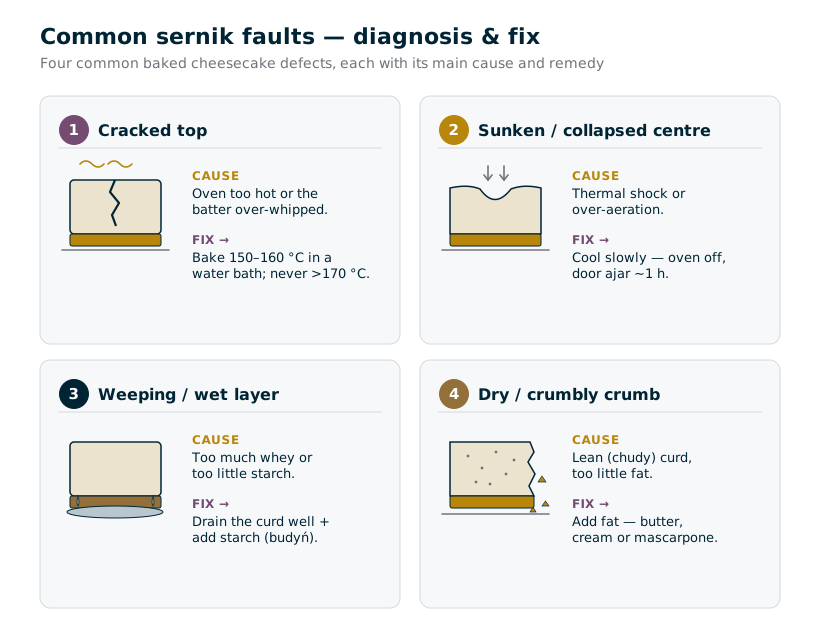 Diagram of common baked cheesecake faults (cracking, sinking, weeping, dryness) with causes and fixes
 Map of Poland showing regional Polish cheesecake (sernik) variants and their home regions
 Bucket of ready ground cheesecake curd cheese (twaróg sernikowy)
Sernik krakowski — cheese mass (baker's % on twaróg = 100%)
Representative professional starting point for the classic dense Krakow cheese mass. Percentages are expressed against the curd weight (twaróg = 100%), the convention used here because the curd, not flour, is the base ingredient. Use twice-ground półtłusty/tłusty twaróg (or ready twaróg sernikowy). Bind with potato starch or budyń to stop weeping.
| Ingredient | Baker's % | Weight |
|---|---|---|
| Twaróg (twice-ground, półtłusty/tłusty) or ready twaróg sernikowy | 100% (e.g. 1000 g) | |
| Caster sugar | 25–35% | |
| Unsalted butter (soft) | 20–30% | |
| Whole eggs (yolks creamed in, whites whipped and folded) | ~30% (≈6 eggs/kg curd) | |
| Potato starch or vanilla budyń (pudding) powder | 2–4% (~20–40 g/kg curd) | |
| Raisins (optional, soaked in rum) | 10–15% | |
| Vanilla; lemon/orange zest | to taste |
- Drain twaróg if wet, then grind twice (or use ready twaróg sernikowy) for a smooth, lump-free mass.
- Cream soft butter with sugar; beat in egg yolks one at a time.
- Blend in the curd and the potato starch/budyń until smooth — do not over-work (over-grinding/over-beating thins the mass).
- Whip egg whites to soft peaks and fold in gently; avoid forcing in air (it cracks and sinks on baking).
- Fold in soaked raisins; spread onto the pre-baked shortcrust base; lay the pastry lattice (kratka) on top.
- Bake at 150–160°C, ideally in a water bath; never above ~170°C.
- Cool slowly in the switched-off oven, door ajar, 30–60 minutes; then transfer to refrigeration and chill before slicing.
Yield: fills one ~24–26 cm tin on a baked shortcrust base
See A8-cake-and-pastry-formulas for shortcrust ratios and A6-pastry-creams-fillings for the science of starch/egg setting. Flag eggs/dairy for food-safety handling.
Kruchy spód — shortcrust base & lattice for sernik krakowski (baker's % on flour = 100%)
Classic Polish kruche ciasto, near the traditional 3:2:1 flour:fat:sugar idea. Cake/sponge flour (low protein, Polish type ~T450) gives the most tender, short crumb. Keep everything cold and don't overwork the gluten.
| Ingredient | Baker's % | Weight |
|---|---|---|
| Cake/sponge wheat flour (low protein, ~T450) | 100% | |
| Cold unsalted butter | 50–60% | |
| Icing/caster sugar | 30–35% | |
| Egg yolks | ~20% (2–3 yolks per 300 g flour) | |
| Baking powder | 1–2% | |
| Vanilla, pinch of salt | to taste |
- Rub cold butter into flour + baking powder + sugar to a sandy crumb.
- Bind with egg yolks (and a splash of sour cream if needed) to a smooth dough; do not overwork.
- Chill 30 min; reserve ~1/4 for the lattice (kratka).
- Press the base into the tin and blind-bake lightly before adding the cheese mass; chill the lattice portion and grate/roll it for the top.
Yield: base + lattice for one ~24–26 cm tin
Flour type matters: see A1-flour-classification-systems (Polish T-codes) and A1-wheat-flour-types-by-application; for the fat, see A4-butter-grades-and-specialist-types; for leavening, A2-chemical-leaveners-baking-powder.
Sernik wiedeński — base-less all-cheese mass (baker's % on twaróg = 100%)
The airier, base-less style. More butter and more whipped egg white than the krakowski, lifted but still stabilised with a little starch/budyń. Lighter, moist, slightly wobbling crumb.
| Ingredient | Baker's % | Weight |
|---|---|---|
| Twaróg (ground, tłusty) or ready twaróg sernikowy | 100% (e.g. 1000 g) | |
| Unsalted butter (soft) | 30–40% | |
| Caster sugar | 30–40% | |
| Eggs, separated (whites whipped to soft peaks) | ~35% (≈7 eggs/kg curd) | |
| Potato starch or vanilla budyń powder | 2–4% | |
| Vanilla; lemon zest | to taste |
- Cream butter and sugar until pale; beat in yolks, then the ground curd and starch/budyń.
- Whip whites to soft peaks; fold in gently in two additions — keep it light but don't over-aerate.
- Pour into a lined, base-less tin (no shortcrust).
- Bake 150–160°C in a water bath; cool slowly in the oven, door ajar.
Yield: one ~24 cm tin, base-less
Enrich toward a cream-cheese style with mascarpone for a silkier, more modern crumb.
Two scales coexist in Poland: the historic PN-91/A-86300 grading by fat in dry matter (tłuszcz w suchej masie, s.m.) and the modern as-sold fat declaration per 100 g. The as-sold ranges (chudy ~0.5–3%, półtłusty ~4–8%, tłusty ~8–12%) are indicative outer-limit values; standard retail products typically run narrower (chudy ≤2%, półtłusty ~3.5–5%, mainstream tłusty ~8–9%). As fat rises, the crumb shifts from crumbly to velvety. Lean curd is workable but needs added fat (butter, cream, mascarpone).
| Grade (PL) | Fat in dry matter (PN-91) | As-sold fat (per 100 g) | Baked-sernik character | Use note |
|---|---|---|---|---|
| Chudy (lean) | unnormalised (minimal) | ~0.5–3% | Dry, 'sandy', crumbles fast | Only with extra butter/cream/mascarpone added |
| Półtłusty (semi-fat) | 15% | ~4–8% | Creamy but holds, the 'golden middle' | Default workhorse for baked sernik |
| Tłusty (full-fat) | 30% | ~8–12% | Very delicate, velvety | Must be well bound with eggs + starch |
| Pełnotłusty (rich) | 42% | — | Rich, soft | Often blended with leaner curd |
| Śmietankowy / cream-cheese type | 55% | ~15–18%+ | Smooth, dense, no grind needed | Bucket 'twaróg sernikowy/śmietankowy' (e.g. ~18 g/100 g) |
Twaróg is sold in several grinds/forms. For a smooth classic sernik you either grind block/cut curd yourself (twice is usually enough) or buy a ready ground 'twaróg sernikowy' that skips grinding entirely.
| Form (PL) | What it is | Grind needed? | Best for |
|---|---|---|---|
| Klinkowy (wedge/block) | Pressed block curd, firm, low whey | Yes — grind twice | Classic dense sernik krakowski |
| Krajanka (cut) | Cut chunks of curd | Yes — grind | General baking |
| Mielony / granulowany (ground) | Pre-ground/granulated curd | Maybe once more for silk | Faster classic sernik |
| Homogenizowany (homogenised) | Smooth, softer, can be fatty/wet | No, but adjust proportions | Creamier, lighter masses |
| Ready 'twaróg sernikowy' (bucket) | Smooth blend, often curd + cream cheese, ~18% fat | No — ready to use | Production sernik with no grinding step |
A professional bakery chooses between grinding raw twaróg (most control, most labour), buying ready ground twaróg sernikowy (smooth, no grinding, you still sweeten/bind), or a ready bake-stable cheese filling (least labour, fixed sweetness and texture).
| Route | Labour | Sweetened? | Texture control | Catalogue example |
|---|---|---|---|---|
| Raw twaróg (grind yourself) | High (drain + grind ×2) | No — you add sugar | Full | OSM Bieruń Delikates 15%, Polmlek 14%, OSM Łowicz Kaliski |
| Ready 'twaróg sernikowy' | Low (scoop straight in) | No (usually) — you add sugar | High | OSM Bieruń 'Wykwintny', Wrzosek 14%, Włoszczowa quark |
| Ready bake-stable filling | Lowest (ready to use) | Yes — pre-sweetened | Fixed | Zeelandia ZEELAsoftSER, Figand Profesja Plus, Komplet/Credin mixes |
Sernik is a family, not a single recipe. The two reference points are krakowski (base + lattice, dense) and wiedeński (base-less, airy). Two regional versions are on Poland's official Lista Produktów Tradycyjnych.
| Variety | Base? | Defining feature | Curd / texture | Heritage status |
|---|---|---|---|---|
| Sernik krakowski | Yes — kruchy spód | Pastry lattice (kratka) + raisins | Twice-ground high-fat, low-whey curd; dense | Galician/Kraków tradition |
| Sernik wiedeński | No | All-cheese, lots of butter + whipped whites | Airy, moist, wobbles when cut | 'Viennese' legend (Sobieski, 1683) |
| Sernik kaszubski / z kartoflami | Varies | Cooked potato folded into curd | Dense, rustic | Sernik z kartoflami z Jaszczowa on LPT (2015) |
| Sernik królewski | Yes — semi-crisp | Layered: light + chocolate cheese, meringue, dried fruit; uses oil not butter | Smooth, creamy, slightly moist | On LPT — registered 17 Apr 2013, Małopolska (Ryczów) |
| Sernik gotowany / na zimno / kajmakowy / 'Izaura' | Biscuit or none | Cooked, no-bake, toffee, or two-colour | From light/set to creamy | Modern home/café variants |
Headline numbers read directly from supplier spec sheets attached in the platform. Note the contrast: a lean starch-bound curd, a full-fat pure curd+cream, and a pre-sweetened bake-stable filling.
| Product | Type | Fat | Dry matter / water | pH | Energy /100 g | Shelf life | Allergens |
|---|---|---|---|---|---|---|---|
| OSM Bieruń Bieruński | Lean curd (skimmed milk, + modified starch & fibre) | 1.5 g/100 g | dry matter ≥20±2% | 4.3–4.9 | 71 kcal | 35 days at 1–10°C; opened use ≤48 h | MILK (incl. lactose) |
| OSM Bieruń Delikates 15% | Full-fat curd + cream (no added starch) | 14–16% | water 71–73% | 4.6–4.8 | 179 kcal | 40 days at +2–+8°C | MILK |
| Zeelandia ZEELAsoftSER | Thermostable ready-to-use sweetened cheese filling (cheese 35%) | 3.1%±0.5 | 27 g sugars/100 g | 4.4±0.4 | 170 kcal | 3 months; opened use ≤7 days | MILK (incl. lactose); sesame may be present |
| Fault | Likely cause | Fix |
|---|---|---|
| Cracked top | Oven too hot (top sets over a liquid centre); mass over-whipped | Bake 150–160°C, never >170°C; use a water bath; don't force in air |
| Sunken / collapsed centre | Thermal shock; too much incorporated air | Cool slowly in the switched-off oven, door ajar 30–60 minutes; rest mass before baking |
| Weeping / wet layer at the bottom | Curd too wet / too much whey; too little starch | Drain curd (1 kg → ~600–700 g); add 20–40 g starch/budyń per kg |
| Dry, 'sandy', crumbly crumb | Lean (chudy) curd, not enough fat | Use półtłusty/tłusty curd or add butter/cream/mascarpone |
| Grainy / lumpy texture | Curd not ground enough | Grind twice (or use ready twaróg sernikowy); blend smooth without over-working |
| Bake-stable filling runs or browns oddly | Wrong product for hot bake | Use a thermostable ready filling (e.g. ZEELAsoftSER) for in-oven work |
Buy the ingredients
Catalogue products and brands referenced in this article.
Emix Vanilla Custard Powder 6 kg (6 × 1 kg)
ZEELAsoftSER Vanilla Cream Cheese 12 kg
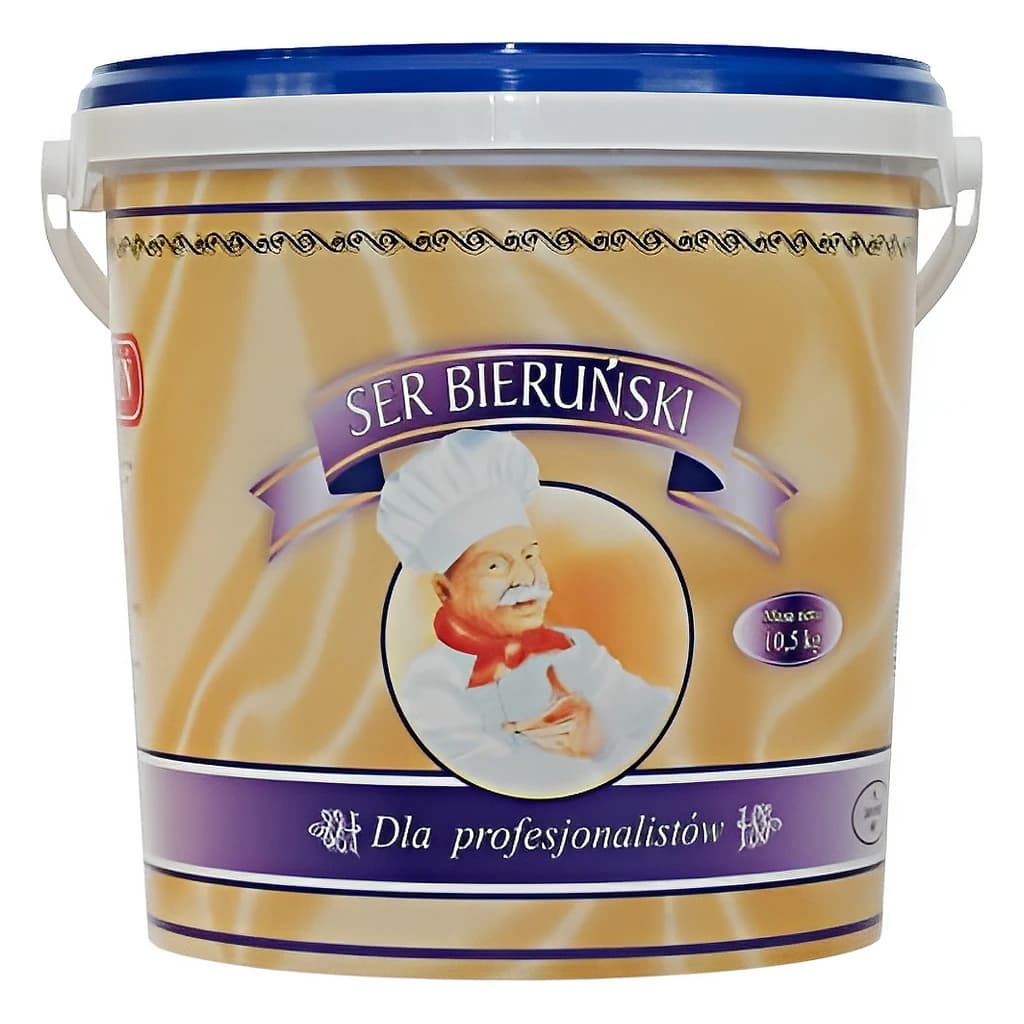
Bieruński Cream Cheese 10.5 kg
Unsalted Butter 82% 10 kg
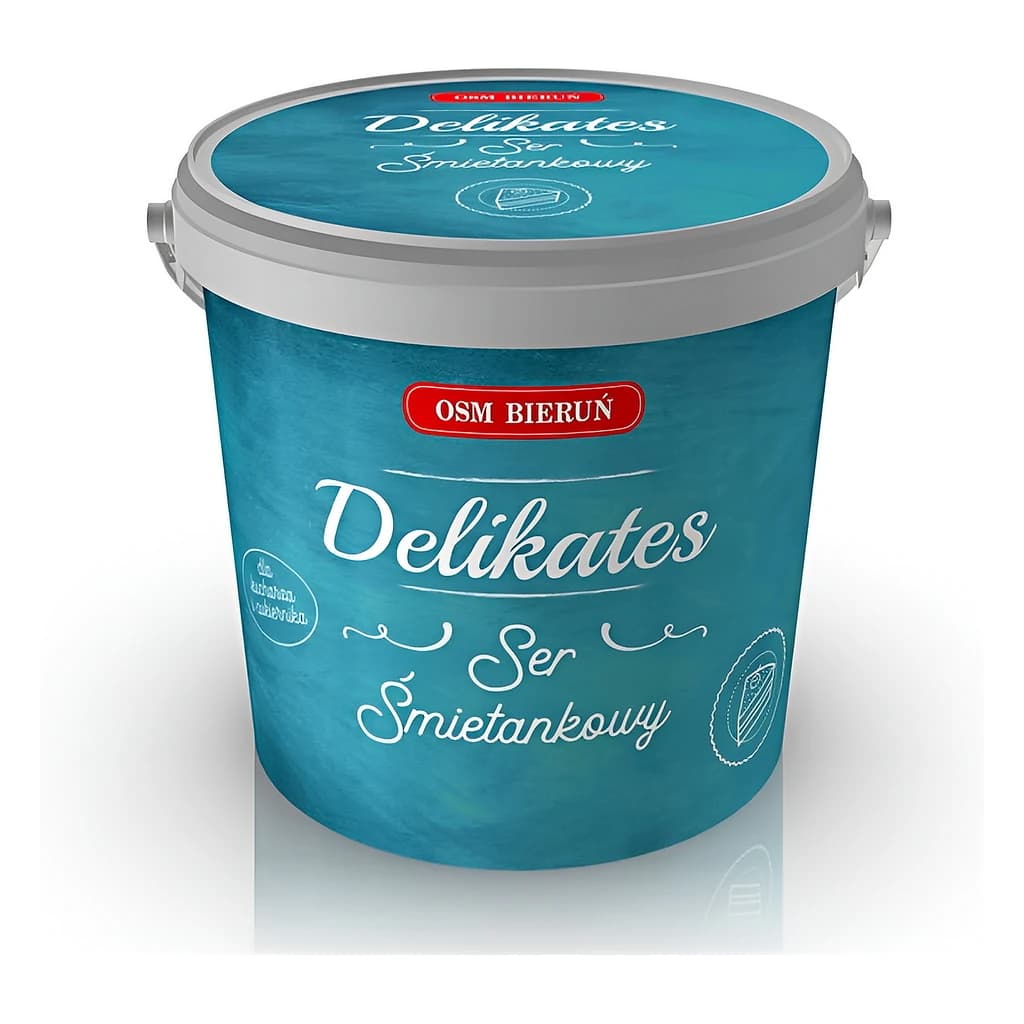
Delikates Cream Cheese 15% 10 kg
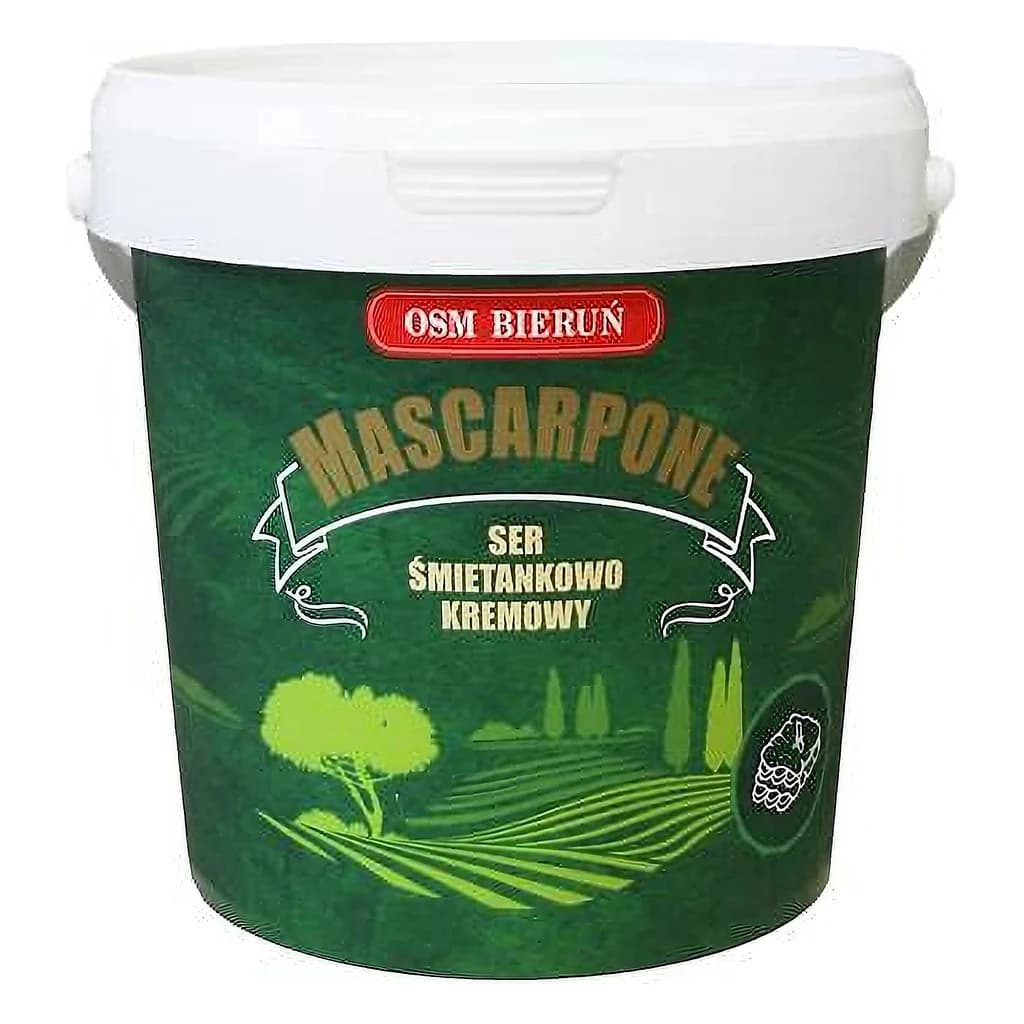
Mascarpone 1 kg
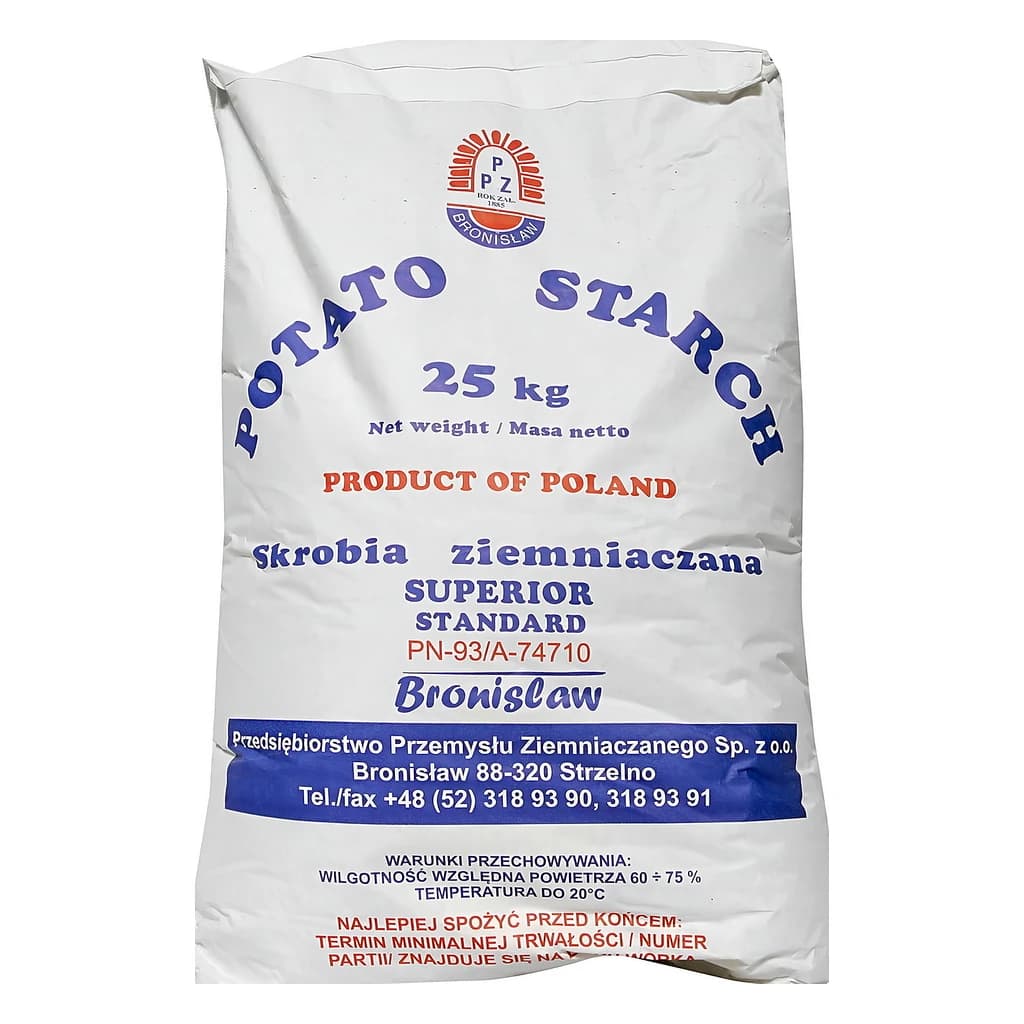
Bronisław Potato Starch 25 kg
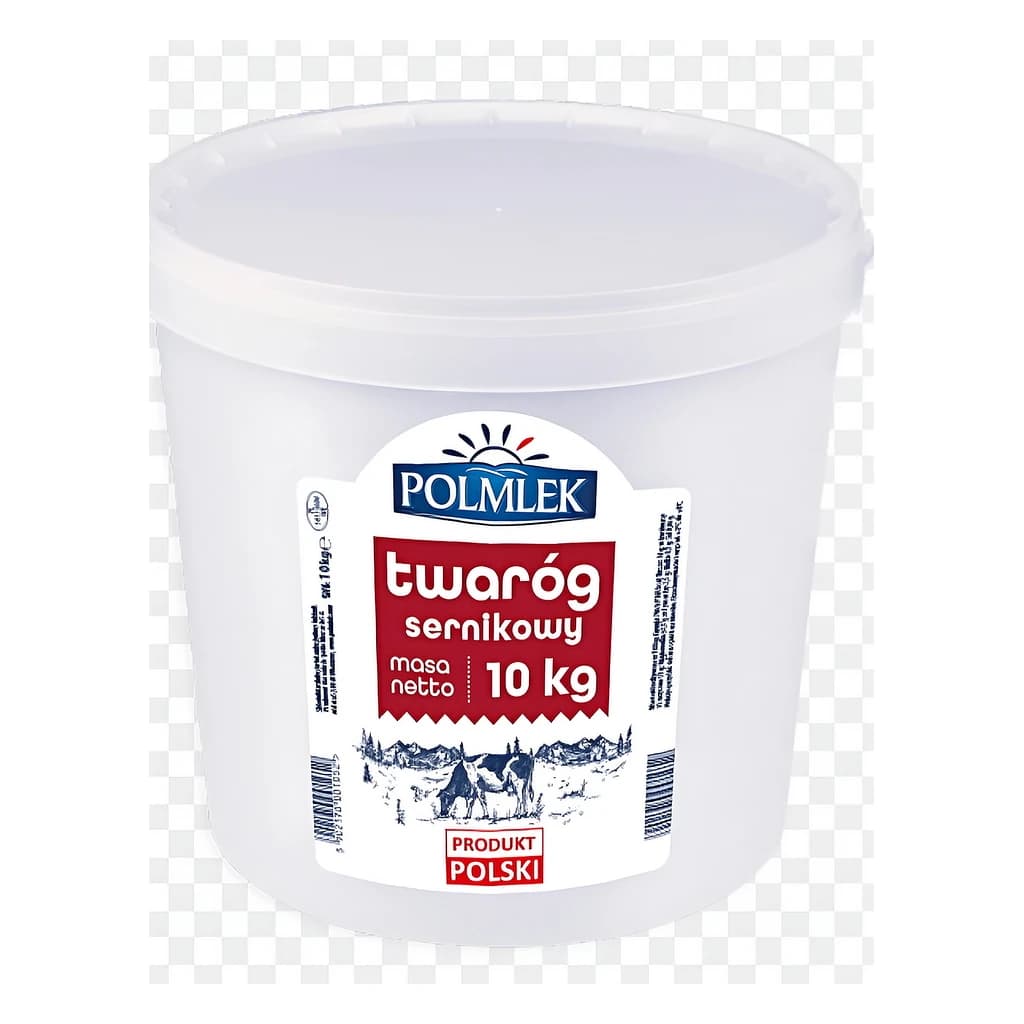
Cheesecake Curd Cheese Polmlek 14% 10 kg
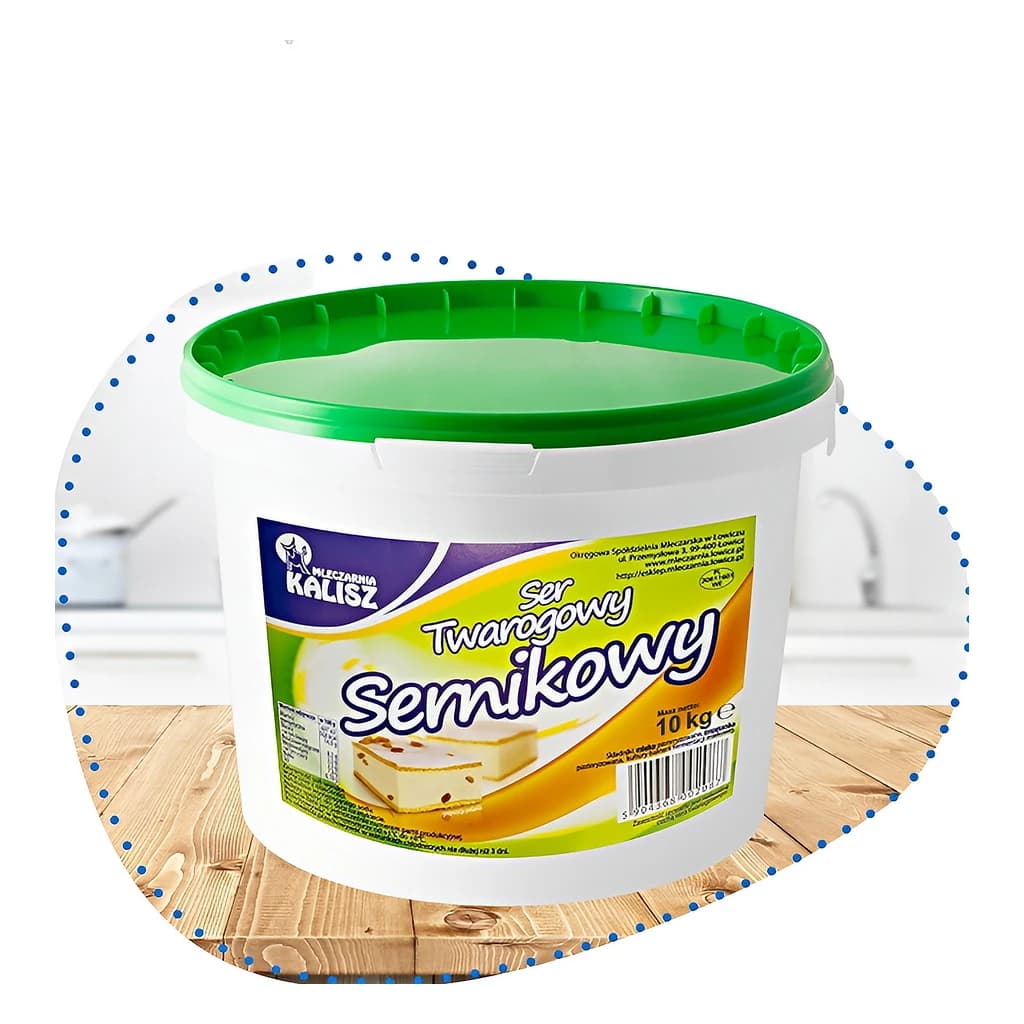
Cheesecake Curd Cheese Kaliski 10 kg
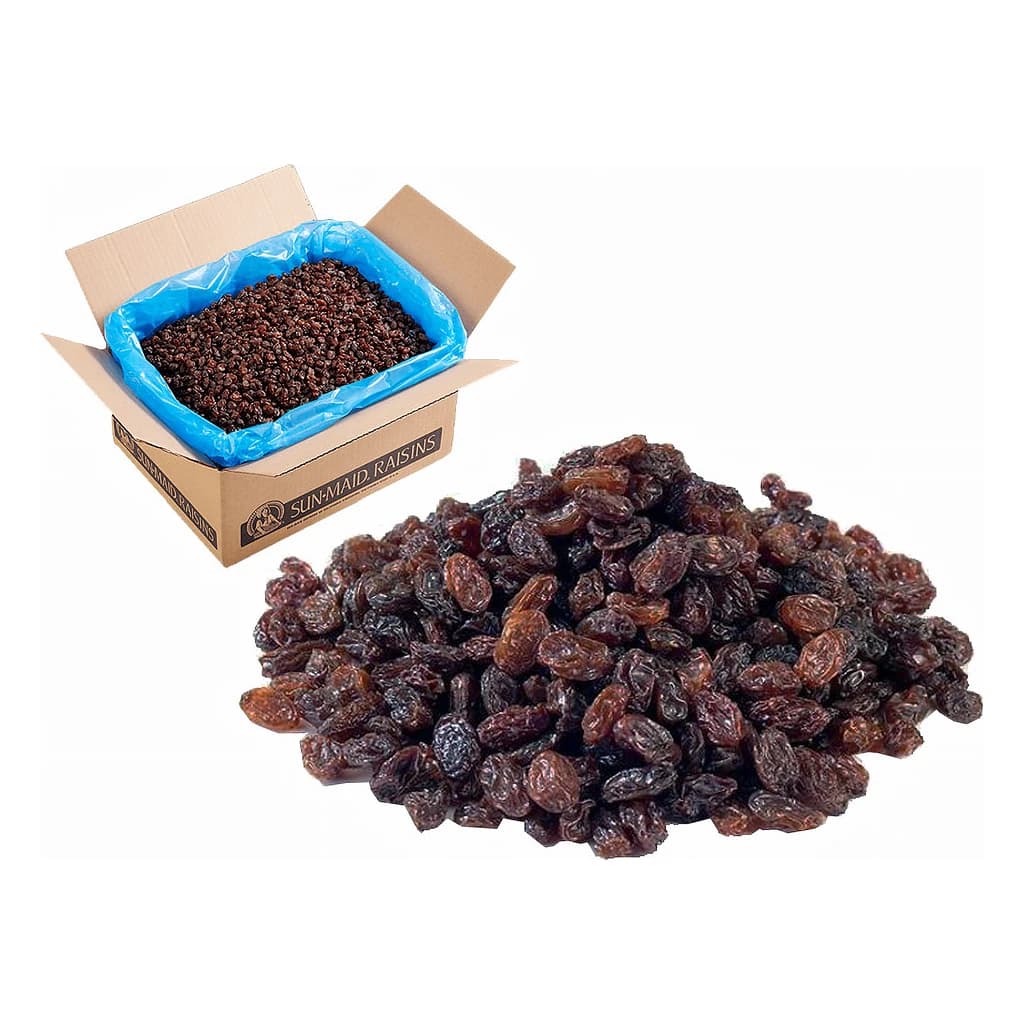
Raisins 10 kg
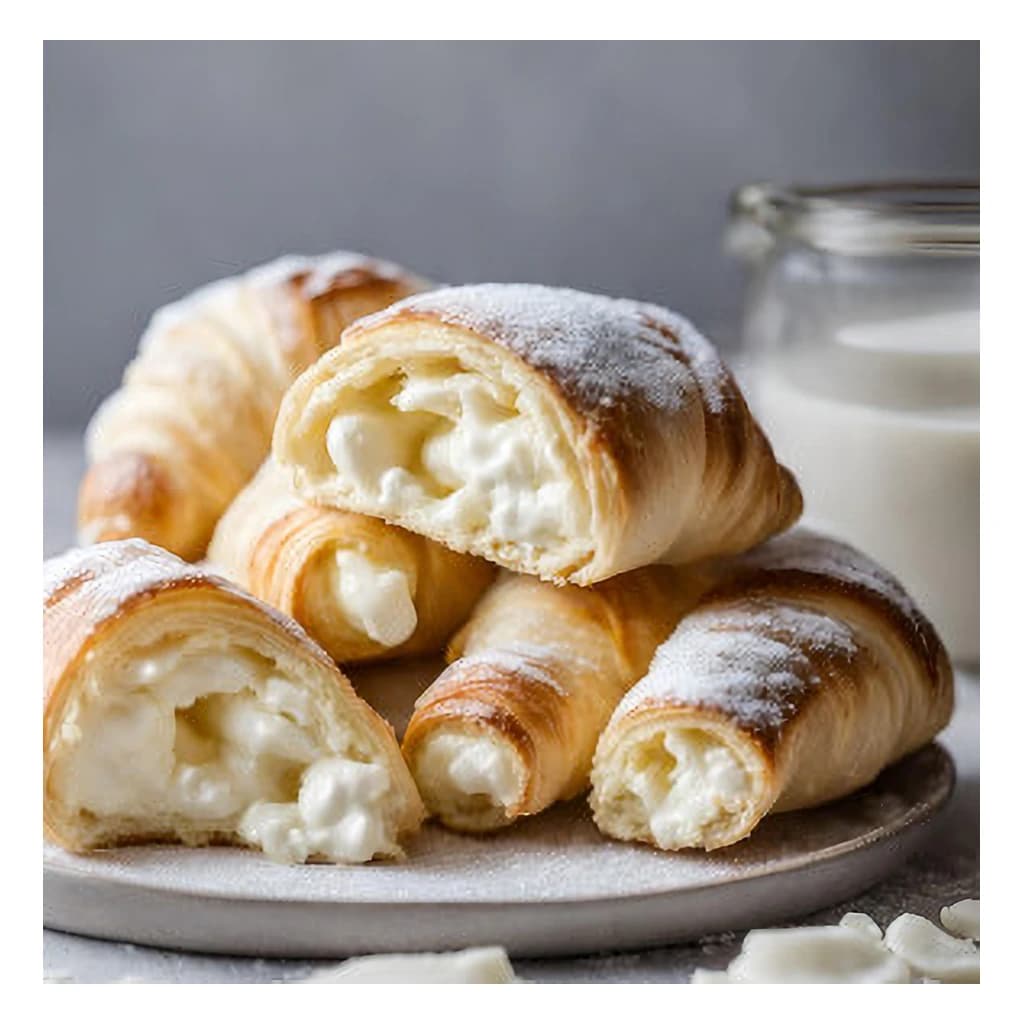
Curd Cheese Filling Tomasz 11 kg
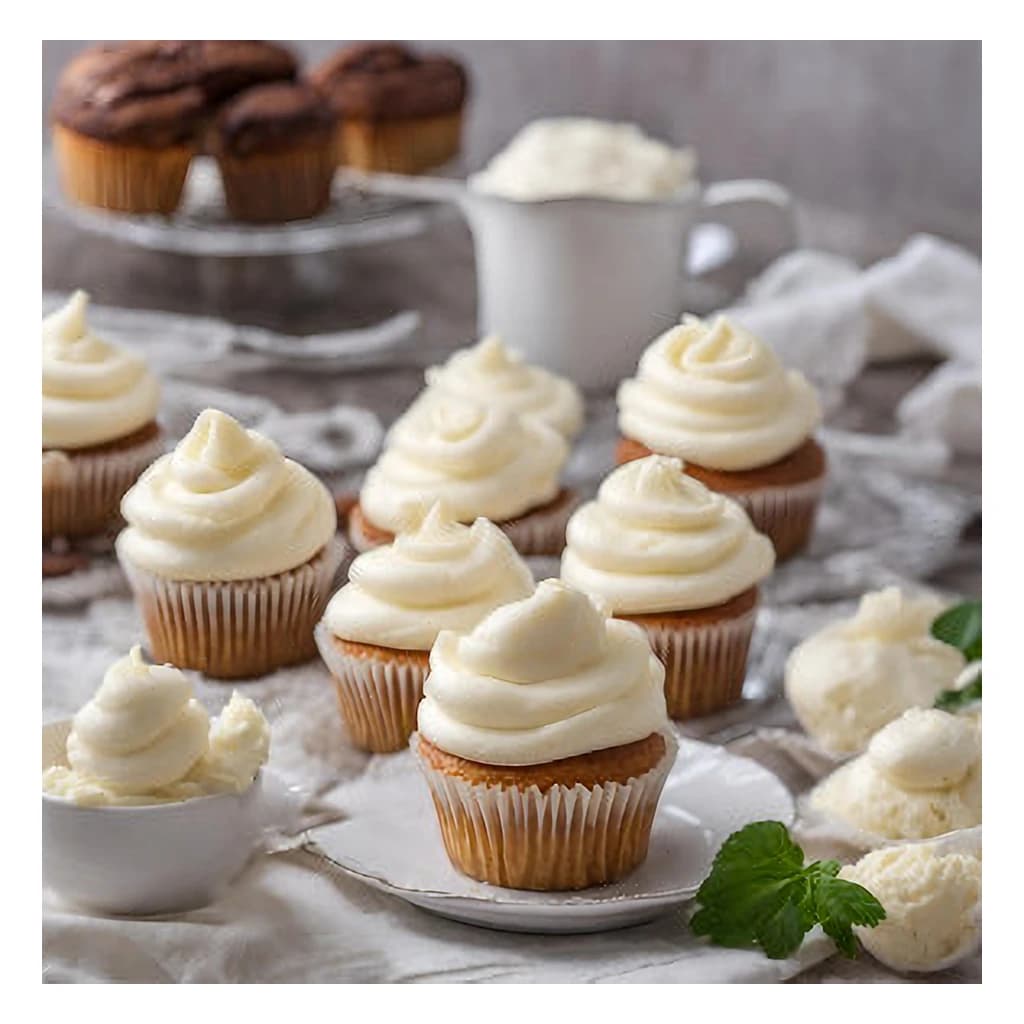
Vanilla Flavoured Curd Cheese Filling PREMIUM 11 kg
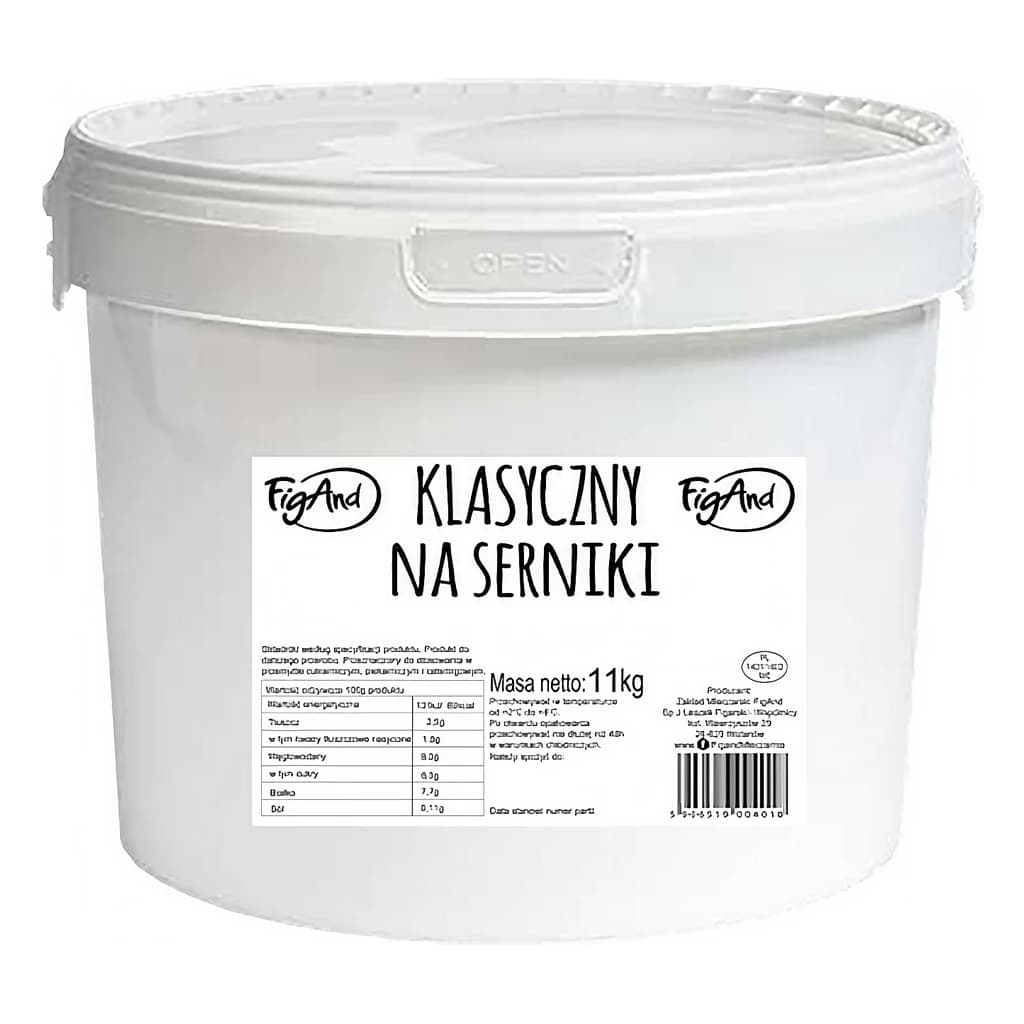
Cheesecake Curd Cheese Mix 15% Fat 11 kg
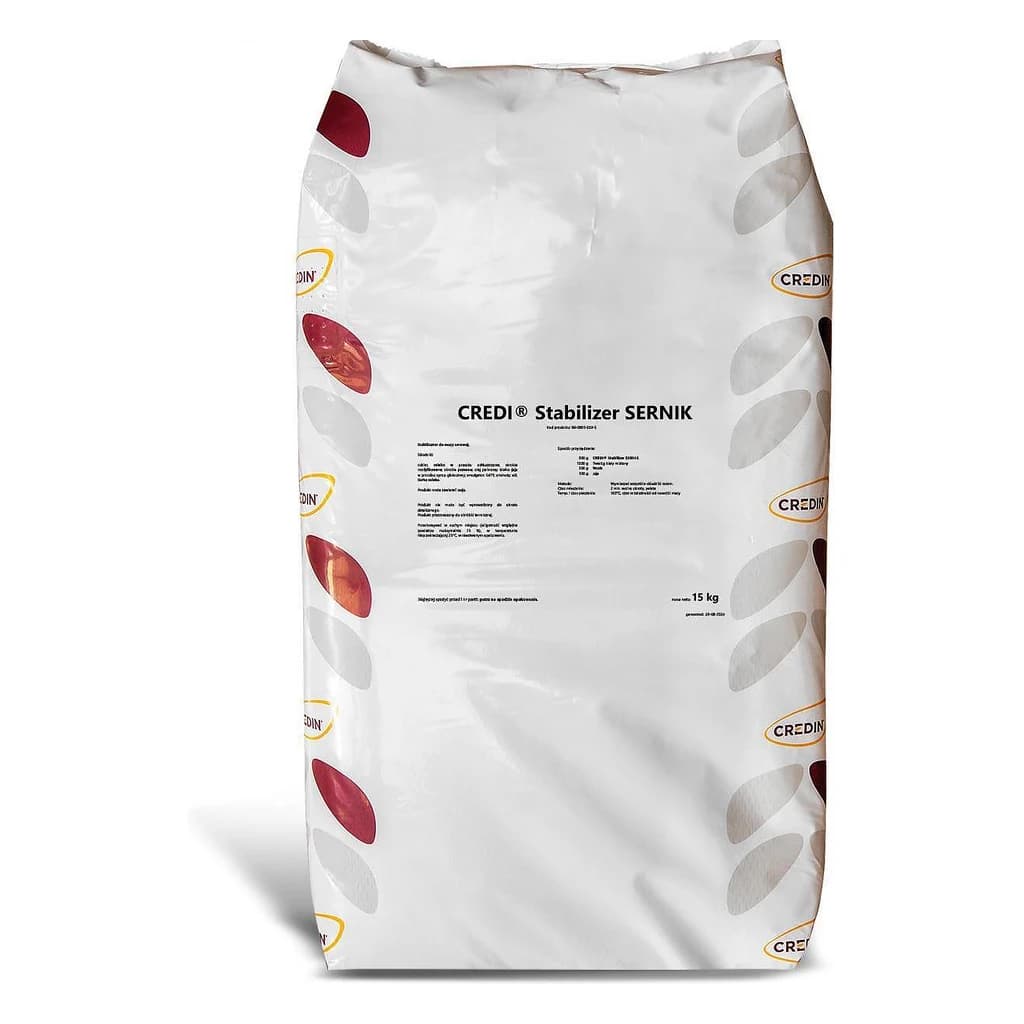
Credin Cheesecake Stabiliser 15 kg
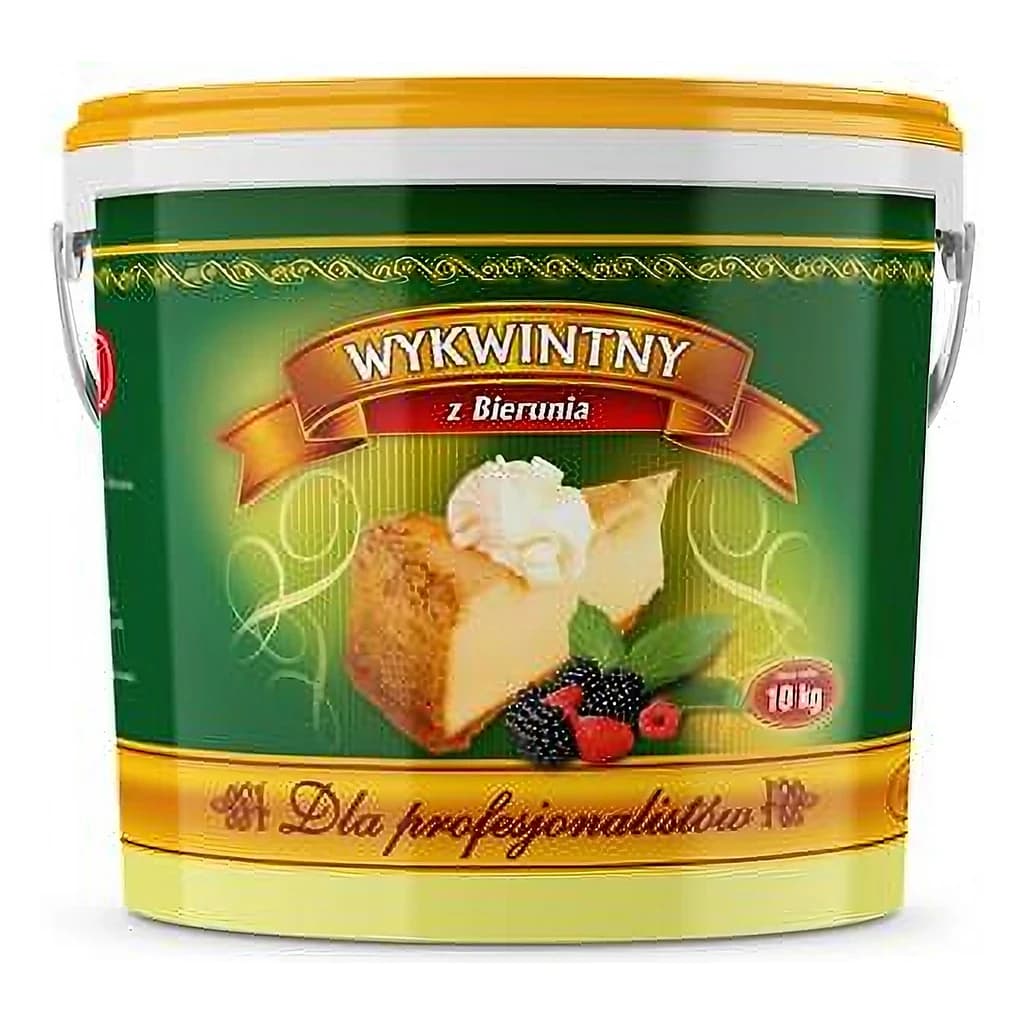
Cheesecake Curd Cheese Wykwintny 10 kg
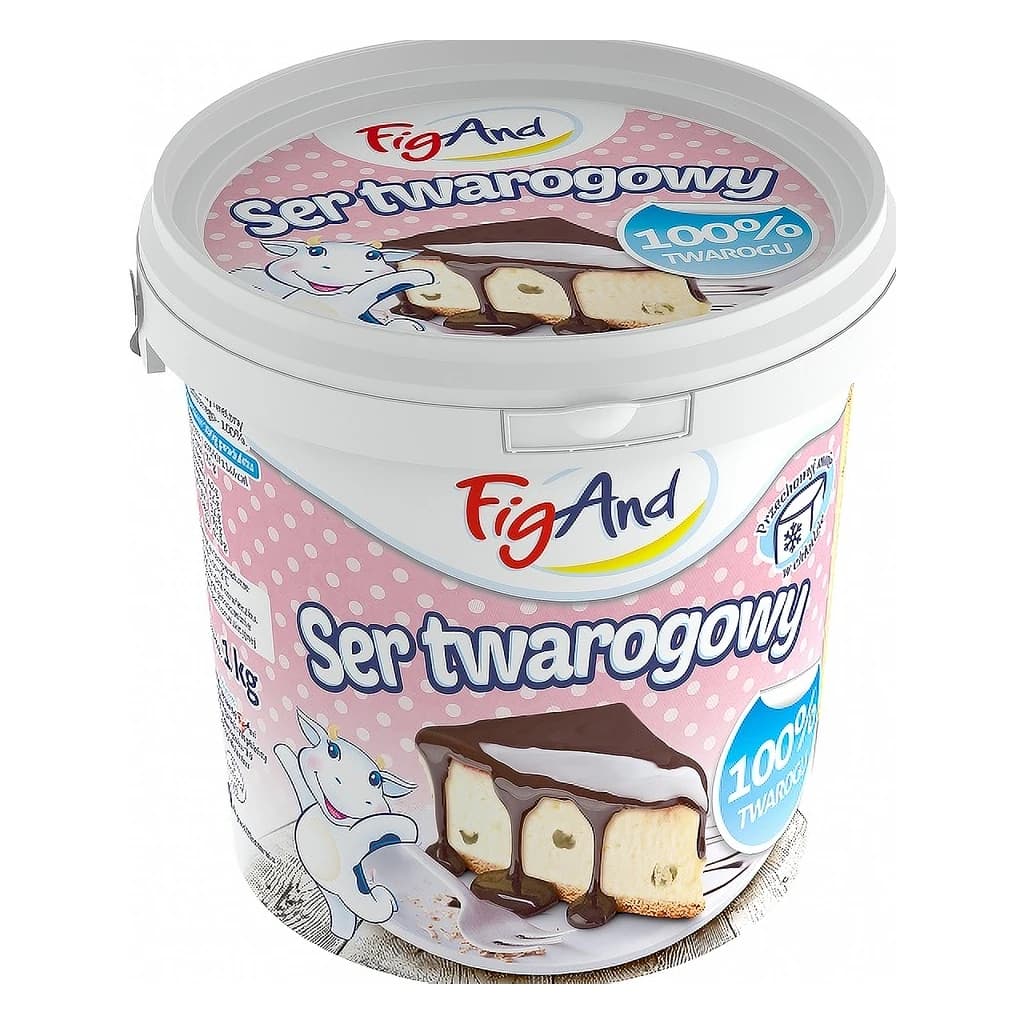
Curd Cheese FigAnd 4% 1 kg
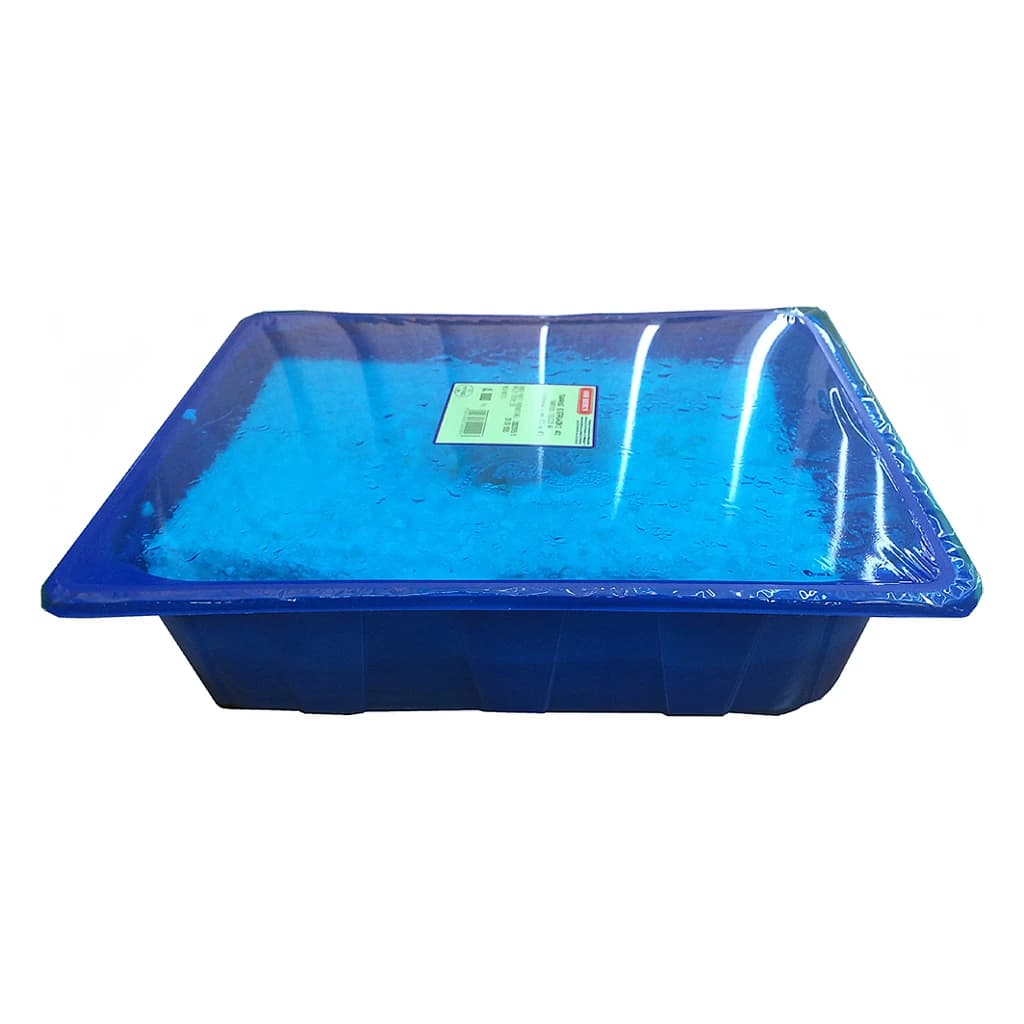
Curd Cheese Bieruński Tray 1 kg
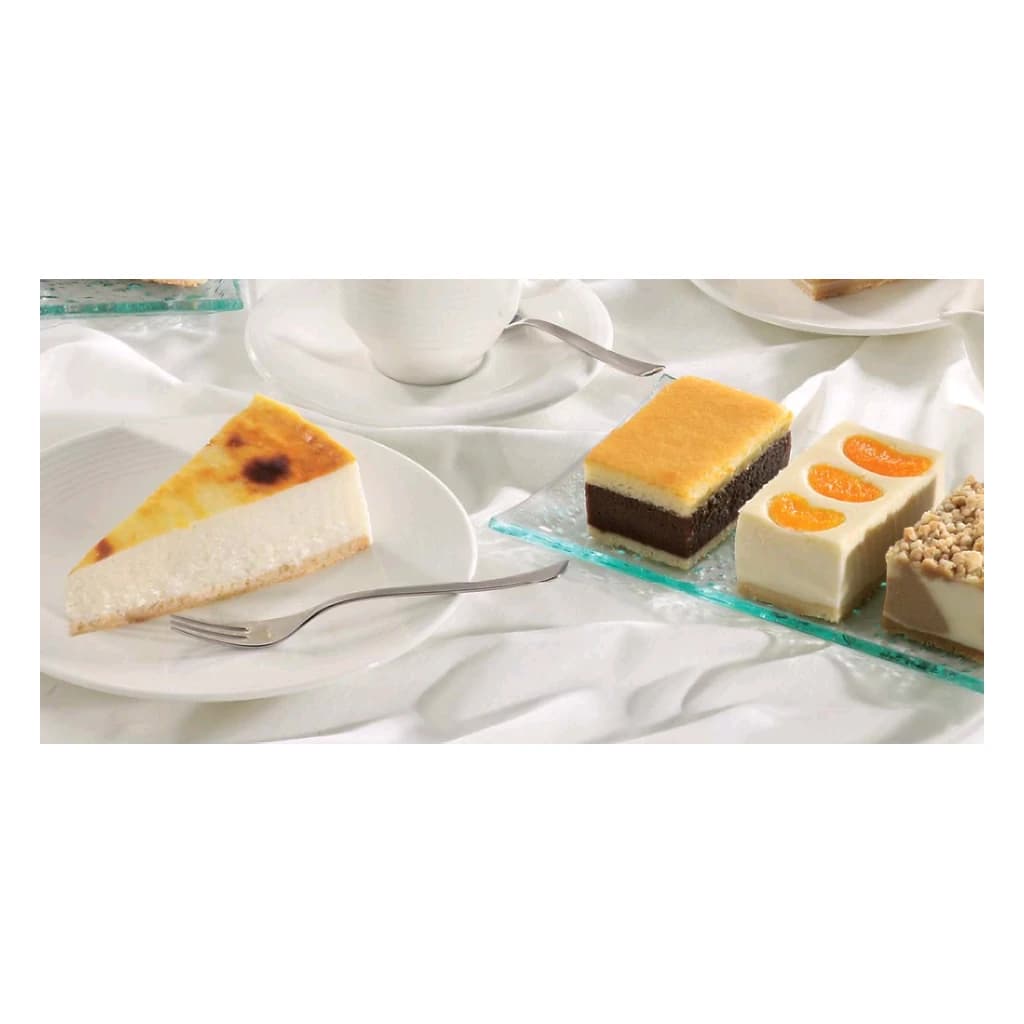
Komplet Gourmet Cheesecake Mix RSPO SG 10 kg
Włoszczowa Creamy Quark 4% Fat 11 kg
Cheesecake Filling Mix 4 × 1.25 kg (5 kg)
Cream Cheese Frosting
Flemings Natural Lemon Curd 12.5 kg
Wheat Semolina (Krupczatka) T450 25 kg