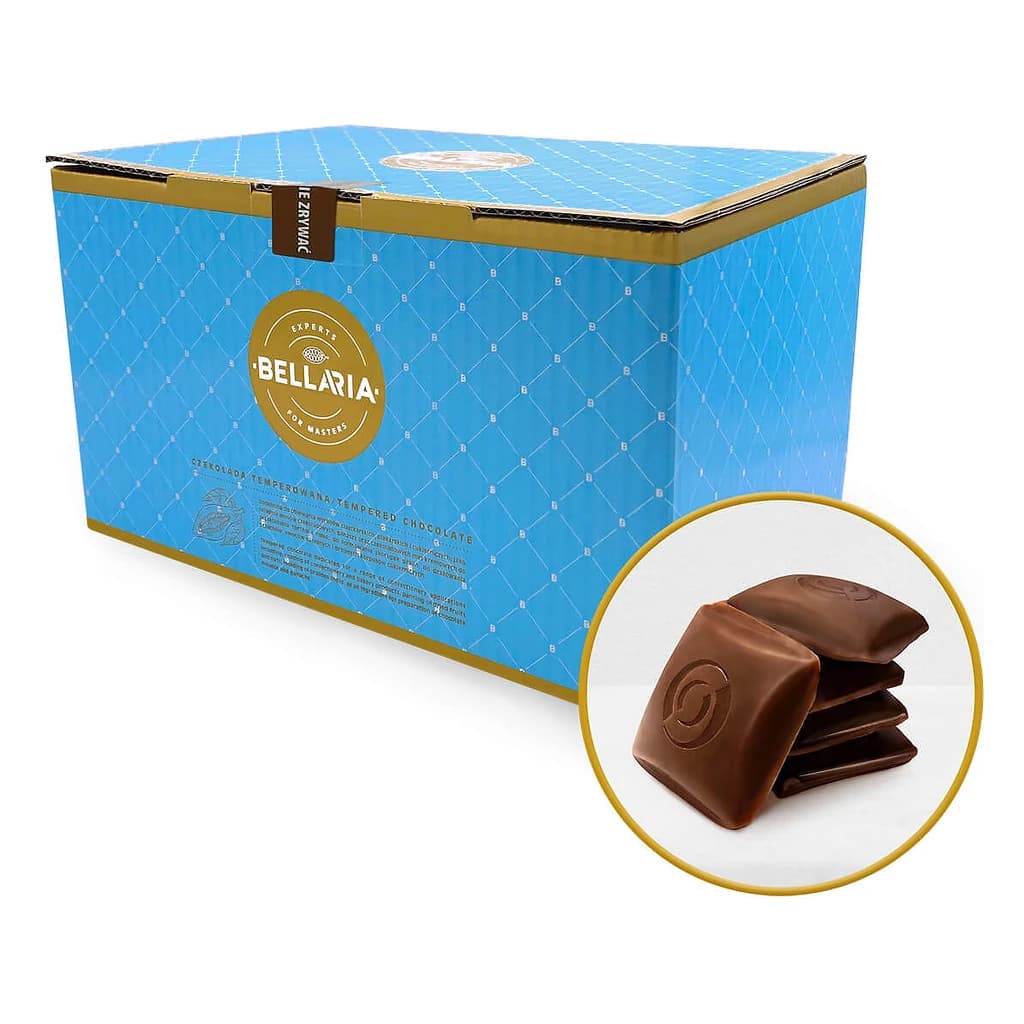


Bellaria Milk Couverture Chocolate 34.5% Cubes
2 variants
Description
High-quality milk couverture chocolate featuring a 34% cocoa content, providing a smooth, creamy texture and a balanced sweetness.
These versatile cubes are specifically designed for professional application, offering excellent fluidity for moulding, enrobing, and creating decadent ganaches. The convenient cube format ensures easy weighing and melting, making it an essential ingredient for chocolatiers and bakers crafting premium confectionery and desserts.
Trade pricing for registered accounts
Wholesale prices, bulk discounts and next-day delivery for bakeries & confectioneries. Approved within 24 hours.
Weight
Log in to see trade pricing and availability.
| SKU | Weight | Price |
|---|---|---|
| G25436 | 4 kg | Log in for price |
| G25533 | 10 kg | Log in for price |
2 variants
Storage: Ambient
Store at room temperature
Next-day delivery
Order by 11am
Trade quality
Trusted by bakers & confectioners