
Flour storage, conditioning and shelf life: how temperature, moisture and time degrade quality
The most expensive storage mistake a bakery makes is not the flour that goes mouldy — it is the flour that deteriorates invisibly. Moisture uptake, lipid oxidation and enzyme-driven quality drift all happen inside a sealed sack. This article explains the mechanisms of flour degradation, the specific storage conditions stated on real supplier spec sheets, why oat flour needs a tighter moisture limit than wheat, how freshly milled flour must be conditioned before use, and what to look for in a practical FIFO stock rotation system.

Why storage matters as much as specification
A flour specification sets out what the product is at the point of manufacture and delivery. Storage determines what it is when you use it. The gap between those two moments can be days or months, and it is a gap in which real degradation happens: moisture is absorbed, lipids go rancid, enzyme activity changes, and the falling number drifts.
Three independent mechanisms drive flour quality loss during storage:
- Moisture uptake — flour is hygroscopic. Ambient humidity drives water into the flour, raising moisture content, softening protein networks, enabling mould growth, and accelerating enzyme-mediated reactions.
- Lipid oxidation (rancidity) — flour contains fats. Lipase enzymes break them into free fatty acids; lipoxygenase then oxidises those fatty acids to rancid aldehydes and ketones. This process is invisible until the flour smells wrong.
- Enzyme-driven quality drift — alpha-amylase (measured by the Hagberg Falling Number), proteases, and lipolytic enzymes all continue acting during storage. Temperature and moisture accelerate them.
Understanding which flour type is vulnerable to which mechanism — and at what rate — is the practical starting point for stock management in a professional bakery.
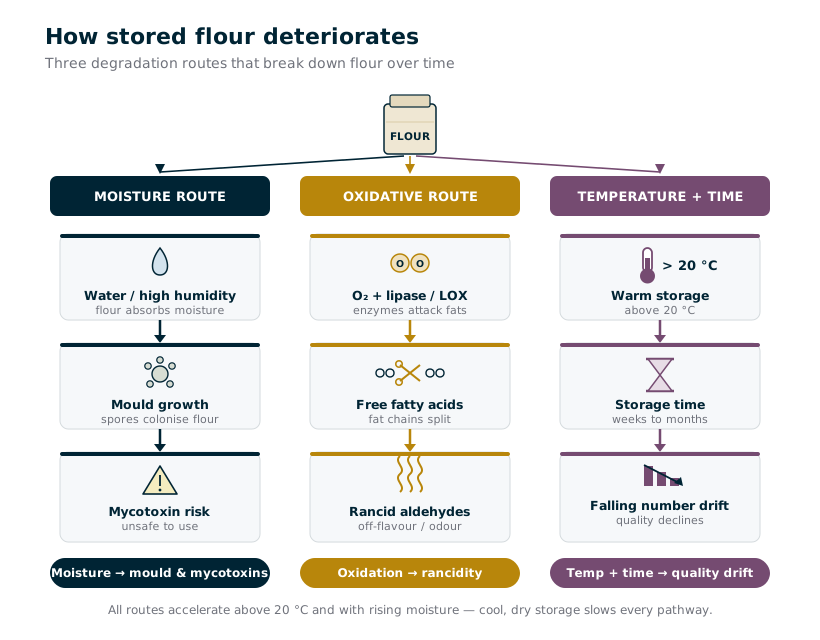 Flow diagram with three branching arrows from a central flour sack icon. Top branch: water droplet icon → mould spore icon → skull-and-crossbones mycotoxin icon, labelled 'Moisture route: mould and mycotoxins'. Middle branch: O2 molecule → enzyme icon → odour waves, labelled 'Oxidative route: rancidity'. Bottom branch: thermometer (>20°C) → clock → declining graph, labelled 'Temperature + time: quality drift'.
1. The storage conditions stated on supplier spec sheets
Polish wheat flours (Wągrowiec Mill / GoodMills Polska)
Every Wągrowiec Mill wheat flour specification reviewed (T450, T500, T550, T750, T850) states storage according to PN-91/A-74017, the Polish standard governing flour packaging and storage, and a shelf life of 5 months from the production date.
The GoodMills Polska Wheat Flour T550 fortified spec goes further and states the conditions explicitly: dry (relative humidity maximum 75%), airy place. All reviewed specs set a maximum moisture of 15.0% (method PN-EN ISO 712).
The GoodMills T550 spec also specifies packaging options: paper sacks 10–50 kg or bulk (loose), with all conditions applied equally.
UK wheat and spelt flours (Matthews Cotswold Flour)
Matthews Cotswold Flour states a longer shelf life for both Windrush Strong White Bread Flour and Light Spelt Flour: 9 months from date of manufacture when stored as directed for the 16 kg bag, and 12 months for the 1.5 kg retail pack.
The stated storage conditions are: cool, dry conditions away from direct sunlight and strong odours; the storage area should have good air circulation and be free from pests and infestation. No explicit RH percentage or temperature is given — the instruction is qualitative but clear.
The longer shelf life compared to the Polish specs (9 months vs 5 months) reflects a different commercial guarantee structure, not necessarily a different product type. Matthews uses a tighter protein specification (minimum 12.0%), which is associated with a more robust gluten network less susceptible to proteolytic degradation.
Rye flours (GoodMills Polska)
Neither GoodMills Rye T720 nor Rye T2000 Wholemeal states an explicit shelf life in the reviewed spec sheets. Both share the same moisture limit as the wheat flours: <15.0% (PN-EN ISO 712). The microbiological limits are identical to T550, suggesting the same storage standard is implied.
Practitioner benchmarks (not confirmed on these spec sheets) suggest a shelf life of approximately 3–5 months for light rye and 2–4 months for wholemeal rye, reflecting the higher bran content and more active endogenous lipase enzymes in rye compared to refined wheat.
Oat flour — the outlier
The Agrol Oat Flour (Nr: SWG/18, 2024) sets a notably tighter moisture limit: maximum 11% rather than the 15% threshold used for wheat flour. This is not an arbitrary tightening — it reflects the flour's fat content of 7.9 g per 100 g, which is four to six times higher than white wheat flour's 1.2–1.8 g/100g.
Oat flour's high fat content, combined with the activity of oat lipase and lipoxygenase enzymes, makes it the highest-risk flour in the Domson catalogue for rancidity. At 75% RH, oat flour can equilibrate to a moisture content above its 11% limit — so a lower storage RH (60–65% is recommended by best practice) is advisable even though the Agrol spec does not state an explicit RH value.
FOOD-SAFETY NOTE: Agrol Oat Flour has the same allergen declaration as wheat flour: GLUTEN (from the oat grain itself, plus oat processing in facilities that also handle wheat, rye, barley and spelt). Under EU Regulation 1169/2011 and UK food law, oats are classified as a gluten-containing cereal. Declare GLUTEN on all products containing this flour.
The Agrol spec also specifies mycotoxin limits per EU Reg 2023/915: aflatoxins B1 ≤2.0 µg/kg; aflatoxin sum B1+B2+G1+G2 ≤4.0 µg/kg; ochratoxin A ≤3.0 µg/kg; zearalenone ≤75.0 µg/kg. These limits are relevant to storage as well as origin: mycotoxins can form during storage if moisture and temperature conditions allow mould growth.
The comparison table below covers all reviewed products.
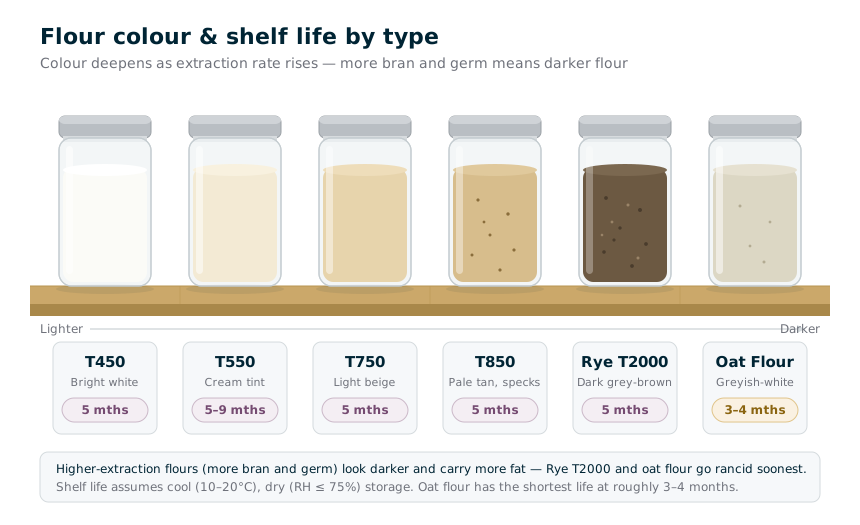 Six identical glass jars lined up showing the colour gradient of flour types from left to right: T450 (bright white), T550 (cream), T750 (light beige), T850 (pale tan), Rye T2000 (dark greyish-brown), Oat Flour (grey-white). Each jar is labelled with type name and shelf-life range.
2. Moisture — the primary control variable
Why 15% is the threshold
The IREKS Compendium of Baking Technology states clearly: flour moisture above 15% severely impacts storage capability and can only be stored briefly before quality deteriorates. This is consistent with all nine reviewed spec sheets setting 15% as the maximum.
Above 15% moisture, three things happen simultaneously:
- The flour loses its free-flowing powder character and begins to clump (confirmed by the IREKS hand-squeeze test )
- Microbial activity accelerates — yeast and mould counts rise
- Enzyme activity (lipase, lipolytic enzymes) is strongly stimulated by available water
The 75% relative humidity ceiling
The GoodMills T550 spec explicitly caps storage RH at 75%. Academic research confirms the mechanism: mould growth accelerates sharply above 75% RH. At 85–95% RH, severe mould develops within 18 days of grain or flour exposure; at 45–75% RH, mould growth remains negligible over 30-day storage periods.
The connection to mycotoxins is not straightforward: academic research found that despite severe visible mould developing at high humidity, mycotoxin levels (ZEN and DON) did not increase significantly compared to low-humidity controls — indicating that visible mould growth alone does not predict mycotoxin accumulation. European cereal mycotoxin risk is dominated by Fusarium (DON, ZEN) and ochratoxin A (OTA), which depend on specific fungal species, temperature, and moisture conditions beyond RH alone. Aflatoxin risk is primarily associated with warm-climate grain and is less relevant for European flour storage conditions.
FOOD-SAFETY NOTE: The relationship between storage humidity/moisture and mycotoxin formation is complex and species-dependent. Consult EFSA opinions on mycotoxin risk factors for European cereals before making any specific mycotoxin risk claims in commercial or regulatory documentation.
The RH-to-moisture relationship in practice
Flour is in continuous moisture equilibrium with its environment. A flour sack stored at 20°C and 80% RH will gain moisture through the paper packaging until it reaches equilibrium — typically above 15%. The only protection is a storage environment below 75% RH and adequate air circulation. Paper packaging alone does not provide a moisture barrier.
The field moisture test
The IREKS Compendium describes a simple field check: take a handful of flour and squeeze it in your fist.
- Normal moisture: the flour crumbles back to a free-flowing powder when you open your hand.
- High moisture (warning): the flour holds its compressed shape as a ball.
If flour passes the ball test, measure its actual moisture immediately. Do not use flour that is clearly above its moisture spec without further investigation.
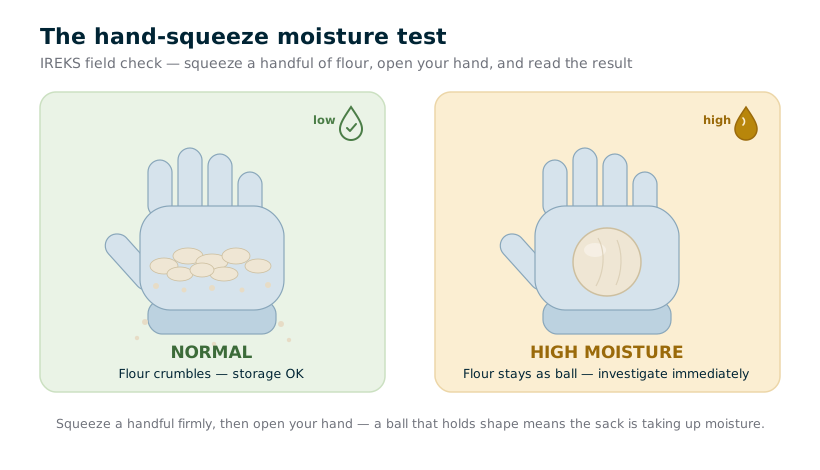 Two-panel illustration: left panel shows a gloved hand opening to reveal flour that crumbles into a loose powder (labelled 'Normal — flour crumbles'); right panel shows a gloved hand opening to reveal a compacted ball of flour (labelled 'High moisture — flour stays as ball — check immediately').
3. How temperature drives deterioration
The academic evidence
A published PMC study (2024) stored wheat flour at three temperatures — 15°C, 25°C, and 40°C — over 60 days, measuring oxidation markers every 10 days.
Key findings for bakers:
- At 15°C: the Total Oxidation Value (TOTOX) peaked at 6.74 by day 20, then declined and stabilised to 4.30 by day 60 — the best long-term preservation outcome. Secondary oxidation (p-anisidine value) also peaked at day 20 at 15°C and then declined, in contrast to progressive increase at higher temperatures.
- At 25°C: TOTOX rose progressively to 8.37 by day 60, indicating significant cumulative oxidation with no sign of stabilising.
- At 40°C: a 30% surge in TOTOX occurred between days 40 and 50, with erratic behaviour indicating breakdown of the oxidation system entirely.
- Free fatty acids (FFA) at 15°C increased by 50% over the full 60-day period — a meaningful but manageable rise.
- Lipase activity decreased by 32% at day 20 (40°C condition) — showing enzyme depletion accelerates at high temperature, meaning more enzyme damage to fat happens early and fast.
The conclusion for professional storage: 15°C is the most stable long-term temperature for flour. At 25°C (a common UK/European ambient bakery temperature in summer), quality drift is significant over 2–3 months.
Practical guidance: The 10–20°C range is the working target for daily-use flour. Long-term stock (opened during slow periods, slow-moving specialty flours) benefits from storage at 10–15°C. A separate, cooler store for reserve stock pays dividends in reduced waste and consistent quality.
The full data is in the table below.
Condensation — the hidden moisture source
Temperature fluctuation causes condensation. When a warm, humid air mass hits cold flour bags, moisture condenses on the sack surface and wicks through paper packaging. This is why flour should never be stored directly against cold external walls or floors — the surface temperature can drop below the dew point even when ambient RH is acceptable. The GoodMills T550 spec's requirement for an "airy place" addresses this indirectly: air circulation prevents cold pockets from forming.
4. Lipid oxidation — the invisible deterioration
Three-enzyme cascade in wholemeal and oat flour
In white refined flour (T450–T550), fat content is low (1.2–1.4 g/100g) and the enzyme-rich bran and germ have been largely removed by milling. Rancidity risk is low at correct storage conditions and within the spec-sheet shelf life.
In wholemeal wheat (T750, T850, Graham T1850), rye, and oat flour, the picture is different. The bran and germ are partially or fully retained, bringing:
- Higher fat content — T750: 1.8 g/100g; Rye T2000: 1.5 g/100g; Oat flour: 7.9 g/100g
- Active lipase enzyme — cleaves triglycerides to free fatty acids (FFAs)
- Lipoxygenase (LOX) — oxidises unsaturated FFAs to peroxides, then to rancid aldehydes and ketones
The process starts as soon as milling ruptures the grain structure. For rye flour, the rye bran contains more active lipase per unit than wheat bran. For oat flour, both the lipase activity and the substrate (fat) are far higher than wheat.
The PMC study confirmed the enzyme activity pattern: lipoxygenase peaked at 5.27 u/g at day 10 at 40°C, then declined 28% by day 20 — showing that most enzymatic damage to oat or wholemeal fats happens early in storage at elevated temperatures.
What rancid flour smells like
Rancid flour has a bitter, soapy, or paint-like odour. In oat flour, it is often described as cardboard-like or reminiscent of old cooking oil. In wholemeal rye, it may develop a sharp, fatty-acidic note that differs from normal rye's natural earthiness. Any of these odours in flour delivered to specification should be treated as a rejection criterion.
The comparison table below covers fat content, fibre, and rancidity risk by flour type.
5. Shelf life — what the spec sheets actually say
The table below summarises all spec-sheet shelf lives. Key points to note:
Supplier shelf life is a commercial guarantee, not the maximum safe period. The Wągrowiec Mill specifies 5 months; this is the period for which the mill guarantees the product meets its specification when stored correctly. Flour that has been correctly stored may remain usable beyond 5 months, but the supplier no longer guarantees the parameters.
The 5-month vs 9-month difference between Polish spec sheets and Matthews UK spec sheets reflects commercial market practice, not a fundamental difference in flour durability. Matthews flours are used in UK artisan and professional baking where longer shelf lives are demanded by the retail channel.
Refined white flour lasts longer than wholemeal, which in turn lasts longer than oat flour. The mechanism is simple: the more fat and active enzyme in the flour, the faster the clock runs.
General shelf-life benchmarks (trade consensus, multi-source, medium confidence):
- White/refined (T45–T550 class): 6–12 months under good conditions
- Wholemeal wheat, brown flour, Graham: 3–6 months
- Light rye (T720 class): approximately 3–5 months (estimate — not on GoodMills spec)
- Wholemeal rye (T2000 class): approximately 2–4 months (estimate)
- Oat flour: approximately 3–4 months from production; once opened, use within 2–4 weeks
- Spelt flour (light): comparable to wholemeal wheat, 3–6 months (Matthews spec guarantees 9 months in 16 kg sealed bag under directed conditions)
6. Flour conditioning and maturation after milling
What happens inside freshly milled flour
Freshly milled flour is not yet at its best for bread making. The grinding process ruptures starch granules, liberates lipids, and exposes proteins that are not yet fully oxidised. The sulphydryl groups (-SH) on cysteine residues in gluten proteins are in a reduced, weak state.
During the first 15–20 days after milling, three changes occur through slow atmospheric oxidation:
- Gluten strengthening: sulphydryl groups oxidise to disulphide bonds (-S-S-), forming stronger cross-links between glutenin chains. Dough becomes more elastic, more tolerant of extended fermentation, and better at retaining gas.
- Carotenoid bleaching: the yellow carotenoid pigments in the endosperm partially oxidise, lightening the flour's colour from yellow-tinged to cream-white.
- Enzyme stabilisation: proteolytic activators that weaken gluten are neutralised, reducing the rate of protein breakdown during fermentation.
The result: flour that has had 15–20 days of maturation produces stronger dough, better oven spring, and more volume than the same flour used immediately after milling.
Nutritional value does not change during maturation. The aged and fresh flour are nutritionally indistinguishable.
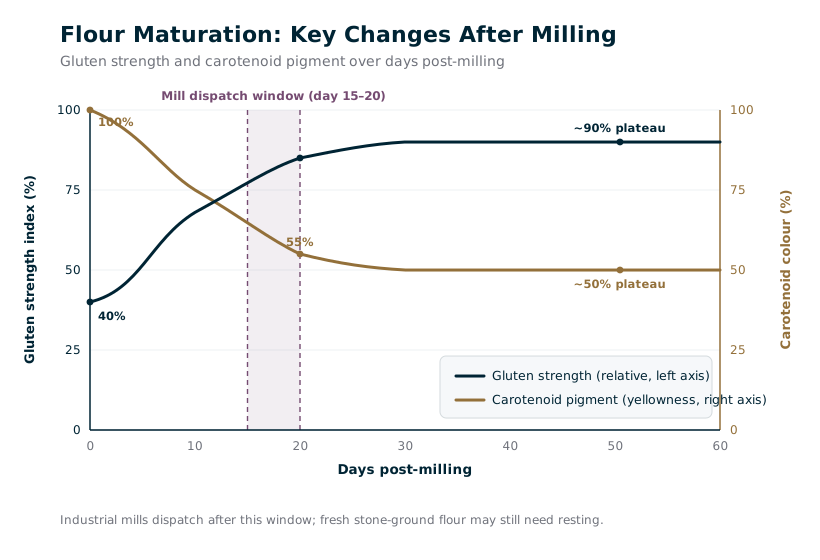 Line graph titled 'Flour maturation after milling'. X-axis: Days post-milling (0 to 60). Two lines: a rising blue line labelled 'Gluten strength (relative)' that rises steeply from day 0 to day 20 then plateaus; a declining yellow line labelled 'Carotenoid pigment (yellowness)' that drops from day 0 to day 20 then stabilises. A vertical dashed line at day 15–20 is labelled 'Commercially ready window'. Note at bottom: 'Industrial mills typically dispatch flour after this window. Fresh-stone-ground flour may not have reached it.'
Commercial flour vs. freshly milled flour
Professional mills (GoodMills, Wągrowiec Mill, Matthews Cotswold Flour) always dispatch flour after it has matured. Bakers using standard commercial flour from these suppliers do not need to rest it before use.
The maturation question is only relevant for:
- Fresh stone-ground flour from on-site or artisan mills (some craft bakeries mill their own grain)
- Flour received from a new artisan supplier that does not specify its post-milling resting period
If fresh-milled flour is used without maturation, the common remediation is ascorbic acid (vitamin C) at 20–50 ppm on flour weight. Ascorbic acid acts as an oxidising agent, converting -SH to -S-S- within minutes in the presence of oxygen, replicating the maturation chemistry at speed.
Chemical vs. natural maturation
Large-scale mills also use chemical maturing agents — primarily chlorine dioxide — to condense the 15–20 day natural oxidation period into hours. These are approved food additives in some markets (not EU-approved) and are not relevant for standard flour purchased from Domson suppliers, all of whom supply naturally matured or untreated flour.
7. Stock management in the professional bakery
FIFO — the non-negotiable rule
Every flour storage system must operate on First In, First Out (FIFO): flour delivered earlier must be used before flour delivered later, regardless of where it was stored.
The practical implementation:
- Mark every sack or container with its delivery date on arrival.
- Stack new deliveries behind existing stock, not on top.
- Organise shelving or racking so the oldest stock is always at the front or closest to the work area.
- Audit FIFO compliance weekly — it breaks down when one delivery is placed on top of another.
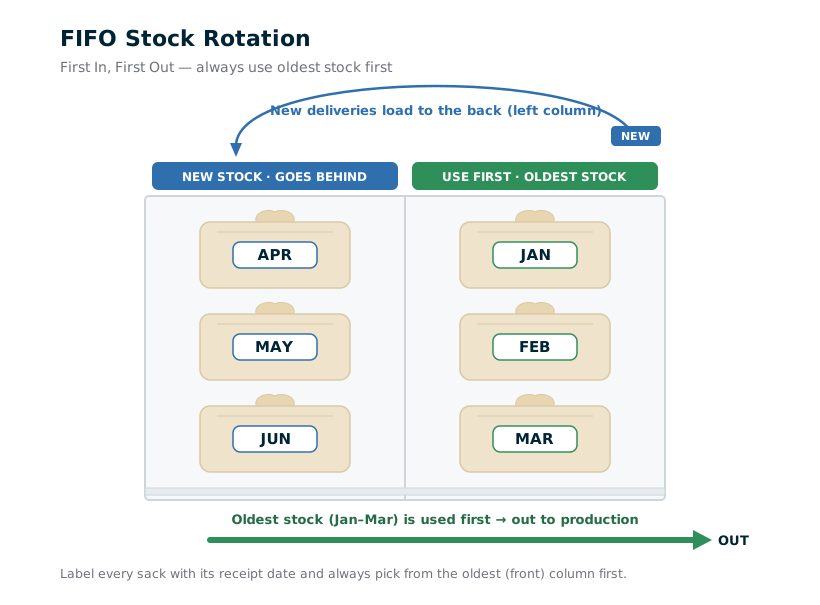 Schematic diagram showing a shelving bay with two columns of stacked flour sacks. Sacks on the right (closest to the user) have earlier dates and an 'USE FIRST' arrow; sacks on the left have later dates. New deliveries go to the back. Labels explain the FIFO principle.
Physical storage requirements
The GoodMills T550 spec's requirement for a "dry, airy place" and Matthews' requirement for "good air circulation and freedom from pests" are the minimum standards. In a professional bakery context this translates to:
- Pallets: flour sacks must never be placed directly on the floor. Use wooden or plastic pallets to allow air circulation underneath.
- Wall clearance: maintain at least 50 cm between flour stacks and external walls to prevent condensation transfer and allow pest inspection.
- Ventilation: the store should have controllable ventilation — enough air movement to prevent humidity pockets, but not external air draws that import high-humidity air.
- Temperature control: a thermometer and hygrometer should be permanently mounted in the store. Record readings at least weekly.
- No direct sunlight: UV light accelerates lipid oxidation and vitamin degradation. Sealed or frosted windows only.
- Pest exclusion: self-closing doors, sealed floor-to-wall joints, and external pest-control stations. Monitor with sticky traps inside the store.
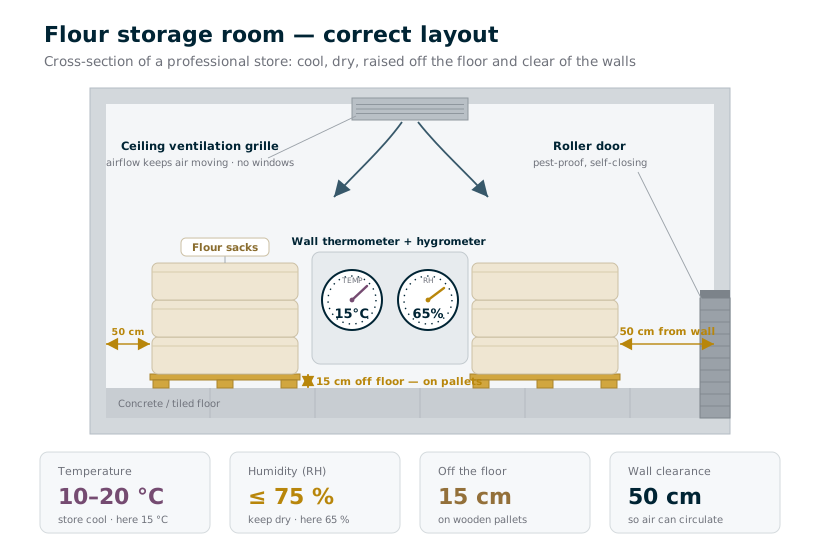 Diagram of a professional flour store showing palletised sack stacks with 50 cm wall clearance, thermometer reading 15°C, hygrometer showing 65% RH, ventilation arrows and a sealed pest-proof door.
Container choice for opened stock
Bulk flour in 20–50 kg sacks is generally used quickly enough that the original packaging is adequate. The problem is opened sacks: once a paper sack is cut, it no longer provides any moisture barrier. Transfer remaining flour from opened sacks to:
- Airtight food-grade plastic or stainless steel bins with fitted lids
- Food-grade buckets with clip lids and inner liner bags
- Any container that provides at minimum two sealed layers between flour and ambient air
Label every container with the flour type, the original delivery date, and the date the sack was opened.
Managing slow-moving specialist flour
Oat flour, wholemeal rye, and spelt flour often move more slowly than bread flour staples. For slow-moving stock:
- Refrigeration (4–10°C) extends usable life significantly. Academic evidence confirms cold storage preserves falling number, protein quality, and baking performance that ambient storage progressively degrades.
- Freezing (≤-18°C): kills pest eggs and larvae within approximately 4 days; extends white flour to approximately 2 years, wholemeal to approximately 1 year. Thaw gradually: move from freezer to refrigerator, then to room temperature, to prevent condensation forming on the cold flour surface.
- Opened oat flour: refrigerate immediately after opening and use within 2–4 weeks.
8. Microbiological limits — what the spec sheets specify
The GoodMills Polska T550 spec includes explicit typical microbiological limits. These are the baseline values at delivery:
- Total aerobic count: ≤ 5×10⁵ cfu/g
- Yeasts: ≤ 1×10⁴ cfu/g
- Moulds: ≤ 1×10⁴ cfu/g
- Salmonella: absent in 25 g
The same microbiological structure applies to both GoodMills rye flours (T720 and T2000), with the addition of Bacillus cereus/subtilis ≤ 1×10³ cfu/g and Enterobacteriaceae ≤ 1×10⁵ cfu/g.
The complete comparison table is below.
FOOD-SAFETY NOTE: Flour is a raw ingredient — it is not ready to eat. All flour must be heat-treated (baked) before consumption. Salmonella has been detected in commercial flour batches globally in past years (multiple recalls); the zero-tolerance spec limit means any positive Salmonella test on incoming flour is an automatic rejection. If you receive a positive test from a third-party lab on any flour, do not use the batch and contact the supplier immediately.
The presence of low levels of Bacillus cereus spores in flour is normal and does not make the flour unsafe for baking. However, post-bake cross-contamination of finished baked goods (from flour surfaces, tools, or airborne spores) is a real food-safety risk, particularly in bakeries that also handle ready-to-eat products.
9. Fault guide — common storage-related baking problems
The fault table maps each deterioration mechanism to its baking symptom and gives the correct response. The most common failures are:
Rancid off-note in finished product: almost always oat flour or wholemeal flour past its peak, or stored too warm. Check opening date on oat flour containers; use oat flour well within the marked shelf life.
Flat bread, gummy crumb, sticky dough from a delivery that previously performed well: check the Hagberg Falling Number on the new lot. If significantly below 220 s, you may be dealing with a batch of sprouted grain. Contact the supplier.
Dough that is suddenly weaker: check the sack date. If the flour is approaching or past the spec-sheet shelf life and has been stored at ambient summer temperature, protein degradation (proteolytic activity) may have progressed. A bread improver containing ascorbic acid (20–50 ppm on flour weight) is the short-term fix; order fresher stock.
Freshly stone-ground flour giving unexpectedly tight, inelastic dough: this is maturation deficit. Rest the flour for 15–20 days at 15–20°C before use, or supplement with ascorbic acid.
10. Storage specifications at a glance: the Domson catalogue
| Product | Shelf life (spec) | Moisture max | RH limit | Storage instruction | Source |
|---|---|---|---|---|---|
| Wheat T450 25 kg | 5 months | 15.0% | ≤75% (inferred, PN-91/A-74017) | Per PN-91/A-74017 | Supplier spec sheet |
| Wheat T500 25 kg | 5 months | 15.0% | ≤75% (inferred) | Per PN-91/A-74017 | Supplier spec sheet |
| Wheat T550 GoodMills 25 kg | 5 months | 15.0% | ≤75% (explicit) | Dry, airy, PN-91/A-74017 | Supplier spec sheet |
| Wheat T550 Komplexmłyn 25 kg | 5 months | 15.0% | ≤75% (inferred) | Per PN-91/A-74017 | Supplier spec sheet |
| Wheat T750 Domson Bread 25 kg | 5 months | 15.0% | ≤75% (inferred) | Per PN-91/A-74017 | Supplier spec sheet |
| Wheat T850 25 kg | 5 months | 15.0% | ≤75% (inferred) | Per PN-91/A-74017 | Supplier spec sheet |
| Rye T720 20 kg / 25 kg | Not stated | <15.0% | ≤75% (inferred) | Same micro spec as T550 | Supplier spec sheet |
| Rye T2000 Wholemeal 40 kg | Not stated | <15.0% | ≤75% (inferred) | Same micro spec as T550 | Supplier spec sheet |
| Oat Flour 25 kg (Agrol) | Not stated | max 11.0% | 60–65% recommended (practitioner) | Not stated; cool dry store, airtight after opening | Supplier spec sheet |
| Windrush Strong White 16 kg | 9 months (16 kg); 12 months (1.5 kg) | 15.0% | Not stated | Cool, dry, dark, good air circulation, pest-free | Supplier spec sheet |
| Light Spelt Flour 16 kg | 9 months (16 kg); 12 months (1.5 kg) | 15.0% | Not stated | Cool, dry, dark, good air circulation, pest-free | Supplier spec sheet |
Coverage notes and gaps
Solid: Moisture limits (max 15% for all wheat and rye; max 11% for oat flour), shelf life for all Wągrowiec Mill Polish flours (5 months) and both Matthews flours (9 months / 12 months), microbiological limits for GoodMills T550 and rye flours, storage instructions per PN-91/A-74017, maturation mechanism and chemistry, lipid oxidation mechanism, temperature effect on oxidation (quantified by PMC study), 75% RH threshold (confirmed by spec and academic evidence).
Medium confidence: Rye flour shelf life (not stated on GoodMills spec; 3–5 month benchmark is practitioner estimate). Oat flour shelf life (not stated on Agrol spec; 3–4 months is an inferred figure based on fat content and comparable high-fat flour data). The 15–20 day maturation window (confirmed by two independent trade sources but no controlled experiment at bakery storage conditions).
Single-source items (flagged): Agrol oat flour moisture limit of 11% is single-source (spec sheet); it is mechanistically supported but not independently cross-checked against a second specification. The recommended RH of 60–65% for oat flour storage is a practitioner inferred limit, not stated in any spec sheet or trade document reviewed.
Gap — rye flour shelf life: Neither GoodMills Rye T720 nor T2000 spec states a shelf life. Recommend requesting this from GoodMills Polska for the next revision of this article.
Gap — temperature specification: None of the Polish flour spec sheets state a storage temperature. The 10–20°C range is supported by multiple trade and academic sources but not by a first-party supplier document.
Follow-up recommended: Request updated GoodMills Rye T720 and T2000 spec sheets that include explicit shelf life and storage conditions. Request Agrol Oat Flour shelf life figure and recommended RH limit.
Shelf-life figures combine first-party supplier specification sheets (primary authority) with professional trade benchmarks where spec sheets are silent. Spec-sheet shelf lives reflect the supplier's commercial guarantee under the stated conditions; actual degradation onset may differ. All temperature and RH figures are best-practice targets; only the GoodMills T550 spec explicitly states a maximum RH of 75%.
| Flour type | Spec-sheet shelf life | Spec-sheet source | Max moisture | Storage RH (max) | Storage temperature (best practice) | Primary deterioration risk | Spec-confirmed? |
|---|---|---|---|---|---|---|---|
| Wheat T450 (white, refined) | 5 months | Wągrowiec Mill NR 1/MILL WHEAT/2023 | max 15.0% | ≤75% (inferred from PN-91/A-74017) | 10–20°C | Staling, minor enzyme drift at high temperature | Yes |
| Wheat T500 (white, refined) | 5 months | Wągrowiec Mill NR 2/MILL WHEAT/2023 | max 15.0% | ≤75% (inferred) | 10–20°C | Staling, minor enzyme drift | Yes |
| Wheat T550 GoodMills (fortified) | 5 months | GoodMills Polska NR 03 W Ed.17, 2025 | max 15.0% | ≤75% (explicit in spec) | 10–20°C; dry, airy | Mould above 75% RH; enzyme/quality drift at high temp | Yes |
| Wheat T550 Komplexmłyn | 5 months | Wągrowiec Mill NR 3/MILL WHEAT/2023 | max 15.0% | ≤75% (inferred) | 10–20°C | Staling, minor enzyme drift | Yes |
| Wheat T750 (Domson Bread Flour) | 5 months | Wągrowiec Mill NR 4/MILL WHEAT/2023 | max 15.0% | ≤75% (inferred) | 10–20°C | Higher bran fat → faster oxidative rancidity than T450 | Yes |
| Wheat T850 (brown) | 5 months | Wągrowiec Mill NR 5/MILL WHEAT/2024 | max 15.0% | ≤75% (inferred) | 10–20°C | Bran rancidity risk; faster than T450/T550 | Yes |
| Rye T720 (GoodMills) | Not stated in spec | GoodMills No. 09 v12, 2022 | < 15.0% | ≤75% (inferred; same microbio limits) | 10–20°C | Rye lipase activity; pentosan absorption changes | Partial (micro limits only) |
| Rye T2000 Wholemeal (GoodMills) | Not stated in spec | GoodMills No. 12 v11, 2022 | < 15.0% | ≤75% (inferred) | 10–20°C | High bran content — rancidity and mould risk faster | Partial |
| Oat Flour 25 kg (Agrol) | Not explicitly stated | Agrol SWG/18 Ed.04, 2024 | max 11.0% (tighter!) | ≤60–65% recommended (inferred — see note) | Cool: 10–15°C preferred | Highest rancidity risk: fat 7.9g/100g + active lipase/LOX | Partial |
| Windrush Strong White 16 kg (Matthews) | 9 months (16 kg bag); 12 months (1.5 kg) | Matthews Rev. 17, 2019-01-24 | max 15.0% (target 14.5%) | Not stated; good air circulation required | Cool, dark, away from sunlight | Mainly staleness/mould if conditions break down | Yes |
| Light Spelt Flour 16 kg (Matthews) | 9 months (16 kg bag); 12 months (1.5 kg) | Matthews Rev. 002, 2020-07-07 | max 15.0% (target 14.5%) | Not stated; good air circulation required | Cool, dark, away from sunlight | Spelt fat slightly higher than white wheat; mild rancidity risk | Yes |
Oat flour RH note: the Agrol spec does not state an RH limit. Its tighter moisture maximum (11% vs 15% for wheat) reflects oats' higher fat content (7.9 g/100g) and active lipase enzymes. An RH of 60–65% is recommended for oat flour by best practice to maintain the 11% moisture cap; at 75% RH a hygroscopic grain such as oat flour can equilibrate above 11% moisture. This is a practitioner inferred limit — flag for supplier confirmation.
Data from PMC academic study: wheat flour stored at three temperatures over 60 days. Samples taken every 10 days. TOTOX = total oxidation value (primary + secondary oxidation products combined). Lower TOTOX = better preserved quality.
| Storage temperature | TOTOX at day 0 | TOTOX at day 20 | TOTOX at day 60 | Free fatty acid change | Lipase activity | Practical interpretation |
|---|---|---|---|---|---|---|
| 15°C | 2.46 | 6.74 (peak) | 4.30 (declines after peak) | +50% FFA over period | Decreases; significant from day 40 | Best preservation: TOTOX peaks early then stabilises — use for long-term stock |
| 25°C | 2.46 | Rising progressively | 8.37 (highest at 60d) | Progressive increase | Decreasing trend | Significant cumulative oxidation — limit stock time to ≤3 months |
| 40°C | 2.46 | Rapid oxidation; TOTOX +30% between days 40–50 | Very high (unstable) | Erratic; LOX peaks 5.27 u/g at day 10, -28% by day 20 | Sharp initial then decline | Do NOT store flour above 30°C — rapid quality destruction |
These figures apply to refined wheat flour. Wholemeal and oat flour — with higher initial fat contents and more active lipolytic enzymes — would be expected to degrade faster at all three temperatures. Falling number (HFN) change with temperature is documented by the ScienceDirect long-term study but specific numeric HFN-vs-temperature curves are behind paywall — confirmed directionally (cold = preservation; ambient = drift).
Quality control checks a professional baker should perform at goods-in and at regular intervals during storage. Organised from most obvious (sensory) to least obvious (analytical).
| Check | Normal appearance | Warning sign | Action | Underlying cause |
|---|---|---|---|---|
| Odour | Clean cereal/neutral | Musty, rancid, bitter, or sour smell | Reject/quarantine — do not use | Mould (musty), lipid oxidation (rancid), microbial activity (sour) |
| Colour (visual) | White to cream-white; rye: grey; oat: grey-white | Yellowing of white flour (old carotenoids); grey patches on white flour; visible dark spots | Investigate — yellowing = old stock; dark spots = mould | Carotenoid oxidation = natural aging; dark spots = fungal growth |
| Insect/pest presence | None | Any moth larvae, weevil, flying insects, or fine webbing on sack surface | Discard batch; inspect entire store; deep-clean | Pest infestation — flour moth (Ephestia kuehniella) or grain weevil |
| Hand-squeeze moisture test | Flour crumbles to loose powder when released | Flour stays as a compacted ball | Measure actual moisture immediately; reject if >15% | Moisture uptake in storage — RH exceeded or condensation |
| Sack condition | Intact, dry, no staining | Damp patches, water staining, torn seams, mould on outer sack | Reject if compromised; dry patches only — rehouse in sealed container | External moisture or pest damage |
| Falling number (lab) | ≥220 s (wheat spec minimum) | Significant drop below 220 s (wheat) — test on delivery dispute | Contact supplier; may indicate germinated grain in batch | Alpha-amylase from sprouting — worsens in warm, moist storage |
| Sensory in bake | Expected colour, crumb, crust | Flat bread, gummy crumb, poor crust colour | Check HFN; check moisture; check storage history | Multiple — could be HFN issue, moisture issue, or protein quality change |
Storage sensitivity is driven by fat content (drives rancidity risk), bran content (drives water uptake and enzyme activity), and protein matrix (drives moisture-induced quality drift). Values from first-party spec sheets where available; nutritional panel values used for fat.
| Flour type | Fat (g/100g from spec) | Dietary fibre (g/100g) | Moisture limit | Relative rancidity risk | Relative moisture-sensitivity | Shelf-life band |
|---|---|---|---|---|---|---|
| Wheat T450 (Wągrowiec Mill) | 1.2 | 2.5 | max 15% | Low | Low | 5 months (spec) |
| Wheat T500 (Wągrowiec Mill) | 1.3 | 2.5 | max 15% | Low | Low | 5 months (spec) |
| Wheat T550 GoodMills | Not on spec (nutritional: ~1.4) | ~2.5 (est.) | max 15% | Low | Low | 5 months (spec) |
| Wheat T750 (Wągrowiec Mill) | 1.8 | 2.9 | max 15% | Low–medium (more bran fat) | Low–medium | 5 months (spec) |
| Wheat T850 (Wągrowiec Mill) | ~1.8 (est.) | ~3.0 (est.) | max 15% | Medium (bran germ exposure) | Medium | 5 months (spec) |
| Rye T720 (GoodMills) | 1.1 | 7.4 | < 15% | Medium (rye has active lipase) | Medium–high (pentosans absorb water) | Not stated (est. 3–5 months) |
| Rye T2000 Wholemeal (GoodMills) | 1.5 | 14.4 | < 15% | High (full grain, active enzymes) | High (very hygroscopic) | Not stated (est. 2–4 months) |
| Oat Flour 25 kg (Agrol) | 7.9 | 10.3 | max 11% | Very high (7.9g fat + active LOX) | High (hygroscopic) | Not explicitly stated; est. 3–4 months |
| Light Spelt 16 kg (Matthews) | 2.0 | 4.5 | max 15% | Low–medium (slightly higher fat than white wheat) | Low–medium | 9 months (spec, 16 kg bag) |
| Windrush Strong White 16 kg (Matthews) | 1.4 (nutritional) | 3.1 (nutritional) | max 15% | Low | Low | 9 months (spec, 16 kg bag) |
Fat values from nutritional panels on spec sheets, not from quality specification sections. Rye flour rancidity risk is driven not just by fat content (which is relatively low) but by the high activity of endogenous rye lipase enzymes; this enzyme activity is higher in rye than in wheat per unit of bran. Oat flour's very high fat (7.9 g/100g) combined with active oat lipase makes it the highest-risk flour in this catalogue for rancidity.
Figures extracted directly from GoodMills Polska spec sheets. These are typical levels at production, not legal maxima. They represent the baseline quality at delivery; any flour exceeding these in incoming QC tests should be queried with the supplier.
| Organism | GoodMills T550 limit (per g) | GoodMills Rye T720 limit (per g) | GoodMills Rye T2000 limit (per g) | Agrol Oat Flour limit (per g) | Relevance to storage |
|---|---|---|---|---|---|
| Total viable count (aerobic) | ≤5×10⁵ | ≤5×10⁵ | ≤5×10⁵ | <1×10⁵ | Rising TVC in stored flour = moisture or temperature problem |
| Yeasts | ≤1×10⁴ | ≤1×10⁴ | ≤1×10⁴ | <1×10⁴ | Yeast growth requires moisture >14%; indicates poor storage |
| Moulds | ≤1×10⁴ | ≤1×10⁴ | ≤1×10⁴ | <1×10⁴ | Mould = RH exceeded 75%; discard batch |
| Staphylococcus aureus | ≤1×10² | ≤1×10² | ≤1×10² | <10 | Indicator of poor hygiene — not directly storage-related |
| Coliforms | npl 5×10⁴ | ≤5×10⁴ | ≤5×10⁴ | <10 | Indicator of post-milling contamination |
| Escherichia coli | npl 1×10¹ | ≤1×10¹ | ≤1×10¹ | <1 | Sanitation indicator |
| Enterobacteriaceae | — | ≤1×10⁵ | ≤1×10⁵ | — | Broader Gram-negative group check |
| Bacillus cereus / subtilis | — | ≤1×10³ | ≤1×10³ | — | Spore-former; heat-stable; relevant for heat-treated products |
| Salmonella | Absent / 25 g | Absent / 25 g | Absent / 25 g | Absent / 25 g | Zero tolerance — reject any positive result immediately |
FOOD-SAFETY NOTE: Salmonella and Bacillus cereus figures are legally significant. Flour must be treated as a raw food ingredient — it is not ready to eat. All flour must be heat-treated (baked) before consumption. The presence of Bacillus cereus spores in flour is normal and does not make the flour unsafe for baking, but post-bake cross-contamination of ready-to-eat products is a food-safety risk. Agrol Oat Flour spec notes oats are classified as a gluten-containing cereal under EU/UK law; declare GLUTEN on all products containing this flour despite no wheat being present.
| Fault observed | Likely cause | Effect on baking if used | Prevention / Remedy |
|---|---|---|---|
| Rancid or musty odour in flour | Lipid oxidation (rancidity) or mould growth due to excess moisture or heat | Off-flavours and odours in finished product; potential food-safety risk if mould present | Discard affected stock; investigate storage RH and temperature; do not blend to mask odour |
| Flour stays as a ball in hand-squeeze test | Moisture content has risen above ~14–15%; condensation or RH breach | Recipe water imbalance (dough too soft); mould risk | Measure moisture; reject if >15%; improve ventilation, check for roof leaks or cold spots causing condensation |
| Flat bread, collapsed loaf, sticky crumb from flour previously performing well | Falling number has dropped (HFN now <200 s); may occur if flour was stored warm and damp, or new delivery is from sprouted grain | Unusable for standard bread without remediation; blending reduces severity | Test HFN on incoming lot; reject sub-200 s batches for sourdough; blend with high-HFN flour if necessary |
| Pale crust, tight crumb despite normal process | Possible HFN too high (>400 s — low amylase) from a very dry growing season, or flour over-aged and enzyme-depleted | Insufficient sugar for Maillard; poor gas production in short fermentations | Supplement with diastatic malt flour at 0.1–0.3% on flour weight |
| Dough noticeably weaker than usual from same flour type | Flour may be at end of shelf life; protein/gluten network degraded by proteolytic enzyme action during prolonged warm storage | Reduced gas retention, flat bread, poor crust | Check receipt date vs. spec shelf life; request fresh delivery; use bread improver with ascorbic acid as short-term fix |
| Insect larvae or webbing visible on sack or in flour | Flour moth (Ephestia kuehniella) or grain weevil infestation; entry via compromised packaging, poor door seals, or nearby infestation | Adulteration — do not use; food-safety and regulatory risk | Discard batch; deep-clean store; freeze new purchases for approximately 4 days at or below -18°C before storage to kill eggs and larvae; seal all entry points; use sticky pest traps as monitoring |
| Freshly stone-ground flour gives tight, inelastic dough | Flour is immature — has not had 15–20 days for natural oxidation to strengthen gluten | Short dough, poor oven spring, dense crumb — worse than expected from flour specification | Rest freshly milled flour for at least 15–20 days at 15–20°C before use, or use ascorbic acid at 20–50 ppm to simulate maturation |
| Opened sack of oat flour smells fine on Monday, rancid by Friday | Oat flour's high fat (7.9 g/100g) and active lipase enzymes cause rapid oxidation once the sealed sack is opened and exposed to air | Off-flavours in finished product | Transfer opened oat flour to a sealed airtight container immediately; store at 10–15°C; use within 2–4 weeks of opening; consider refrigeration for slow-moving stock |
- Standard:
- PN-91/A-74017
- Shelf life months:
- 5
- Moisture max pct:
- 15
- Method moisture:
- PN-EN ISO 712
- Products:
- T450, T500, T550-komplexmlyn, T750, T850
- Standard:
- PN-91/A-74017
- Shelf life months:
- 5
- Moisture max pct:
- 15
- Rh max pct:
- 75
- Conditions:
- dry, airy
- Packaging:
- paper sacks 10–50 kg or bulk
- Shelf life months:
- not stated
- Moisture max pct:
- 15
- Note:
- Same microbiological spec structure as GoodMills T550; RH limit not stated explicitly but inferred same standard
- Moisture max pct:
- 11
- Shelf life months:
- not stated
- Note:
- Tighter moisture cap reflects high fat content (7.9 g/100g) and rancidity risk
- Shelf life months 16kg:
- 9
- Shelf life months 1 5kg:
- 12
- Moisture max pct:
- 15
- Moisture target pct:
- 14.5
- Conditions:
- cool, dry, away from sunlight and strong odours, good air circulation, pest-free
- Temperature working C:
- 10–20
- Temperature longterm C:
- 10–15
- Rh max pct:
- 75
- Moisture wheat rye max pct:
- 15
- Moisture oat max pct:
- 11
- Maturation period days:
- 15–20 (freshly milled only)
- Fifo:
- required — always use oldest stock first
- Pest freeze duration:
- approximately 4 days at ≤-18°C kills eggs and larvae (King Arthur Baking; MAE Innovation cites 48 hours — use the more conservative 4-day figure)
- Salmonella:
- absent in 25 g — zero tolerance
- Moulds max per g:
- 1×10⁴ (GoodMills spec)
- Food safety note:
- Flour is a raw ingredient — must be heat-treated before consumption. All downstream products containing gluten-containing flour (including oat flour) must declare GLUTEN allergen.
Buy the ingredients
Catalogue products and brands referenced in this article.
Wheat Flour Type 450 25 kg
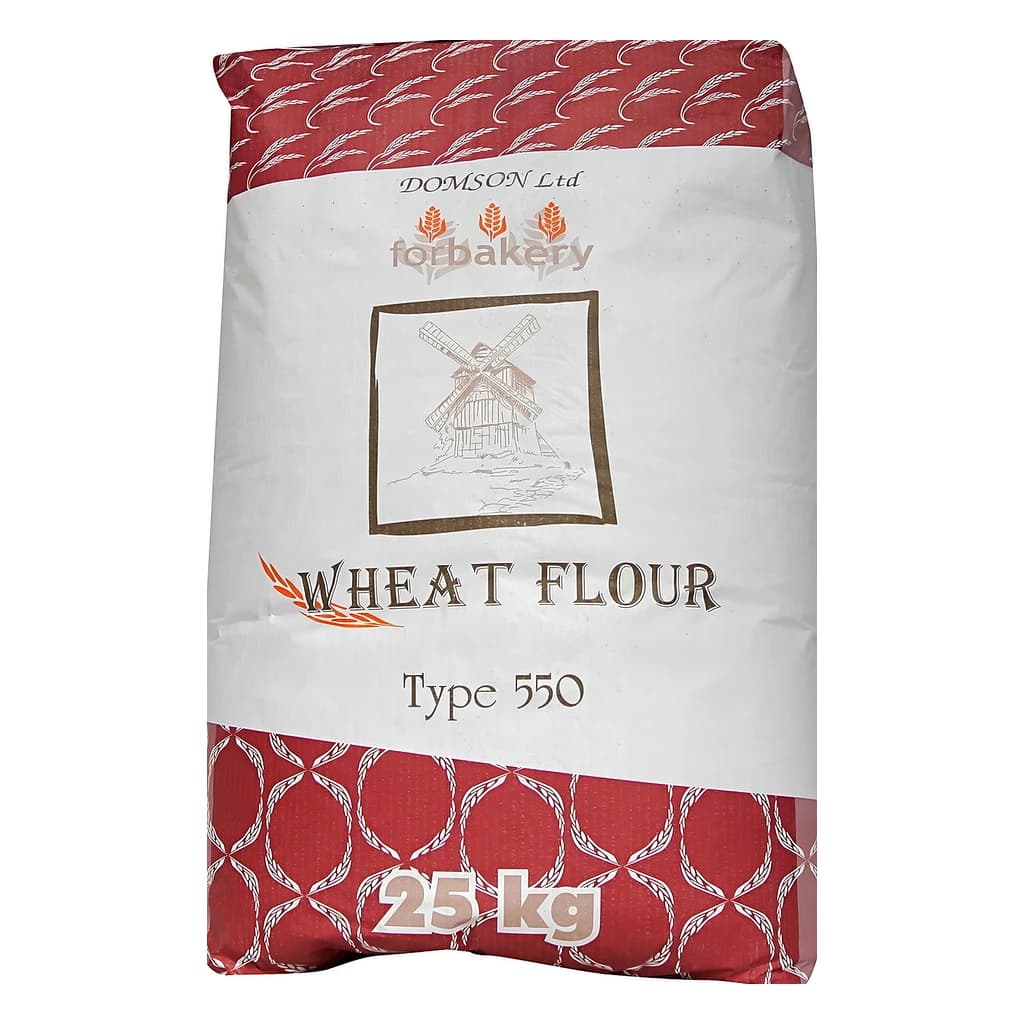
Wheat Flour Type G 550 25 kg

Rye Flour Type 720 20 kg
Wheat Flour Type 850 25 kg
Oat Flour 25 kg
Domson Bread Flour Type 750 25 kg
Komplexmłyn Wheat Flour Type 550 25 kg
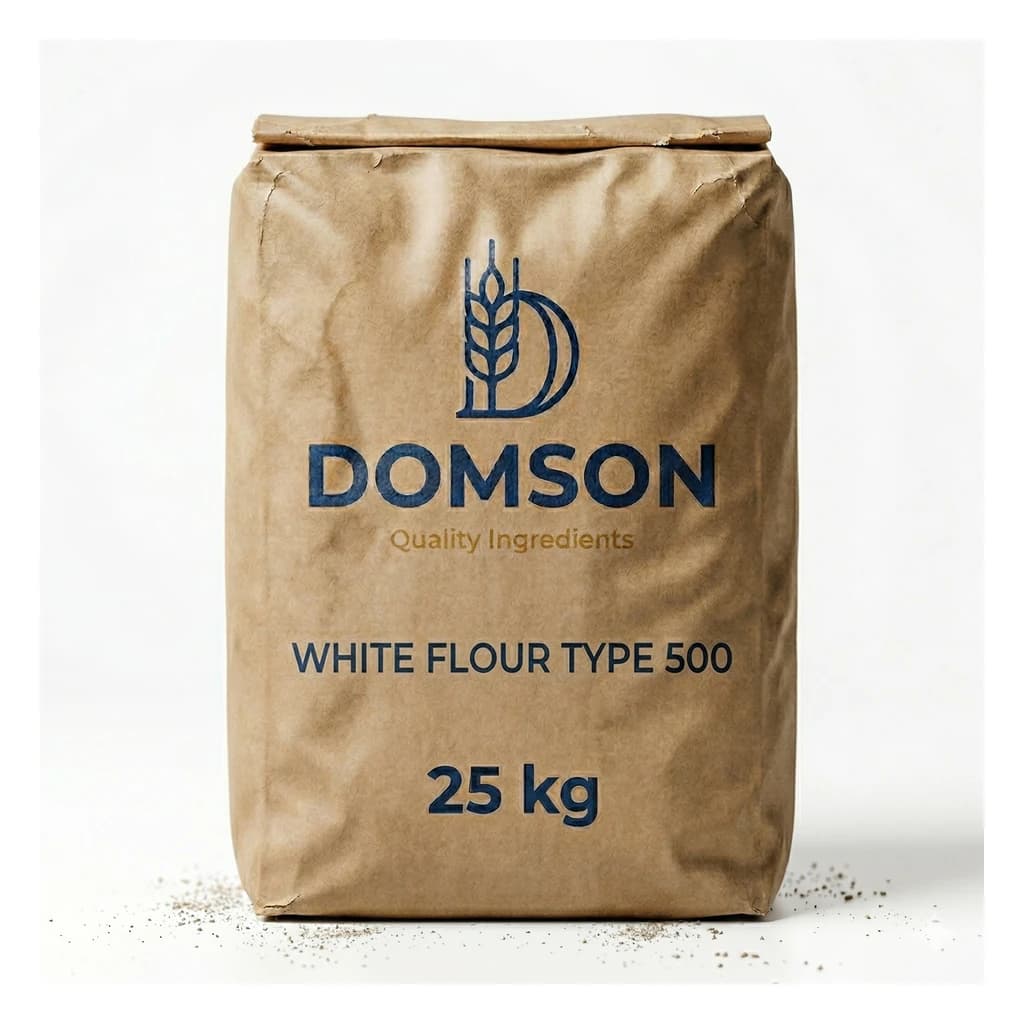
Domson White Flour Type 500 25 kg
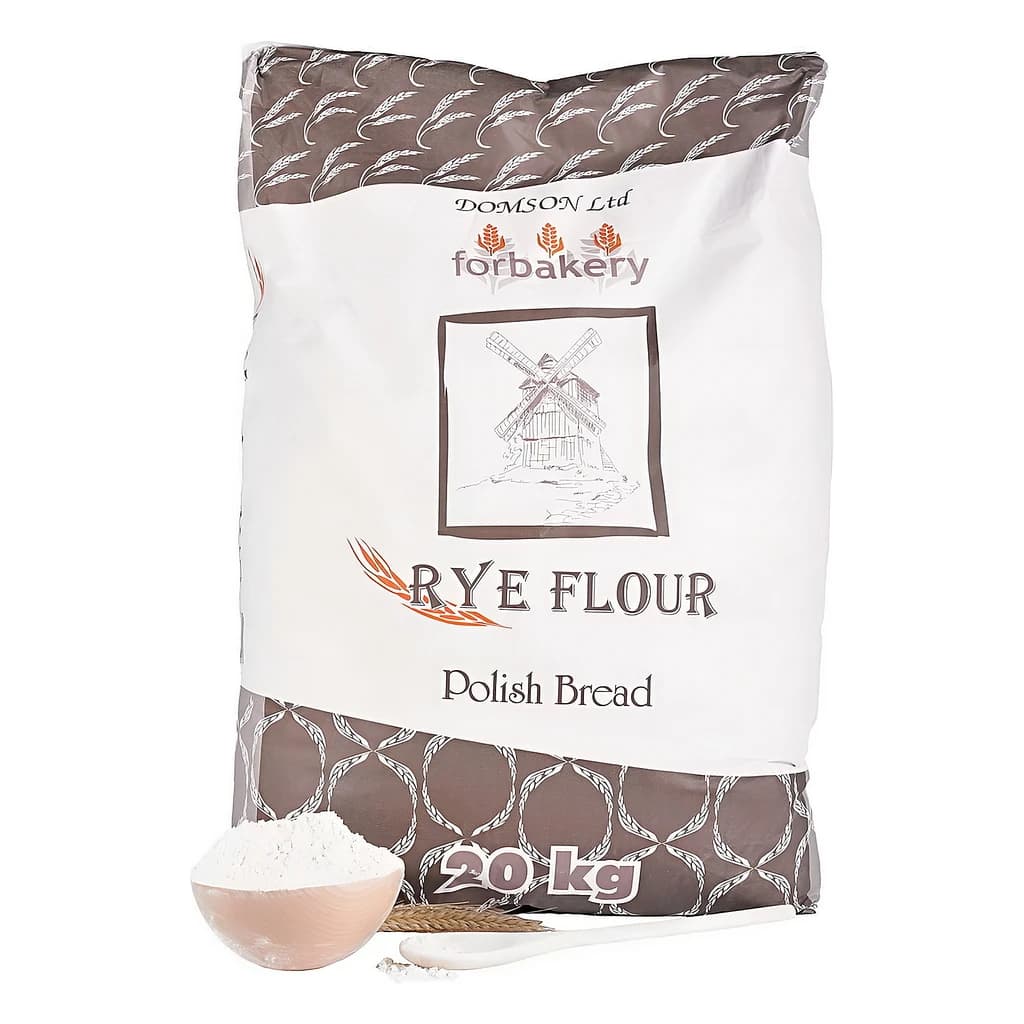
Rye Flour Type 720 25 kg
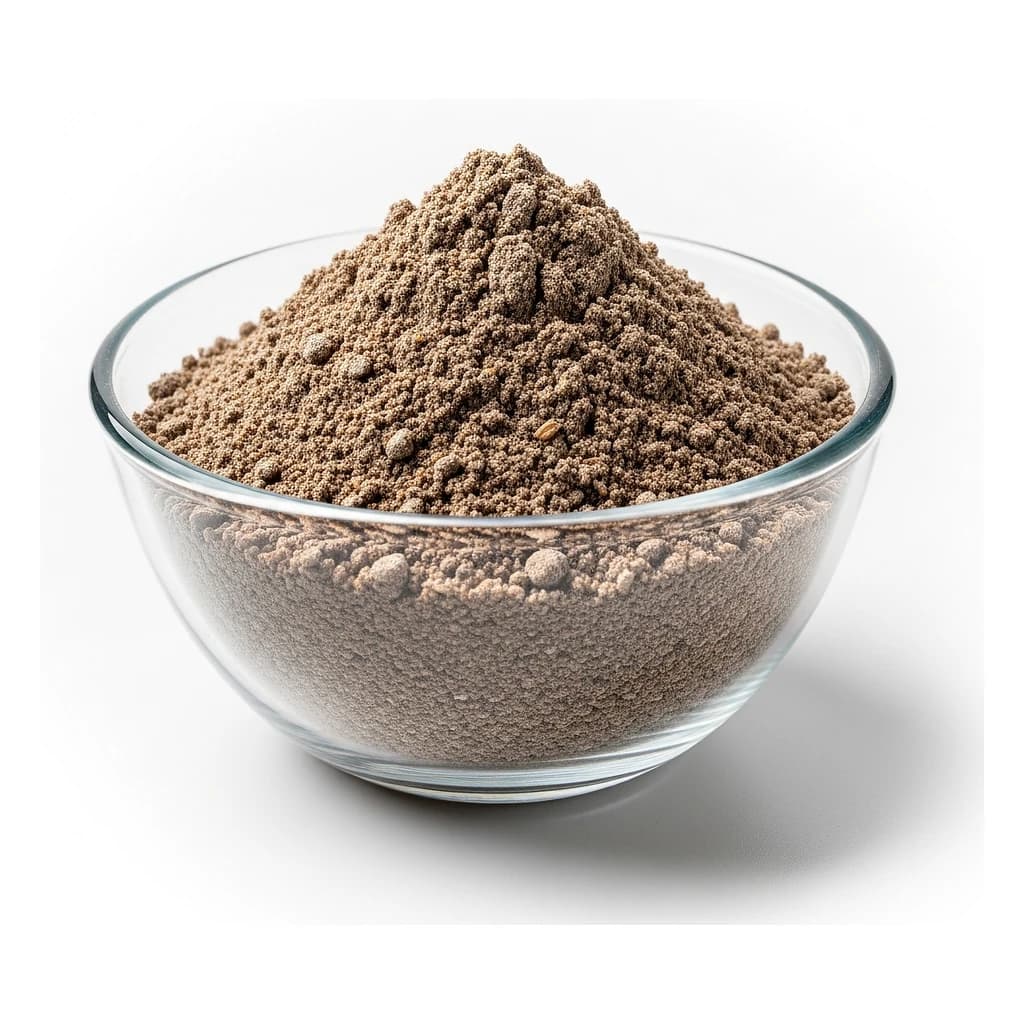
Wholemeal Rye Flour Type 2000 40 kg
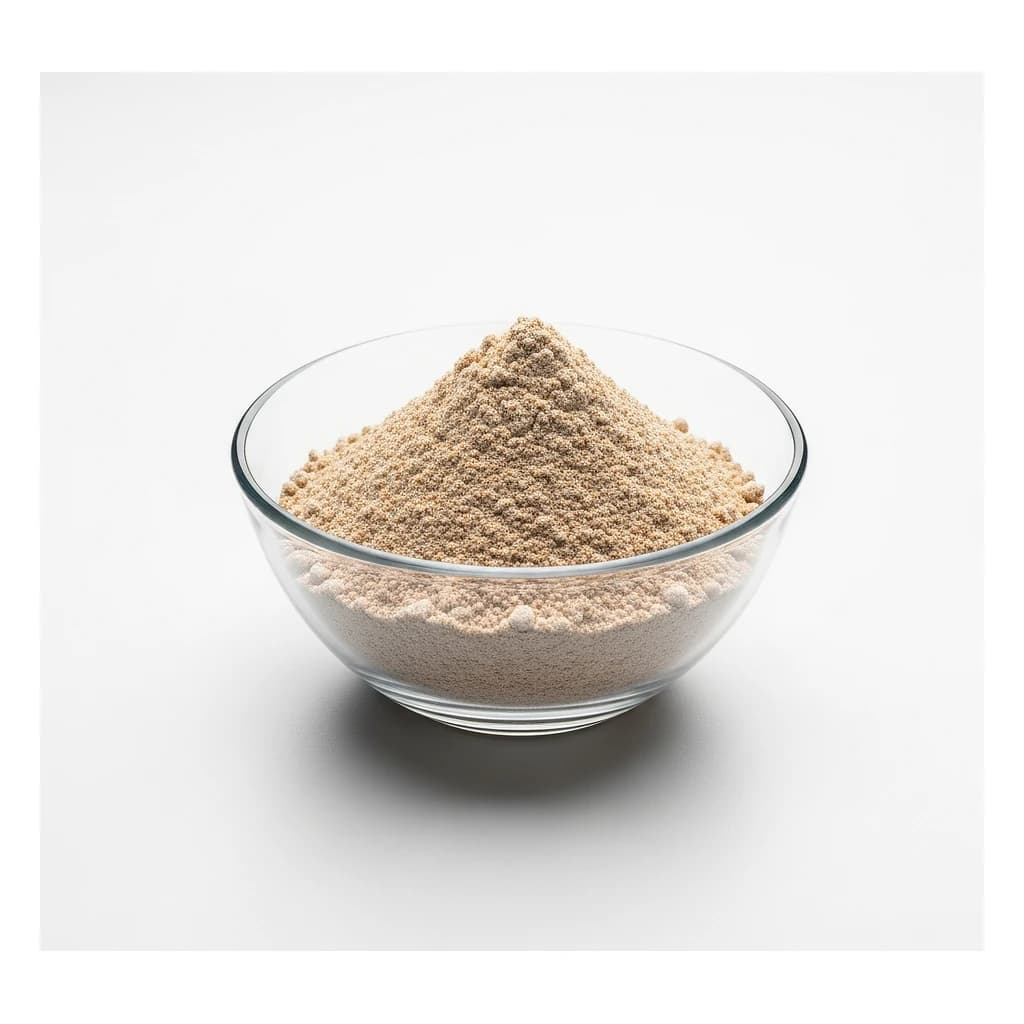
Graham Wheat Flour Type 1850 40 kg
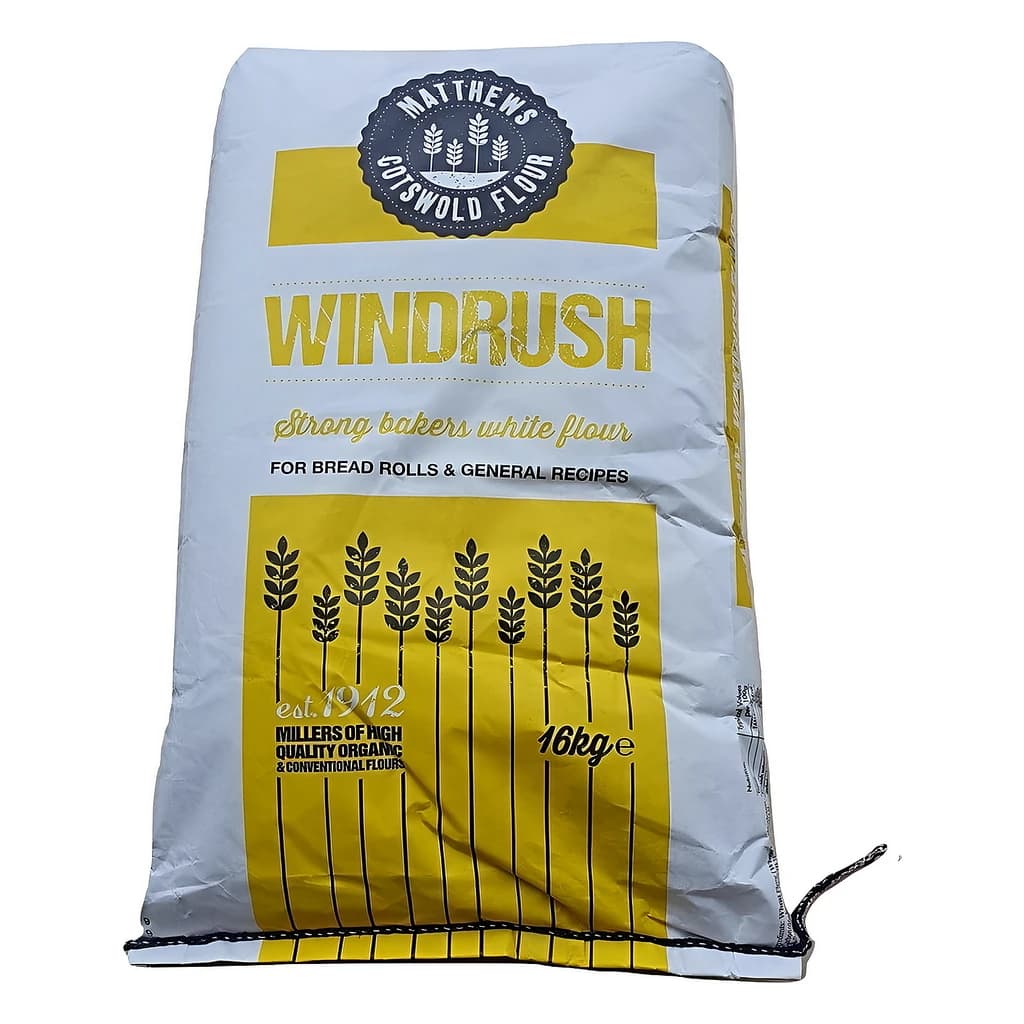
Windrush Strong White Bread Flour 16 kg
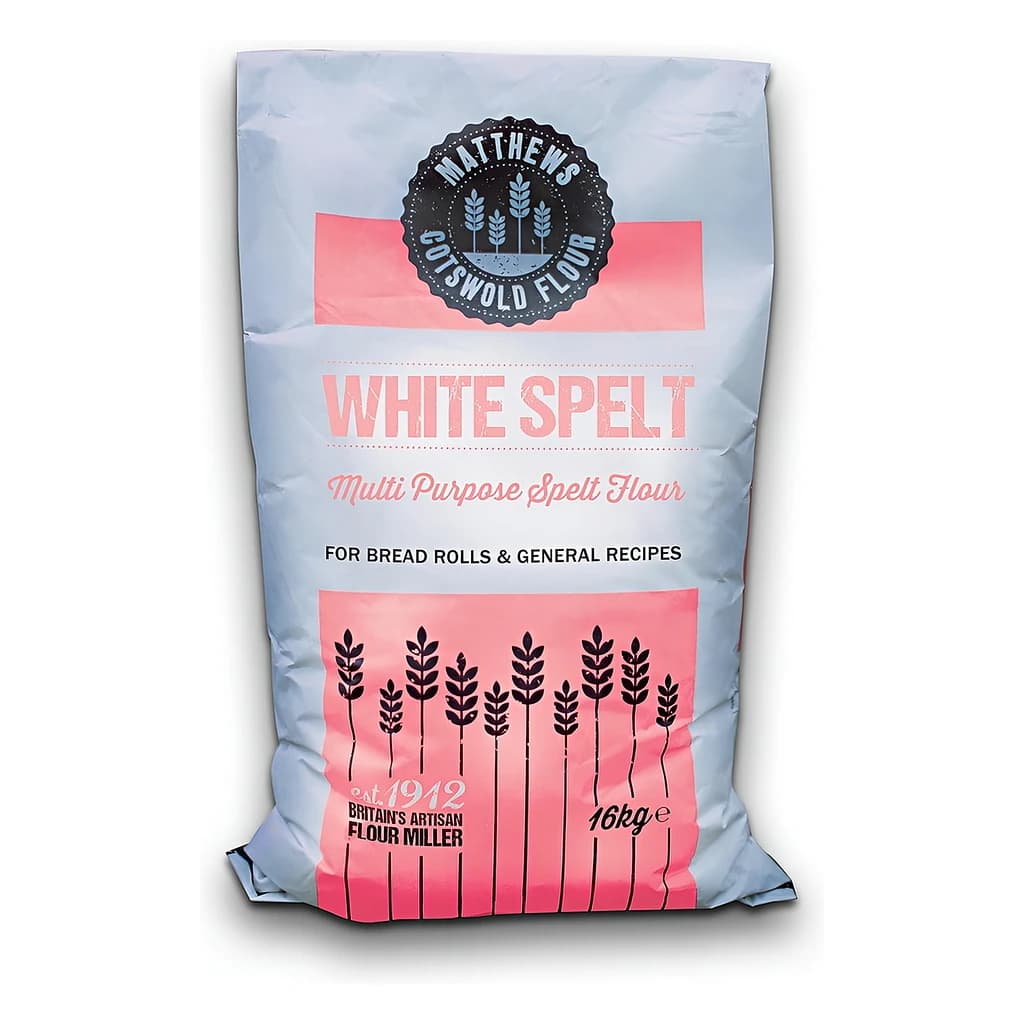
Stoneground White Spelt Flour 16 kg