
Gluten-free flour systems: rice, oat, buckwheat, teff and blend design principles
Gluten-free baking is not simply wheat-flour baking with one ingredient removed — it is a completely different structural engineering problem. This article explains how each principal GF base flour (rice, oat, buckwheat, teff, tapioca, potato starch) behaves in the oven and why none of them works well in isolation. It then maps the available binders (xanthan gum, psyllium, HPMC) and explains how professional bakers combine these components into practical blends, with real spec-sheet data from the Domson catalogue (Doves Farm Foods, IREKS, Agrol) as the authoritative baseline.
The fundamental difference: structural engineering, not substitution
When a baker removes wheat flour and inserts rice or buckwheat flour into the same recipe, the result is usually disappointing: flat, dense, crumbly, and stale within hours. The reason is that wheat flour baking relies on gluten — a viscoelastic protein network formed when gliadin and glutenin proteins hydrate and are mechanically worked — to trap fermentation gases, survive the heat of the oven, and create the springy, cohesive crumb that consumers expect.
None of the naturally gluten-free flours forms an equivalent network. Rice proteins cannot retain gas. Buckwheat proteins form some structure but far less than gluten. Teff and oat proteins contribute nutrition but not gluten's mechanical properties. Starchy flours like tapioca and potato offer no protein structure at all.
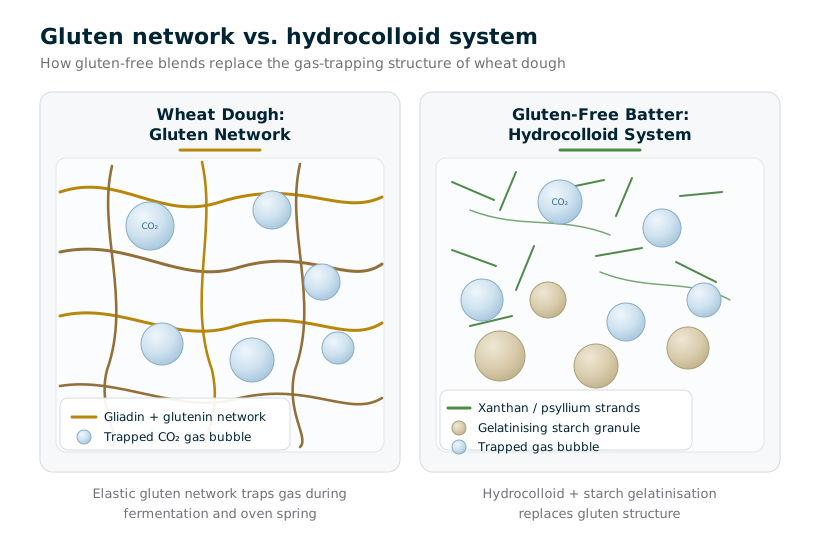 Side-by-side cross-section illustration: left side labelled 'Wheat dough' shows a network of gluten strands (gliadin + glutenin) trapping CO2 bubbles. Right side labelled 'Gluten-free batter' shows xanthan gum strands and gelatinised starch granules forming a looser network that still retains gas. Both are set on a blue background with white labels.
This means that building a functional GF flour system is a multi-component engineering exercise: you must supply a base flour (starch and nutrition), a binder (hydrocolloid network), optionally a protein supplement (egg, soy, pea protein), and a leavening system appropriate for a batter rather than a dough.
The Domson catalogue carries everything required: three pre-designed Doves Farm GF blends (including binders), the IREKS SINGLUPLUS professional bread mix system, Agrol oat flour for high-protein applications, and Doves Farm xanthan gum as a standalone binder for bakers who prefer to formulate their own systems.
1. The legal and labelling foundation
What "gluten-free" actually means on a label
Before formulating, a professional baker needs to understand the legal threshold. In the UK and EU, the term gluten-free may only be applied to a food product sold to consumers if it contains no more than 20 mg/kg (20 ppm) of gluten in the final product as sold. This threshold is set by Commission Implementing Regulation (EU) No 828/2014 and directly aligns with the Codex Alimentarius Standard for Gluten-Free Foods.
The regulation also defines a second category — very low gluten (20–100 mg/kg) — but this term applies only to products made from wheat, rye, or barley that have been specifically processed to reduce their gluten content (such as Codex wheat starch). It does not apply to products made from naturally gluten-free flours.
Practical implication: Buying a flour labelled "gluten-free" is not sufficient. The baker must verify that the finished product — after mixing with other ingredients, using equipment, and packaging — still tests below 20 ppm. The standard test method is ELISA using the R5 (Mendez) monoclonal antibody.
Oats: the special case
Oats are classified as a gluten-containing cereal under EU Regulation 1169/2011 Annex II and under UK food law. This means:
- Any product containing oat flour — including oats certified as "gluten-free" — must declare GLUTEN as an allergen on the label.
- Oat avenins (the oat prolamin fraction) do not contain the known celiac disease immunogenic epitopes from wheat, rye, or barley. The majority of celiac consumers can tolerate pure, uncontaminated oats.
- However, a small subset of celiac patients is sensitive to avenin itself. And commercial oats (not dedicated GF-certified) carry significant cross-contamination risk from wheat, rye, or barley at harvest, transport, and milling — testing frequently shows contamination above 20 ppm even in oats not labelled as containing gluten.
Food safety: The Agrol Oat Flour 25 kg (Polish spec SWG/18, 2024) declares GLUTEN-CONTAINING CEREALS as TAK (present) in the product, the facility, AND for cross-contamination risk. This flour cannot be used in products bearing a gluten-free label claim. Use only in products where oats are declared as an ingredient and the gluten allergen is fully declared.
2. Base flours: properties and applications
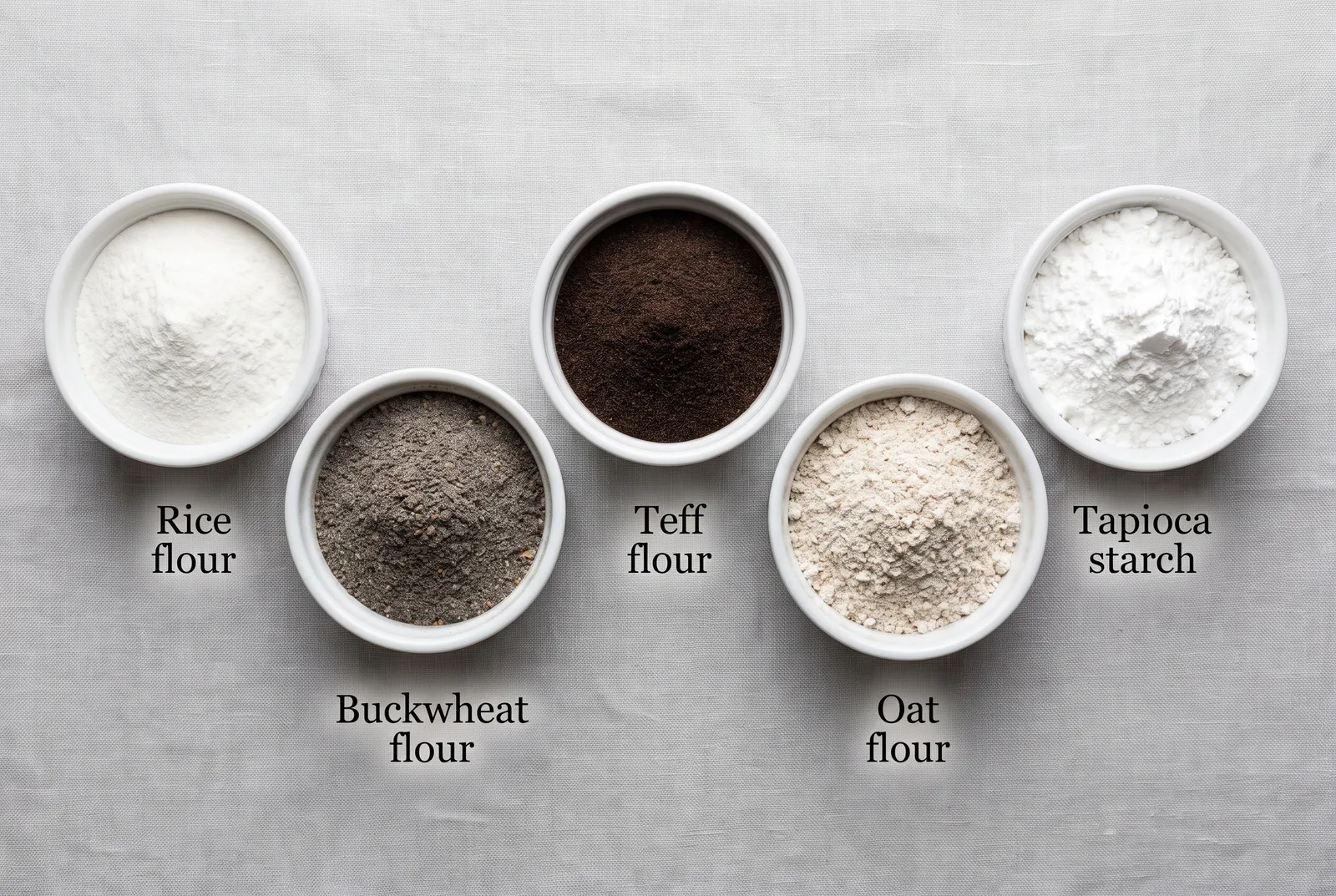
Top-down flat-lay of five small white porcelain bowls each holding a different gluten-free flour, arranged in a circle on a light grey linen surface. From top clockwise: white rice flour (bright white, fine), dark buckwheat flour (deep grey-brown, slightly coarse), teff flour (very dark brown, very fine), oat flour (cream-grey, slightly textured), tapioca starch (pure white, silky). Each bowl is labelled with the flour name in small text.
Rice flour — the universal base
What it is: Rice flour is finely milled white or brown rice. It is the most widely used GF base flour globally and the principal ingredient in all three Doves Farm GF blends in the Domson catalogue (confirmed by spec sheets for GFWB16, GFRE16, and GFBB16).
Functional properties:
- Contains no gluten-forming proteins; cannot form a viscoelastic network or retain fermentation gas on its own.
- Starch is the primary functional fraction — rice starch gelatinises during baking and contributes crumb structure, but the crumb will be dense and fragile without a binder.
- Neutral flavour and white colour make it the ideal background for all GF applications where natural grain flavour is unwanted (white bread, cakes, pastries, sauces).
- Lower loaf volume and denser texture versus wheat equivalents when used without supplementary binders.
- White rice flour is a source of manganese; lower in fibre than brown rice flour.
When to use it: Rice flour should form 40–60% of most GF bread blends. Its neutrality means it does not compete with other flavour notes. For speciality applications (GF pasta, GF crackers, GF coatings), rice flour or rice starch can be used at higher proportions.
Products in the Domson catalogue: Rice Flour 25 kg (no spec on file) and Peacock Rice Flour 25 kg (no spec on file). Doves Farm GF blends all list rice as first ingredient.
The full GF flour comparison is in the table below.
Oat flour — the high-protein, high-fibre option
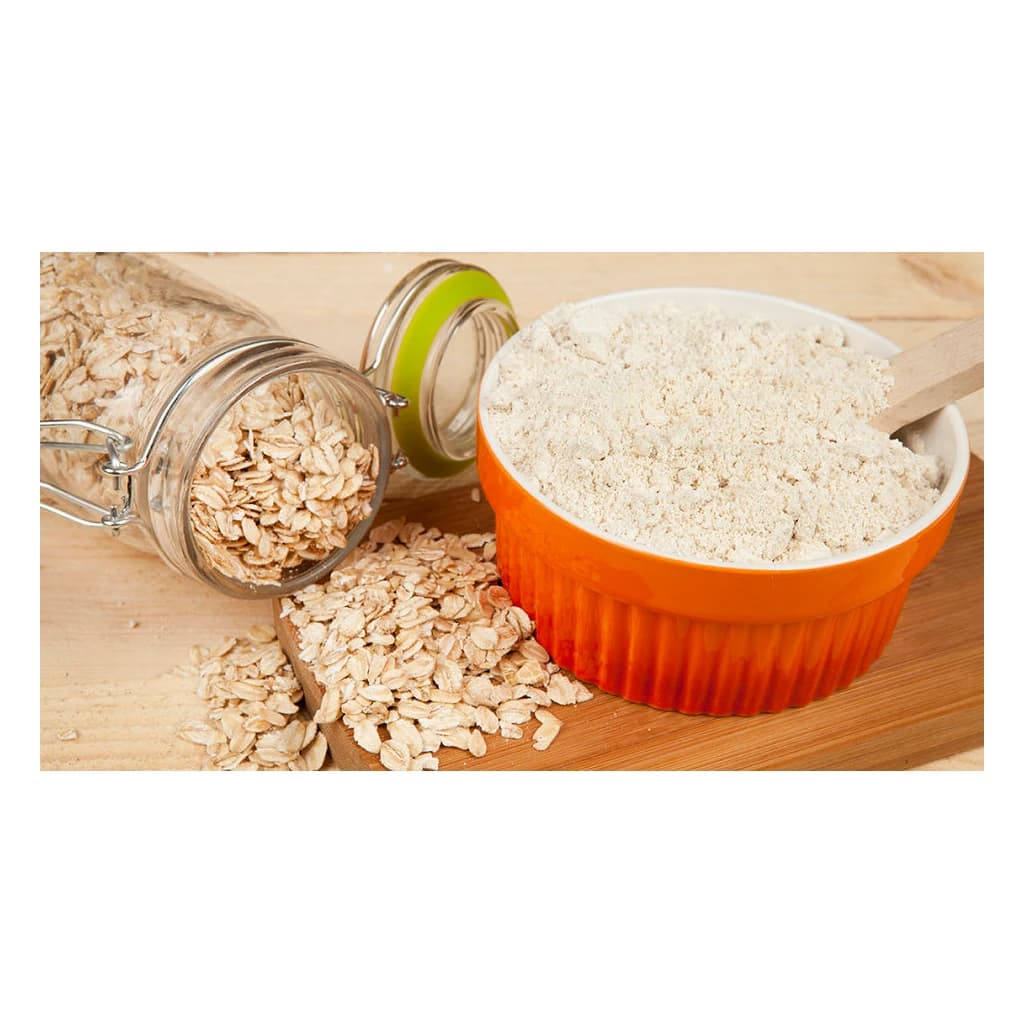
What it is: Oat flour is produced by grinding dehusked, heat-treated oat groats. The Agrol Mąka Owsiana 25 kg (Poland, spec SWG/18 dated 17.01.2024) is the catalogued product with a full technical specification.
Spec-confirmed properties:
- Protein: 13 g per 100 g — the highest spec-confirmed protein value among all GF flours in the Domson catalogue. This protein does not form a gluten network but contributes nutritional quality and water-binding capacity.
- Dietary fibre: 10.3 g per 100 g — a significant contribution. Beta-glucan is the principal soluble fibre in oats and is the source of the EFSA and FDA-approved health claims for cholesterol reduction.
- Moisture maximum: 11% — tighter than the 15% standard for wheat flours, reflecting oats' higher fat content (7.9 g/100g) and susceptibility to oxidative rancidity.
- Sieve pass: minimum 90% through 1000 µm
- Energy: 370 kcal / 1556 kJ per 100 g
- GMO-free; shelf life minimum 6 months
- Mycotoxin limits (as declared on spec, subject to human regulatory review): aflatoxin B1 ≤2.0 µg/kg; ochratoxin A ≤3.0 µg/kg; zearalenone ≤75.0 µg/kg
- Heavy metals (as declared on spec, subject to human regulatory review): Cd ≤0.1 mg/kg; Pb ≤0.2 mg/kg
Allergen status — CRITICAL: The Agrol spec declares gluten-containing cereals (oats) as present in the product, present in the facility, and with cross-contamination risk. This flour carries an inherent gluten risk and is not suitable for GF-labelled products.
Functional baking properties:
- Beta-glucan binds water aggressively: water absorption in doughs increases proportionally with beta-glucan level. Starting hydration for oat flour in GF bread should be 110–130% on flour weight (significantly higher than standard GF blends).
- Higher molar mass beta-glucan (as typically found in whole oat flour) is most effective at increasing GF bread volume and reducing crumb hardness.
- Mild, slightly nutty flavour. Off-white to grey-cream colour.
When to use it: Oat flour is valuable in high-protein GF formulations, GF porridge-style loaves, and products where the nutritional label benefit of fibre is commercially important — but only where a full gluten allergen declaration is acceptable.
Buckwheat flour — the flavour and anti-staling component
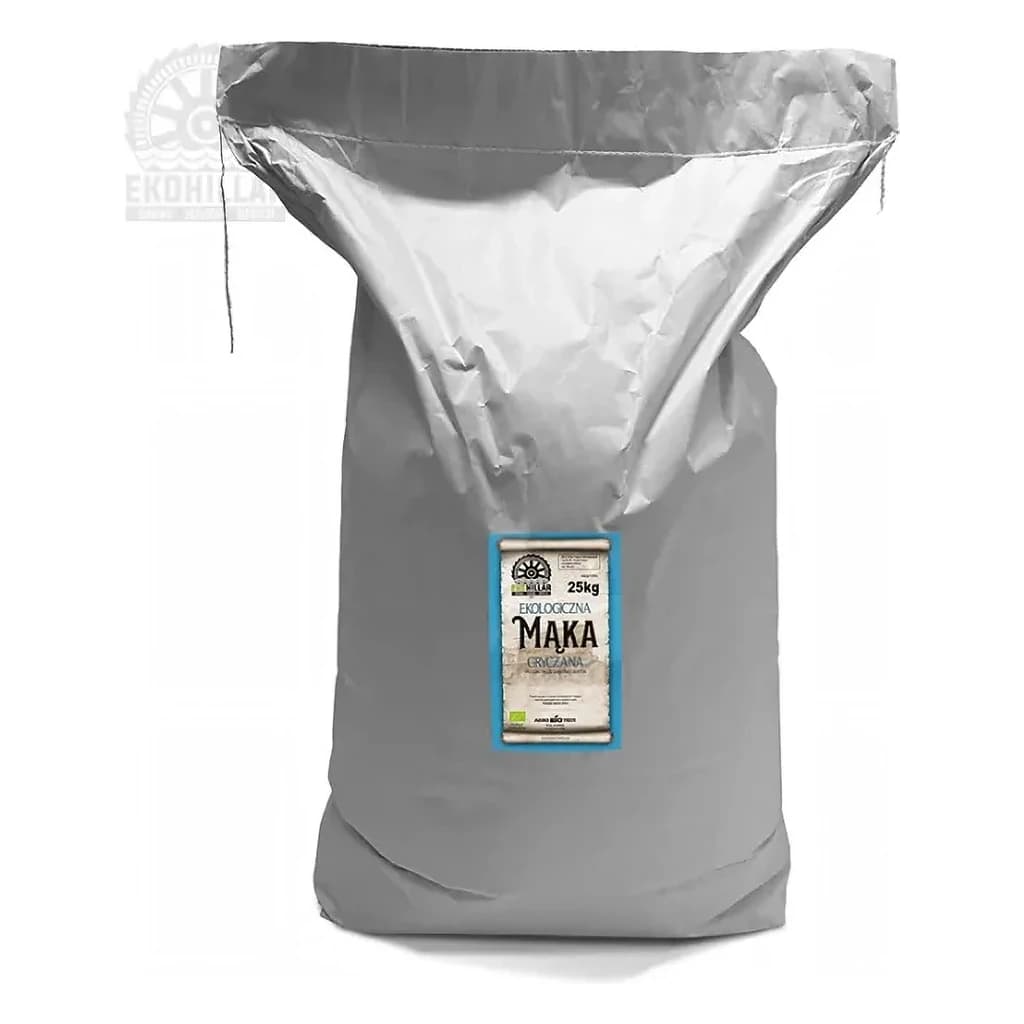
What it is: Buckwheat (Fagopyrum esculentum) is a pseudocereal — it is related to rhubarb and sorrel, not to wheat, despite the name. It is naturally gluten-free. The Domson catalogue carries Dark Buckwheat Flour 25 kg (no spec sheet on file). Buckwheat also appears as a listed ingredient in the Doves Farm GF Plain White Flour Blend (GFRE16) and GF Brown Bread Flour Blend (GFBB16).
Properties (from academic literature — confidence: medium, single-source for some values):
- Protein: approximately 11.6% (single academic source; range across varieties is wider) — the dominant protein fraction is globulins (up to 50%). These proteins do not form a gluten network but contribute some weak cohesion.
- Flavour: distinctly earthy, nutty, and slightly bitter. Intensity increases with percentage used. At 10–20% in a blend, the note is pleasant and characteristic; at above 30%, it can dominate and read as too strong for everyday consumers.
- Colour: dark grey-brown, significantly darkens the finished product.
- Anti-staling: some academic literature suggests buckwheat may contribute anti-staling character in GF blends; evidence is mixed and further trials are recommended before relying on this effect.
- Substitution level: typically 10–40% of total flour weight in GF blends, with 15–30% most commonly cited in literature.
Food safety: Buckwheat is a major allergen in France (included in French INCO national legislation) and Japan. It is NOT currently listed under EU Regulation 1169/2011 Annex II or under UK food allergen law as of 2026. However, bakeries exporting to France or producing for French consumers, or for Japanese markets, must label buckwheat as an allergen. Doves Farm GF Plain White Flour Blend contains buckwheat and is listed as Gluten Free — a downstream bakery using this blend in France must add a buckwheat allergen declaration on their finished product.
When to use it: Add buckwheat at 15–20% of total GF flour blend weight for artisan bread character without overwhelming flavour. Use at 25–35% for GF pancakes, waffles, and blini where the earthy note is desirable. The Doves Farm GF Plain White and GF Brown blends have already incorporated buckwheat at a controlled level.
Teff flour — mineral-dense, nutritionally premium
What it is: Teff (Eragrostis tef) is an ancient grain from the Horn of Africa, used as the base for Ethiopian injera flatbread. It is naturally gluten-free. No teff flour product carries a spec sheet in the Domson catalogue — all properties below are from peer-reviewed academic literature and should be treated as indicative.
Properties (from academic literature — confidence: medium, single source for nutrient data):
- Protein: approximately 13.3 g per 100 g
- Iron: approximately 7.63 mg per 100 g — significantly higher than wheat flour (~1.2 mg/100g for T550)
- Calcium: approximately 180 mg per 100 g — very high for a cereal flour
- Dietary fibre: approximately 8 g per 100 g
- Glycaemic index: low
- Antioxidants: present; teff is rich in phenolic compounds
- Nutritional positioning: at approximately 13.3 g protein and 8 g fibre per 100 g, teff flour supports formulations targeting high-protein and high-fibre nutritional profiles — verify actual finished-product values before making any EU nutritional claim.
Functional baking properties:
- Produces a close, moist crumb in bread; the natural batter does not form a strong protein network. Crumb texture varies with formulation — some studies report softening effects at low inclusion levels.
- Very dark colour (dark brown to near-black) due to phenolic compounds and bran fraction — products made with high teff fractions are visually striking but will be much darker than conventional bread.
- Slight molasses-like, slightly sweet and earthy flavour note.
- Teff-based fermentation (sourdough) has been reported to influence GF bread quality; the evidence base is emerging and trials are recommended before committing to a fermented teff formulation.
- At high substitution levels (>30%), the dense structure requires compensating with additional binder (increase xanthan to 0.5% or add psyllium 2–3%).
When to use it: Teff works best at 15–25% of the GF flour blend for everyday bread, or at higher levels for speciality GF injera-style flatbreads, GF muffins with a nutritional premium positioning, or products targeting iron-deficient consumer segments.
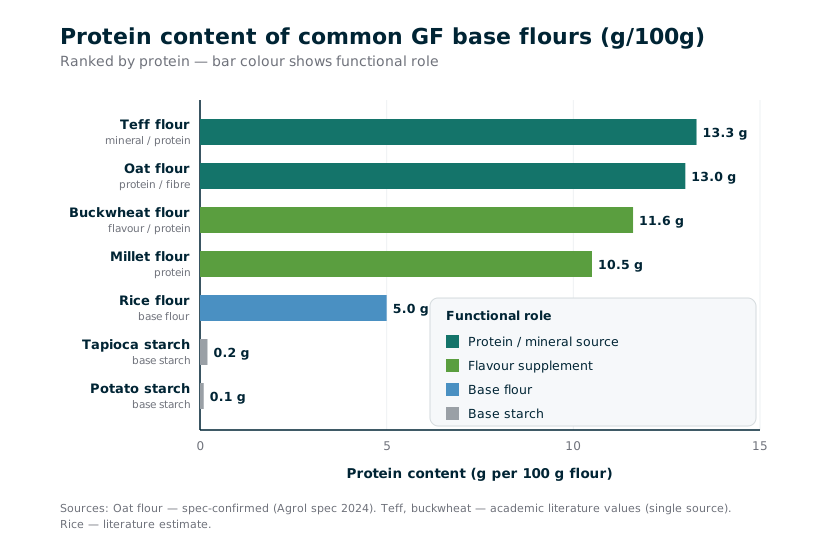 Horizontal bar chart showing protein content (g per 100 g) for seven gluten-free flours in descending order. Bars extend left to right from the y-axis. From top: teff 13.3 g (dark green, labelled 'mineral/protein source'), oat 13.0 g (green, 'protein/fibre source'), buckwheat 11.6 g (medium green, 'flavour/protein'), millet 10.5 g (light green, 'protein'), rice 5.0 g (blue, 'base flour'), tapioca 0.2 g (pale blue, 'base starch'), potato starch 0.1 g (pale grey, 'base starch'). X-axis: 0–15 g protein/100g. Title: 'Protein content of common GF base flours (g/100g)'.
Tapioca starch and potato starch — the texture builders
Both are starch-dominant, near-zero-protein ingredients that serve different purposes in a GF blend:
Tapioca starch (cassava starch) contributes chewiness, elasticity, and a slight gloss to the crumb surface. It is uniquely effective at giving GF baked goods a pleasant stretchy bite. Doves Farm GF blends include it in all three formulations. Typical use: 20–30% of total GF blend.
Potato starch is very white and contributes lightness and moisture-holding capacity to GF batters. However, it retrogredes rapidly on cooling, causing quicker staling than most GF base flours. It appears in all three Doves Farm blends. Typical use: 15–25% of total GF blend. If rapid staling is observed, reduce potato starch proportion and replace with buckwheat or add psyllium.
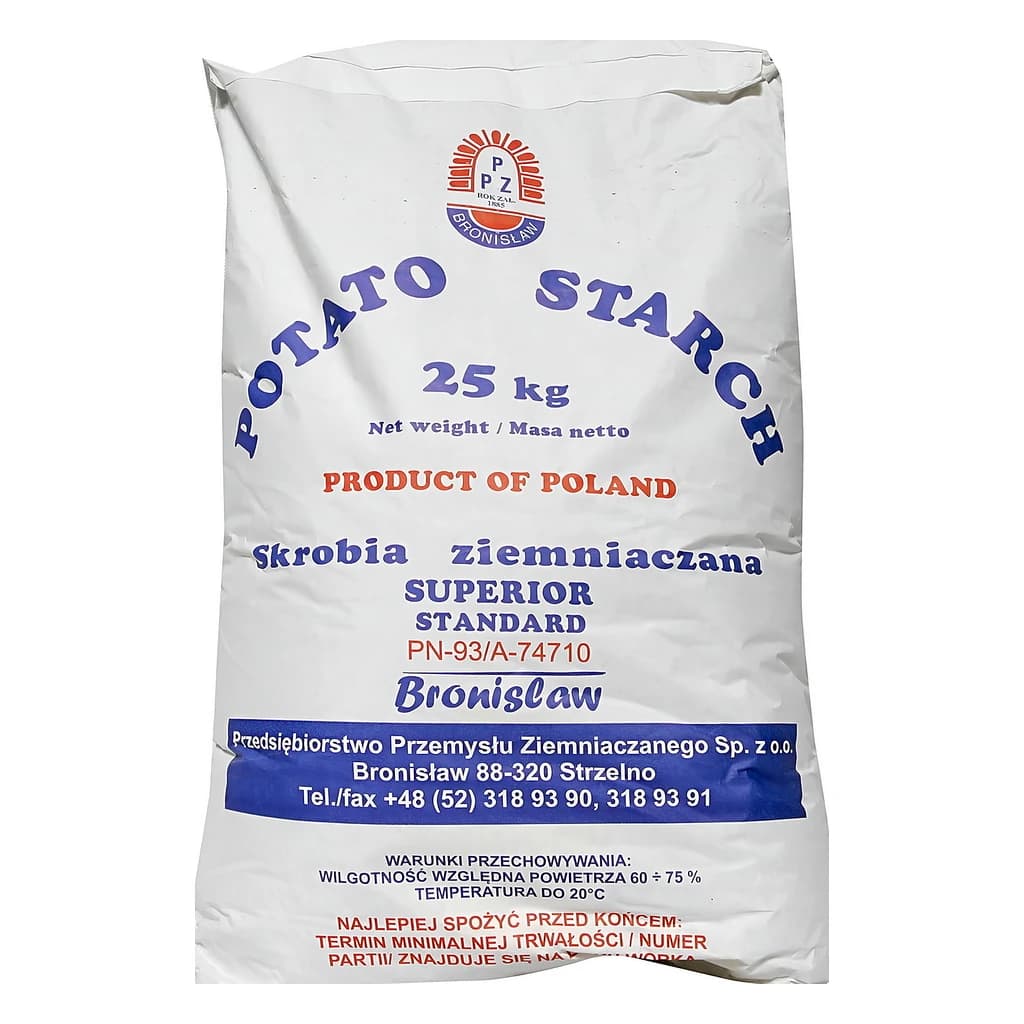
Both are listed in the Domson catalogue: Bronisław Potato Starch 25 kg (spec on file but not read for this article).
3. The binder system: replacing gluten's mechanical function
The single most critical decision in GF bread formulation is the binder. Without a hydrocolloid network, GF batters have no gas retention, produce no oven spring, and result in heavy, flat products with poor crumb.
Xanthan gum — the workhorse binder
Xanthan gum is produced by bacterial fermentation of carbohydrates by Xanthomonas campestris. Its rigid, rod-like molecular structure creates a pseudoplastic (shear-thinning) behaviour in solution — it thickens at rest, becomes thin under shear (allowing it to be mixed and pumped), then re-thickens when shear is removed. This pseudoplasticity helps GF batter retain its shape in the tin while still being mixable.
Functional effects: improved gas retention, anti-staling, stable crumb structure.
Dosage (from peer-reviewed literature): Optimisation studies suggest xanthan gum in the range of approximately 0.2–0.6% on flour weight; an experimentally determined optimal point is around 0.24% in combination with other hydrocolloids (single study ). Above 0.5–0.6%, xanthan can cause a gummy, slimy mouthfeel. For cakes and muffins, 0.2% is often sufficient. The Doves Farm GF White Bread Flour Blend and GF Brown Bread Flour Blend both include xanthan gum within the pre-blended product — no additional xanthan is needed when using these blends. The GF Plain White Flour Blend does not contain xanthan — the baker must add their own binder at the appropriate rate.
The Doves Farm Xanthan Gum 1 kg (BRQXGUMX3) is the standalone product in the Domson catalogue. It is gluten-free (Wheat Free: Yes; Gluten Free: Yes) and vegan; shelf life 18 months; white to cream free-flowing powder.
Psyllium husk — the natural, clean-label alternative
Psyllium (from Plantago ovata seed husk) has strong water-binding, gelling, and structure-building properties. When added to GF batter, it increases dough viscosity, strengthens gas cell boundaries, improves gas retention during baking, and reduces moisture loss during baking and storage.
Key practical differences from xanthan:
- Psyllium requires more water: approximately 4 g water per 1 g psyllium, versus 3.5 g water per 1 g xanthan — if substituting, increase recipe water.
- Products with psyllium show a reduced staling rate (reduced crumb firmness during storage) compared to psyllium-free GF bread; psyllium is effective at extending shelf life.
- Psyllium is classified as "natural" and can support clean-label claims; xanthan gum (despite being a natural fermentation product) carries an E-number (E415) which some clean-label consumers avoid.
- At high dosages (above 5%), psyllium can cause excessive gumminess and dense crumb — do not overdose.
Dosage: 2–5% on total flour weight. Typical starting point: 3% for bread, 2% for rolls.
HPMC (hydroxypropyl methylcellulose) E464 — for maximum oven spring
HPMC has a unique property that xanthan and psyllium lack: it gels on heating. At room temperature, HPMC solutions are liquid; as batter temperature rises in the oven, HPMC forms a gel that physically supports the expanding gas cells — this behaviour closely mimics the behaviour of gluten during oven spring. Once the starch gelatinises fully, the HPMC gel is no longer needed and the structure is set.
Dosage: 0.5–3.0% on flour weight; typically used in combination with xanthan (at lower levels) rather than alone.
Limitation: HPMC is highly hydration-sensitive; the optimal water level in formulations containing HPMC is much more critical than for xanthan-only recipes.
The commercial blender's approach — multiple binders
Professional GF bread mix manufacturers do not rely on a single hydrocolloid. The IREKS SINGLUPLUS (Product No. 118921GB) uses both xanthan gum (E415) and HPMC (E464) as listed thickeners, with psyllium also listed as a separate ingredient — a three-system approach that provides viscosity at all temperature stages.
The full hydrocolloid comparison is in the table below.
4. Ready-to-use GF systems: the professional shortcut
For bakeries producing GF lines without the R&D resource to develop their own blend systems, the ready-to-use mixes in the Domson catalogue provide fully characterised, GF-certified starting points.
Doves Farm GF White Bread Flour Blend 16 kg (GFWB16)
Base flours: Rice, Potato, Tapioca. Binder: Xanthan gum (included).
This blend is designed for GF white sandwich bread and rolls. Xanthan gum is already incorporated — the baker adds water, yeast, salt, and oil. Nutritional per 100 g: 345 kcal, protein 4.8 g, carbohydrate 79.9 g, fibre 1.1 g, fat 0.7 g.
Certifications: Coeliac UK certified; Vegetarian Society certified; Kosher (London Kosher Beth Din). Gluten <20 ppm tested per batch. Milled on a dedicated GF plant.
Microbiological standards (spec-confirmed): E. coli <20/g, Salmonella absent/25 g, Enterobacteria <1,000,000/g, Yeasts and Moulds 30,000/g.
Doves Farm GF Plain White Flour Blend 16 kg (GFRE16)
Base flours: Rice, Potato, Tapioca, Maize, Buckwheat. Binder: None — baker must add xanthan gum or psyllium.
This more complex 5-grain blend is designed for general-purpose GF baking (cakes, biscuits, pastry, pancakes). The inclusion of buckwheat adds mild flavour complexity and contributes anti-staling properties. Nutritional per 100 g: 350 kcal, protein 4.8 g, carbohydrate 80.1 g, fibre 1.0 g, fat 0.9 g.
FOOD SAFETY NOTE: This blend contains buckwheat. In France and some other markets, buckwheat must be declared as an allergen on finished products.
Doves Farm GF Brown Bread Flour Blend 16 kg (GFBB16)
Base flours: Rice, Tapioca, Potato, Buckwheat, Carob plus Sugar Beet Fibre. Binder: Xanthan gum (included).
The brown blend is designed for GF wholemeal-style bread. The sugar beet fibre dramatically increases the fibre content to 5.3 g per 100 g versus 1.1 g in the white blend — this is a 5× increase that may allow an EU/UK 'high in fibre' claim (>6 g/100g in the finished product, depending on recipe). Nutritional per 100 g: 331 kcal, protein 5.6 g, carbohydrate 75.1 g, fibre 5.3 g, fat 0.9 g.
Certifications: Coeliac UK certified; Vegetarian Society certified; Kosher (London Kosher Beth Din).
IREKS SINGLUPLUS Gluten-Free Bread Mix 12.5 kg (118921GB)
SINGLUPLUS is a complete 100%-addition rate GF bread mix — add only water. The base flours are maize starch and rice flour; the binder system is xanthan (E415) plus HPMC (E464) plus psyllium; protein is supplemented by soya protein concentrate.
Analytical data (spec range): protein 7.3–10.9% (N×6.25), starch 53.3–72.1%, fibre 6.0–8.1%, ash 2.5–3.8%, pH 5.0–6.1. Nutrition per 100 g as-baked: 333 kcal, carbohydrate 70.0 g (sugars 5.5 g), fibre 7.0 g, protein 9.1 g, salt 2.2 g.
ALLERGEN ALERT: SINGLUPLUS contains SOYBEANS (soya protein concentrate) as a recipe ingredient. Not suitable for soya-free products. Gluten ≤20 mg/kg per EU Reg. 828/2014.
Shelf life 9 months. ISO 9001:2015 certified production. Country of origin: Germany.
IREKS Gluten-Free Muffin Mix 12.5 kg (131101GB)
A complete 100%-addition muffin mix using potato starch, modified starch, and palm oil as the base. Chemical leavening (E450, E500) is included.
ALLERGEN ALERT: Contains MILK (whey powder). Not suitable for vegan or dairy-free products.
Protein is very low (0.4–0.6% analytically), reflecting the starch-dominant base — this is normal for a muffin mix where texture, sweetness, and chemical leavening are the functional requirements. Gluten ≤20 mg/kg per EU Reg. 828/2014. Shelf life 12 months.
The full product comparison is in the table below.
5. Blend design from scratch: principles and starting ratios
If you are building your own GF blend rather than using a pre-designed product, the following principles apply:
The four-component framework
- Base flour (40–60%): Rice flour is the default. It provides starch for structure and a neutral background.
- Texture modifier (20–30%): Tapioca starch for chewiness; potato starch for lightness; maize starch for neutrality. These manage mouthfeel and crumb elasticity.
- Flavour/nutritional flour (10–25%): Buckwheat, teff, oat flour, or millet for character, colour, and nutritional completeness.
- Binder (see section 3): Xanthan gum 0.3–0.5% for everyday bread; add psyllium 2–3% for anti-staling and shelf life; consider HPMC for maximum oven spring on enriched loaves.
Hydration — the biggest practical difference from wheat baking
GF batters are fundamentally wetter than wheat doughs. A typical wheat bread recipe runs at 55–70% hydration (water on flour weight). GF bread typically requires 85–120% or higher — the batter should flow slowly when the tin is tilted, rather than behaving like a kneaded dough. If oat flour is a significant component, start hydration at 110% and adjust from there due to beta-glucan water demand.
Starting formula ratios for common product types
The full blend design guide — including hydration, binder, and method notes for white bread, brown bread, rolls, sponge cake, muffins, and oat bread — is in the table below.
For ready-to-use baker's percentage starting points, see the formula cards below.
6. Common faults and their remedies
Professional GF baking has a specific set of predictable failure modes — most relating to gas retention, moisture management, or starch behaviour. The full fault, cause, and remedy table is below.
The three most common faults for bakers new to GF production:
1. Dense, low-volume loaf. Almost always insufficient or incorrectly hydrated binder. Check that xanthan or psyllium was fully dissolved in water before dry ingredients were added. If using the Doves Farm GF Plain White blend (which has no binder), you must add xanthan independently.
2. Gummy crumb. Usually means underbaked or too much xanthan. GF bread must reach a core temperature of 98°C before it is removed from the oven. At lower temperatures the starch gelatinisation is incomplete and the crumb stays gummy even though the exterior appears baked.
3. Stales within 24 hours. The primary anti-staling tool in GF bread is psyllium (reduces moisture loss) and buckwheat flour (reduces starch retrogradation). If neither is in your blend, staling will be rapid. The Doves Farm GF Brown Bread blend includes buckwheat and higher fibre — it will outperform the white blend in shelf life.
7. The Domson GF range at a glance
The full spec-confirmed comparison of Domson catalogue GF products is in the table below.
Doves Farm Foods GF blends (all 16 kg, Coeliac UK certified where noted):
- GF White Bread Flour Blend: rice + potato + tapioca + xanthan; protein 4.8 g/100g; fibre 1.1 g/100g; 345 kcal/100g
- GF Plain White Flour Blend: rice + potato + tapioca + maize + buckwheat; no binder included; protein 4.8 g/100g; 350 kcal/100g. Contains buckwheat.
- GF Brown Bread Flour Blend: rice + tapioca + potato + buckwheat + carob + sugar beet fibre + xanthan; protein 5.6 g/100g; fibre 5.3 g/100g; 331 kcal/100g. Best shelf life of the three blends.
- Xanthan Gum 1 kg (3-pack): gluten-free, vegan, wheat-free; 18 months shelf life.
IREKS professional mixes:
- SINGLUPLUS 12.5 kg: complete GF bread mix; soya protein; maize + rice base; fibre 7.0 g/100g. Contains soya. 9 months.
- Gluten-Free Muffin Mix 12.5 kg: starch-based; complete muffin system; E450/E500 leavening. Contains milk. 12 months.
Agrol Oat Flour 25 kg: protein 13 g/100g; fibre 10.3 g/100g; moisture max 11%. Not GF-certifiable — gluten allergen declared. Use where gluten allergen label is acceptable.
Coverage notes and gaps
Solid: All three Doves Farm GF flour blends, the Doves Farm xanthan gum, IREKS SINGLUPLUS, and IREKS Gluten-Free Muffin Mix have been read directly from first-party spec sheets (seven PDFs). Nutritional values, allergen matrices, and gluten thresholds from these specs are high-confidence. EU Reg. 828/2014 GF threshold is confirmed from the official EUR-Lex source.
Medium confidence (single academic source): Buckwheat protein fractions (globulin/albumin), buckwheat anti-staling effect, teff iron and calcium values, teff low GI, hydrocolloid dosage optimums. All clearly flagged in the text and in _claims.json. Recommend requesting lab COA from supplier before using these numbers in marketing copy.
Gaps:
- No spec sheet on file for Dark Buckwheat Flour 25 kg, Peacock Rice Flour 25 kg, Rice Flour 25 kg, or any teff flour product. These products should be requested from suppliers for spec sheets before any GF production decisions based on this article.
- IREKS Singluplus Seeds GF Seeded Brown Bread Mix 12.5 kg has a spec sheet on disk but was not read for this article — schedule a follow-up read for an extended GF article.
- Millet flour has a groats spec on file but no flour spec. Millet flour is not currently stocked; values in table-gf-flour-base-comparison are literature-only.
- Water absorption index figures for individual GF flours are directional guidance only; no standardised farinograph-equivalent method exists for GF flours and no spec sheets in this catalogue report such values.
- Corn Flour 25 kg has a spec on file but was not read for this article; maize values in the comparison table are from literature.
The Doves Farm specifications on file are dated 2013–2014; request a current COA before relying on them.
Figures
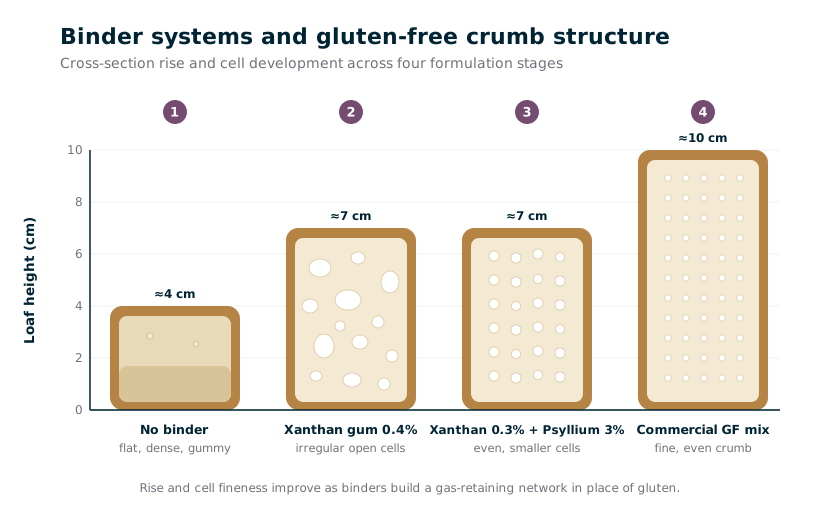 Four slices of GF bread arranged in a row from left to right, each labelled with its binder system. The leftmost slice (no binder) is extremely flat and dense with a gummy solid interior. The second slice (xanthan only) shows small irregular cells. The third slice (xanthan + psyllium) shows improved volume and more even cell structure. The rightmost slice (full commercial mix) approaches the cell structure of conventional bread.
GF White Bread — Baker's % reference (starting point only)
Using Doves Farm GF White Bread Flour Blend (which already contains xanthan gum). Adjusted for the blend's higher hydration requirement versus wheat flour. Not spec-confirmed — trial and adjust.
| Ingredient | Baker's % | Weight |
|---|---|---|
| Doves Farm GF White Bread Flour Blend — Xanthan gum included in blend | 100 | |
| Water (warm, 38–40°C) — Adjust to batter consistency; GF batters flow more than wheat dough | 90 | |
| Fresh yeast — Or 1.3% instant yeast; proof separately | 4 | |
| Sugar — Feeds yeast; aids Maillard browning | 3 | |
| Salt | 1.5 | |
| Oil (neutral, e.g. sunflower) — Improves crumb tenderness and shelf life | 4 | |
| Egg (whole, optional) — Strengthens protein network; improves crumb colour. Omit for vegan. | 10 |
Yield: Typical 500 g tin loaf from 350 g flour
GF Brown Bread — Baker's % reference (starting point only)
Using Doves Farm GF Brown Bread Flour Blend (which includes xanthan gum, buckwheat, carob, and sugar beet fibre). Slightly lower hydration than white version due to higher fibre acting as sponge.
| Ingredient | Baker's % | Weight |
|---|---|---|
| Doves Farm GF Brown Bread Flour Blend — Xanthan, buckwheat, carob, sugar beet fibre included | 100 | |
| Water (warm) — Start lower; blend's fibre absorbs more water | 85 | |
| Fresh yeast | 4 | |
| Treacle or dark syrup — Enhances colour and flavour depth; optional | 2 | |
| Salt | 1.5 | |
| Oil | 4 |
Yield: Typical 500 g tin loaf from 350 g flour
Nutritional data sourced from supplier spec sheets where available (marked *); otherwise from peer-reviewed literature. All values are per 100 g unless stated. GF = gluten-free. 'Water absorption index' is a general guidance figure for formulation starting point, not a standardised measurement equivalent to farinograph water absorption.
| Base flour | Protein g/100g | Total carbohydrate g/100g | Dietary fibre g/100g | Fat g/100g | Energy kcal/100g | Key functional character | Primary GF role | Spec confirmed |
|---|---|---|---|---|---|---|---|---|
| Rice flour (white) | 4–7 | 78–82 | 0.5–1.5 | 0.5–1.5 | 360–370 | Neutral flavour, white colour, fine particle, starchy crumb texture | Bulk flour base; colour and texture control | Doves Farm GF blend spec-sheet (rice as leading ingredient) |
| Oat flour (Agrol 25 kg spec*) | 13.0 | 56 | 10.3 | 7.9 | 370 | High protein, high beta-glucan (functional fibre); absorbs more water; mild nutty flavour | Protein boost; fibre enrichment; moisture retention | Yes — spec sheet |
| Buckwheat flour (dark) | ~11.6 | ~70–72 | ~3–5 | ~2–3 | ~335–345 | Earthy/nutty/bitter flavour; dark colour; anti-staling; no gluten-forming proteins | Flavour; partial structure (protein network); anti-staling | No spec sheet in catalogue — values from academic literature (single source) |
| Teff flour (brown/whole) | ~13.3 | ~65–68 | ~8 | ~2–3 | ~340–360 | Dense moist crumb; very dark colour; rich in iron and calcium; slight molasses note | Mineral enrichment; fibre; nutritional claims enablement | No spec sheet in catalogue — values from academic literature (single source) |
| Maize / corn starch | ~0.3–0.5 | ~87–89 | ~0.5 | ~0.1 | ~350–360 | Near-tasteless; bright white; thickening; gas cell structure in batters | Structural diluent; lightness | Corn Flour 25 kg spec exists — not read for this article |
| Tapioca starch | ~0.1–0.3 | ~88–90 | ~0.5–1.0 | ~0.1 | ~355–360 | Neutral; very elastic stretch; contributes chewiness; slightly glossy crumb surface | Chewiness; crumb elasticity; crust gloss | Present in Doves Farm blends (White Bread, Plain White) |
| Potato starch | ~0.1–0.2 | ~82–85 | ~0.5–1.5 | ~0.05 | ~330–340 | Very white; light texture; retrogrades rapidly (staling); high water absorption index | Lightness; structure; moisture retention before retrogradation | Bronisław Potato Starch spec exists — Doves Farm blends include potato flour |
| Millet flour | ~10–11 | ~73–75 | ~3–4 | ~3–5 | ~370–380 | Mild flavour; yellow colour; good protein with amino acid balance; relatively digestible starch | Nutritional completeness; colour; protein supplement | Millet Groats 25 kg spec exists — no millet flour spec; groats are whole grain |
Buckwheat, teff, and millet values are single-source from academic literature; treat as indicative, not specification values. Oat flour values are from the Agrol Mąka Owsiana spec sheet (Poland, 2024) and represent the confirmed spec. Rice flour values are inferred from Doves Farm GF blend composition and BAKERpedia — not a standalone flour spec. Request COA from your supplier for actual batch values.
All three blends are produced by Doves Farm Foods on a dedicated gluten-free plant. Gluten content <20 ppm confirmed per batch. Nutritional values from UKAS-accredited laboratory (stated on spec sheets). All values per 100 g.
| Product | Product code | Base flours | Binder included | Protein g/100g | Carb g/100g | Fibre g/100g | Fat g/100g | Energy kcal/100g | Certifications | Shelf life |
|---|---|---|---|---|---|---|---|---|---|---|
| GF White Bread Flour Blend 16 kg | GFWB16 | Rice, Potato, Tapioca | Xanthan Gum (included) | 4.8 | 79.9 | 1.1 | 0.7 | 345 | Coeliac UK; Vegetarian Society; Kosher (London Beth Din) | 9 months |
| GF Plain White Flour Blend 16 kg | GFRE16 | Rice, Potato, Tapioca, Maize, Buckwheat | None (baker adds own) | 4.8 | 80.1 | 1.0 | 0.9 | 350 | Gluten Free <20 ppm; Vegetarian Society | 9 months |
| GF Brown Bread Flour Blend 16 kg | GFBB16 | Rice, Tapioca, Potato, Buckwheat, Carob + Sugar Beet Fibre | Xanthan Gum (included) | 5.6 | 75.1 | 5.3 | 0.9 | 331 | Coeliac UK; Vegetarian Society; Kosher (London Beth Din) | 9 months |
CRITICAL ALLERGEN NOTE: All three blends are produced on a dedicated GF plant. Despite this, the allergen matrices on all three spec sheets confirm that Wheat derivatives have 'YES' for Onsite Storage cross-contamination possibility — and gluten is tested and segregated. The GF Plain White Blend includes BUCKWHEAT — which is a major allergen in some jurisdictions (France, Japan) though not currently listed under EU Reg. 1169/2011 Annex II. Downstream bakeries should check their target market regulations before making allergen claims on finished products. Oats are NOT an ingredient in any of these three blends. Spec dated 2014 (Issue 6) — verify with current COA for production-critical use.
Dosage figures are from peer-reviewed literature (PMC) and single academic studies unless marked as spec-confirmed. These are starting-point guides for professional bakers; optimise by trial for your specific flour blend. All dosages are expressed as % on total flour weight.
| Hydrocolloid | Typical dosage % on flour | Water demand per g | Key functional effect | Advantages | Limitations | Confidence |
|---|---|---|---|---|---|---|
| Xanthan gum | 0.24–0.5% | ~3.5 g water / g gum | Pseudoplastic, elastic network; gas retention; shear-thinning batter | Wide temperature stability below gelatinisation; effective at low dose; well characterised | Loses viscosity at high baking temperatures; can cause sticky crumb if over-dosed; slimy mouthfeel above 0.6% | High (multi-source academic) |
| Guar gum | 0.5–1.0% | ~5–6 g water / g gum | Viscosity builder; water retention; crumb softening | Low cost; effective in cold dough | Less thermally stable than xanthan; less effective alone; combine with xanthan | Medium (academic, single study for dosage) |
| HPMC (hydroxypropyl methylcellulose) E464 | 0.5–3.0% | ~4–5 g water / g gum | Thermal gelation on heating (unlike xanthan); holds gas during oven spring | Unique 'thermal gelation' mimics gluten oven-spring behaviour; improves loaf volume | High cost; very hydration-sensitive; complex to handle in production | Medium (academic) |
| Psyllium husk | 2–5% | ~4 g water / g psyllium | Water-binding; gel-forming; gas cell strengthening; shelf-life extension | Natural/clean-label; reduces staling; improves dough handling; high fibre contribution | Increases dough viscosity rapidly; requires careful hydration order; can cause gumminess at high dose | High (multi-source academic) |
| Carob / locust bean gum E410 | 0.3–0.8% | ~3–4 g water / g gum | Synergistic thickening with xanthan (1:1 ratio gives gel); crumb improvement | Synergistic with xanthan; natural origin | Alone = poor performance; synergy with xanthan only | Medium |
The IREKS SINGLUPLUS professional mix uses both E415 (xanthan) and E464 (HPMC) together alongside psyllium — demonstrating the commercial multi-hydrocolloid strategy. Doves Farm GF White Bread Flour and GF Brown Bread Flour both include xanthan gum in the blend (baker does not add separately). The GF Plain White blend does NOT include xanthan — baker must add their own binder.
Baker's percentage on total GF flour weight. These are literature-informed and professionally informed starting points only — not spec-sheet values. Adjust based on your specific flour blend, mixing method, and oven conditions. Single-source confidence unless noted.
| Product type | Recommended base flour mix | Binder system | Hydration (water on flour) | Notes |
|---|---|---|---|---|
| GF white sandwich bread | Rice flour 50% + Tapioca 25% + Potato starch 25% | Xanthan gum 0.3–0.4% OR psyllium 3–4% | 90–110% | High water absorption vs wheat bread (55–65%); batter/thick batter consistency not dough. Dedicated GF blend simplifies this. |
| GF brown loaf (fibre-enriched) | Rice flour 40% + Buckwheat 20% + Tapioca 20% + Potato 20% | Xanthan 0.3% + psyllium 2–3% | 100–120% | Buckwheat contributes colour and anti-staling; psyllium extends shelf life. Doves Farm GF Brown blend approximates this ratio. |
| GF rolls / dinner rolls | Rice flour 60% + Tapioca 25% + Potato starch 15% | Xanthan gum 0.3–0.5% | 85–100% | Tapioca adds chewiness and crust gloss. Roll weight 50–80 g preferred for even bake. |
| GF sponge cake | Rice flour 50% + Tapioca 30% + Potato starch 20% | Xanthan 0.2% (or omit if creamed method with egg) | Wet ingredients to recipe | Egg provides protein network; xanthan may be optional. Test for gumminess. |
| GF muffin / quick bread | Rice flour 40% + Maize starch 30% + Potato starch 30% | Xanthan 0.3% OR commercial GF muffin mix (IREKS 131101GB) | Wet to recipe | Chemical leavening (baking powder) essential. IREKS Muffin Mix is a complete ready-to-use solution. Contains milk allergen. |
| GF oat bread (for tolerant GF consumers — NOT celiac safe without specialist oats) | Oat flour 50% + Rice flour 30% + Tapioca 20% | Xanthan 0.3% + psyllium 2% | 110–130% (high oat water demand) | ALLERGEN: oats = gluten-containing cereal (EU/UK law). Cannot be used in products labelled GF without verified GF-certified oats. Agrol Oat Flour is NOT certified GF — lab results show gluten cross-contamination risk. |
Confidence: medium (single-source or practitioner convention for all rows). These blend ratios are starting points derived from academic research papers and professional GF baking guides. Always run trials and verify final product gluten content by ELISA (R5 method) before making a GF label claim. Batter/dough consistency is a better guide than recipe weight — GF batters are typically wetter and more fluid than wheat doughs.
Based on academic literature and professional GF baking guidance. Each defect has at least one identified source.
| Defect | Likely cause(s) | Remedy | Source |
|---|---|---|---|
| Low loaf volume / dense crumb | Insufficient binder (xanthan/psyllium); under-proofed; protein too low in flour blend | Increase xanthan to 0.4–0.5%; extend proof to double volume; add egg white or soya protein to blend | BAKERpedia; academic |
| Gummy / wet crumb | Excess xanthan or guar gum; under-baked; starch not fully gelatinised | Reduce xanthan below 0.5%; extend bake time (core temp 98°C); check oven temperature accuracy | Literature |
| Crumbly / falls apart on slicing | Insufficient binder; blend lacks tapioca (elastic component); over-baked | Add or increase psyllium (2–4%); add tapioca starch (20–25% of flour); adjust bake-off time down | BAKERpedia; Doves Farm spec sheet |
| Rapid staling / hardening by day 2 | Potato starch retrogrades rapidly; no anti-staling component; low psyllium level | Reduce potato starch proportion and replace with tapioca or oat flour; increase psyllium to 3–4% (confirmed to reduce crumb firmness during storage); trial buckwheat flour at 15–20% (mixed evidence on retrogradation effect — run trials) | Academic |
| Very dark / bitter crumb | Too much buckwheat flour (>30%) or teff (>20%); extended Maillard from high fibre | Reduce buckwheat to 15–20% of blend; use light buckwheat flour (hull removed); reduce bake temperature 5–10°C | King Arthur; Doves Farm plain blend composition |
| Collapsed centre / sunken crust | Over-proofed; too much moisture; oven opened too early | Proof only to 80% of tin volume; reduce water by 5% in recipe; do not open oven door in first 15 minutes | BAKERpedia |
| Uneven cell structure (large holes and dense areas) | Uneven binder hydration; mixing time too short; leavening uneven | Pre-hydrate xanthan/psyllium in all the water for 5 min before mixing dry ingredients; mix minimum 3 min on medium speed | Academic |
- Value:
- ≤20 mg/kg (20 ppm) gluten
- Regulation:
- EU Reg. 828/2014; aligns with Codex Alimentarius Standard for Gluten-Free Foods
- Test method:
- ELISA using R5 monoclonal antibody (Mendez method) is industry standard for GF verification
- Value:
- Oats are classified as a gluten-containing cereal under EU Reg. 1169/2011 Annex II
- Implication:
- Any product containing oat flour — including certified GF oats — must declare GLUTEN as an allergen on the label
- Value:
- Doves Farm GF blends are milled on a dedicated gluten-free plant; tested per batch <20 ppm
- Implication:
- These blends carry the lowest risk of adventitious gluten contamination at the raw material level
- Value:
- 0.24–0.5% on flour weight for GF bread; up to 0.5% for rolls; reduce to 0.2% for cakes
- Note:
- Doves Farm GF White and Brown Bread blends include xanthan in the blend — no additional xanthan required
- Note:
- From highest to lowest protein (g/100g, indicative): teff ~13.3 > oat 13.0 (spec-confirmed) > buckwheat ~11.6 > millet ~10–11 > white rice ~4–7 > tapioca/starch ~0.1–0.5
Buy the ingredients
Catalogue products and brands referenced in this article.
Oat Flour 25 kg
Bronisław Potato Starch 25 kg
Dark Buckwheat Flour 25 kg
Ireks Gluten Free Vegan Cake Mix 12.5 kg
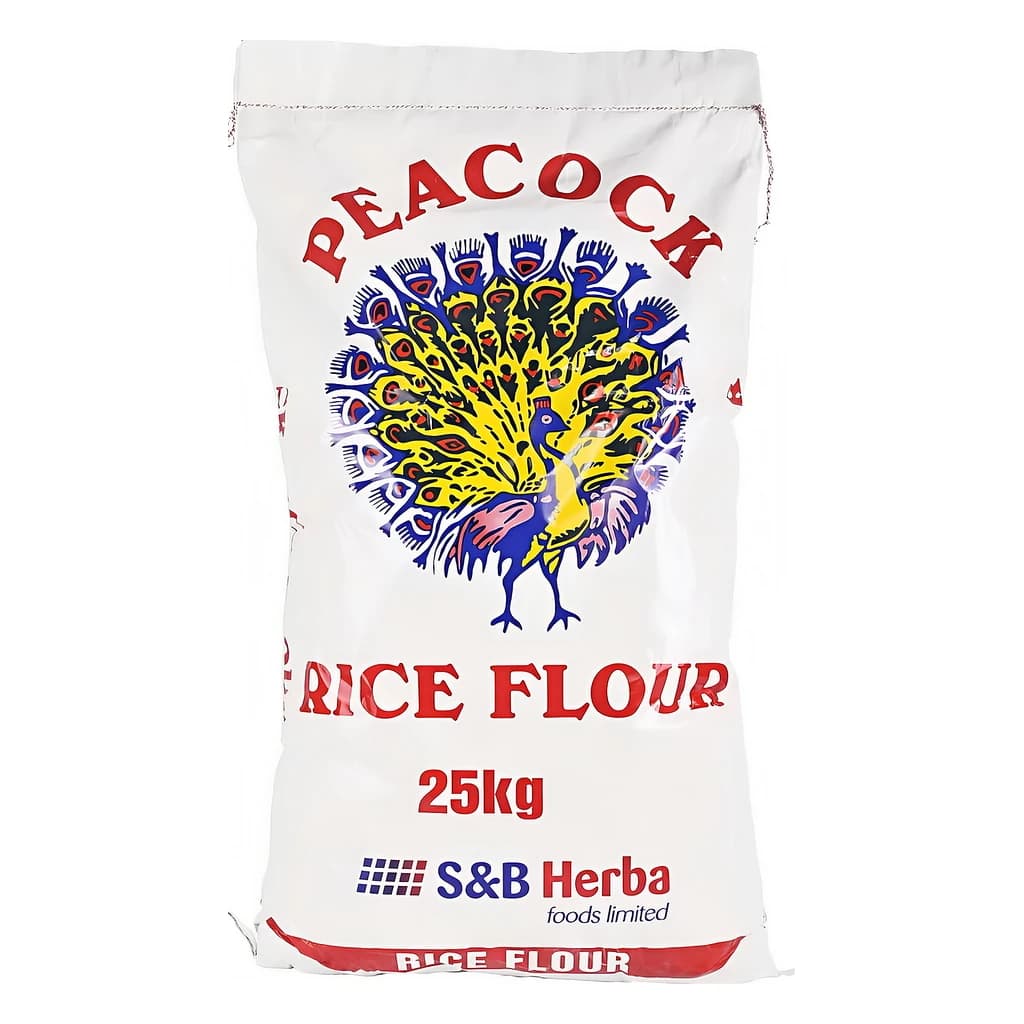
Peacock Rice Flour 25 kg
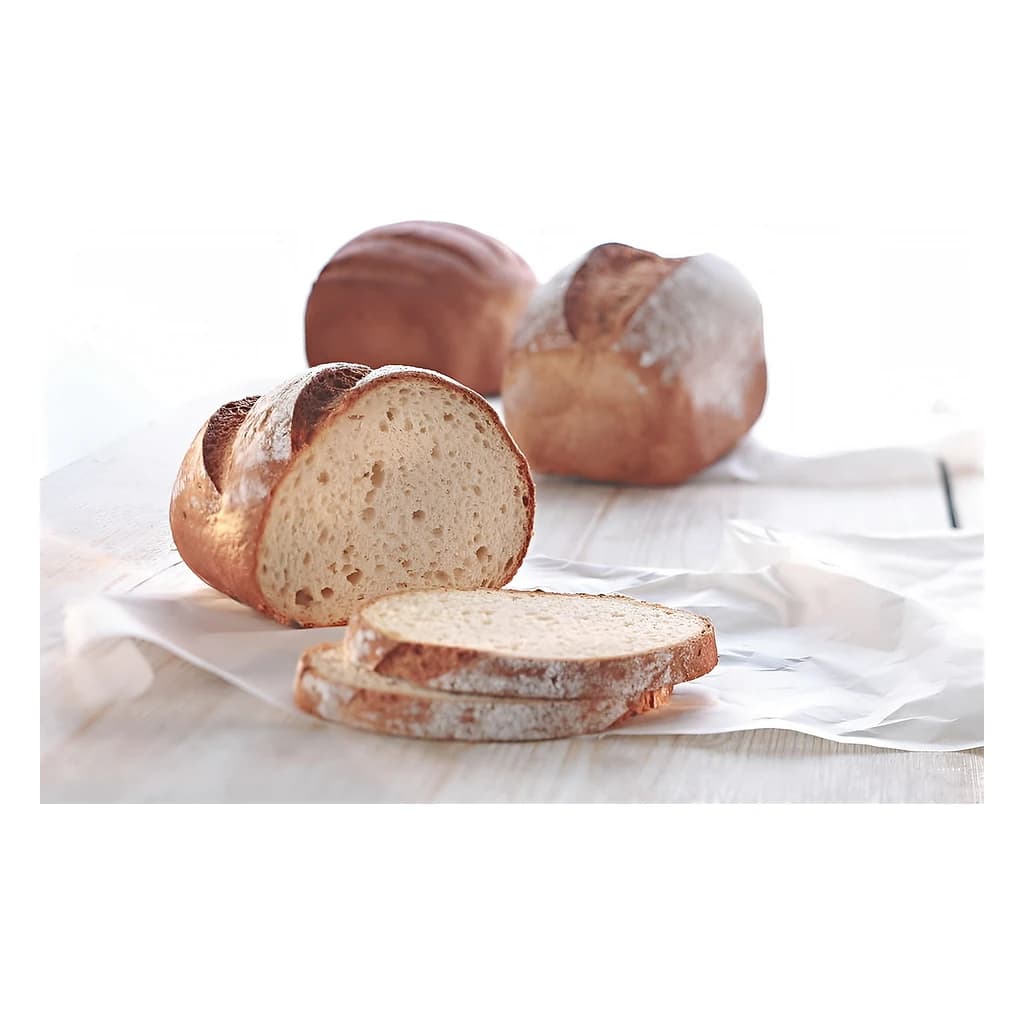
Ireks Singluplus Gluten-Free Bread Mix 12.5 kg
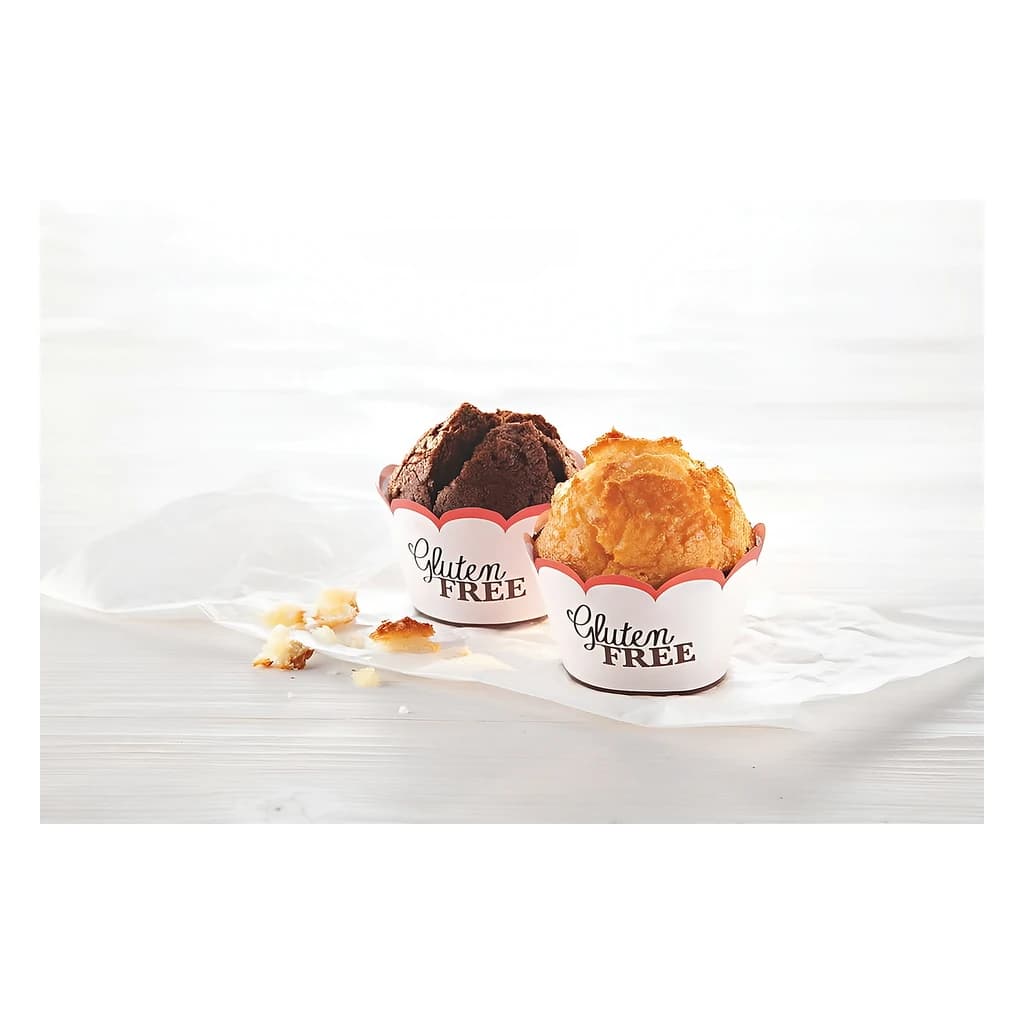
Ireks Gluten Free Muffin Mix 12.5 kg
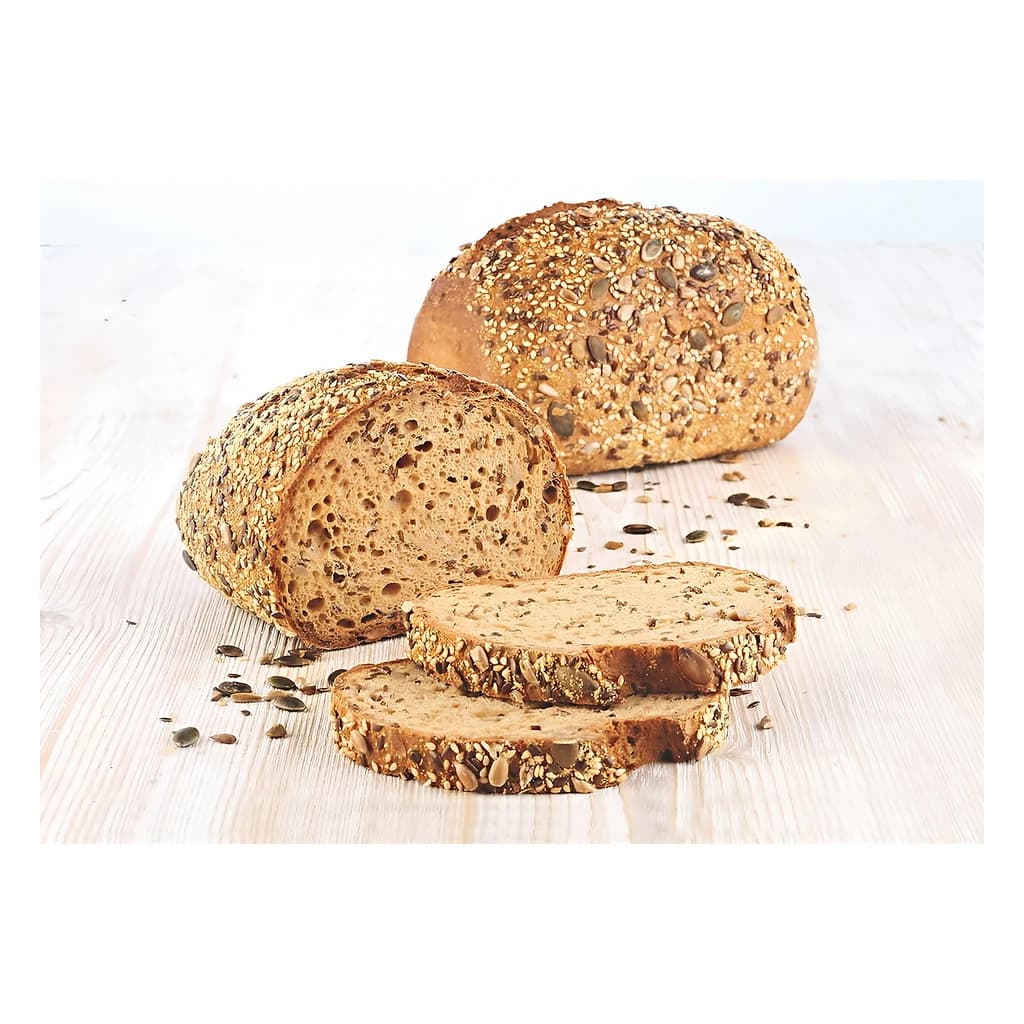
Ireks Singluplus Seeds GF Seeded Brown Bread Mix 12.5 kg
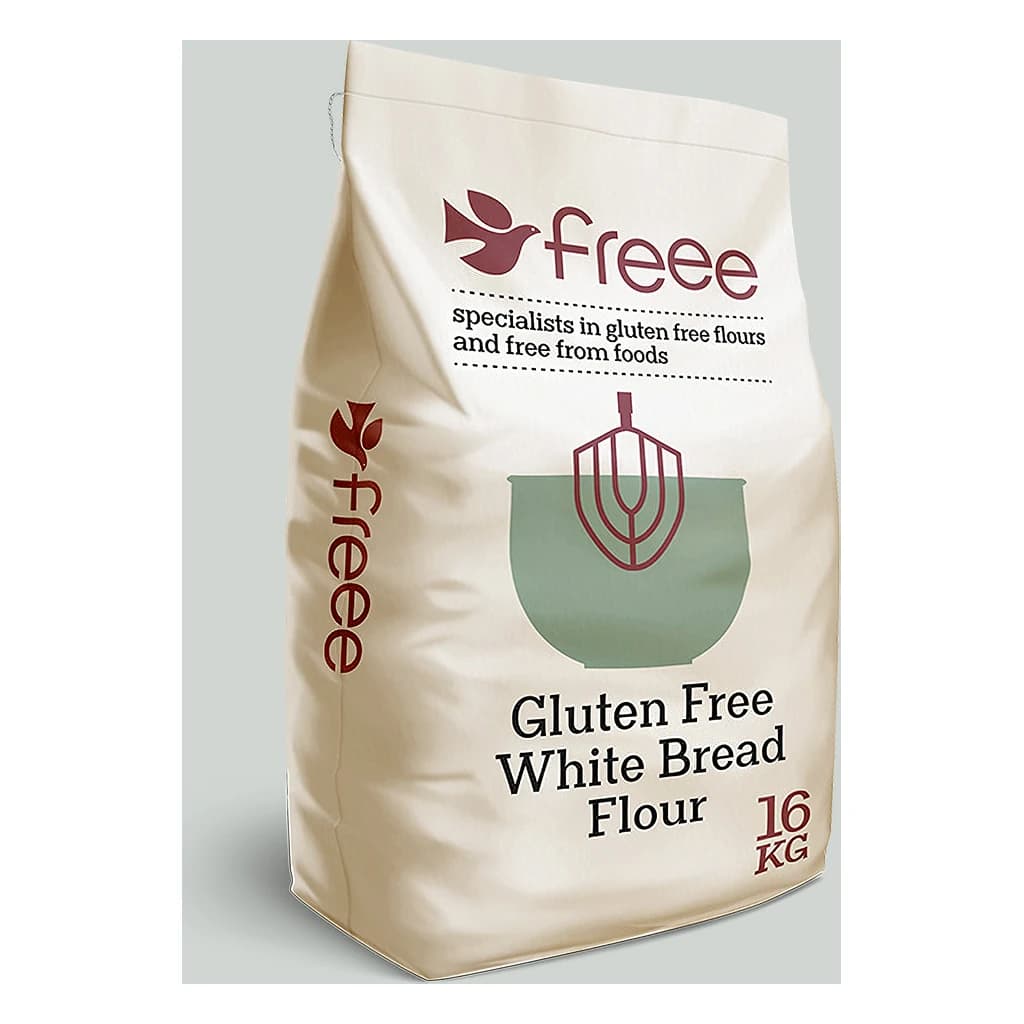
Gluten Free White Bread Flour 16 kg
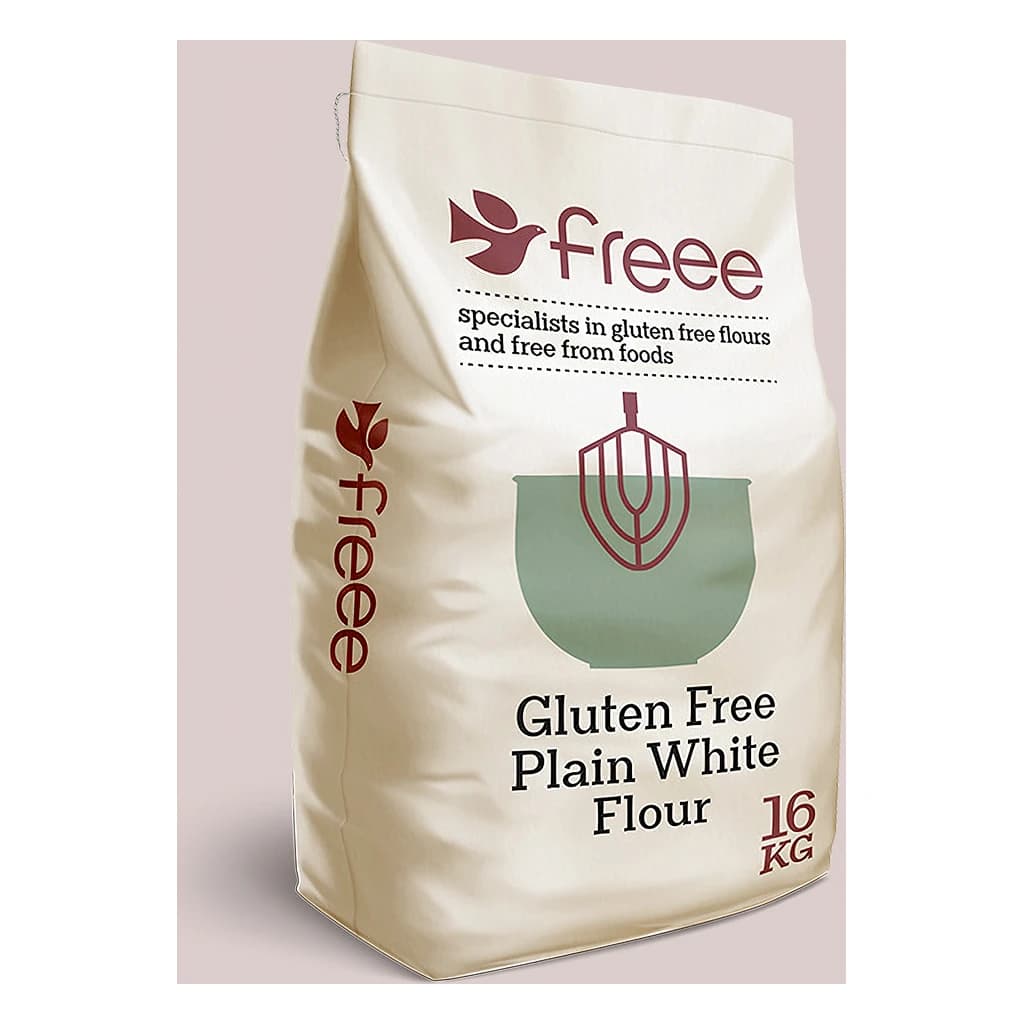
Gluten Free Plain White Flour 16 kg
Freee Xanthan Gum Gluten Free 3 × 1 kg
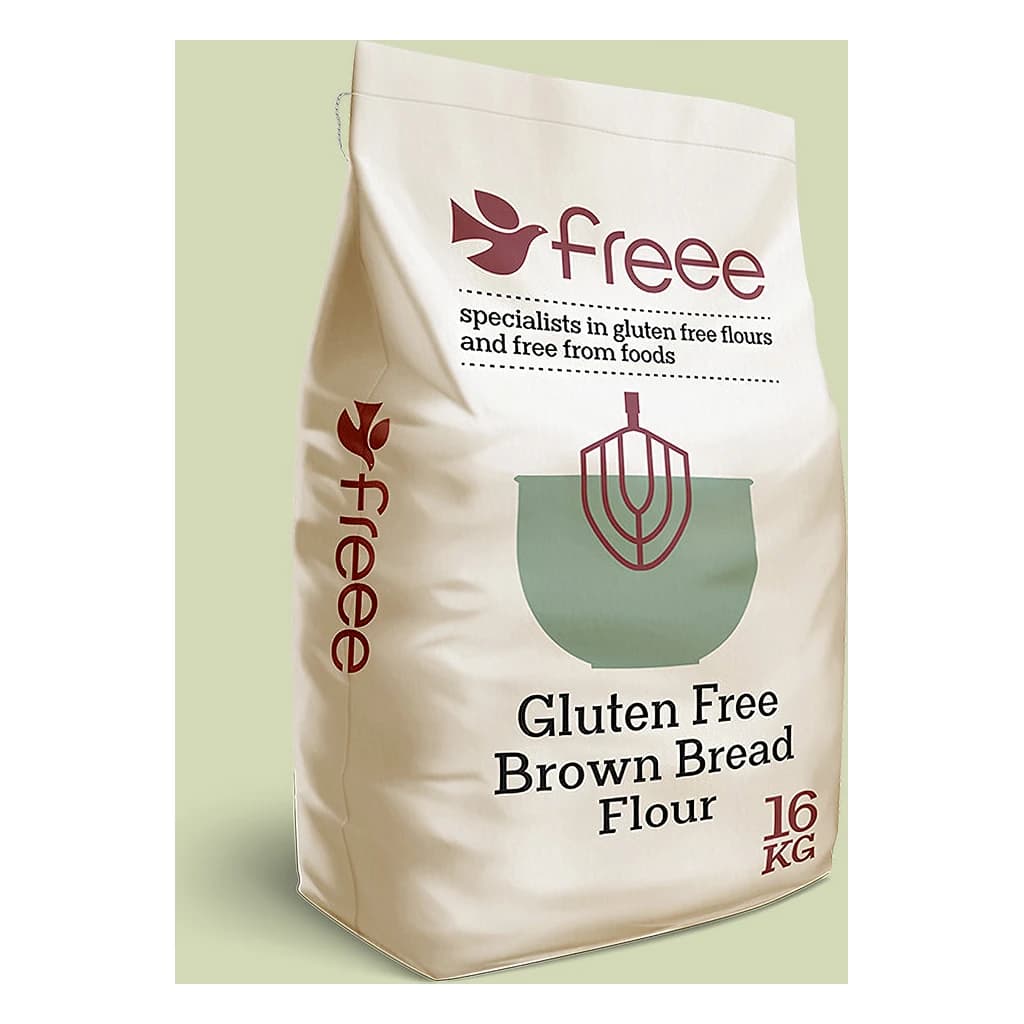
Gluten Free Brown Bread Flour 16 kg